


Concept scenario
High Voltage Line Underside Patrol and Vegetation Growth Control
Scenario record: it defines the environment, the mission flow and a proposed hardware and software configuration. The list below is a configuration proposal, not an installation inventory. Field projects lists deployed systems and their measurements.
- Environment
- Outdoor field
- Operating mode
- Supervised autonomy
- Proposed robot
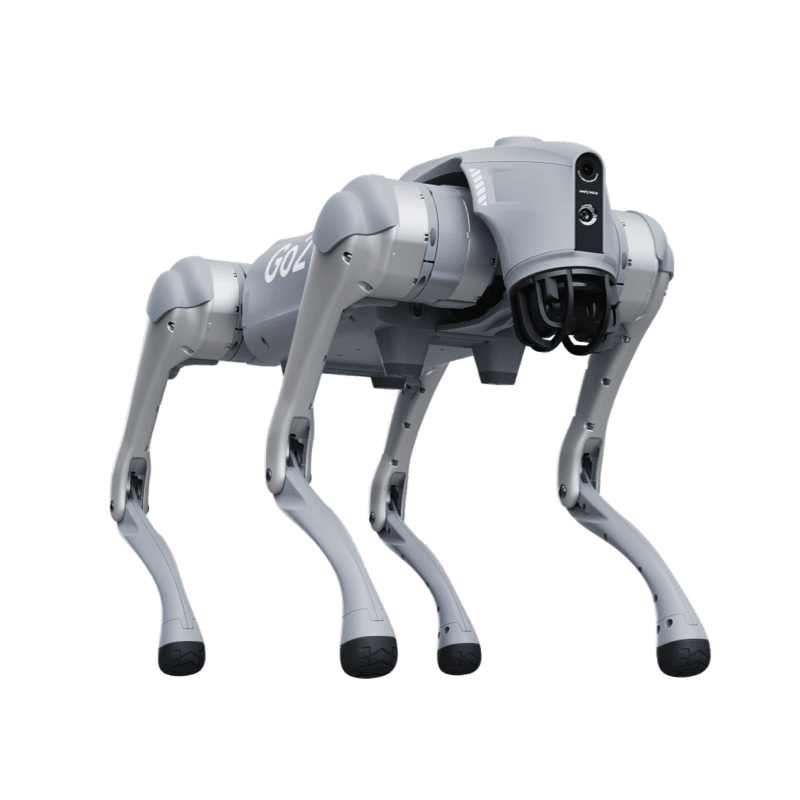
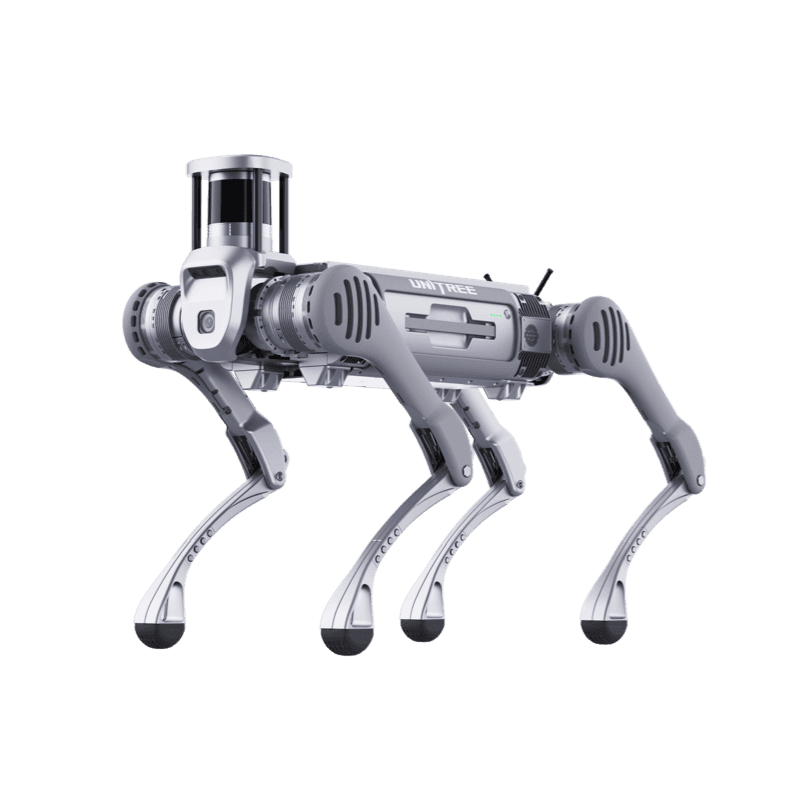
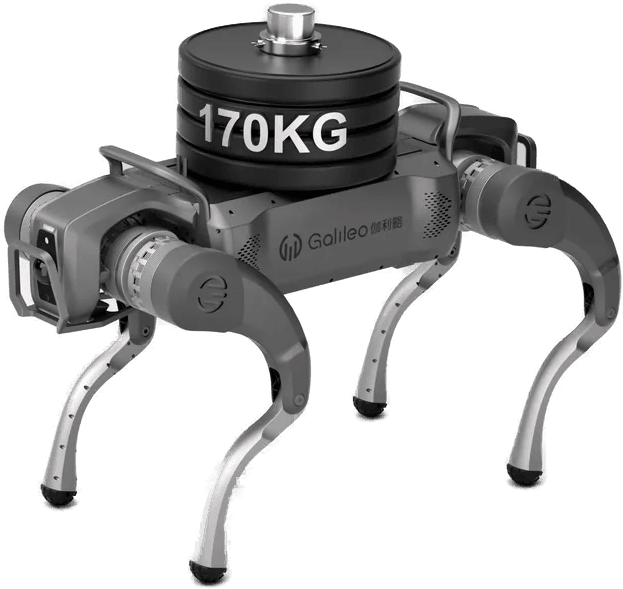
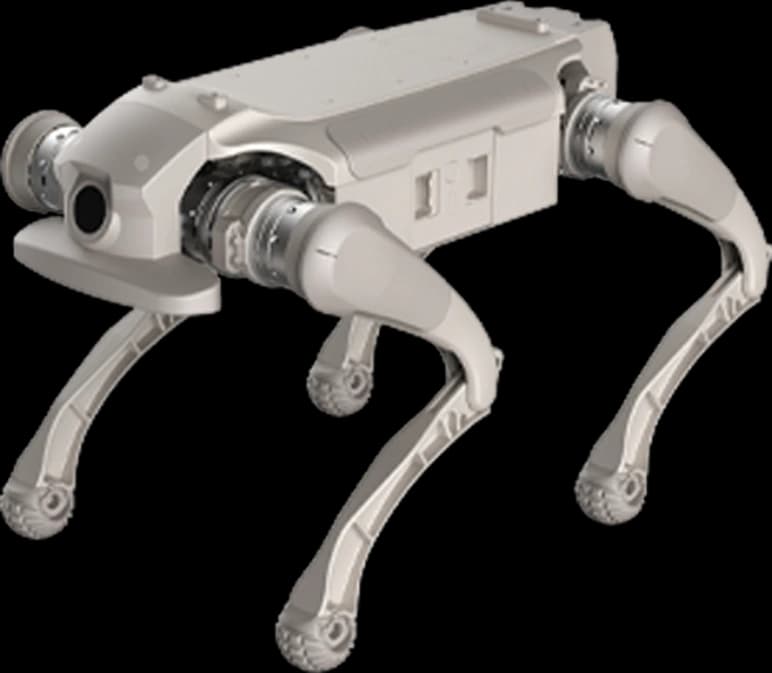
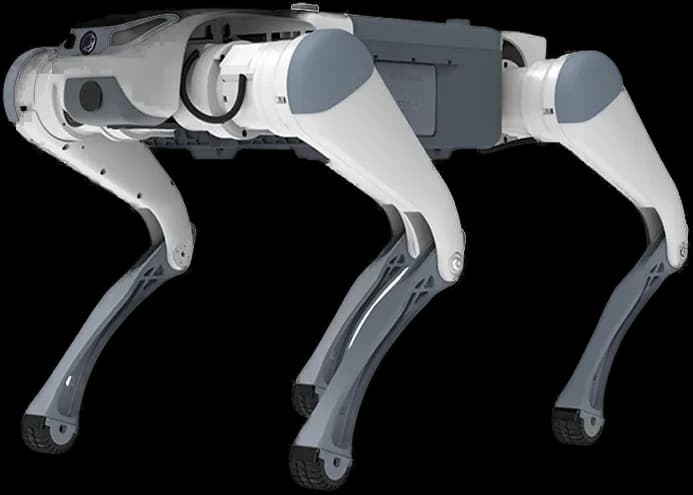
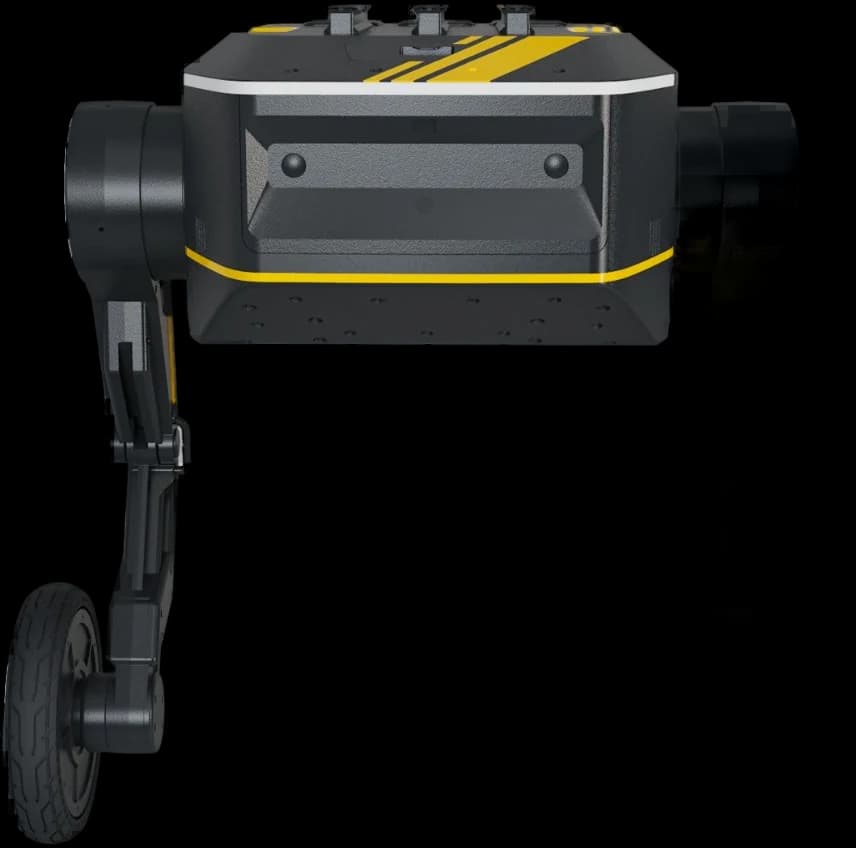
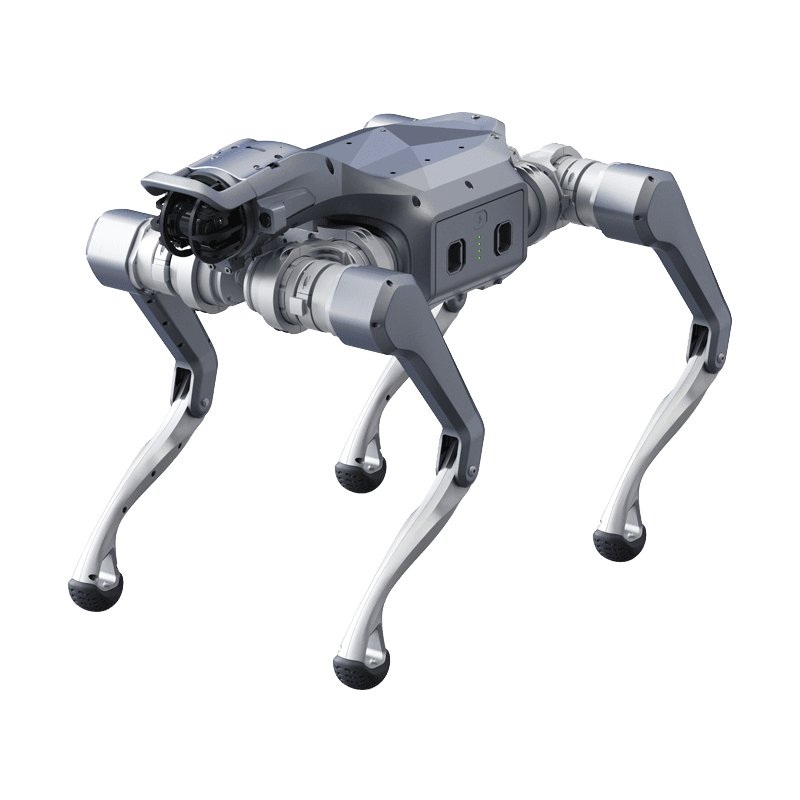
- Unitree A2
The problem addressed
Line faults caused by vegetation contact and the cost of helicopter-based line inspection.
Draft mission flow
- 1The robot walks autonomously along the transmission line; continuously measures electromagnetic field values beneath the line with EMF sensors.
- 2Maps the height of trees and vegetation under the line with centimeter precision using multispectral camera and LiDAR.
- 3Plants at risk of exceeding safe distance limits are tagged with GPS coordinates and automatic work orders are opened for pruning teams.
- 4When abnormal EMF values are detected, potential conductor sagging or insulation loss is sent as an alarm to SCADA.
Proposed hardware
- Electromagnetic Field Meter (EMF Sensor)
- Multispectral Camera
- RTK-GPS
- 3D LiDAR
Proposed software
- Navigation
- Waypoint-based long-range autonomous driving along the line route
- Model
- Vegetation Height Detection and Safe Distance Violation Calculation
- Integration
- Transmission Line Maintenance Portal (TSO/DSO)
The robot's real operating limits
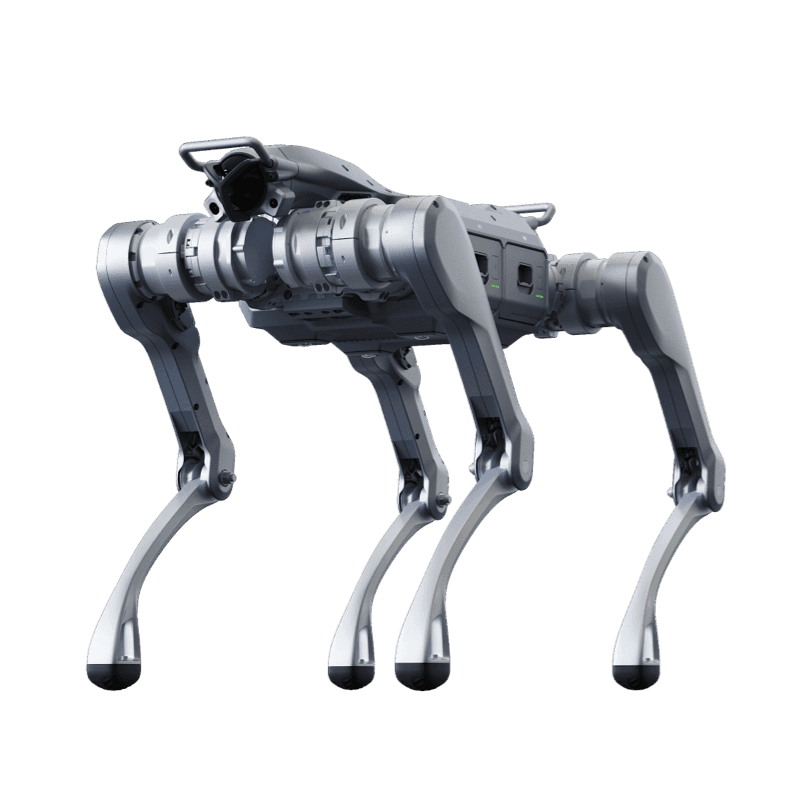
Unitree A2
Industrial Class Legged Robot
Product page- Ingress rating
- IP56-IP67
- Runtime
- >5 hours (No load) / >3 hours (25kg Load)
- Operating temperature
- -20°C to 55°C
- Payload
- 100 kg
- Max speed
- 5 m/s
- Climb
- 45°
Values are manufacturer data. Scenario fit is determined by comparing these limits with site conditions.
From scenario to installation
Feasibility is determined by the site survey: floor and route, network coverage, the charging point, intervention responsibilities and the conditions under which the robot must stop. The survey report defines the scope, the constraints and the commissioning steps.