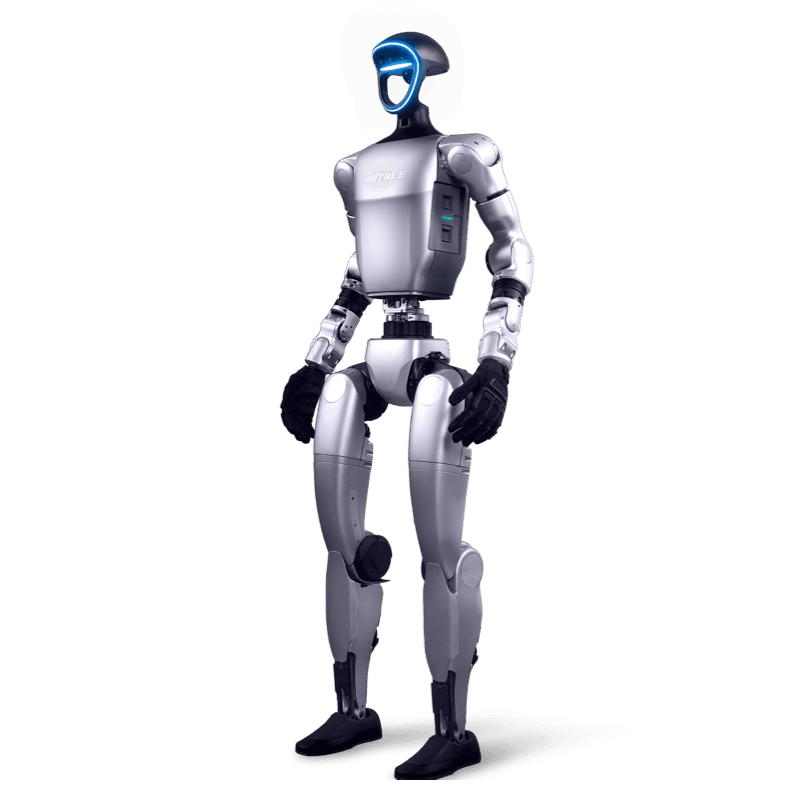
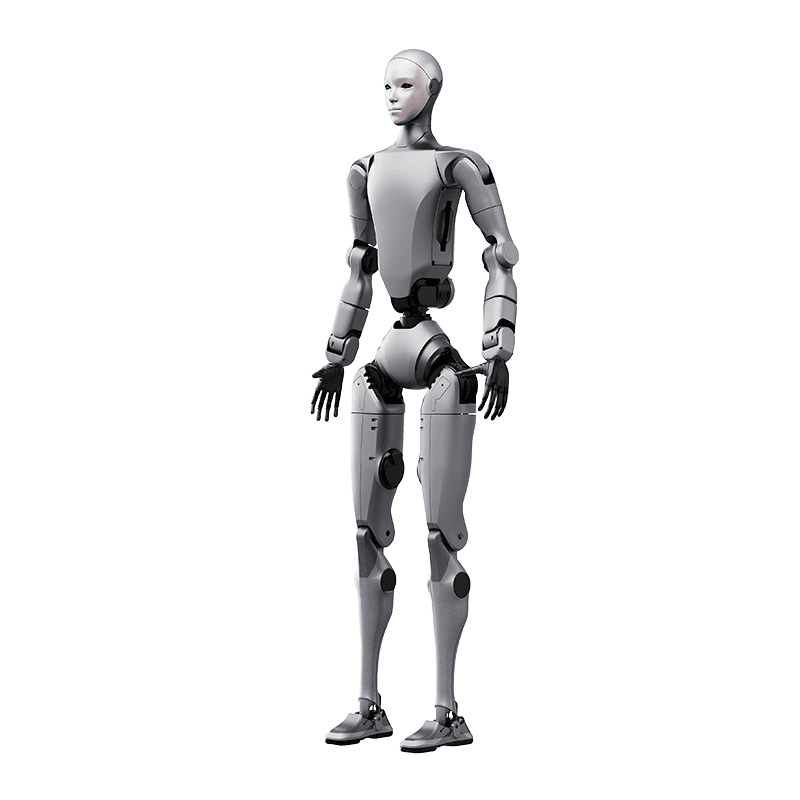
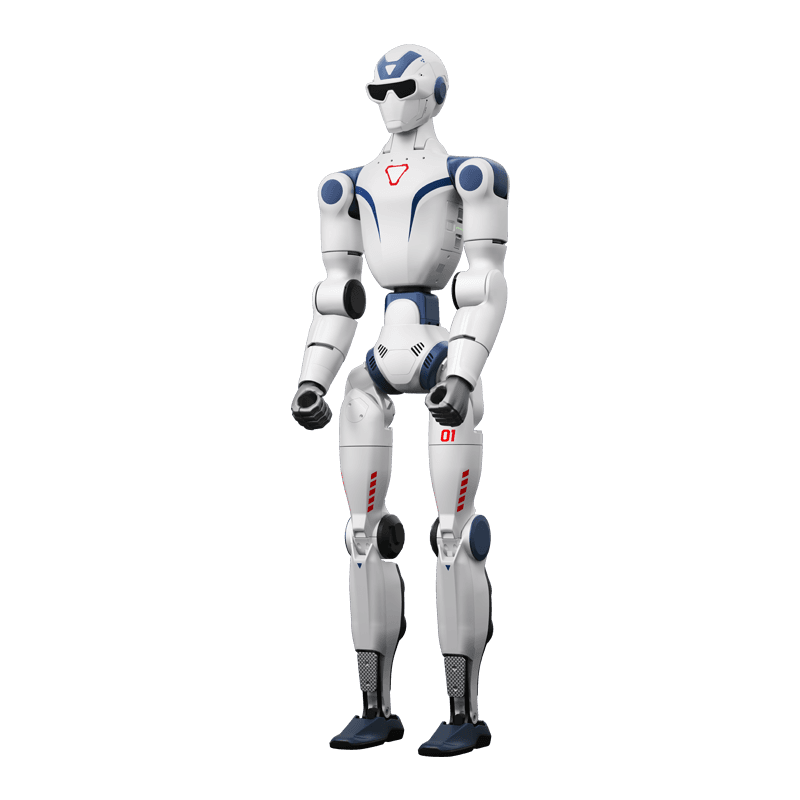
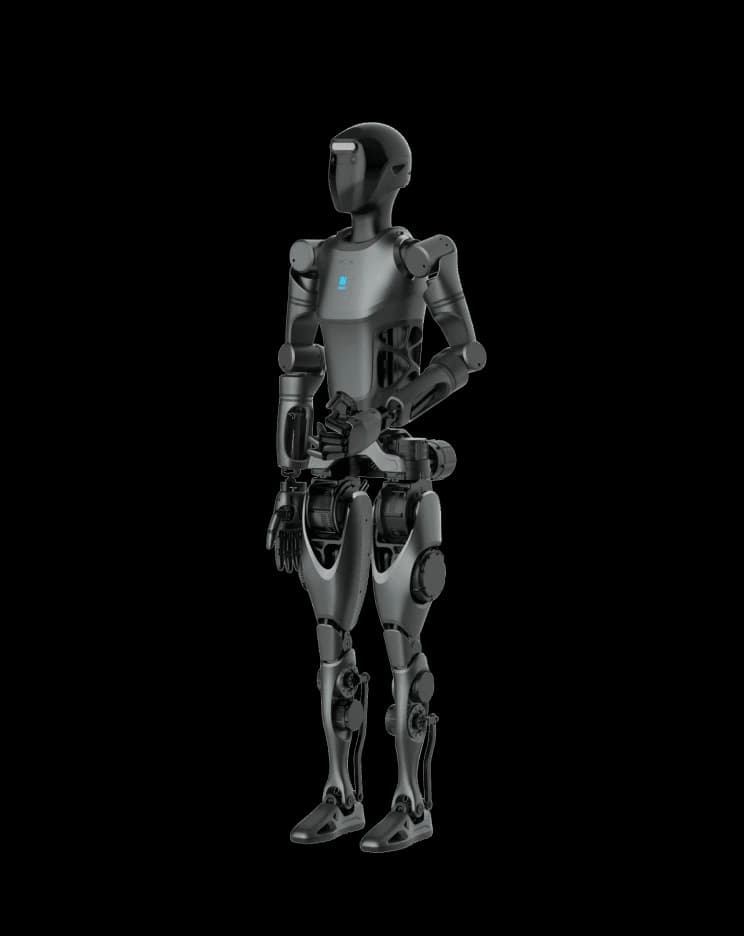
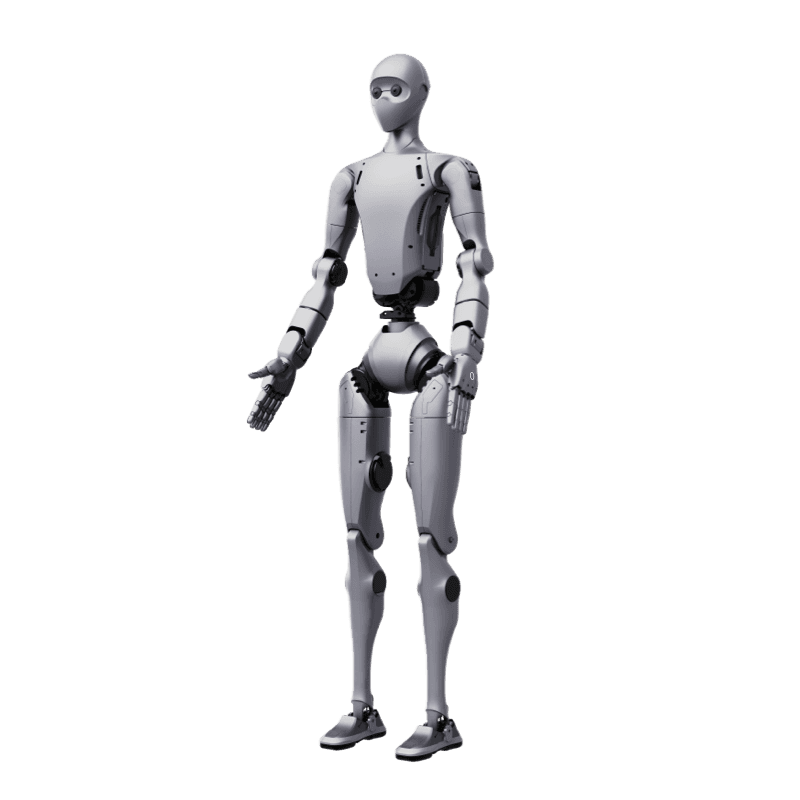
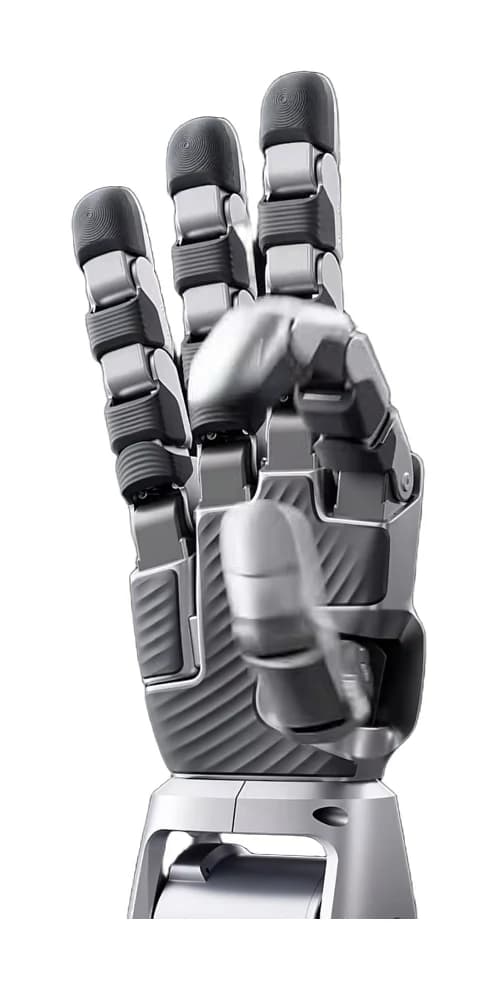
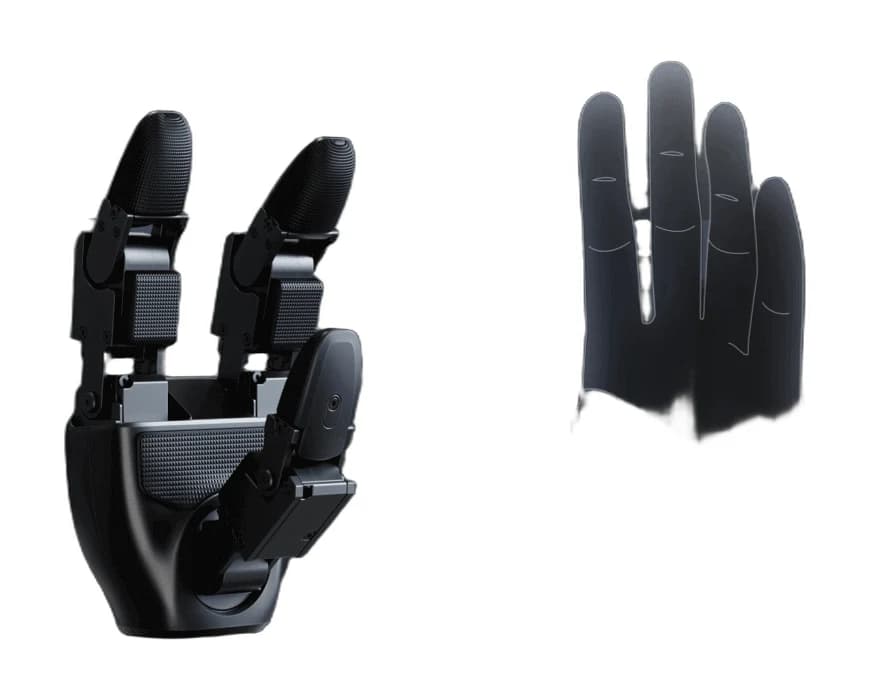
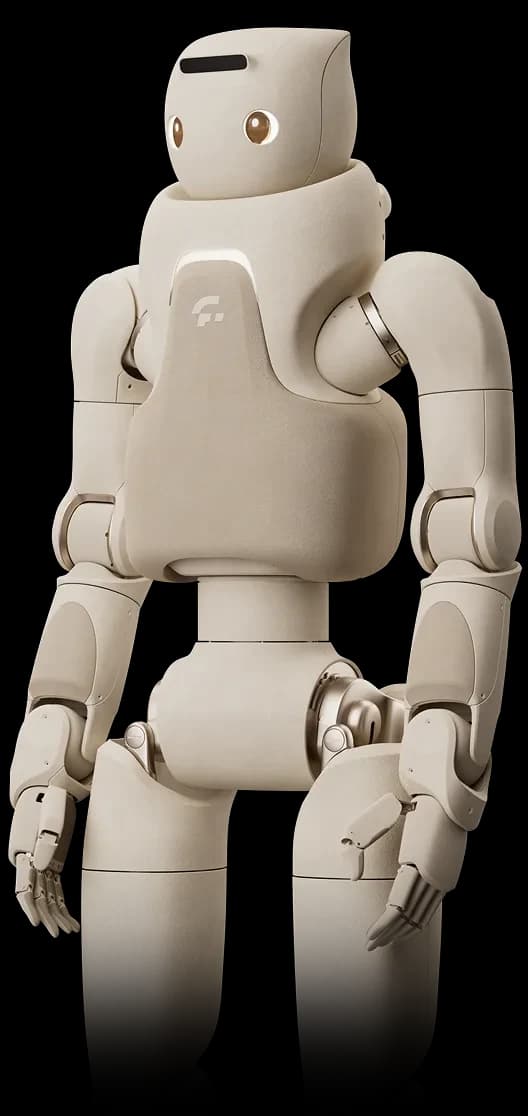
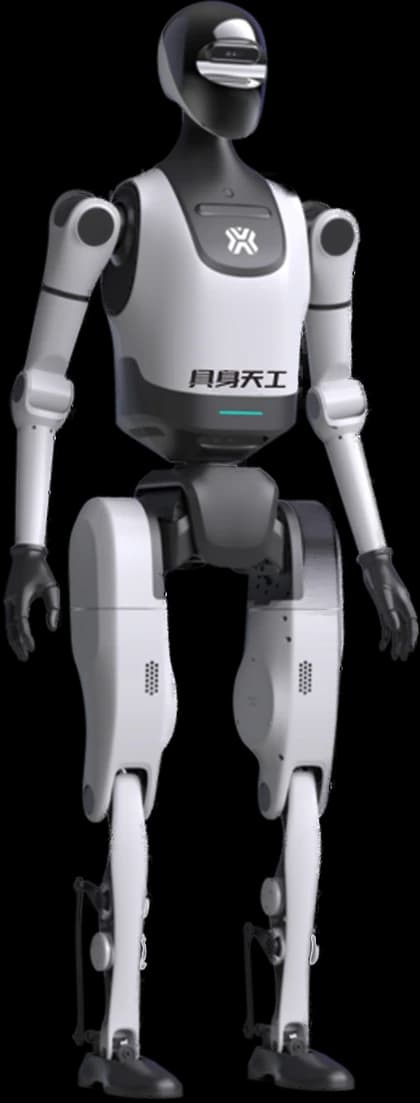
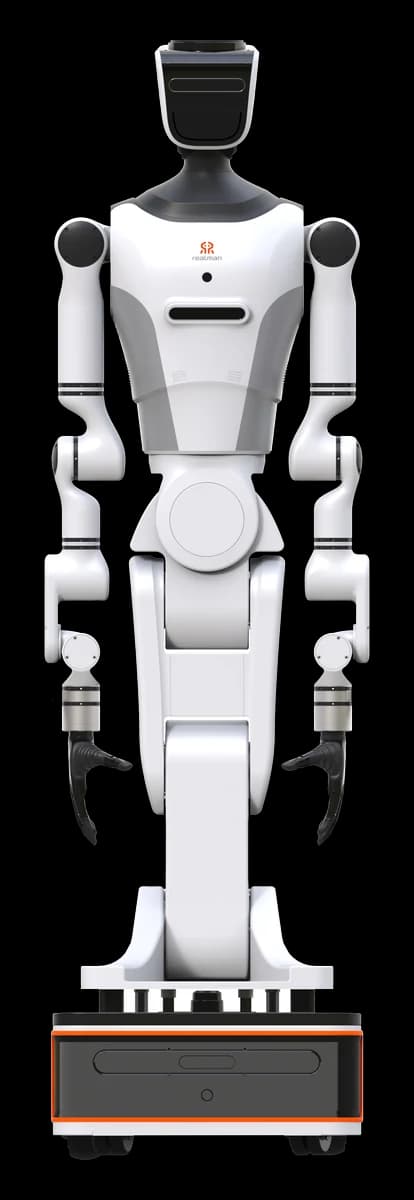
Optimus Is Not Designed as a General-Purpose Product
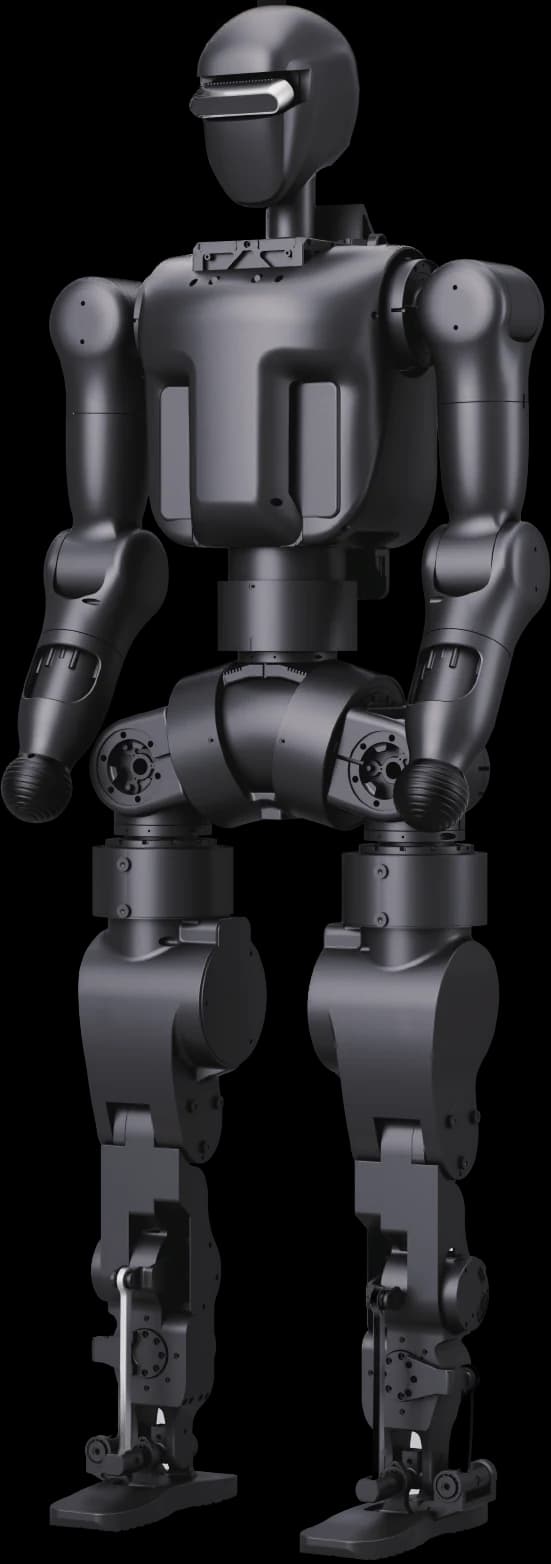
To understand Optimus you first have to look at what it was built for. Tesla is developing the robot for internal logistics and repetitive line work in its own automotive factories, and its first deployment target is those production facilities rather than the outside market. That is a deliberate choice of scope rather than a shortcoming: running many units across a narrow, well-defined task set is a different engineering problem from selling a general-purpose platform. The Unitree H2, by contrast, was designed from the start as a general-purpose platform on the assumption that other people would build applications on top of it.
The End-to-End Neural Network Approach
The main asset Tesla brings to Optimus is not hardware but the end-to-end neural network approach carried over from autonomous driving, along with the data infrastructure feeding it: an architecture that goes straight from sensor input to action without separating the intermediate stages into hand-designed rules. The strength of that approach shows at scale, because a system that has seen the same task millions of times improves quickly at it. Its weakness sits in the same place: steering it toward a task it has not learned means getting inside the model, and that access is not open to outsiders. In the H2's modular stack you can replace the perception, planning and control layers independently.
Hardware Supply and the Scale Constraint
The most widely discussed bottleneck in the Optimus programme publicly is not software but hardware supply: actuator manufacturing and access to the rare earth elements used in permanent magnets have repeatedly been cited as reasons for pushing back the mass-production timeline. That is why Tesla moved to producing actuators largely in-house.
The H2's Modular Architecture
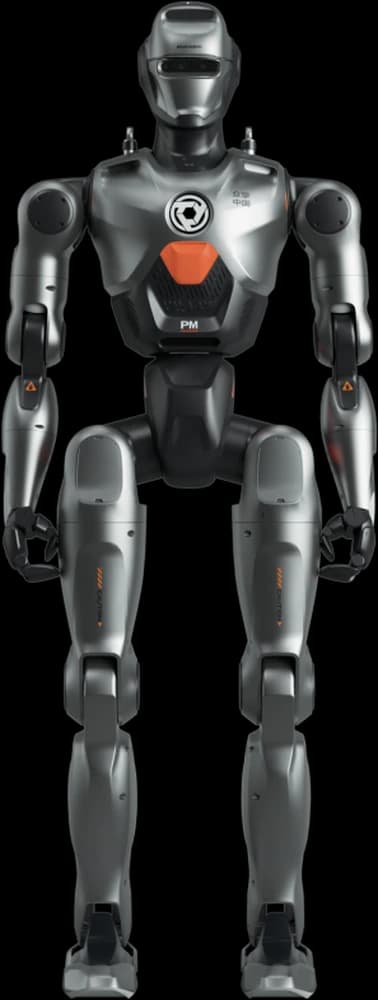
The H2 stands 1820 × 456 × 218 mm at around 70 kg, with 31 degrees of freedom split as 6 per leg, 7 per arm, 3 at the waist and 2 in the head. Peak joint torque is 360 N·m in the leg and 120 N·m in the arm; arm payload is rated around 7 kg with a peak near 15 kg. Compute is divided by role: motion control runs on a 10-core, 12-thread Intel Core i5 while the development units carry Intel Core i7 or Jetson Thor with 16-32 GB of LPDDR5. That separation keeps the control loop intact while your own model runs on the robot, and ROS 2 with an open SDK lets you reach down to joint level.
Availability Today
This is the most concrete item in the comparison. The H2 can be ordered through Robotlar.org for corporate R&D centres and industrial organisations, with customs, VAT, installation, training, warranty and technical service in Turkey all defined. For an organisation putting a humanoid into this year's budget, the comparison ends here in practice.
Which Comparison Is the Right One
Following Optimus is sensible, but it is not a line item you can put into a project schedule today. The real decision is made between one Unitree model and another: the H2 if you need human-height reach and manipulation under load, the H2 Plus if you will run large models on-device, and the G1 if a compact, portable development platform is enough. Our G1 and H2 comparison puts the two side by side.