Skip to content
Robotlar

EngineAI PM01

Lightweight, High-Dynamic Open-Source Humanoid Robot

Height
140 cm
1.44 m arm span
Weight
42 kg
Including battery
DOF
23 / 24
Business / Education
Torque
145 Nm
Q90H, 130 Nm/kg
Speed
>2 m/s
Waist rotation >300°
Runtime
2 saat
10,000 mAh, 2 h charge

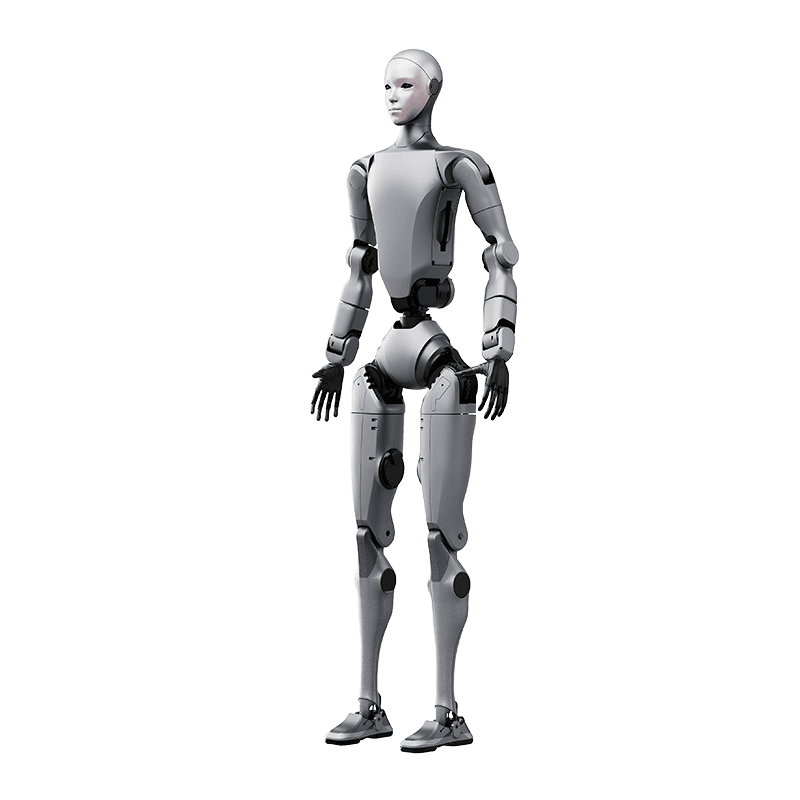
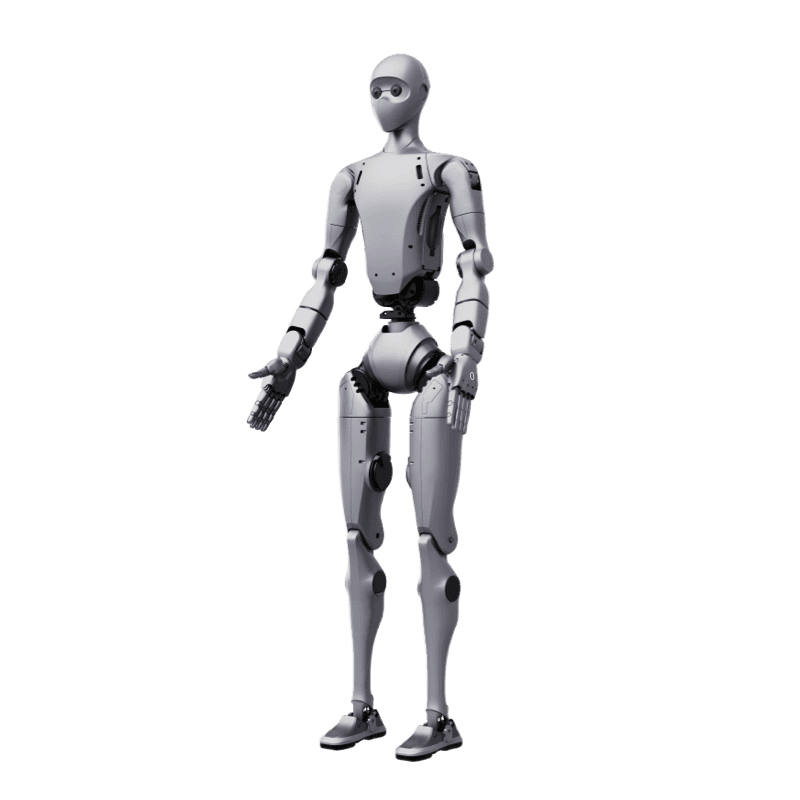
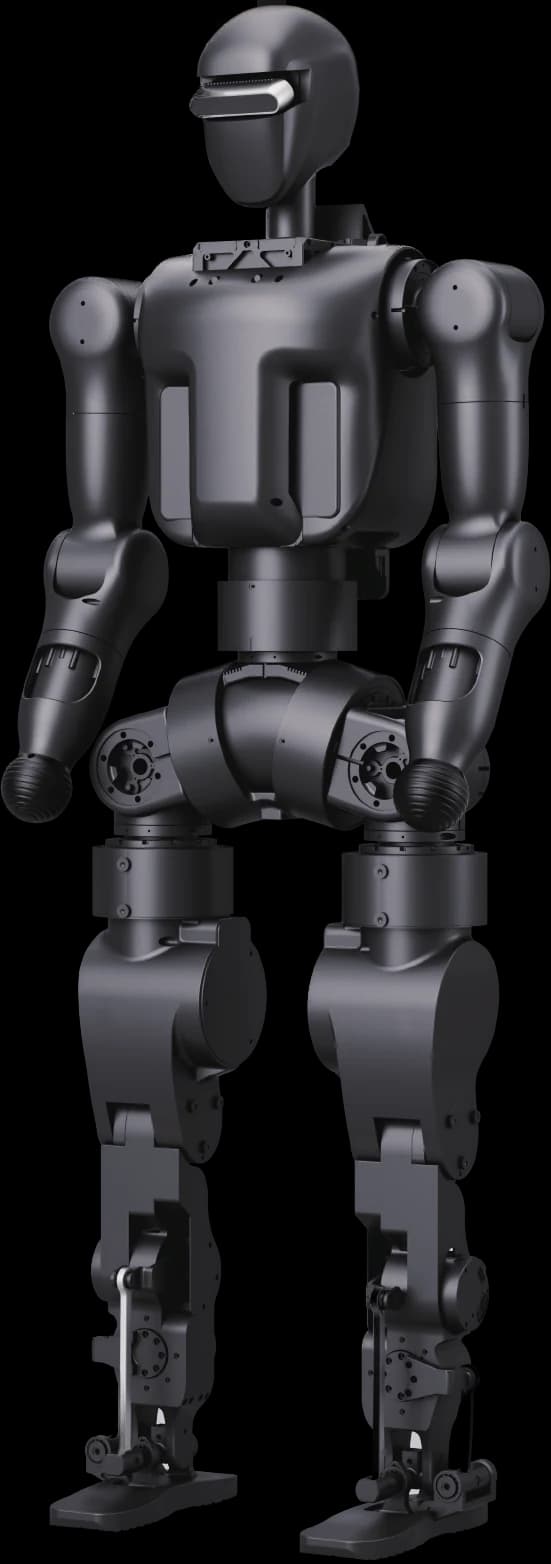
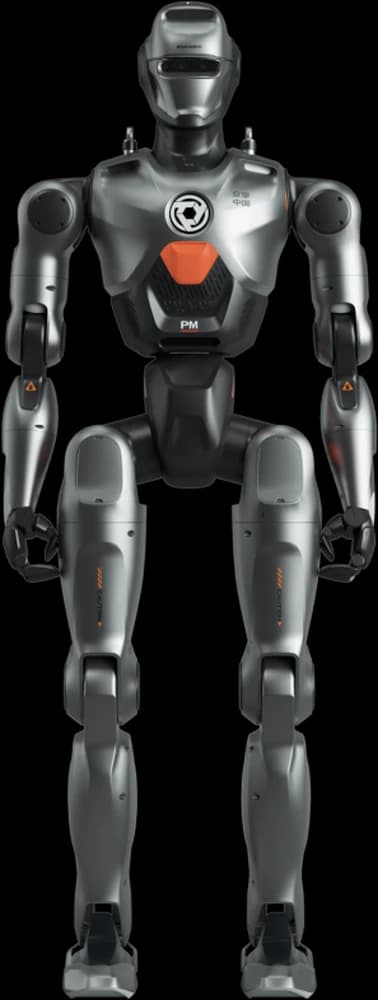
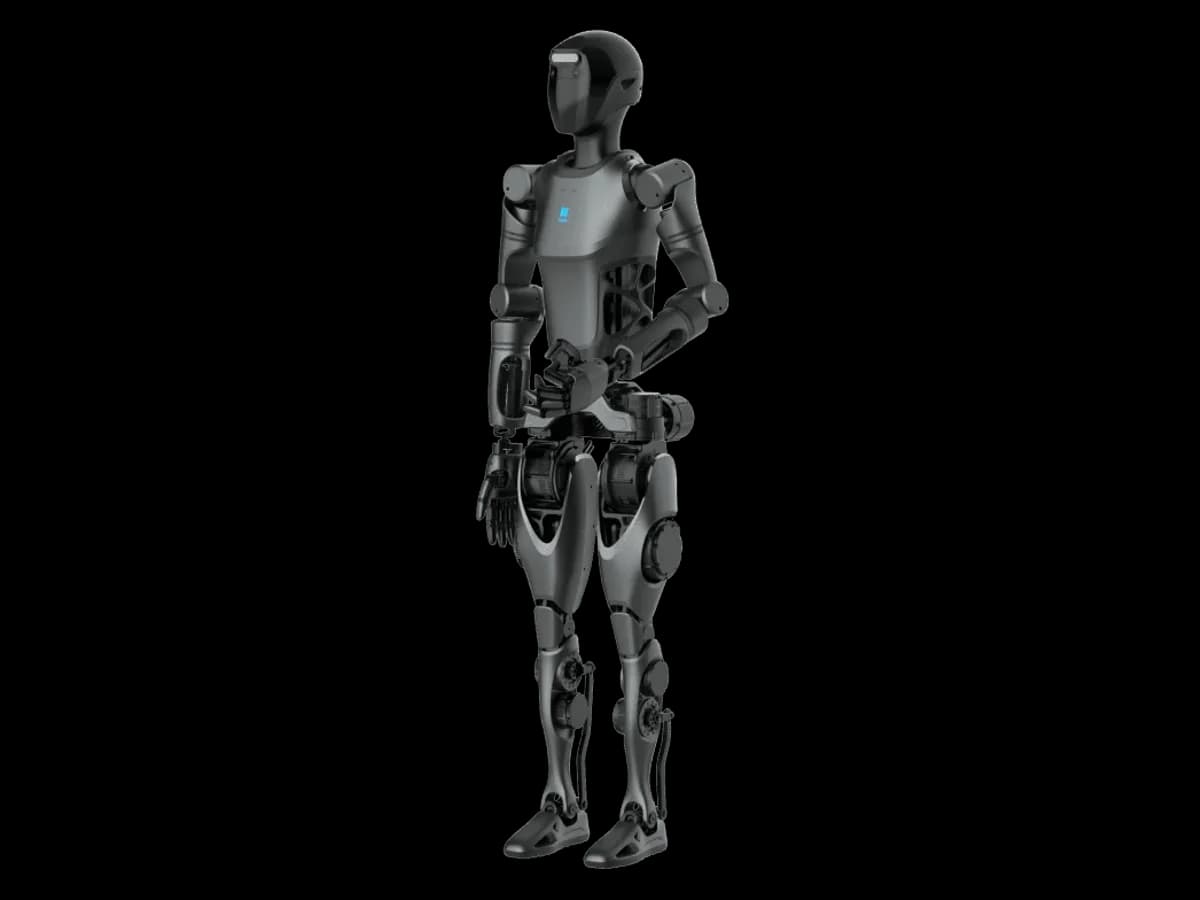
The EngineAI PM01 is a fully open-source humanoid standing 140 cm and weighing about 42 kg. The Business Edition has 23 degrees of freedom and the Education Edition 24; the waist rotates more than 300 degrees and speed exceeds 2 m/s.

Read more

The in-house Q90H joint module delivers 145 Nm of peak torque at 130 Nm/kg. Introduced as the first humanoid to perform a forward somersault, it runs, greets, walks with a human-like gait and performs the axe dance. The Education Edition adds an NVIDIA Jetson Orin NX 16 GB, two depth cameras in the head and waist, and a touchscreen. Training and deployment code is open on GitHub and runs on a dual-mode ROS 2 framework. Robotlar.org assesses sourcing and alternatives together with organizations that have a PM01 requirement.

Enterprise supply · specification support · integration engineering

Overview

EngineAI is a Shenzhen-based Chinese company developing legged robots and its own joint actuators. The PM01 is its lightweight, fully open-source humanoid: 140 cm tall, about 42 kg, with 23 (Business) or 24 (Education) degrees of freedom and waist rotation over 300 degrees.

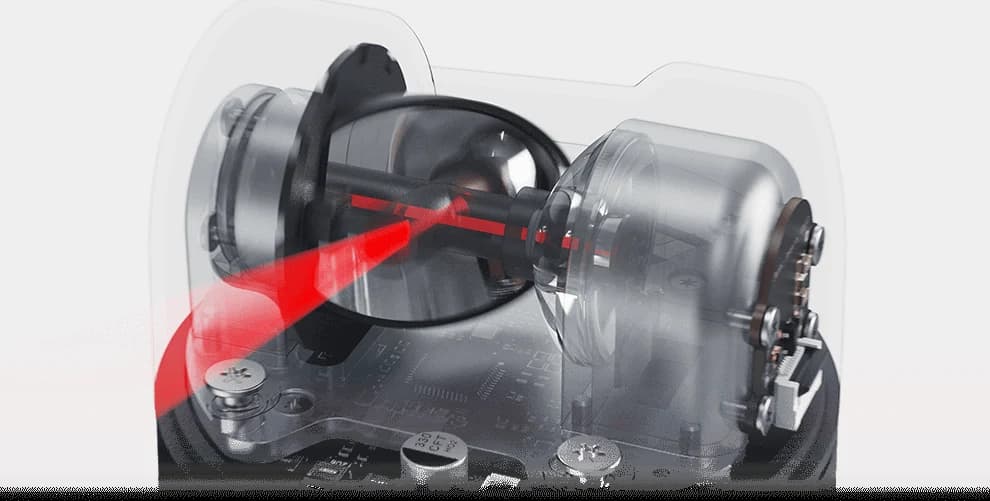
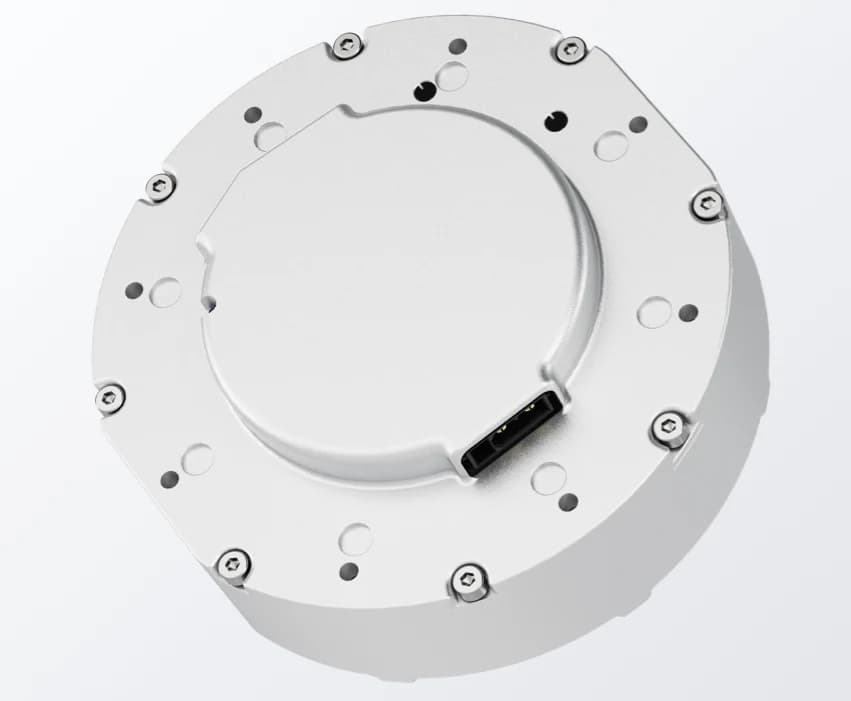
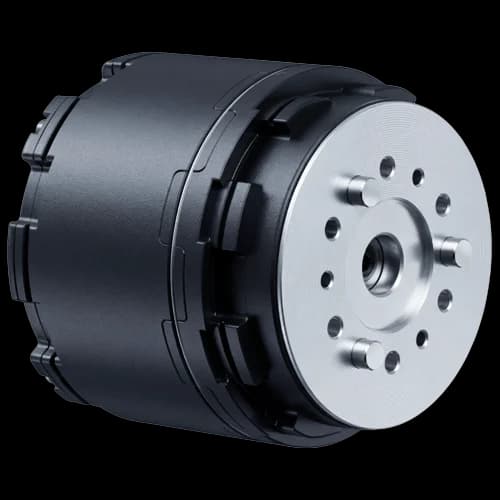
At the centre of the hardware is the in-house Q90H joint module: 145 Nm peak torque, 130 Nm/kg torque density, 6400 rpm, a 25:1 reduction and 1.1 kg. The Q25H in the arms uses the same dual-encoder planetary architecture at 50 Nm and 100 Nm/kg. Joints are hollow-shaft with internal cabling. The 10,000 mAh quick-release battery gives about 2 hours of runtime; charging at 54.6 V 4.5 A takes about 2 hours. Speed exceeds 2 m/s.

The PM01 was introduced as the first humanoid to perform a forward somersault; running, greeting, human-like walking and the axe dance are in its repertoire. The Education Edition adds an NVIDIA Jetson Orin NX 16 GB, two depth cameras in the head and waist, a touchscreen and secondary development support. Training and deployment code is open on GitHub and runs on a dual-mode ROS 2 framework.

For organizations with a PM01 requirement we assess sourcing, timing and the humanoid alternatives deliverable today (Unitree G1 and H2) transparently.

2 use cases

The EngineAI PM01 in motion

Tap the cover to play; sound and loading start only on click.

EngineAI PM01 product video

Which PM01 fits your needs?

The manufacturer's official variant matrix; the values are documented data.

FeaturePM01 İş SürümüPM01 Eğitim Sürümü
Size (standing)140 × 53,6 × 25,3 cm140 × 53,6 × 25,3 cm
Weight (with battery)Yaklaşık 42 kgYaklaşık 43 kg
Total DoF2324
Perception sensorYokBaş ve belde iki derinlik kamerası
Compute4 çekirdekli CPU4 çekirdekli CPU + NVIDIA Jetson Orin NX 16 GB
TouchscreenYokVar
Secondary development-Destekleniyor
Battery and runtime10.000 mAh, yaklaşık 2 saat10.000 mAh, yaklaşık 2 saat
Joint moduleQ90H: 145 Nm, 130 Nm/kg, 1,1 kgQ25H: 50 Nm, 100 Nm/kg, 0,5 kg
QuoteGet a Quote for This ModelPM01 İş SürümüGet a Quote for This ModelPM01 Eğitim Sürümü

Both editions share the same body, joint ranges, speed above 2 m/s and 54.6 V 4.5 A charging; the difference is in perception, compute and the development layer.

PM01 İş Sürümü

Base configuration for shows, events and remote-controlled scenarios.

PM01 Eğitim Sürümü

For research and teaching, with Jetson Orin NX, depth cameras and secondary development support.

Use Cases

The use cases the manufacturer defines for the EngineAI PM01.

  1. Education and research
  2. Performance and events

Key Advantages

Full-Stack Proprietary Actuator Design

The launch video opens up the PM01's self-developed power joints: the integrated joint module sits in the 130 Nm peak-torque class, and the Q90H reaches 145 Nm at 130 Nm/kg.

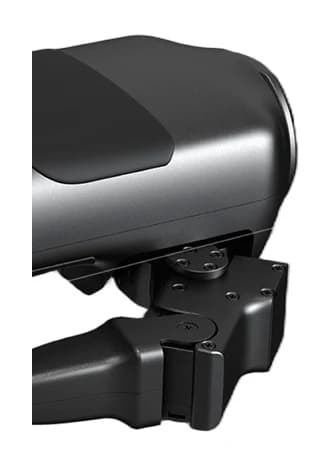
  • Joints are hollow-shaft with internal cabling, keeping the robot at 42 kg with 1.1 kg modules.

The Most Agile Embodied Agent

Body motion control algorithms and fully in-house joint actuators execute every movement precisely and stably.

  • Stairs and steps are handled with a wide range of motion and 23 or more degrees of freedom.

Waist Rotation Over 300 Degrees

The waist joint turns from -230 to 90 degrees, more than 300 degrees in total; the hip moves widely on three axes and the knee from -30 to 137 degrees.

  • This range makes complex movements such as the axe dance possible.

Neck Axis and Human-Like Head Design

On the Education Edition the head degree of freedom serves a personified interaction experience; the single-axis neck structure pairs with a highly human-like bionic design.

The World's First Forward Somersault

The PM01 was introduced as the first humanoid to perform a forward somersault.

  • In footage from the motion-capture lab the robot completes a full front flip, the practical expression of 145 Nm peak torque and 130 Nm/kg torque density.

Human-Like Gait and Running

The end-to-end neural network is trained in simulation on optical motion-capture data with adversarial learning and adapts quickly to complex terrain and scenarios.

  • The result is a human-like walk and run above 2 m/s in a city park.

Stage Performance: Greeting and Axe Dance

Running, greeting, human-like walking and the axe dance make up the PM01's high-mobility repertoire.

  • The interactive core display and the family-design star ring light make the robot recognisable on stage.

All-Terrain Adaptive Feet

The feet are designed to adapt to any terrain; walking on cobblestones at night shows the balance control working beyond flat floors.

Interactive Core Display and Star Ring Light

The smart interaction hub on the chest builds a multi-dimensional interaction experience, touch-enabled on the Education Edition.

  • Eye lamp, rear lamp and the signature star halo light complete the lighting setup.
EngineAI PM01, Interactive Core Display and Star Ring Light

Open Ecosystem: Training and Deployment Code

Low-level hardware interfaces and code support are open.

  • The training repository offers reinforcement and deep learning algorithms as reusable frameworks; the deployment repository carries the model to the application.
  • Both are on GitHub: engineai_rl_workspace and engineai_ros2_workspace.
EngineAI PM01, Open Ecosystem: Training and Deployment Code

The EngineAI PM01 up close

7 images; tap to enlarge.

Technical Specifications

35 values in 6 categories; data published by the manufacturer.

General structure
Mobility form
Bipedal humanoid; 23 DoF (Business) / 24 DoF (Education); waist rotation over 300 degrees
Degrees of freedom
23 (Business Edition) / 24 (Education Edition)
Arm DoF
5 DoF
Leg DoF
6 DoF
Waist DoF
1 DoF
Neck DoF
1 DoF
Joint motor
Q90H and Q25H planetary joint modules; dual encoding
Torque density
Q90H joint module: 145 Nm peak torque at 130 Nm/kg; Q25H: 50 Nm at 100 Nm/kg
Materials
Hollow-shaft joints with internal cable routing; Q90H (1.1 kg) and Q25H (0.5 kg) planetary joint modules; all-terrain feet; 42-43 kg body
Manufacturer note
Joint motion space: lumbar -230 to 90 degrees, hip R -29 to +134, P -180 to +140, Y -90 to +230 degrees, knee -30 to +137 degrees. The user manual states force control accuracy of 5 percent.
Total DoF
23 (Business Edition) / 24 (Education Edition)
DoF layout
5 per arm, 6 per leg, waist rotation over 300 degrees, head DoF on the Education Edition
Joint range
Waist -230° to 90°; hip R -29° to 134°, P -180° to 140°, Y -90° to 230°; knee -30° to 137°
Actuator
Q90H: planetary, dual encoder, 145 Nm, 6400 rpm, 25:1, 1.1 kg; Q25H: 50 Nm, 8400 rpm, 25:1, 0.5 kg
Wiring
Hollow-shaft joints with fully internal cable routing
Size and weight
Dimensions (standing)
140 × 53.6 × 25.3 cm (H × W × D); calf and thigh 68.7 cm, arm span 1.44 m
Weight
About 42 kg (Business) / 43 kg (Education), including battery
Arm reach
1.44 m (arm span)
Motion and performance
Maximum speed
Over 2 m/s (hardware support)
Joint torque
Q90H 145 Nm peak (6400 rpm, 25:1); Q25H 50 Nm (8400 rpm, 25:1)
Joint range of motion
Lumbar joint: -230° to 90°; Hip joint: R -29° to +134°, P -180° to +140°, Y -90° to +230°; Knee joint: -30° to +137°
Power and runtime
Battery capacity
10000 mAh
Battery
10,000 mAh smart battery, quick-release; charging at 54.6 V 4.5 A
Runtime
About 2 hours; charging about 2 hours
Charging time
About 2 hours to full charge
Charger
54.6 V 4.5 A
Sensors and connectivity
Sensors
Two depth cameras (head and waist) on the Education Edition
Interfaces
Low-level hardware interfaces with training and deployment code support
Interaction
Interactive core display (touchscreen on the Education Edition), eye lamp and rear lamp, signature star halo light, handheld remote
Screen
Touchscreen (chest)
Joint encoder
Dual encoding
Software and development
Processor
4-core high-performance CPU; the Education Edition adds an NVIDIA Jetson Orin NX 16 GB
Operating system
Dual-mode ROS 2 deployment framework
Software features
Open-source training code (engineai_rl_workspace) and deployment code (engineai_ros2_workspace); end-to-end neural network trained in simulation on optical motion-capture data and adversarial learning
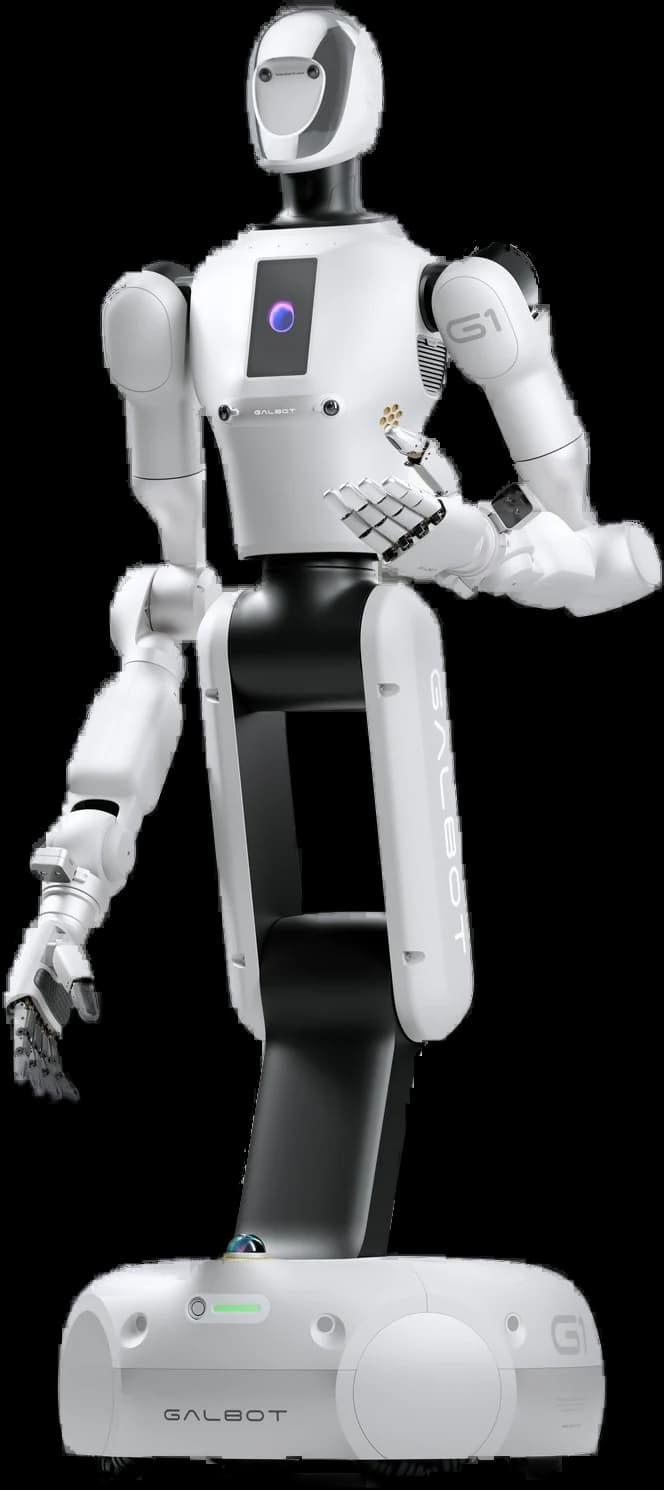
Expansion module
High-compute module: NVIDIA Jetson Orin NX (16 GB) (listed separately from the 8-core CPU basic compute)

An itemised quote for the EngineAI PM01 is prepared by configuration, quantity and delivery scope.

Technical Analysis of the Open-Source HumanoidDesign decisions, comparison table and evaluation

What 130 Nm/kg Torque Density Means
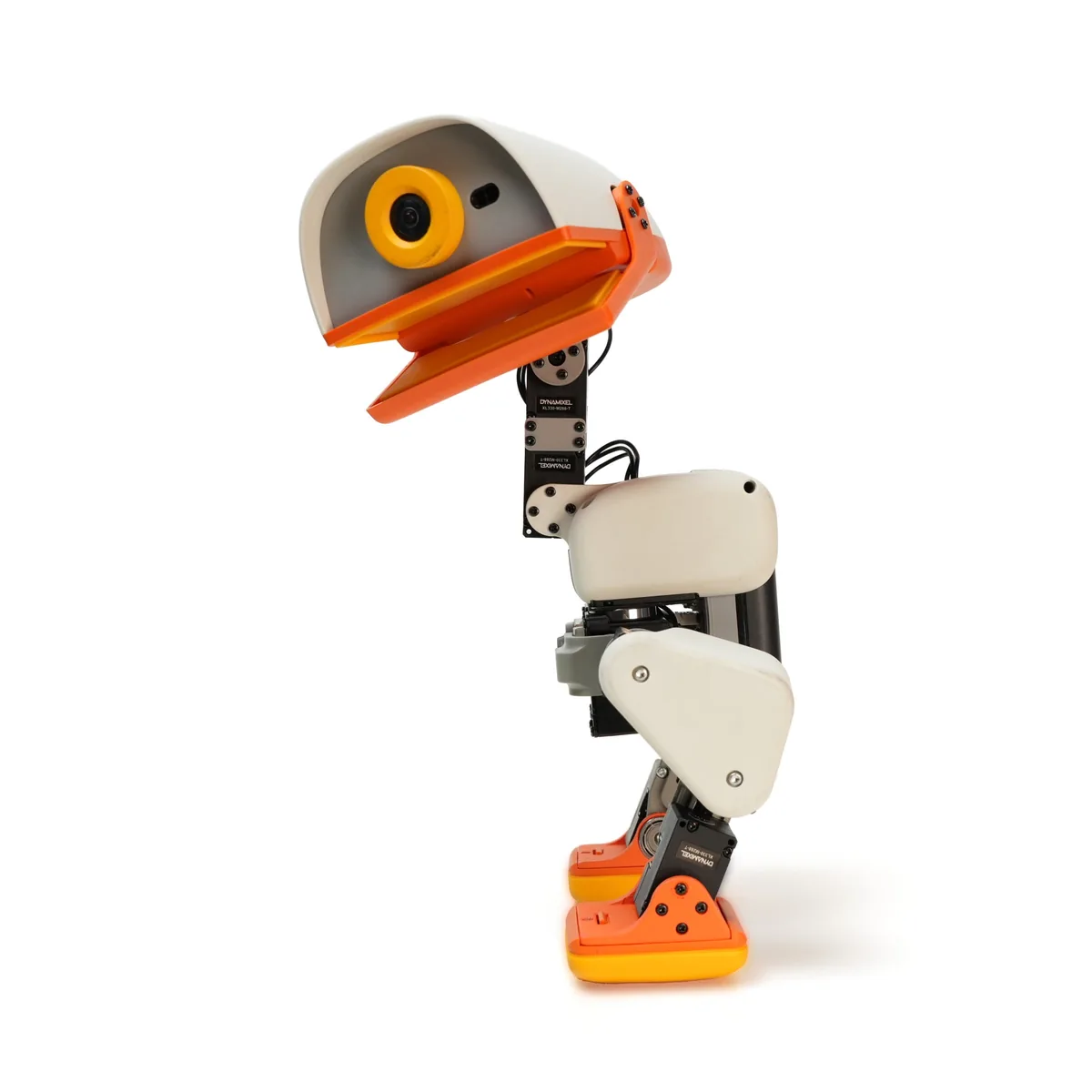
The Q90H module produces 145 Nm of peak torque at 1.1 kg; a torque density of 130 Nm/kg is why explosive moves such as the front flip and the axe dance are possible in a 42 kg body. The Q25H in the arms keeps the same logic at a smaller scale, 50 Nm at 0.5 kg.

Two Editions, Two Targets

The Business Edition, with a 4-core CPU and a remote, targets show scenarios; the Education Edition targets the research lab with a Jetson Orin NX 16 GB, two depth cameras, a touchscreen and secondary development support. Body, joints and battery are identical; only perception and compute differ.

The Practical Value of Open Source

With training and deployment code open on GitHub, a research group can train its own policy in simulation and load it onto the robot through the same ROS 2 framework. Roughly 2 hours of runtime and a 2-hour charge fit a lab cycle; field use calls for a spare battery.

PM01 Versus the Unitree G1 Deliverable Today

FeatureEngineAI PM01Unitree G1
Height140 cm132 cm
Weight42-43 kg35 kg
Degrees of freedom23 / 2423 (EDU: 43)
Speed>2 m/s2 m/s
RuntimeAbout 2 hoursAbout 2 hours
Compute4-core CPU (+ Orin NX 16 GB, Education)8-core CPU + Jetson Orin
Status in TurkeySourcing enquiryOrderable

Engineering Assessment

What sets the PM01 apart is torque density and the open code base: a platform that flips at 130 Nm/kg and can be retrained in the lab through the GitHub training and deployment repositories. The trade-off is that the Business Edition has no depth camera or high-performance compute; jobs that need perception require the Education Edition.

Purchasing support

Get a quote for the PM01

Robotic system costs are optimised according to the selected hardware platform, additional sensor and payload configurations, and the integration scenarios specific to your site. Share your requirements and our engineering team will prepare a feasibility report and a pro forma quotation tailored to your organisation.

  • Supply and delivery scheduling backed directly by the manufacturer
  • Site- and mission-focused technical feasibility and simulation
  • Turnkey hardware, software and mission integration
  • Advisory on corporate tenders, specifications and administrative processes

Direct contact and advisory line: 0850 532 6 777

Add project details (optional)

Product of interest: PM01

PM01: Frequently Asked Questions

The most common questions about the EngineAI PM01.

Can the EngineAI PM01 be bought in Turkey?

EngineAI runs a global online store. Supply into Turkey is planned per project; the scope of import, delivery and commissioning is itemized in the quotation. If you have a corporate requirement you can talk to Robotlar.org: we assess the sourcing process, a realistic timeline and the alternatives deliverable today.

What are the PM01's specifications?

140 × 53.6 × 25.3 cm, about 42 kg (Business) / 43 kg (Education), 23 / 24 degrees of freedom, 5 DoF per arm and 6 per leg, waist rotation over 300 degrees, speed above 2 m/s, Q90H joint at 145 Nm peak torque and 130 Nm/kg, a 10,000 mAh battery for about 2 hours of runtime, charging in about 2 hours at 54.6 V 4.5 A, a 4-core CPU and, on the Education Edition, a Jetson Orin NX 16 GB with two depth cameras.

Is the PM01 really open source?

Yes. The training code (engineai_rl_workspace) and deployment code (engineai_ros2_workspace) are open on GitHub; the dual-mode ROS 2 deployment framework and low-level hardware interfaces let you train your own policy and load it onto the robot. Secondary development support is listed for the Education Edition.

What is the difference between the Business and Education Editions?

Body, joints, speed and battery are the same. The Education Edition adds 24 DoF, two depth cameras in the head and waist, an NVIDIA Jetson Orin NX 16 GB, a touchscreen and secondary development support, at 1 kg more. Education suits research and teaching, Business suits shows and remote-controlled scenarios.

Is there an alternative deliverable today?

Yes. The Unitree G1 (132 cm, 35 kg, 23 DoF, Jetson Orin) can be ordered in Turkey, with 4-6 week delivery, a 1-year official warranty, on-site commissioning and engineering support across Turkey. Pricing is set by quote per configuration.

Other robots in this category