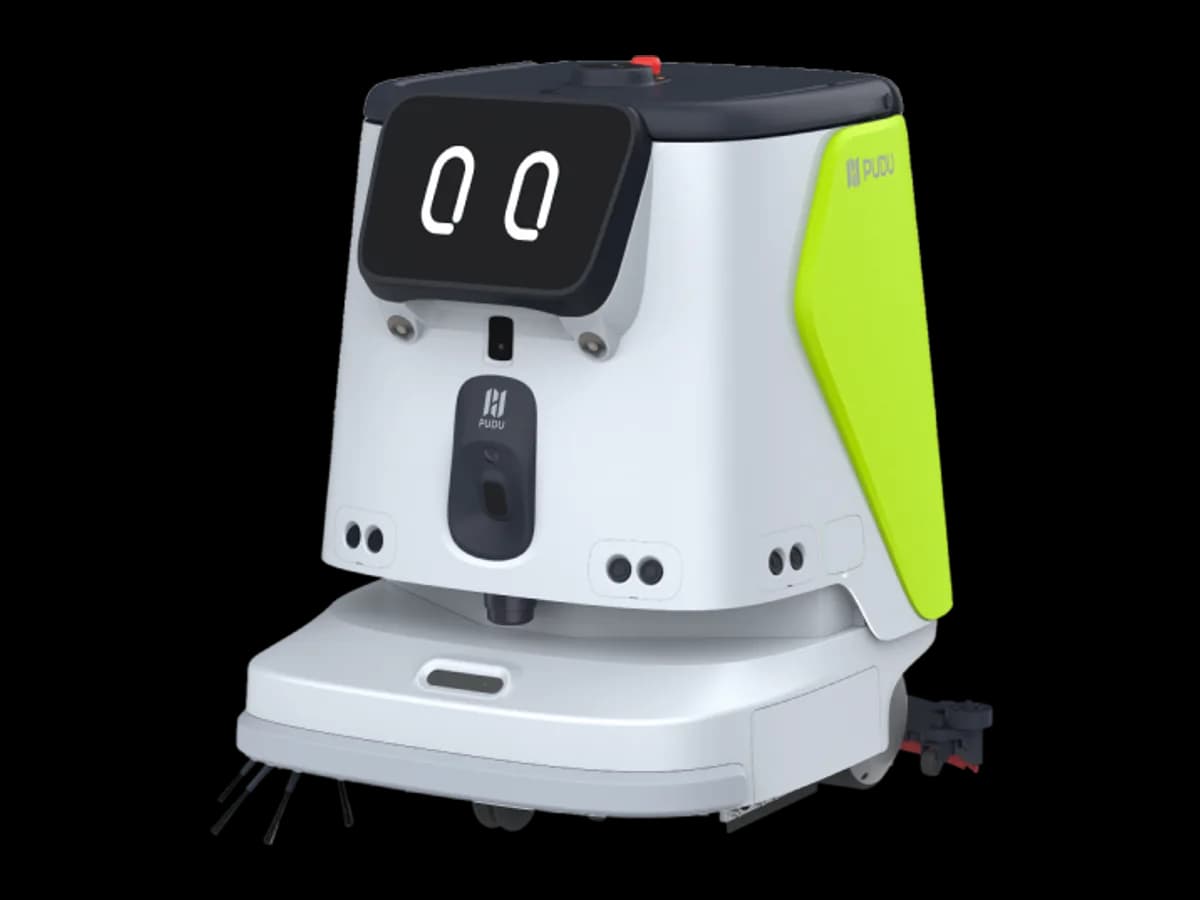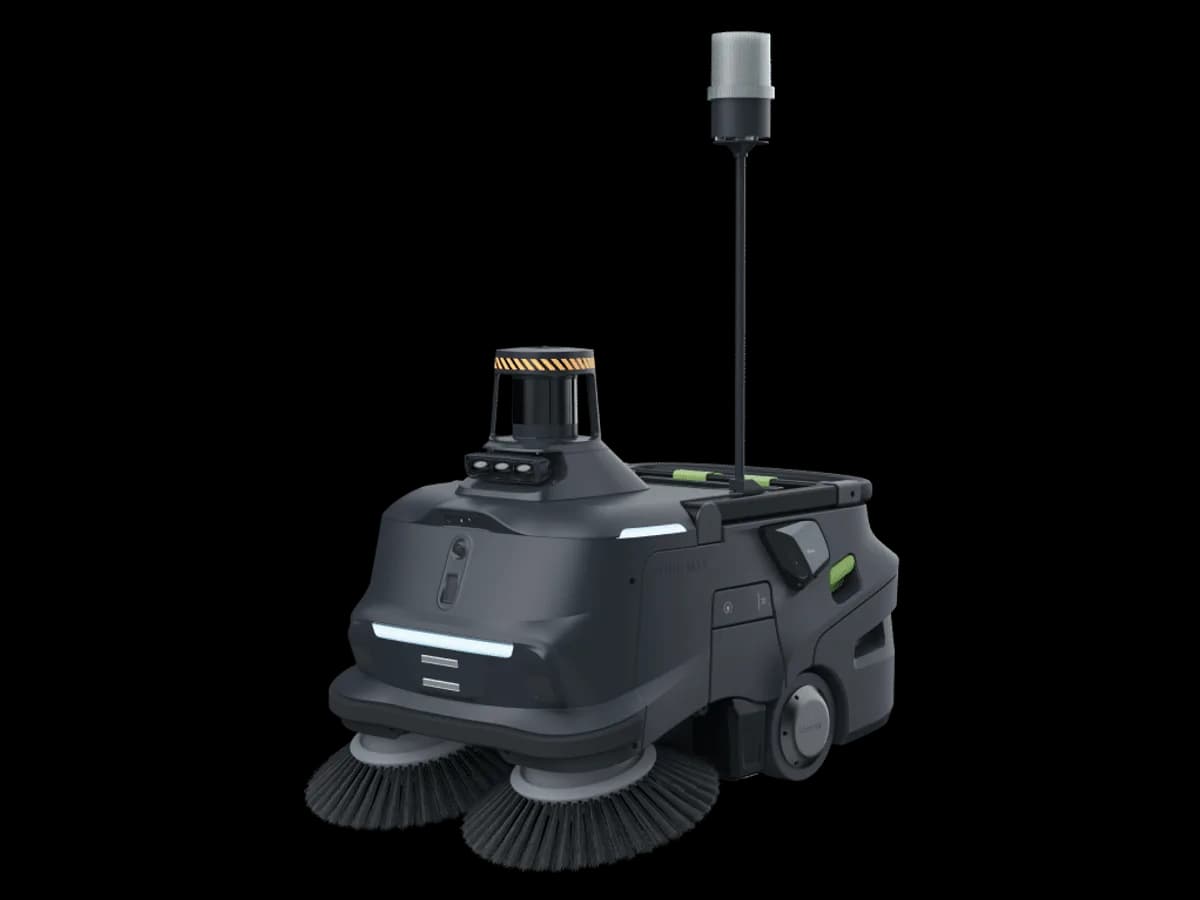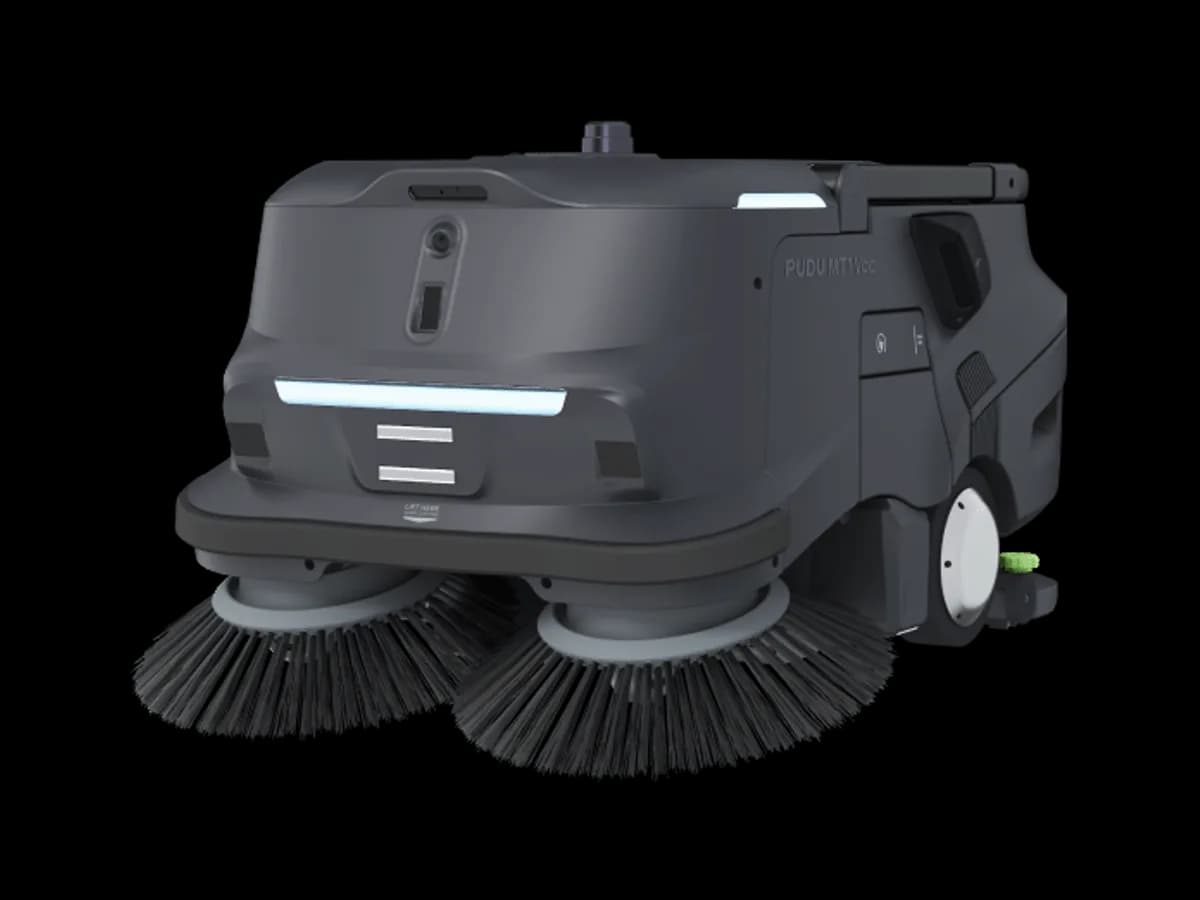
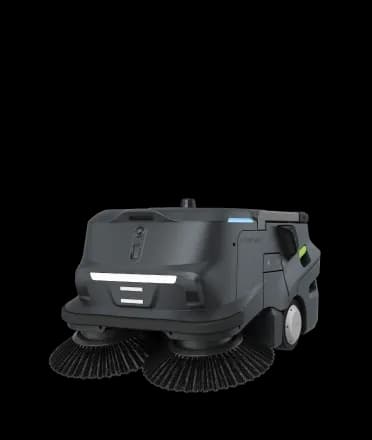
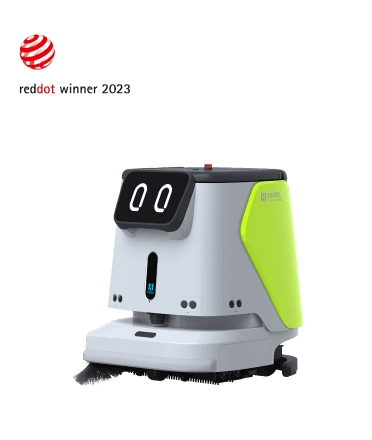
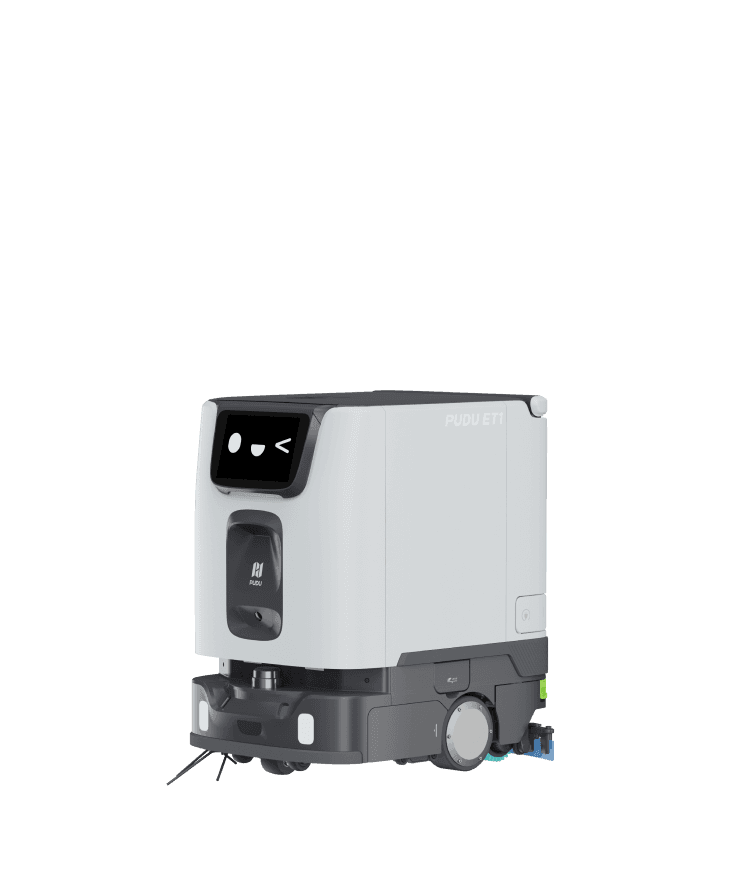
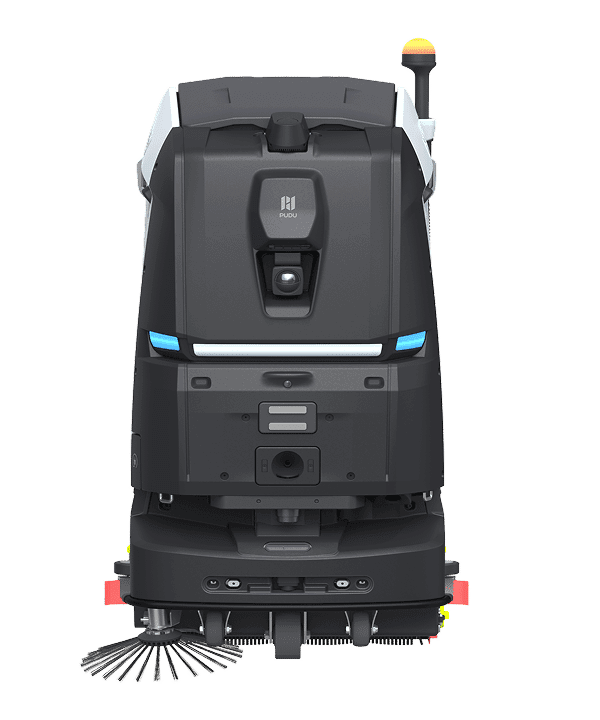

4-in-1 Versatile Cleaning
Sweeping, scrubbing, vacuuming, and mopping functions are all in one machine.
- Effortlessly meet all your cleaning needs with a single solution.
Intelligent Commercial Cleaning Robot
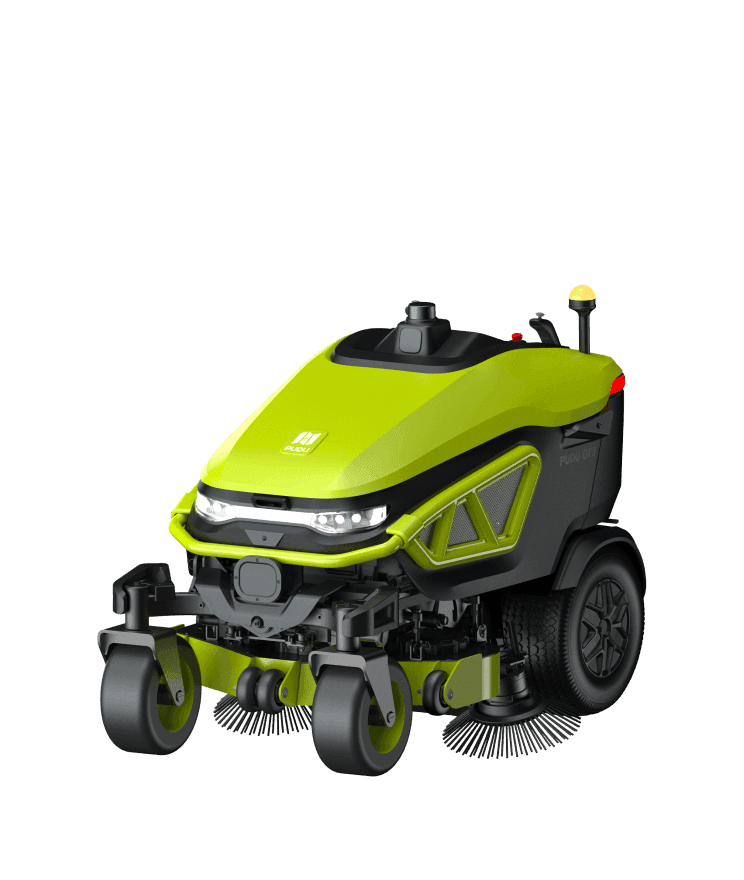
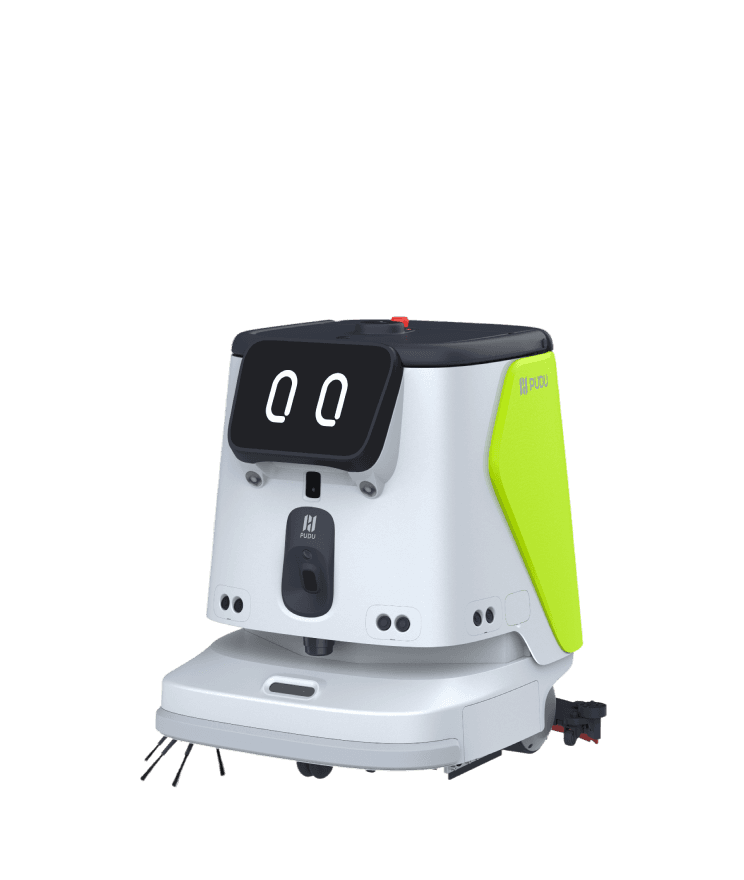
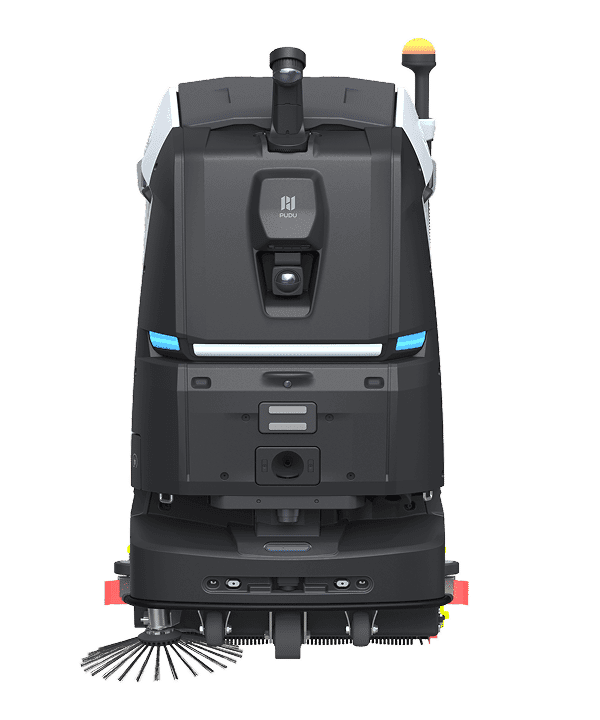
Combining sweeping, scrubbing, vacuuming, and mopping functions in a single body, Pudu CC1 meets all your floor cleaning needs in a fully autonomous way.
Turkey distributor · on-site commissioning and support protocol (SLA) · 1-year warranty
Tap the cover to play; sound and loading start only on click.
Sweeping, scrubbing, vacuuming, and mopping functions are all in one machine.
Thanks to its high suction power, it leaves no stains or dirt on floors, providing perfect cleaning even in the most challenging areas.
If the battery is low and the job isn't finished, CC1 remembers cleaning progress and resumes from where it left off after a full charge.
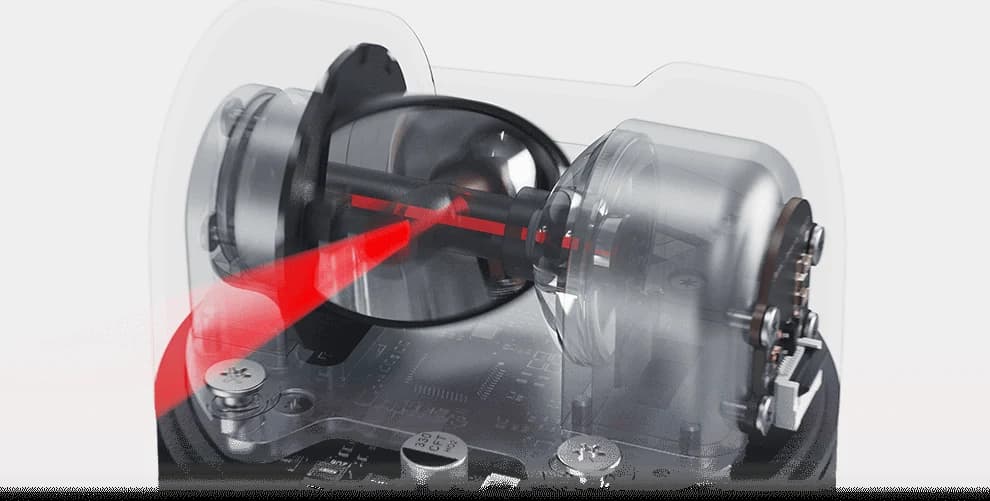
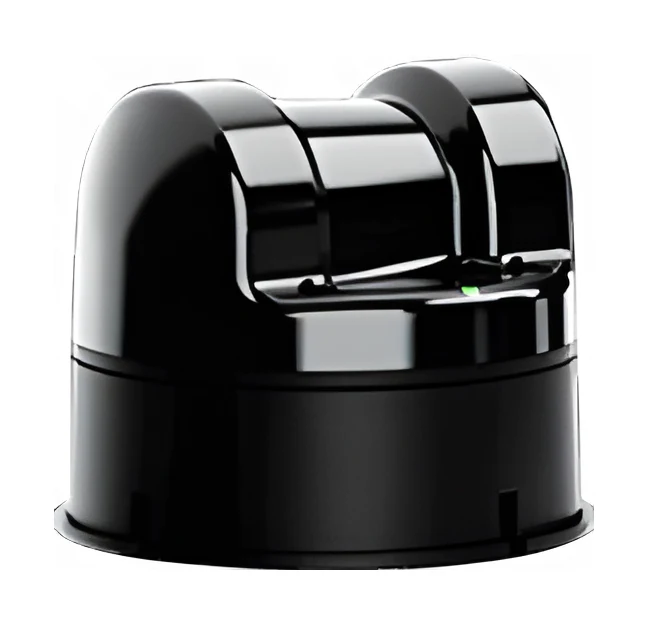
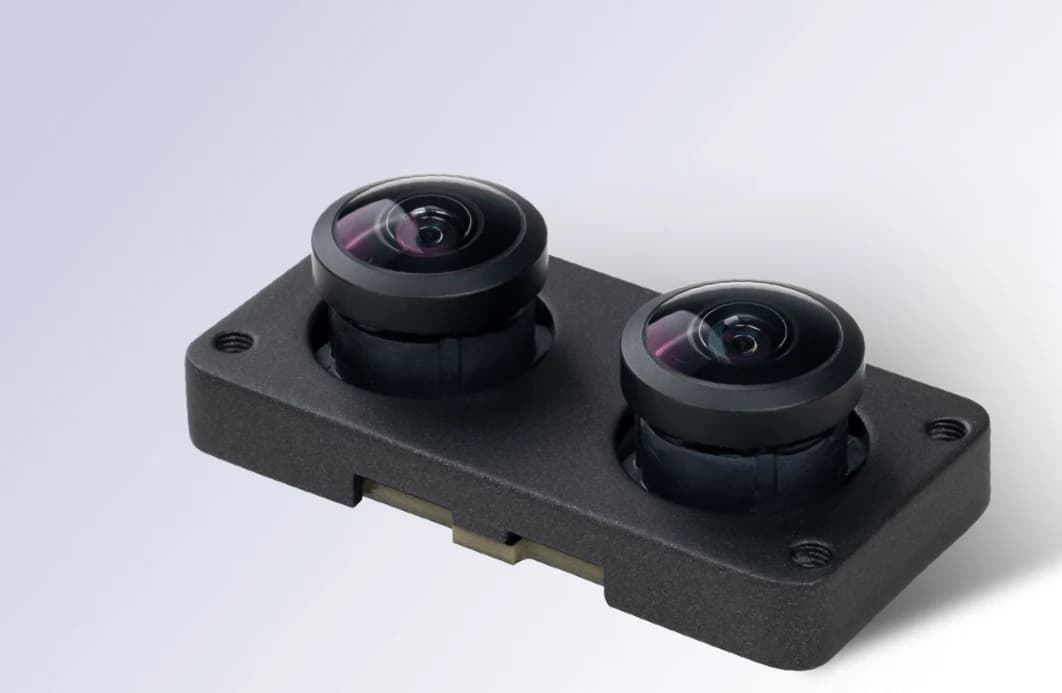
Powered by the PUDU SLAM positioning system, CC1 supports both visual and laser SLAM to perform tasks more efficiently in complex scenarios.
Suitable for both hard floors and soft carpets.
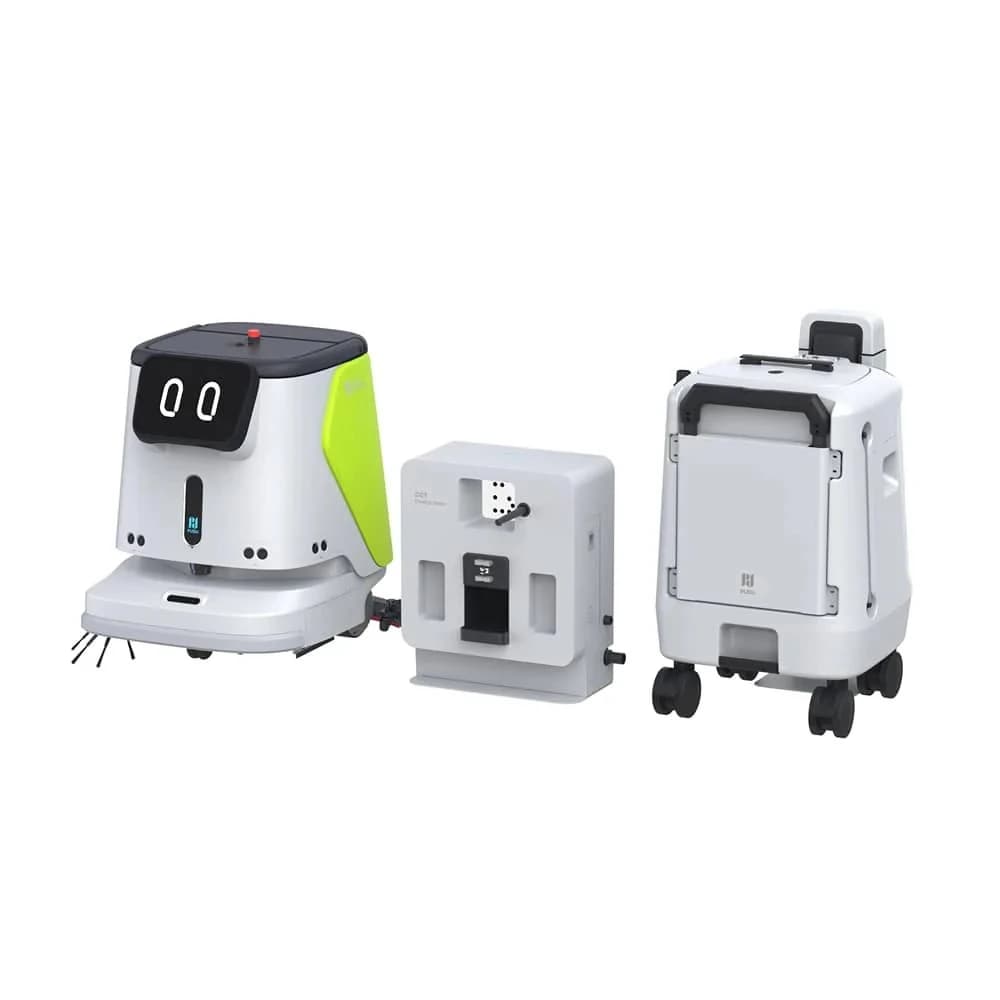
With station support, it performs automatic charging, water supply, drainage, and detergent addition autonomously without requiring plumbing changes.
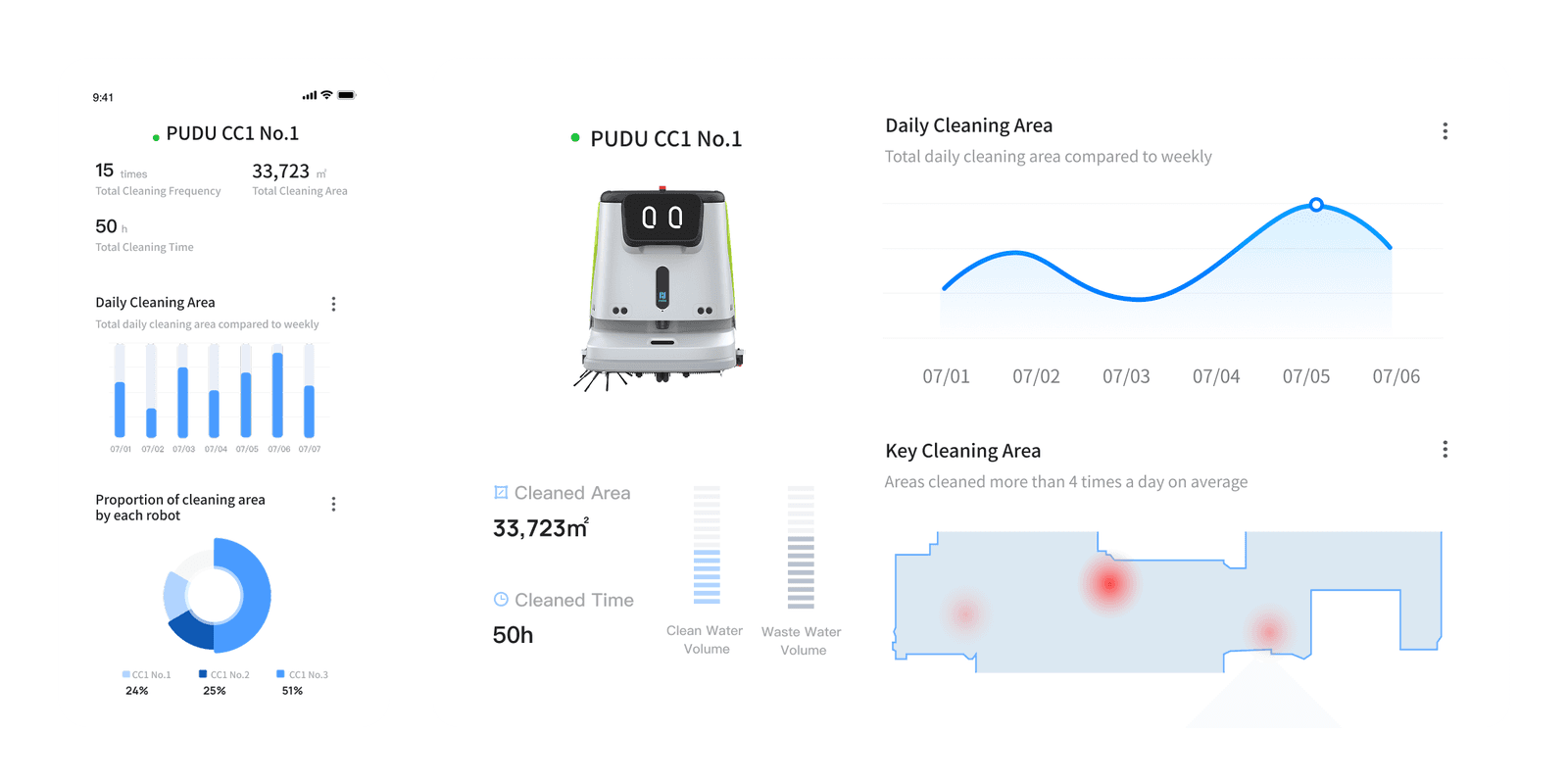
Receive real-time notifications for performance data such as cleaning time and area.
By integrating with smart building systems, it can move autonomously between floors and clean the entire building alone.
18 values in 6 categories; data published by the manufacturer.
Verified on the manufacturer page on 18 September 2026.
An itemised quote for the PUDU CC1 is prepared by configuration, quantity and delivery scope.
The CC1 is an intelligent cleaning robot that automates floor cleaning in commercial spaces. It combines sweeping, scrubbing, carpet vacuuming and dust mopping in a single body; at 75 kg it covers up to 1,000 m² per hour and runs for 9 hours on a charge in silent mopping mode. The deployment logic is not to replace staff but to standardize repetitive cleaning work: which area was cleaned when, how long the robot ran and where intervention is needed all become reportable. Residential and office buildings, education campuses, healthcare facilities and retail common areas are the typical settings.
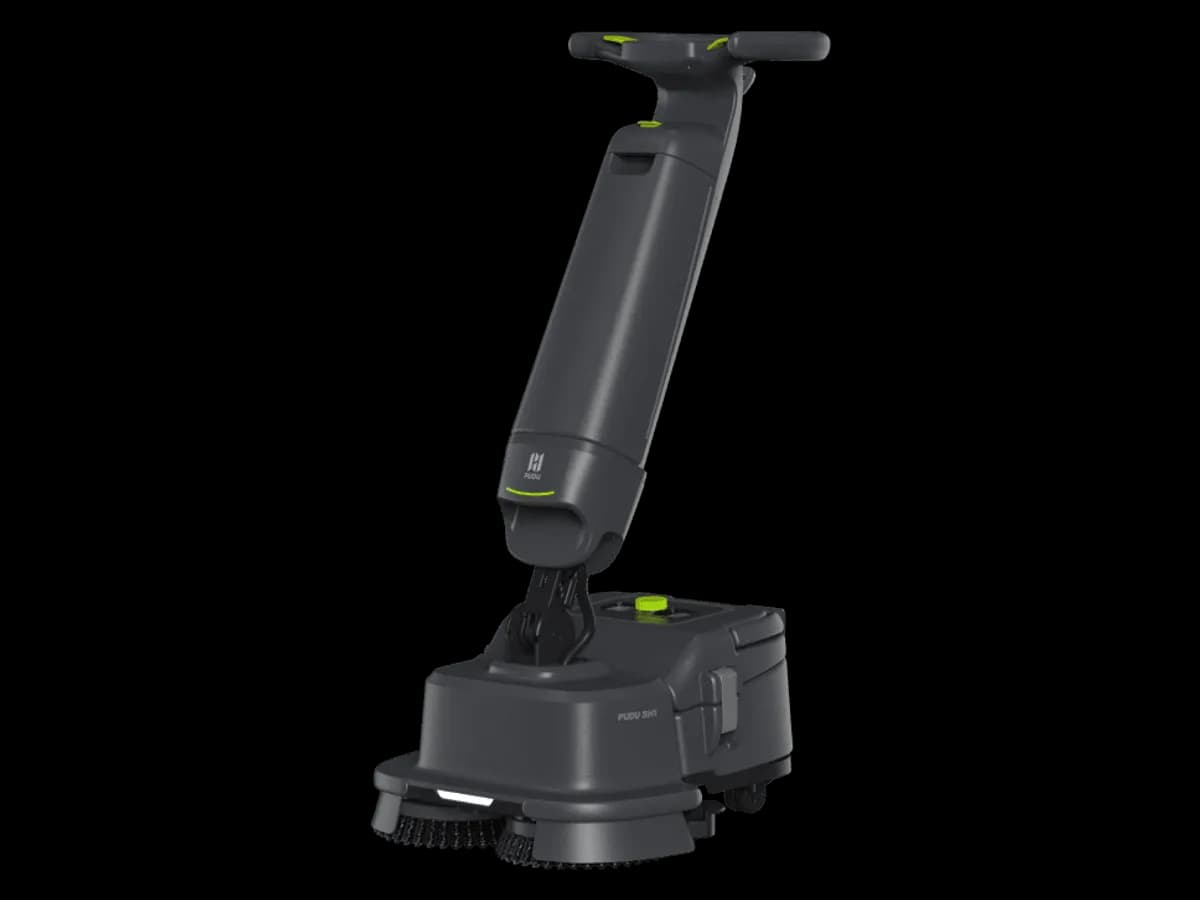
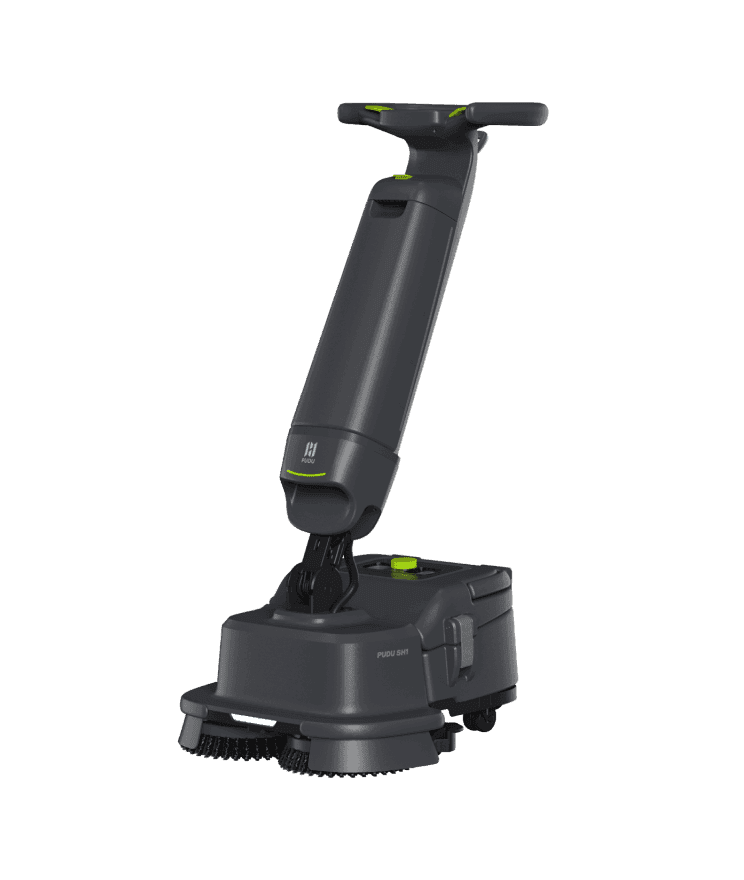
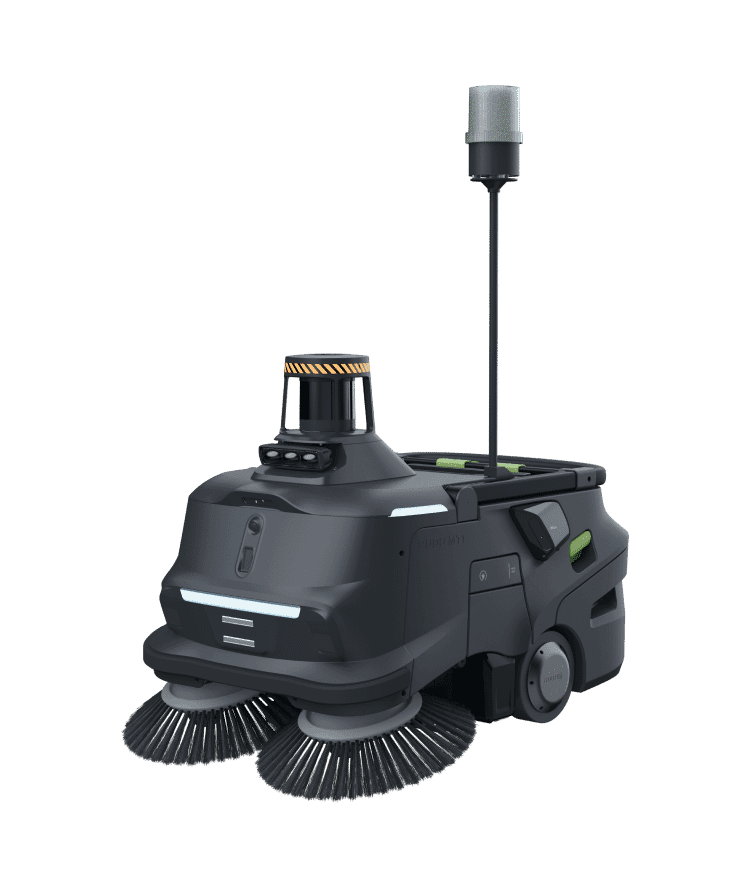
The choice is driven by shift length and area size. The CC1 is the balanced starting point that consolidates four functions in one body, and its 9-hour runtime covers a standard shift. If higher local throughput (3,000 m²/h) and a mode-dependent 4-9 hour window are needed, look at the CC1 Pro; if large areas must be swept and scrubbed in a single pass, the BG1 with its 550 mm cleaning width and 75 L clean-water tank. The SH1, at 27 kg with a 70-100 minute runtime, is a supporting unit for tight spaces the main robot cannot reach; not a device to take on a whole building alone.
The CC1 is strongest in buildings where floor cleaning repeats daily and foot traffic is steady, yet holding a standard through fully manual cleaning is difficult. Consolidating four functions into one body makes it possible to establish a single routine instead of managing separate sweeping and scrubbing equipment. Its limit is area size: where wide scrubbing in a single pass is required, the 550 mm BG1 is more efficient. Three items to settle before deciding: the square metres to be cleaned daily, the floor-type mix (carpet versus hard floor), and whether a plumbing connection for the station is feasible.
| CC1 | CC1 Pro | BG1 | SH1 | |
|---|---|---|---|---|
| Class | Akıllı ticari temizlik robotu | Otonom temizlik robotu | Zemin yıkama, süpürme ve parlatma | Dik tip zemin temizleyici |
| Weight | 75 kg | 75 kg | ~344 kg | 27 kg |
| Runtime | 9 saat | Moda göre 4-9 saat | Süpürme ve yıkama: maks. 7,5 saat | 70-100 dakika |
| Throughput | Maks. 1.000 m²/saat | 3.000 m²/saat (lokal temizlik) | 550 mm temizlik genişliği (yan fırçayla 708 mm) | 1.100-1.600 m²/saat |
| Water tank | Entegre | Entegre | Temiz 75 L / atık 60 L | Temiz 4 L / atık 4 L |
| Vacuum power | 17.000 Pa | - | - | 20.000 Pa |
| Speed | 1,2 m/s | 0,2-1,2 m/s (ayarlanabilir) | 0,2-1,0 m/s | 350 rpm fırça hızı |
Supply model
Delivered from Turkey stock; installation, training and on-site service under one responsibility.
Pre-sales assessment
Site and mission focused technical feasibility; specification and administrative process support.
Demo and site visit request
Send a demo request; availability and scope are settled in the call.
Source documents
Technical values come from the manufacturer's documents; verified on 18 September 2026. 2 documents at the bottom of the page.
Robotic system costs are optimised according to the selected hardware platform, additional sensor and payload configurations, and the integration scenarios specific to your site. Share your requirements and our engineering team will prepare a feasibility report and a pro forma quotation tailored to your organisation.
Direct contact and advisory line: 0850 532 6 777
The most common questions about the PUDU CC1.
PUDU CC1 is designed for high-traffic environments such as shopping malls, hotel lobbies, airports, hospital corridors, office buildings, and large commercial spaces. It can operate automatically on both hard floors and carpet surfaces.
CC1 combines sweeping, scrubbing, vacuuming, and mopping in a single body. Its 17,000 Pa vacuum power effectively collects solid debris while the integrated moistening system polishes the floor surface; all applied in a single pass.
CC1 operates on PUDU's proprietary SLAM positioning technology, combining visual SLAM and laser SLAM to build high-precision maps and plan autonomous paths around obstacles even in complex environments. Cleaning reports can be monitored in real time via the app integration.
CC1 offers up to 9 hours of continuous operation on a single charge. With a 15-litre clean water and 15-litre wastewater tank, it can complete large-area tasks without manual refilling. With optional auto-station support, charging, water filling, and drainage are also handled autonomously.
Yes, PUDU CC1 can be purchased in Turkey through Robotlar.org, PUDU's authorized reseller. Pricing is quoted per configuration; installation, map creation, task scheduling, a 1-year warranty and Turkish technical support are included. Use the Robotlar.org contact form to request a quote.
The standard sweeping mode consists of a side brush, sweeping brushes, and a mopping-vacuuming unit with a dust cavity and mop. CC1 performs sweeping, dust vacuuming, and dust mopping simultaneously. In scrubbing mode, water is distributed onto the scrubbing brushes to moisten the floor, and dirt is vacuumed into the recovery tank by the squeegee. In carpet vacuuming mode, sweeping brushes can be enabled or disabled; when disabled, the device runs in vacuum-only mode and the carpet nozzle deposits dust into the dust box.
CC1 automatically starts the refill/drainage process if its battery drops below 10%, fresh water falls below 5%, or the recovery tank becomes full. It also estimates the power needed to complete remaining tasks and recharges itself to that estimated level.
Yes. This is accomplished by using CC1 together with a Docking Station (Workstation) and setting up scheduled tasks.
Inspect the robot approximately every 2 days. Brushes, dust box, water filter box, scrubbing squeegee rubber strips, mopping-vacuuming mop, side brush, and filter cartridge should be replaced roughly every 3 months. Actual frequency may vary based on cleaning conditions and usage.
The cleaning report is uploaded immediately after task completion. If there is no internet connection, it is uploaded during the next software startup.
The cleaning area is calculated by multiplying the cleaning path width (standard 500 mm) by the cleaning duration, excluding transition and pause time. Electricity consumption is the battery percentage difference before and after cleaning. Water consumption is tracked by a flow meter. The report may be divided into sections, with data totaled for a comprehensive overview.
On the home screen, tap the 'More' button, find the assist mode switch, then tap it to turn on assist mode.
No. At that point, task 2 will be considered null and will not be executed.
Cleaning time is calculated by measuring how long it takes to clean the designated area and path. Any pause time is not counted.
For the zigzag path ('Arc' in software), the endpoint of the longer side of the outer path is chosen to maximize efficiency. For the spiral path ('Loop' in software), the endpoint of the outermost path is used as the starting position.
When CC1 enters a narrow space or encounters a blocking obstacle, it activates an extrication mechanism and moves left, right, or reverses until it finds a wider space, then continues its task. Rear sensors detect obstacles. The maximum continuous reverse distance is 30 cm.
Task re-planning is triggered when CC1's path is completely blocked and it cannot proceed even after extrication attempts. The robot automatically generates a new path to a different cleaning area. The default stuck time limit is 30 seconds.
If the task is paused/canceled manually or the robot auto-returns due to low battery or water, it records the interrupted position. In the next operation, the robot navigates to that position and resumes cleaning from there.
Assuming minimum 700 m²/hour efficiency, approximately 10 mL per square meter is used. Per hour: ~3,000 mL at low water speed, ~4,800 mL at medium, and ~7,200 mL at high water speed settings.
When battery drops to 10%, CC1 typically starts returning to charge. However, during the final stage of scrubbing (water collection), it finishes that step first. During elevator use, gate passage, AGV traffic control zones, or water collection, charging is not initiated even below 10%. If estimated remaining task energy is below 10%, the robot continues; if battery drops below 5%, it is forced to return and recharge.
CC1's water supply system has been tested at pH6 and pH8; the recommended pH range is 6.5-7.5 (general: pH6-8). Avoid solutions containing limonene as it reacts with plastic components. Use a low-foaming or non-foaming solution, or add an anti-foaming agent. One recommended solution is 'Diversey'.
Use a water filter box. Remove the air filter sponge and tightly cover the lid. Regularly wash the suction hose to prevent clogs. Set suction power to the highest level. Use mild cleaning agents that are non-acidic and non-alkaline.
In quiet environments such as malls and offices, noise levels may increase due to high suction power mode. Adjust suction and brush speed settings. Also, organize the cleaning sequence so that water collection during scrubbing is the final step, ideally performed in an unoccupied area.
A blind spot in the rear right area of CC1 can cause incidents during turns, and the algorithm does not include cleaning components in the obstacle avoidance range. Implement virtual walls or no-go zones in areas prone to scrapes and scratches.
Main causes: wide floor gaps, water on the scrubbing squeegee rubber strips, or water on the inner suction hose surface. Solutions: Regularly maintain the robot to prevent hose clogs that stop proper waste water vacuuming. Ensure no floor gaps in the water collection area; the robot will perform a back-and-forth motion to completely vacuum remaining waste water.
Robotlar.org is the Turkey Distributor for Pudu Robotics and its authorized systems integrator (Service Hub), providing sales, on-site engineering across Turkey, spare parts and integration support.
CC1 price guide, authorised service and all Pudu models