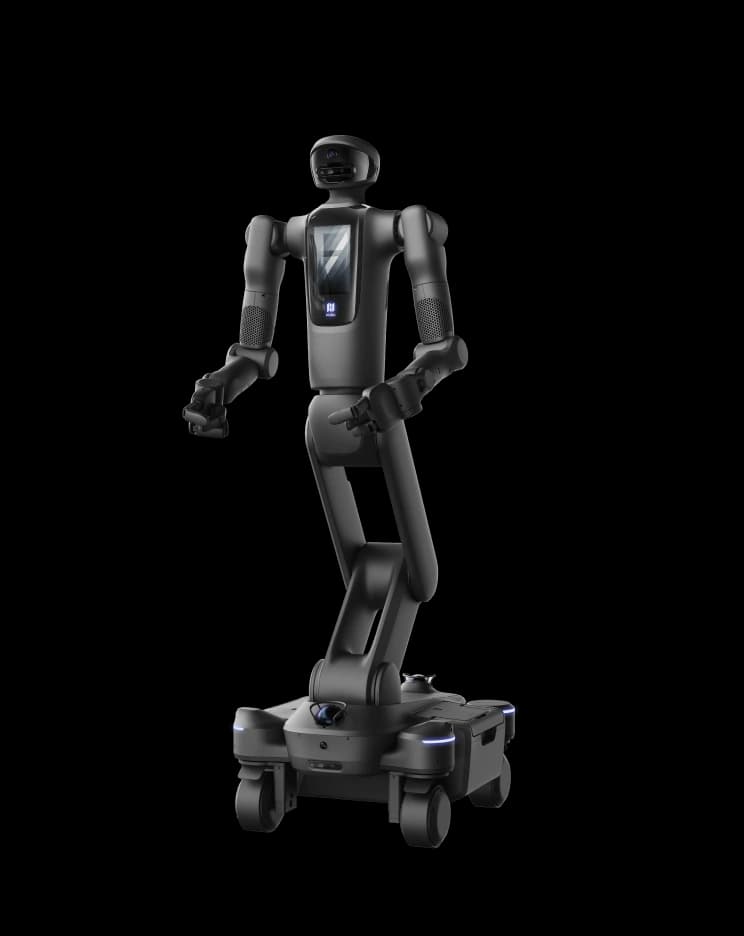
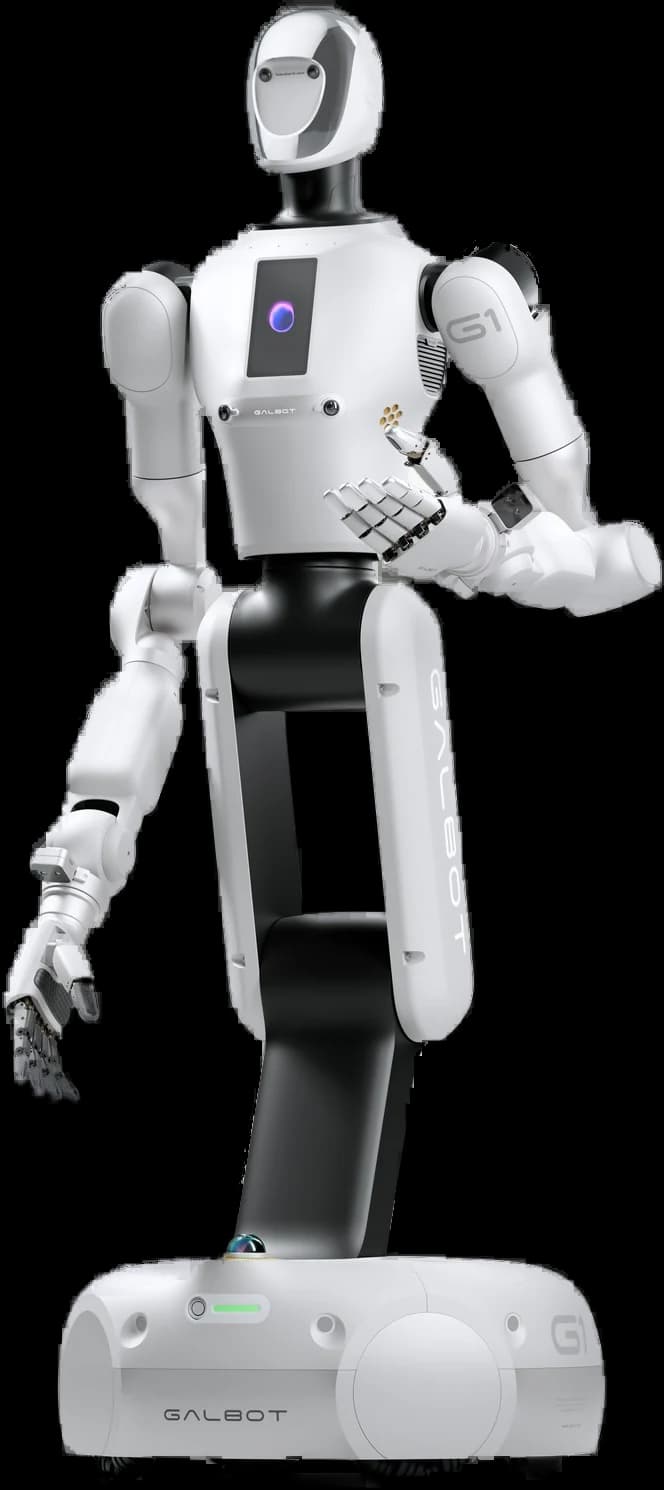
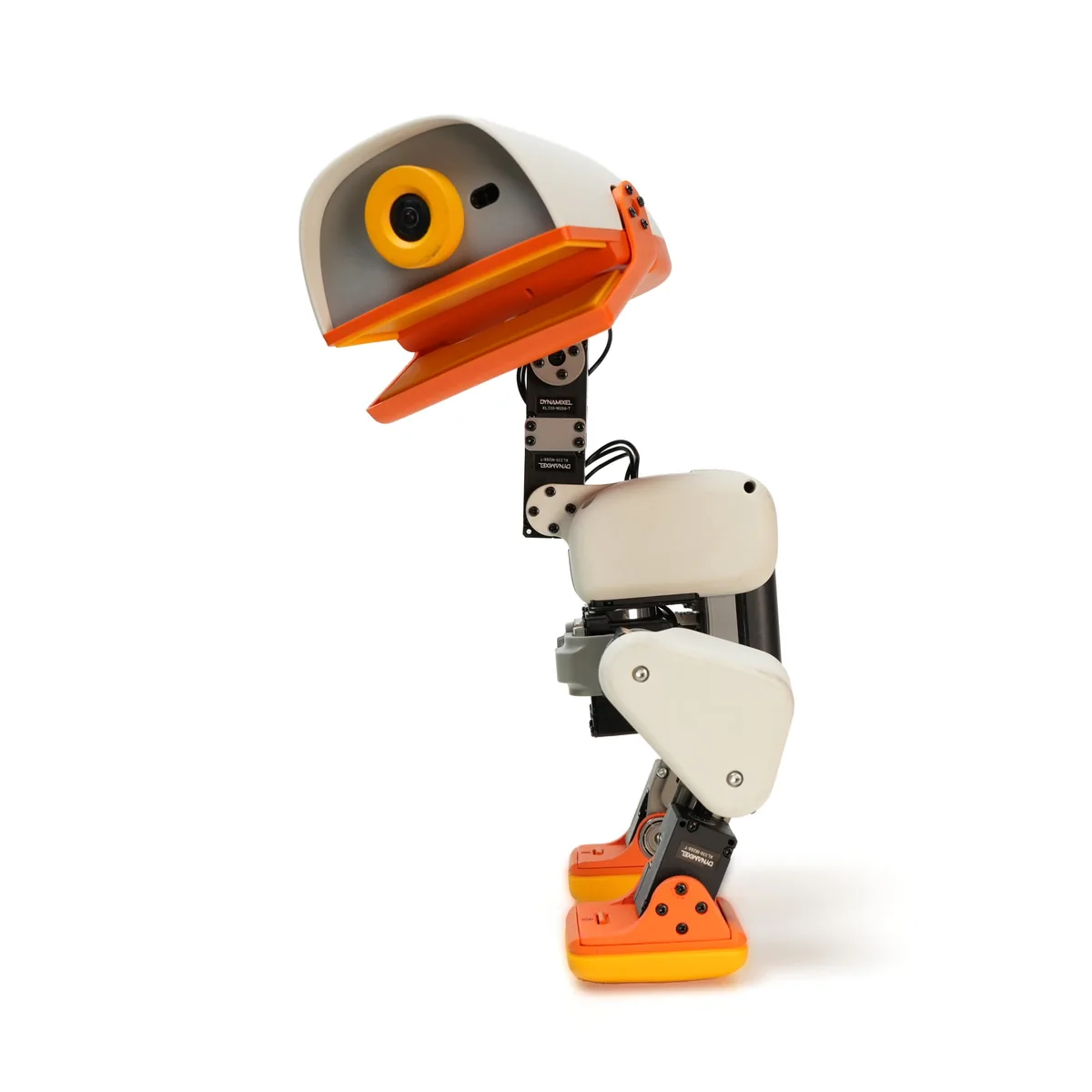
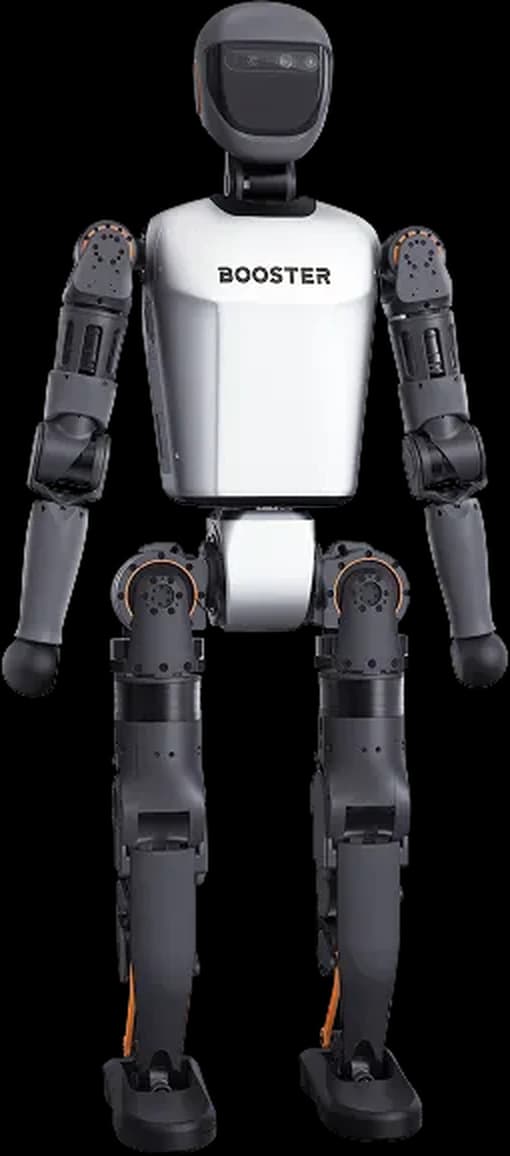
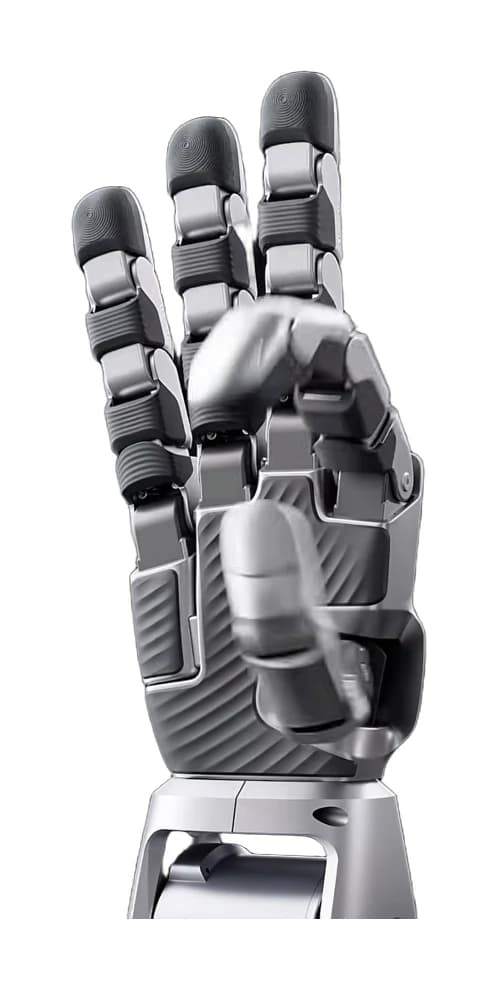
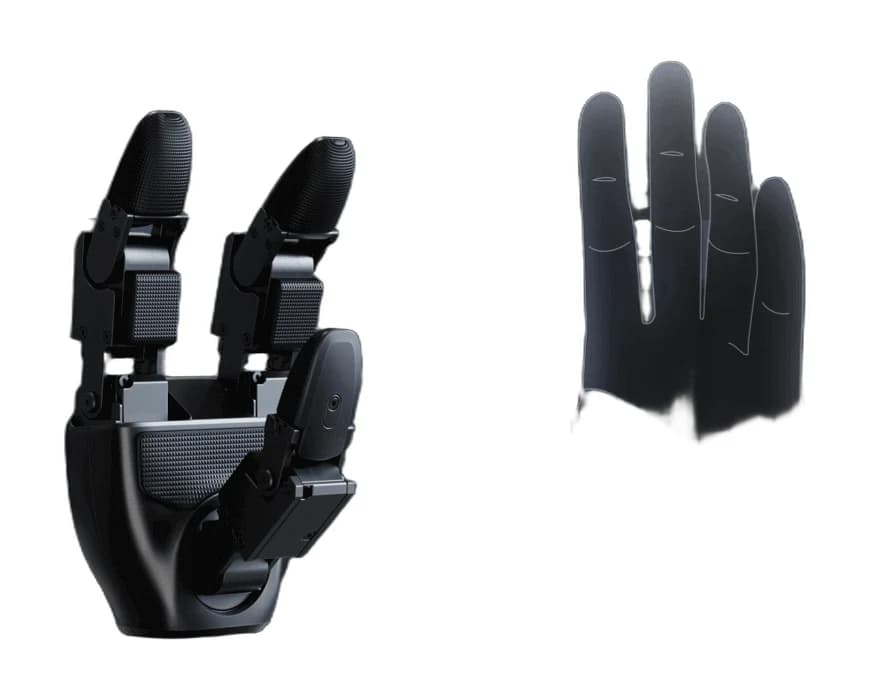
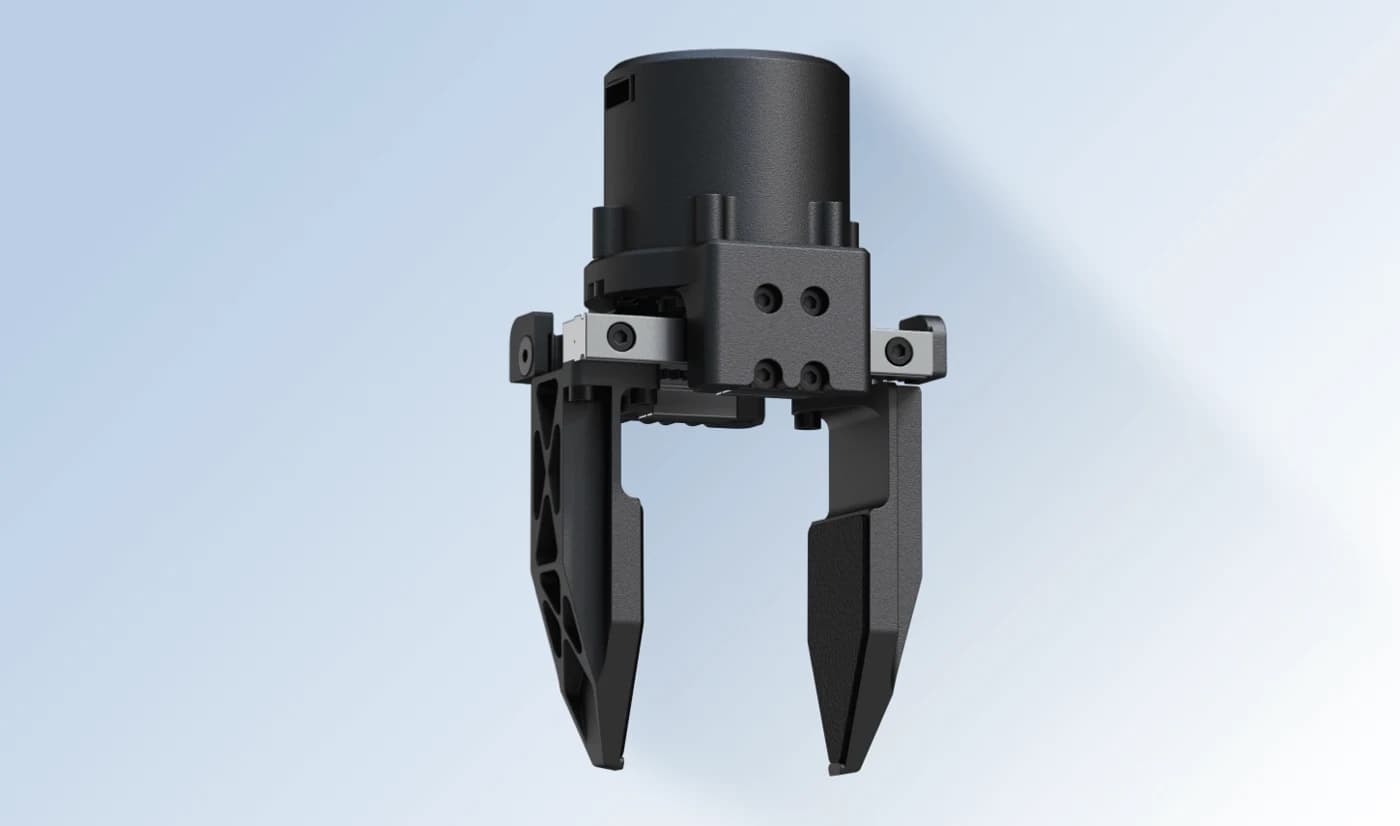
Our airport solution is not one robot; it is a fleet assigned to areas.
Below are the six operation areas and, for each, which model is there and why. The survey narrows this table to your terminal; we start with a pilot, measure, then scale.
01
Cleaning
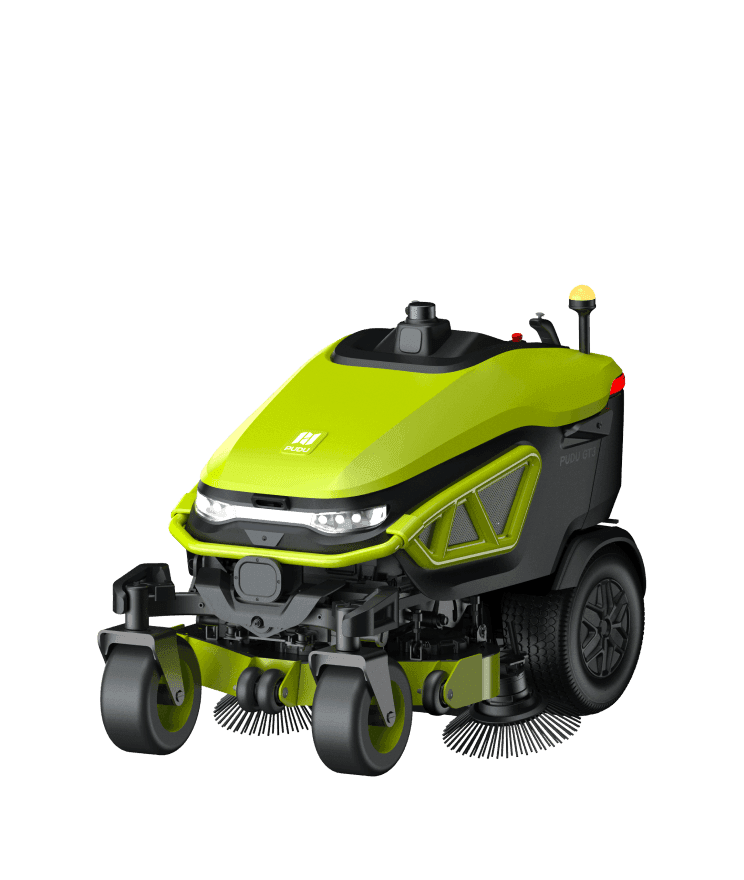
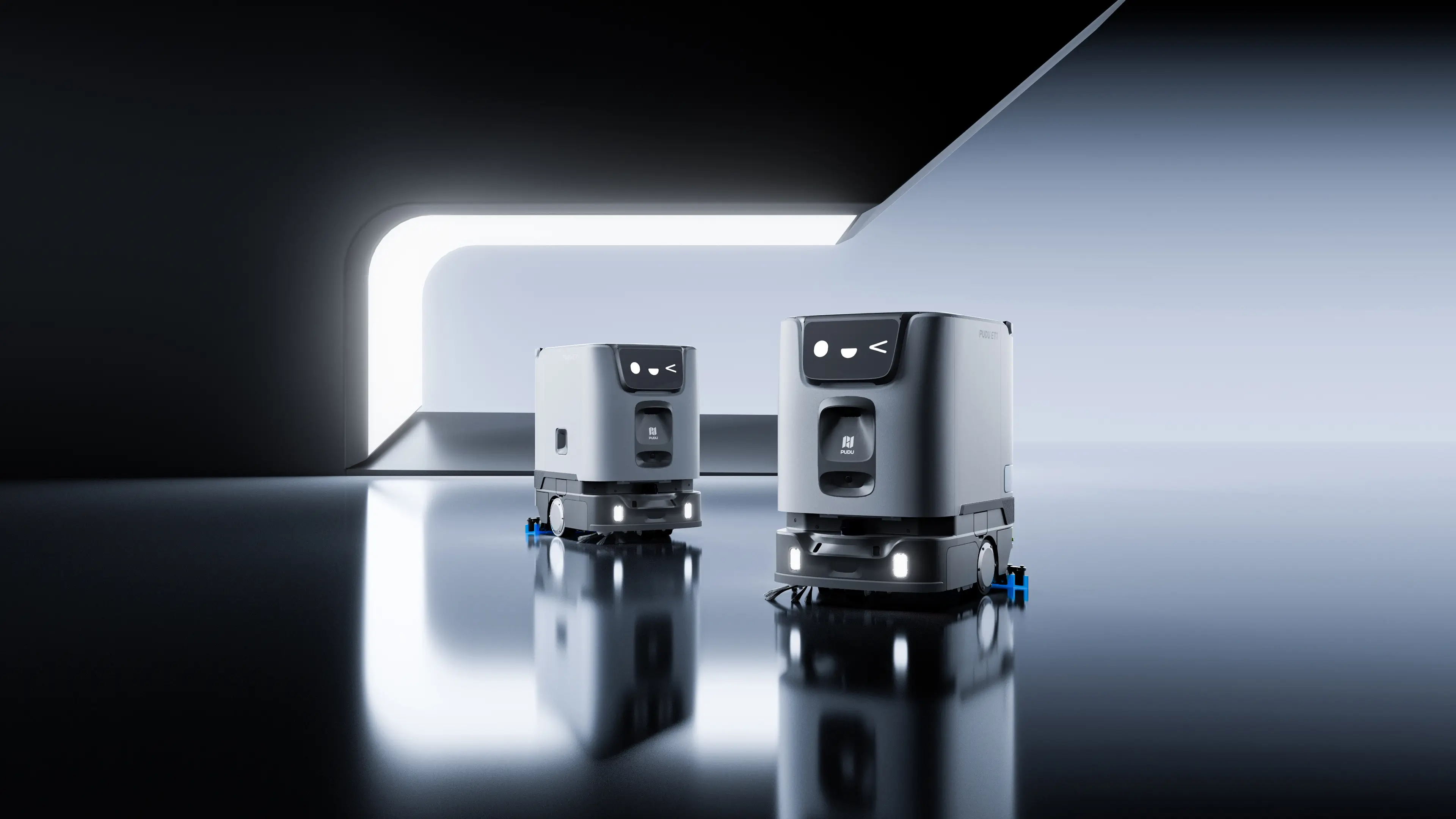
The terminal floor is split between three robots: large halls, narrow passages and big dry areas. All three run amid passenger traffic and return to their dock when done.
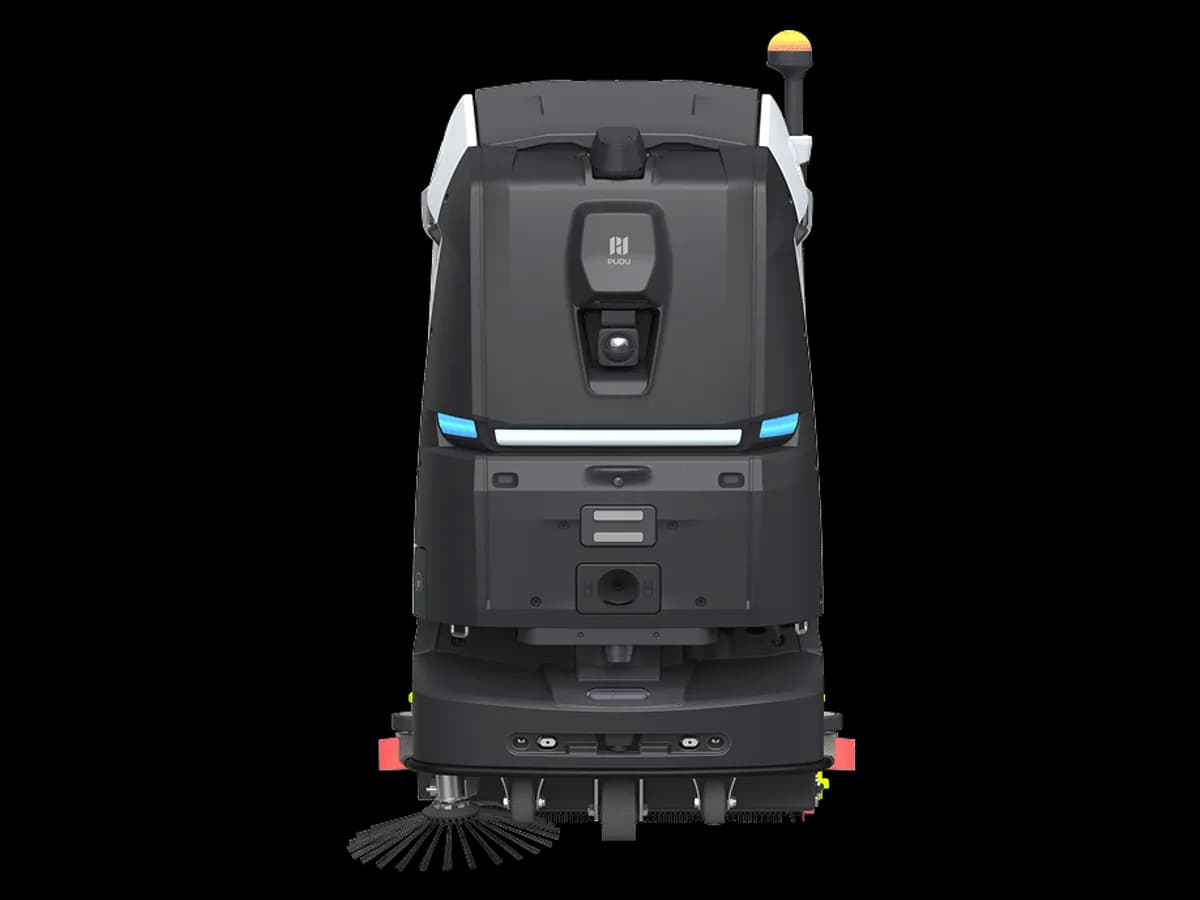
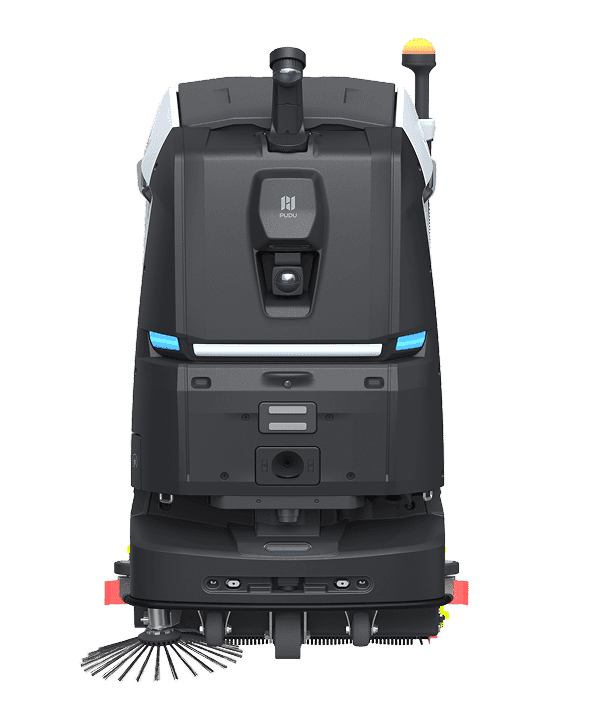
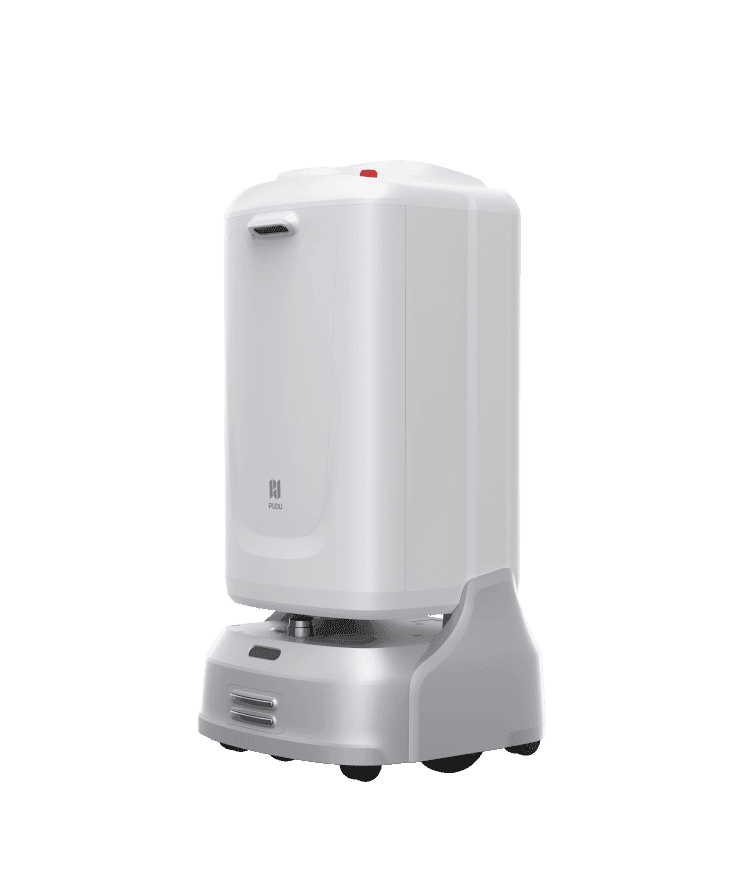
PUDU
BG1
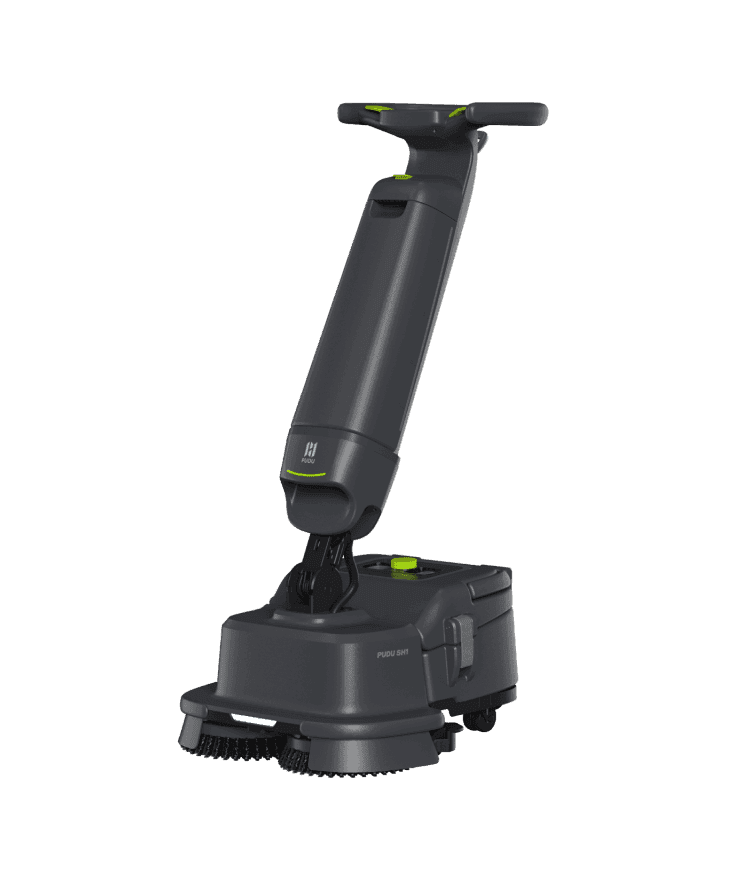
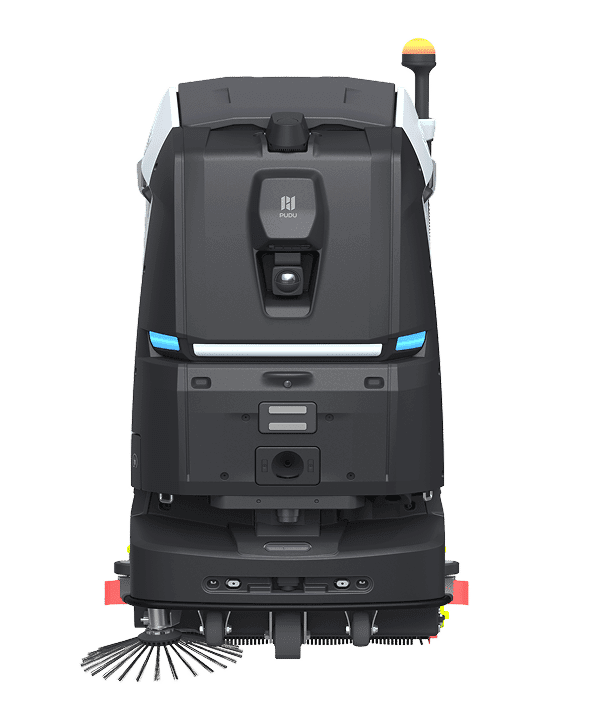
Sweeps and scrubs large halls and corridors in one pass; the 7.5-hour battery covers areas that do not fit the night window.
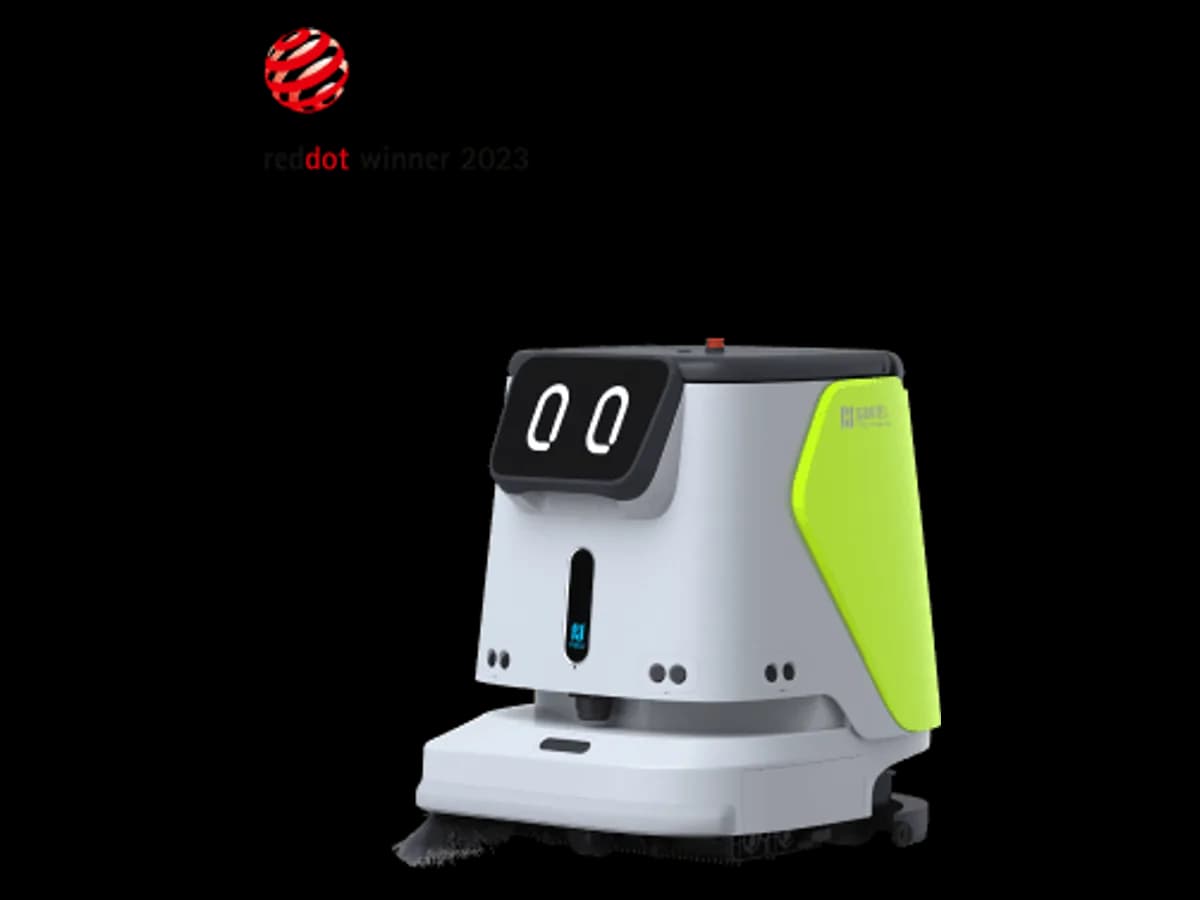
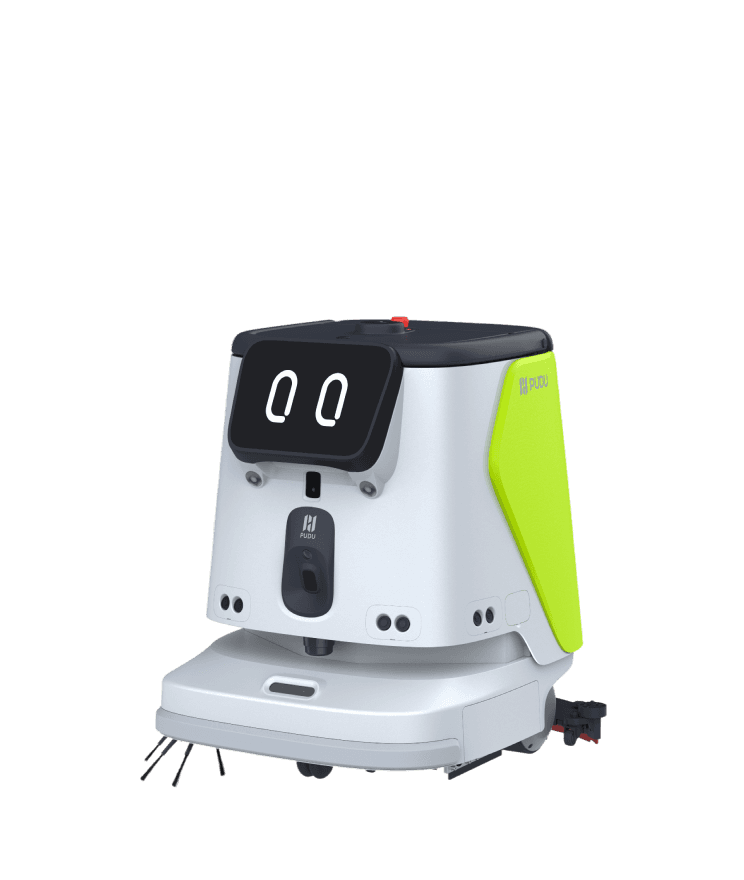
PUDU
CC1
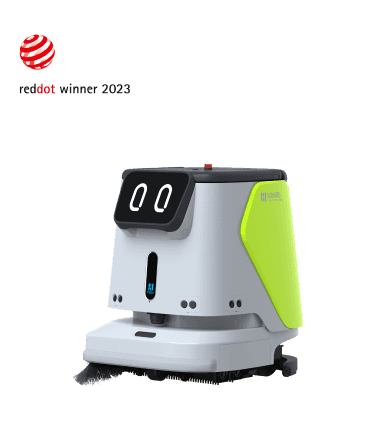
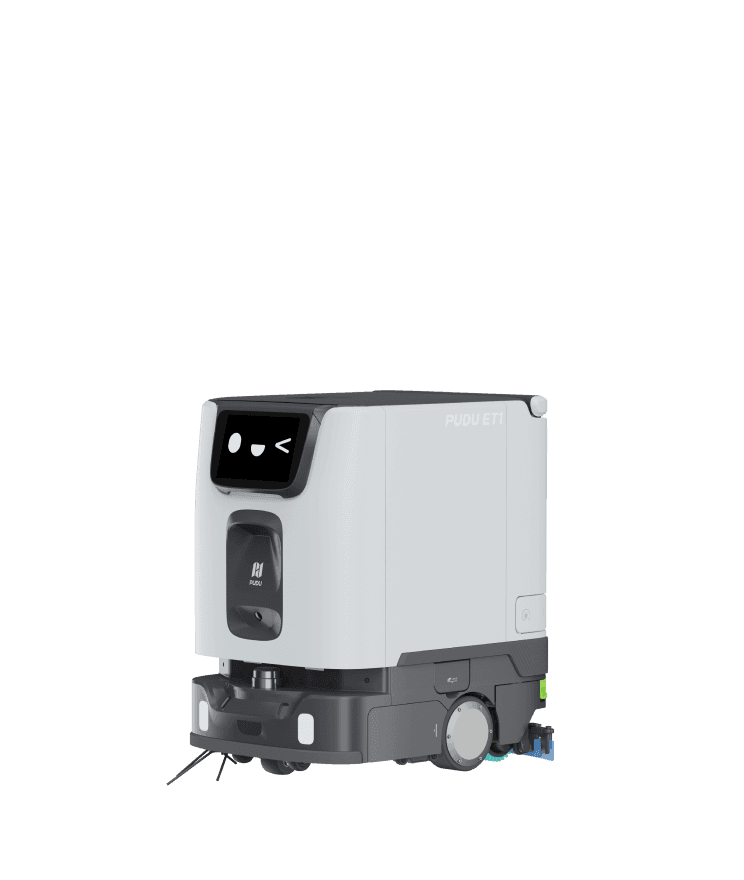
Entrances, narrow passages and mixed floors: sweeping, scrubbing, vacuuming and mopping in one body, 17,000 Pa suction.
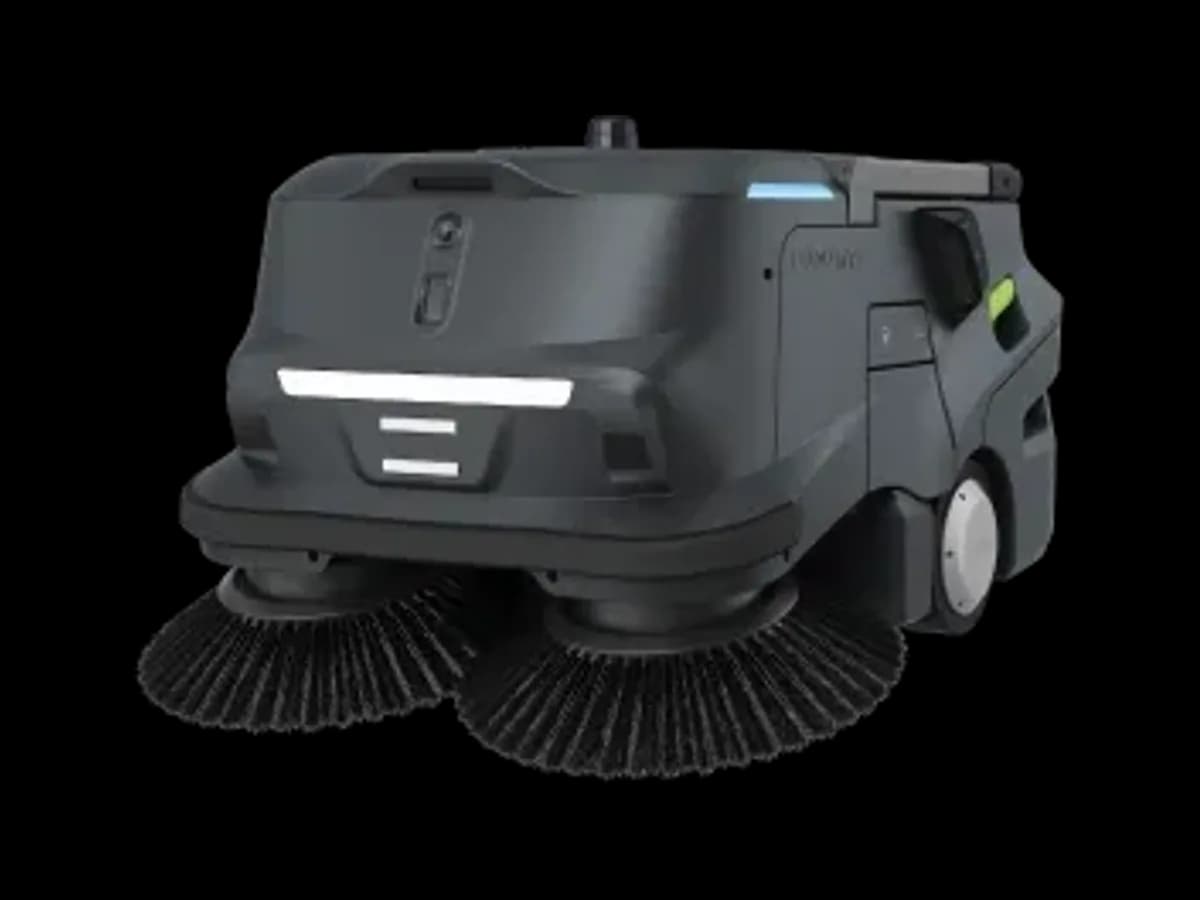
PUDU
MT1
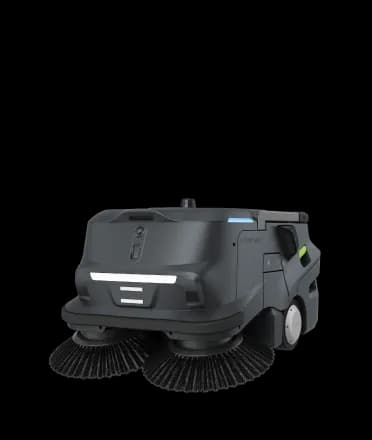
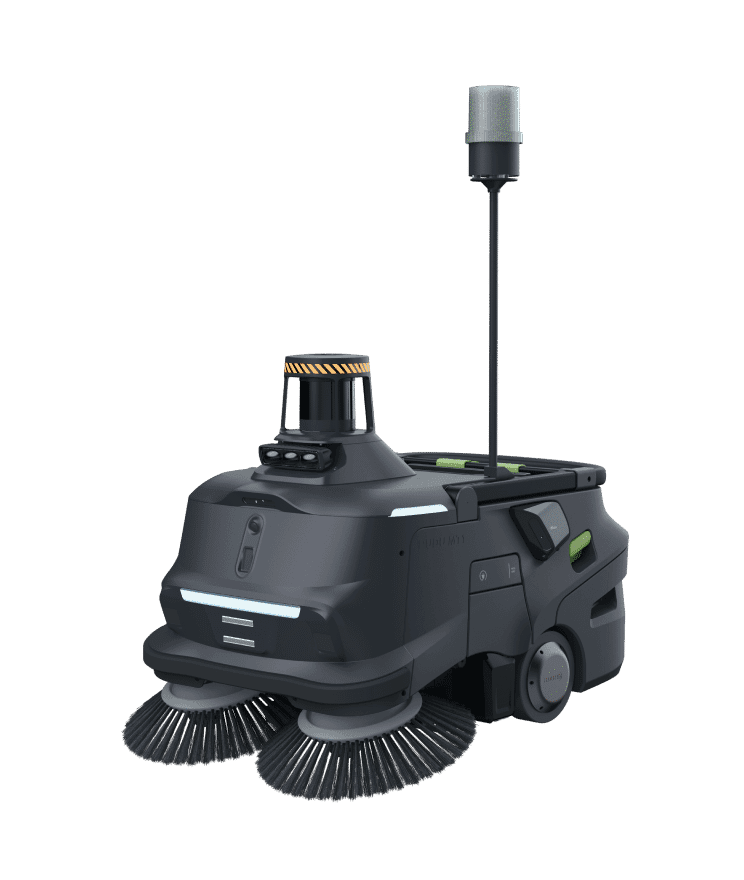
Dry sweeping of large open areas such as check-in and baggage halls; AI litter detection for spot cleaning, up to 100,000 m².
02
Cargo and warehouse efficiency
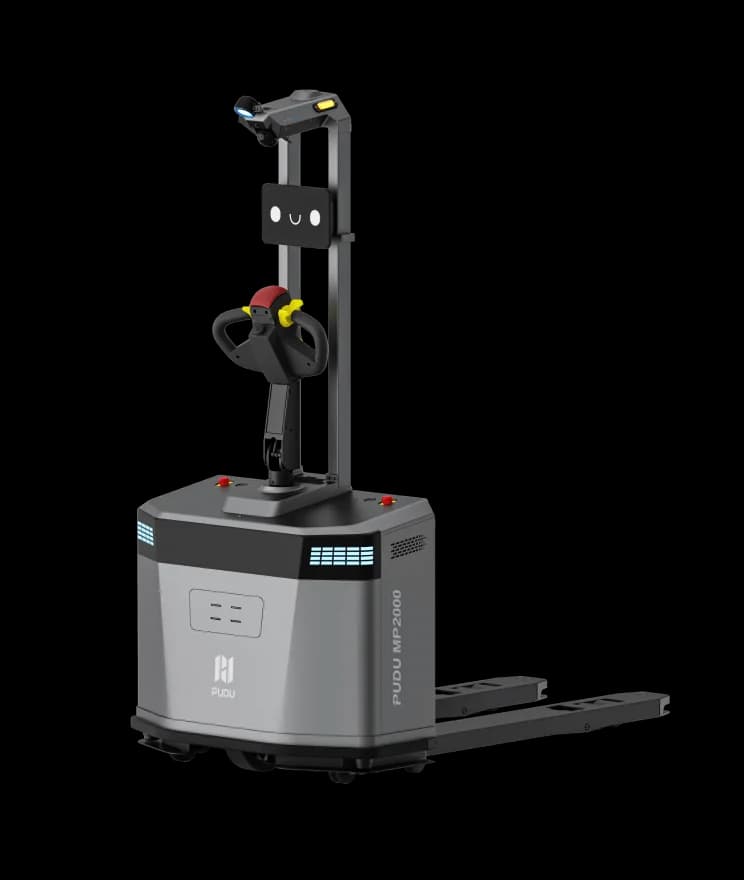
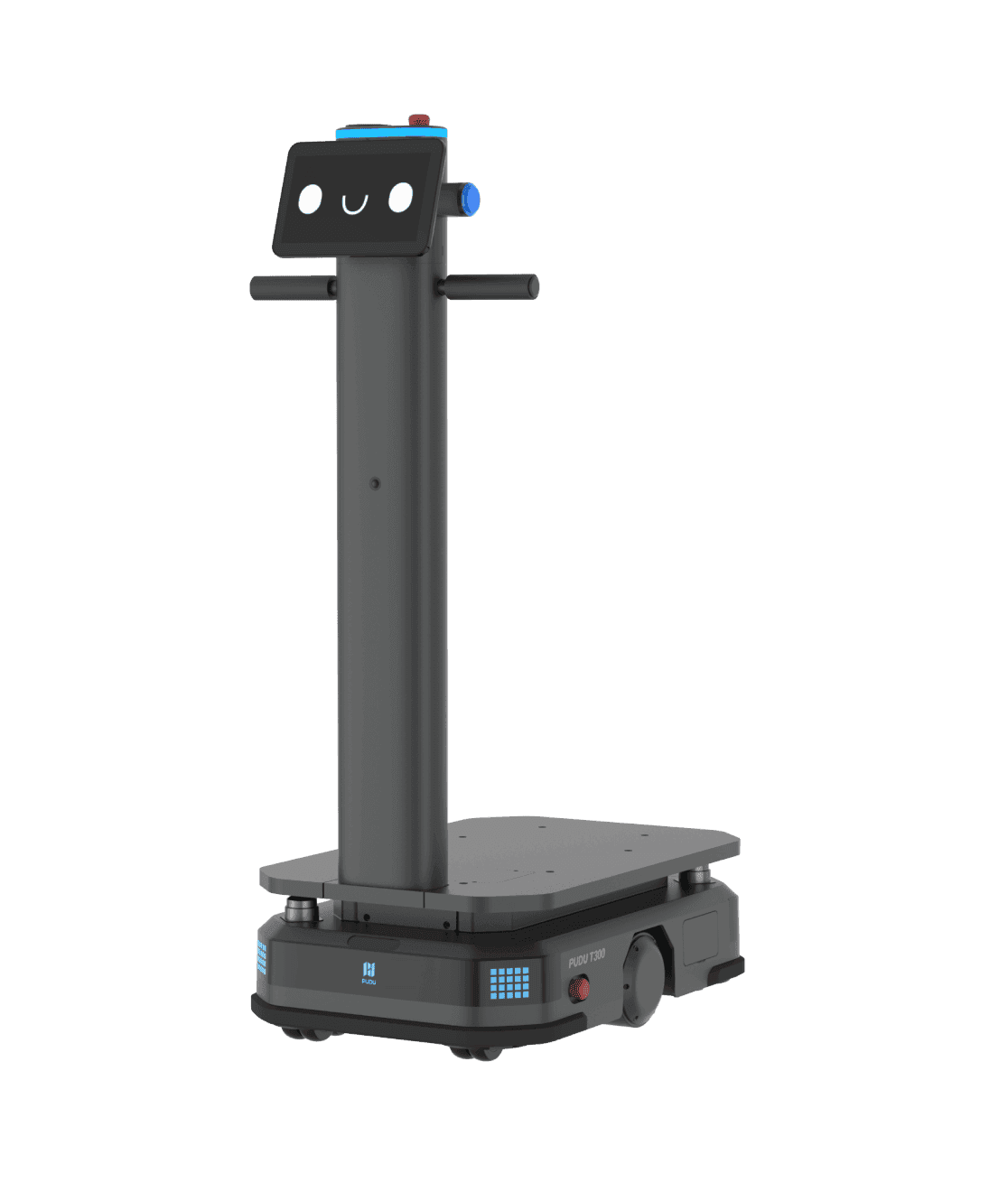
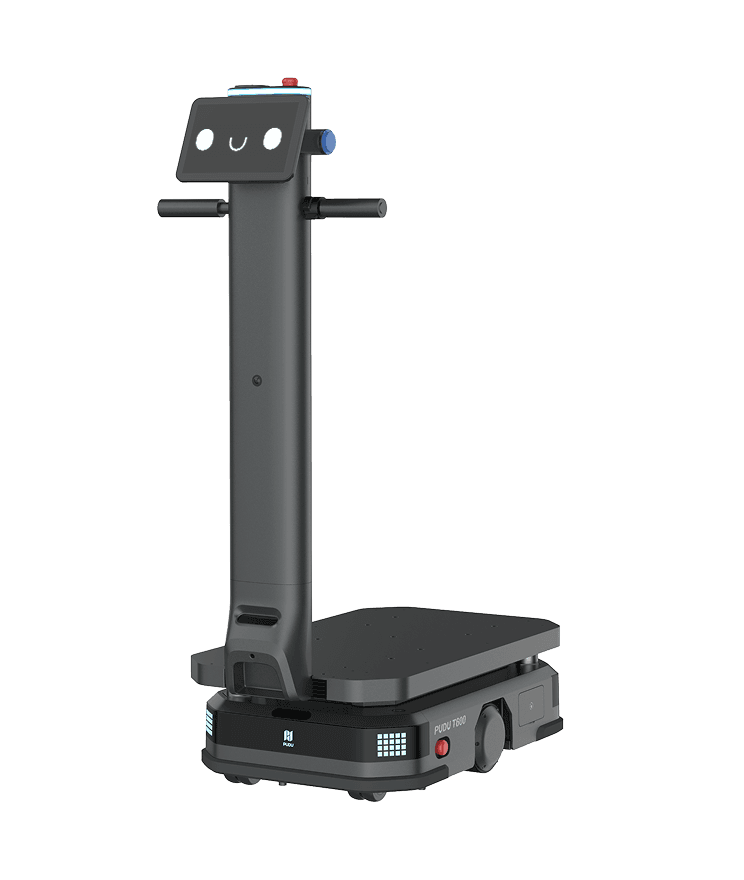
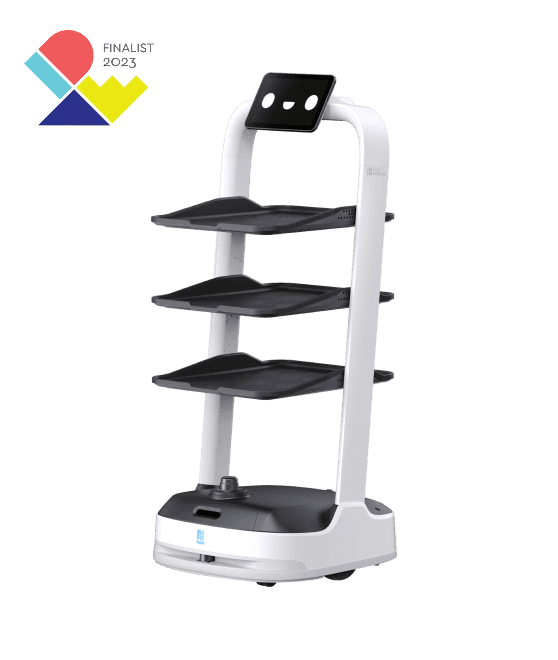
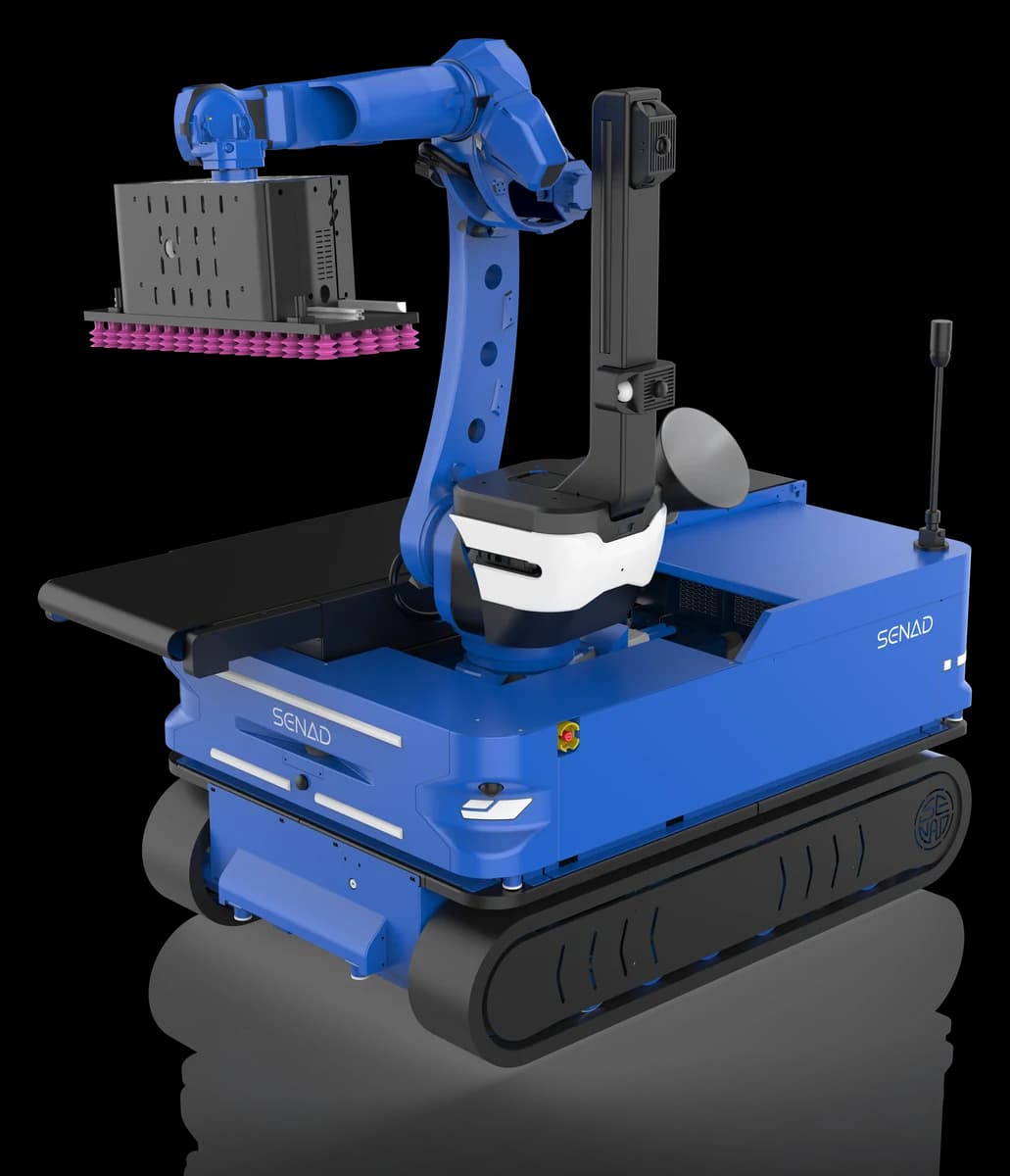
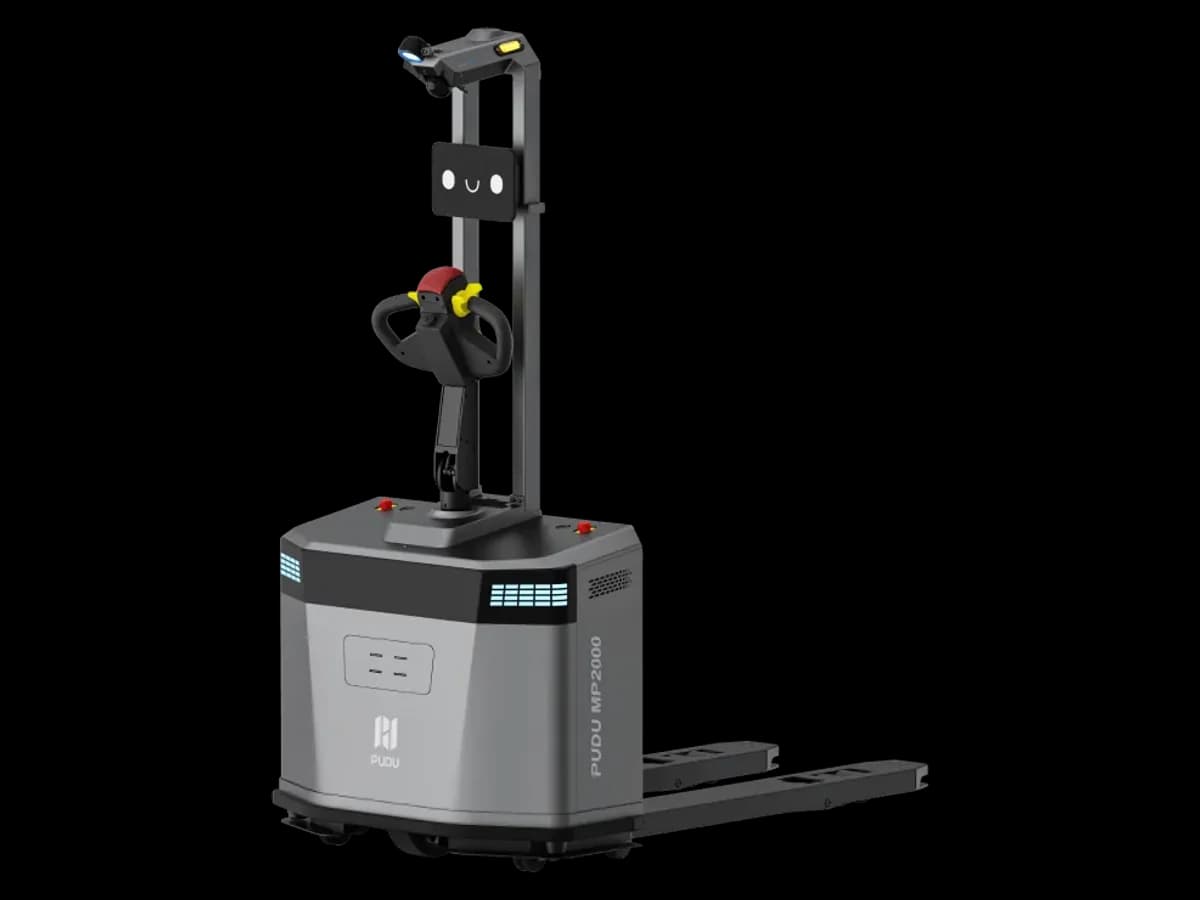
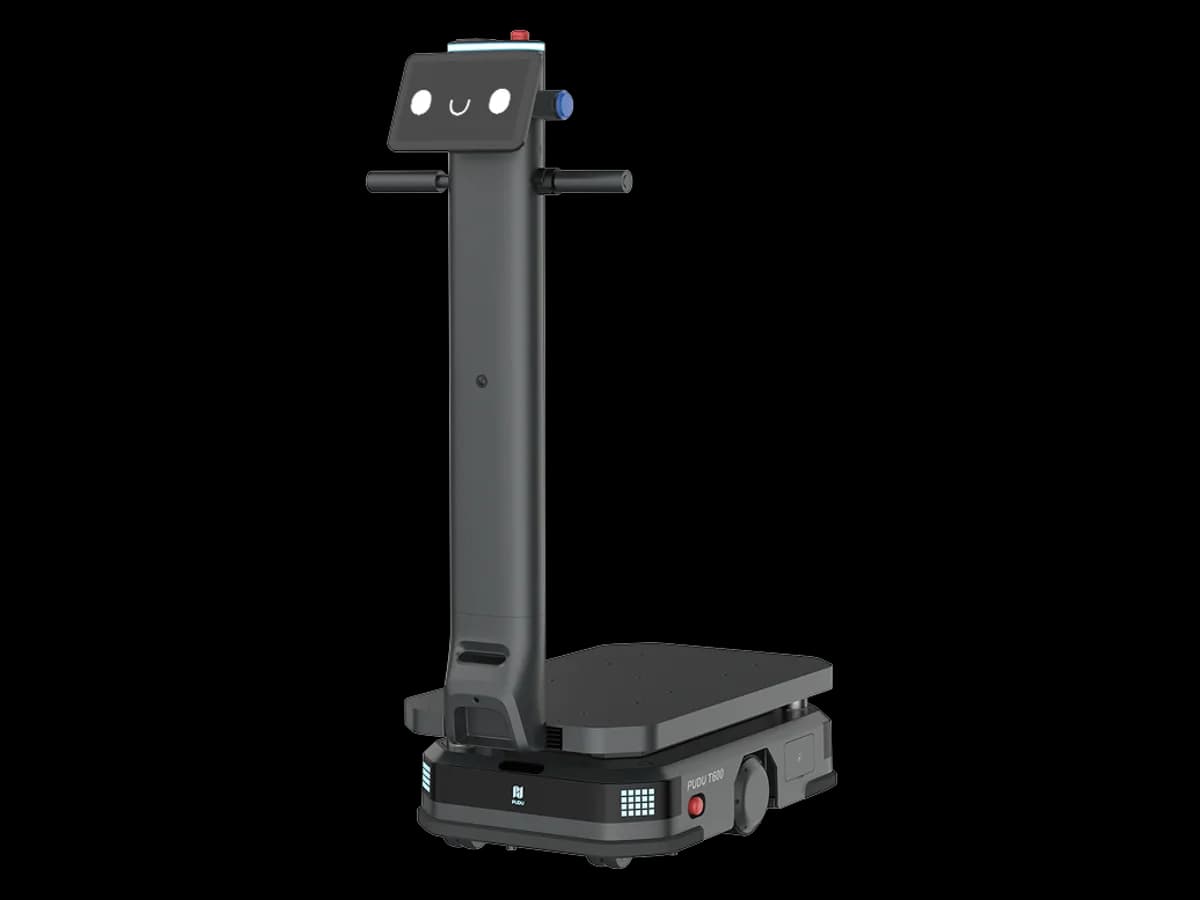
In the cargo warehouse and back-of-house areas, pallet and heavy-load flows move to robots; no facility renovation is required.
03
Lounge and restaurant experience
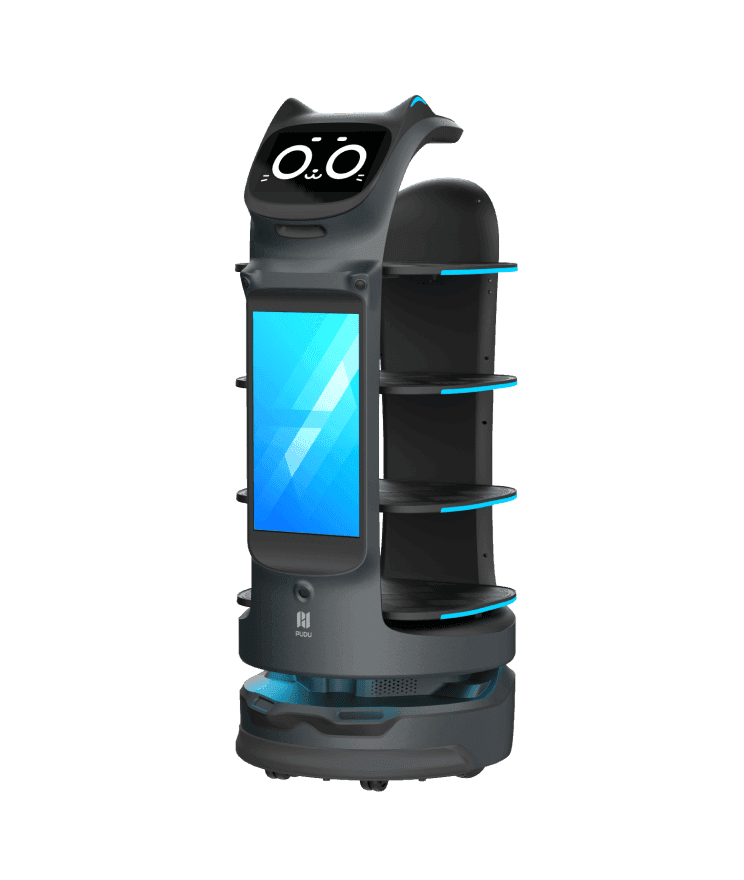
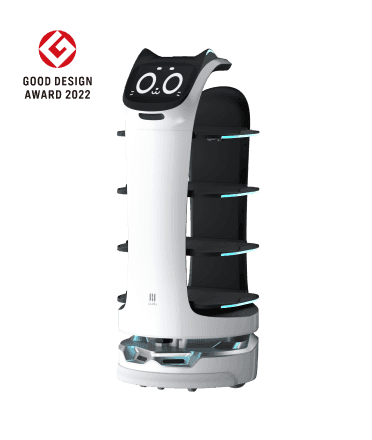
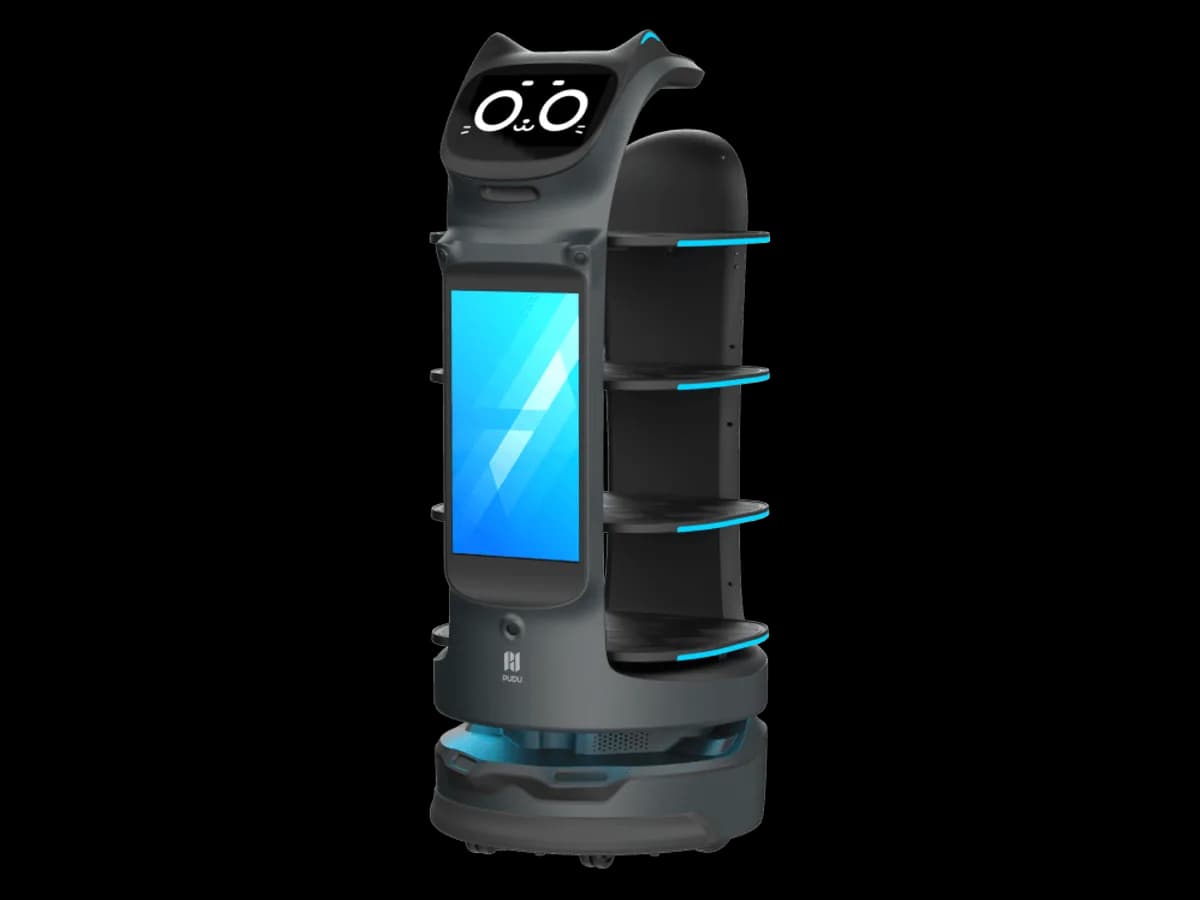
Service, promotion and greeting in lounges and terminal restaurants, in one robot.
04
The airport's technology showcase
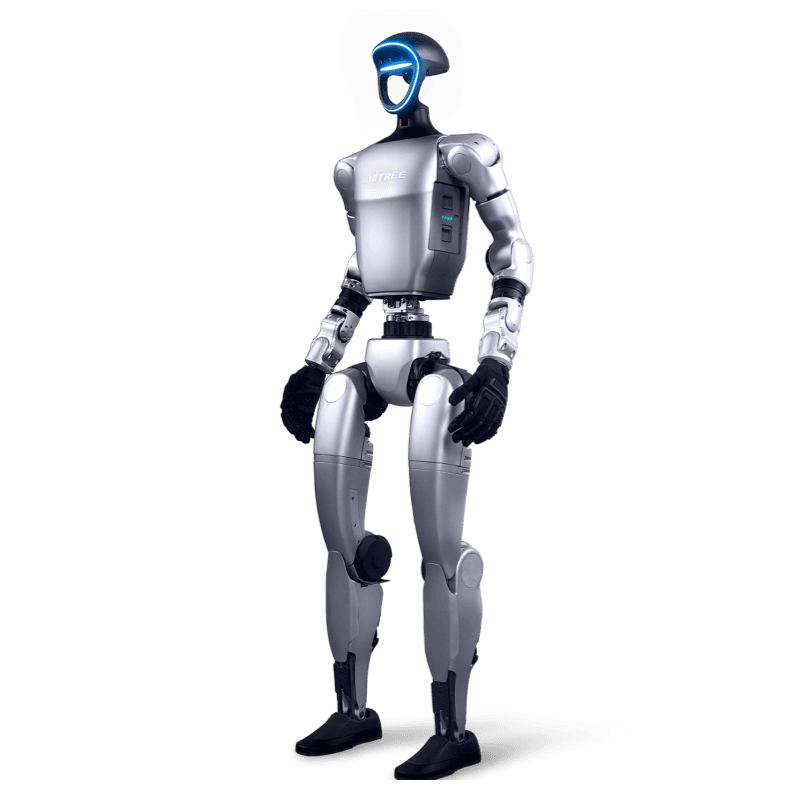
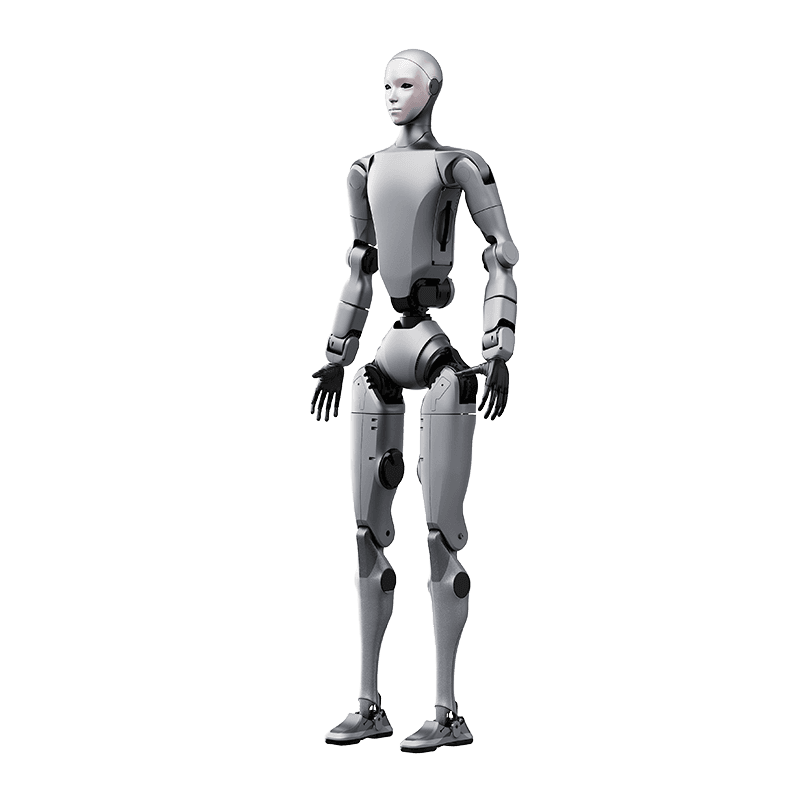
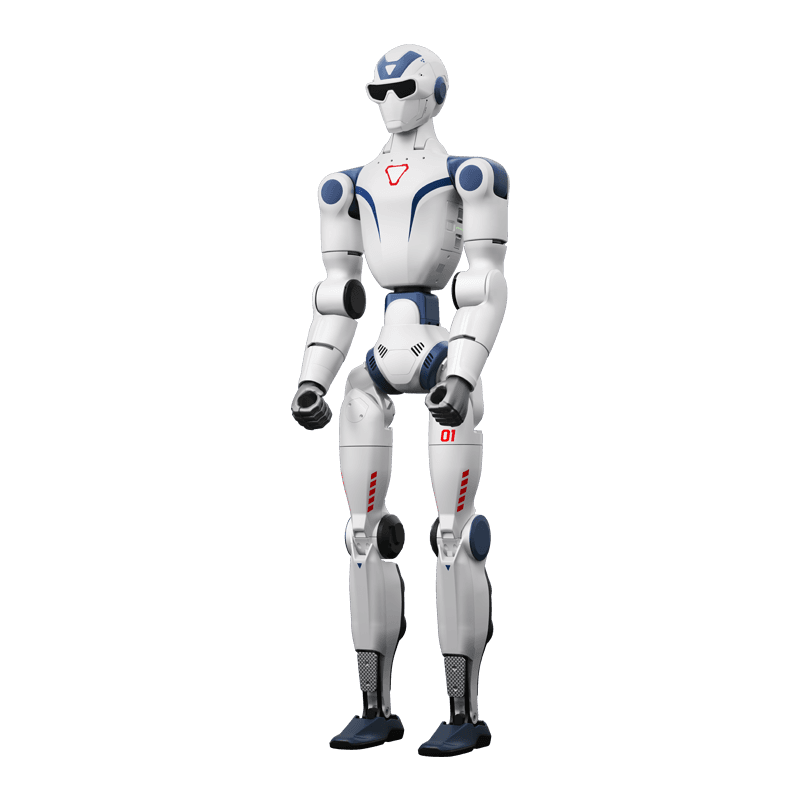
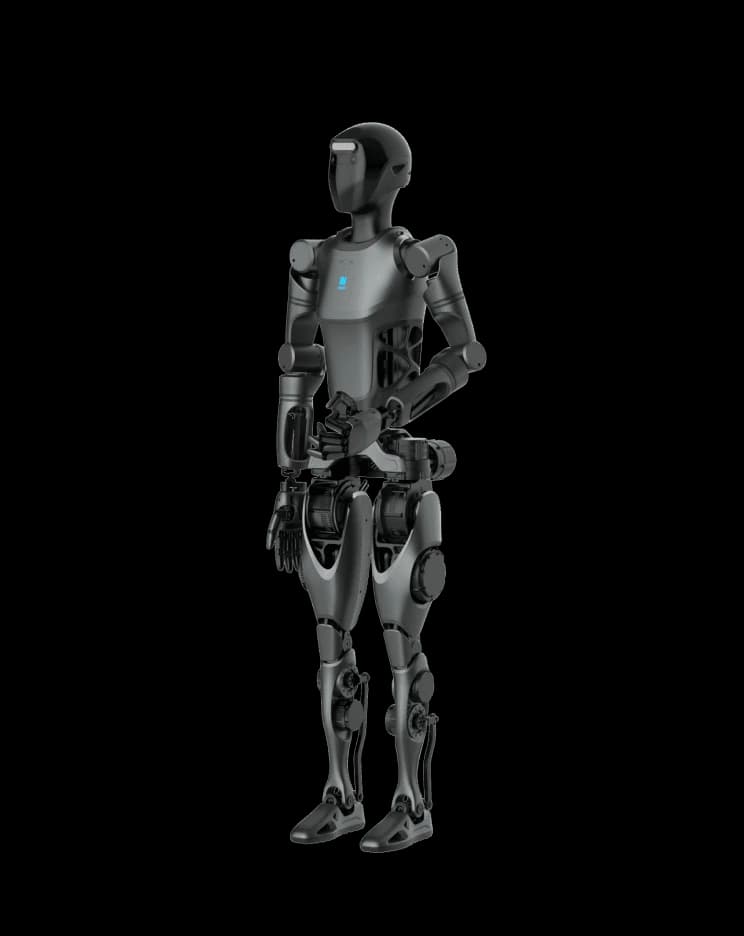
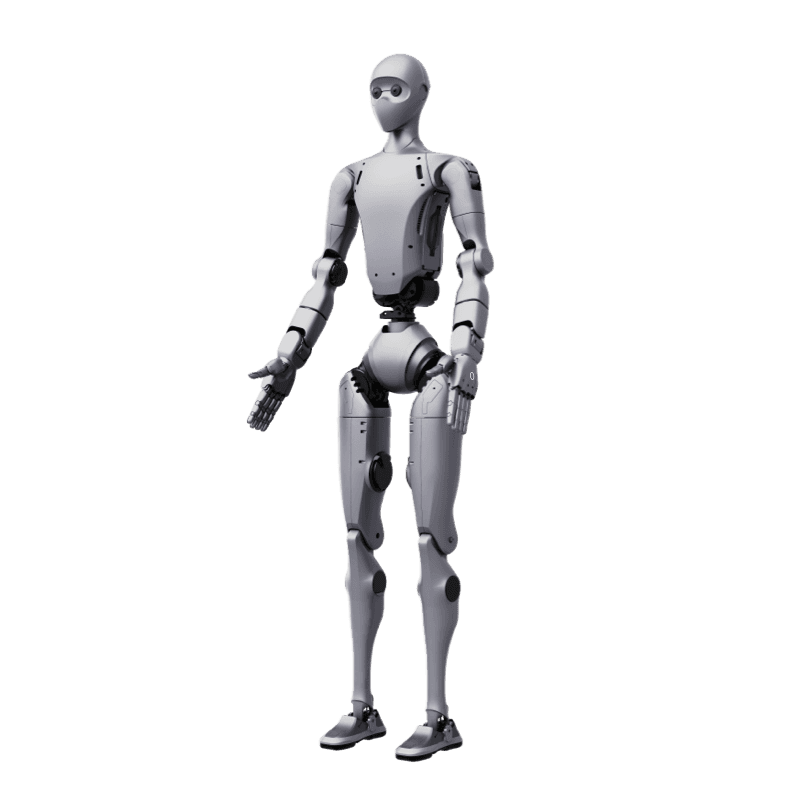
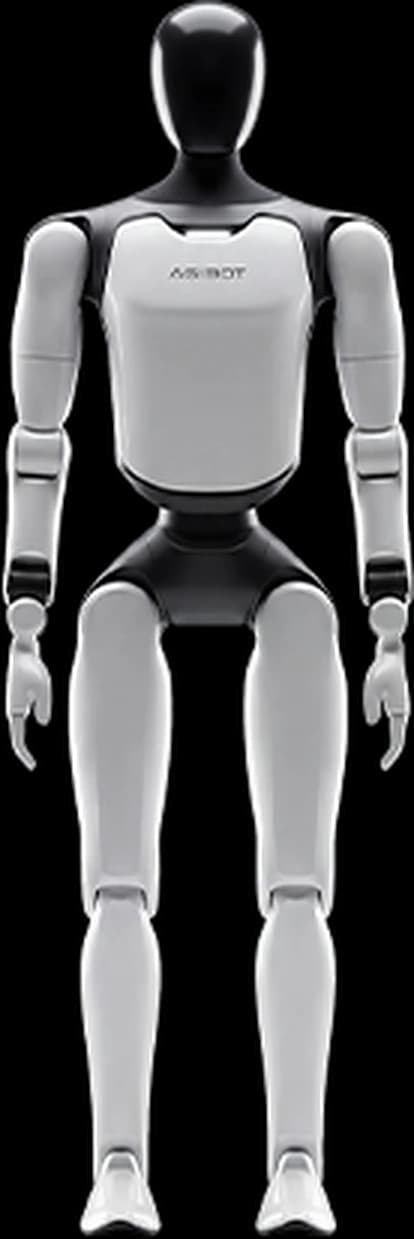
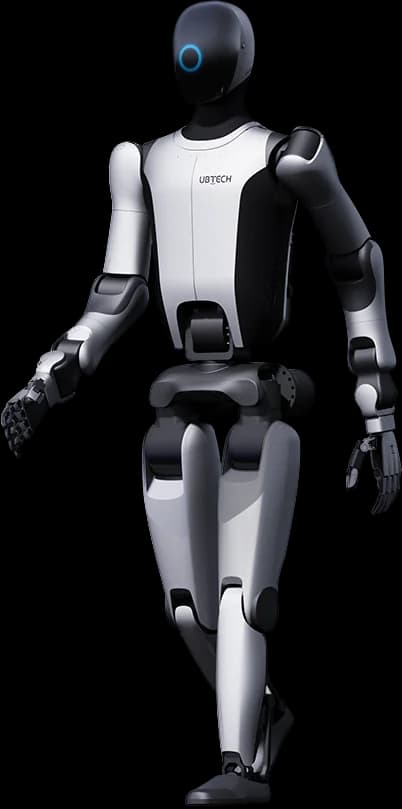
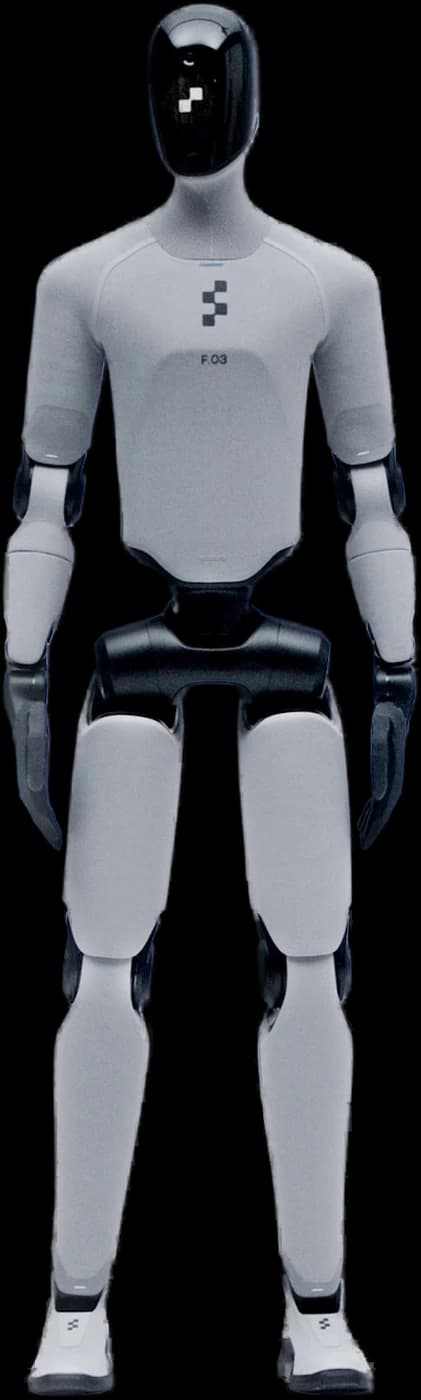
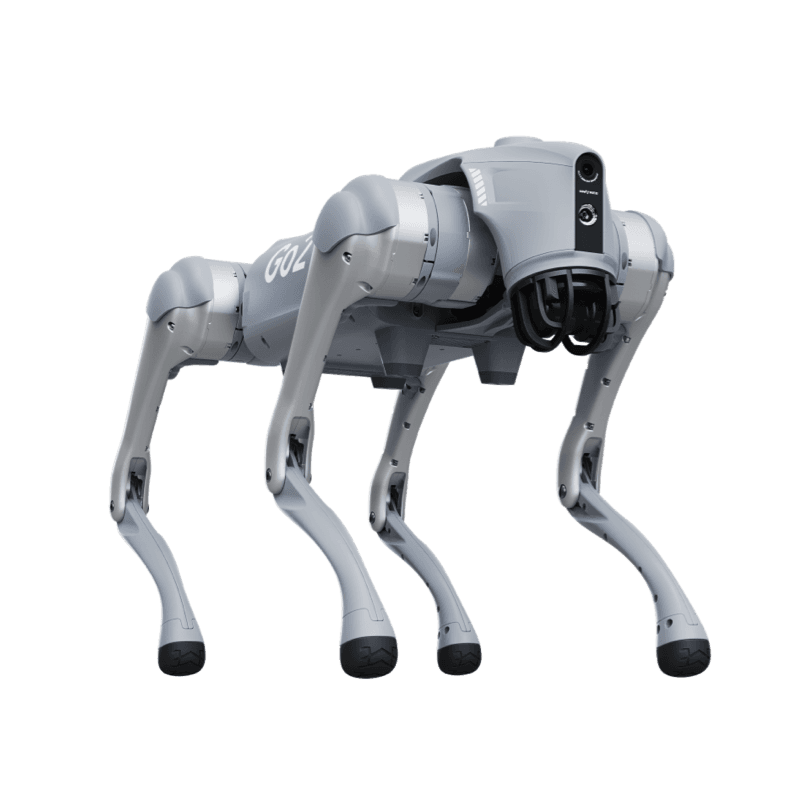
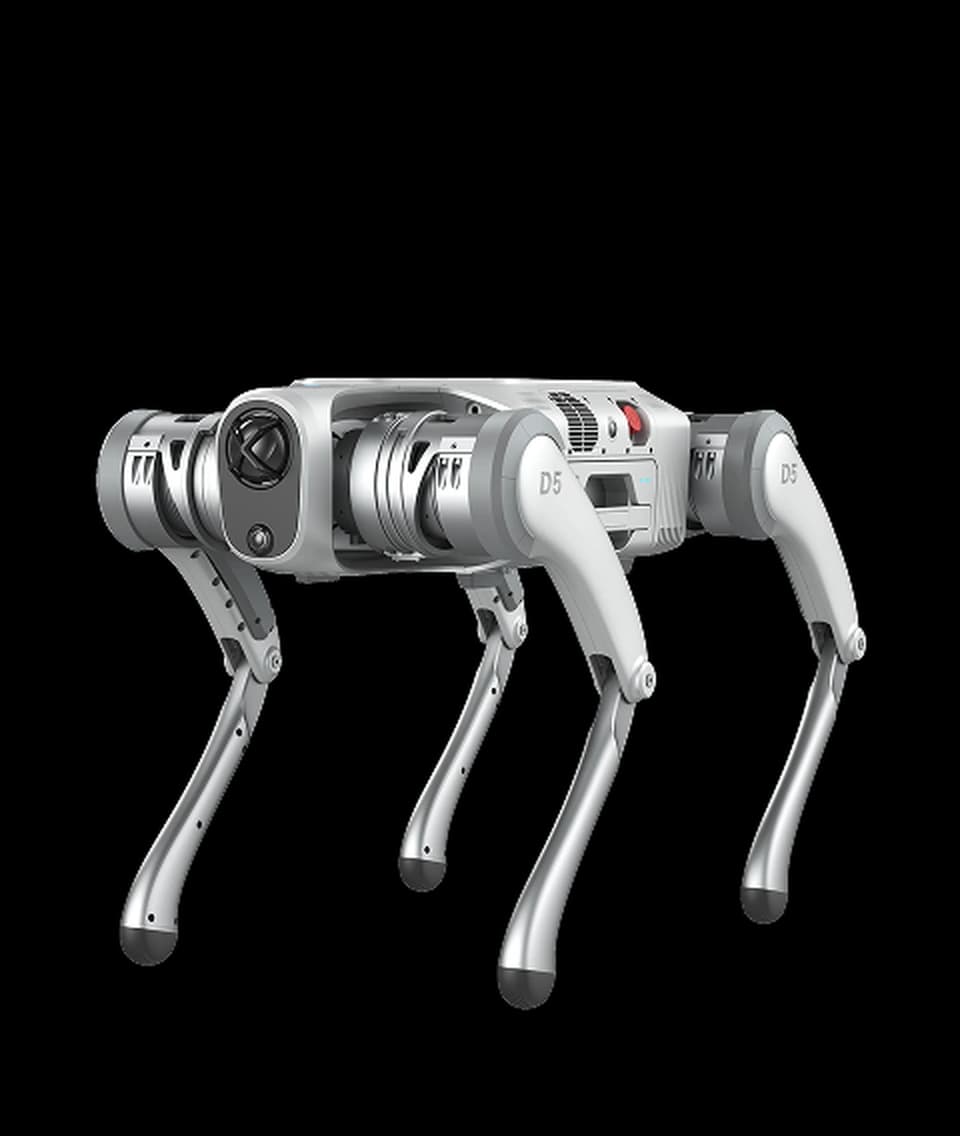
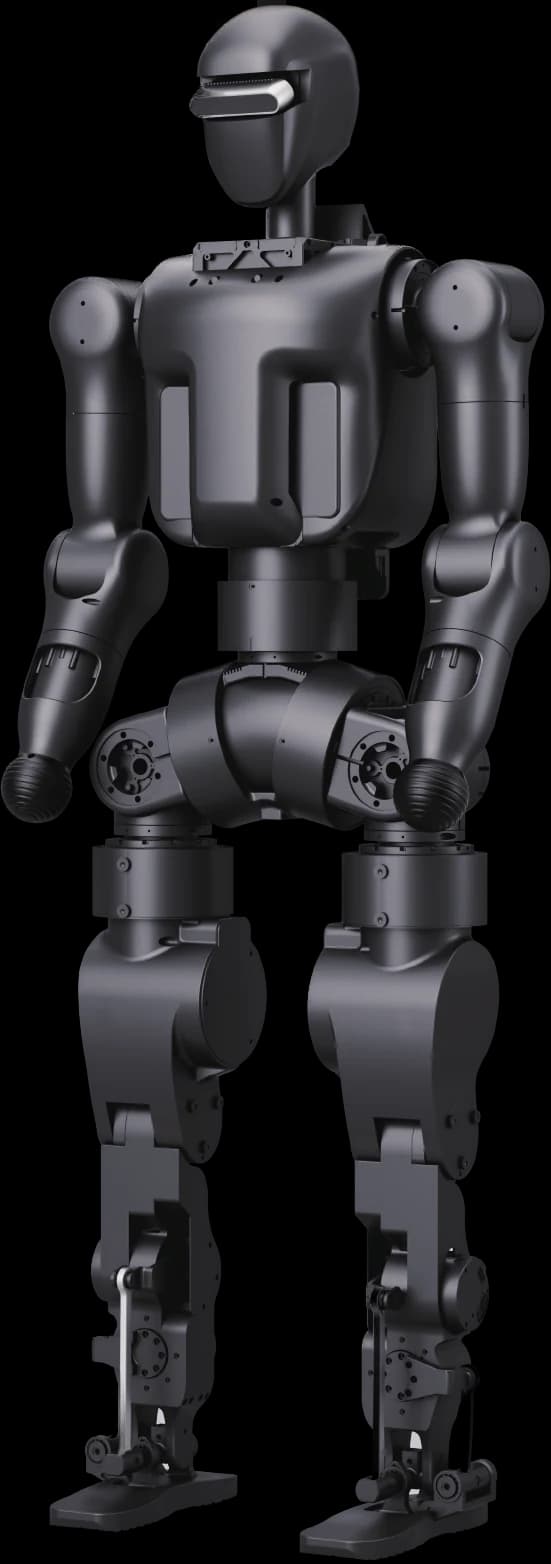
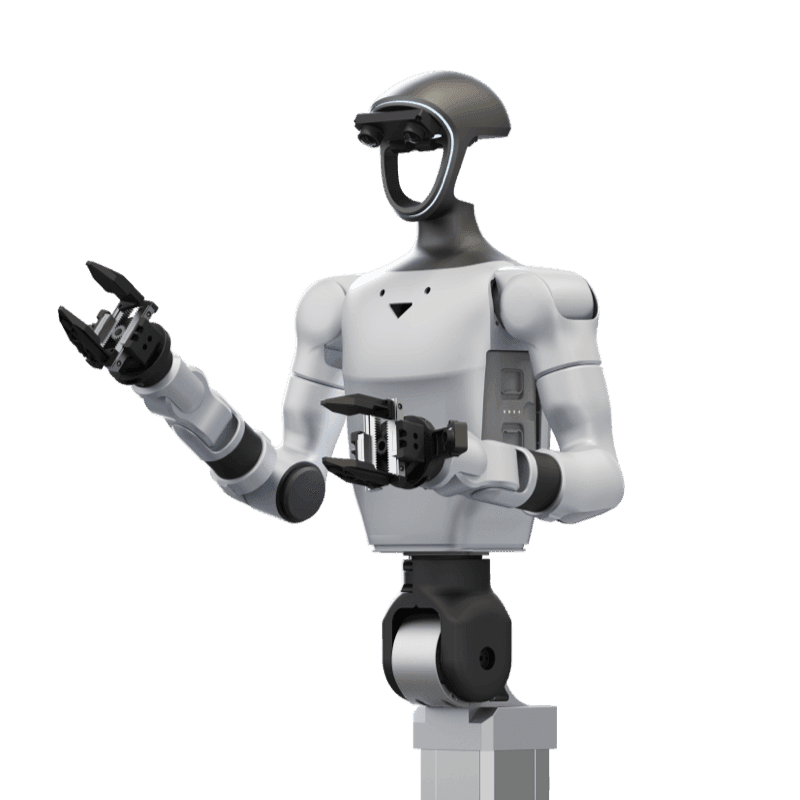
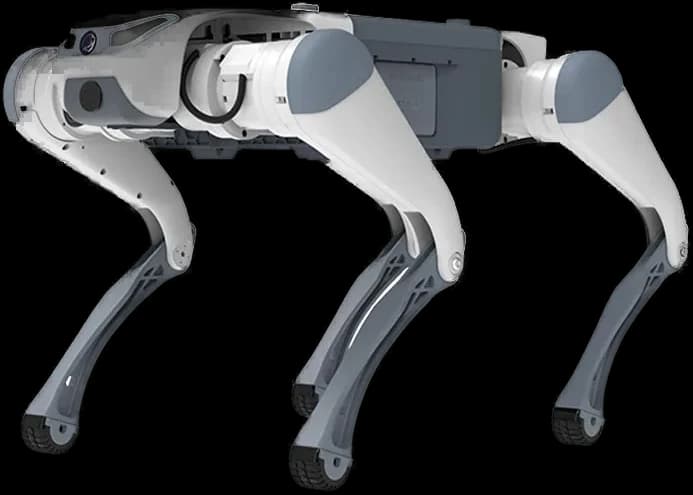
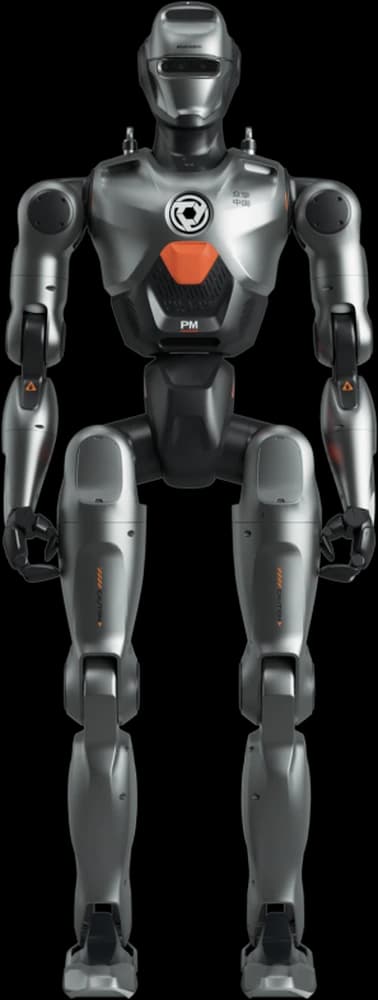
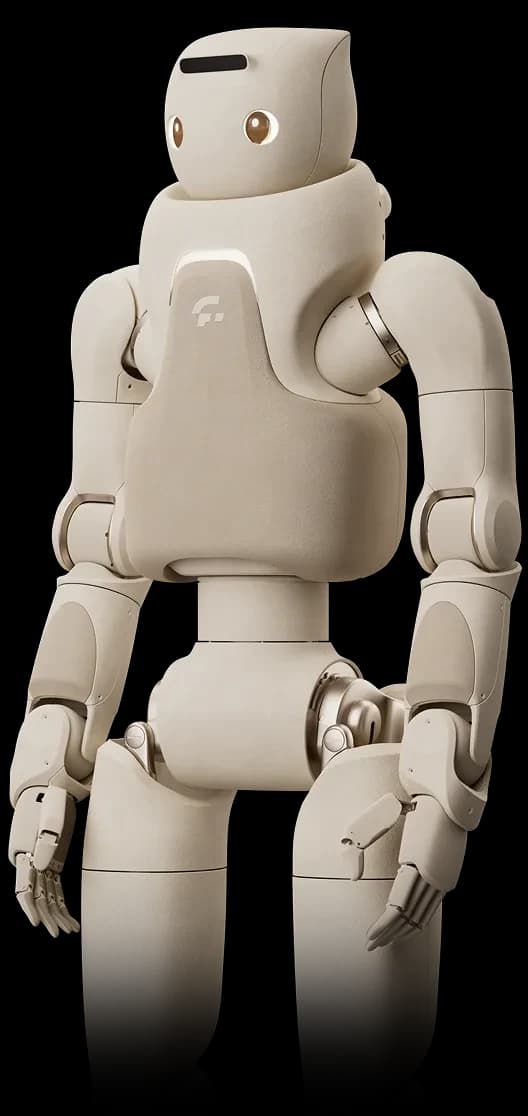
The first technology a passenger meets in the terminal: three humanoids and a robot dog for greeting, stage and interaction.
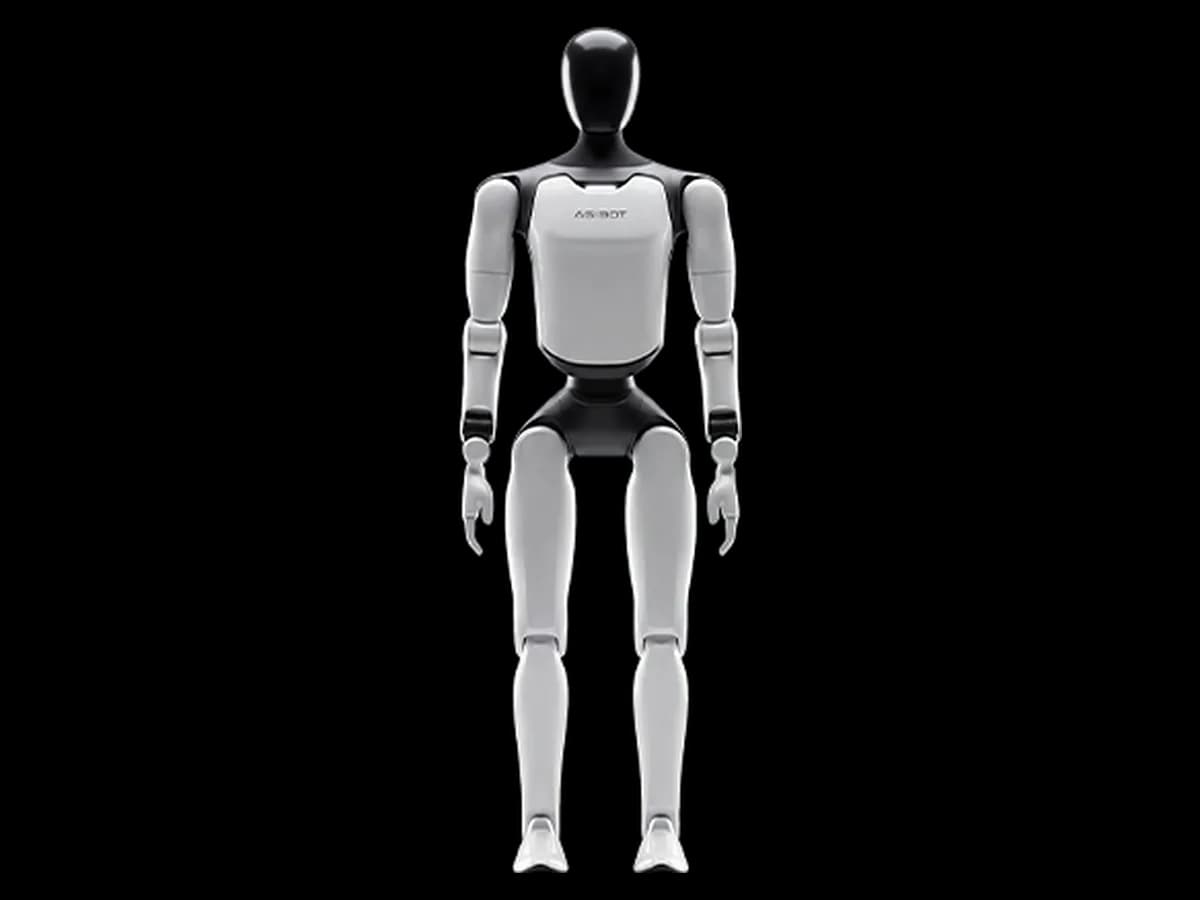
AgiBot
A3
Greeting and stage humanoid: 10 hours of runtime, synchronised swarm shows of more than 100 units.
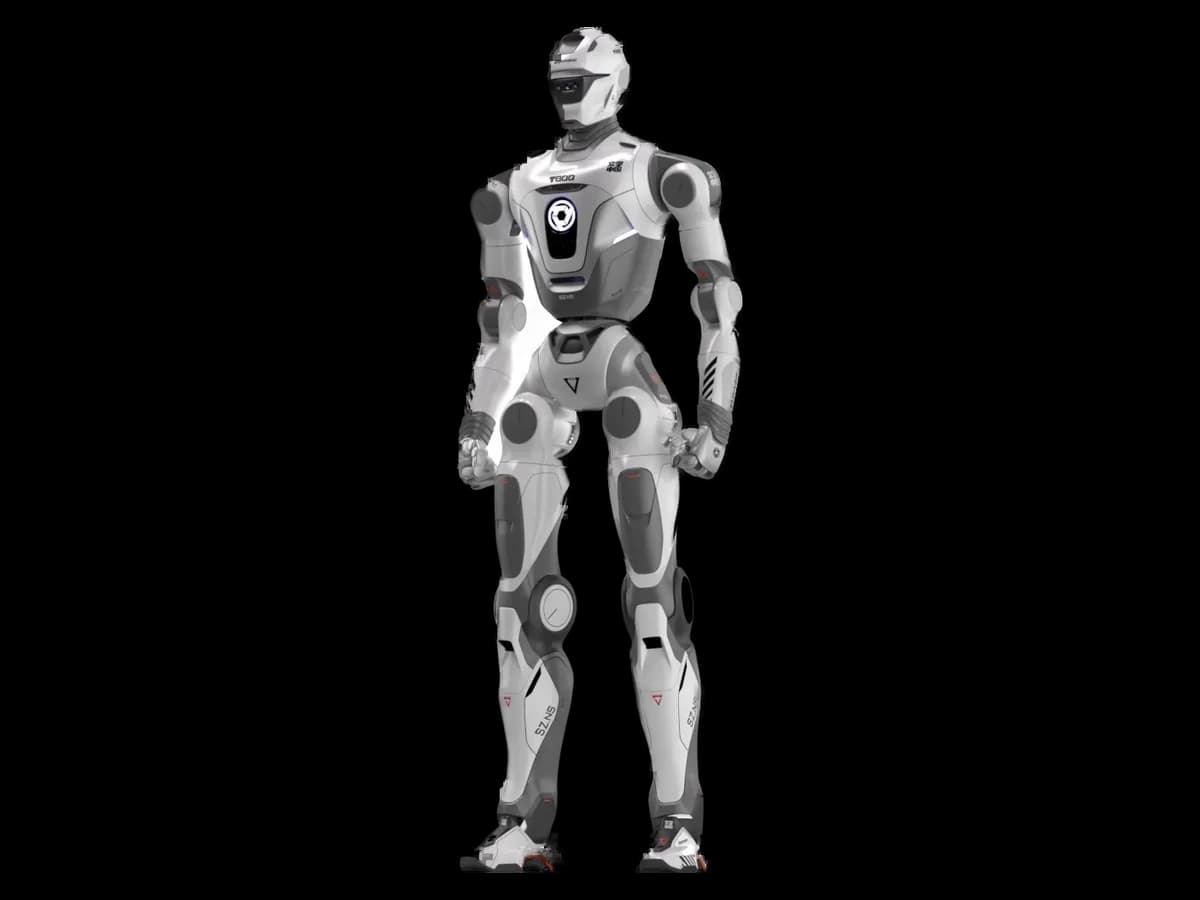
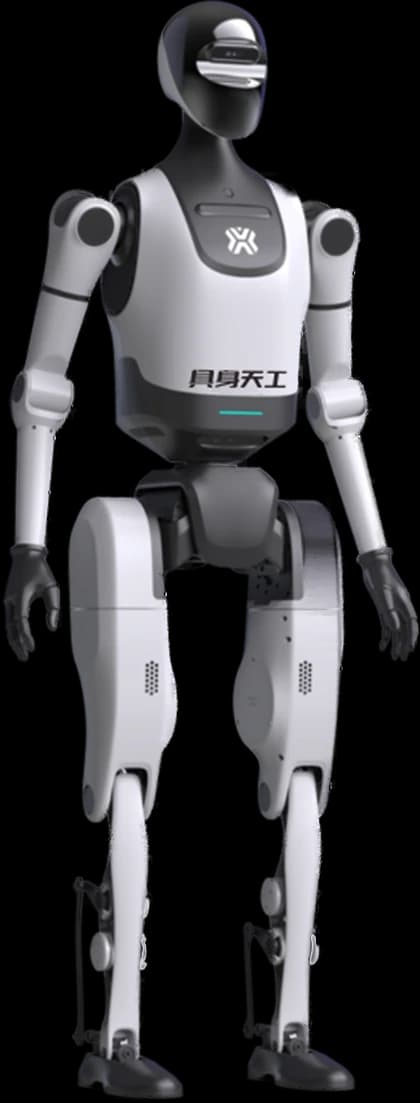
EngineAI
T800
A 173 cm full-size, high-dynamics humanoid for interaction demos and the technology showcase.
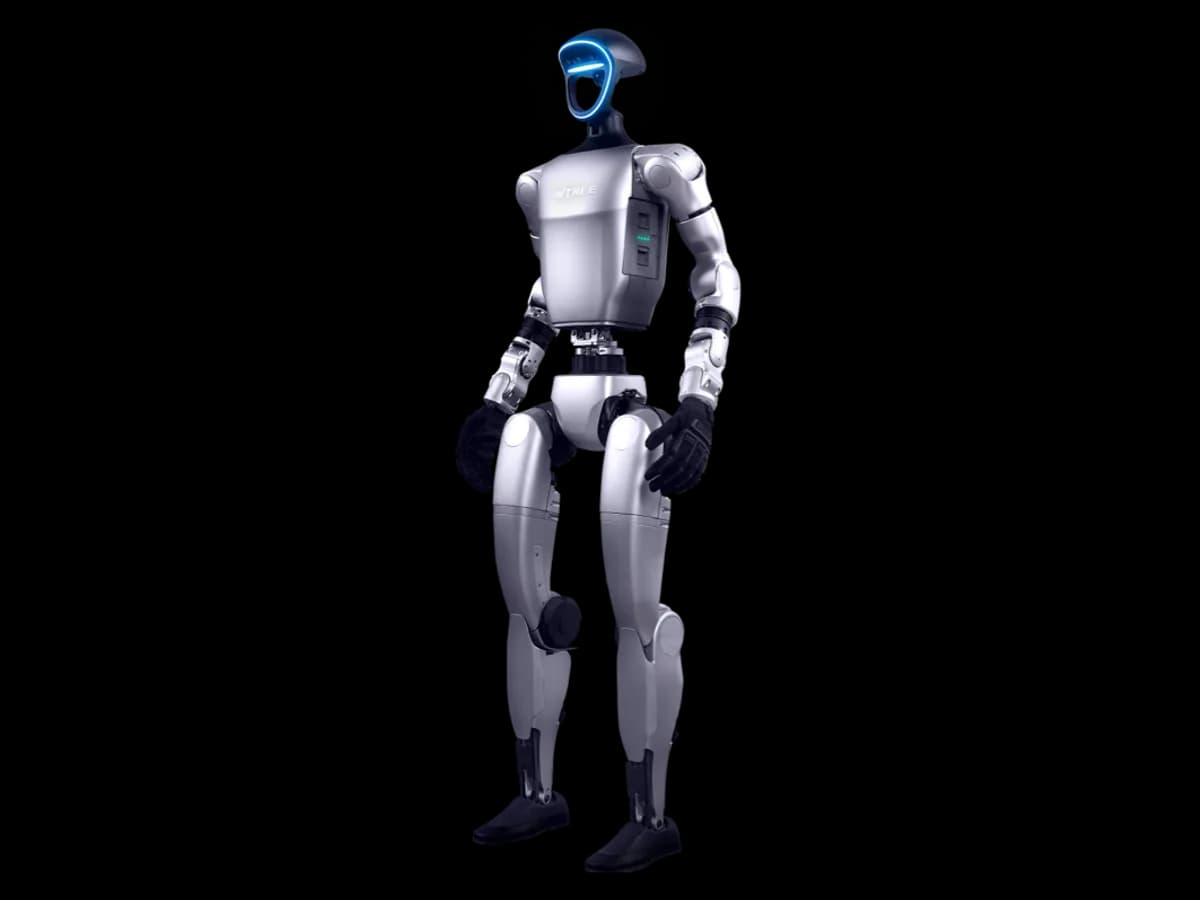
Unitree
G1
Compact humanoid: 35 kg, 2 m/s, 23-43 degrees of freedom; terminal shows, greeting and passenger interaction.
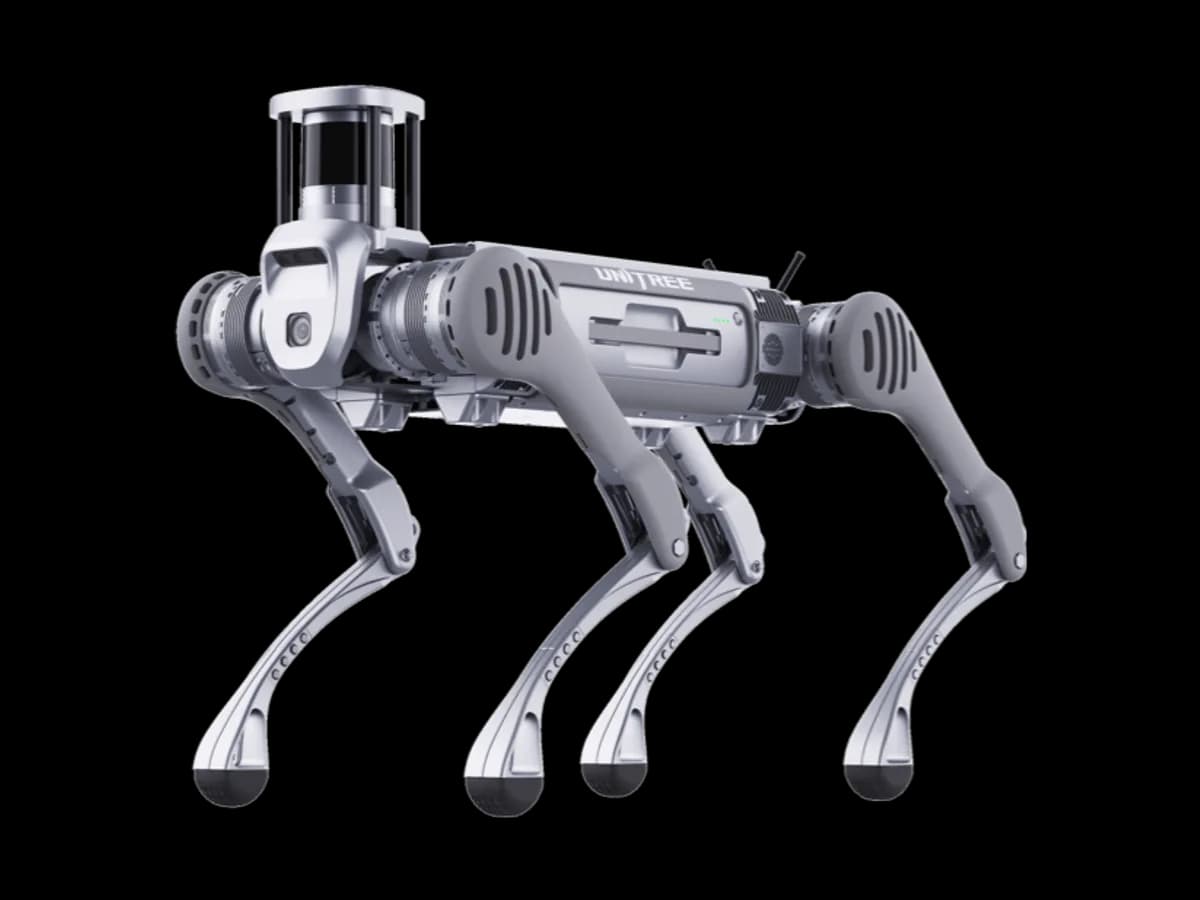
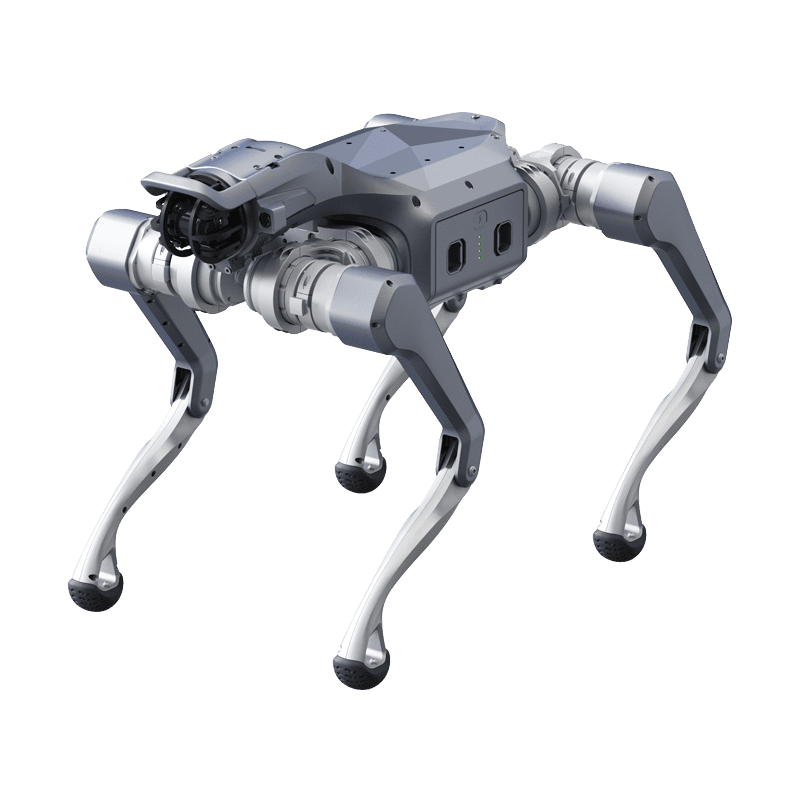
Unitree
B2
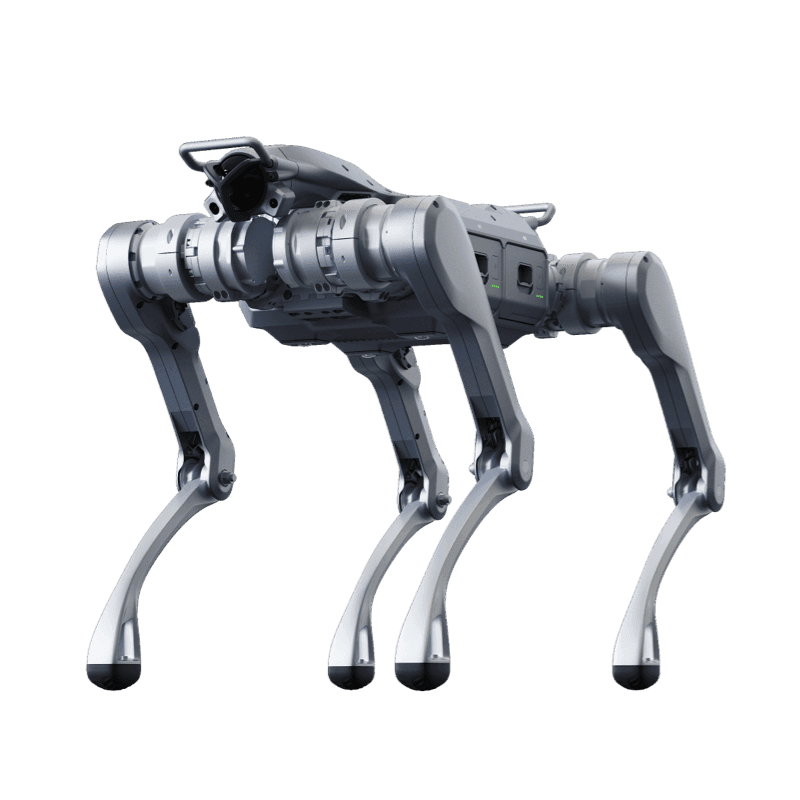
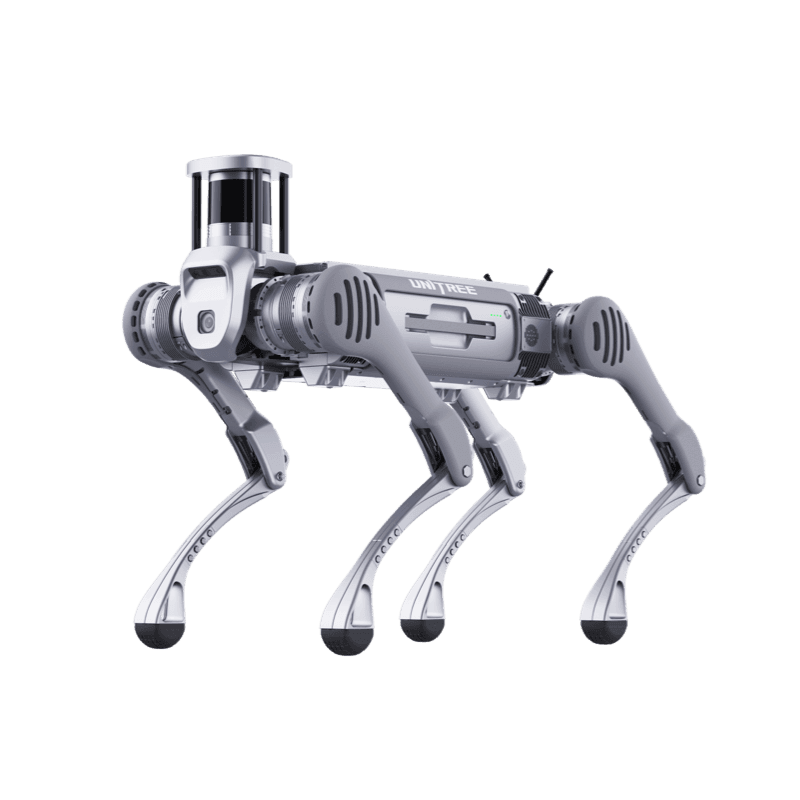
Industrial quadruped: 360 N·m torque, IP67, 6 m/s; apron and outdoor demonstrations, the first robot dog passengers see.
05
Controlled pilot operation
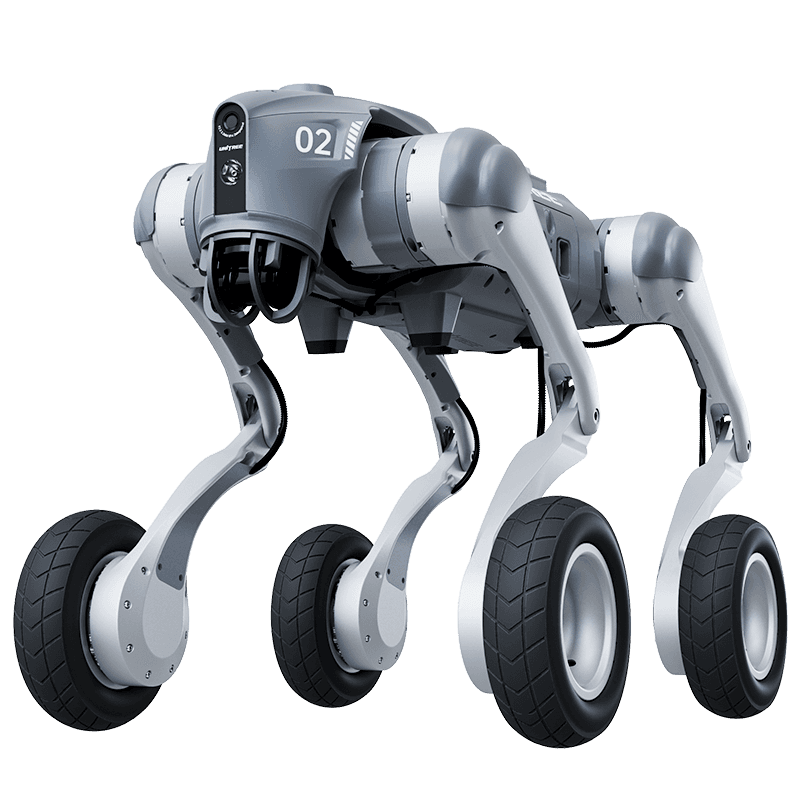
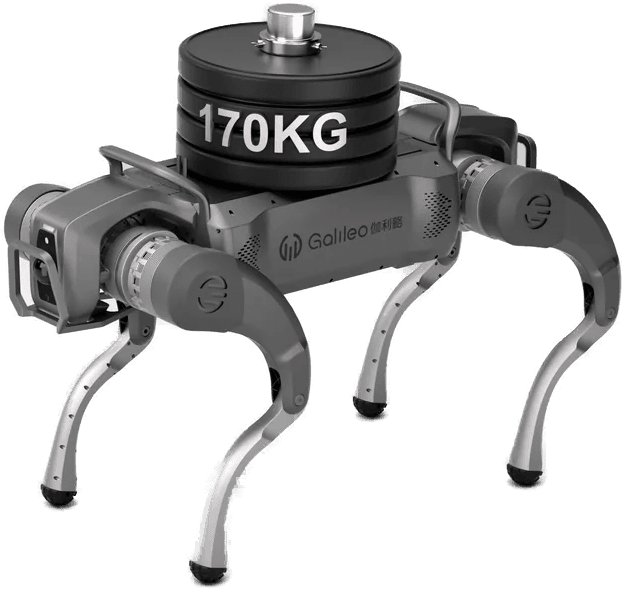
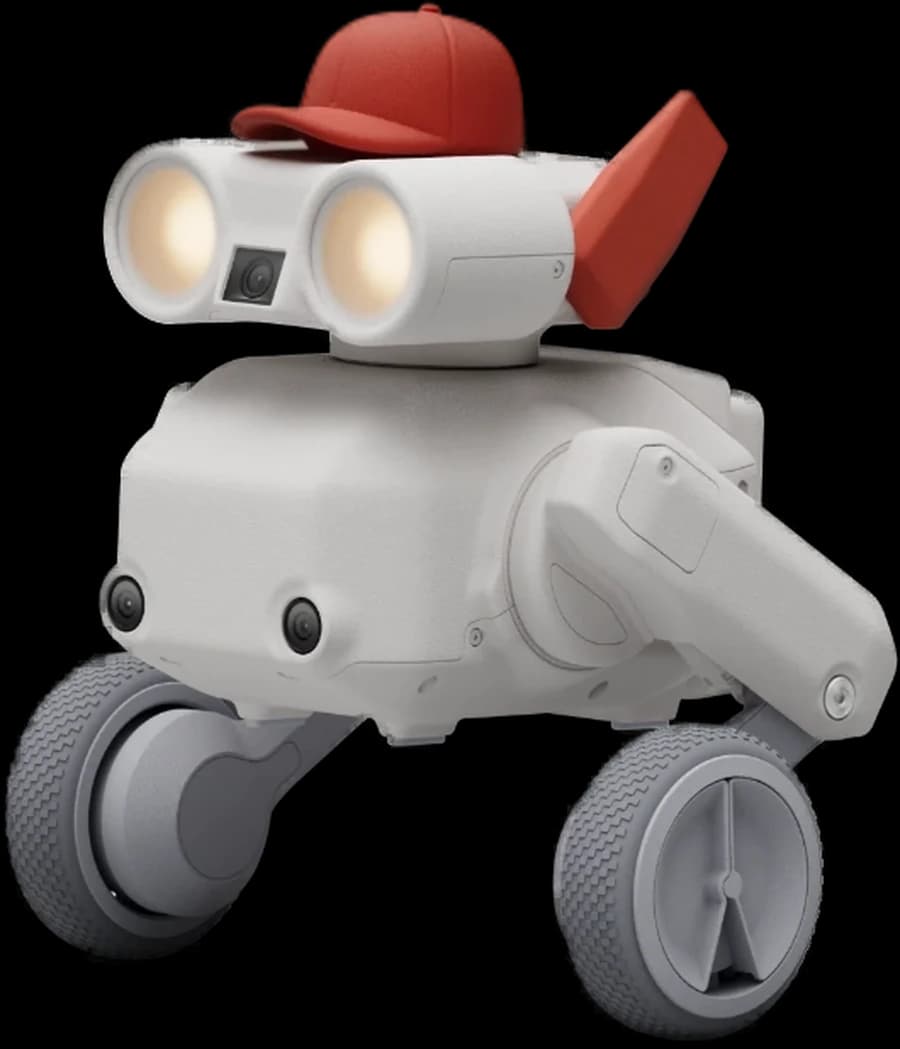
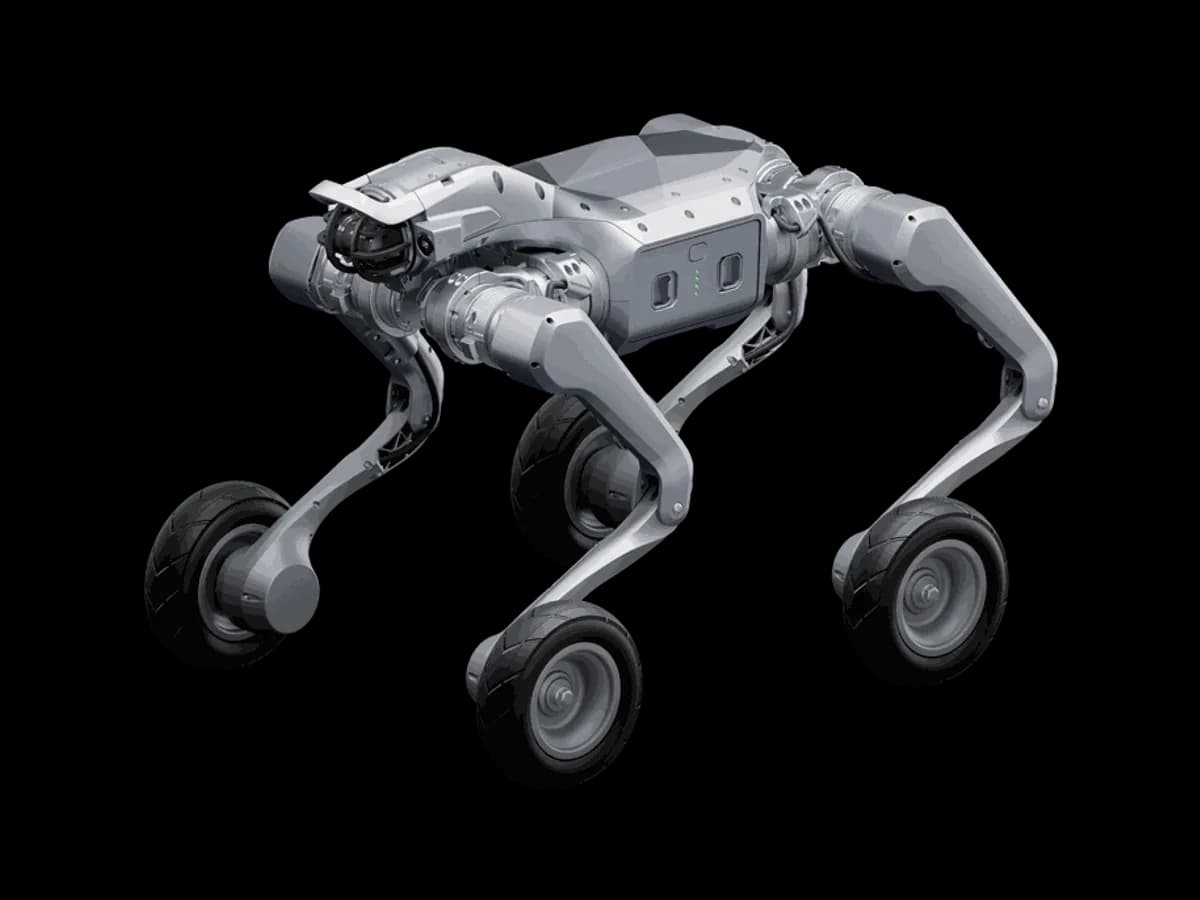
A measured, reported pilot on a defined route: transport and patrol tasks are proven here before scaling.
06
Long-term R&D
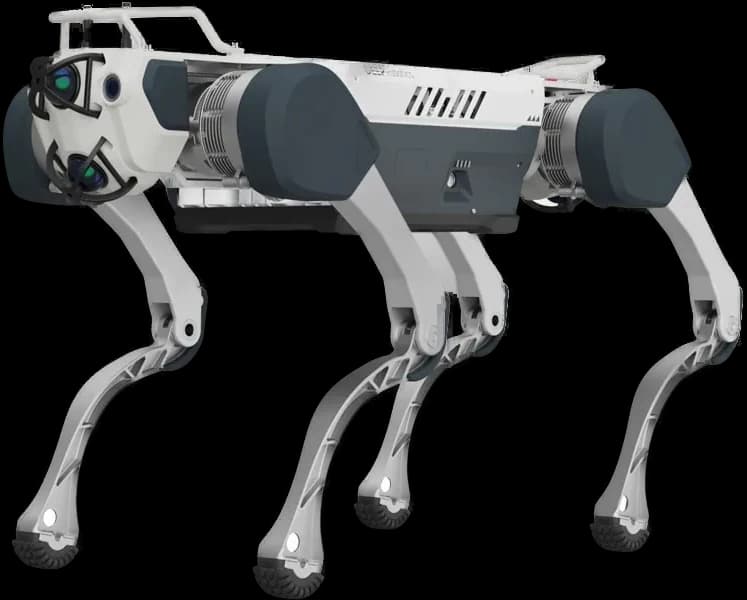
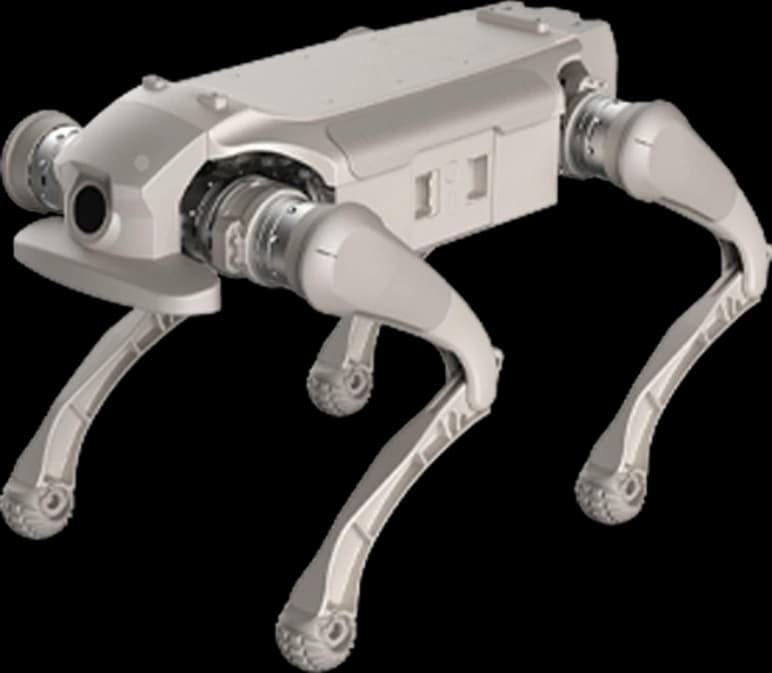
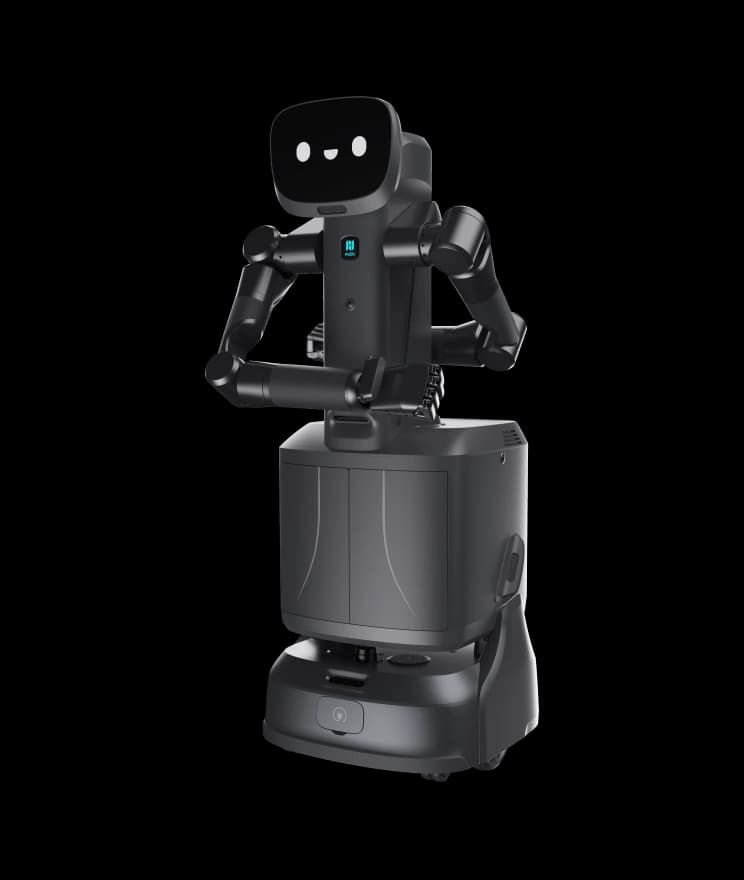
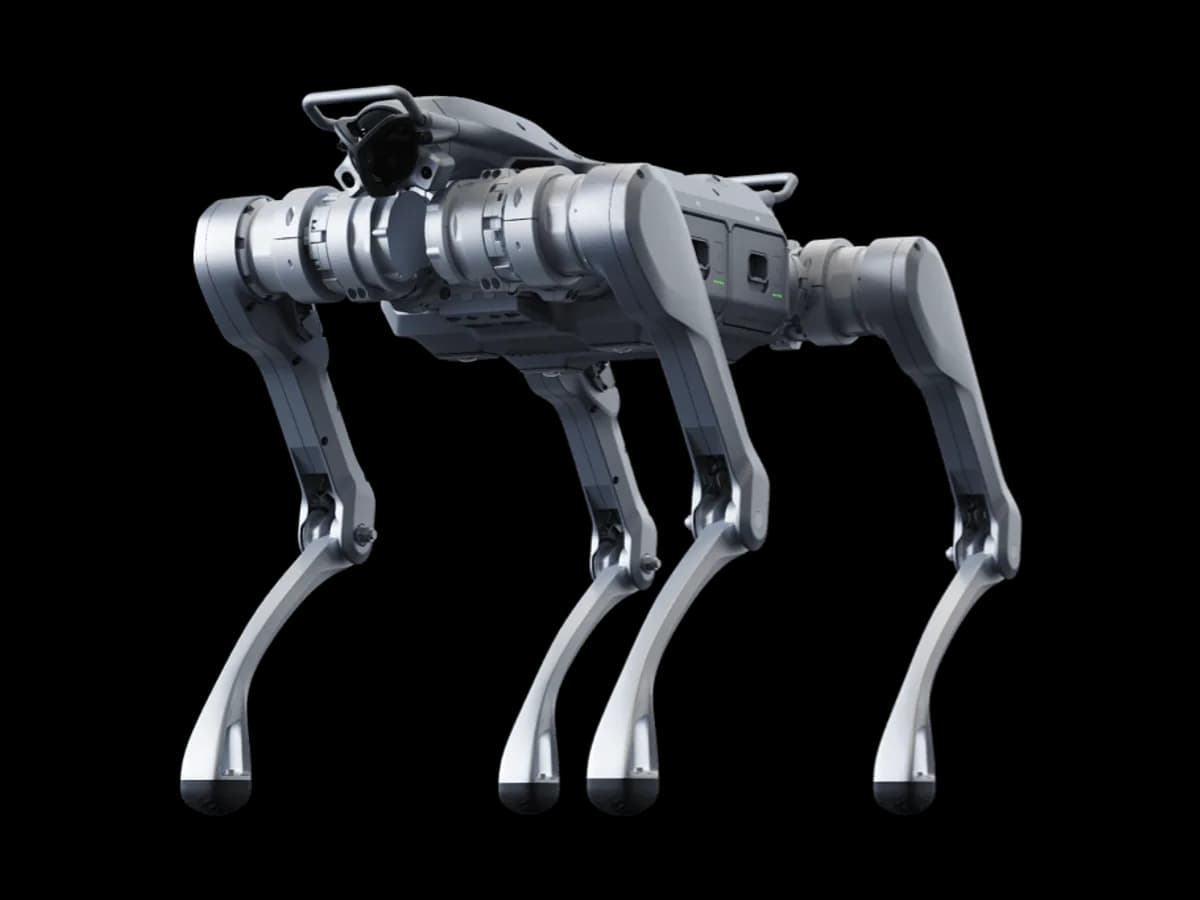
Long-term development with the airport's own R&D team: a rugged quadruped and a humanoid with open editions.
How we proceed
01
Survey
Terminal, cargo and back-of-house areas are mapped; which area starts with which robot and the shift windows are set.
02
Pilot
Controlled operation in the chosen area: mission plan, measurement and reporting. Decisions follow the site, not the table.
03
Scale-up
Fleet management, operator training, central service and a remote/on-site technical support protocol (SLA) extend it to the other areas.
Let us plan a survey for your terminal.
Robotic system costs are optimised according to the selected hardware platform, additional sensor and payload configurations, and the integration scenarios specific to your site. Share your requirements and our engineering team will prepare a feasibility report and a pro forma quotation tailored to your organisation.
- Supply and delivery scheduling backed directly by the manufacturer
- Site- and mission-focused technical feasibility and simulation
- Turnkey hardware, software and mission integration
- Advisory on corporate tenders, specifications and administrative processes
Direct contact and advisory line: 0850 532 6 777
Frequently asked
What does your airport solution cover?
Six operation areas and the models assigned to each: BG1, CC1 and MT1 for cleaning; MP2000 and T600 for cargo and warehouse; BellaBot Pro for lounge and restaurant; A3, T800, G1 and B2 for the technology showcase; A2-W for the controlled pilot; A2 and T800 for long-term R&D. The survey narrows this table to your terminal.
Are the robots safe in heavy passenger traffic?
Yes. Cleaning and service robots run amid passenger traffic with 3D perception and autonomous obstacle avoidance, returning to their dock when the task ends. Transport and patrol robots start with a controlled pilot on a defined route.
Can we manage an airport fleet centrally?
Yes. Cloud-based fleet management provides task scheduling, monitoring and reporting from a single panel across multi-terminal, multi-site operations.
Are installation, training and service included?
Yes. Site mapping, commissioning, operator training, central service and a remote/on-site technical support protocol (SLA) are provided by Robotlar.org.
See the airport solution in the field.
Survey, pilot and quote with a team that has worked in aviation.