How is a warehouse robot decision made?
Operations that get the investment right settle three things first: what is carried, how heavy it is, and on what floor. Mixed cases, standard pallets or whole rack groups. Loads below 300 kg, in the 600 kg band, or at two-tonne pallet level put three different machine classes on the table. Epoxy or bare concrete, ramps or none. Without those three answers a model gets picked that is either used below its capacity or overloaded.
Which robot covers the 300 kg band?
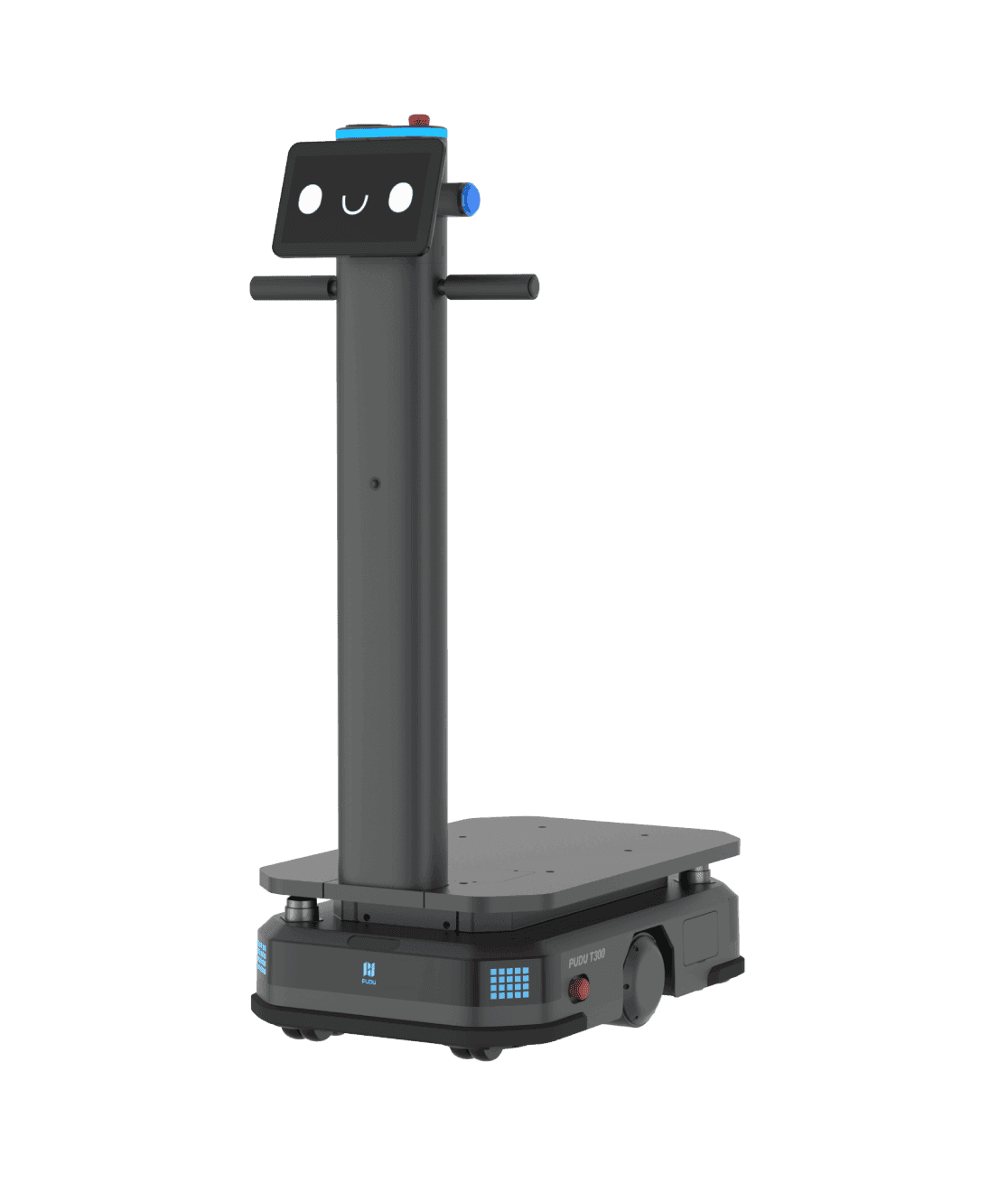
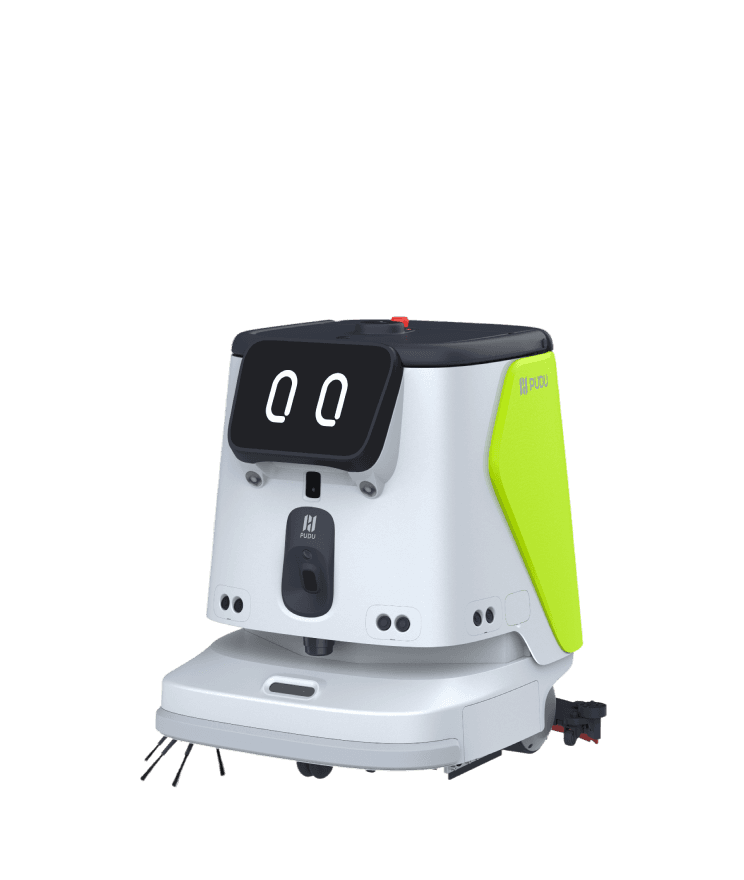
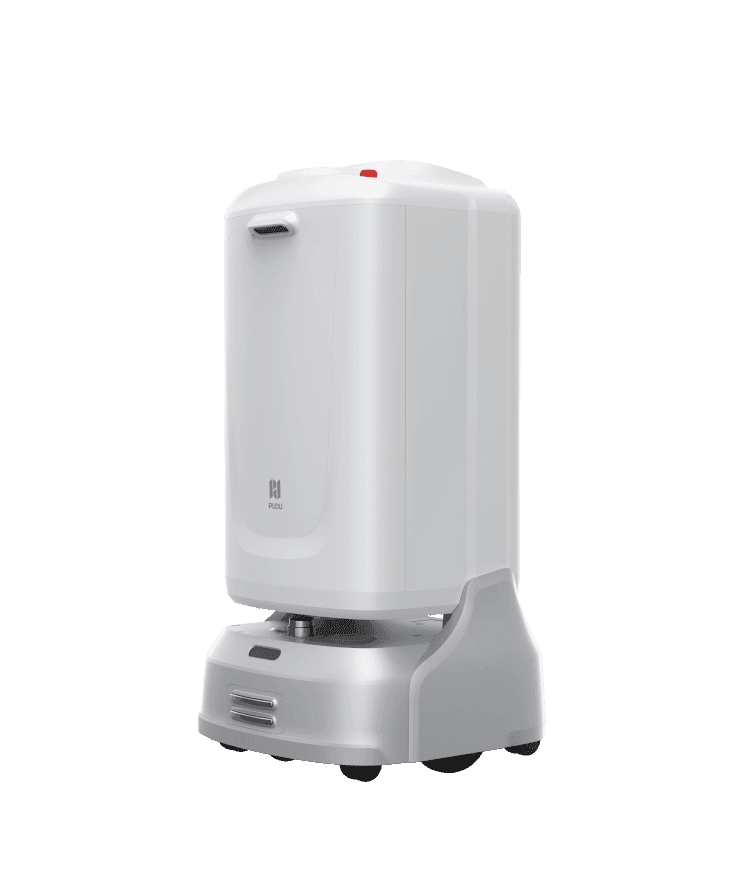
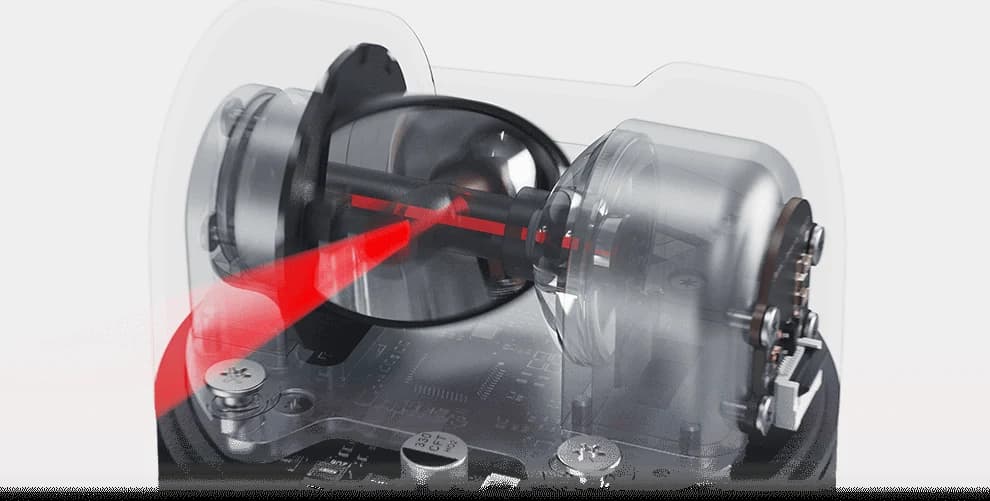
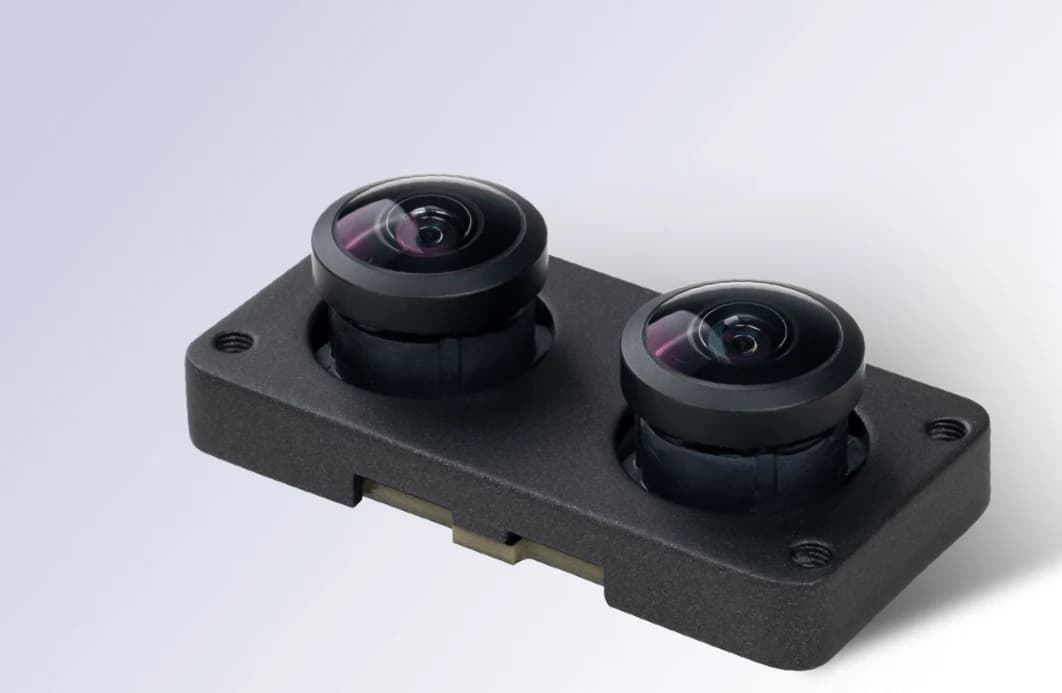
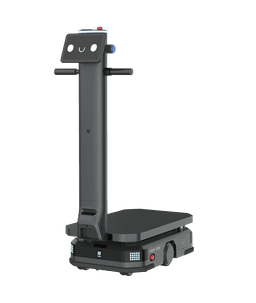
T300 is the standard machine for production line and in-warehouse material movement. It carries 300 kg in an 835 x 500 x 1350 mm body weighing 65 kg. It runs 12 hours unloaded and 6 hours at full load, so a two-shift plant closes the day with one top-up. Speed is 1.2 m/s. It complies with ISO 3691-4, the safety standard for industrial vehicles sharing space with people. Navigation runs VSLAM and LiDAR SLAM together. E-gate control, lift control and pager calling are supported: an operator calls the robot from the line and the robot opens the door itself.
Which robot covers the 600 kg band?
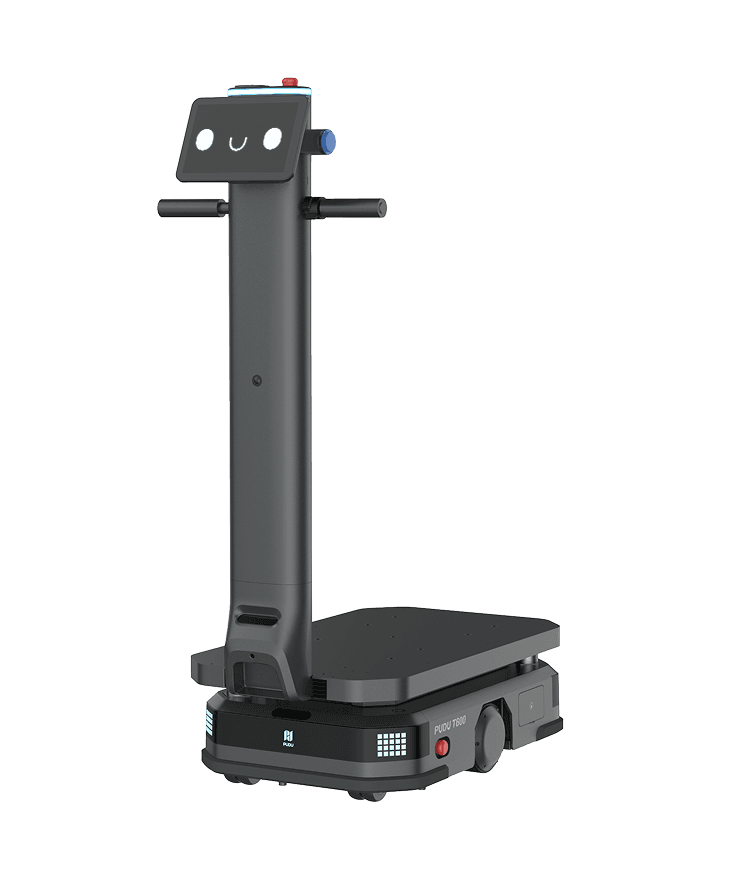
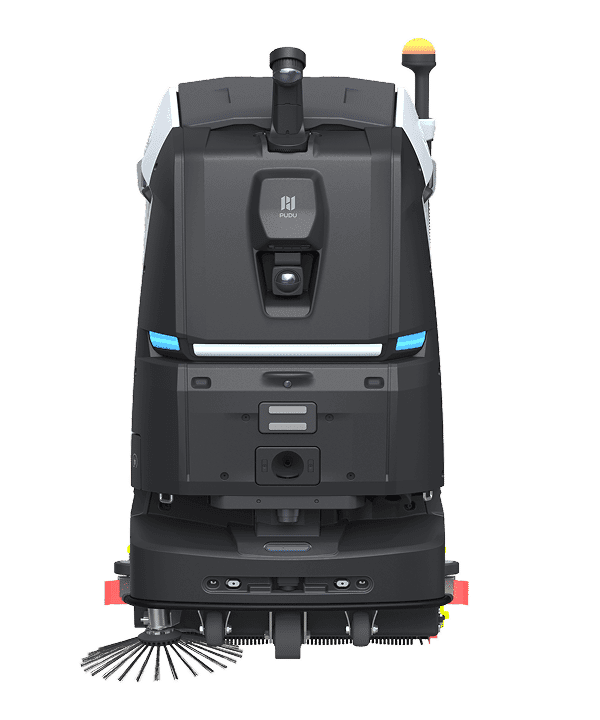
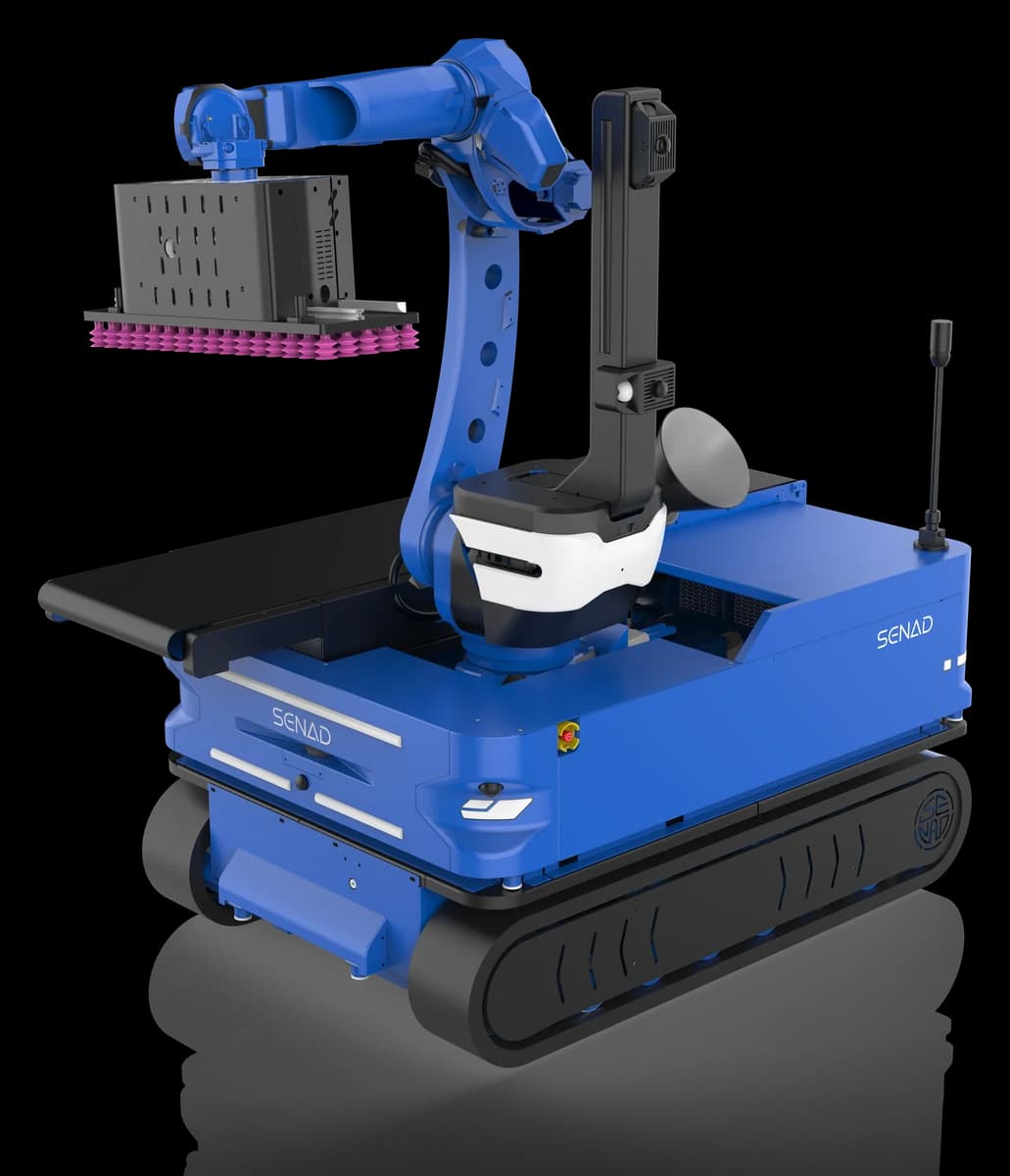
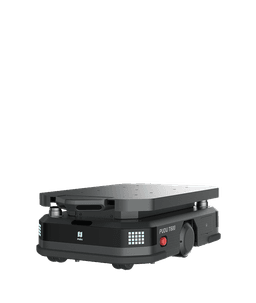
T600 takes the same architecture into heavy load: 600 kg capacity, a 960 x 500 x 1350 mm body, 112 kg. It runs 12 hours unloaded at 0.2 to 1.2 m/s. It is ISO 3691-4 and CE certified. The control platform is VDA5050 compliant, which is decisive for plants that want to run mixed-brand robots under one fleet manager. Rack group recognition lets it drive under a fixed rack and carry it. The choice against T300 is not only kilograms: whether two T300s or one T600 generates less traffic on the same route is set by corridor width and the number of crossing points.
Which robot moves pallets?
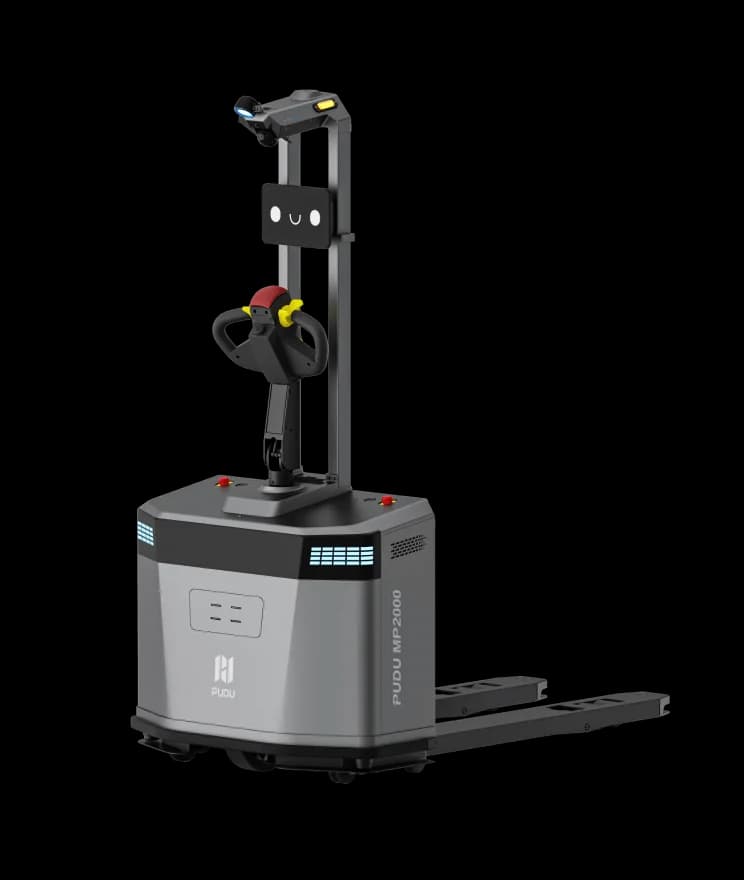
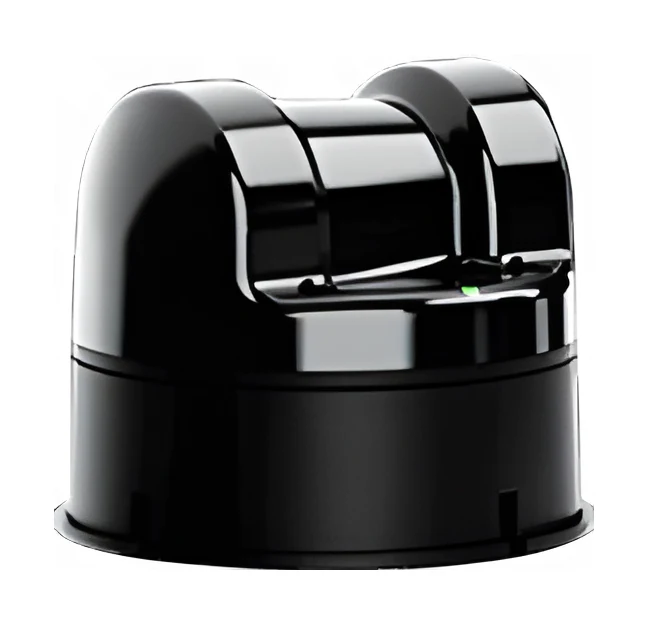
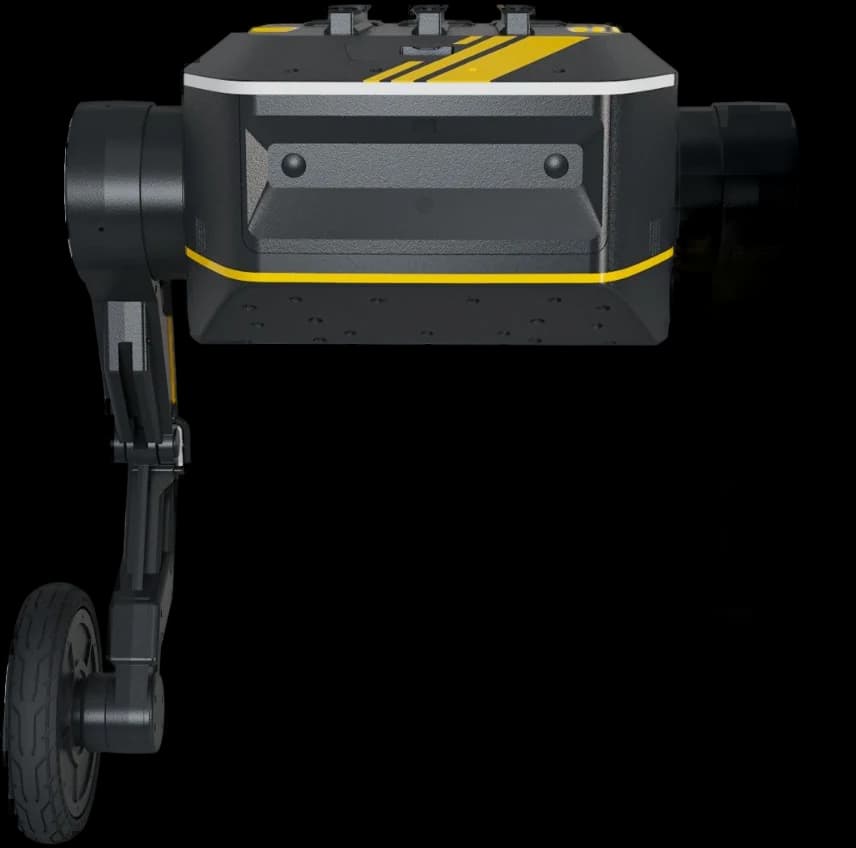
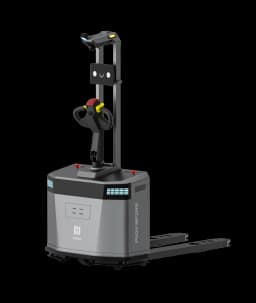
MP2000 is a forked pallet mover: 2000 kg capacity in a 1585 x 910 x 1870 mm body. It travels at 1.6 m/s unloaded and 1.2 m/s loaded, running 12 hours unloaded and 6 at full load. It carries 3D LiDAR, depth cameras and a multi-layer safety set, with an edge AI platform that recognises the storage slot. It switches seamlessly between autonomous and manual mode: the same machine runs with an operator by day and autonomously at night. In a pallet operation the real question is not robot capacity but pallet quality: a broken or skewed pallet is every autonomous fork's problem.
How many robots does a warehouse need?
Robot count comes from cycle time, not floor area. One cycle equals travel to pick point, load, transport, unload and return. Measure that, divide by the daily number of moves and set it against the robot's daily runtime. Worked shape: an 8-minute cycle, 300 moves a day and a robot running 10 hours gives 75 cycles per robot, so four robots. That arithmetic rests on one assumption: that the robot never waits. In reality lifts, doors and human traffic create waiting, so any figure produced without a site measurement is optimistic.
Why do floor, corridor and ramp decide performance?
Floor condition sets autonomous transport performance more than anything else. Epoxy and flat concrete are ideal. Joint gaps, broken slabs and thresholds cut speed, and at some points close the route entirely. Corridor width for two-way traffic should be at least twice the robot's width, otherwise robots queue behind each other. Ramp gradient is a hard threshold: the slope a loaded robot can climb is lower than its unloaded figure. These are the first three things we measure on a site visit.
Do these robots work in cold storage?
The stated operating range for T300 and T600 is 0 to 40 degrees Celsius. That covers normal warehouse and production floors, not cold storage. For frozen food or a pharmaceutical cold chain the machine choice is made differently from the start: battery chemistry, condensation and fogging on sensor windows are each handled separately. Drawing that line at project start is cheaper than swapping machines after deployment.
How is fleet management and integration set up?
One robot is a machine; three robots are a system. A system needs integration in three places. Traffic management first: which robot takes which corridor and who yields at a junction. Doors and lifts second: E-gate and lift control let the robot open the way itself so nobody waits. Upper systems third: taking tasks from WMS or ERP. PUDU Link and APIs make that connection, and T600's VDA5050 compliance allows mixed-brand robots in one fleet. We define the integration scope with you during the project.
How does commissioning proceed?
Deployment starts with mapping: the robot tours the plant once, a persistent map is produced and routes and waiting points are defined. The charging dock goes outside traffic, at a point with power access. Operator training brings one shift supervisor to the level of running the robot's daily routine. The first two weeks after commissioning need route tuning: real traffic exposes bottlenecks a map does not show. For project-specific configuration and corporate pricing, request a quotation; we work out cycle time and robot count with you.