Launch Video
The T2 was launched as the flagship embodied development platform at WAIC in July 2026.
- the footage is real, not AI-generated.
- A 140 cm body, 31 degrees of freedom and a 3 m/s walking speed are the figures at the centre of that launch.
Flagship Embodied Development Platform
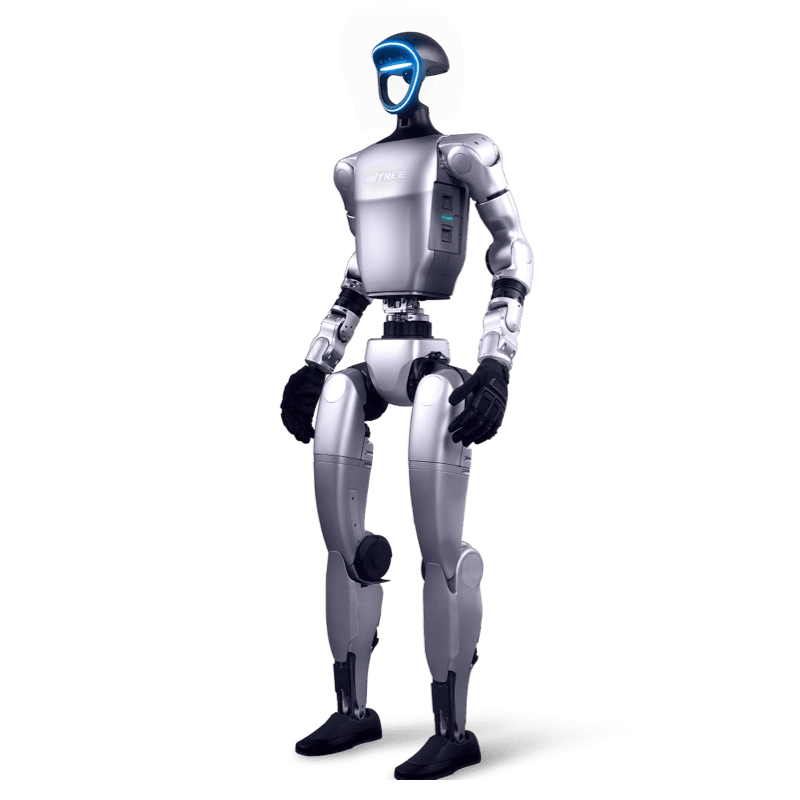
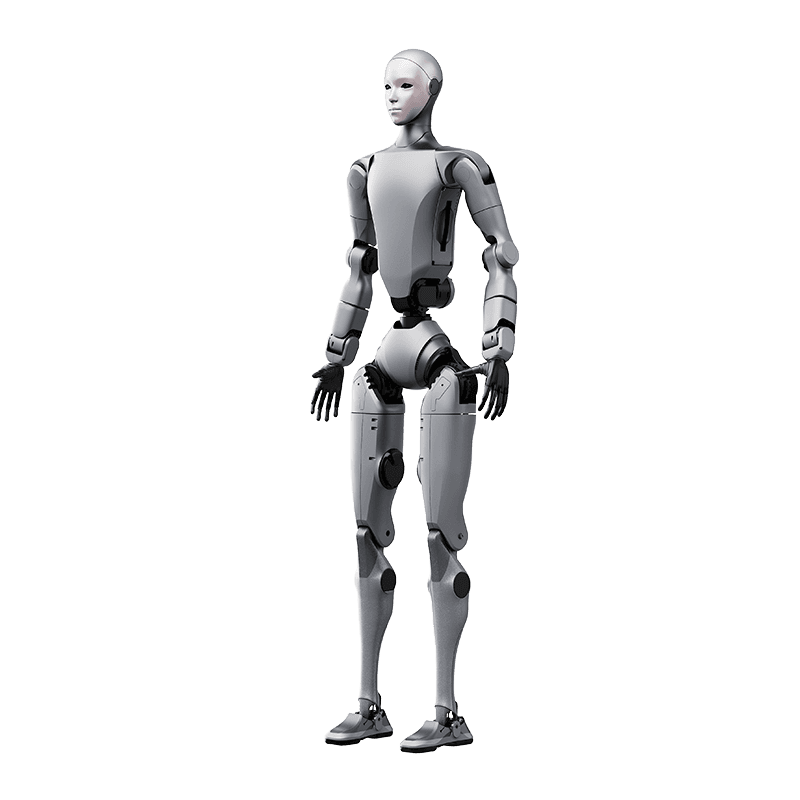
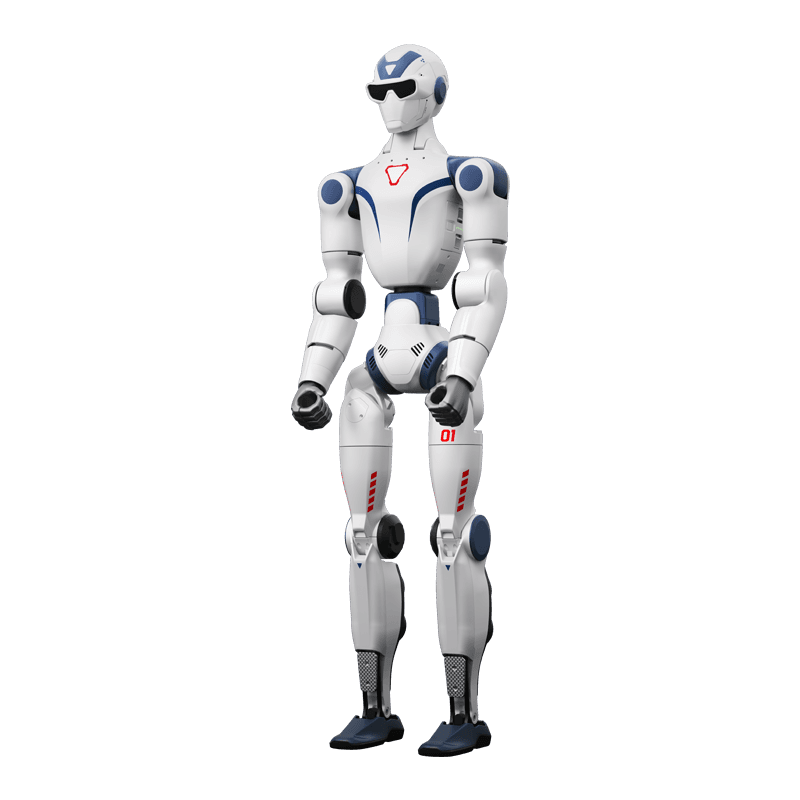
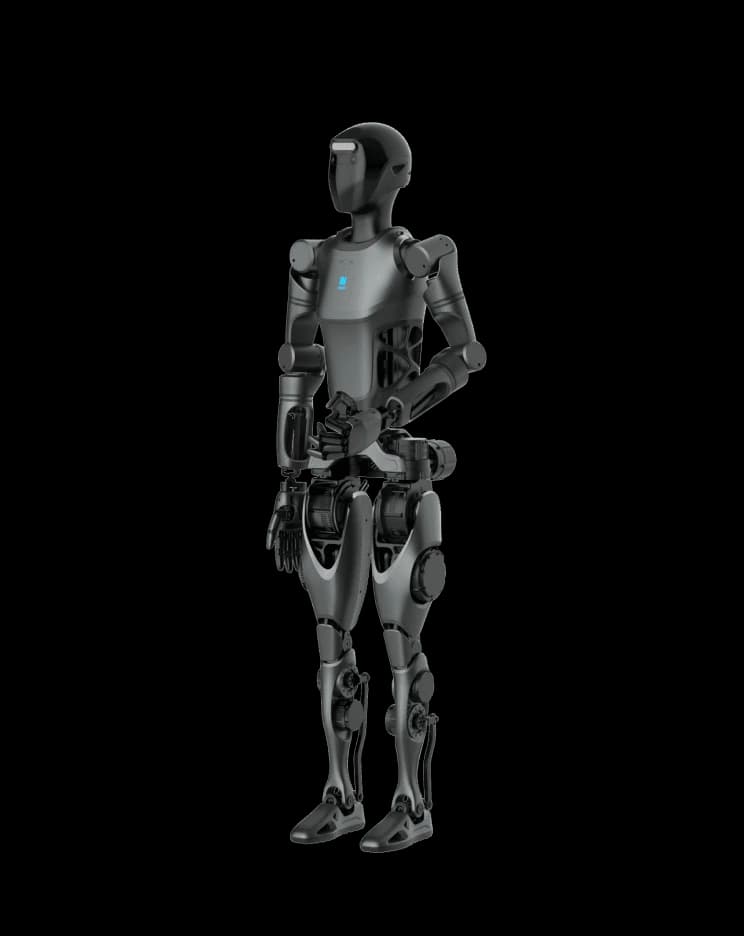
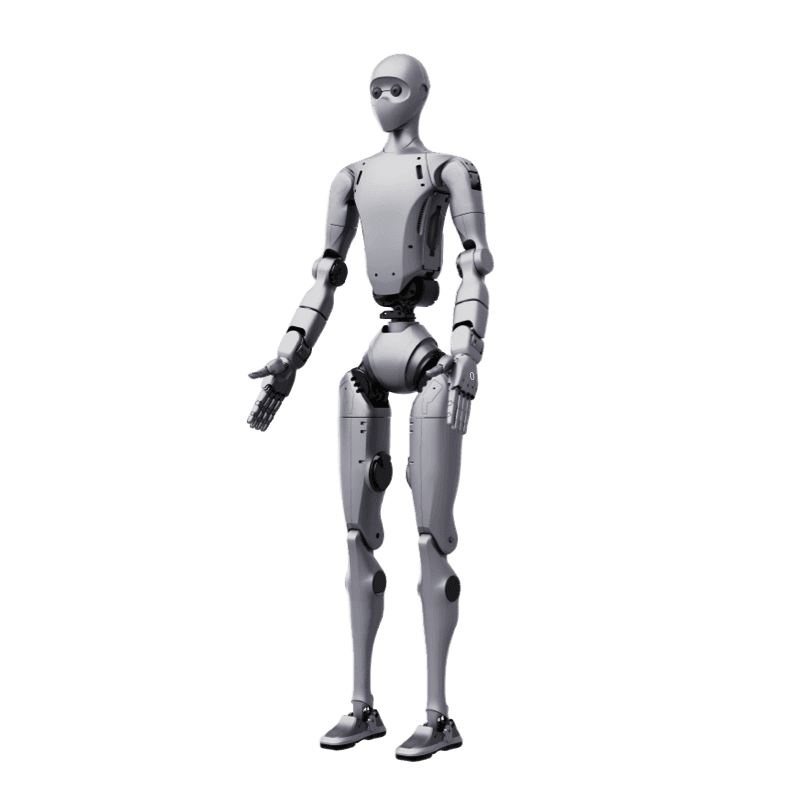
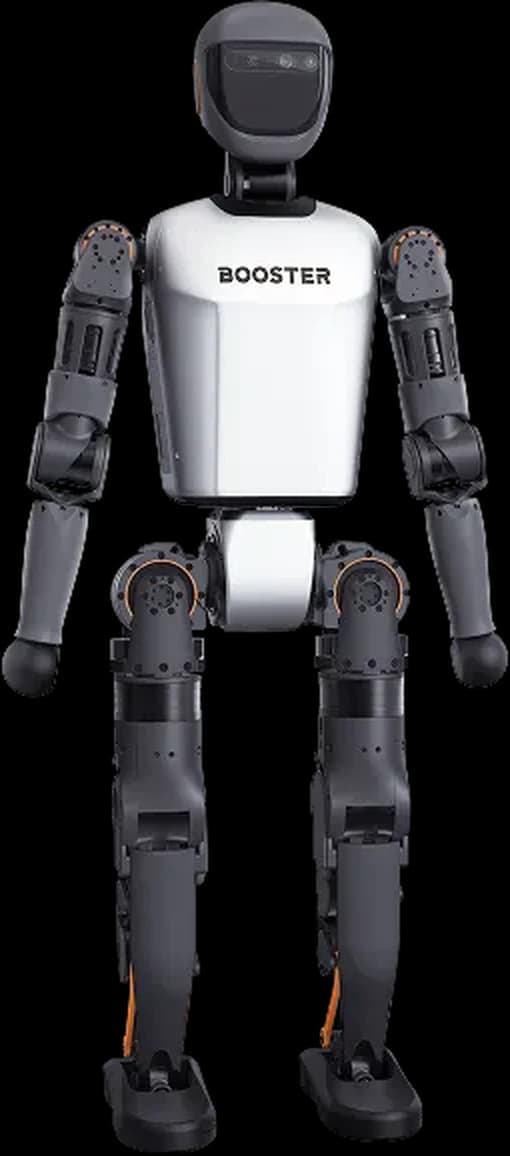
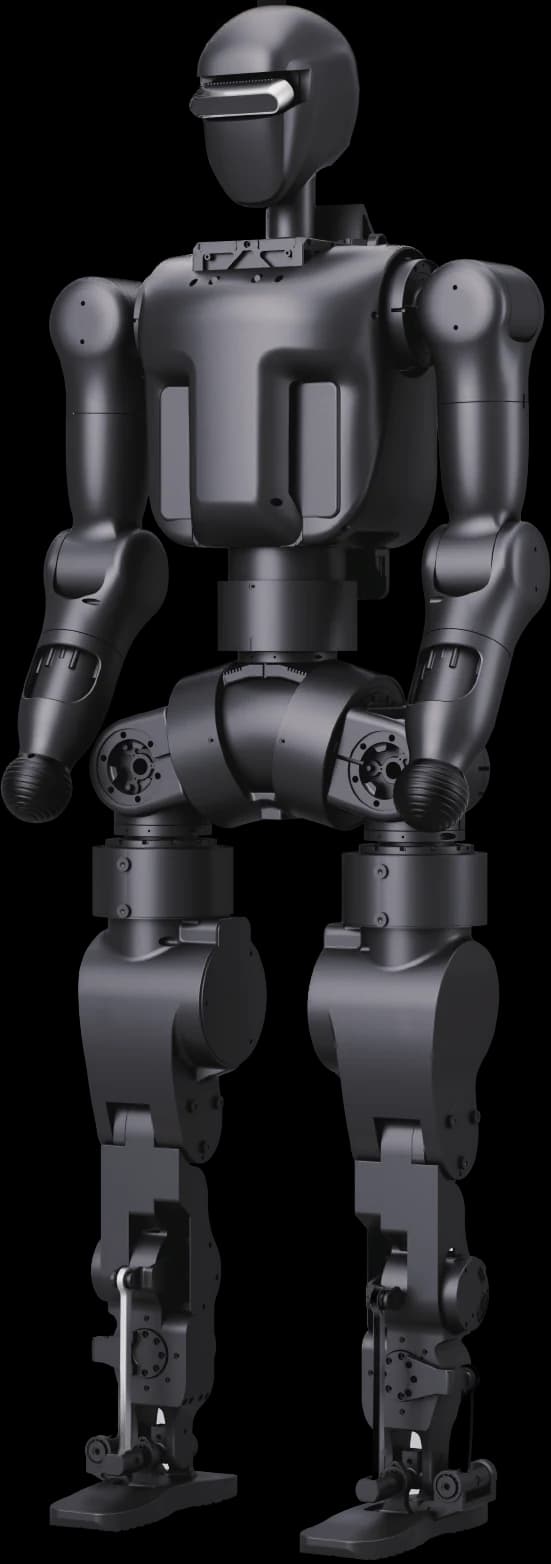
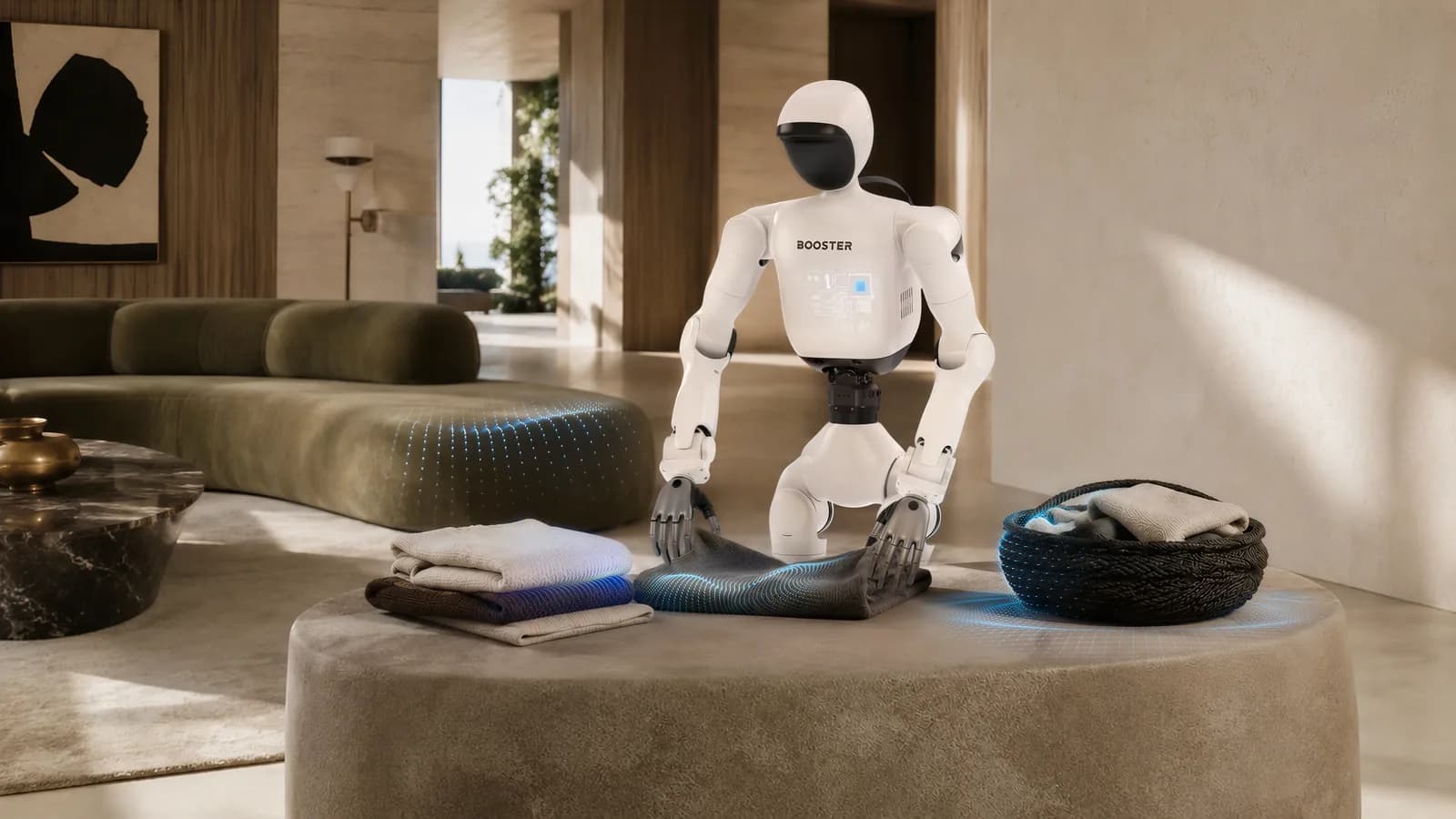
The Booster T2 is Booster Robotics' flagship embodied development platform, launched at WAIC in July 2026. It stands approximately 140 cm and weighs 42 kg. There are 31 degrees of freedom in total: six per leg, seven per arm, three in the waist and two in the head.
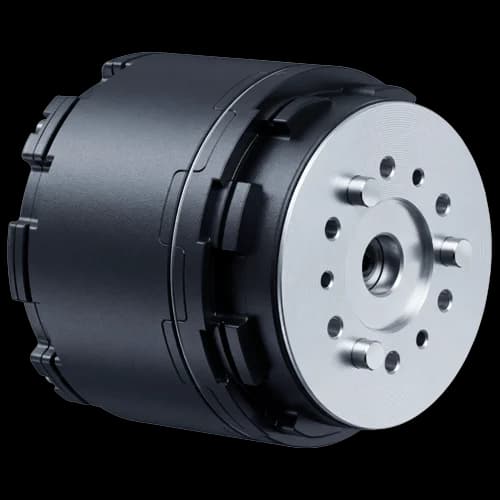
The joint outputs use industrial-grade crossed roller bearings and the drive uses a high-speed internal-rotor permanent magnet synchronous motor; maximum peak torque is 140 Nm. It carries up to 10 kg with both arms. Maximum walking speed is 3 m/s. Perception includes binocular cameras in the head and waist, an optional wrist camera, a microphone array and a speaker, with LiDAR as an option. The Professional edition carries an NVIDIA Jetson Thor T5000. A 48 V, 10 Ah battery provides two hours of continuous walking and charges through a magnetic port.
Enterprise supply · specification support · integration engineering
The Booster T2 is Booster Robotics' flagship embodied development platform. It launched at WAIC in July 2026 and is the body in the company's lineup that opens onto manipulation and real workload.
Mechanically: approximately 140 cm tall and 42 kg. There are 31 degrees of freedom in total: six per leg, seven per arm, three in the waist and two in the head. The three waist axes let the torso both rotate and bend with the feet planted; in the same family the T1 has a single-axis waist and the K1 no waist joint at all.
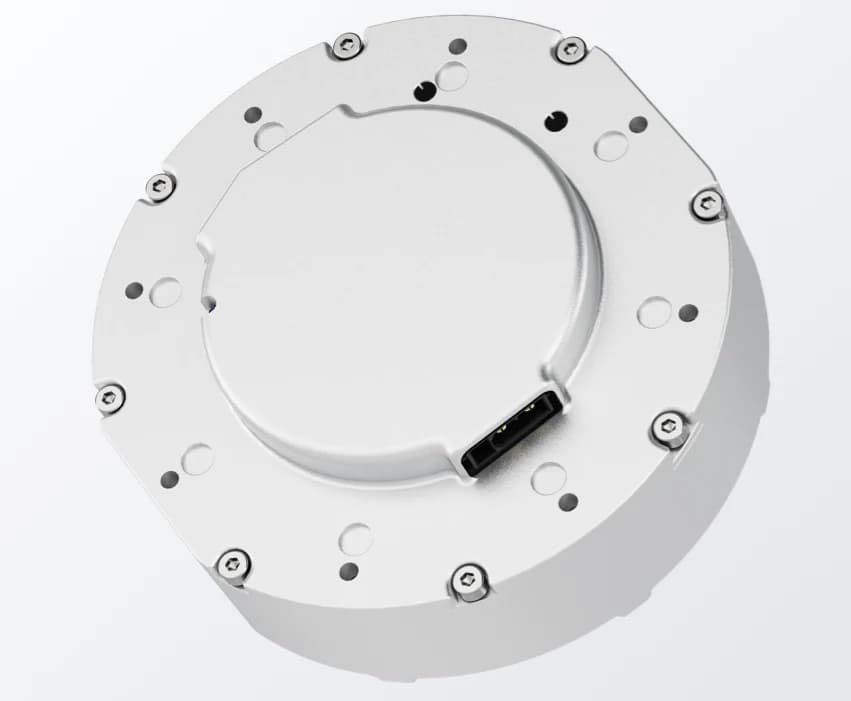
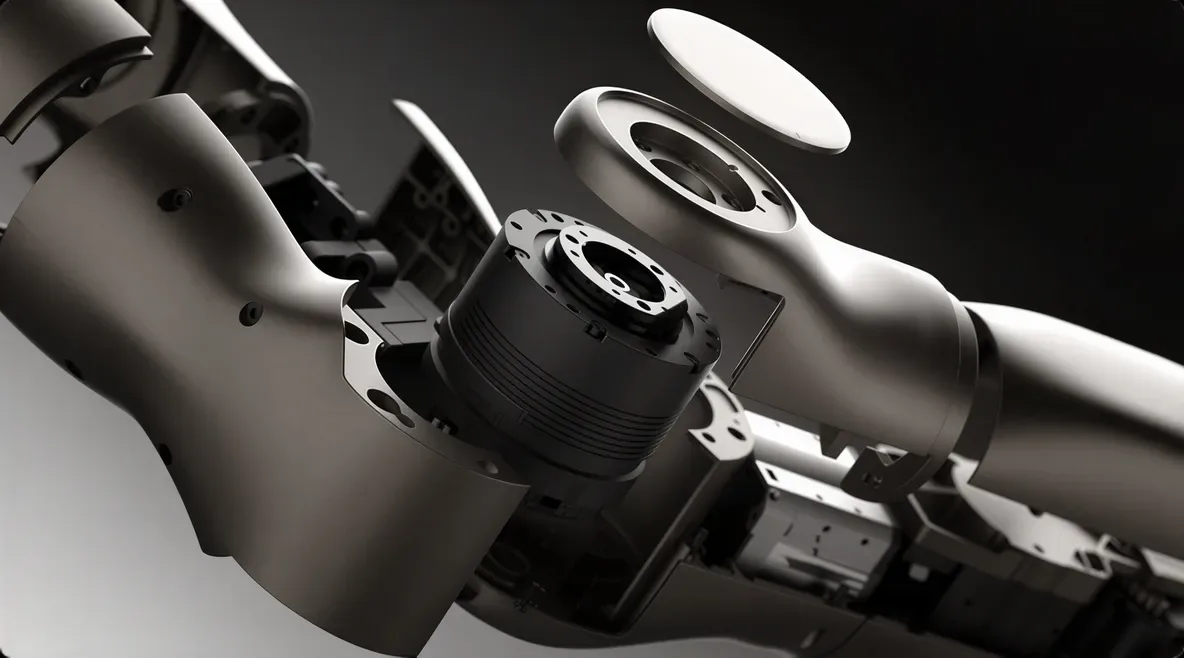
On the drive side there are industrial-grade crossed roller bearings at the joint outputs and a high-speed internal-rotor permanent magnet synchronous motor. Maximum peak torque is 140 Nm, maximum walking speed 3 m/s and maximum dual-arm payload 10 kg. that payload varies significantly with arm posture. Cooling is local air cooling, with a voice prompt when a joint approaches overtemperature.
For energy there is a 48 V, 10 Ah battery: two hours of continuous walking and magnetic port charging. A voice prompt covers low battery as well.
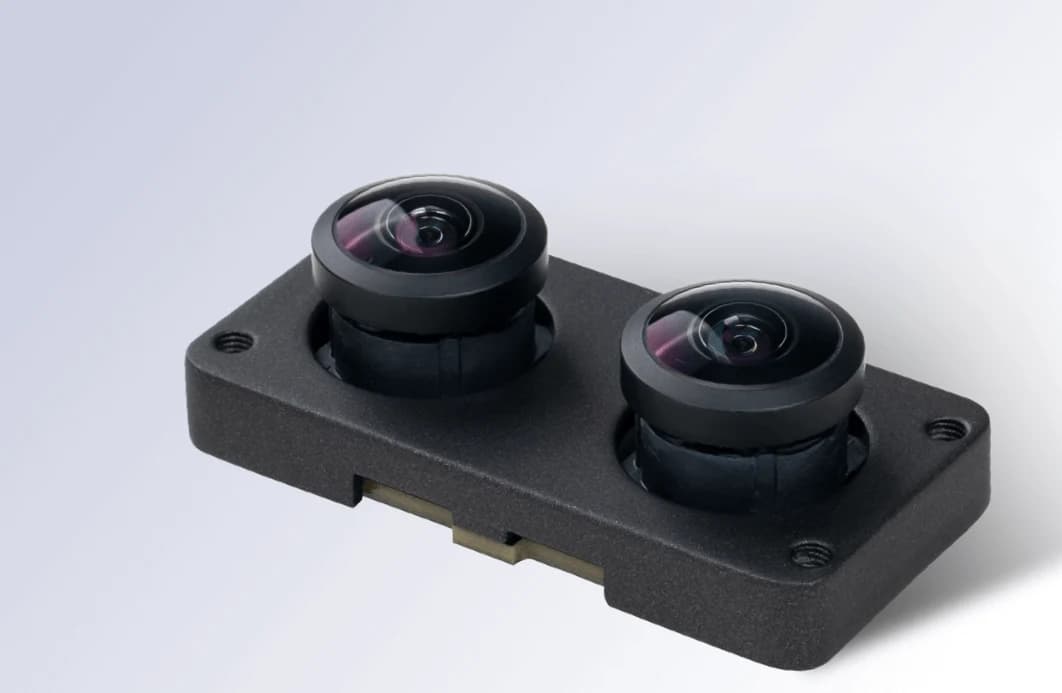
Perception includes a binocular camera in both the head and the waist, an optional wrist camera and optional LiDAR, plus a microphone array and speaker; a screen is supported. Compute runs on a high-performance ARM processor on the Education edition and an NVIDIA Jetson Thor T5000 on the Professional. External ports cover power, a locking USB Type-C connector and Ethernet, with Wi-Fi 6 and Bluetooth 5.2 for wireless.
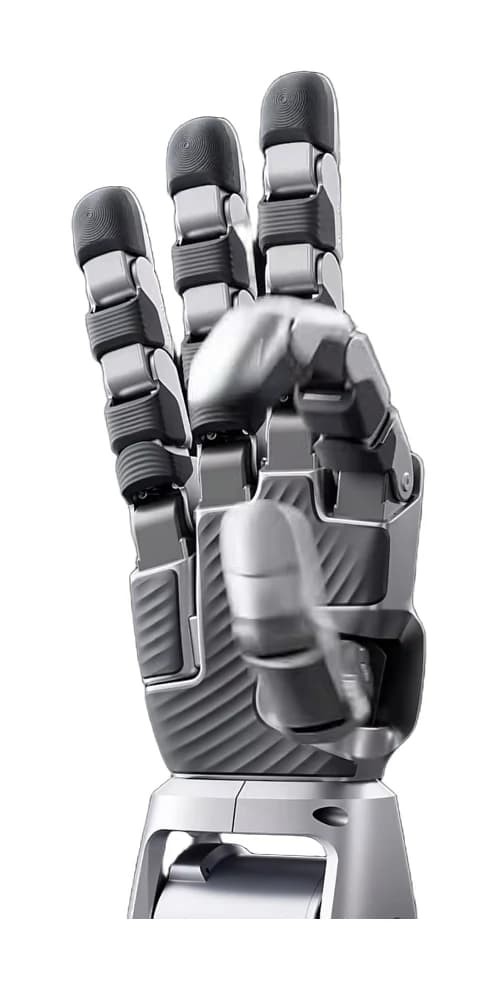
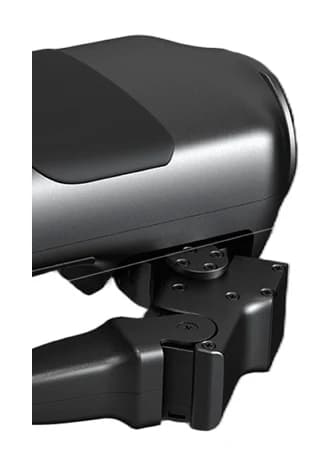
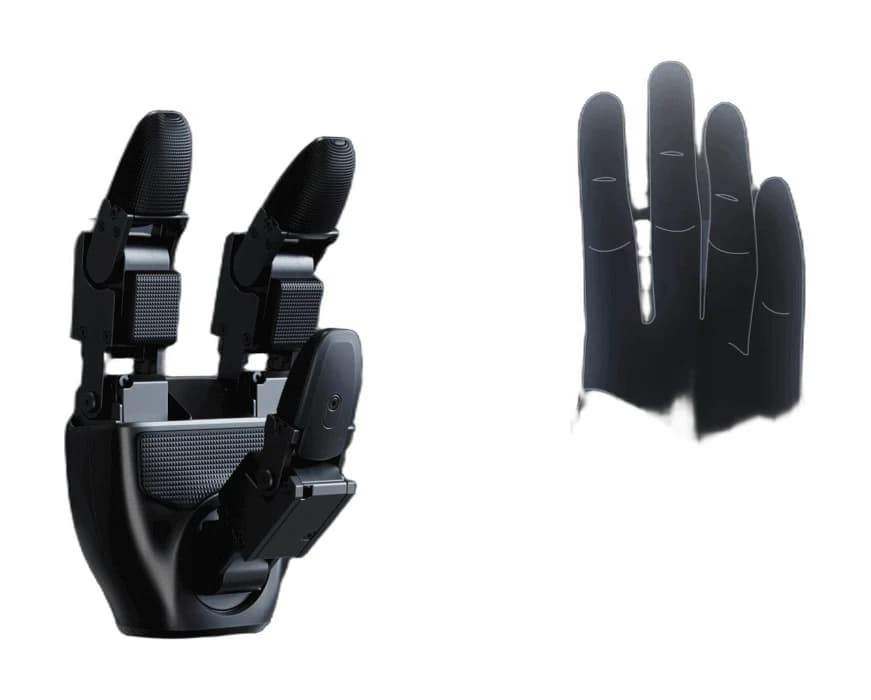
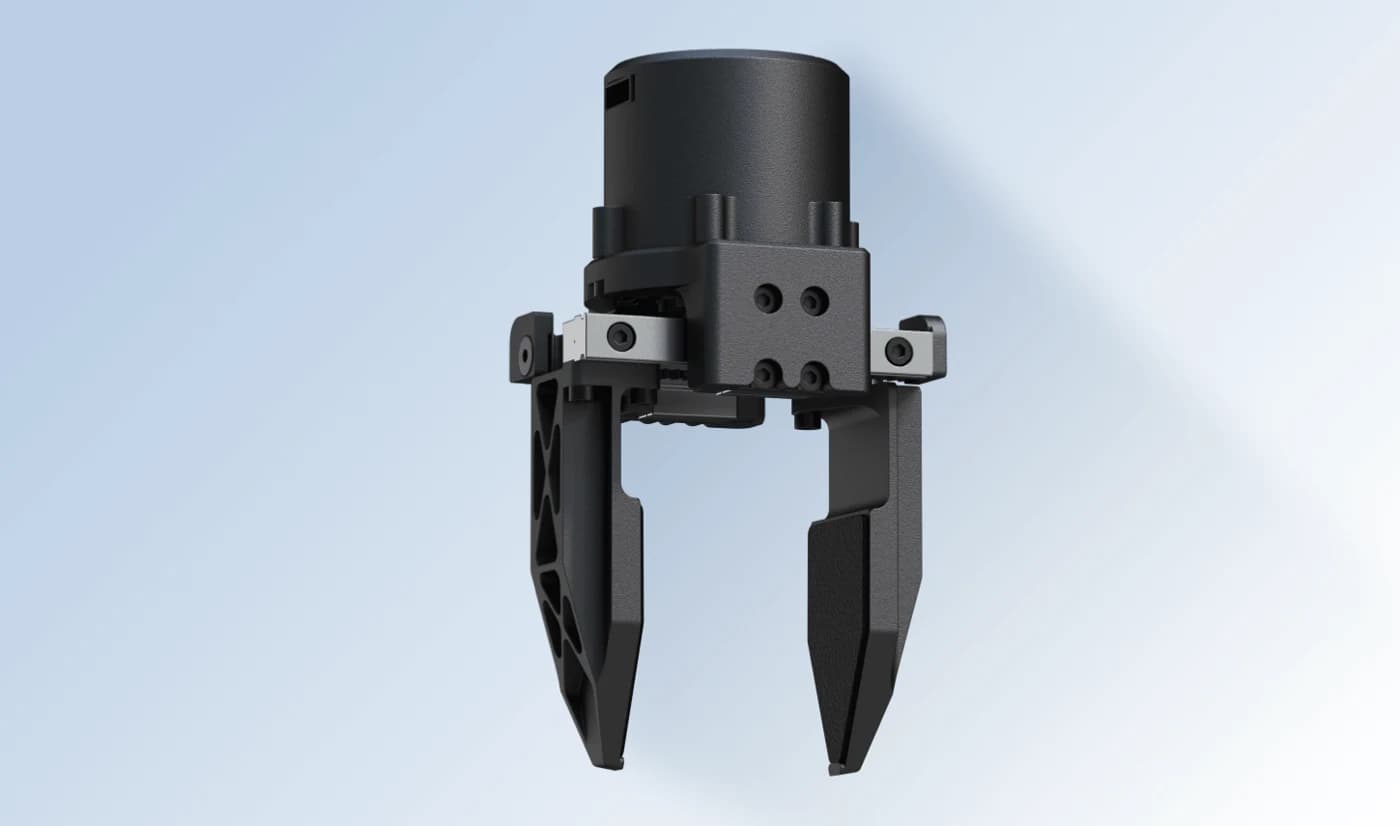
The end-effector is optional and compatible with both dexterous hands and grippers. On the software side, Booster Studio brings agent development, simulation, debugging and deployment to a physical robot into a single workflow.
For organizations with a T2 requirement we assess sourcing, timing and the alternatives deliverable today transparently.
2 use casesTap the cover to play; sound and loading start only on click.
The manufacturer's official variant matrix; the values are documented data.
| Feature | T2 Education | T2 Professional |
|---|---|---|
| Height and weight | Yaklaşık 140 cm, 42 kg | Yaklaşık 140 cm, 42 kg |
| Degrees of freedom | 31 (bacak 6, kol 7, bel 3, baş 2) | 31 (aynı) |
| Computing | Yüksek başarımlı ARM işlemci | NVIDIA Jetson Thor T5000 |
| Dual-arm payload | Azami 10 kg | Azami 10 kg |
| Peak torque | 140 Nm | 140 Nm |
| Walking speed | 3 m/s | 3 m/s |
| Battery | 48 V, 10 Ah; 2 saat kesintisiz yürüyüş | Aynı |
| Camera | Baş ve bel binoküler; bilek opsiyonel | Aynı |
| LiDAR | Opsiyonel | Opsiyonel |
| Quote | Get a Quote for This ModelT2 Education | Get a Quote for This ModelT2 Professional |
Both editions share the same body, the same 31 degrees of freedom, the same 140 Nm peak torque and the same sensor layout. The only difference is the compute unit: a high-performance ARM processor on the Education edition and an NVIDIA Jetson Thor T5000 on the Professional.
T2 Education
A high-performance ARM processor; for lessons, workshops and scenarios that run ready-made policies.
T2 Professional
An NVIDIA Jetson Thor T5000; for running large models on the robot and doing end-to-end development.
The use cases the manufacturer defines for the Booster T2.
The T2 was launched as the flagship embodied development platform at WAIC in July 2026.
The forty-seven second film shows the body walking, carrying objects and interacting with its surroundings.
The T2 has three degrees of freedom in the waist.
The Professional edition carries an NVIDIA Jetson Thor T5000.
Maximum walking speed is 3 m/s.
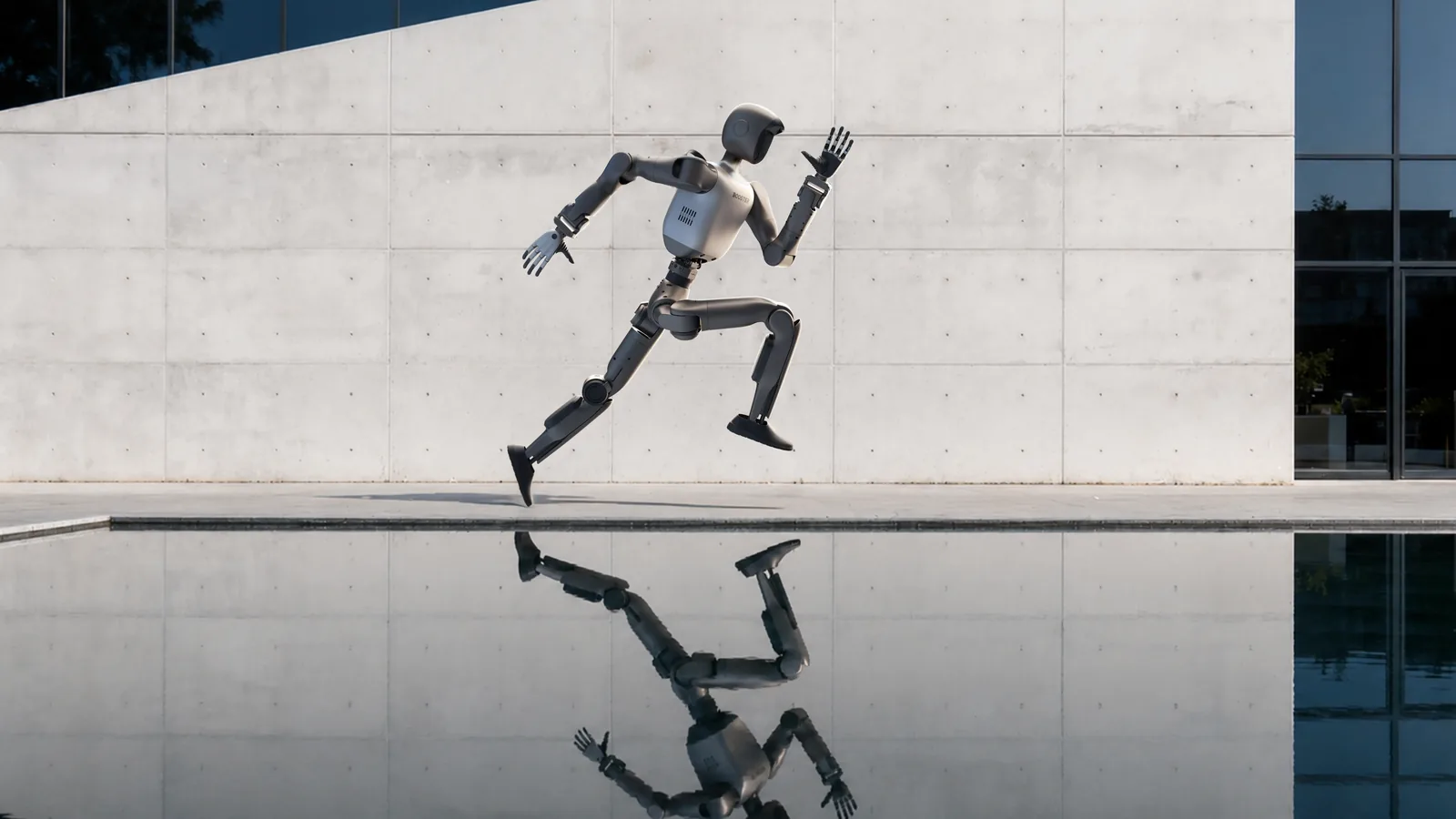
Dual-arm payload reaches 10 kg, though this varies significantly with arm posture.
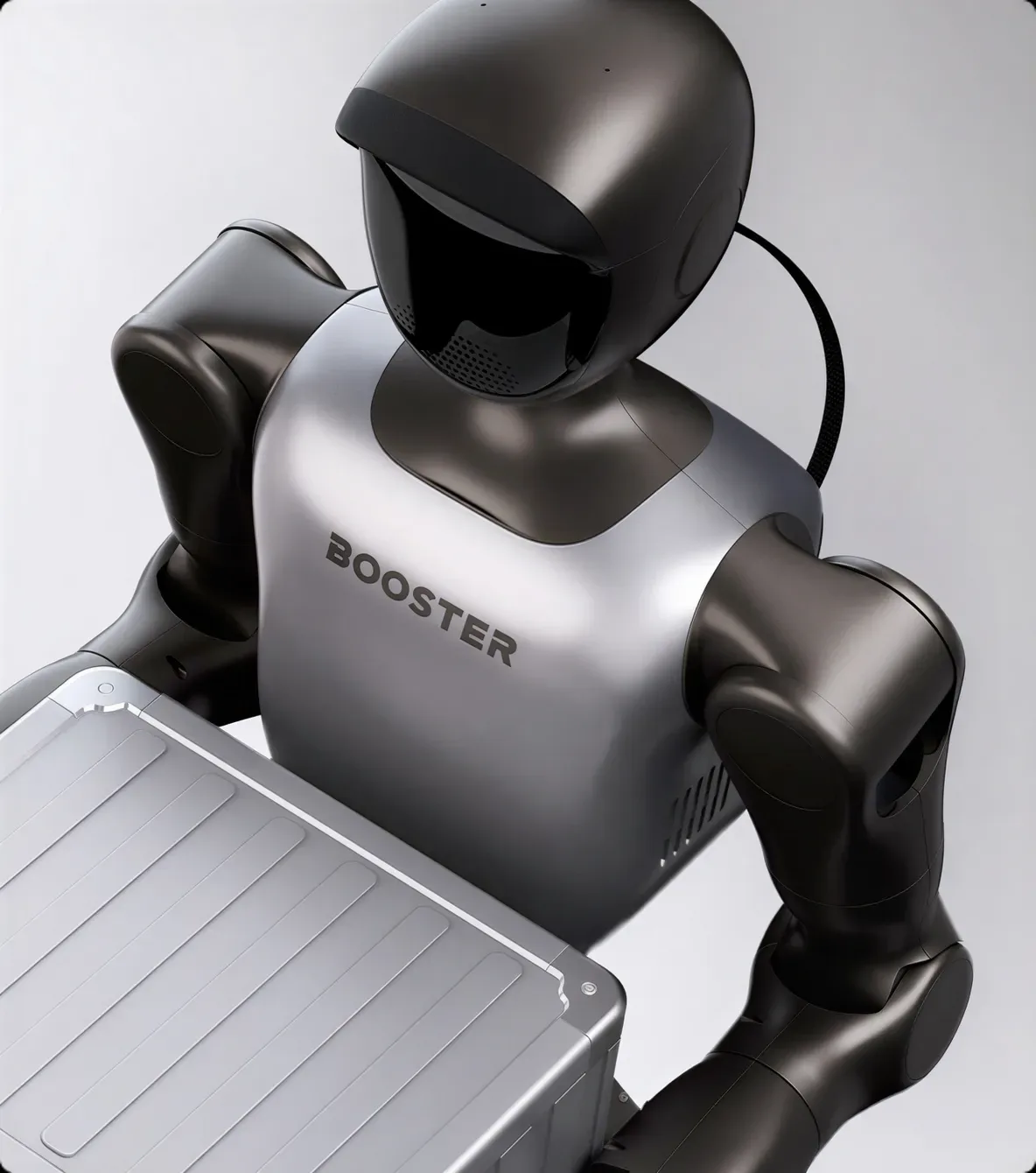
The drive uses a high-speed internal-rotor permanent magnet synchronous motor with a maximum peak torque of 140 Nm.
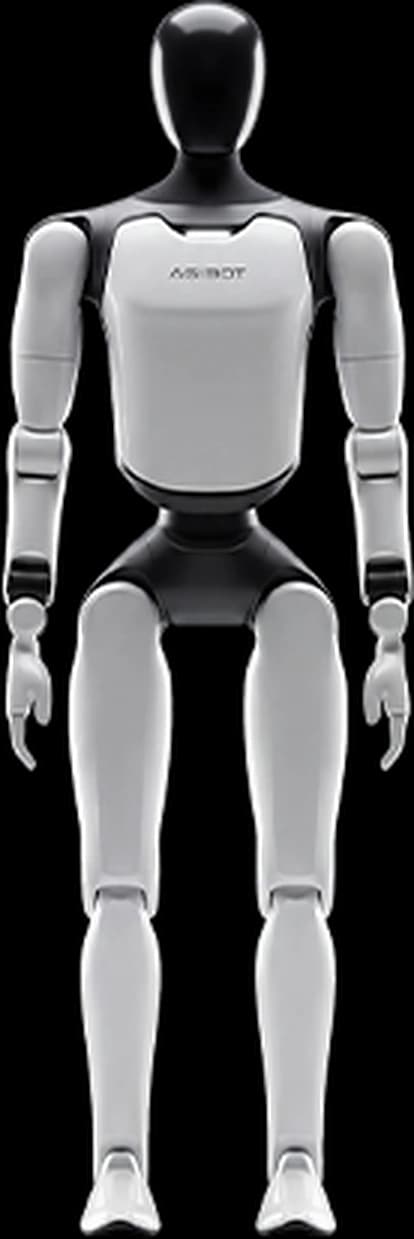
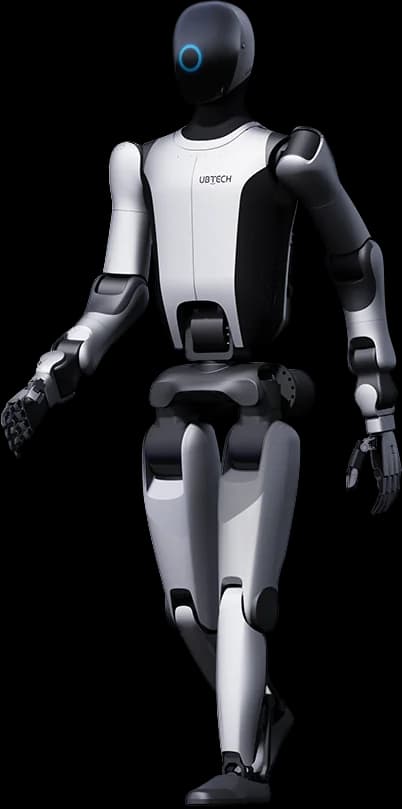
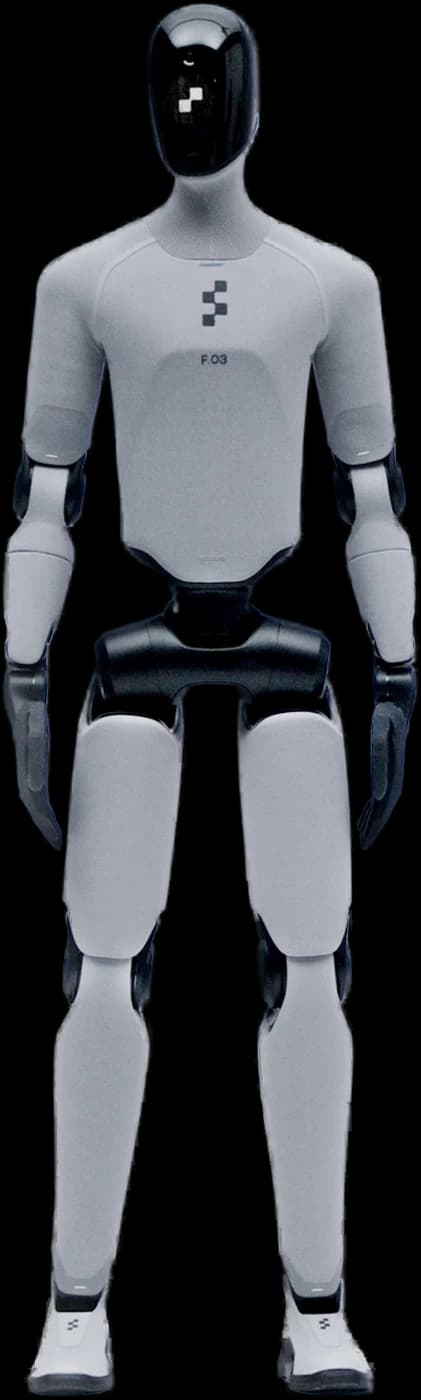
4 images; tap to enlarge.
31 values in 6 categories; data published by the manufacturer.
Verified on the manufacturer page on 18 September 2026.
An itemised quote for the Booster T2 is prepared by configuration, quantity and delivery scope.
Across Booster's three bodies the waist count takes three different values: zero on the K1, one on the T1 and three on the T2. That sequence is not accidental; it shows the work each body targets. With no waist joint the K1 is a locomotion and interaction platform; the single-axis T1 can rotate its torso but not bend it; the three-axis T2 can both rotate and bend with the feet planted. In manipulation the payoff is working volume: a three-axis waist markedly enlarges the area an arm can reach without stepping. It is also one reason a 10 kg dual-arm capacity is possible, since the load can be balanced by the torso.
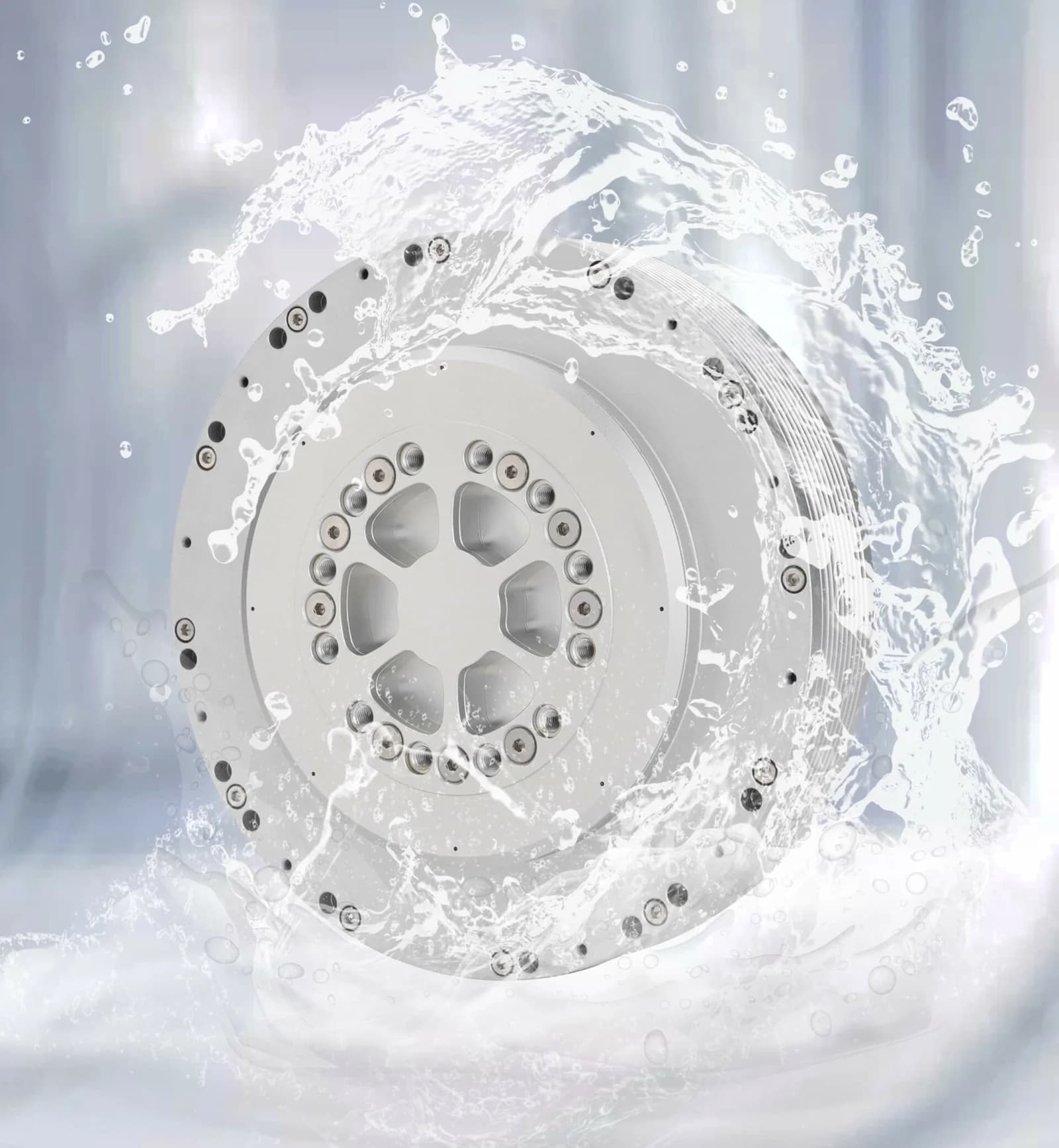
Using industrial-grade crossed roller bearings at the joint outputs is a line easily skipped in a spec table but decisive in practice. In these bearings the rollers are arranged at right angles to one another, so a single bearing carries axial load, radial load and tilting moment at once. On a humanoid joint that means the impact when a foot lands at 3 m/s does not open play in the joint, and the control loop sees no dead zone between command and actual position. Alternative solutions need two separate bearings for the same job, which costs mass and assembly volume.
The NVIDIA Jetson Thor T5000 on the Professional edition is the component that turns the T2 from a body into a development platform. Being able to run end-to-end vision-language-action models on the robot removes any dependence on an external computer, erasing both network latency and cable management in a field setup. The Education edition offers the same body on a high-performance ARM processor: enough to run ready-made policies and cover lesson scenarios, but the Professional is needed if you will train and run your own large model on the robot. Because the body, joints and sensors are identical, the decision is purely a compute decision.
| Feature | Booster T2 | Booster T1 | Booster K1 |
|---|---|---|---|
| Height | Approximately 140 cm | 118 cm | 95 cm |
| Weight | Approximately 42 kg | Approximately 30 kg | Approximately 19.5 kg |
| Degrees of freedom | 31 | 23-41 | 22 |
| Waist axes | 3 | 1 | None |
| Peak torque | 140 Nm | 130 N·m | 60 N·m |
| Payload | 10 kg dual-arm | - | - |
| Walking speed | 3 m/s | - | 0.4 m/s (measurement) |
| Compute | Jetson Thor T5000 | 200 TOPS AGX Orin | 48-200 TOPS |
The T2 is the body in the Booster family that opens onto manipulation and real workload. A three-axis waist, seven degrees of freedom per arm and a 10 kg dual-arm capacity cover work the T1 and K1 do not; a 3 m/s walking speed and industrial-grade crossed roller bearings establish the mechanical basis for dynamic motion. The Jetson Thor on the Professional edition technically delivers on the claim of running end-to-end models on the robot. The limits gather under two headings. Second, maturity: the T2 was launched in July 2026, so its field record is not comparable to the T1's RoboCup history.
Supply model
Supply to Turkey is planned per project; import, delivery and commissioning scope are itemised in the quote.
Pre-sales assessment
Site and mission focused technical feasibility; specification and administrative process support.
Demo and site visit request
Send a demo request; availability and scope are settled in the call.
Source documents
Technical values come from the manufacturer's documents; verified on 18 September 2026. 5 documents at the bottom of the page.
Robotic system costs are optimised according to the selected hardware platform, additional sensor and payload configurations, and the integration scenarios specific to your site. Share your requirements and our engineering team will prepare a feasibility report and a pro forma quotation tailored to your organisation.
Direct contact and advisory line: 0850 532 6 777
The most common questions about the Booster T2.
Sourcing, delivery schedule and investment for the T2 are settled per project. If you have a corporate or academic requirement you can talk to Robotlar.org: we assess the sourcing process, a realistic timeline and the alternatives deliverable today.
Approximately 140 cm tall and 42 kg. Thirty-one degrees of freedom in total: six per leg, seven per arm, three waist and two head. Industrial-grade crossed roller bearings at the joint outputs and a high-speed internal-rotor permanent magnet synchronous motor for the drive, with a maximum peak torque of 140 Nm. It carries up to 10 kg with both arms at a maximum walking speed of 3 m/s. The battery is 48 V and 10 Ah, giving two hours of continuous walking with magnetic port charging. Perception covers head and waist binocular cameras, an optional wrist camera and LiDAR, plus a microphone array and speaker. The Professional edition carries an NVIDIA Jetson Thor T5000. Wi-Fi 6, Bluetooth 5.2, a locking USB Type-C connector and Ethernet.
The only difference is the compute unit: a high-performance ARM processor on the Education edition and an NVIDIA Jetson Thor T5000 on the Professional. The body, the 31 degrees of freedom, the 140 Nm peak torque, the 10 kg dual-arm capacity, the sensor layout and the battery are identical. If you will run ready-made policies the Education is enough; if you will run your own large model on the robot the Professional is needed.
If the work involves manipulation and load, the T2: a three-axis waist, seven degrees of freedom per arm, 10 kg of dual-arm payload and a 3 m/s walking speed. If the work is walking, balance and reinforcement learning research, the T1 fits better: a 30 kg body one person can carry, a RoboCup record and a mature software ecosystem used by more than 50 teams. Because the T2 launched in July 2026, its field record is not yet as deep as the T1's.
Yes. The full-size Unitree H2 (182 cm, 70 kg, 31 degrees of freedom) and the compact Unitree G1 (132 cm, 35 kg, Jetson Orin) can be ordered in Turkey today, with 4-6 week delivery, a 1-year official warranty, on-site commissioning and engineering support across Turkey. If dual-arm handling and manipulation are the priority, the Fourier GRW (wheeled, 16 kg dual-arm) is worth evaluating too, though it also requires a sourcing enquiry.


