
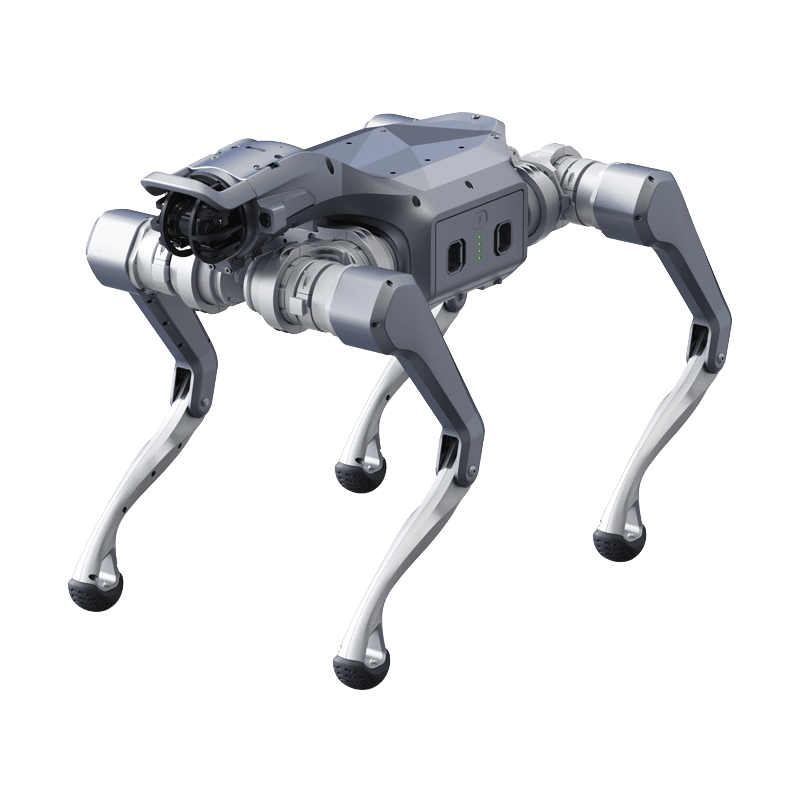
Technical review
Unitree G1 EDU vs Booster T2 Pro
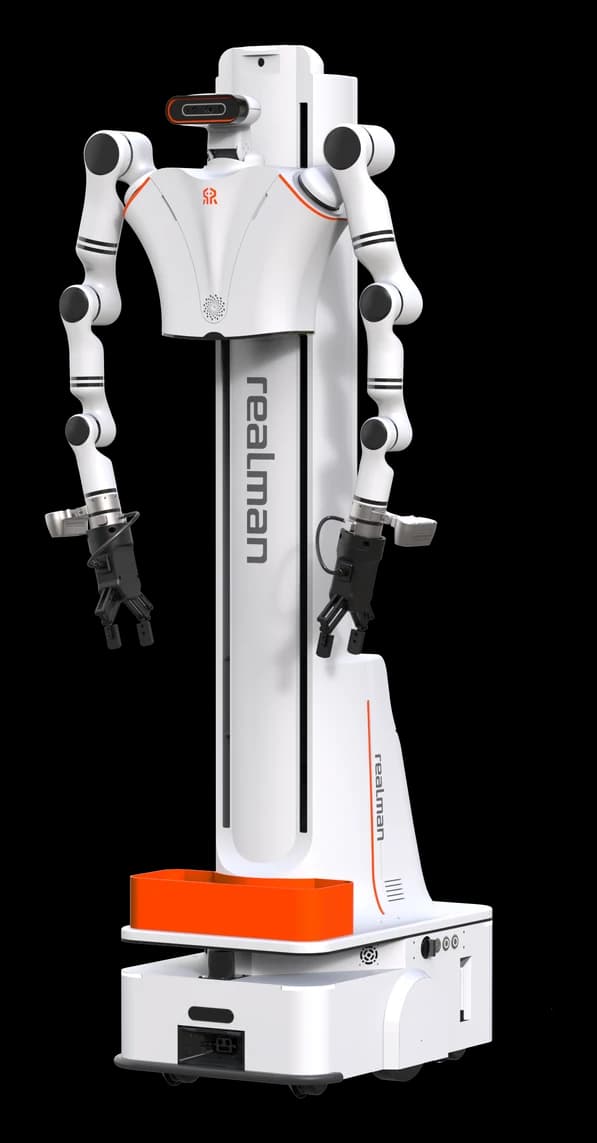
T2 Pro’s stated 10 kg dual-arm load is static and includes the hands; it is not the same measurement as G1 EDU’s approximately 3 kg arm load. This review compares hardware scope, control interfaces and runtime data against their sources.
Document and source-code review ·
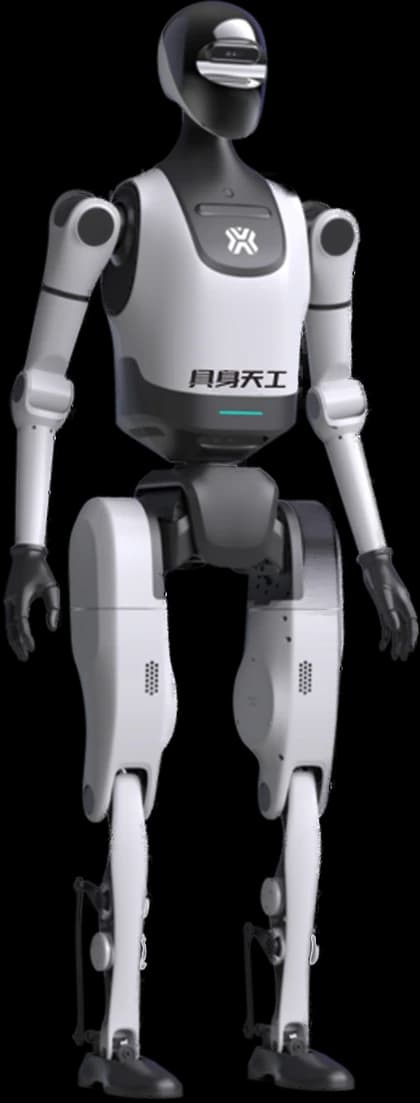
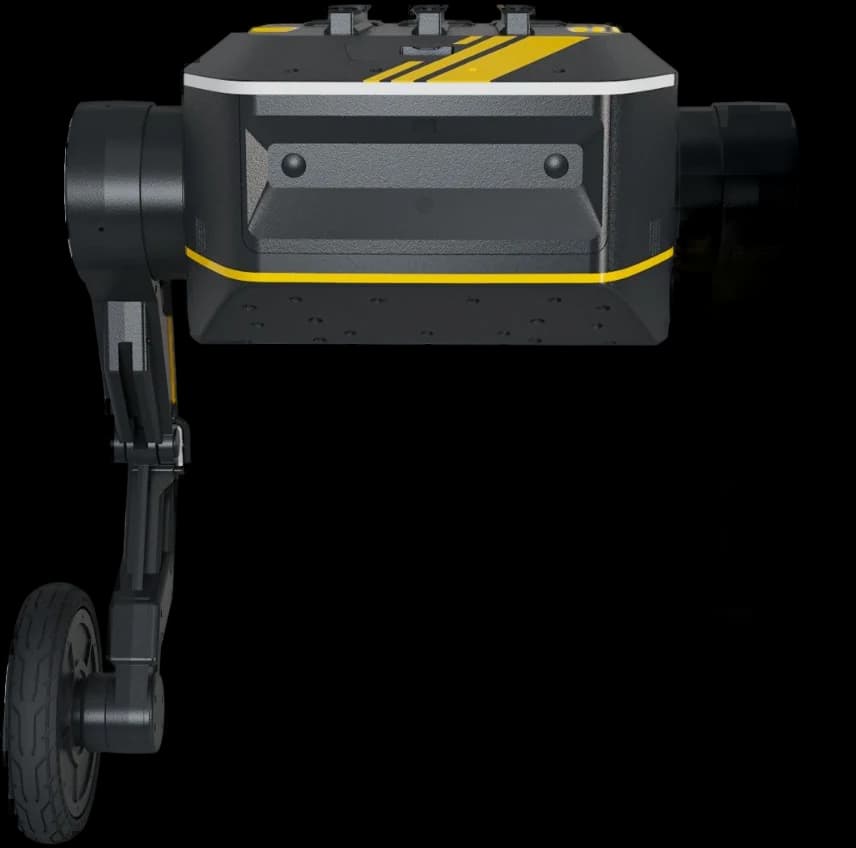
EDU configuration
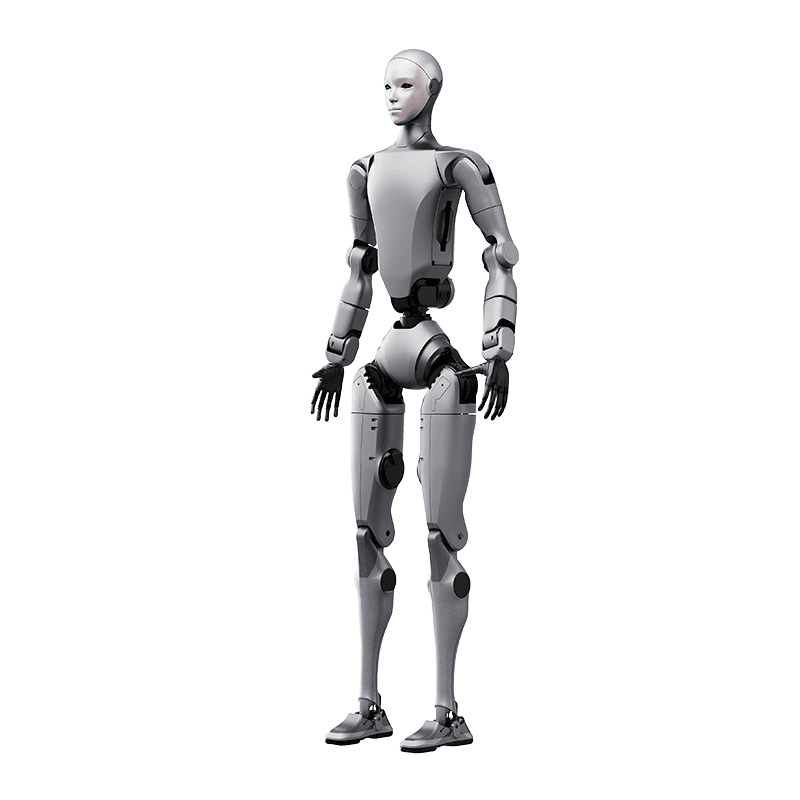
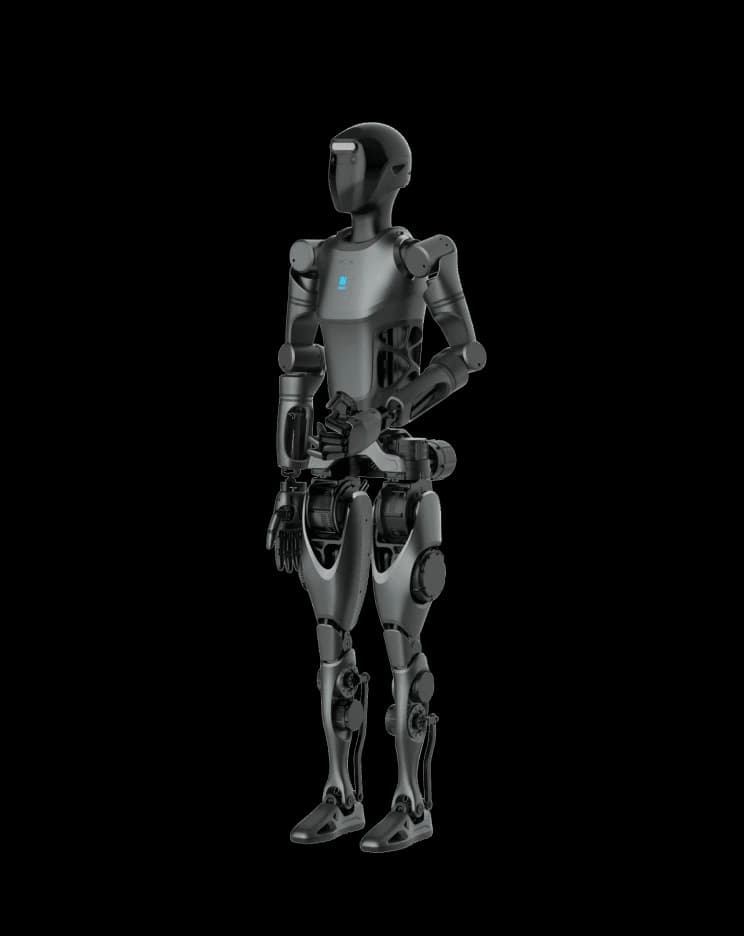
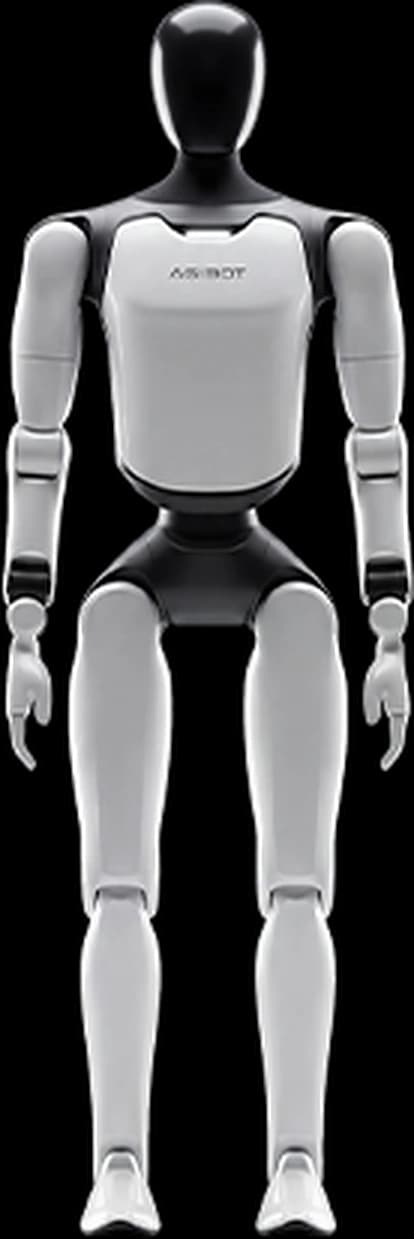
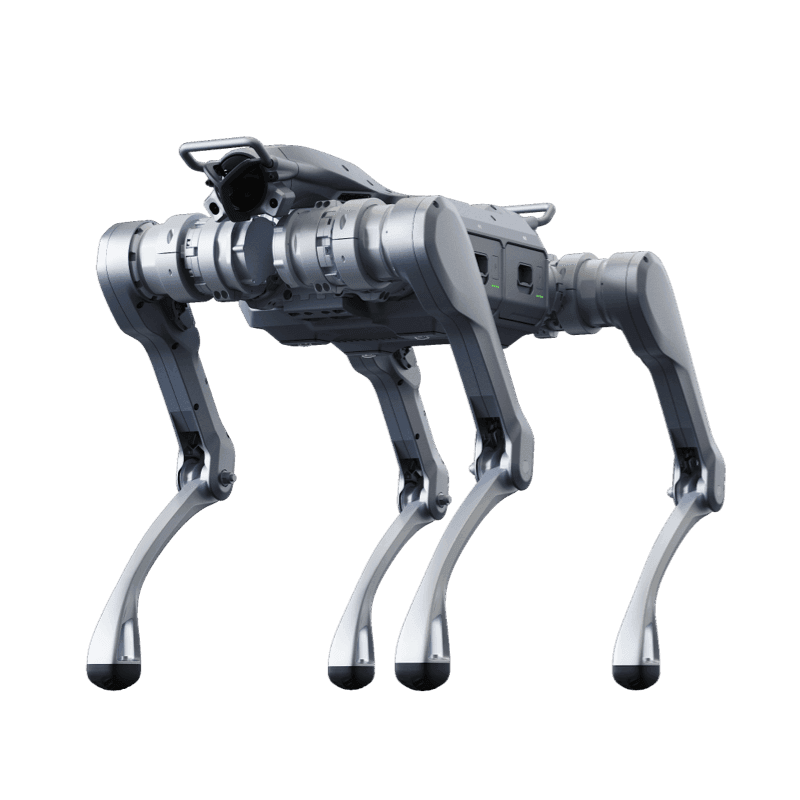
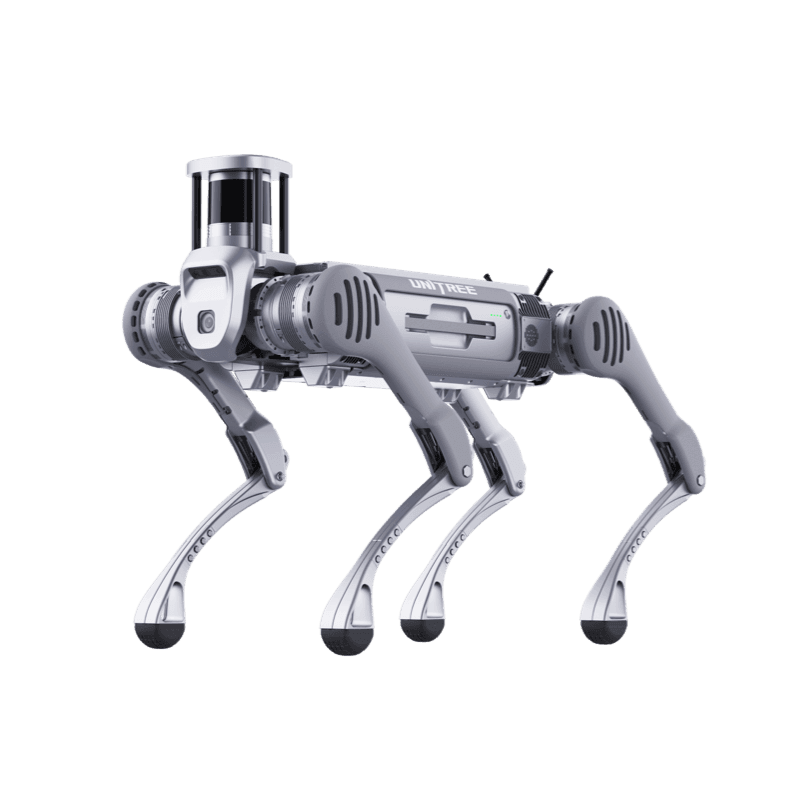
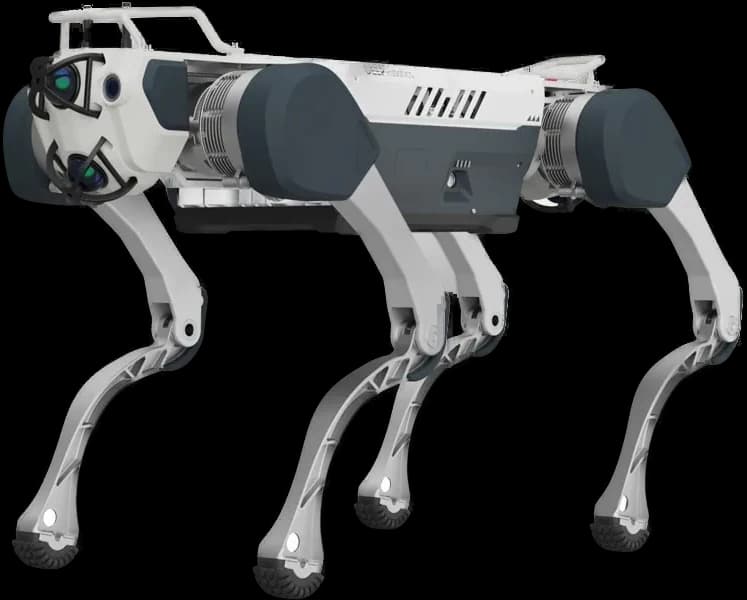
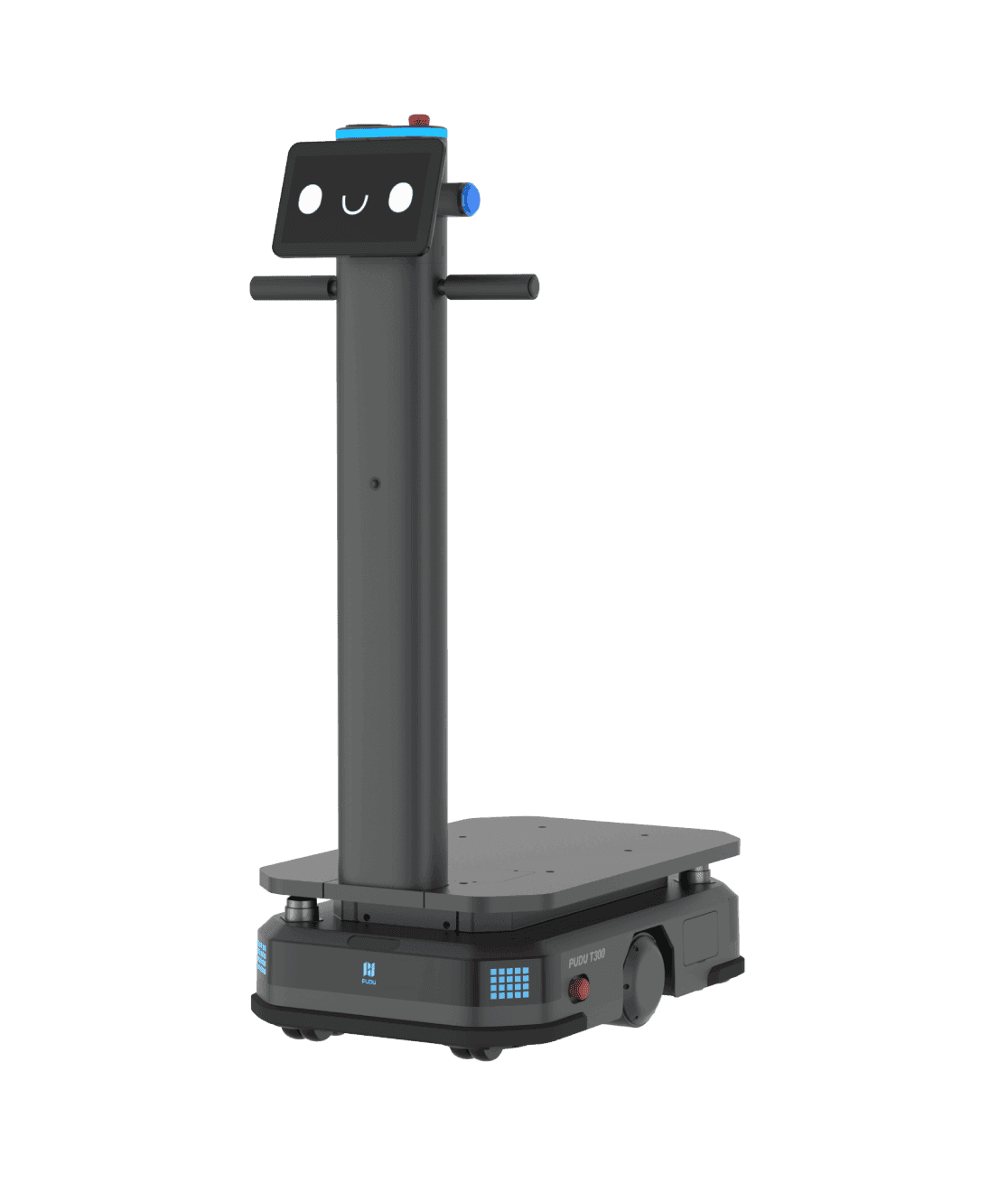
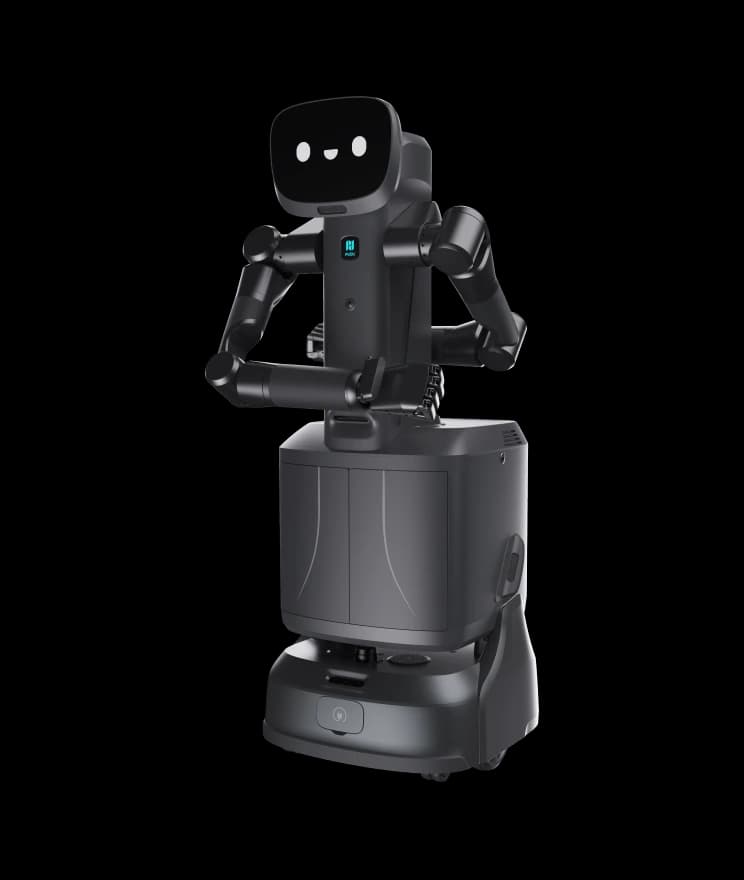
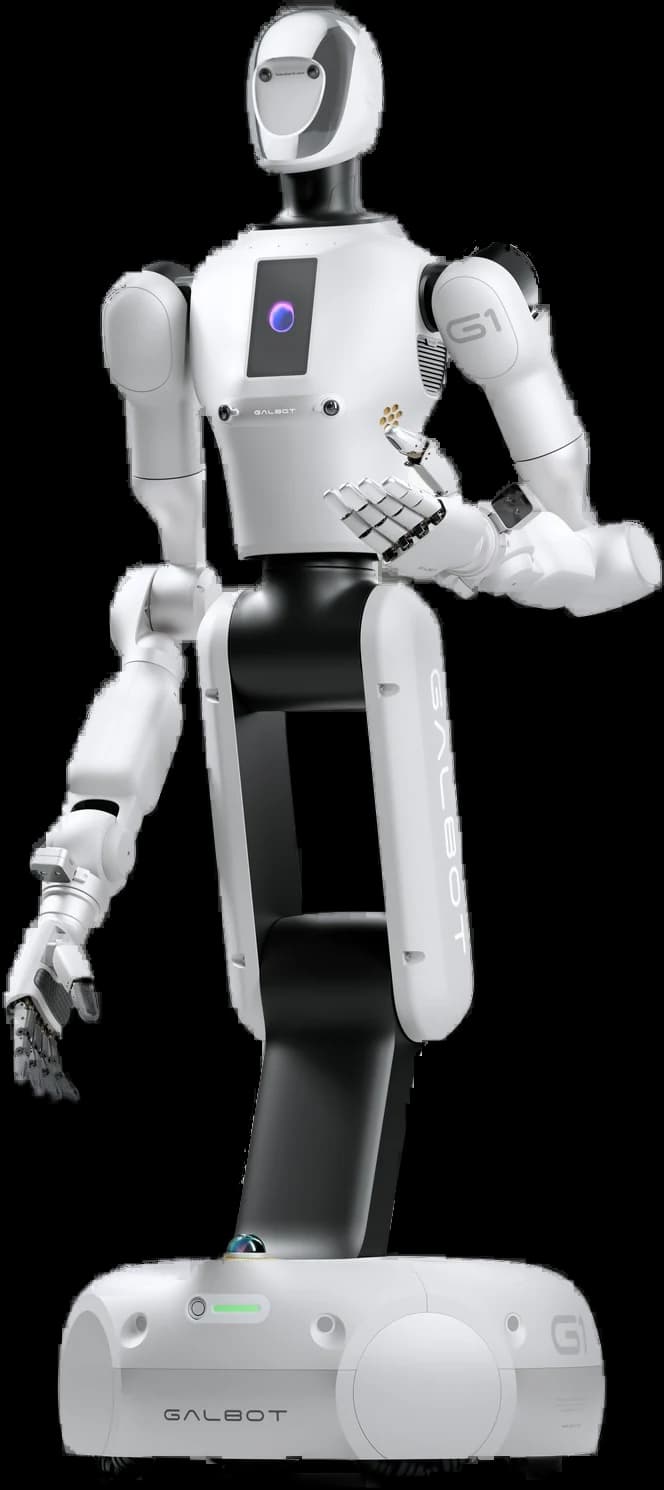
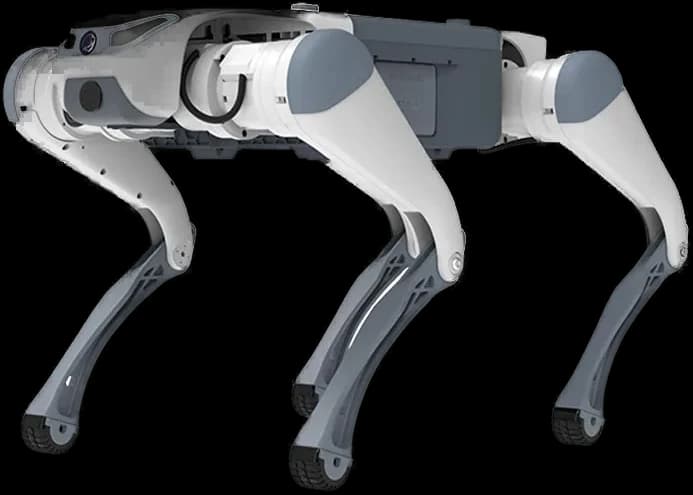
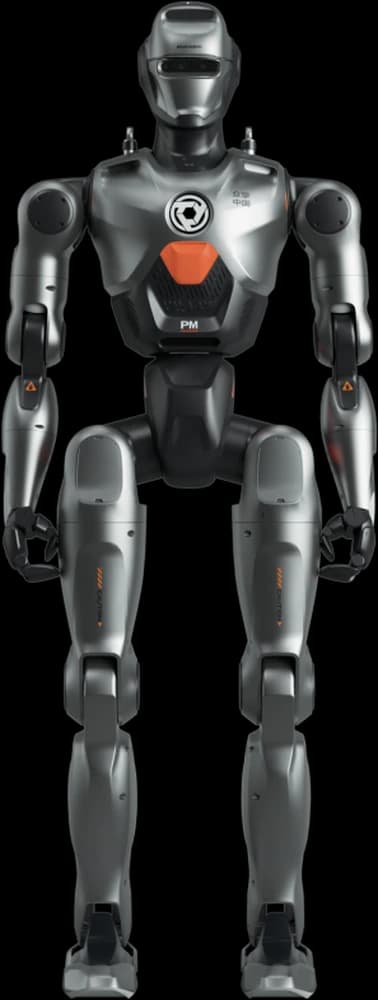
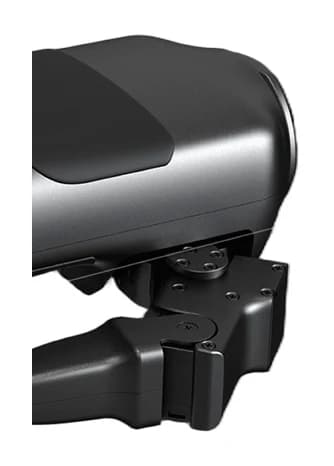
Unitree G1 EDU
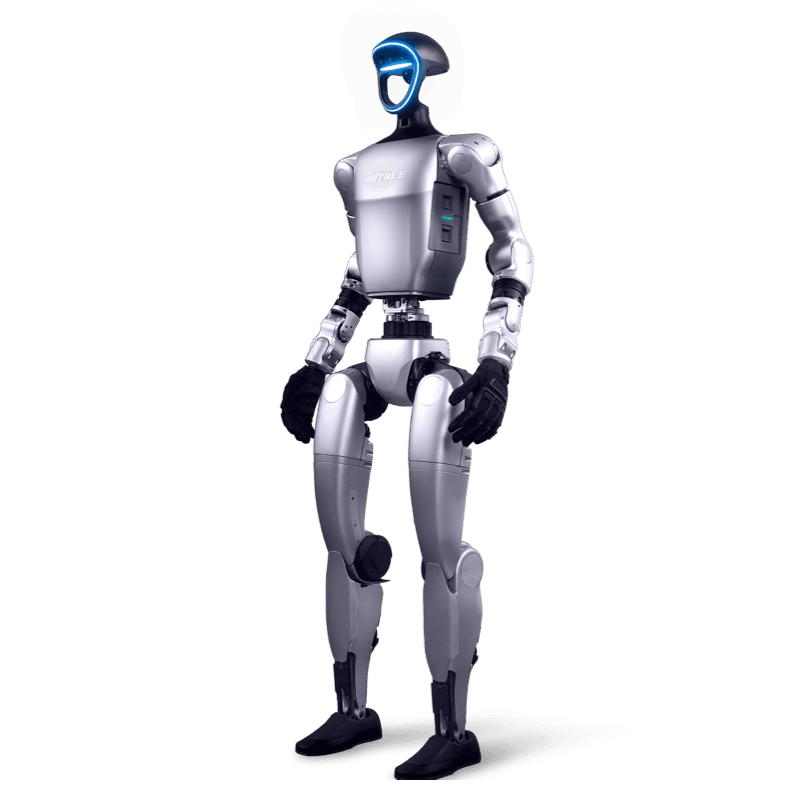
23/29-DoF body options · Orin-class compute
Image does not specify the hand package to be ordered.
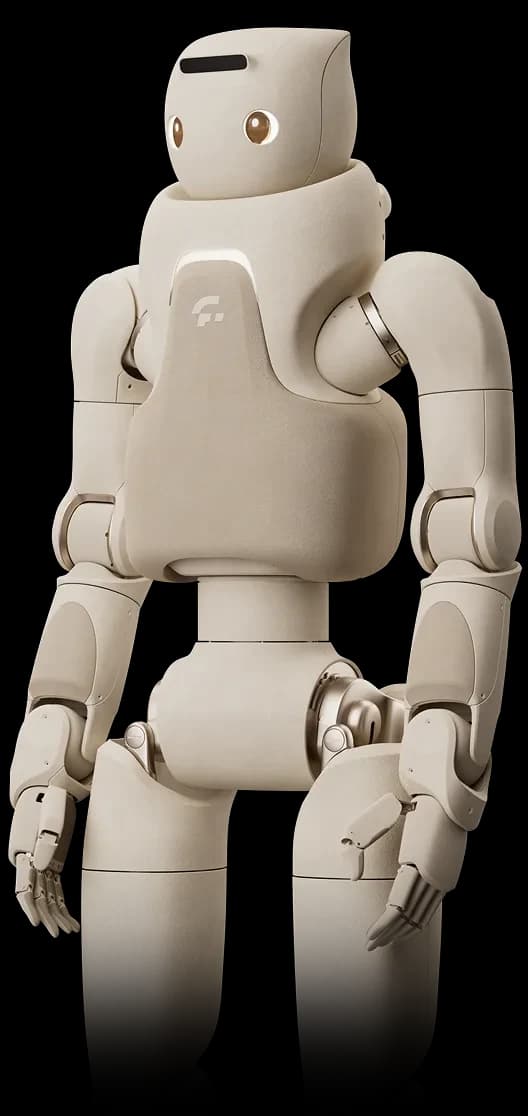
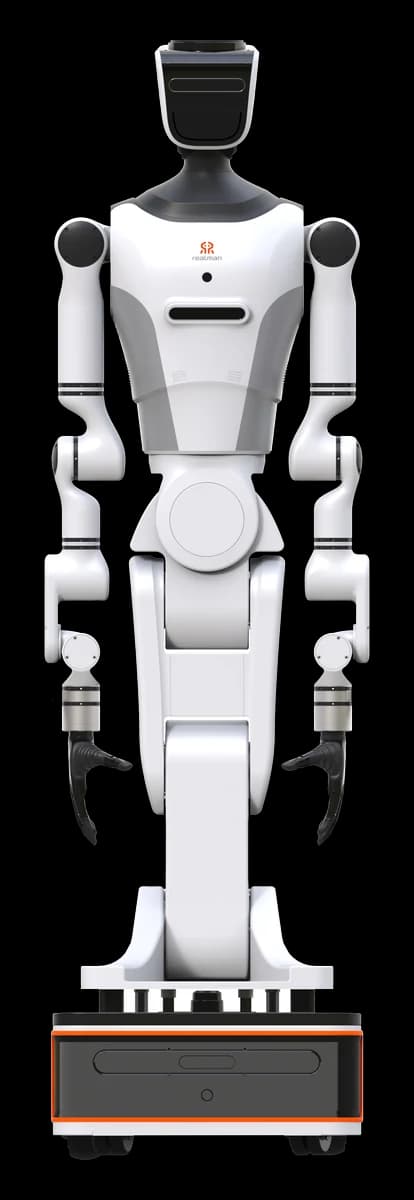
Pro configuration
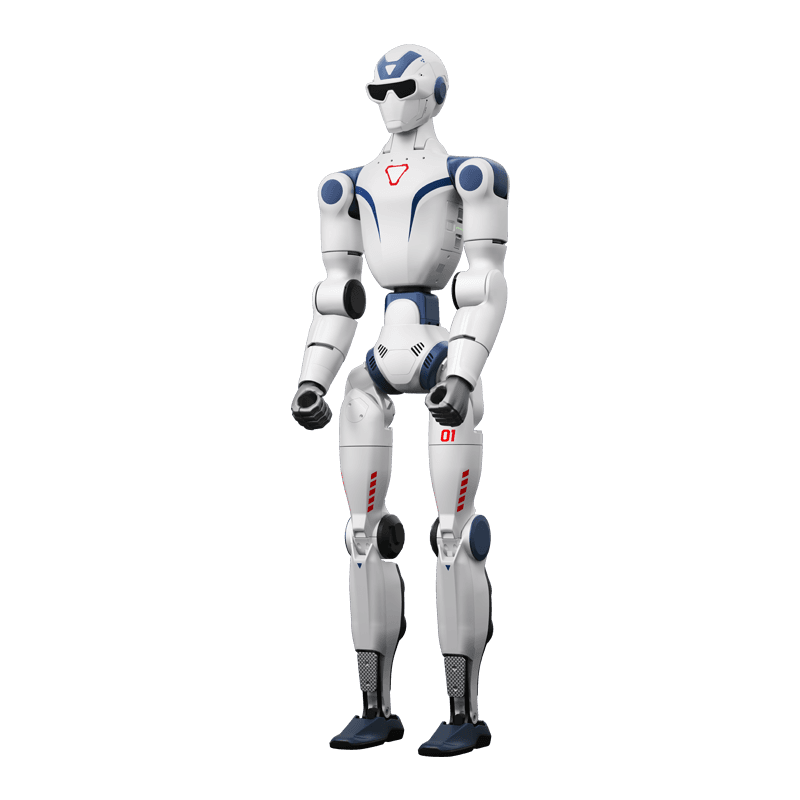
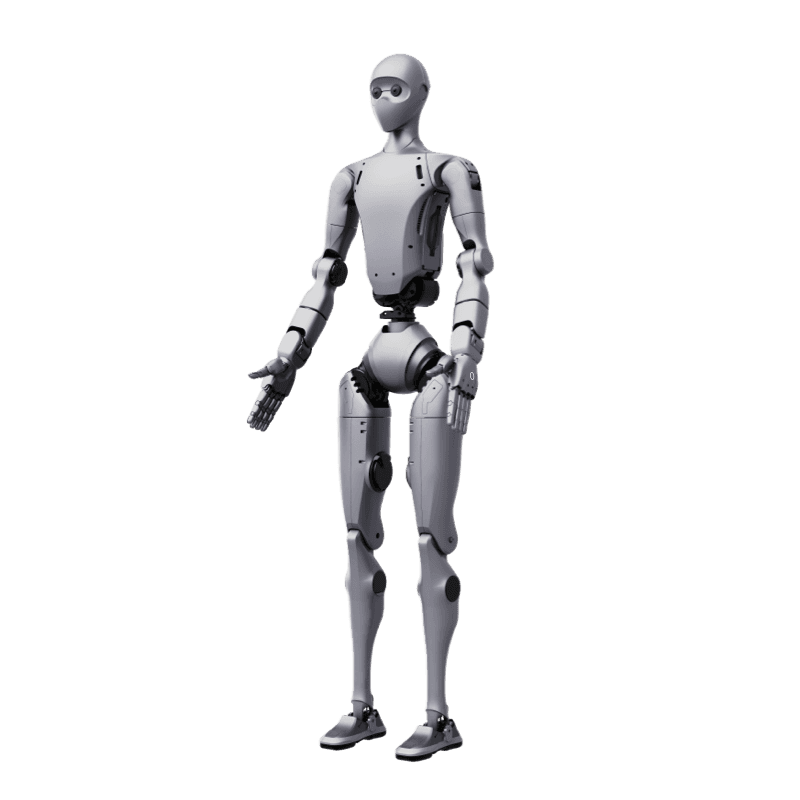
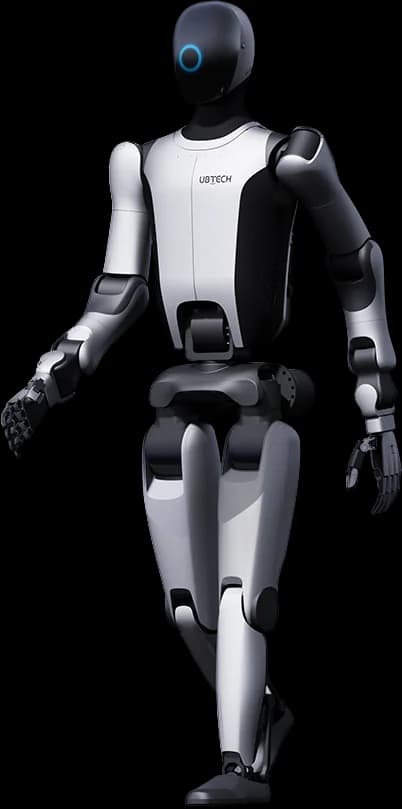
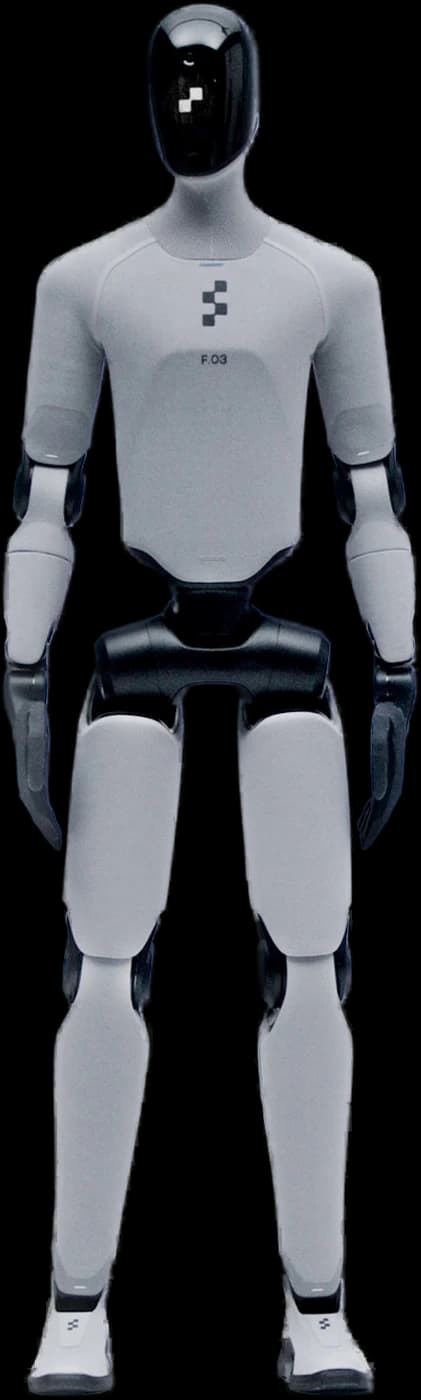
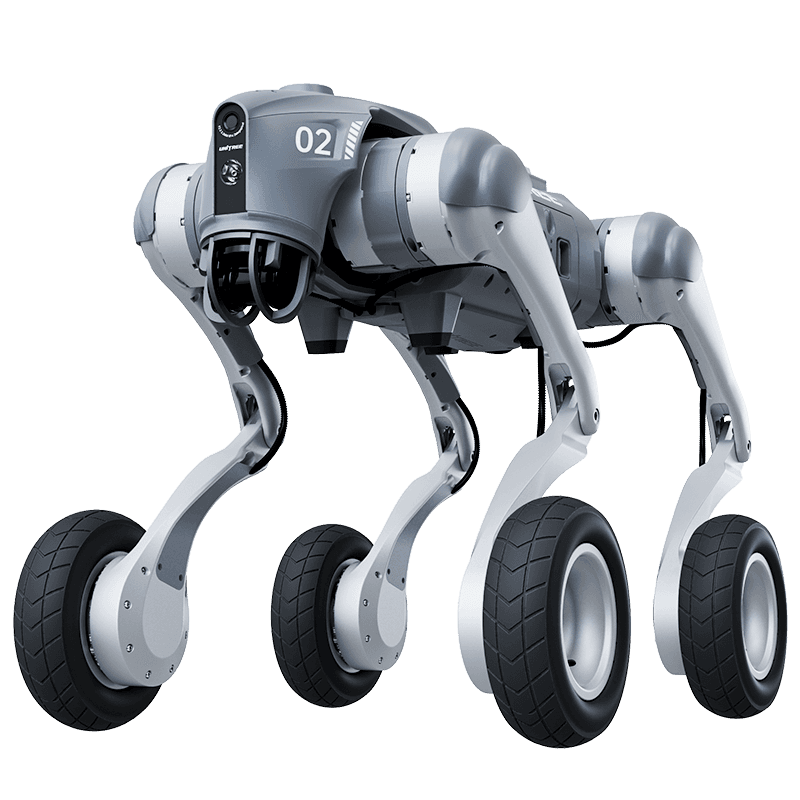
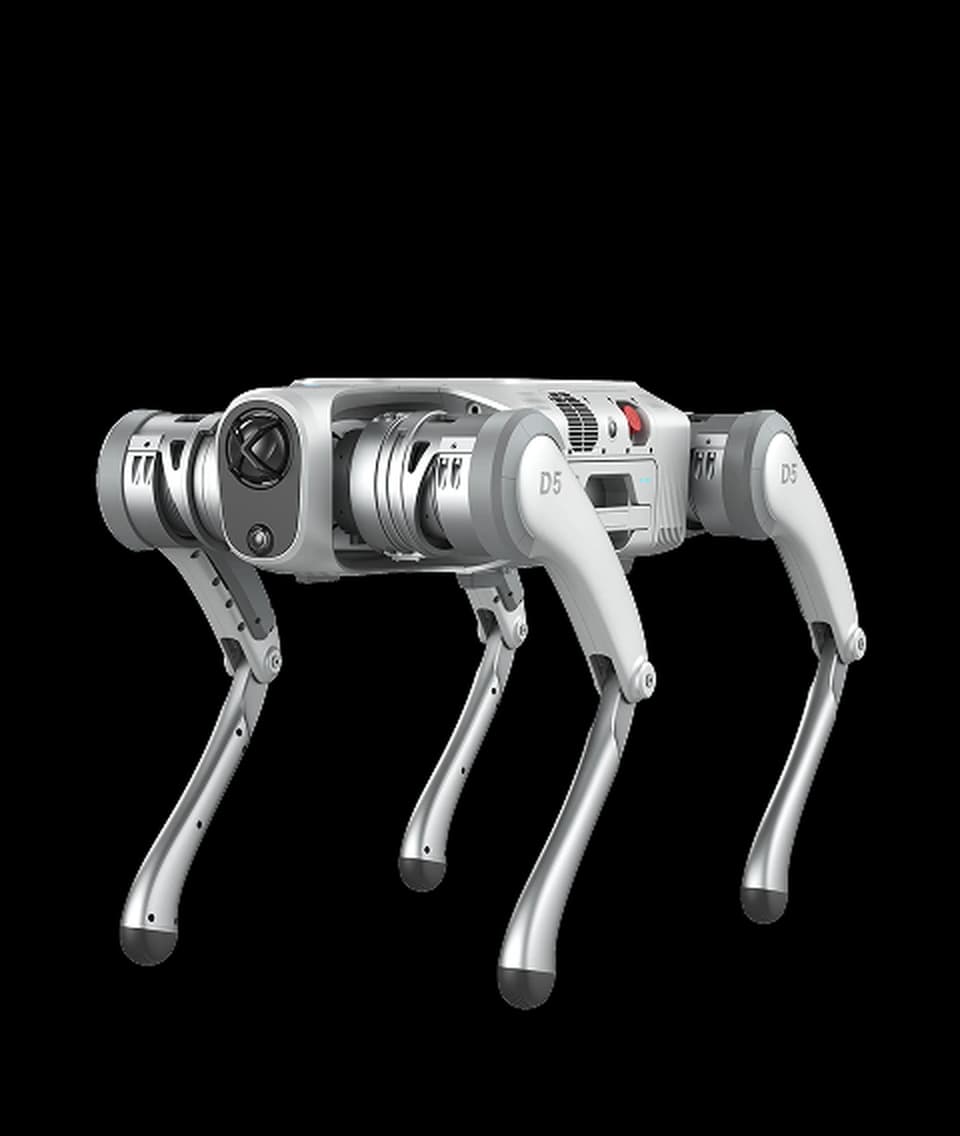
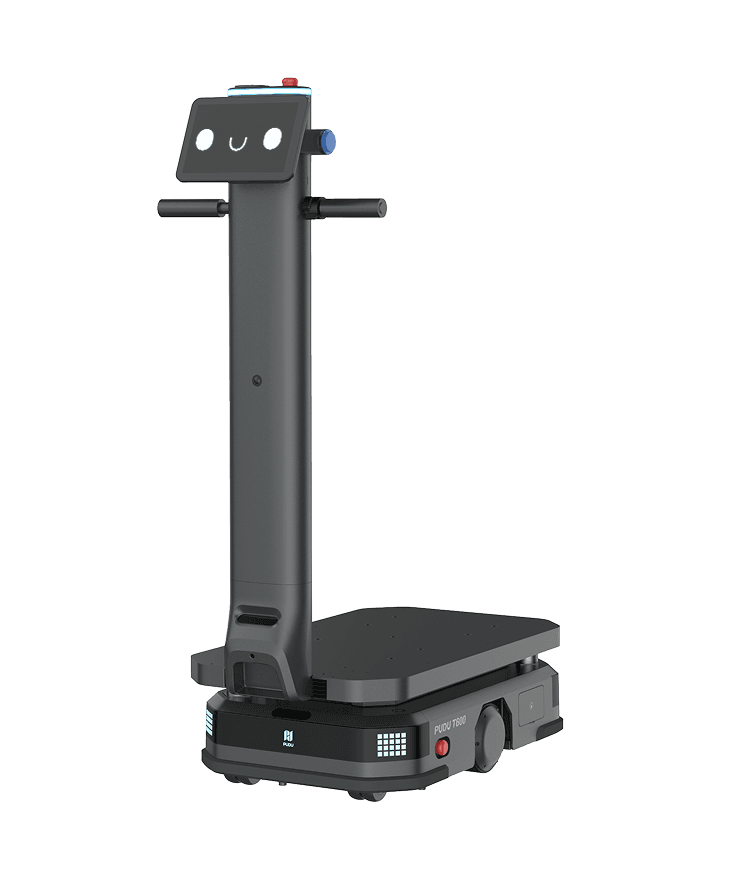
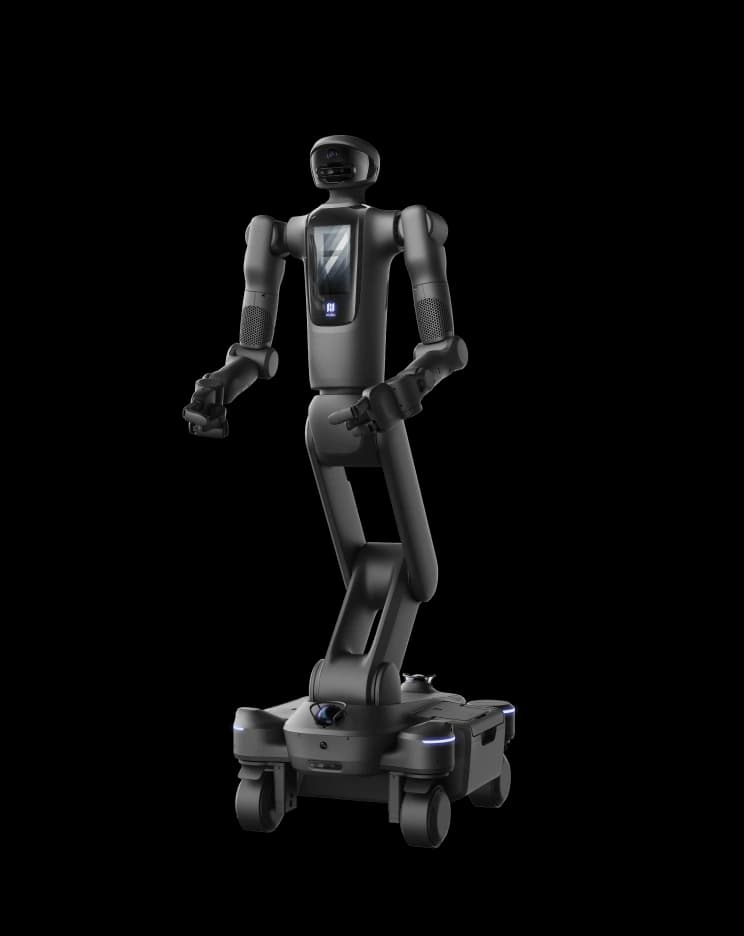
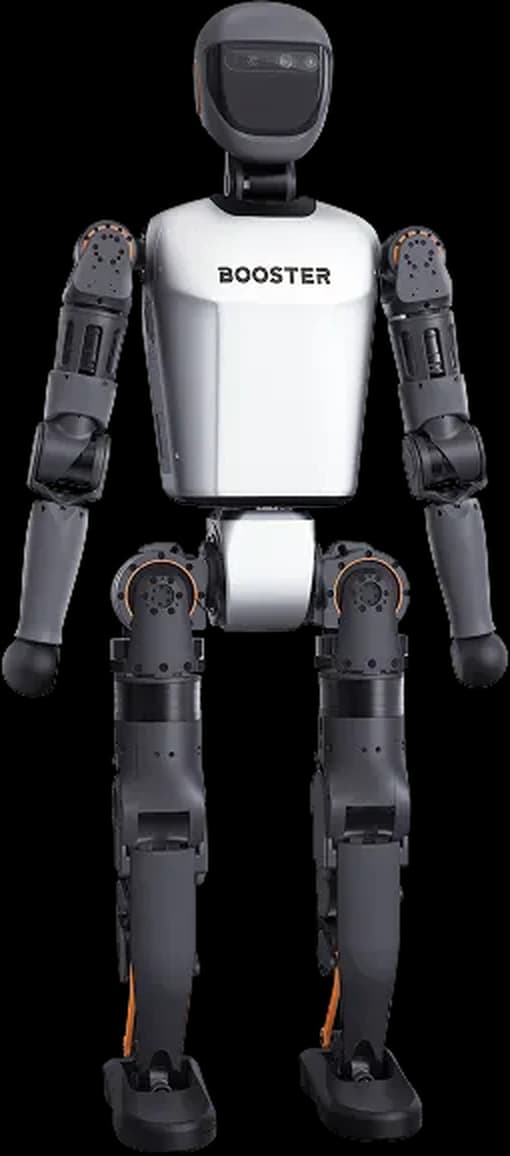
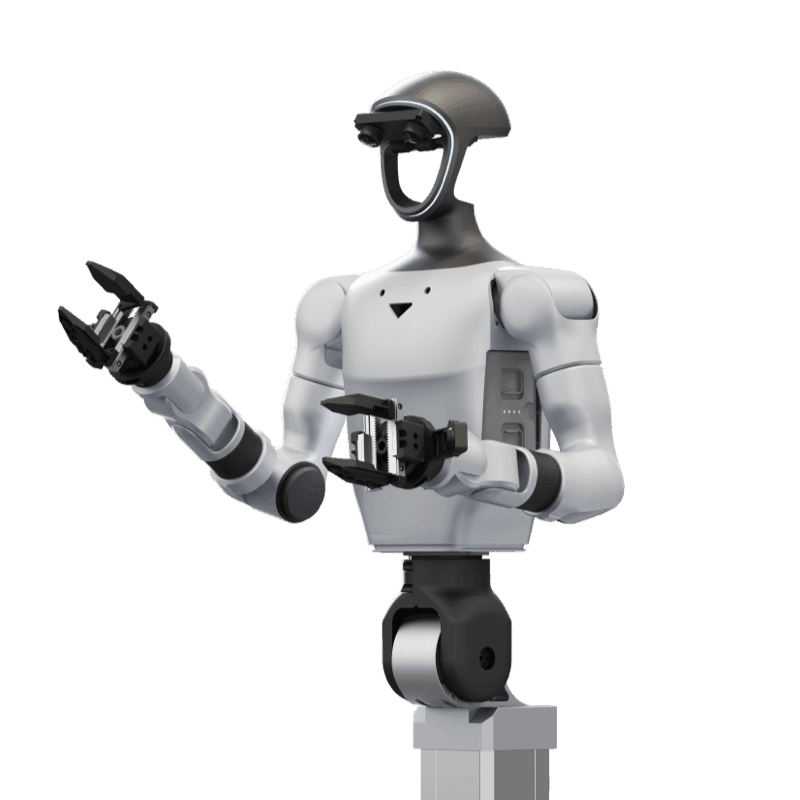
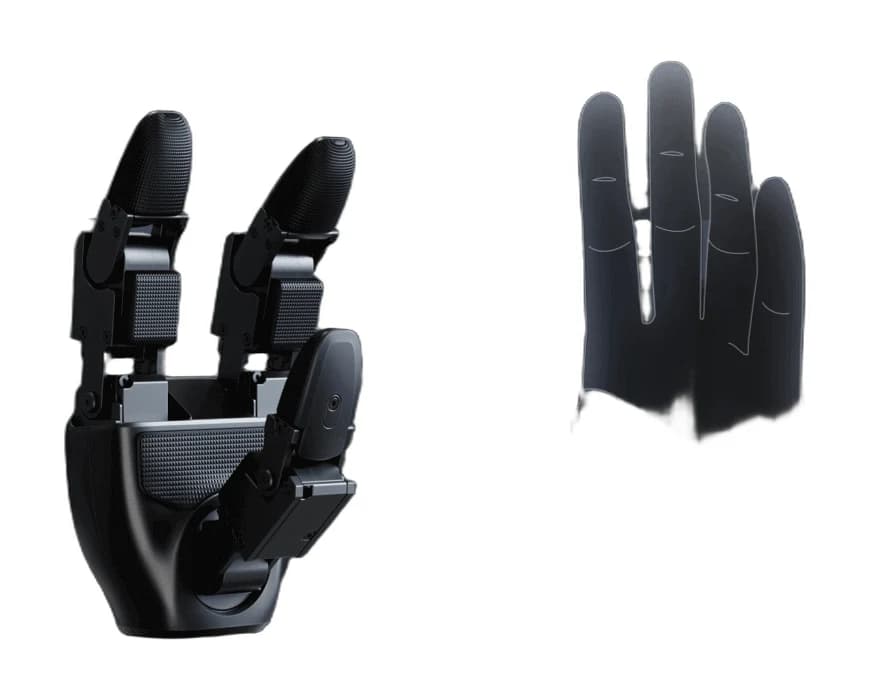
Booster T2 Pro
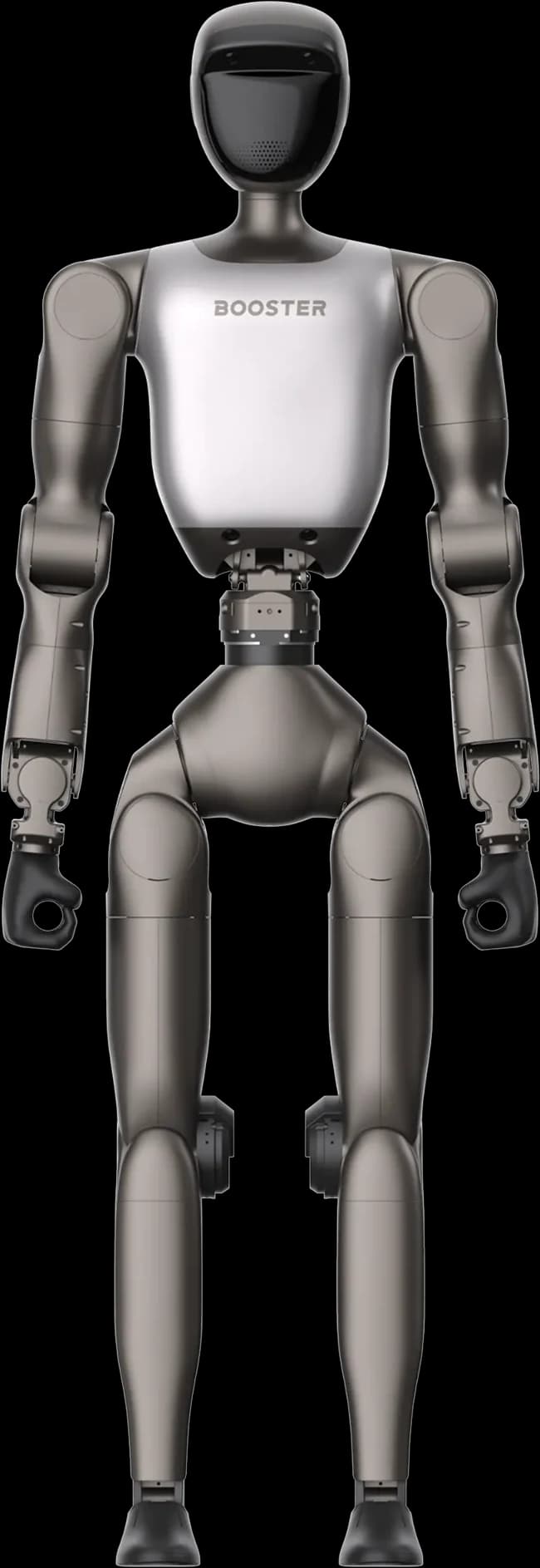
31-DoF body · Jetson Thor · P1 / P3 distinction
Image does not specify the hand package to be ordered.
Principal findings
10 kg static load, 5 kg walking statement
ArmController joint map does not match T2
Technical data
Figures are catalog data or manufacturer statements. Rows identify load definitions and configuration differences.
| Criterion | Unitree G1 EDU | Booster T2 Pro |
|---|---|---|
| ScopeS1S3 | G1 EDU; excludes Basic and G1+ | T2 Pro; P1 and P3 hand hardware considered separately |
| Height / body weightS1S10 | 132 cm; manufacturer lists approximately 35 kg+ for EDU, including battery. Hand/configuration-dependent. | Approximately 140 cm; P1 42 kg, P2/P3 43 kg. Hand sub-version/options may change weight. |
| Joint and hand accountingS1S3S7 | 23/29-DoF body options; catalog maximum of 43 including hands. Not all are standard. | 31-DoF body; P1 hands have 0 DoF. P3 hand DoF counted separately by model. |
| Arms / waistS1S10S3S6 | SDK has 5- and 7-joint arm examples. Confirm the EDU configuration for a three-axis waist and 7-joint arms. | 7 joints per arm, 3 waist axes. Hardware does not imply every waist function is enabled in firmware. |
| Catalog arm loadS1S3 | EDU arm load listed at approximately 3 kg. Cannot be added into a 6 kg dynamic guarantee. | 10 kg static dual-arm rating including hands/end effectors; posture-dependent. |
| Walking with a loadS3 | No net object-load result verified under matching conditions in this review. | Manufacturer statement: up to 5 kg in Walking mode at up to 1 m/s. Hand-gripped payload requires separate validation. |
| ComputeS1S10S3 | Orin-class EDU options; specify module, RAM and storage in the order. | Pro: Jetson Thor T5000, 128 GB RAM, 512 GB storage. |
| PerceptionS1S10S3 | Manufacturer: depth camera and 3D LiDAR. Confirm exact models and order scope. | Head/abdominal binocular cameras; optional LiDAR. Arm-end camera supported on P2/P3, absent on P1. |
| Battery / runtimeS1S10S3 | 9 Ah quick-release pack; catalog runtime approximately 2 hours. Workload and test conditions are not matched. | Standard magnetic main pack: 48 V / 10 Ah; stated continuous walking runtime 2 hours. |
| Battery replacementS1S3 | Quick-release does not establish hot-swap support; follow the shutdown procedure. | No hot-swap. Manufacturer estimates roughly 3 minutes from shutdown through replacement to ready. |
Technical analysis
01
Configuration and joint counts
G1 EDU does not have a single fixed bill of materials. Unitree lists 23-43 degrees of freedom (DoF), including hand options. The XR repository lists 23- and 29-DoF bodies; SDK examples cover 5- and 7-joint arms. Three-axis waist, seven-joint arms, hands and compute must be checked against the order. [S1] [S6] [S7]
T2 Pro has 31 body DoF: head 2, each arm 7, waist 3 and each leg 6. P1 has cosmetic zero-DoF hands, no wrist camera and no end-effector power/communication wiring. P2 uses grippers; P3 uses dexterous hands. Arm-end camera support is listed for P2/P3. Booster reports no standard P1-to-P3 retrofit path. [S3] [S10]
02
Hand hardware and tactile sensing
Unitree XR lists Dex1, Dex3-1, Inspire and BrainCo adapters. This establishes published software scope; the quotation must identify the supplied hand, wiring and sensors. [S7]
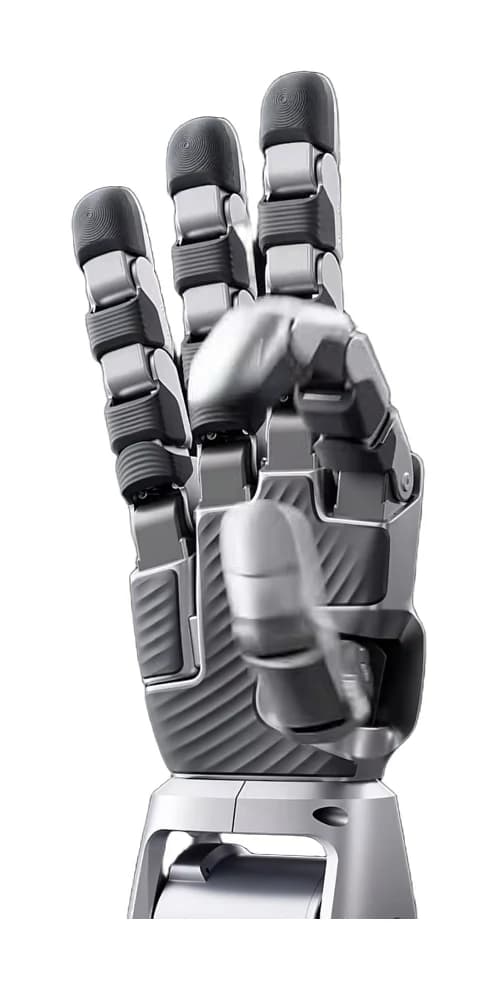
Booster identifies the standard P3 hand as BrainCo Revo 2 basic: 383 g per hand excluding the wrist, without tactile sensing. For P3-3 it reports Revo3 U21T, 21 active DoF, backdrivability, whole-hand tactile sensing, 0.01 N resolution and 70 N grip force. These figures come from correspondence because the hand document was inaccessible. Sensor resolution does not specify accuracy; grip force cannot be converted into robot payload. [S3] [S9]
03
Static arm rating and net object mass
T2’s 10 kg dual-arm rating is static and includes the hands. Subtracting the stated Revo 2 masses gives 10 - (2 × 0.383) = 9.234 kg. This is a mass calculation only. Wrists, adapters and arm posture are unaccounted for, so it cannot specify net object capacity. Booster recommends keeping loads near the torso; no posture/load curve was supplied. [S3] [S10]
G1 EDU lists approximately 3 kg arm load, dependent on posture. The definitions do not support a direct ratio against the dual-arm static figure or a 6 kg walking capacity by adding two G1 arms. G1 EDU knee peak torque and T2 maximum joint torque also refer to different joints and duty conditions; they do not establish a lifting ranking. [S1] [S10]
04
Walking loads and demonstration limits
Booster’s final reply states up to 5 kg at up to 1 m/s in Walking mode, with upper-body control enabled or disabled. It states that walking with 7-8 kg is currently unachievable, citing waist control and motor heating. [S3]
The described tray demonstration lasts roughly 90 seconds and is operator-assisted. The 5.3 kg includes the tray; eleven water bottles account for approximately 4 kg according to the reply. The tray rests on the forearms rather than being gripped. We could not inspect the video. No hand-gripped dynamic load measurement or 20-30 minute thermal result was supplied. There is no G1 EDU measurement under the same task conditions in this review. [S3]
05
Upper-body control and SDK discrepancy
Booster’s corrected reply says arm commands through UpperBodyCustomControl(true) can run alongside factory walking/balance control. The inspected SDK lists T2 for this call. Full CUSTOM mode transfers every joint, including the legs, to customer code; the safety manual describes support fixtures for this mode. [S3] [S4] [S11]
ArmController’s joint map does not match T2. Source and the official helper guide use index 6 for right shoulder. T2’s 31-joint table maps 6 to left wrist and 9 to right shoulder. The class handles only indices 2-9 and creates a 23-element command array; it is unsuitable for T2 without modification. G1’s 5/7-joint rt/arm_sdk examples compiled in this review but were not run on physical EDU hardware. [S5] [S6] [S10] [S13]
Cartesian calls are marked K1/T1. However, the capability matrix also says some hand planners do not reject by model name and depend on factory software configuration. This does not prove failure on every T2. A runnable T2 example, firmware and RPC results are required; the source describes 501 for disabled capability and 502 for a motion unreachable from the current state. The general DDS guide’s CUSTOM warning for direct rt/joint_ctrl and its relationship with the upper-body path have not been checked on the device. [S4] [S14] [S16]
06
Torque commands and protection functions
Booster identifies DDS rt/joint_ctrl for low-level torque commands. The source contains kRevoHand; Revo 2 support is stated in the reply. Hand angle/force scaling and firmware compatibility have not been verified. [S3] [S8]
The final reply states that there is no dedicated collision-protection API. PROTECT/DAMP functions concern joint limits and motor states. The sources do not establish validated collision prevention for people or objects in the workspace. [S3]
07
Compute hardware and task software
T2 Pro lists Jetson Thor T5000, 128 GB RAM and 512 GB storage. Its 2,070 TFLOPS figure specifies FP4 sparse conditions. G1 EDU offers different compute modules, including Orin; module, memory and storage depend on the order. TFLOPS/TOPS figures at different precisions cannot specify a task-speed ratio. [S1] [S10]
Booster says customers must deploy a suitable VLA model for grasping and releasing. The manual’s basic motion, chat and dance agents do not cover this task. No firm release date was given for dual-hand grasping examples, manipulation baselines, teleoperation or datasets. Unitree XR publishes teleoperation, recording and simulation workflows; Unitree also says some showcased functions remain in development/testing. No comparable model latency, memory-use or task-success measurements were available. [S1] [S2] [S3] [S7]
08
Reported software image
Booster reports JetPack 7.1-b112, Tegra R38 revision 4.0, Ubuntu 24.04.4 LTS / ARM64, ROS 2 Kilted, CUDA 13.0, cuDNN 9.12.0.46-1 and TensorRT 10.13.3.9-1. These versions come from the manufacturer reply; device output and Isaac ROS/Isaac Lab compatibility results were not inspected. [S3]
The inspected Booster SDK README uses Ubuntu 22.04 as a development-host reference. It is not a package-compatibility test for the robot image. For either robot, check the delivered image, hand driver, SDK revision and model through a build/run record on the device. [S4]
09
Battery and the 1.5-hour task requirement
T2’s main battery is 48 V / 10 Ah. The magnetic battery, cable and adapter are reported as standard delivery items. Booster withdrew the earlier 1100 mAh, 5-12 V, 43 g and 4-5 hour figures as belonging to another product. Nominal energy is 480 Wh; no usable-energy measurement was supplied. [S3] [S10]
T2 states two hours of continuous walking; standing manipulation runtime is unmeasured. Operation while connected to charging is supported. Battery replacement requires shutdown, with roughly three minutes reported until ready again. G1 EDU lists a 9 Ah quick-release battery and approximately two hours; quick-release does not establish hot-swap support. Neither model has a duty-cycle test establishing 1.5 hours of manipulation in these sources. [S1] [S3] [S10] [S12]
Energy calculation: 480 Wh / 1.5 h = 320 W average power. This assumes all nominal energy is usable; cutoff, reserve and temperature may reduce the actual budget. It is not a runtime measurement. T2 SDK includes a rt/battery_state voltage/current/SOC example, which compiled. Actual measurement needs timestamped V/I/SOC, joint temperature, load and task phase recorded together. After device current sign and scaling are verified, consumption can be calculated in Wh. [S10] [S15]
10
Quotation and service scope
G1 Basic pricing does not cover EDU; T2 P1 pricing does not cover P3. Match robot/hand codes, sensors, compute, software access, spare battery, delivery terms, taxes, training and commissioning. The correspondence quotes an extra T2 10 Ah battery at 900 USD FOB China; it is not a Turkey delivered price and needs a current quotation. [S3]
Unitree lists an 18-month EDU warranty and refers to its warranty brochure for terms. Check local contractual coverage, fall/misuse exclusions, spare parts, firmware access and service turnaround separately. An equivalent local T2 service contract was not supplied for this review. [S1]
Checks performed for this review
- Source review
- G1/T2 tables, Booster controller/DDS guides and current SDK revisions were rechecked. Static load definition and loaded-walking limit are absent from the public table; correspondence attribution is retained.
- 14 C++ examples compiled
- All 10 bundled Booster examples and 4 Unitree G1 examples for 5/7-joint arms, locomotion and hand control compiled and linked with x86_64, GCC 14.2 and C++17. This does not measure firmware behavior, balance or task success on T2/G1.
- Offline message checks passed
- Upper-body start/stop JSON payloads, arm indices and battery/temperature message fields were checked. Message tests used synthetic values; there was no robot connection or collected telemetry.
Before ordering
Proposed acceptance tests
These tests have not been performed. Task acceptance requires the following records; duration and load tests must remain within manufacturer limits.
- Record robot, hand and compute codes, joint maps, firmware and SDK versions in the quotation and delivery record.
- Weigh tray, hands, adapters and object separately. Record contact method, load distance, speed, mode and external support.
- Record an uncut table-height grasp, at least 10 m of walking, a turn and controlled placement. Distinguish autonomy, scripts and teleoperation.
- Start with a short controlled test. For a 20-30 minute loaded task, measure joint temperature, current, faults, slowdown and recovery within manufacturer limits.
- Test the 1.5-hour requirement on the actual duty cycle with defined battery/charging conditions. Include tethering and replacement downtime in acceptance criteria.
- Require a runnable customer example, model weights, licenses, failure behavior and restart steps; separate unreleased features.
Frequently asked questions
Can T2 Pro P1 be retrofitted with dexterous hands?
The manufacturer reported no standard upgrade path. P1's cosmetic hands and missing wrist camera/end-effector wiring make P3 the configuration to specify for manipulation.
Can T2 walk while carrying a 7-8 kg object?
According to the latest manufacturer reply, not currently. The 10 kg dual-arm figure is static. The stated walking limit is up to 5 kg / 1 m/s, with a separate test required for net hand-gripped object payload.
Does T2 Pro ship with ready-made VLA grasping?
No. The supplied technical reply says grasping/releasing requires customer model deployment. Thor compute does not establish a ready-made, validated end-to-end task application.
Can the magnetic battery be hot-swapped?
T2 does not support hot-swap. Shutdown is required; the manufacturer estimates roughly three minutes total downtime. Charge-and-use through the magnetic system is a separate capability.
Sources and review method
Official tables and development guides were reviewed as documents; pinned SDK links identify inspected source revisions. S3 is manufacturer correspondence; S9 was inaccessible. Compilation and synthetic message checks are not physical robot measurements.
S1Unitree G1 (opens in a new tab)
Current manufacturer table directly inspected on 2 October 2026: EDU weight, optional waist/hands, arm load, battery, compute options and footnotes.
S2Booster T2 Overview (opens in a new tab)
Directly inspected on 2 October 2026: body joints, Pro compute, built-in basic motion/voice agents and operating precautions. Detailed specifications: S10; additional conditions: S3.
S3Booster teknik yanıtları / Technical replies
Manufacturer correspondence and the final correction file supplied by the user on 2 October 2026. These are not dated laboratory reports. Attribution identifies a manufacturer statement, not an independent test or a video inspected by us.
S4Booster SDK: model support (opens in a new tab)
Inspected in source on 2 October 2026. UpperBodyCustomControl lists T2; Cartesian end-effector calls list K1/T1. Published code is not hardware validation.
S5Booster SDK: ArmController (opens in a new tab)
The inspected helper targets K1/T1. Its comments explicitly distinguish T2 joint indices.
S6Unitree SDK2: G1 arm example (opens in a new tab)
Inspected on 2 October 2026: a 7-joint arm layout and rt/arm_sdk example. This does not establish that every EDU order ships with that layout.
S7Unitree XR teleoperation (opens in a new tab)
Inspected on 2 October 2026: G1 23/29 DoF, Dex1, Dex3-1, Inspire and BrainCo options, plus simulation recording. Robot model and hand adapter must be matched separately.
S8Booster SDK: joint topics and hand types (opens in a new tab)
rt/joint_ctrl and kRevoHand inspected in source. Exact hand model, scaling and firmware compatibility require supplier confirmation.
S9BrainCo hand configuration reference (opens in a new tab)
Hand-document link supplied by the manufacturer; its contents were not accessed. Revo 2 and Revo3 figures are attributed to S3, not verified against this link.
S10Booster T2 Specifications (opens in a new tab)
Directly inspected on 2 October 2026: P1/P2/P3 weights, cameras, 48 V / 10 Ah, two-hour walking, charge-and-use, 128 GB RAM / 512 GB storage and FP4 sparse compute definition. Load depends on posture per the footnote.
S11Booster T2 Safety and Warnings (opens in a new tab)
Inspected on 2 October 2026: operating clearance, support fixtures, customer control of all joints in CUSTOM and DAMP/support during firmware updates.
S12Booster T2 Quick Start (opens in a new tab)
Inspected on 2 October 2026: battery installation, supported startup, IMU initialization, shutdown and restart delay. The roughly three-minute replacement estimate comes from S3.
S13Booster C++ Controller Wrappers (opens in a new tab)
Rechecked on 2 October 2026: ArmController controls indices 2-9 and maps right shoulder to 6. The official T2 joint table maps right shoulder to 9. The helper layout does not match T2.
S14Booster Low-Level Topics (opens in a new tab)
Inspected on 2 October 2026: DDS topics, 22/23/29-joint layouts and the CUSTOM warning for direct rt/joint_ctrl. Its relationship with the upper-body path was not tested on physical T2 hardware.
S15Booster SDK: battery state subscriber (opens in a new tab)
rt/battery_state example reads voltage (V), current (A) and SOC (%). Compiled and linked on x86_64 for this review. No robot data was collected; current sign, device scaling and accuracy need hardware confirmation.
S16Booster SDK: model capability matrix (opens in a new tab)
The inspected matrix makes the hand planner dependent on factory software configuration. Some calls do not reject by model name; RPC 501/502 depend on enabled capability and current state. A K1/T1 label alone does not prove impossibility on every T2 configuration.