
R&D & Engineering
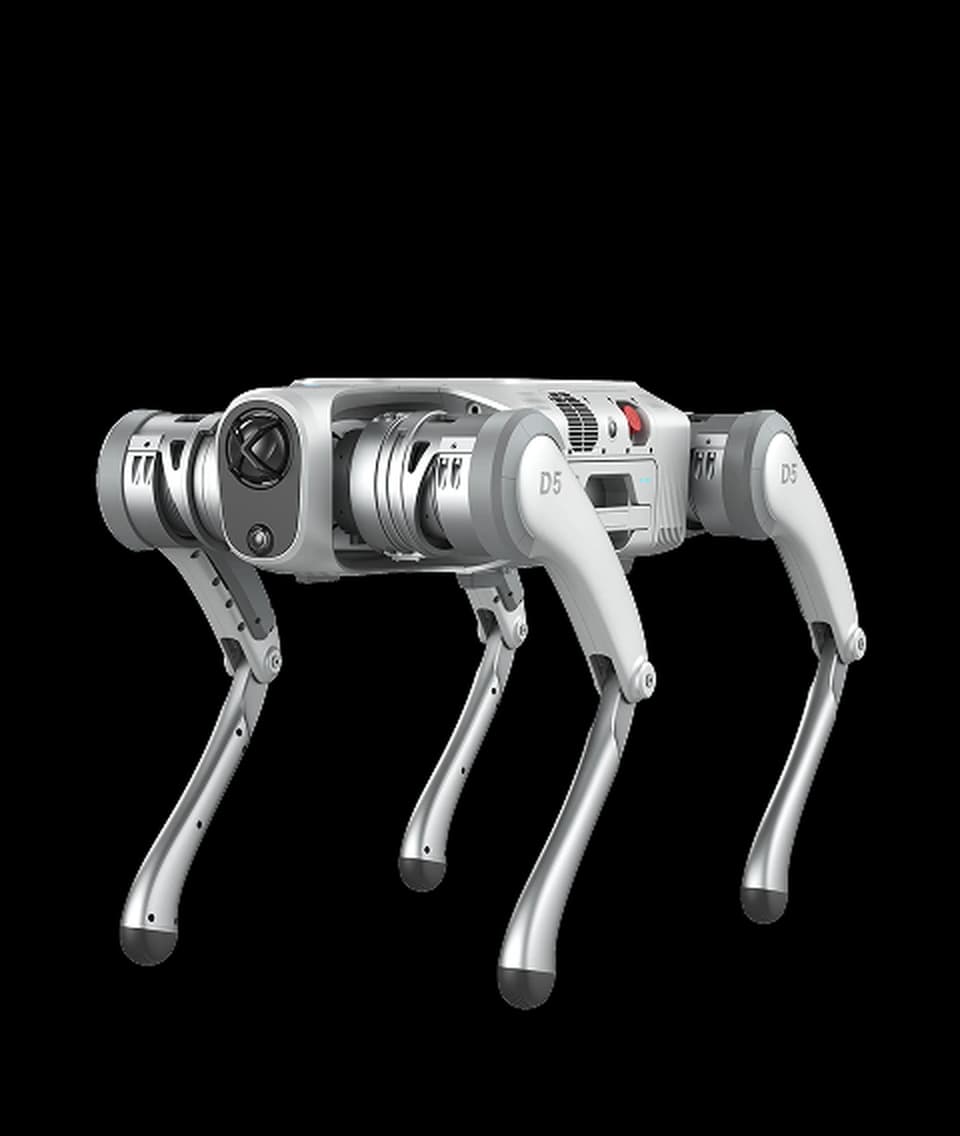
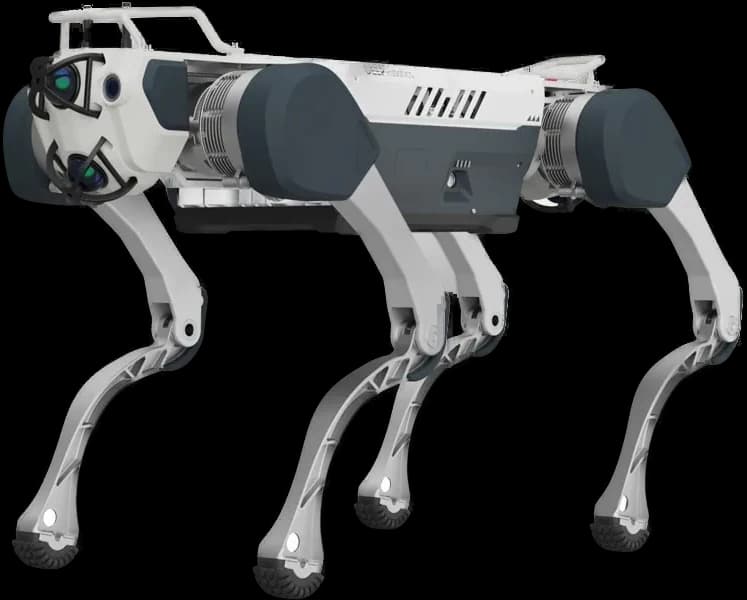
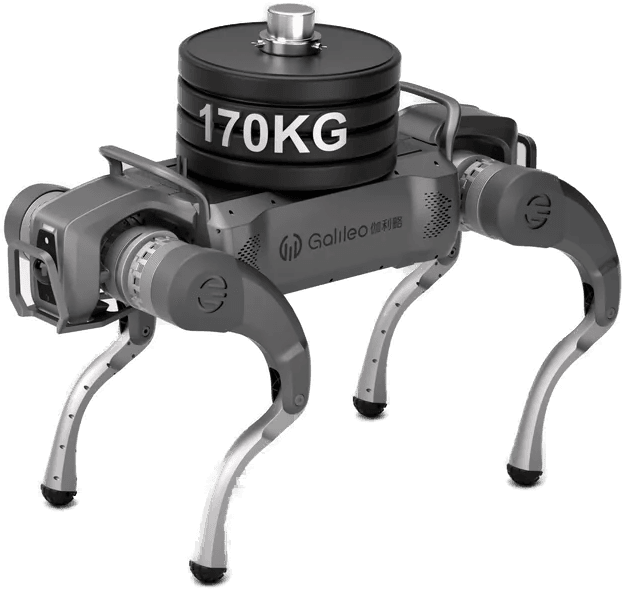
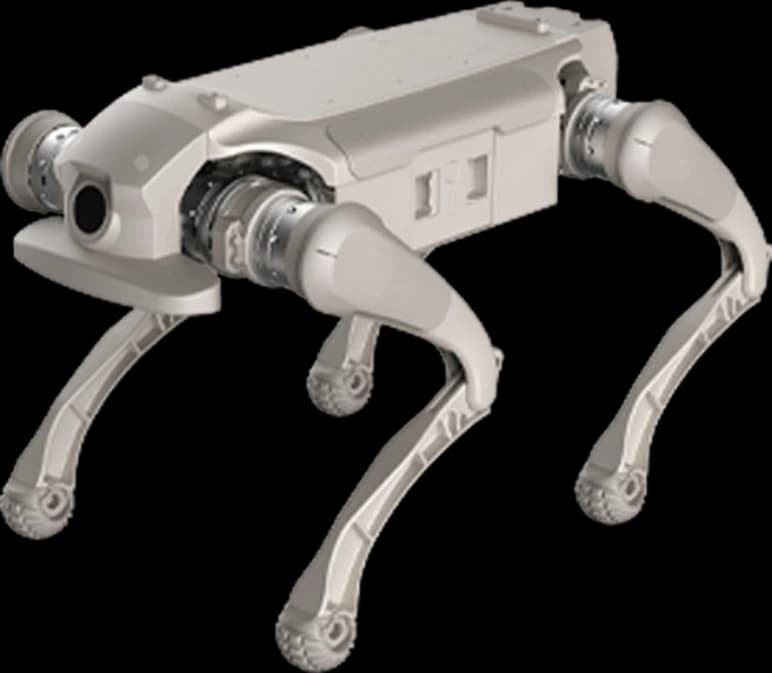
Selling the robot is where our work starts. Our real job is building the software and integration layer that turns a robot into a working mission: navigation, teleoperation, embedded autonomy and operations software.
Six Field-Validated Engineering Tracks
Autonomous Navigation
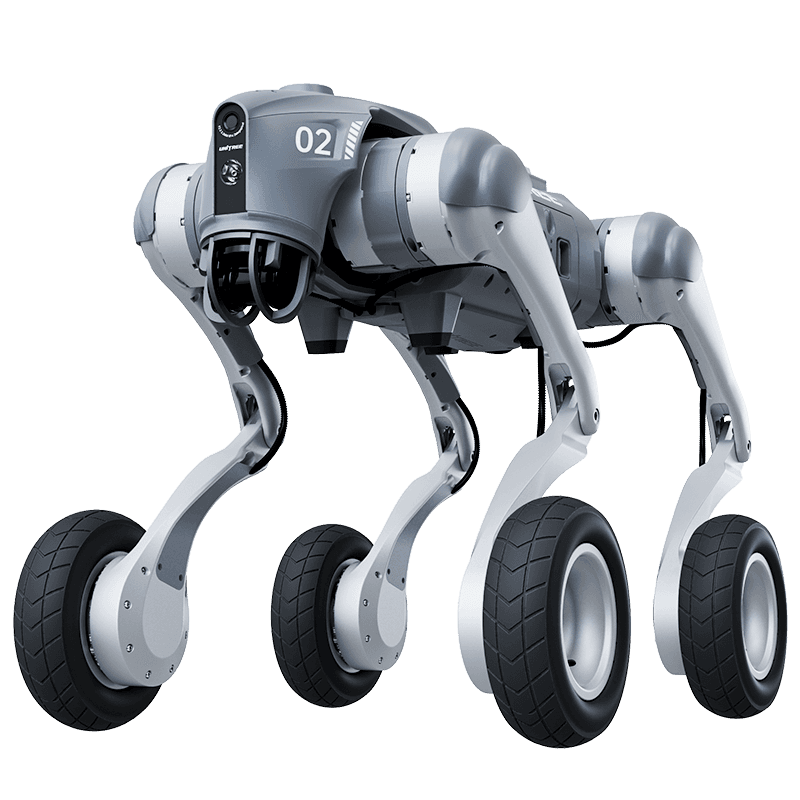
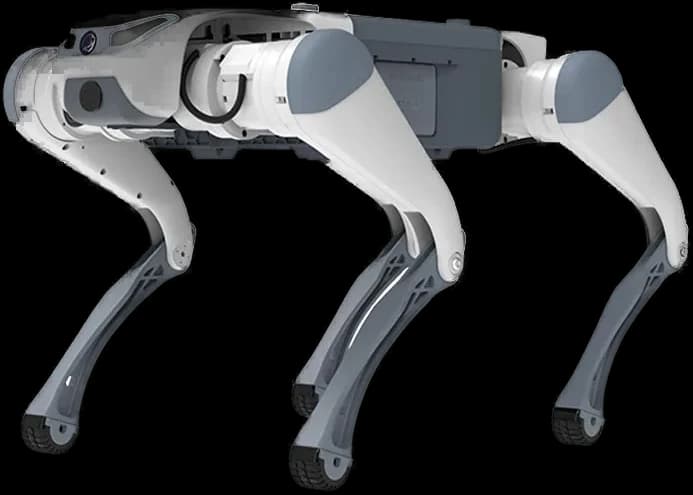
LiDAR-inertial odometry (FAST-LIO class), Nav2-based path planning, relocalization and map management. An end-to-end navigation stack built and field-validated on a wheeled quadruped: mapping, route following, obstacle avoidance and dock-based localization.
Teleoperation & Remote Command
Low-latency WebRTC video with browser-based driving; humanoid teleoperation via XR headsets. Multi-layer safety: an ARM/DISARM-disciplined command path, heartbeat watchdog, forward-obstacle protection and software e-stop.
Embedded Autonomy
An architecture where navigation and mission execution run entirely on the onboard NVIDIA Jetson, with no external PC in the loop. Watchdog supervisor, per-service auto-restart and self-check at boot.
RL Locomotion & Simulation
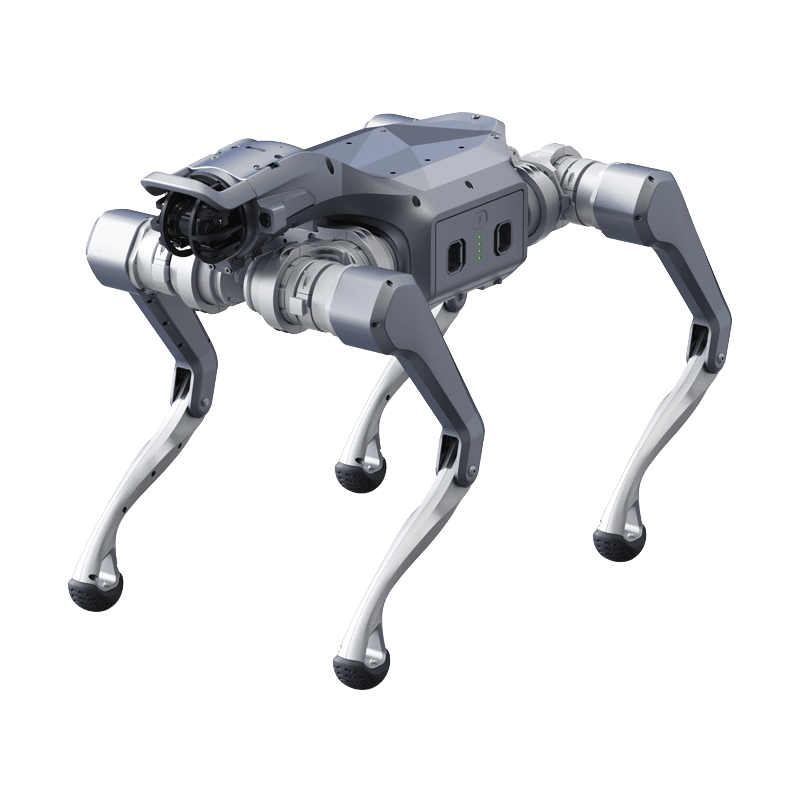
Isaac- and MuJoCo-based reinforcement learning pipelines, sim-to-real transfer and locomotion/balance policy development on the Unitree RL Gym ecosystem. Open to academic collaborations and customer POCs.
Fleet & Operations Software
A browser-based command panel: live telemetry, camera streams, map and mission planning, patrol routes, event logs and reporting. The interface layer that lets an operations team run robots like shift equipment.
SDK / API & Systems Integration
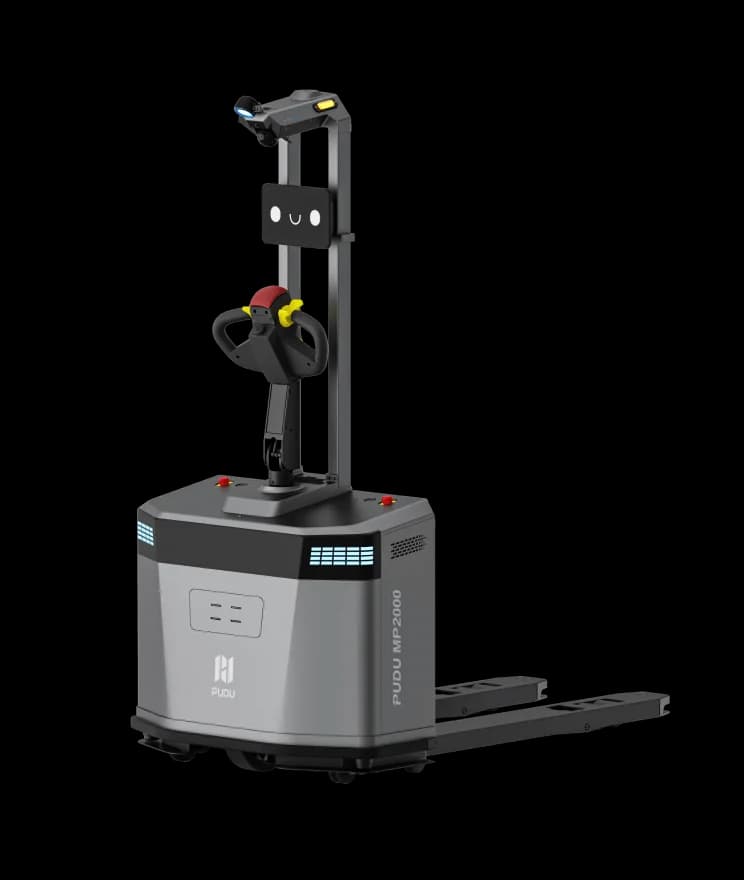
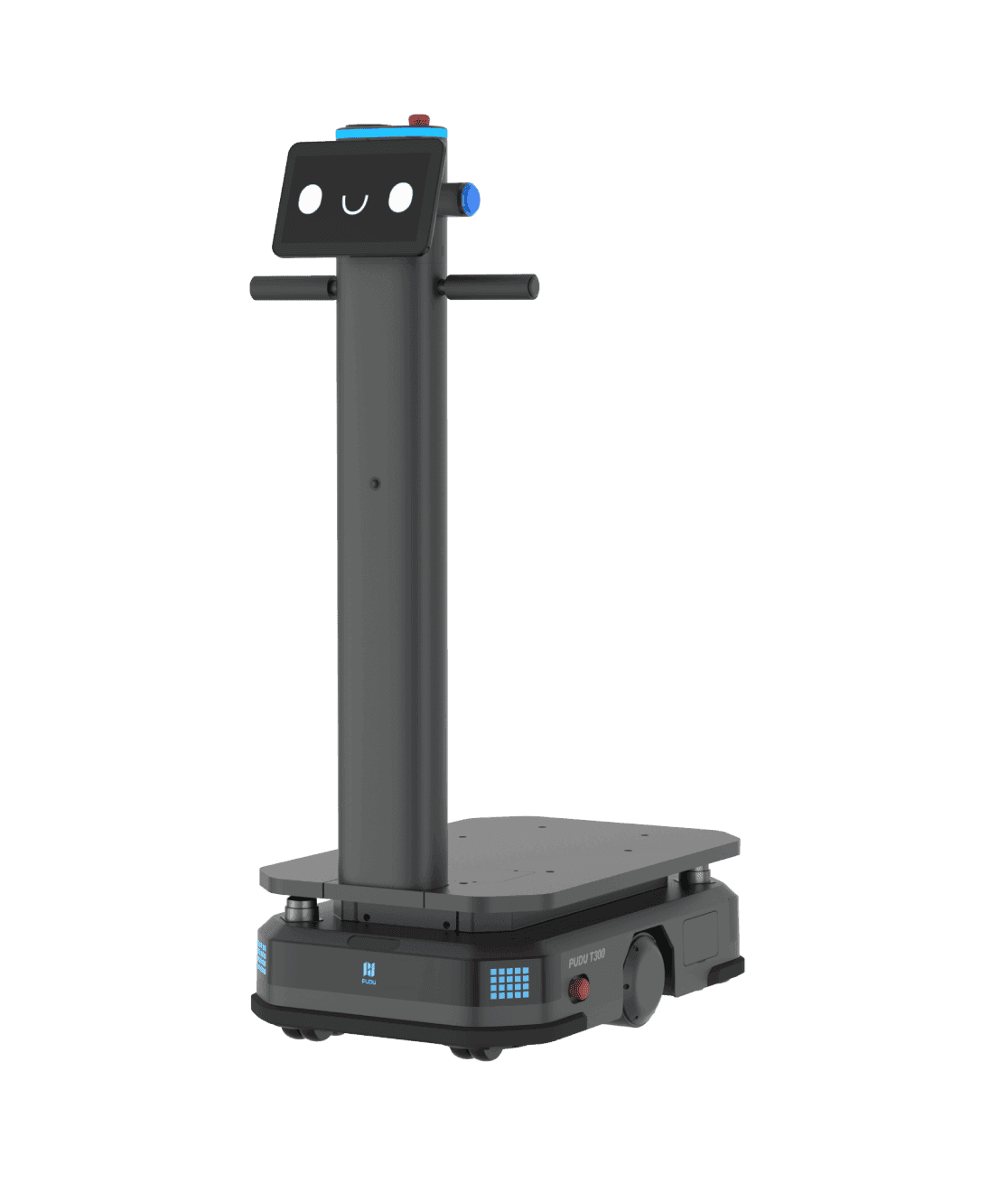
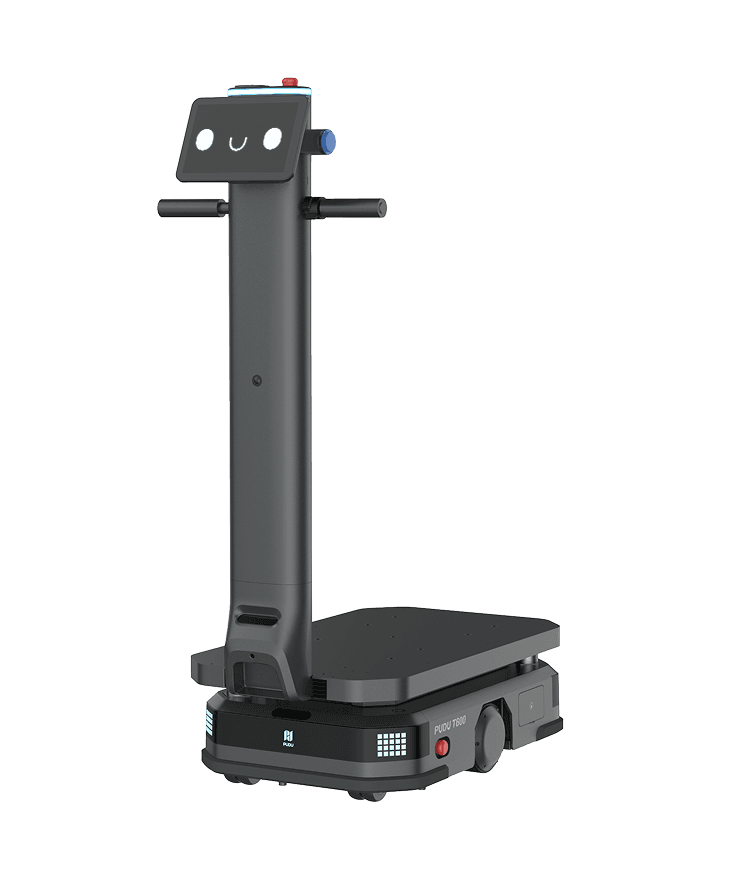
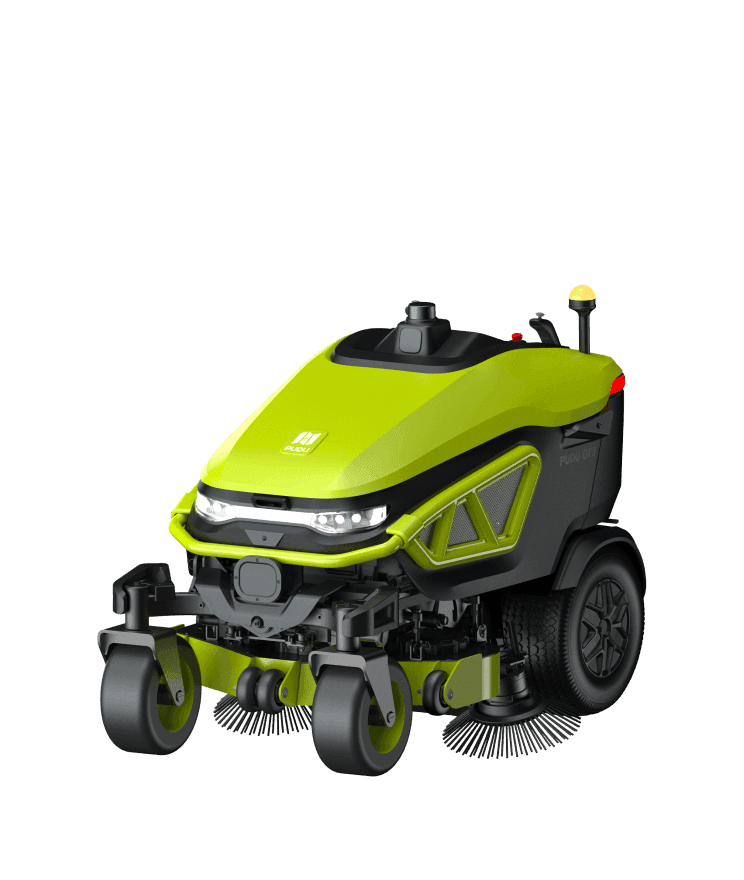
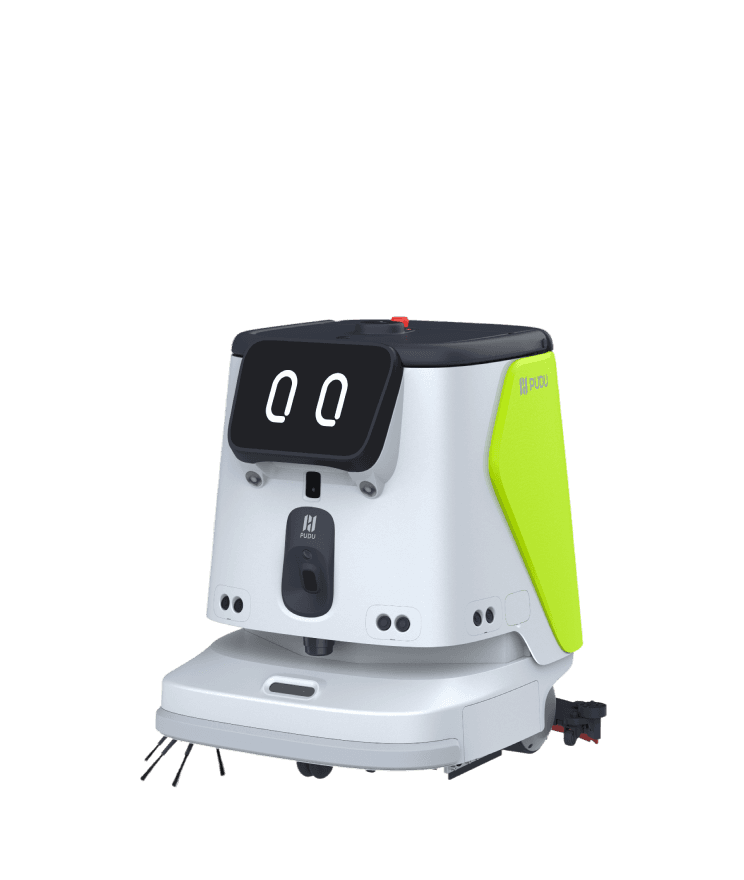
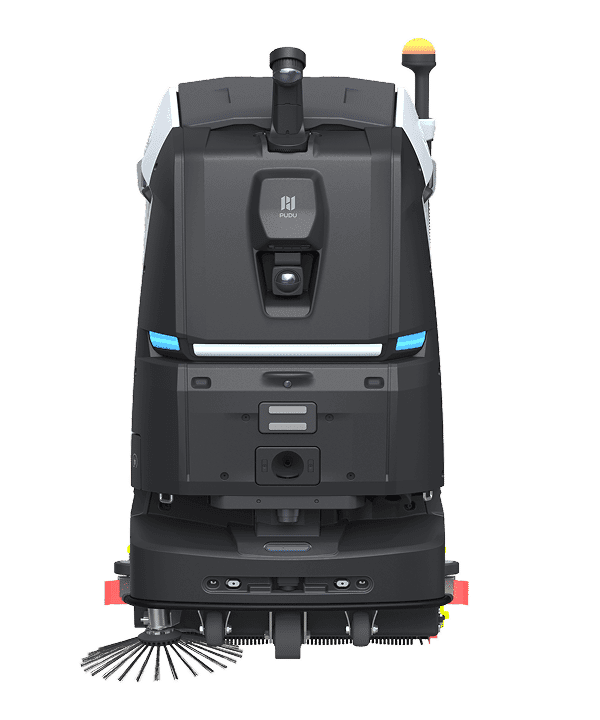
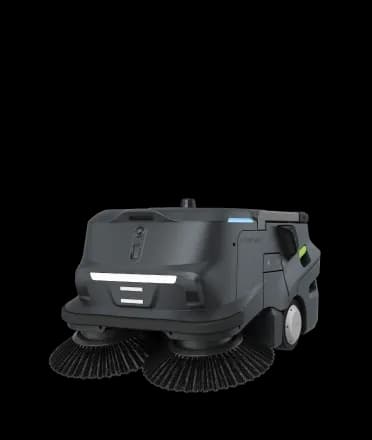
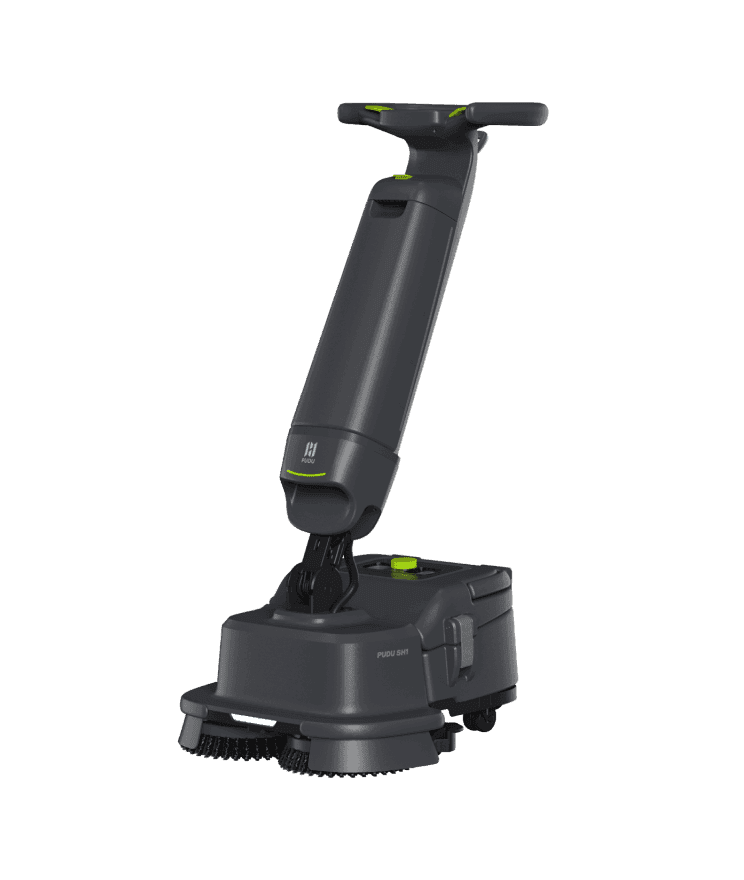
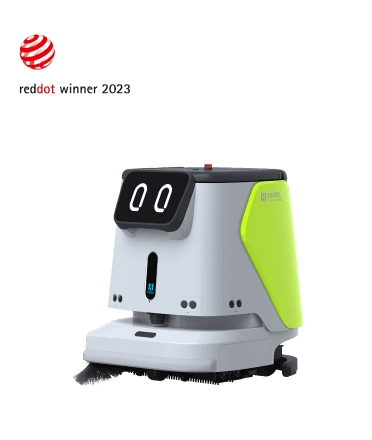
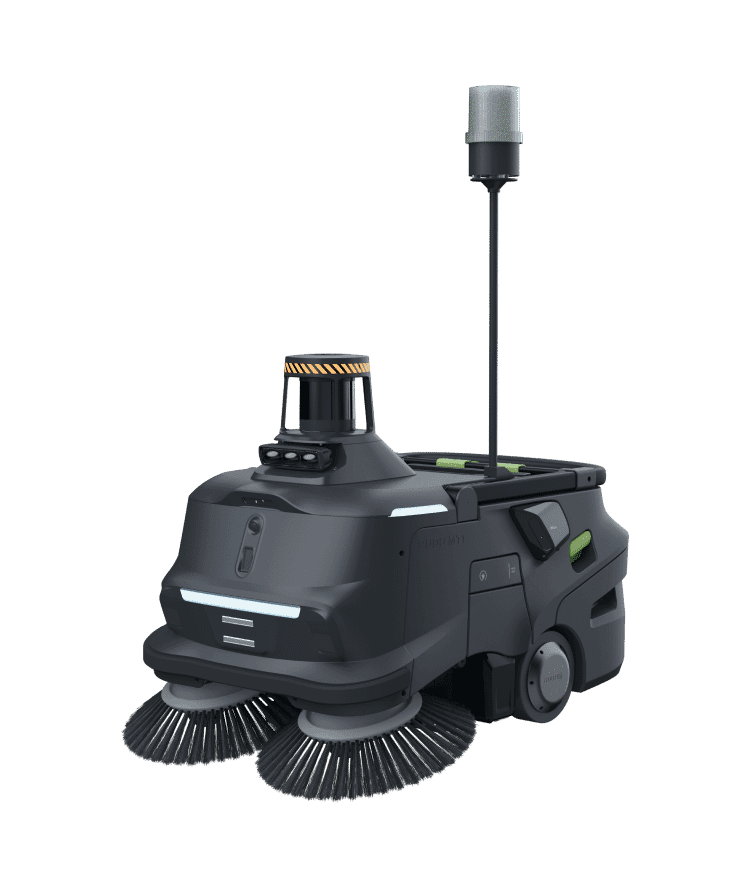
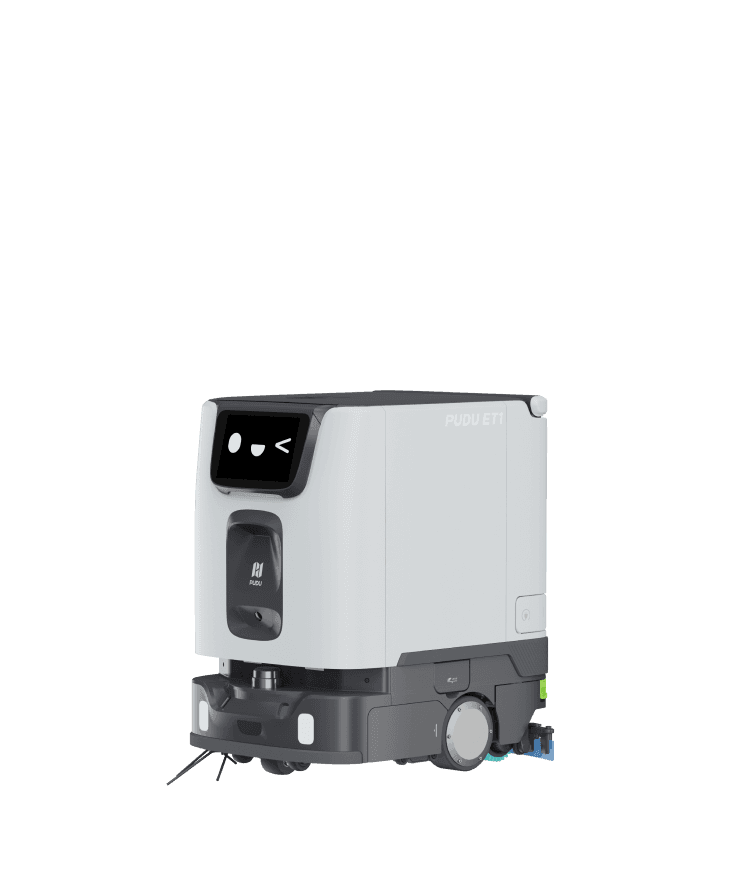
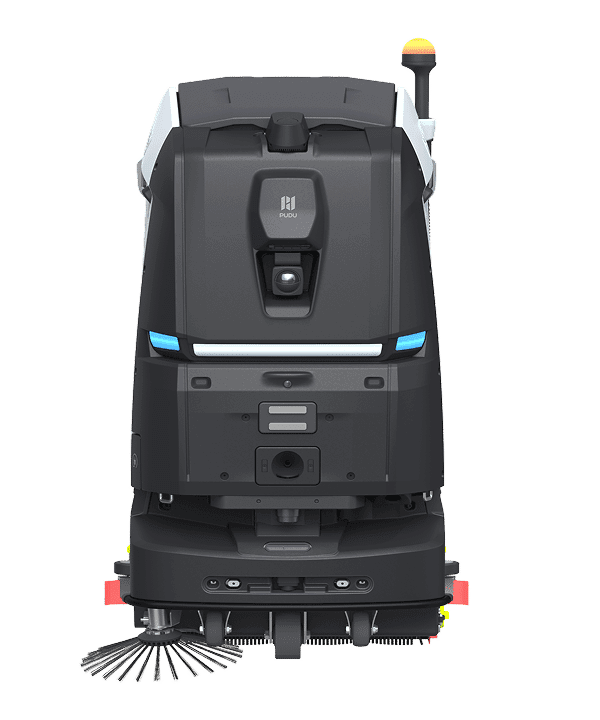
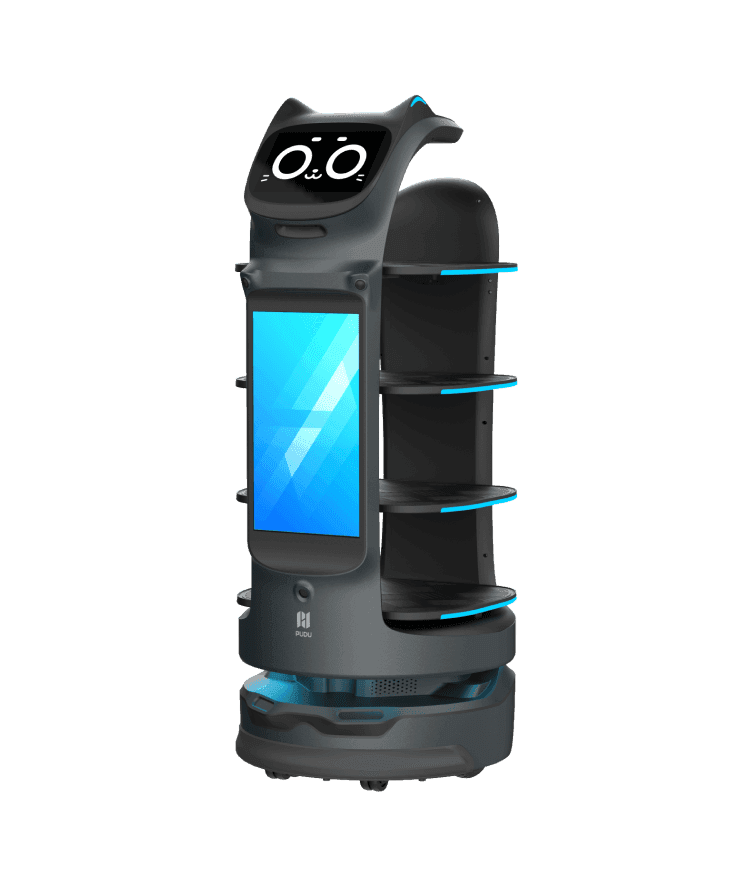
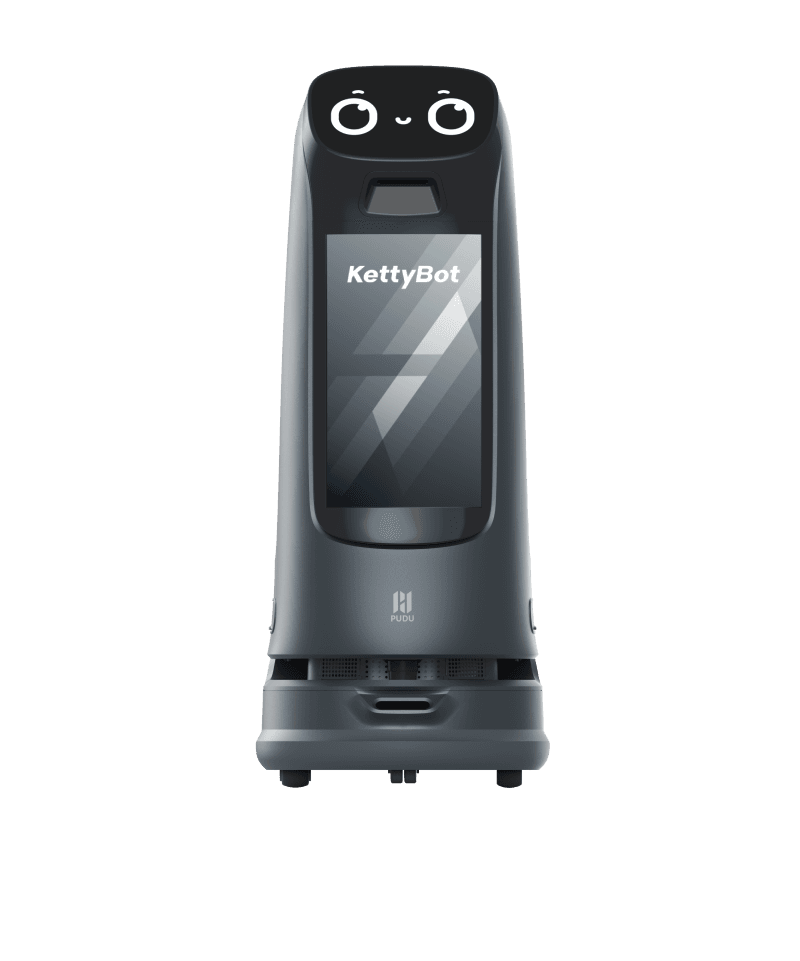
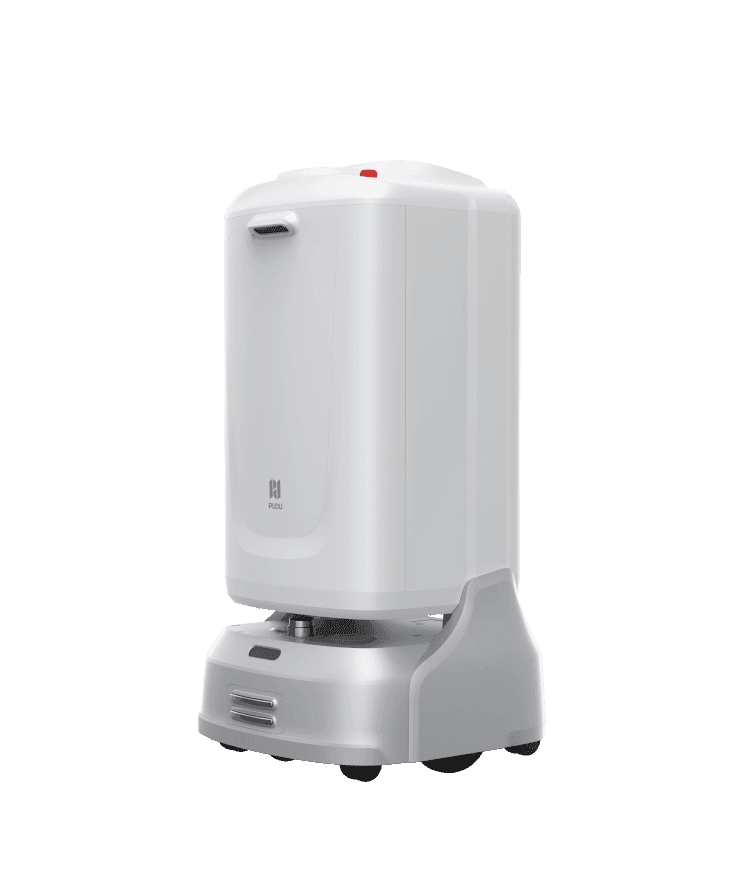
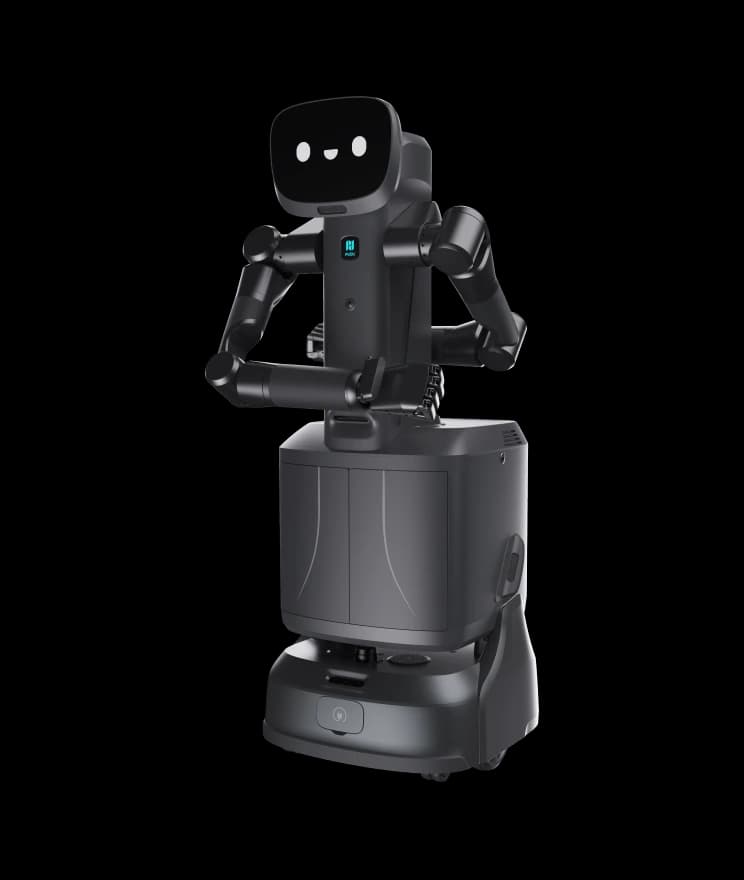
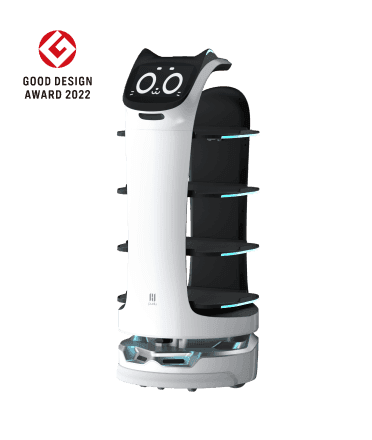
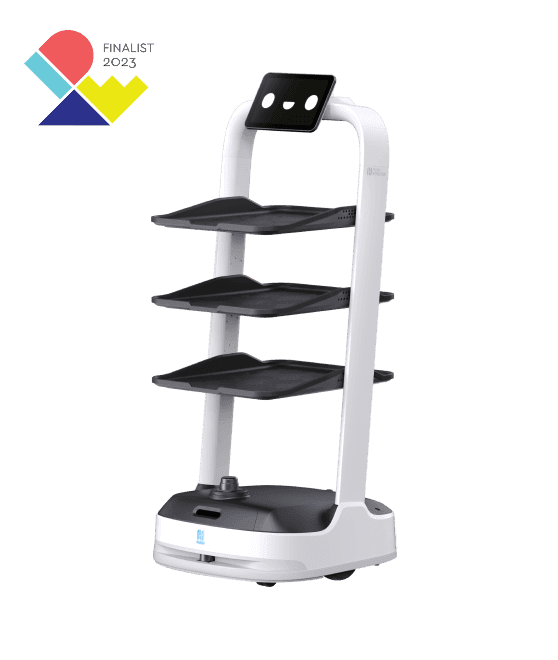
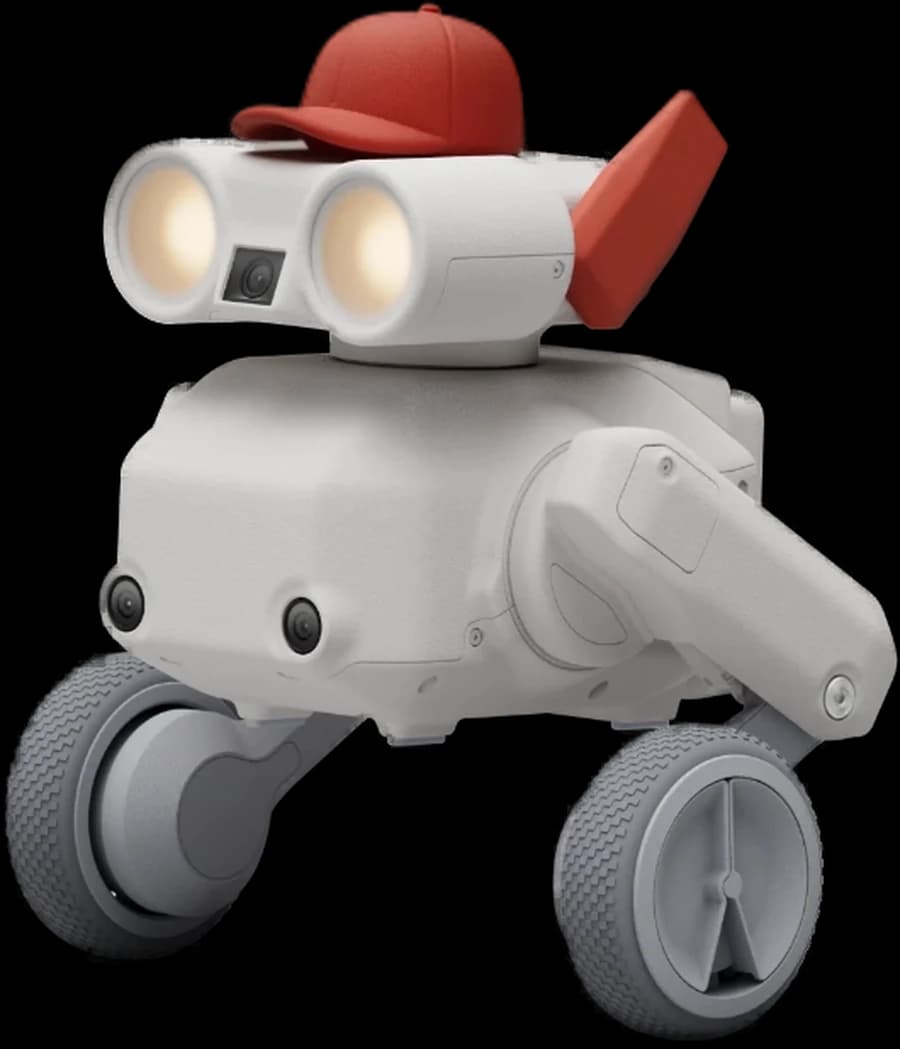
Low-level control via unitree_sdk2 and ROS 2, DDS networking, multi-host communication and enterprise integrations (access control, IoT, reporting). Mission APIs and floor-flow integration on the Pudu fleet.
From Survey to 24/7 Operations, Against Measurable Acceptance Criteria
Site, mission and acceptance criteria
Platform, sensor and software selection
End-to-end validation on a controlled site
Safety layers + operator training
24/7 monitoring, maintenance and iteration
Our safety principles apply at every stage: staged commissioning, speed limits, watchdog supervision and an e-stop that works in every scenario.
Our Focus Areas in the Open-Source Ecosystem
We actively develop and evaluate within the open-source robotics ecosystem around ROS 2, Nav2 and modern RL frameworks. In enterprise deployments we validate, harden and adapt these building blocks to your facility, and we'll build a solution of the same depth for you.
| Focus Area | How We Use It |
|---|---|
| Official Unitree toolchain (unitree_sdk2, unitree_ros2) | The base layer of all our ROS 2 integrations |
| RL locomotion training (Isaac / MuJoCo pipelines) | Core of our locomotion policy training pipeline; sim-to-real transfer |
| Quadruped autonomous navigation | Our architecture benchmarking and field validation work |
| Learning-based navigation (VLN-class models) | Evaluation of deployment approaches |
| Wheeled platform driver layer (Go2-W class) | Our low-level control work on hybrid platforms |
| Autonomous carrier scenarios | Evaluated in logistics mission designs |
| Deep-RL locomotion policies | Our policy architecture research |
| Constraint-aware navigation | Our keep-out zone and virtual wall approaches |
Unitree G1 Turnkey Research Platform
Isaac Lab digital twin, full-body teleoperation and synchronized data capture; ready on day one for universities and corporate R&D labs.
Valuable partners we proudly serve
References
























Talk to the team behind these deployments.
Let our enterprise sales and engineering team plan your solution.
Deploy Autonomy That Works at Your Facility
Describe your mission; get a clear engineering proposal with survey, architecture and acceptance criteria.