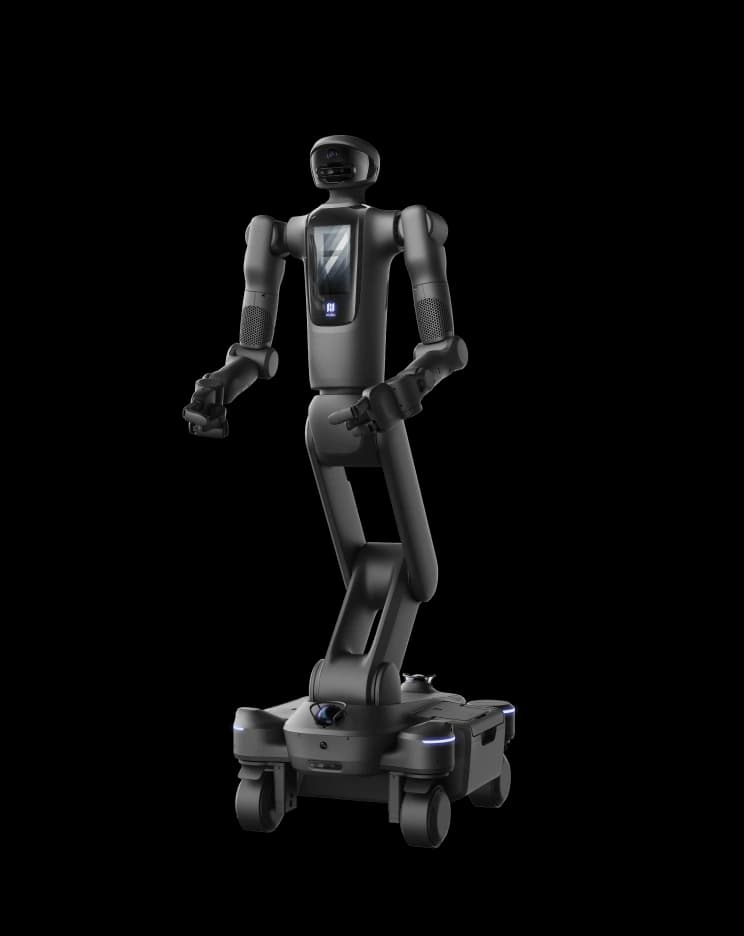
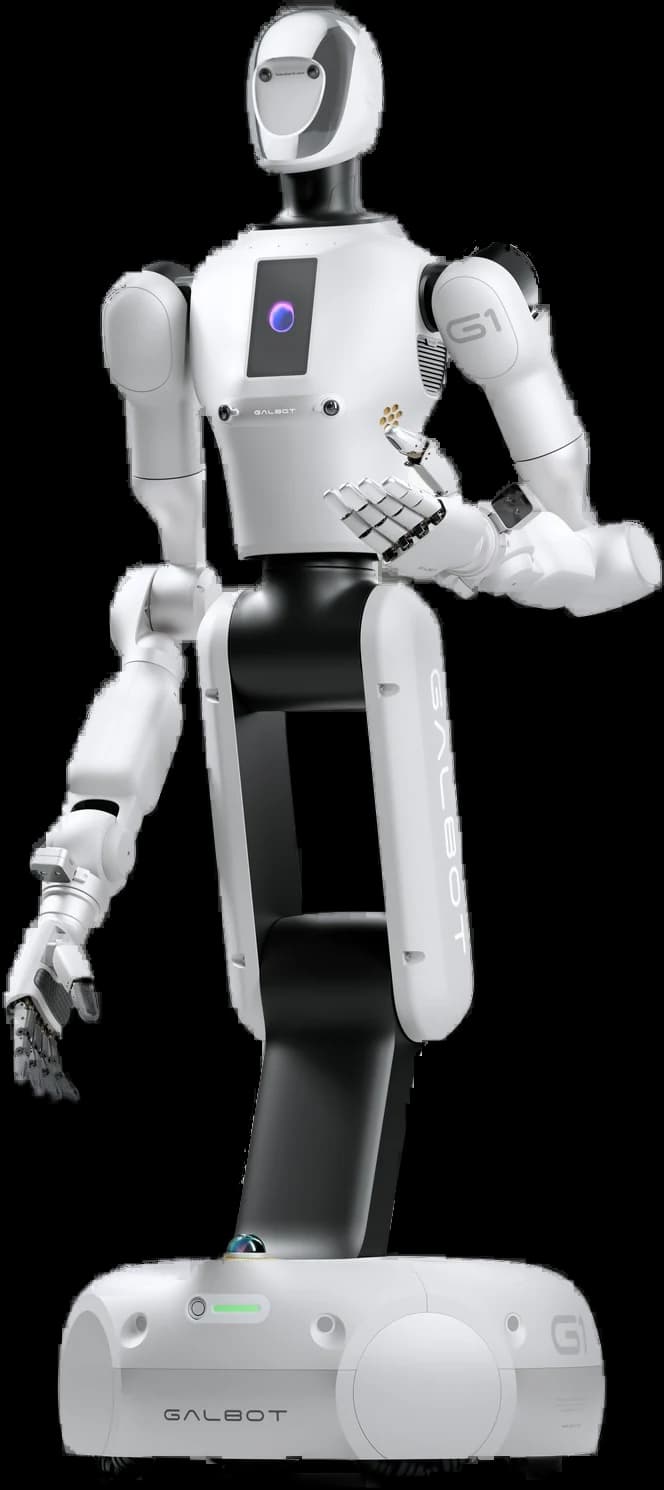
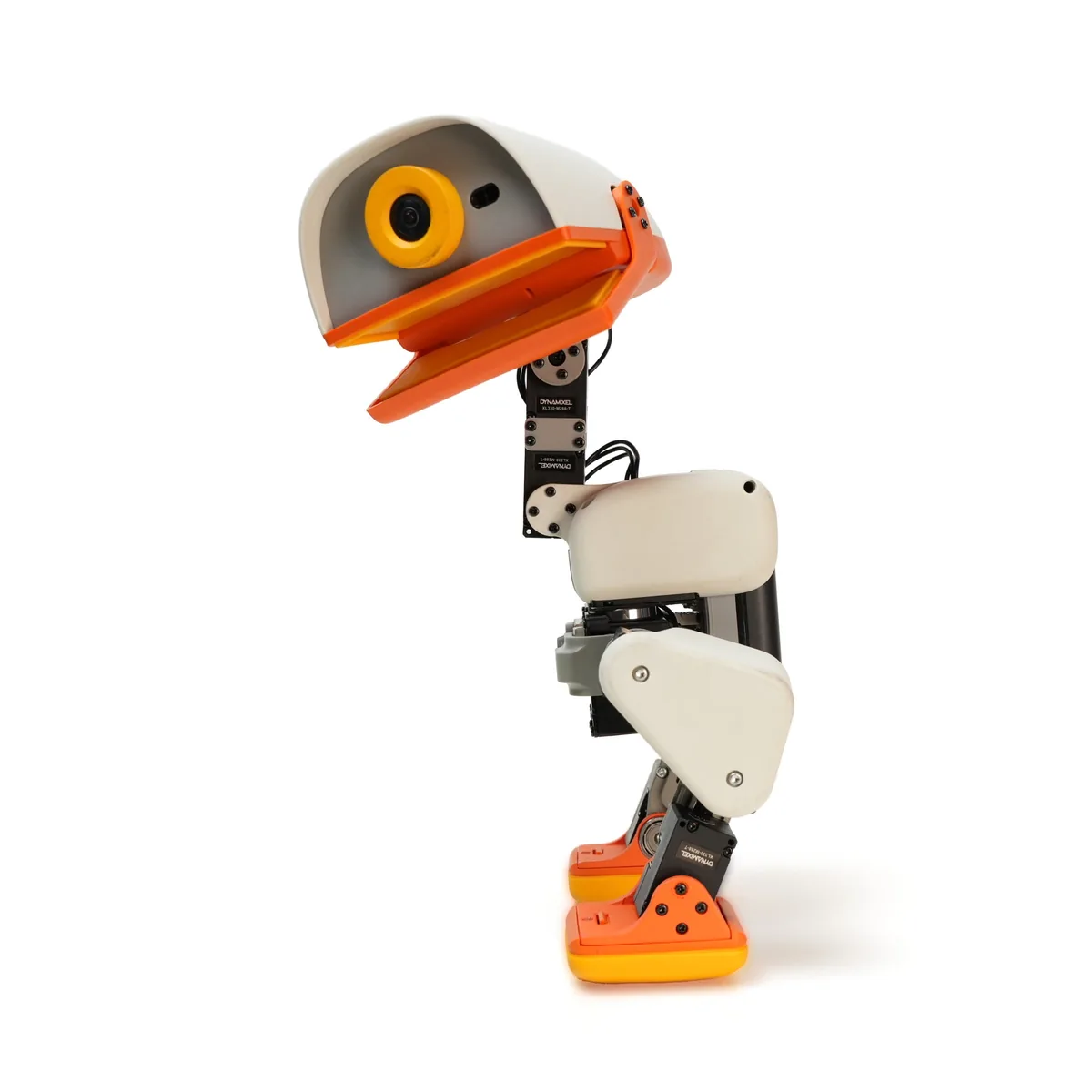
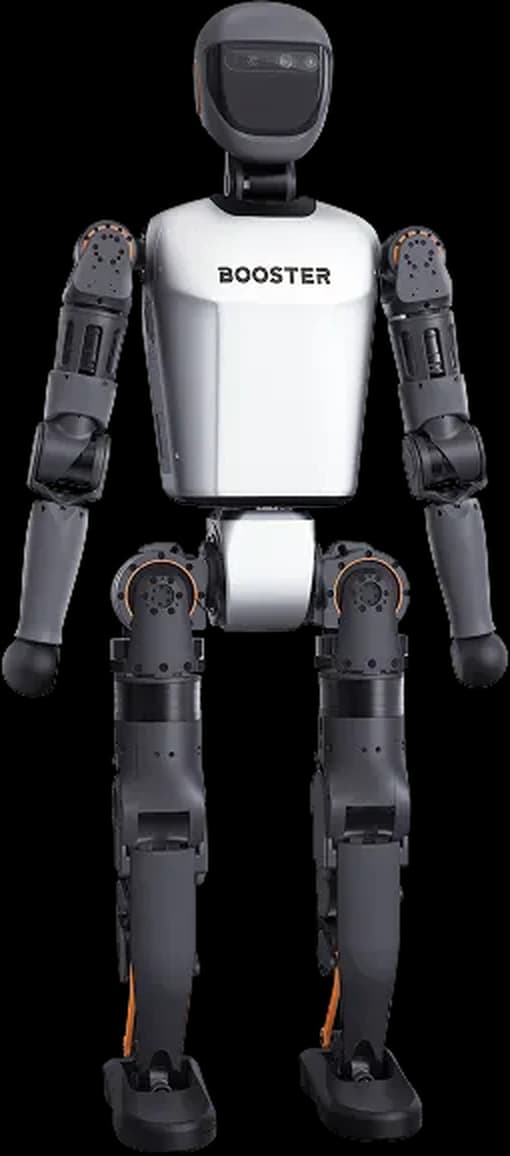
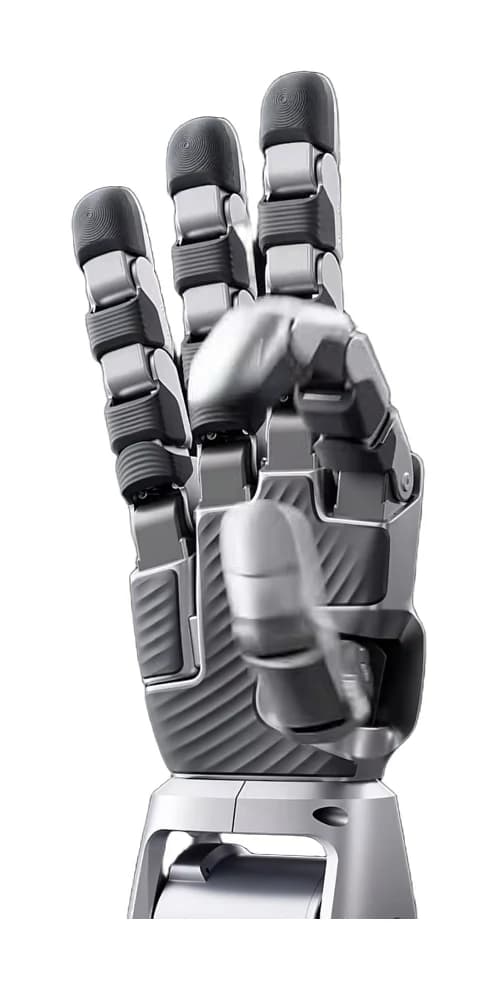
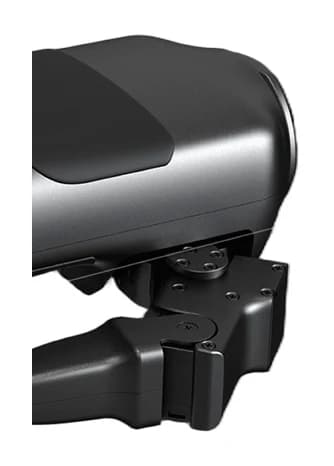
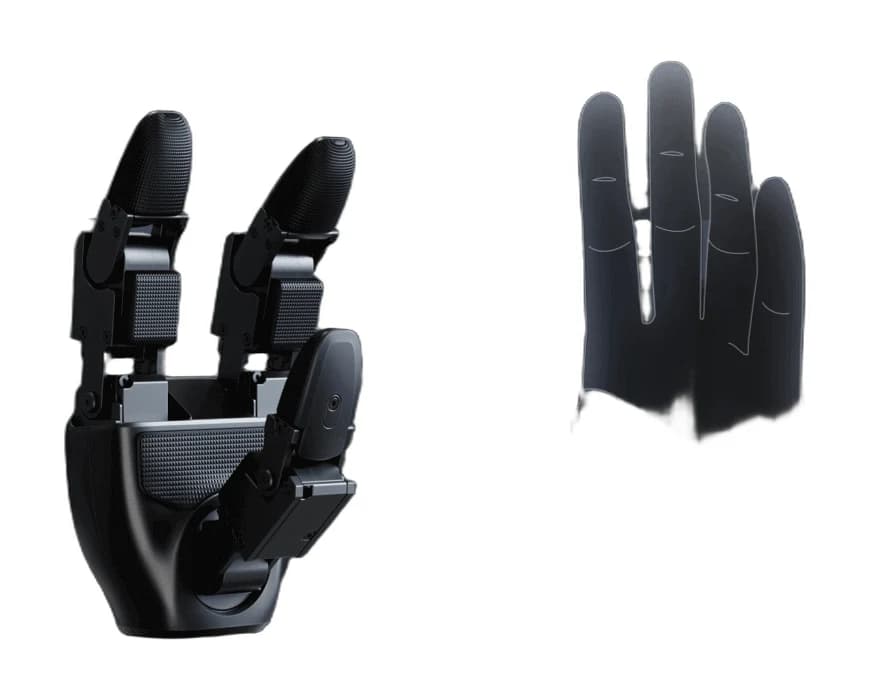
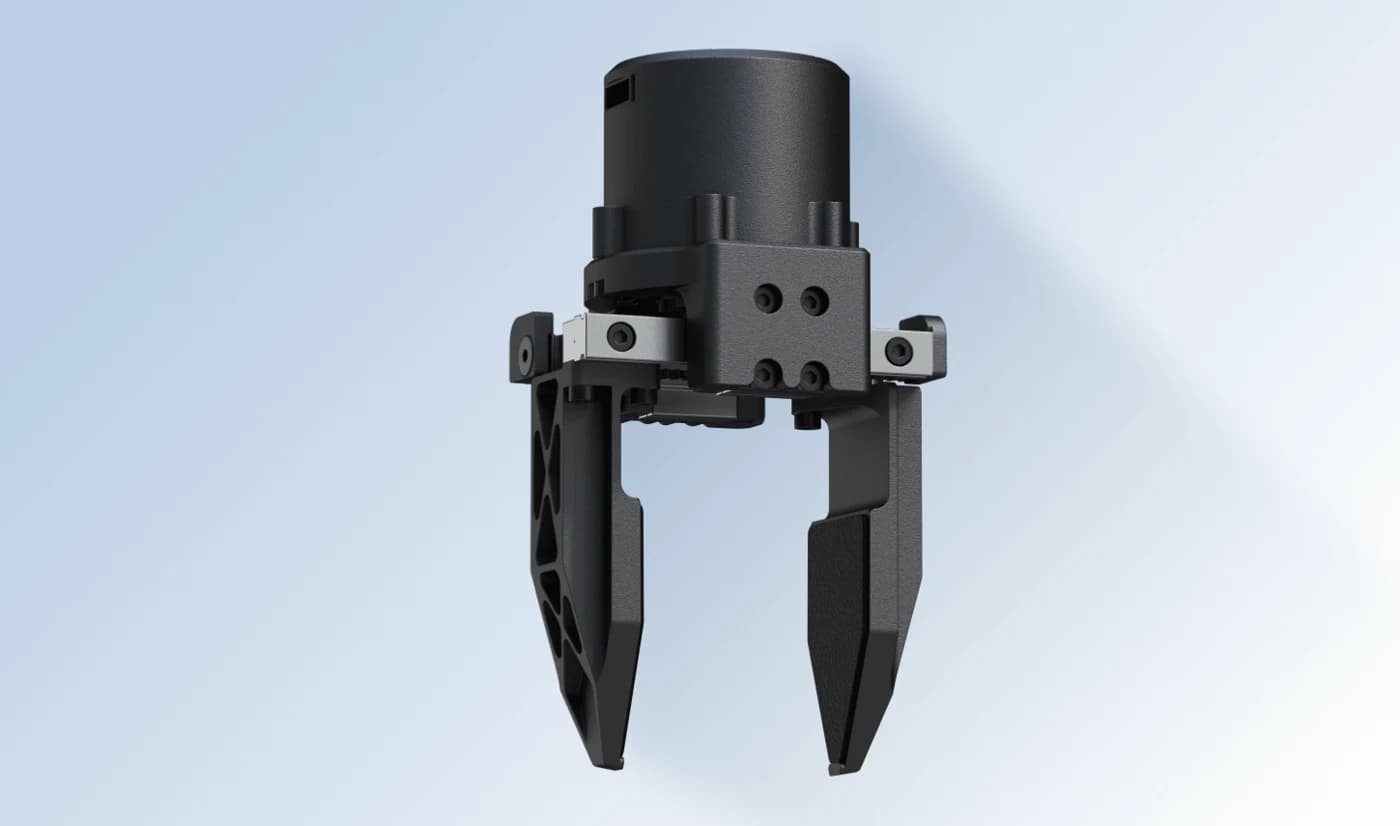

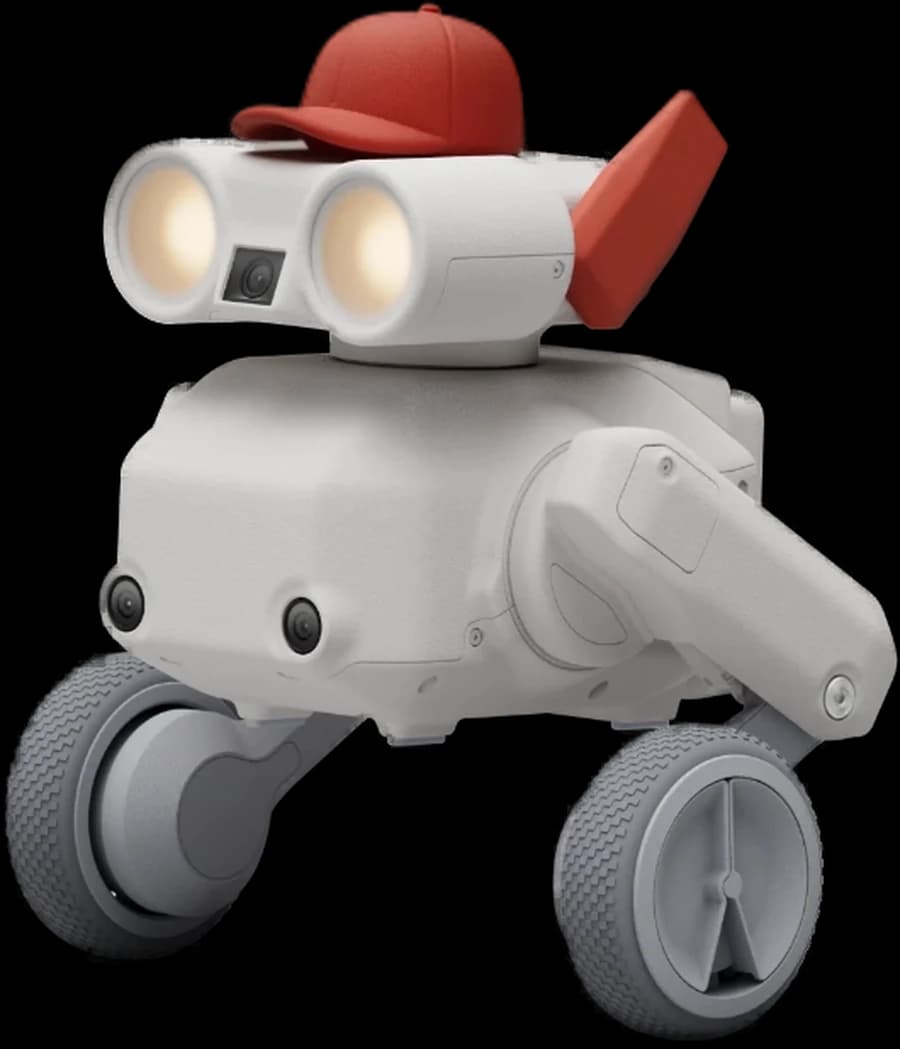
Future Robotic Workforce
We are transforming Turkey's manufacturing and service sectors with human-robot collaboration, autonomous systems and humanoid robots in the Industry 5.0 era.
4 Pillars of Robotic Workforce
Human-Robot Collaboration
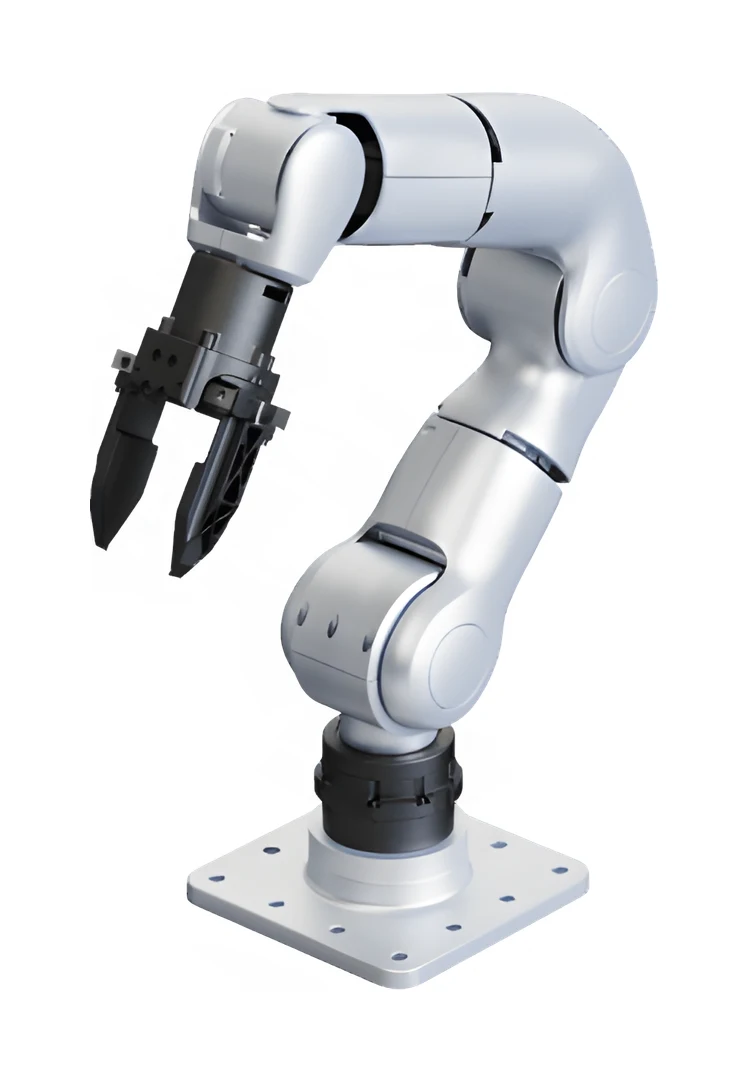
Robots handle dangerous and repetitive tasks while humans focus on creative, strategic and decision-oriented work.
Autonomous Systems
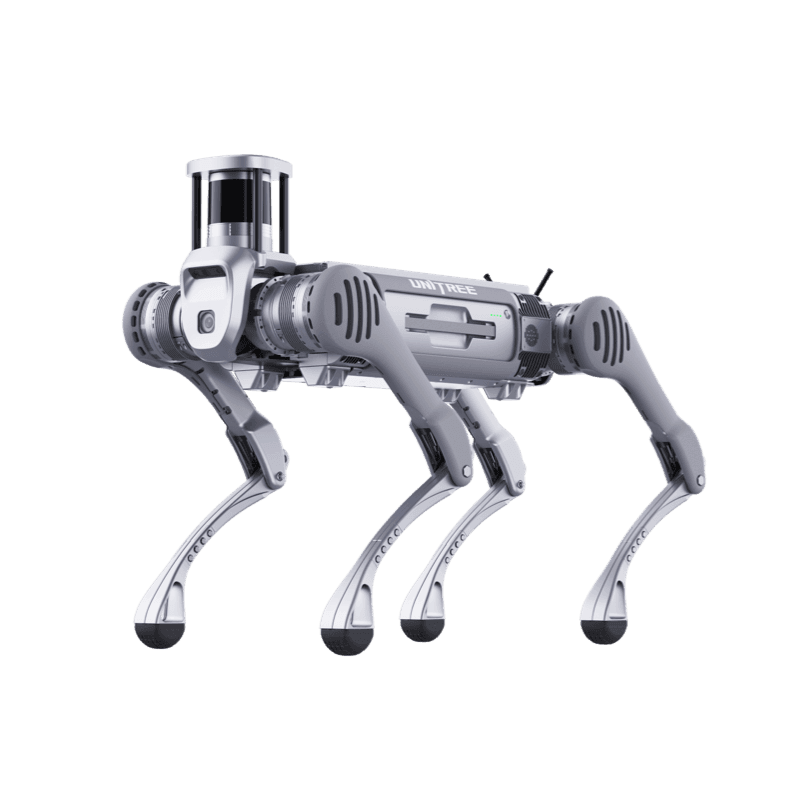
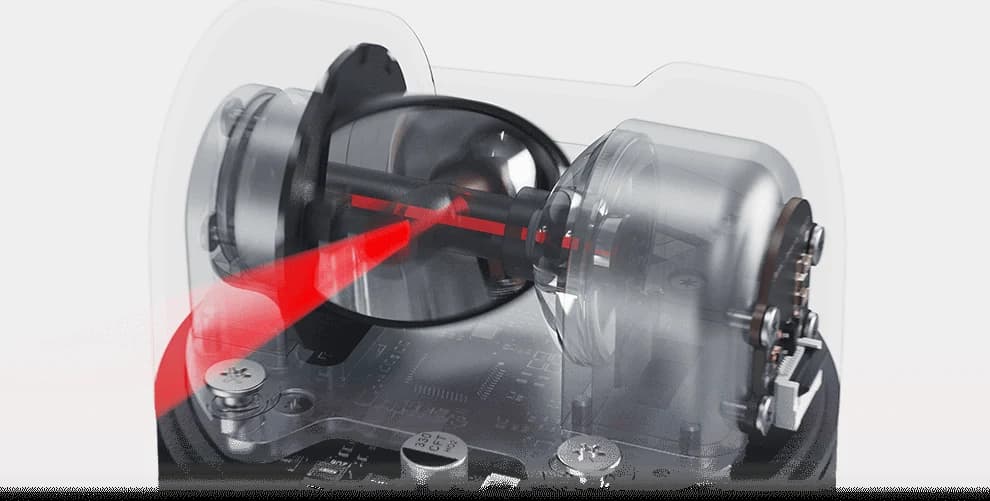
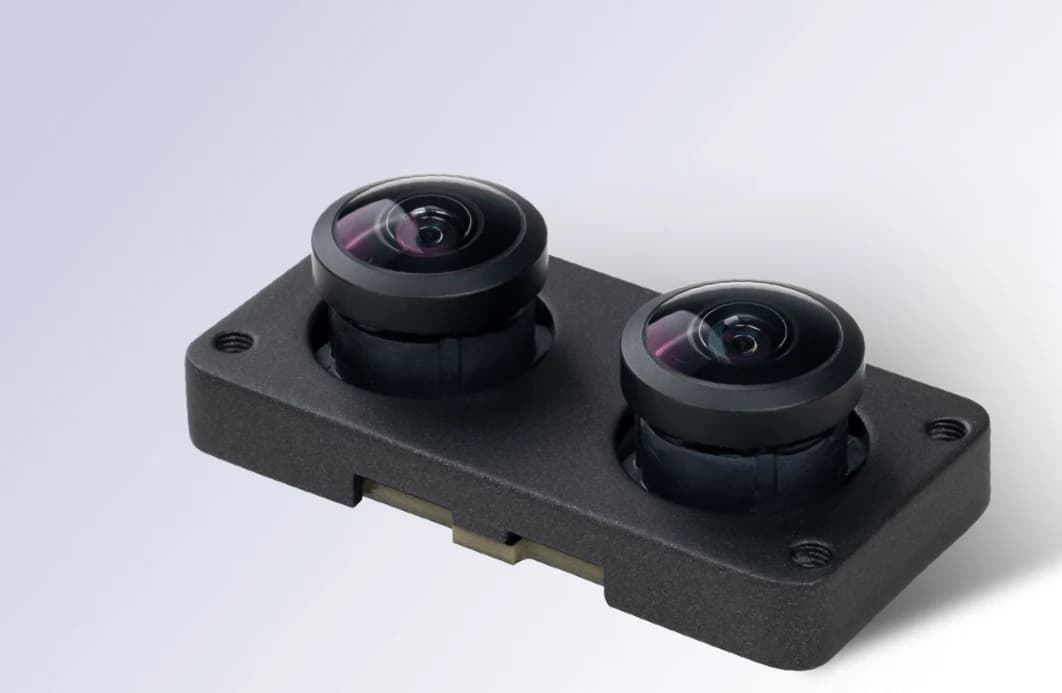
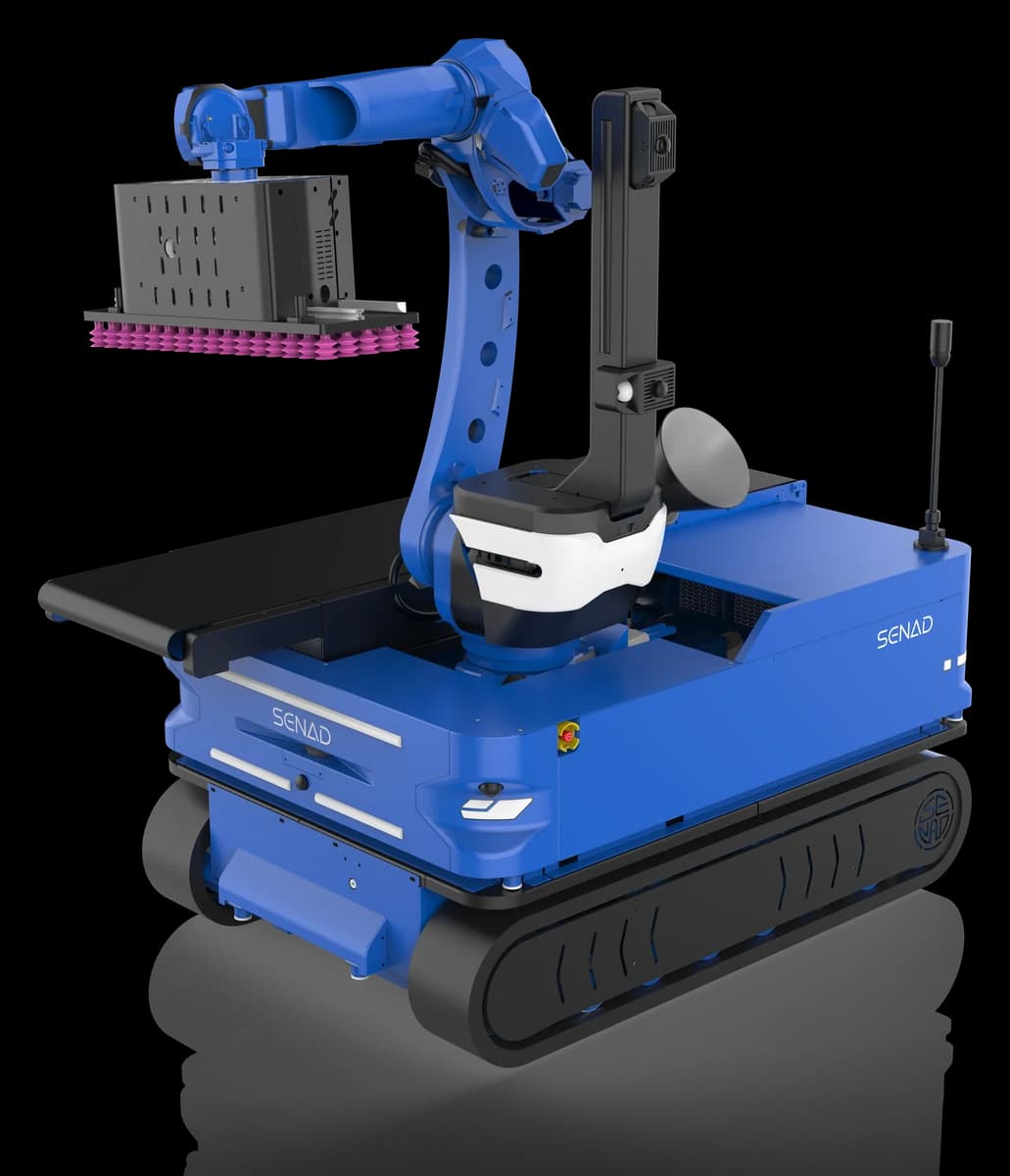
Robot platforms that move, make decisions and complete tasks independently using LiDAR, SLAM and computer vision.
Sustainable Production
Contribution to environmental sustainability with energy efficiency, waste reduction and 24/7 uninterrupted operation.
Scalable ROI
Unit cost falls as the fleet grows. Payback depends on your shift count, staffing costs and utilisation; we build the case on your own figures.
Robotic Transformation in Sectors
Robotic solutions address different challenges in each sector. Here are the main application areas in Turkey.
Industrial Facilities
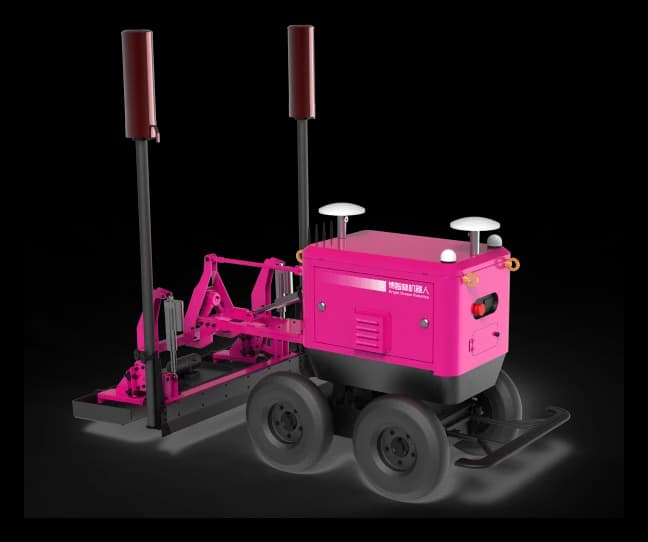
Autonomous patrol, material handling, assembly line automation, quality control and hazardous zone scanning.
Logistics & Warehousing
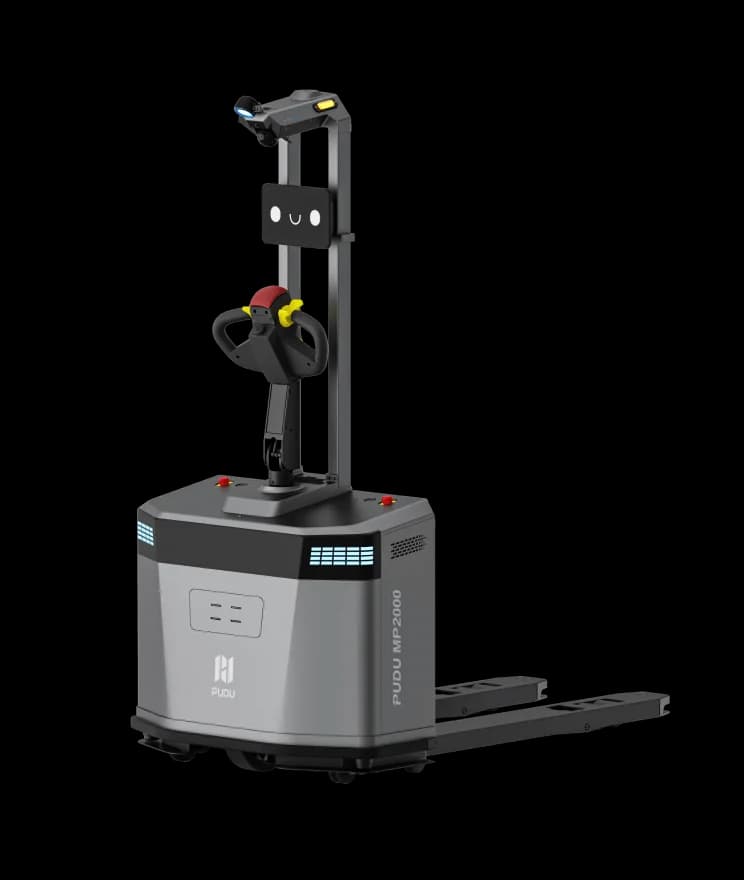
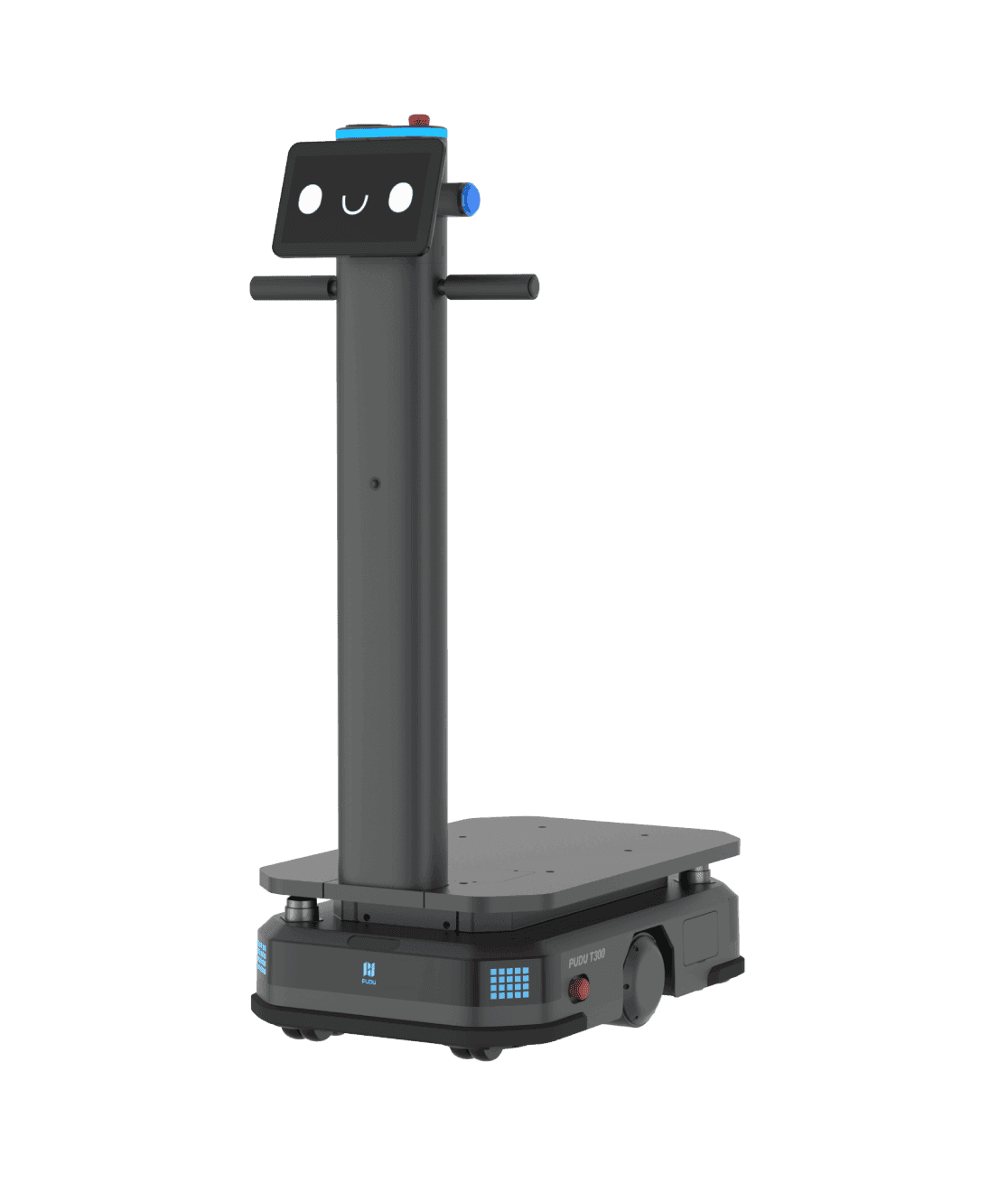
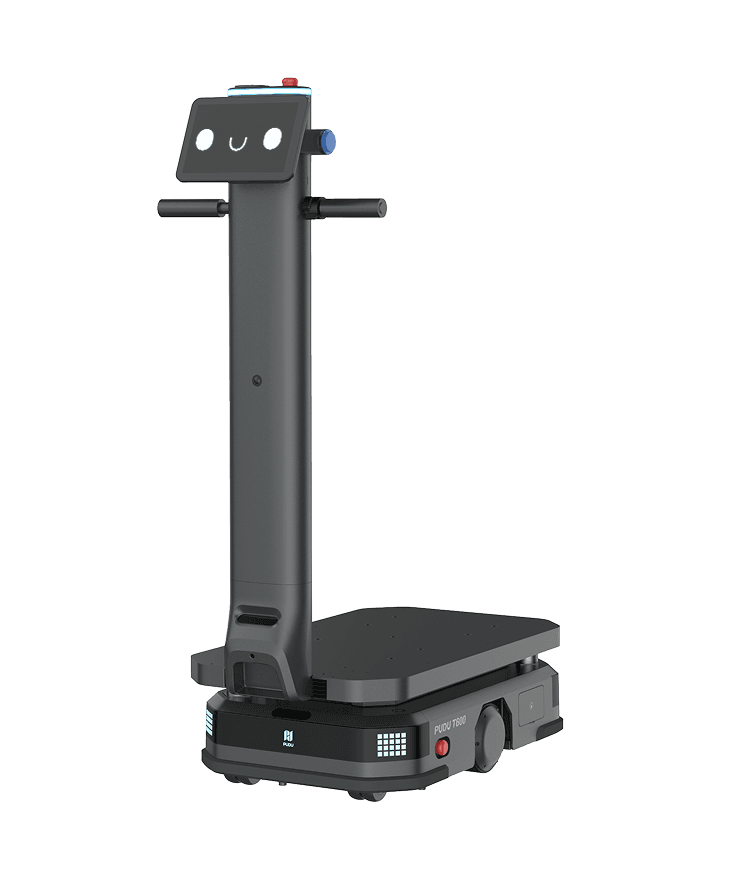
Autonomous forklift, pallet transport, inventory counting, warehouse navigation and order picking.
Service & Retail
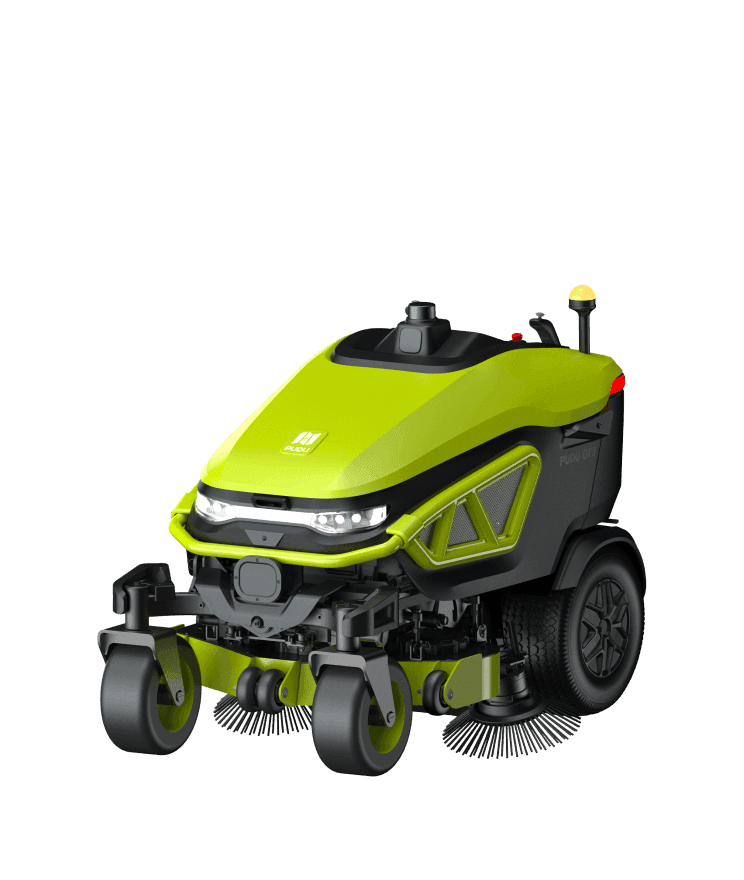
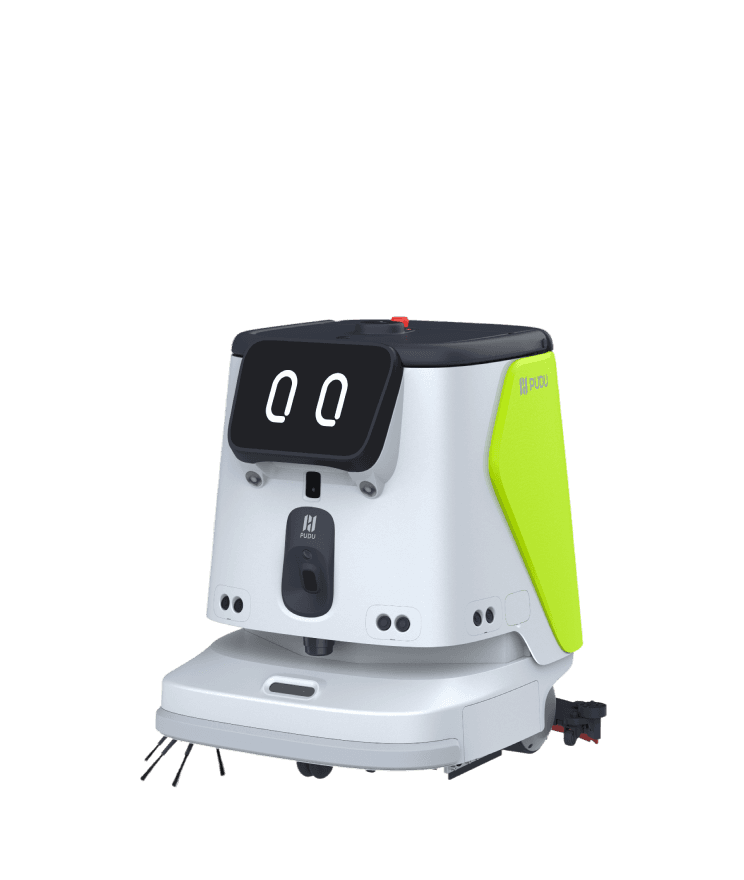
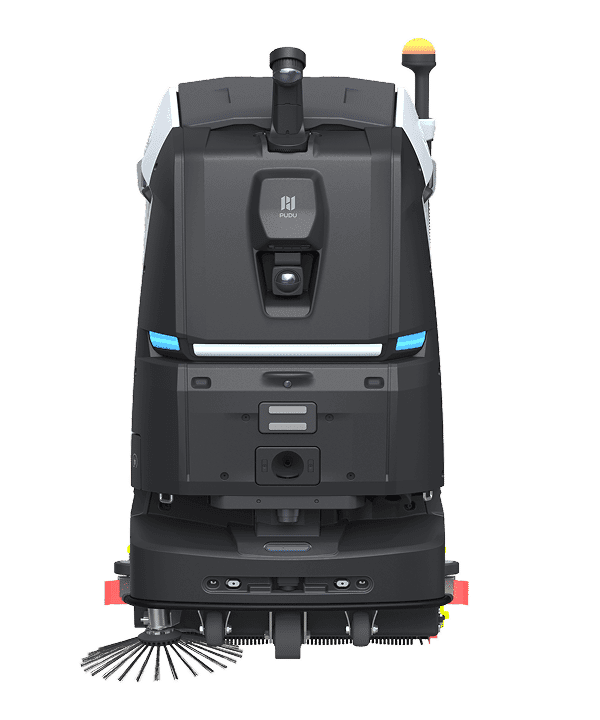
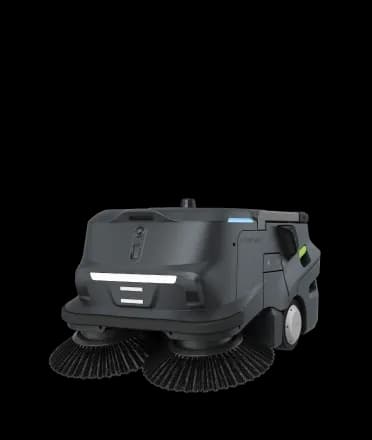
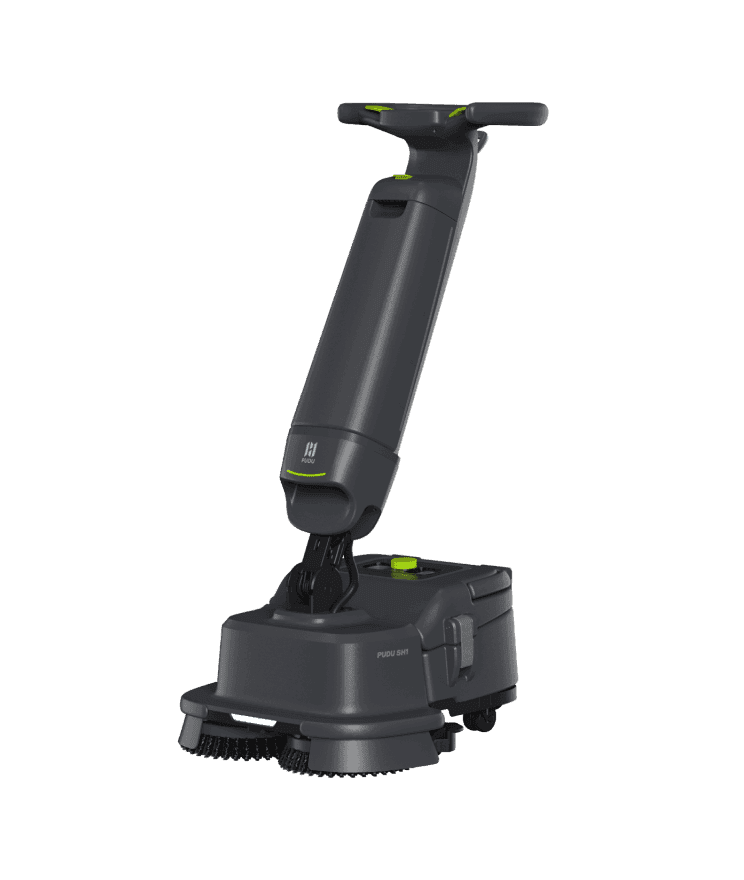
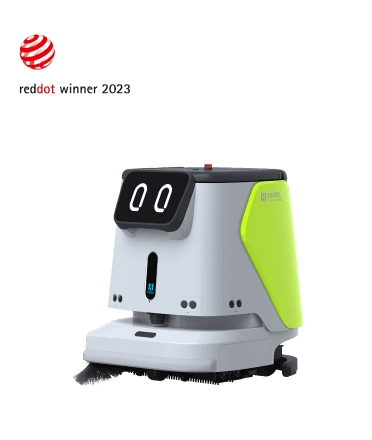
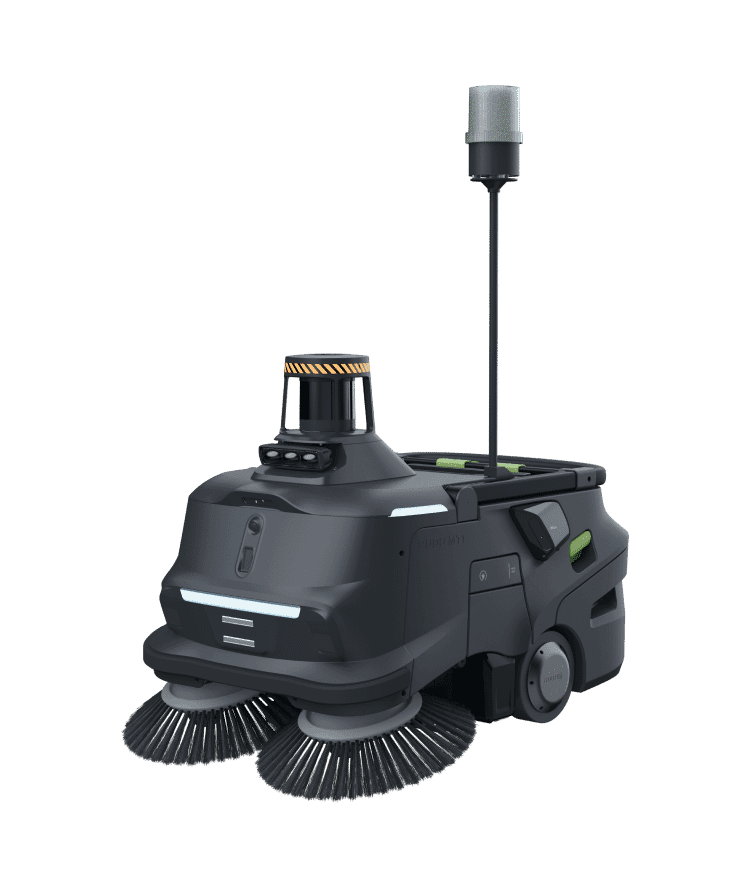
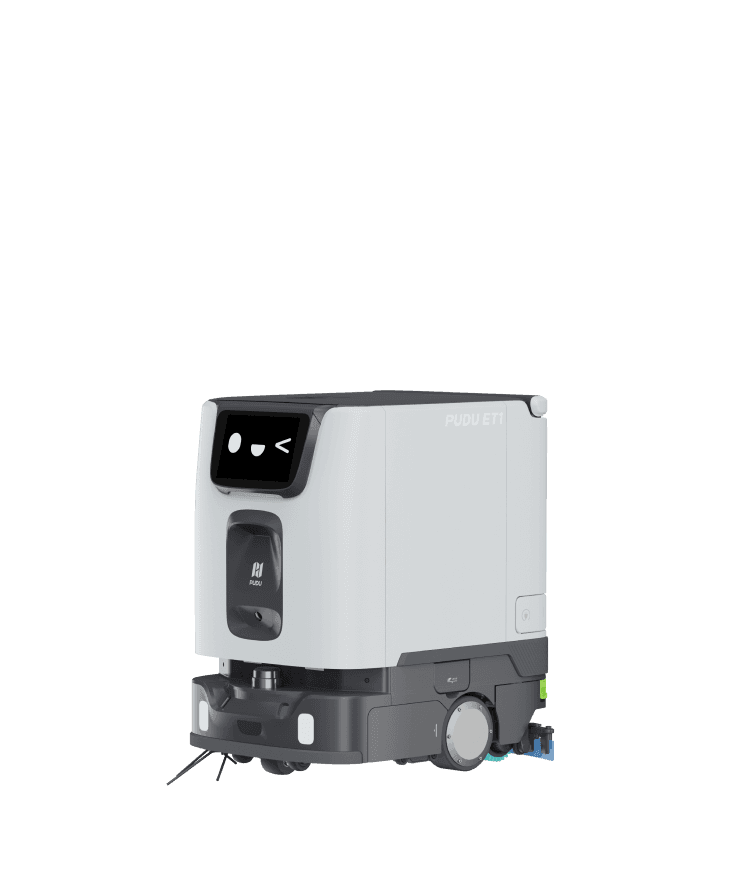
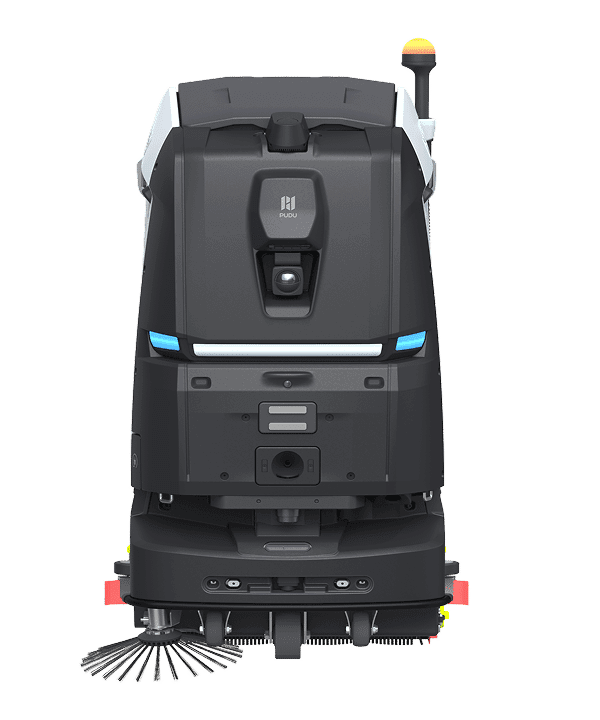
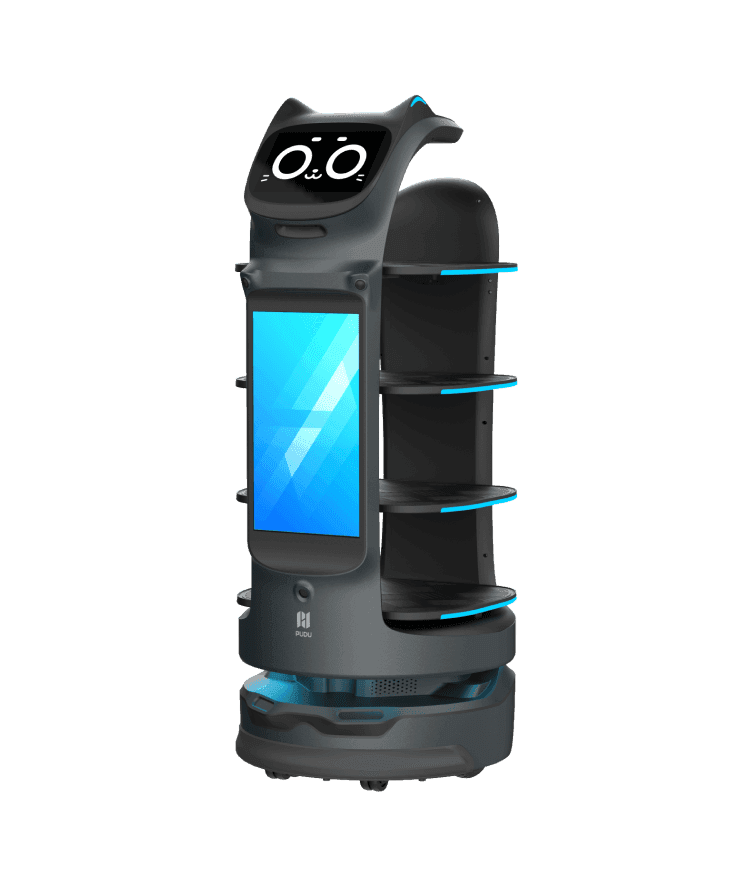
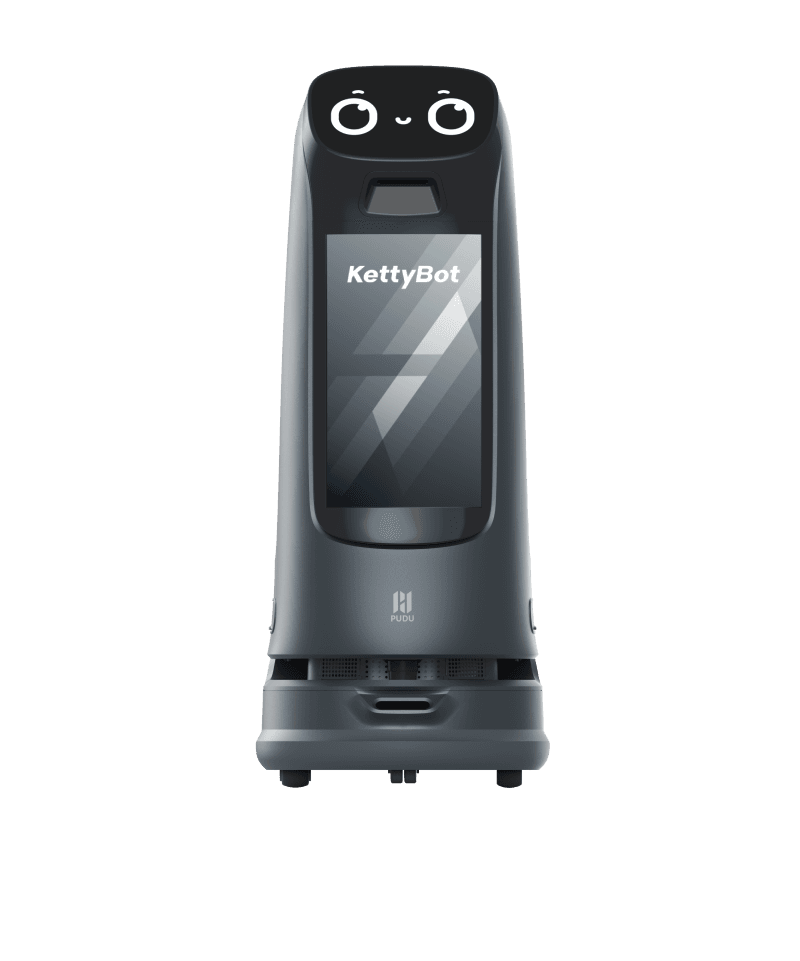
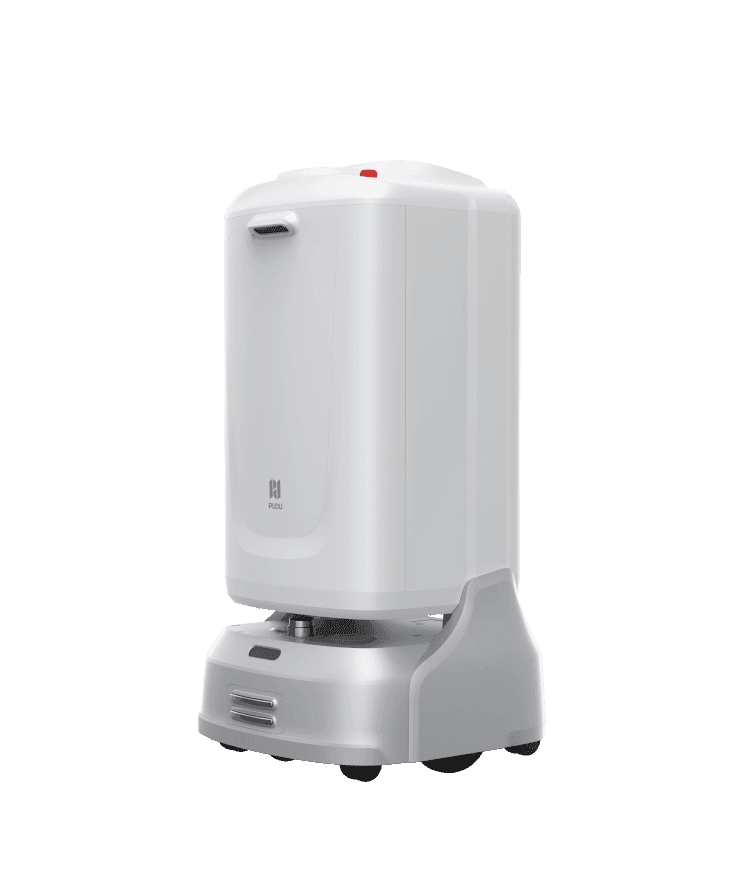
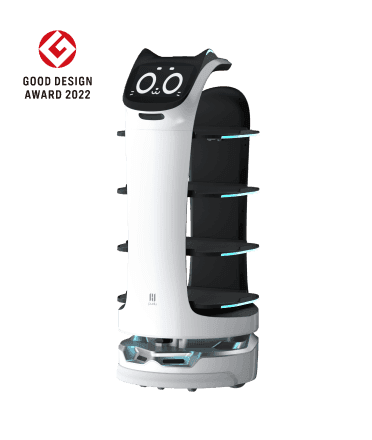
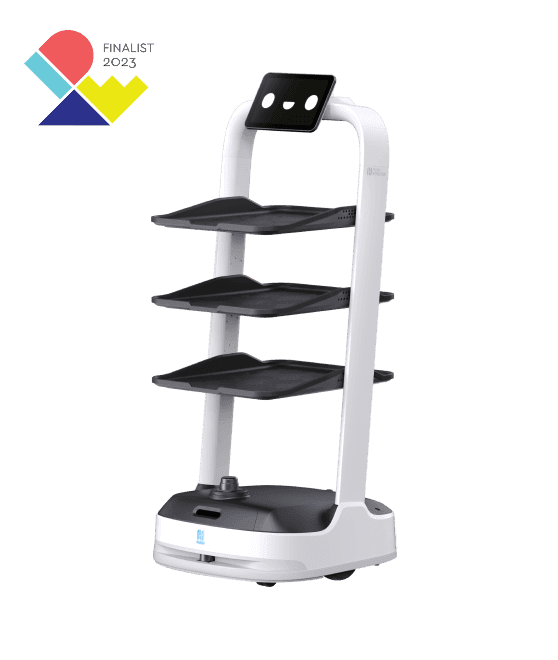
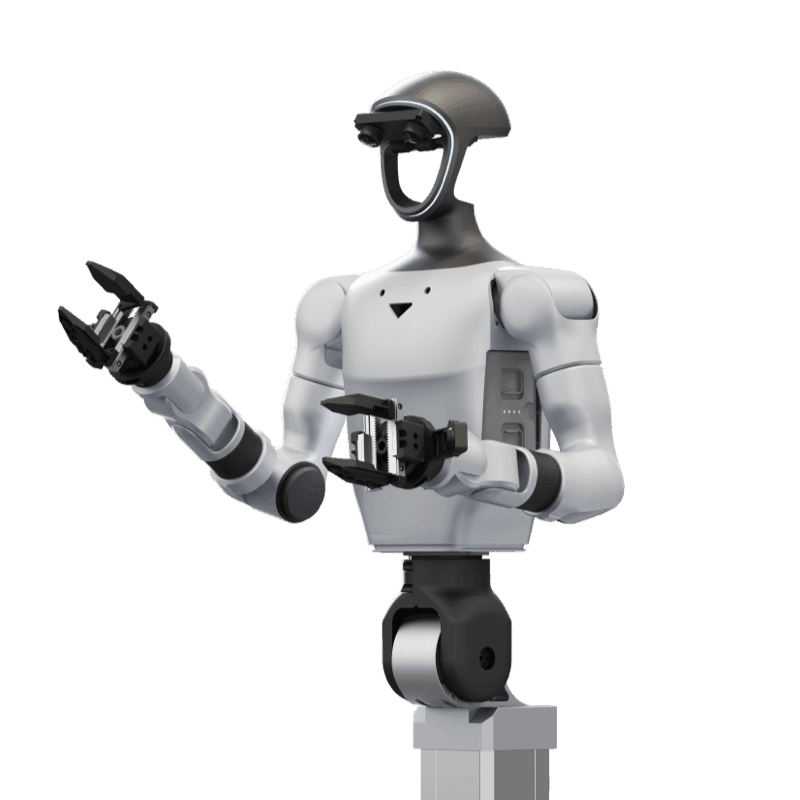
Waiter robots, reception robots, cleaning robots, information desk and customer experience.
Healthcare & Public
Disinfection robots, medication delivery, patient transport, security patrol and public services.
Robotic Transformation in Turkey: Why Now?
The global robotics market has surpassed $200 billion by 2026, and Turkey is a strong candidate to be a significant part of this growth. Rising labor costs, difficulty finding skilled workers and the expectation of 24/7 operation are the key factors driving Turkish industrialists toward robotic automation.
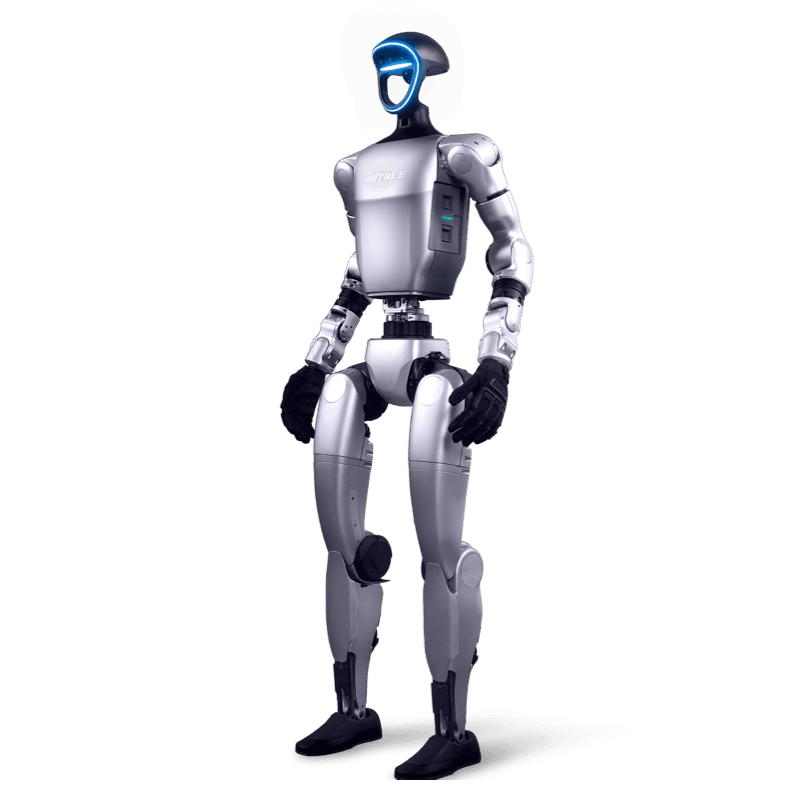
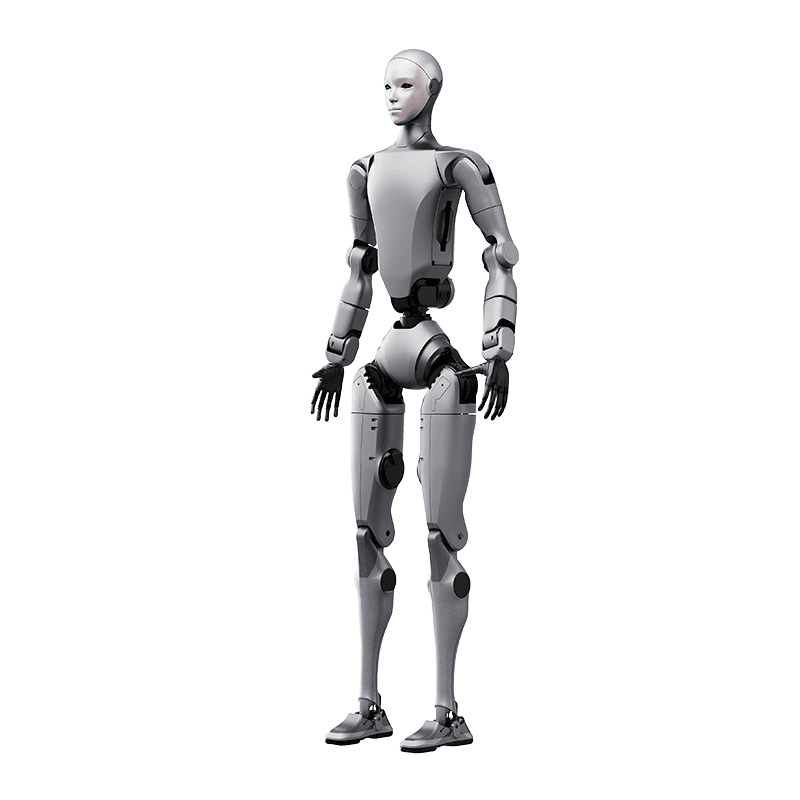
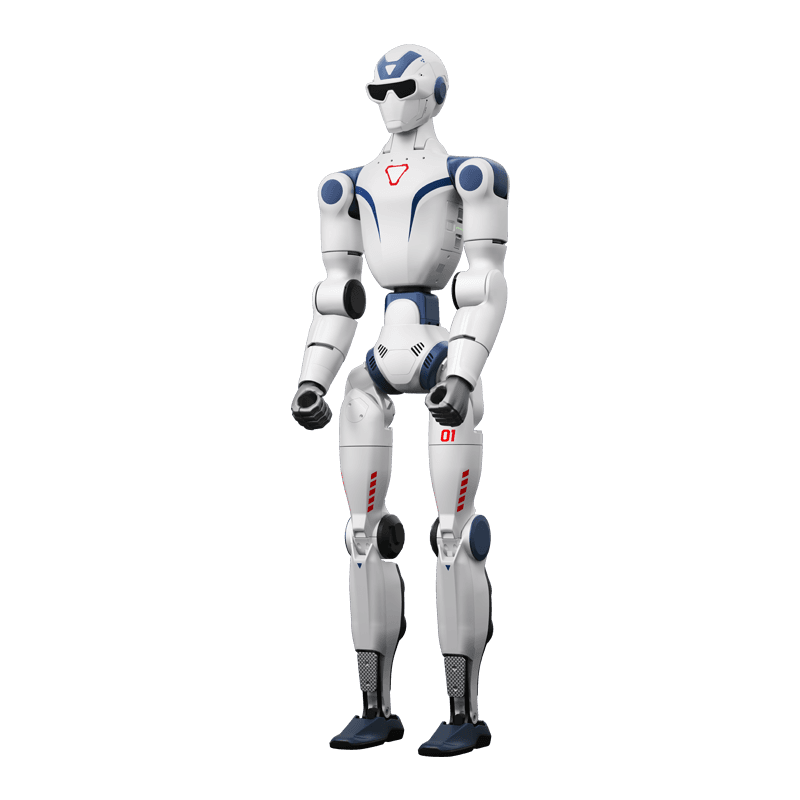
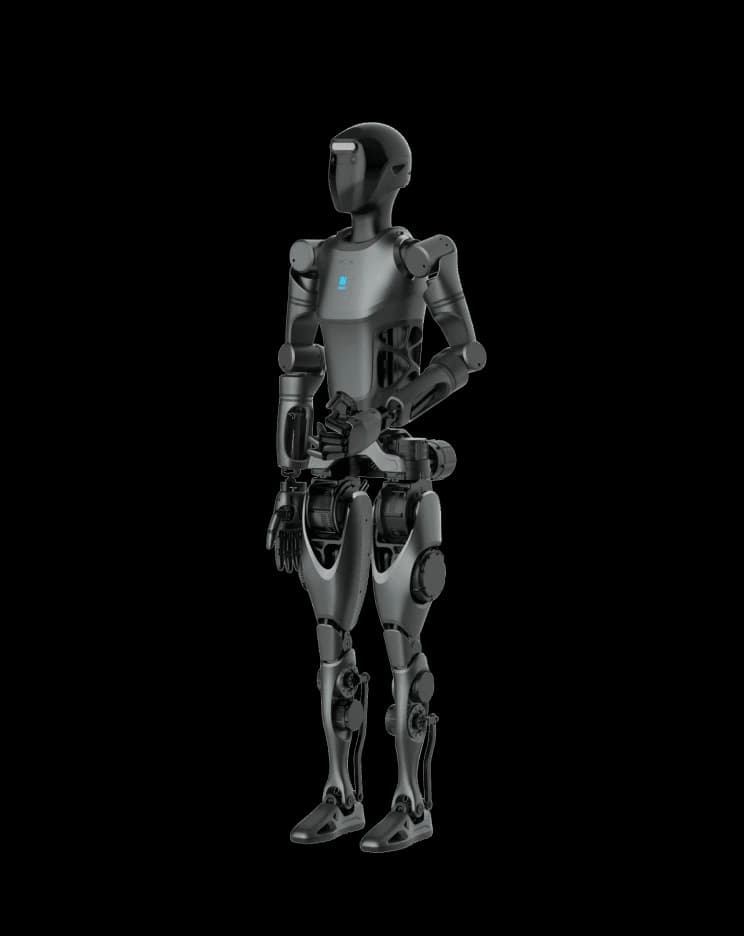
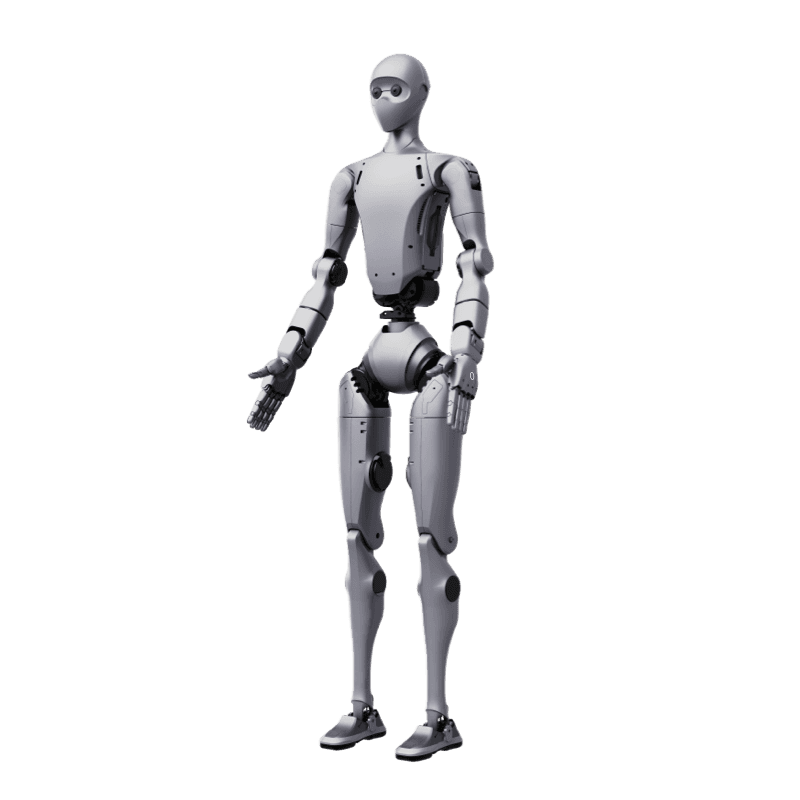
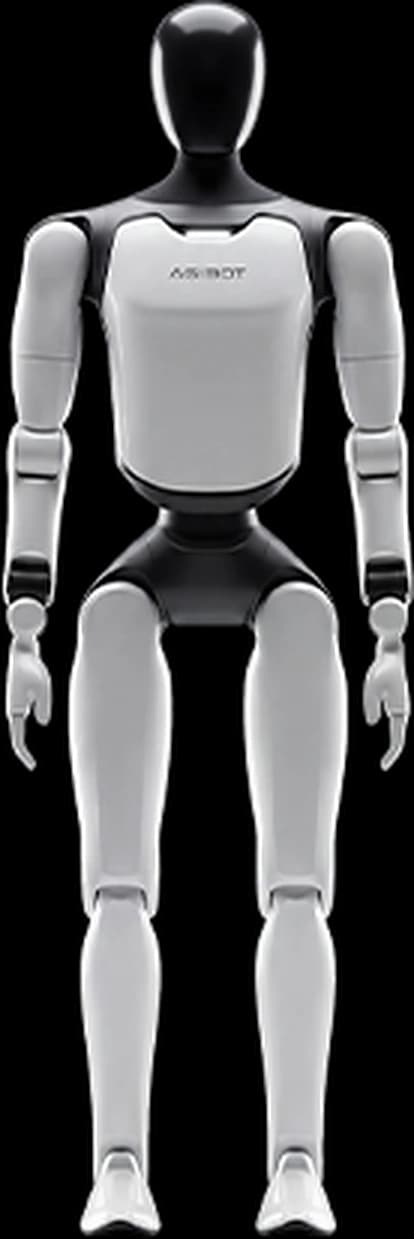
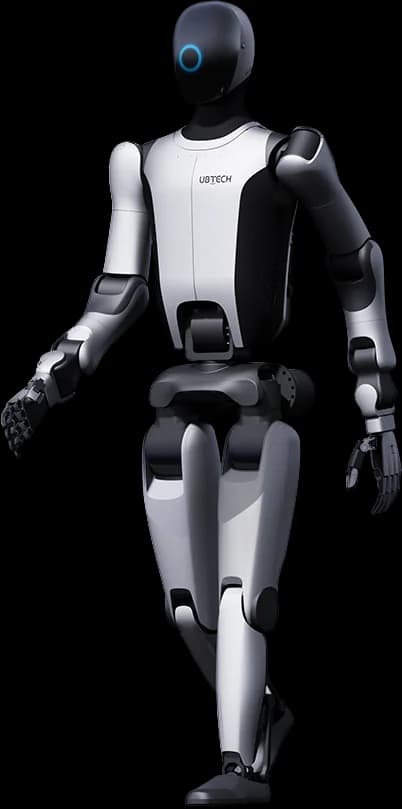
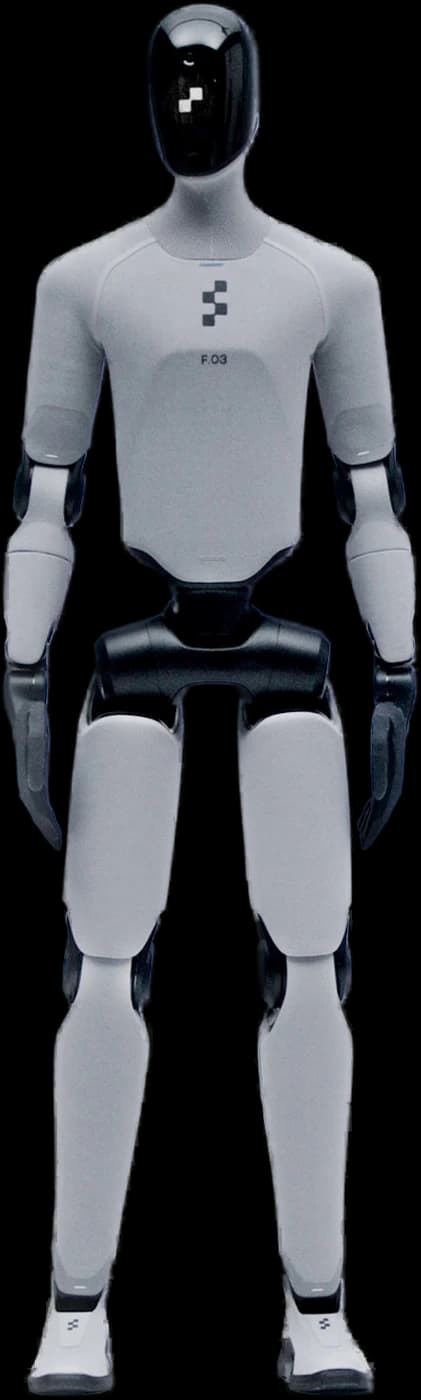
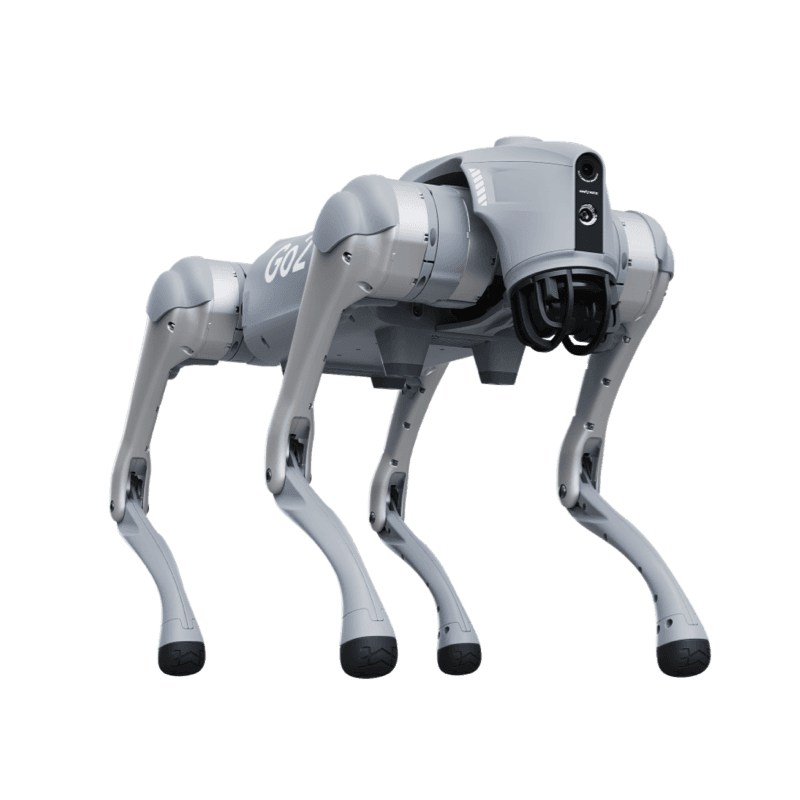
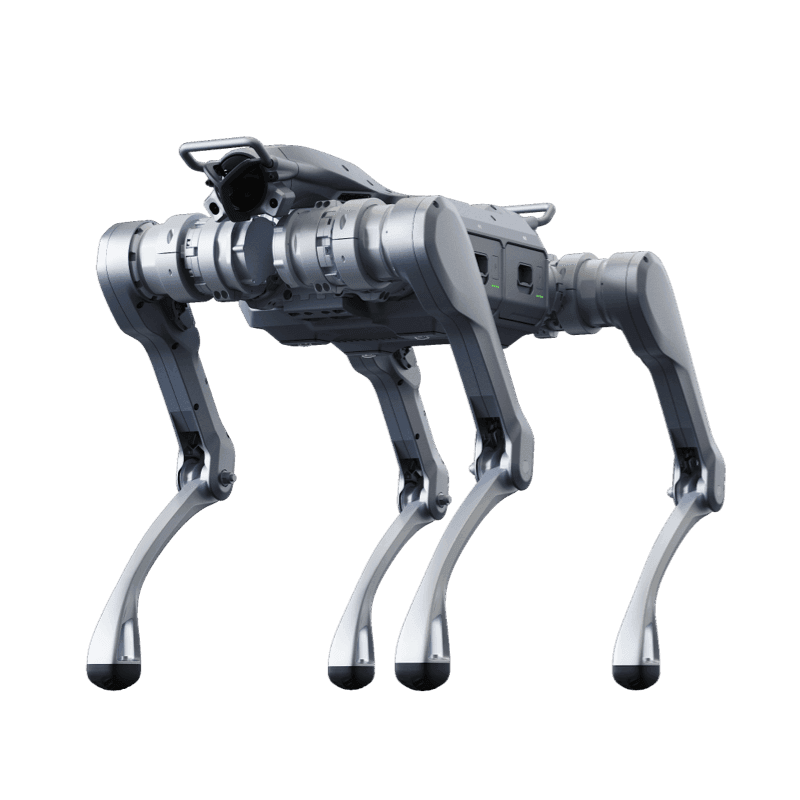
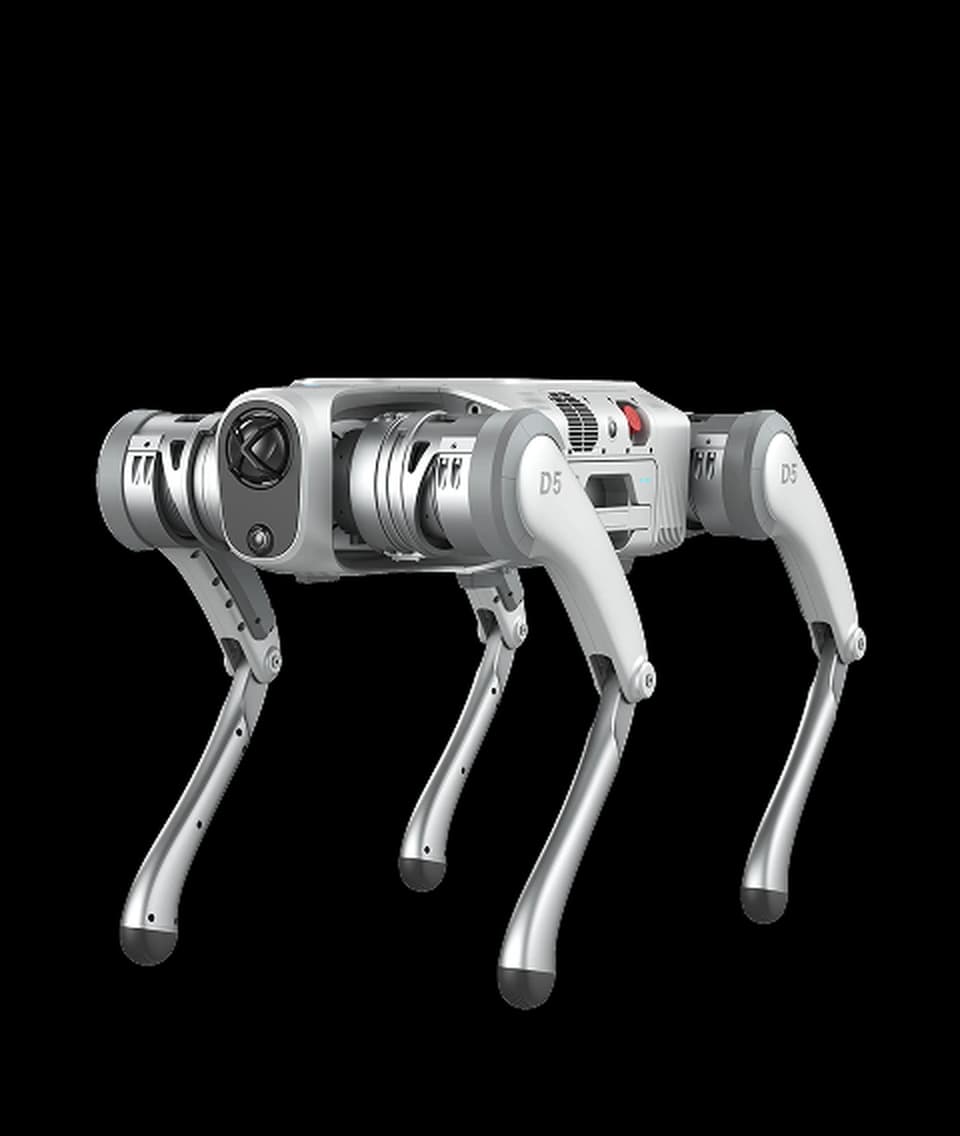
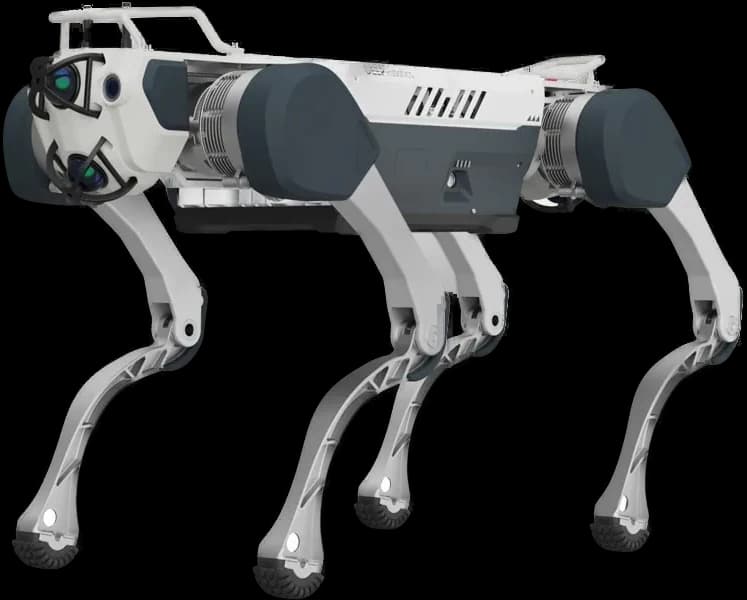
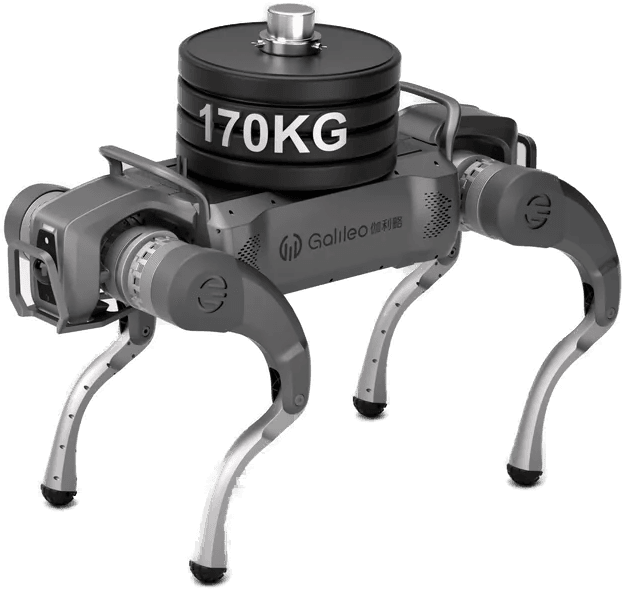
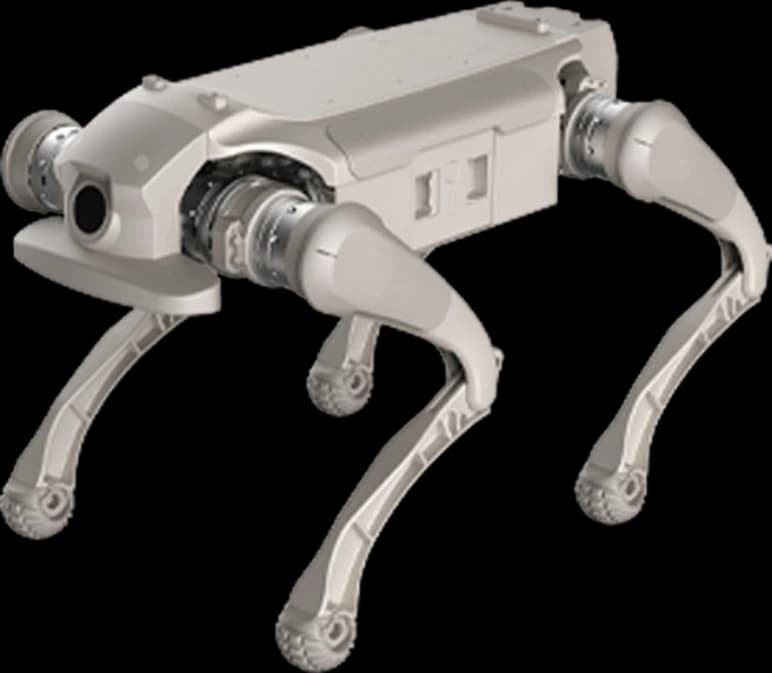
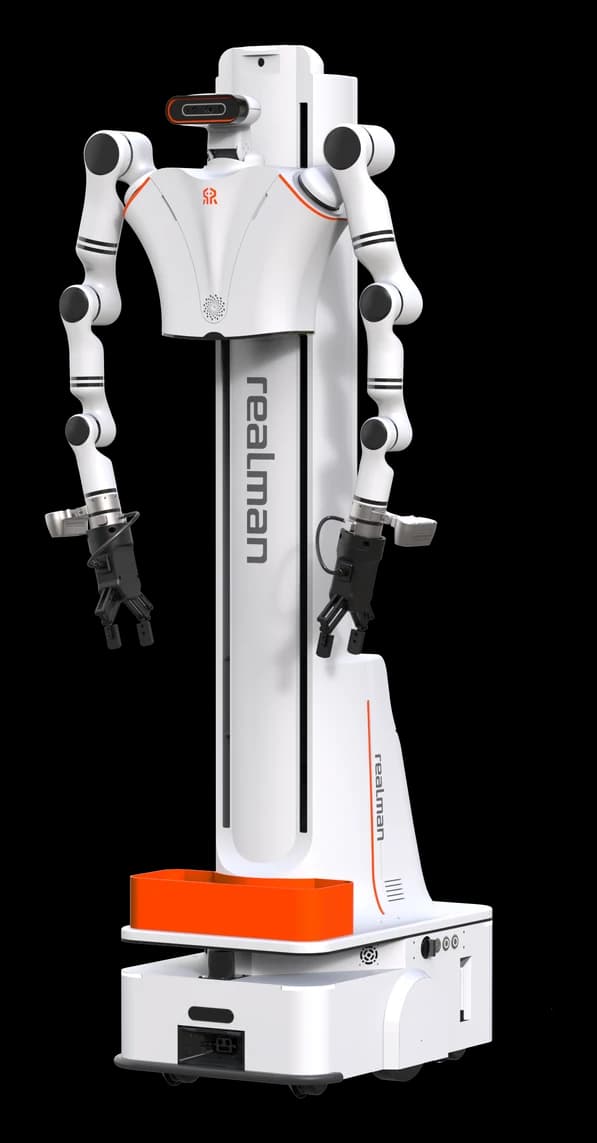
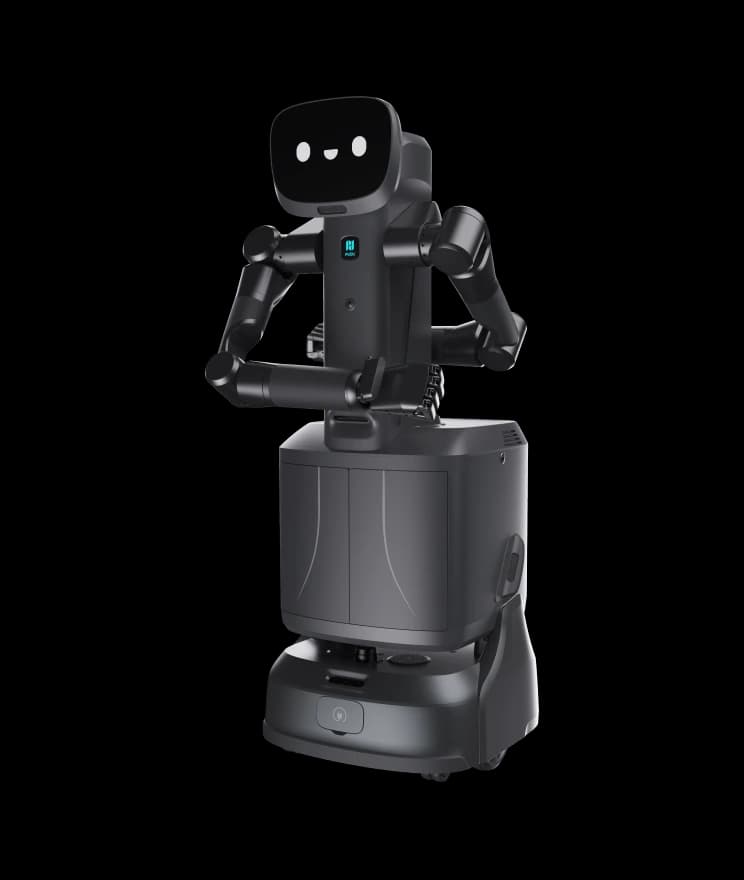
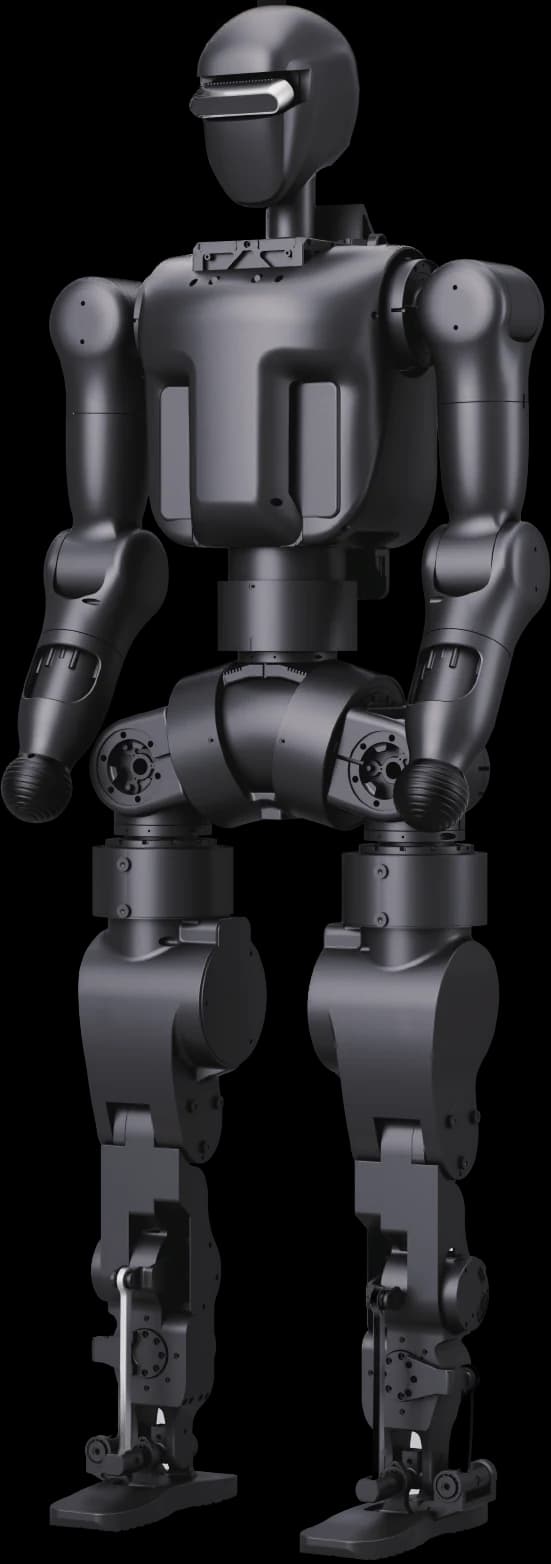
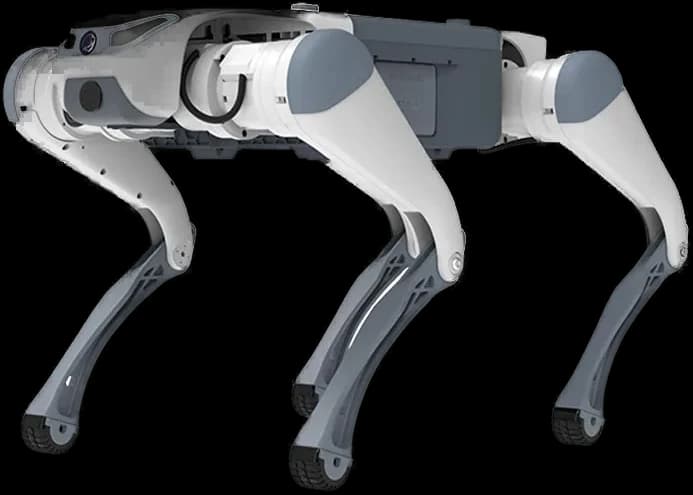
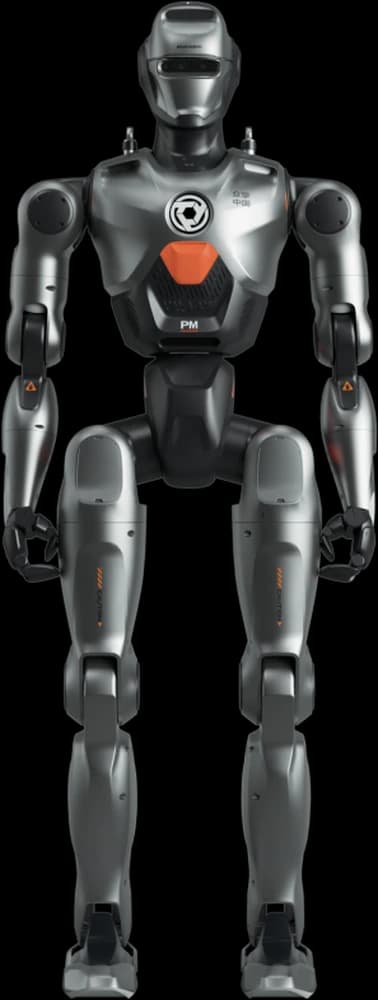
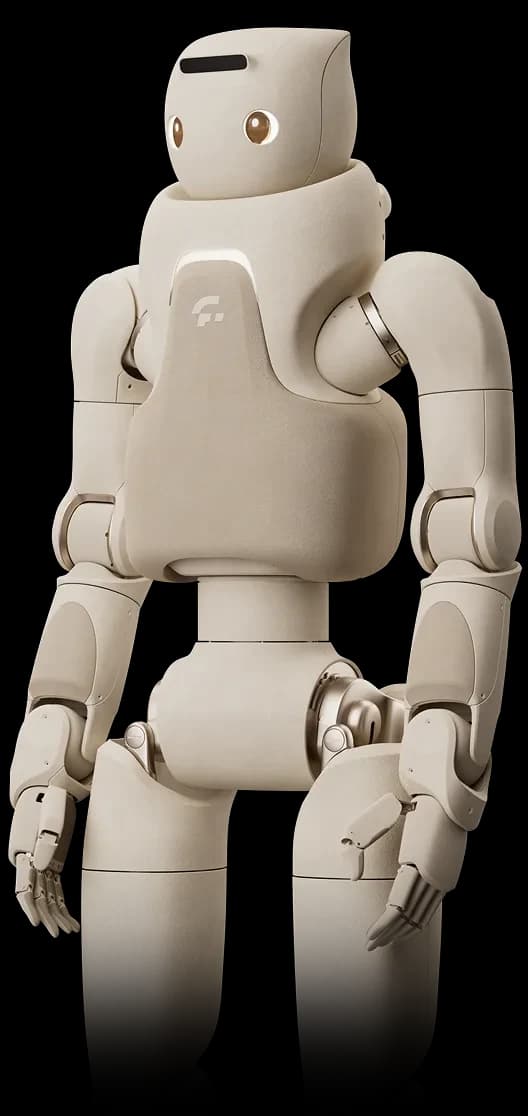
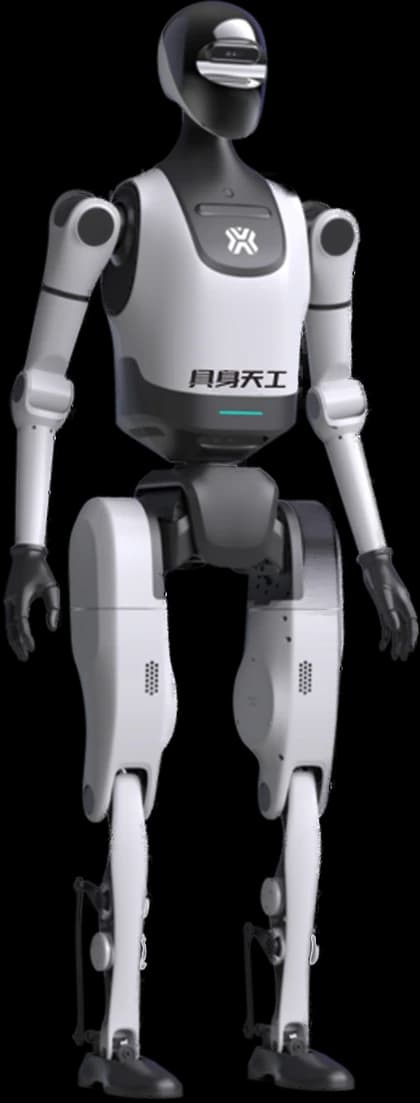
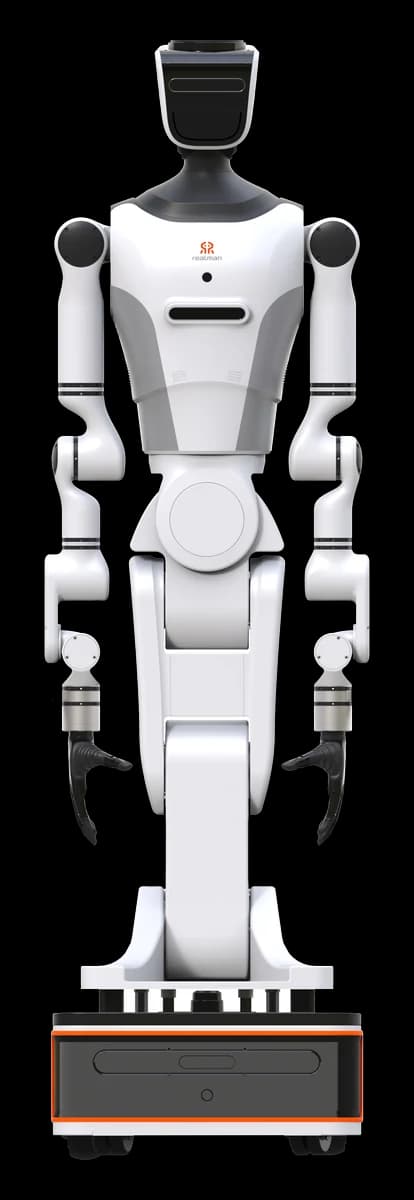
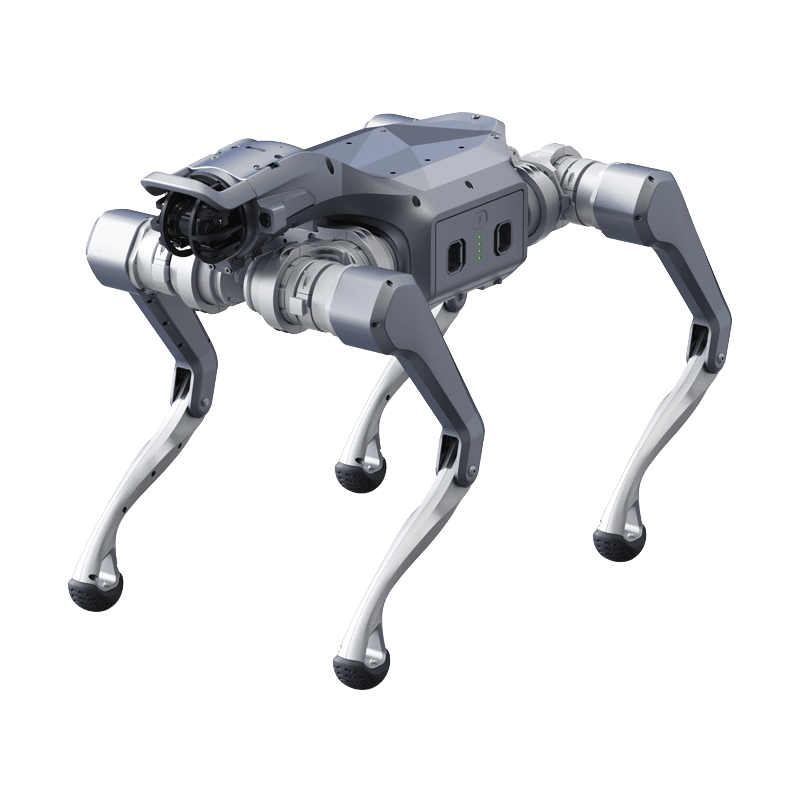
The Industry 5.0 paradigm expands Industry 4.0's digitalization focus by centering human-robot collaboration. In this approach, humanoid robots work side by side with human workers on assembly lines, while quadruped robots take on autonomous patrol duties in hazardous zones.
The ROI of a robotics investment cannot be reduced to one number: service robots and industrial robots have different cost structures, and the timeline shifts with shift count, existing staffing costs, area covered and daily utilisation. Round-the-clock operation is the biggest lever. Run the numbers on your own data in the robot investment calculator.
At Robotlar.org, we are driven by the mission of accelerating Turkey's robotic transformation. We offer end-to-end robotic solutions to Turkish industry with Unitree and PUDU Robotics products. Learn more about our sales, service and installation processes.
FAQ
What is Industry 5.0?
A next-gen manufacturing paradigm centering human-robot collaboration. Robots handle dangerous/repetitive tasks while humans focus on creative work.
What is the ROI of robotic automation?
Payback depends on shift count, current staffing costs, the area covered and daily utilisation. Run your own figures in the robot investment calculator, or we can confirm them together during a free site survey.
Will robots replace the human workforce?
No. In Industry 5.0, robots work alongside humans, taking over dangerous and demanding tasks so humans can focus on higher-value work.
Start Your Robotic Transformation
Contact us for a sector-specific robotic feasibility report and free demo.