Skip to content
Robotlar

UBTECH Walker S2

Industrial Humanoid Robot with Autonomous Battery Swapping

Height
176 cm
70 kg
DOF
52
Whole body
Speed
2 m/s
Humanoid gait
Payload
15 kg
Across 0-1.8 m
Battery Swap
3 dk
Autonomous
Hand
11 DoF
7.5 kg grasp

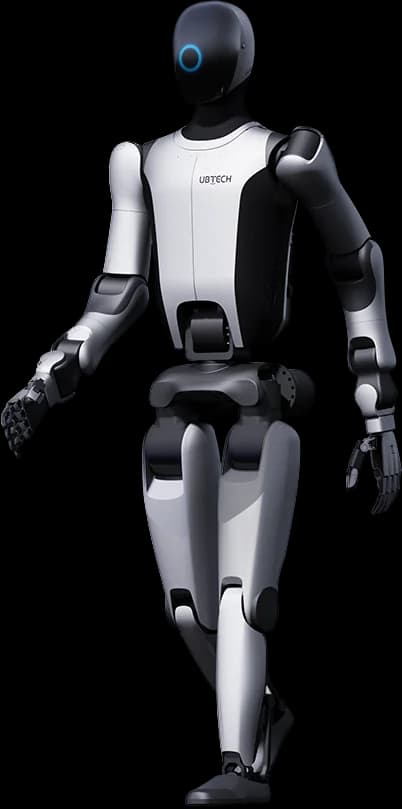
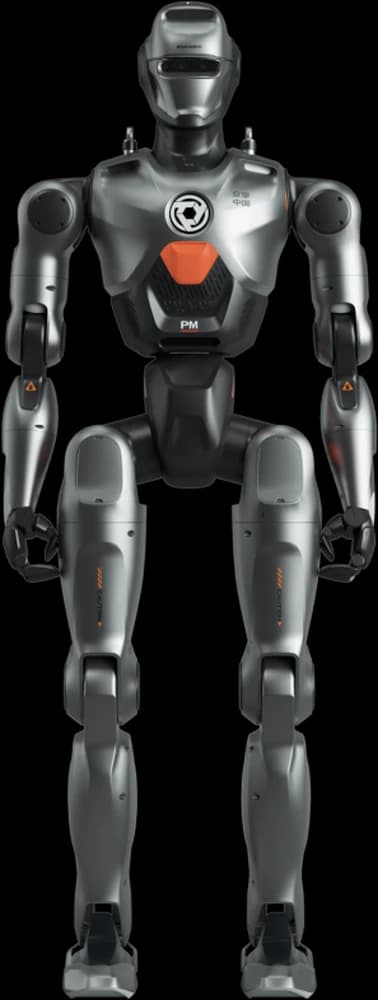
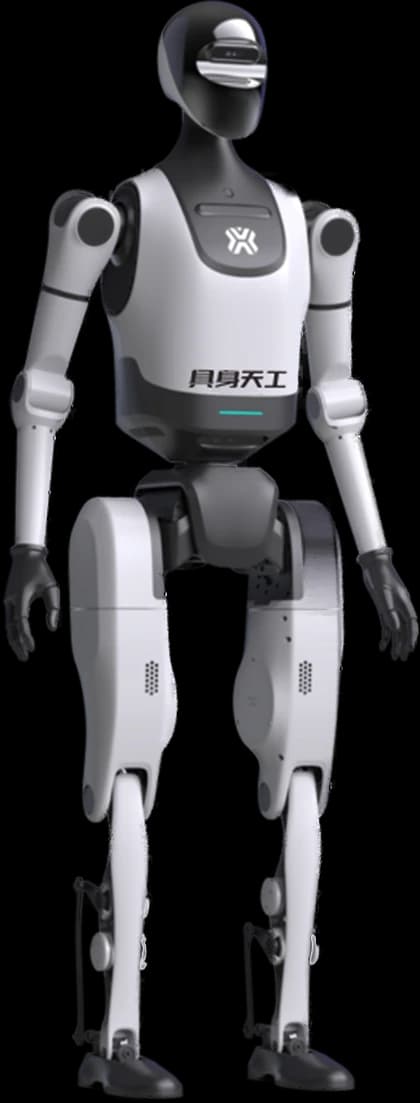
The UBTECH Walker S2 is the industrial humanoid robot the Chinese company UBTECH Robotics developed for production lines. At 176 cm and 70 kg with 52 degrees of freedom, it walks with a humanoid gait at 2 m/s.

Read more

Its headline capability is autonomous battery swapping: through dual-battery dynamic balancing and coordinated dual-arm work, the robot swaps its own battery within three minutes, allowing it to run around the clock. The waist joint provides +90 to -35 degrees of pitch and ±162 degrees of rotation, and the body handles a 15 kg payload across a 0-1.8 m workspace. Fourth-generation industrial dexterous hands offer 11 degrees of freedom, a six-zone tactile sensor array, a 7.5 kg single-hand grasp and a 1 kg finger grasp.

Enterprise supply · specification support · integration engineering

Overview

The UBTECH Walker S2 is the new-generation industrial humanoid robot the Chinese company UBTECH Robotics developed for production lines. We supply UBTECH platforms to corporate projects in Turkey through enterprise supply, commissioning and technical integration. Configuration, delivery terms and investment are set by corporate quotation.

The published dimensions are 176 cm and 70 kg. There are 52 degrees of freedom across the body and the robot walks with a humanoid gait at 2 m/s. Fifty-two is high for this class, and most of it comes from the hands, since 11 per hand makes 22 across two.

The robot's distinguishing capability is autonomous battery swapping. Through dual-battery dynamic balancing and coordinated dual-arm work, it swaps its own battery within three minutes, which the manufacturer presents as a first among humanoid robots and on which it bases its around-the-clock operation claim.

The waist pitches from +90 to -35 degrees and rotates ±162 degrees. A high-power waist servo lets the body carry a 15 kg payload across a 0-1.8 m workspace, and with forward pitch reaching 125 degrees the robot can pick from floor level.

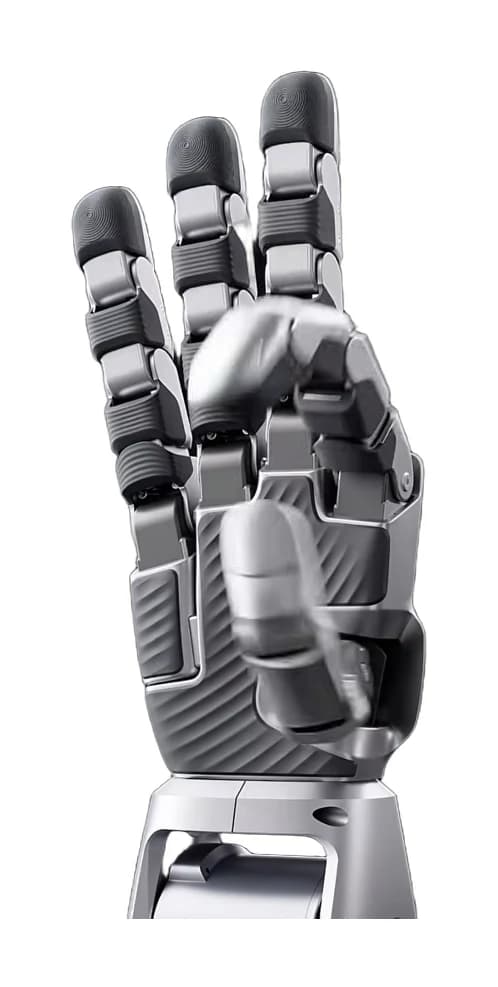
Fourth-generation industrial dexterous hands offer 11 degrees of freedom, a six-zone tactile sensor array, a 7.5 kg single-hand grasp and a 1 kg finger grasp. On perception there are fish-eye, RGB and RGBD cameras, a four-microphone array, two speakers, a 4-inch circular facial display and six-axis force sensors. The body is built from rigid-flex heterogeneous composite, aerospace-grade aluminium alloy, a 3D printed primary frame and 3D knitted fibre.

On software UBTECH highlights the Co-Agent, which it describes as the first industrial agent for humanoid robots, and the dual-loop AI system it forms together with BrainNet 2.0.
The UBTECH Walker S2 in motion

Tap the cover to play; sound and loading start only on click.
UBTECH Walker S2 product video

Key Advantages

The First Humanoid That Swaps Its Own Battery

On industrial humanoids the battery usually ends the shift: the robot goes to charge and the line stops.

  • The Walker S2 solves that by swapping the battery itself.
  • Dual-battery dynamic balancing keeps the robot standing and powered during the exchange, and the two arms work in coordination to complete the swap within three minutes.
  • It is the system as hot-swappable and bases its claim of around-the-clock operation on it.

A Body That Bends at the Waist

A high-power waist servo lets the robot lift a 15 kg payload from the floor and carry it up to 1.8 metres.

  • The waist pitches from +90 to -35 degrees and rotates ±162 degrees, with forward pitch reaching 125 degrees.
  • In practice that means the robot does not have to squat to pick up a box and can reach by rotating its torso in a narrow aisle.
  • A humanoid with a fixed waist has to move its whole body for the same task.
UBTECH Walker S2, A Body That Bends at the Waist

The Fourth-Generation Industrial Hand

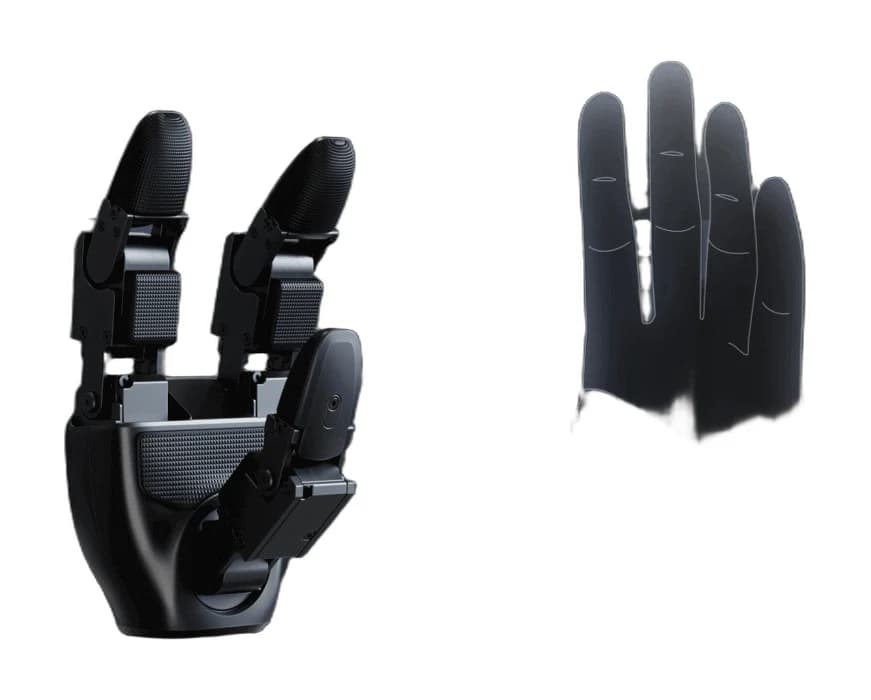
There are 11 degrees of freedom per hand, a six-zone tactile sensor array, a 7.5 kg single-hand grasp and a 1 kg finger grasp.

  • The tactile array is the critical part: it provides the feedback that allows grip force to be matched to the object.
  • A hand without force feedback cannot hold a soft part without crushing it, nor notice slippage.
UBTECH Walker S2, The Fourth-Generation Industrial Hand

Co-Agent and BrainNet 2.0

UBTECH describes the Co-Agent it developed for the Walker S2 as the first industrial agent for humanoid robots.

  • Together with BrainNet 2.0 the architecture is presented as a dual-loop AI system in which production line tasks are distributed across a swarm of robots that divide the work among themselves.
  • No measured performance data has been published for this software layer, so it is recorded here as a claim.
UBTECH Walker S2, Co-Agent and BrainNet 2.0

The UBTECH Walker S2 up close

5 images; tap to enlarge.

Technical Specifications

18 values in 5 categories; data published by the manufacturer.

General structure
Mobility form
Bipedal humanoid gait with uninterrupted shifts through autonomous battery swapping
Degrees of freedom
52 across the body; 11 per dexterous hand
End effector
Two dexterous hands
Materials
Rigid-flex heterogeneous composite, aerospace-grade aluminium alloy, a 3D printed primary frame and 3D knitted high-elastic fibre
Manufacturer note
The waist servo motor lifts a 15 kg payload and reaches a ±162 degree rotation angle; the body pitches 125 degrees and handles 15 kg within a 0-1.8 m workspace. An autonomous battery swap completes within three minutes.
DoF layout
Fifty-two degrees of freedom across the body; the fourth-generation industrial dexterous hand carries 11 degrees of freedom and a six-zone tactile sensor array
Structure and materials
176 cm and 70 kg; the waist provides +90 to -35 degrees of pitch and ±162 degrees of rotation, 125 degrees of forward pitch and a 0-1.8 m vertical workspace
Joint module
A high-power, high-torque waist servo motor that lets the body lift and carry a 15 kg payload from ground level
Size and weight
Dimensions (standing)
176 cm tall
Weight
70 kg
Motion and performance
Payload
15 kg
Arm payload
15
Maximum speed
2 m/s
Joint range of motion
Waist rotation ±162°; pitch 125°
Sensors and connectivity
Sensors
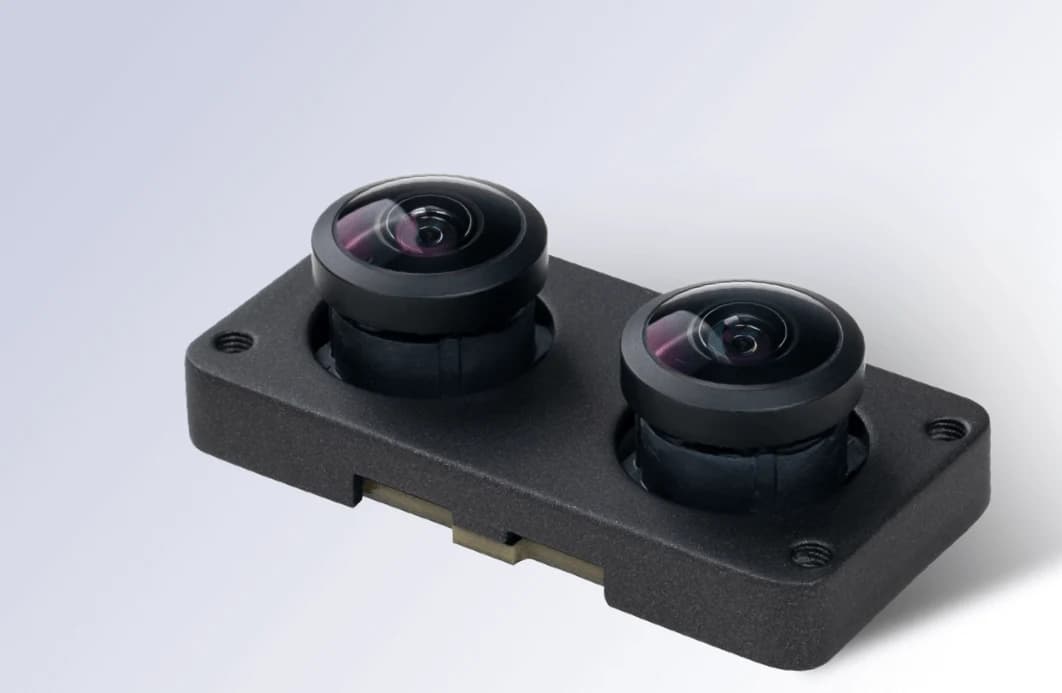
Two fish-eye cameras and two RGB cameras in the head (a pure RGB binocular stereo vision solution); one RGBD camera at the front of the body and one at the back; two six-axis force sensors at the wrists
Interaction
One LED screen, one microphone and two speakers
Software and development
Processor
On the software side a BrainNet 2.0 and Co-Agent dual-loop AI architecture is described.
Software features
Two fish-eye cameras, two RGB cameras, two RGBD cameras, a four-microphone array, two speakers, a 4-inch circular facial display and two six-axis force sensors; voice interaction through a large language model

Sources and documents

Verified on the manufacturer page on 18 September 2026.

An itemised quote for the UBTECH Walker S2 is prepared by configuration, quantity and delivery scope.

Technical Analysis of Autonomous Battery SwappingDesign decisions, comparison table and evaluation

Why an Uninterrupted Shift Is Hard

The field value of a humanoid robot is proportional to the hours it works. On a walking body the battery is both a weight and a balance problem: make it bigger and the robot gets heavier and consumes more, make it smaller and the shift gets shorter. Most models in the sector stay in the two-to-four-hour range and leave the line to charge. The Walker S2's approach is not to enlarge the battery but to turn the swap into the robot's own job. A three-minute exchange in a two-battery arrangement means the line never stops. The engineering difficulty is keeping the robot standing and powered during the swap, solved with dual-battery dynamic balancing.

Where the 52 Degrees of Freedom Go

Fifty-two is high for this class. For comparison, the Unitree H2 states 31 and the AgiBot A2 Ultra 40 degrees of freedom. Most of the difference comes from the hands: 11 per hand makes 22 across two, covering roughly 42 percent of the total. The remaining 30 joints are spread across the legs, arms, waist and head. That distribution shows where the robot invests: not in walking but in doing work with its hands. The ±162 degrees of waist rotation points the same way.

The Walker S2 Against Industrial Humanoids

FeatureUBTECH Walker S2Unitree H2AgiBot A2 Ultra
Height176 cm182 cm169 cm
Weight70 kg70 kg69 kg
Degrees of freedom523140
Walking speed2 m/s-1.2 m/s
Payload15 kg (body)7 kg (arm)Rated ~7 kg, peak ~15 kg (per arm)
Uninterrupted operationAutonomous swap in 3 minApproximately 3 hours3 hours standing
Sourcing in TurkeyEnterprise supplyOrderableSourcing enquiry

Engineering Assessment

What distinguishes the Walker S2 is not a single number but a system choice: rather than running the robot longer, never stopping it. Autonomous battery swapping grips the industrial humanoid debate at the right point, because the real constraint in this class is shift length, not walking ability. Concentrating 52 degrees of freedom in the hands and giving the waist ±162 degrees of rotation serve the same goal. The absence of a channel in Turkey is a separate constraint.

Purchasing support

Get a quote for the Walker S2

Robotic system costs are optimised according to the selected hardware platform, additional sensor and payload configurations, and the integration scenarios specific to your site. Share your requirements and our engineering team will prepare a feasibility report and a pro forma quotation tailored to your organisation.

  • Supply and delivery scheduling backed directly by the manufacturer
  • Site- and mission-focused technical feasibility and simulation
  • Turnkey hardware, software and mission integration
  • Advisory on corporate tenders, specifications and administrative processes

Direct contact and advisory line: 0850 532 6 777

Add project details (optional)

Product of interest: Walker S2

Walker S2: Frequently Asked Questions

The most common questions about the UBTECH Walker S2.

Can the UBTECH Walker S2 be bought in Turkey?

We deliver UBTECH hardware to corporate projects through enterprise supply, commissioning and engineering support. Investment is set by corporate quotation against configuration, quantity and delivery terms. With organizations evaluating a humanoid for a production line we discuss the sourcing route, import and delivery terms, the service plan and a realistic timeline per project. If you are looking for a full-size humanoid deliverable today, the Unitree H2 can be ordered in Turkey.

What does autonomous battery swapping actually gain?

It removes the thing that limits shift length. Most humanoids work two to four hours and then go to charge, during which the line either stops or needs a spare robot. Because the Walker S2 swaps its own battery in three minutes, it can run continuously in a two-battery arrangement, billed as around-the-clock operation.

What work is the Walker S2 designed for?

Production line work: part handling, material feeding, sorting and assembly support. The body carries a 15 kg payload across a 0-1.8 m range, the waist pitches up to 125 degrees forward for floor-level picking, and the fourth-generation hands grasp 7.5 kg in one hand. UBTECH states that it has placed the Walker S1 from the same family on car assembly lines, where the robots work alongside autonomous logistics vehicles and AMR/AGV systems.

Other robots in this category