What is a robot? What does the formal definition say?
The international standard ISO 8373 defines an industrial robot as an "automatically controlled, reprogrammable, multipurpose manipulator programmable in three or more axes." Three words carry the weight: automatically controlled (a human does not steer each motion), reprogrammable (its task changes in software) and multipurpose (it is not hard-wired to one job).
By that measure a fixed mechanism repeating one motion is not a robot, while today's service and field robots go far beyond it with mapping, perception and decision layers. The International Federation of Robotics (IFR) defines a service robot separately: a semi- or fully autonomous robot performing useful tasks for humans or equipment, excluding manufacturing operations.
What are the types of robots by application area?
The most common classification asks what work the robot does. Eight main groups:
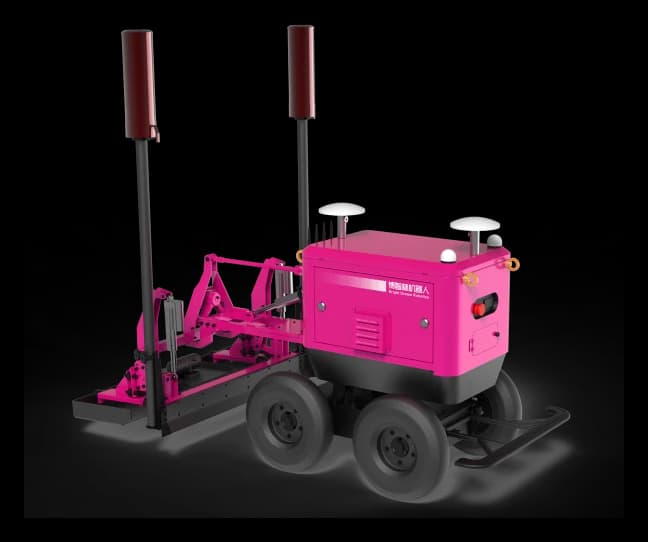
- Industrial robots, welding, painting, assembly, pick-and-place and inspection in production.
- Field and inspection robots; autonomous patrol and measurement in harsh environments outside the factory.
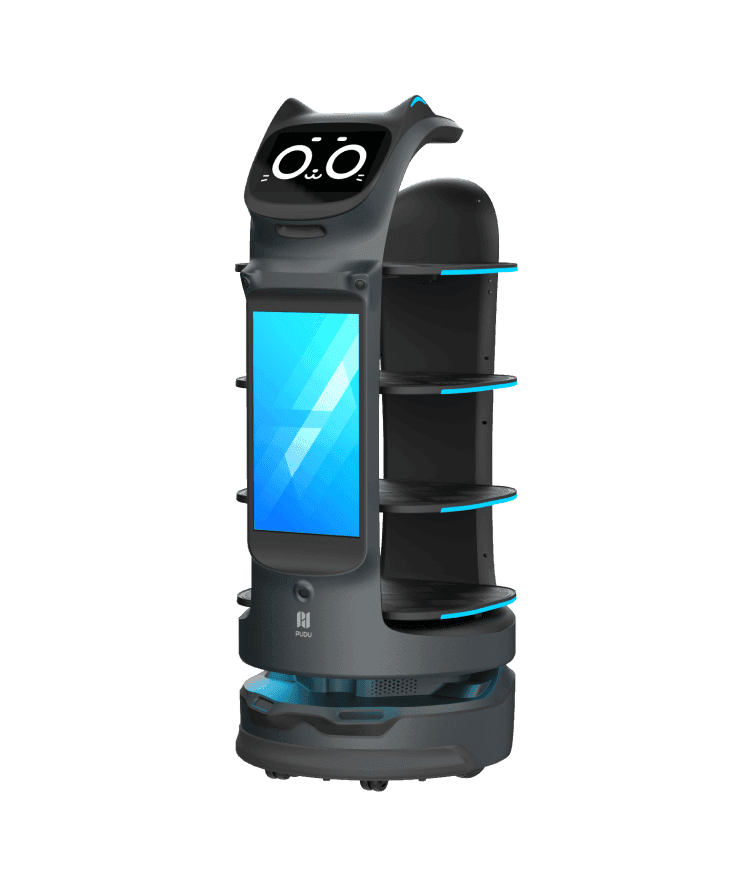
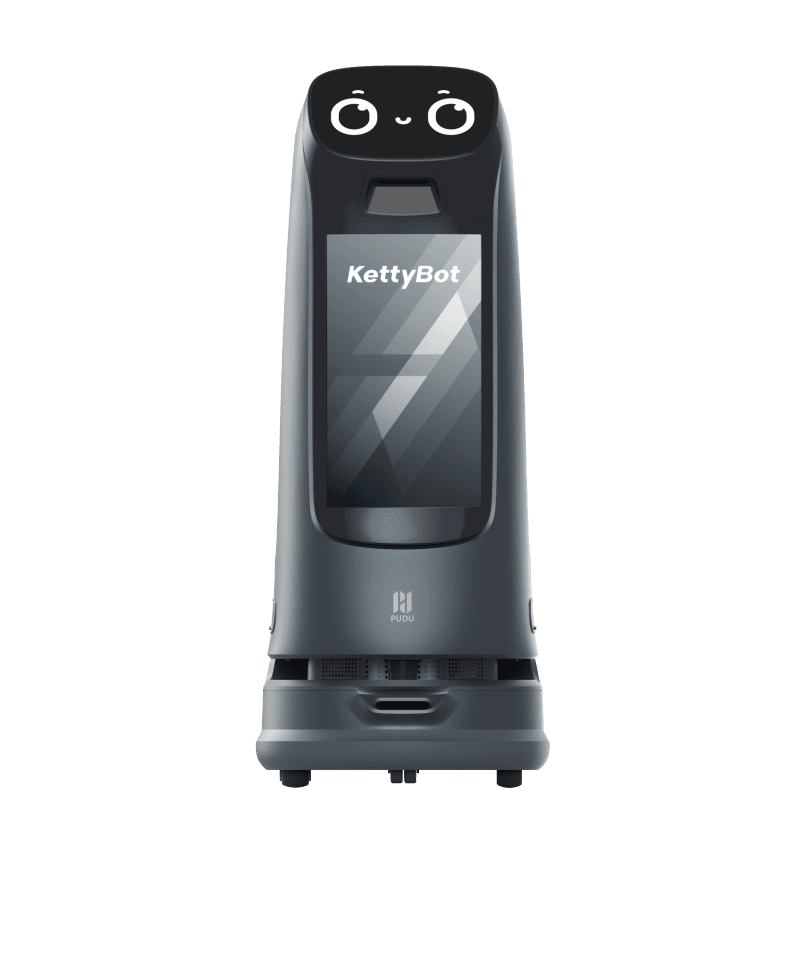
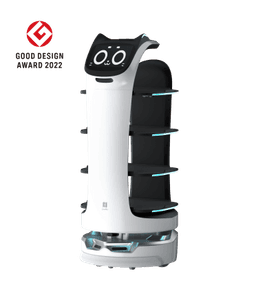
- Service robots; carrying, greeting and delivery in restaurants, hotels, malls and hospitals.
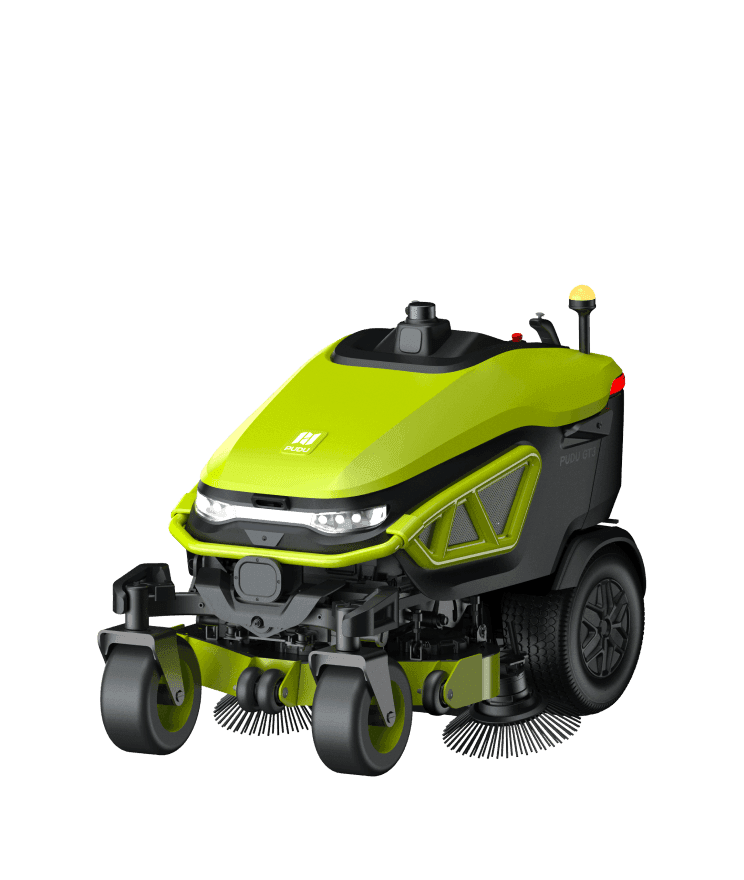
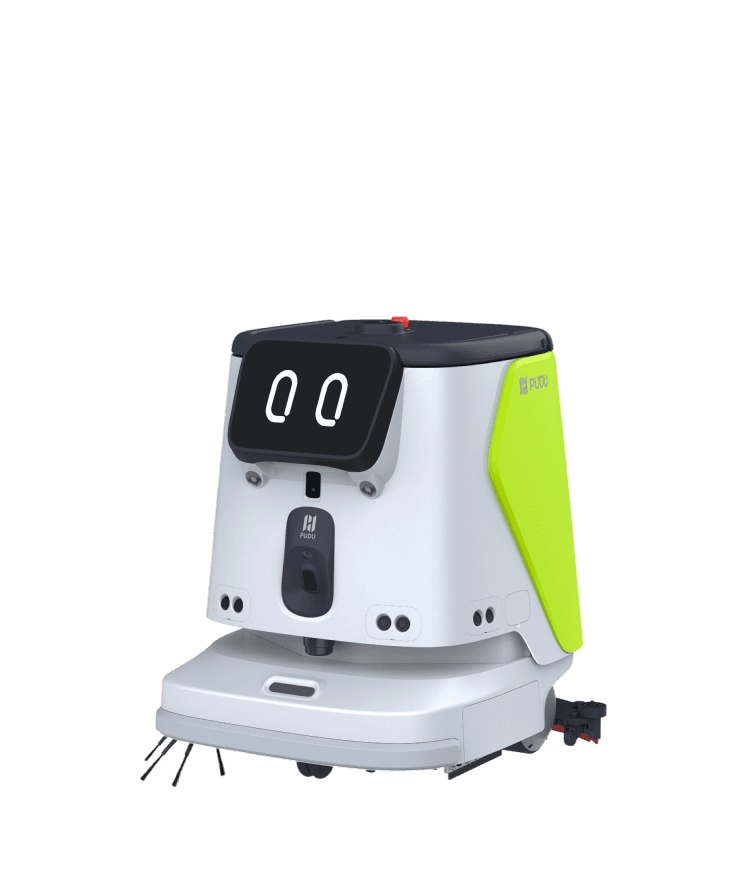
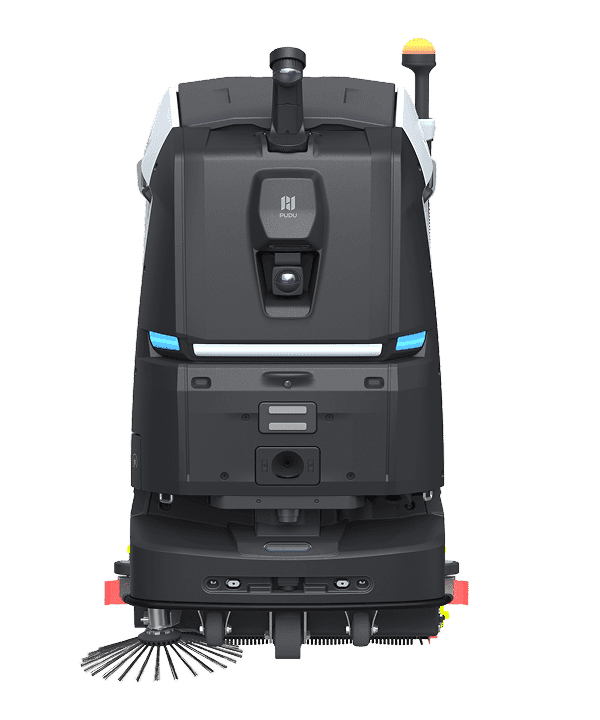
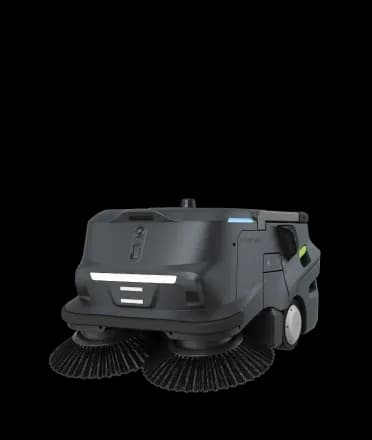
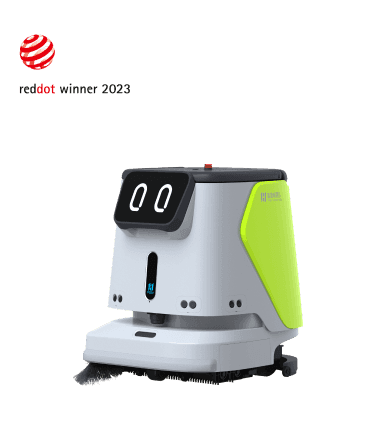
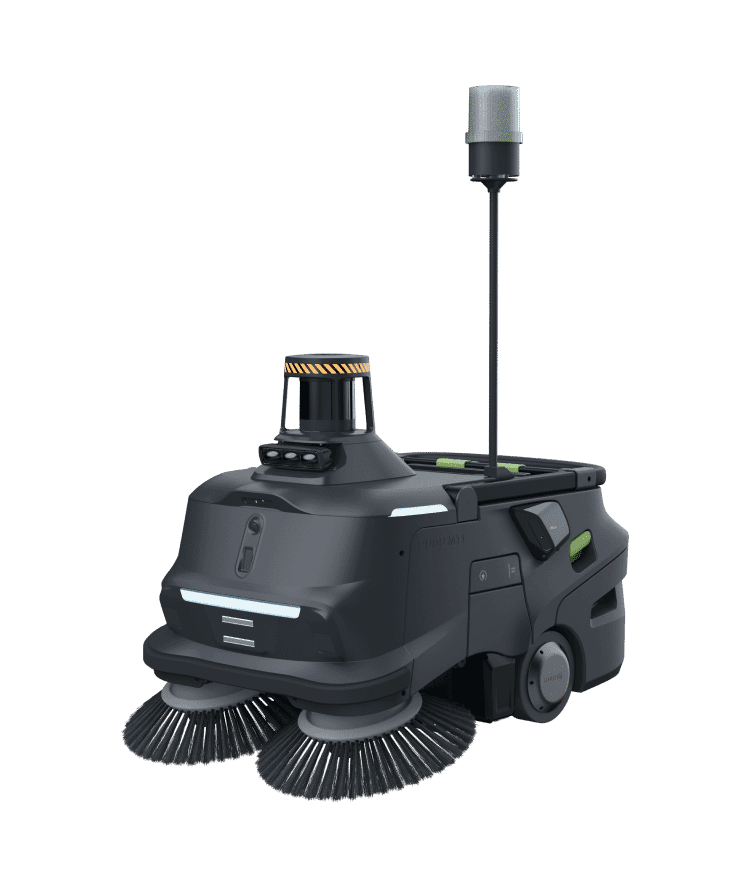
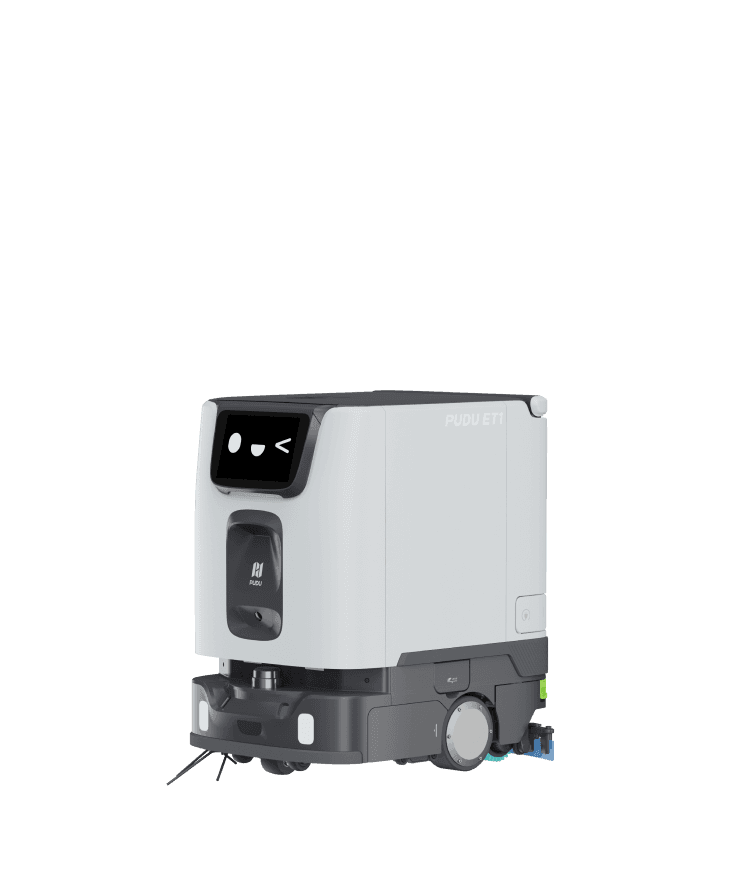
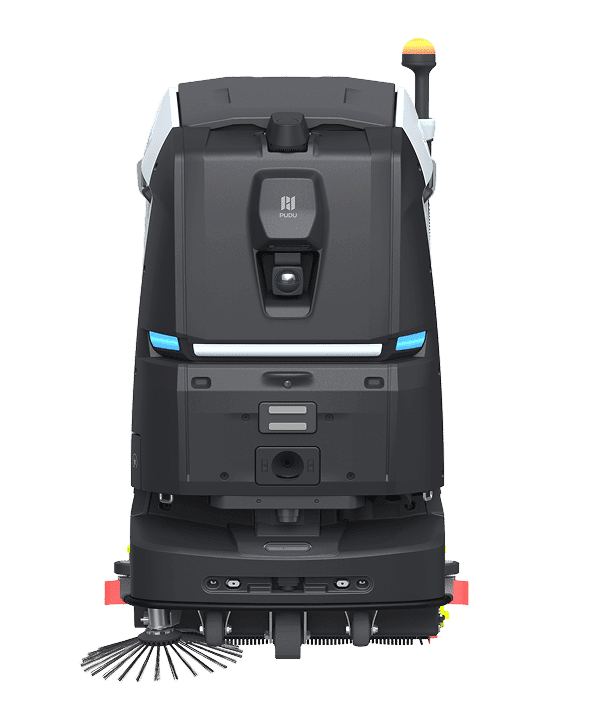
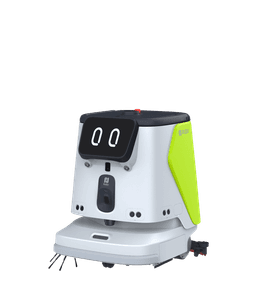
- Cleaning robots; commercial-scale sweeping, scrubbing and vacuuming.
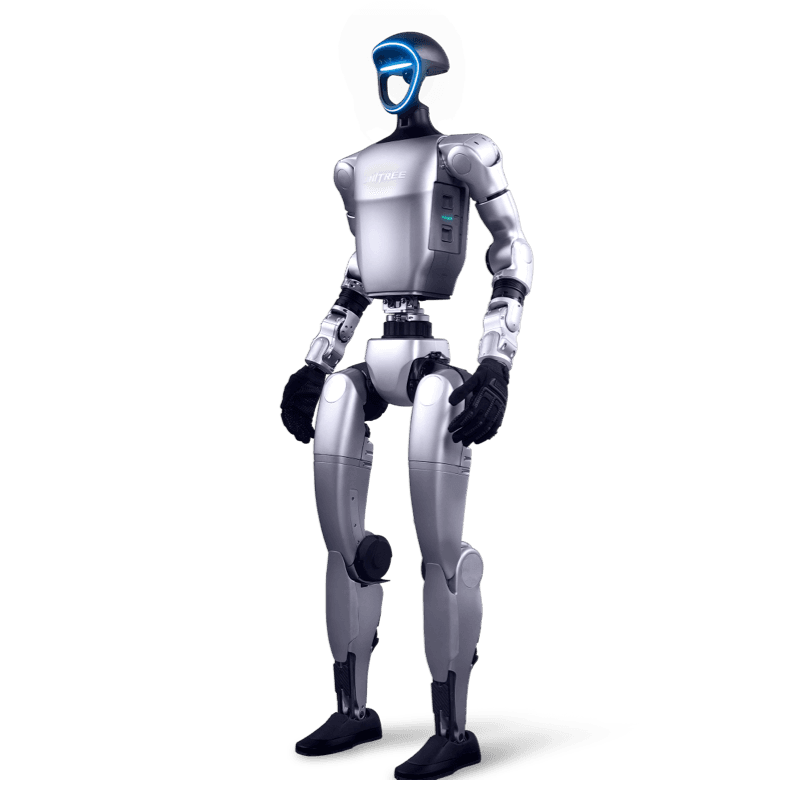
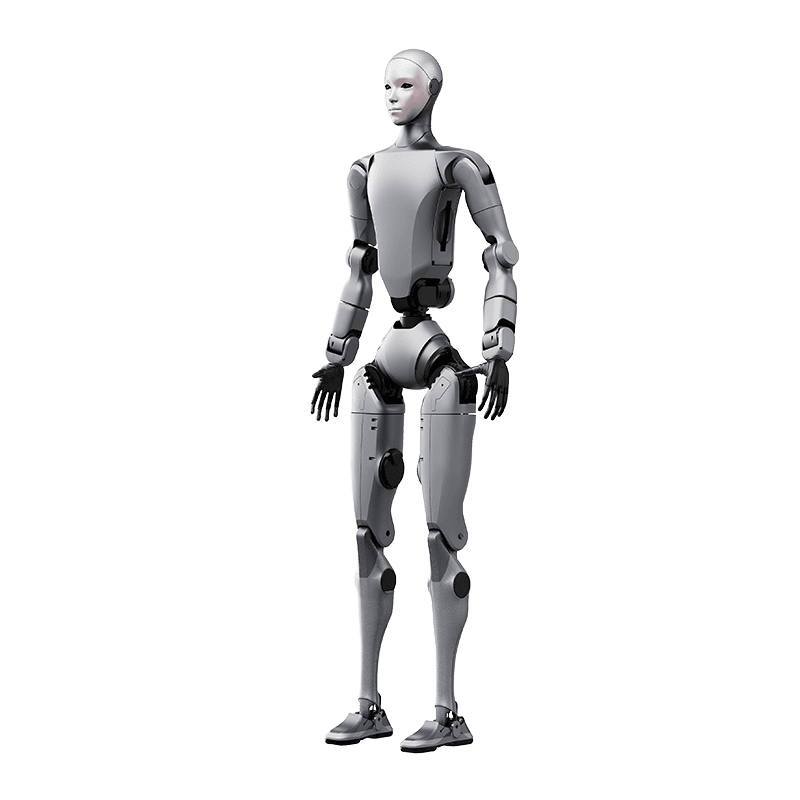
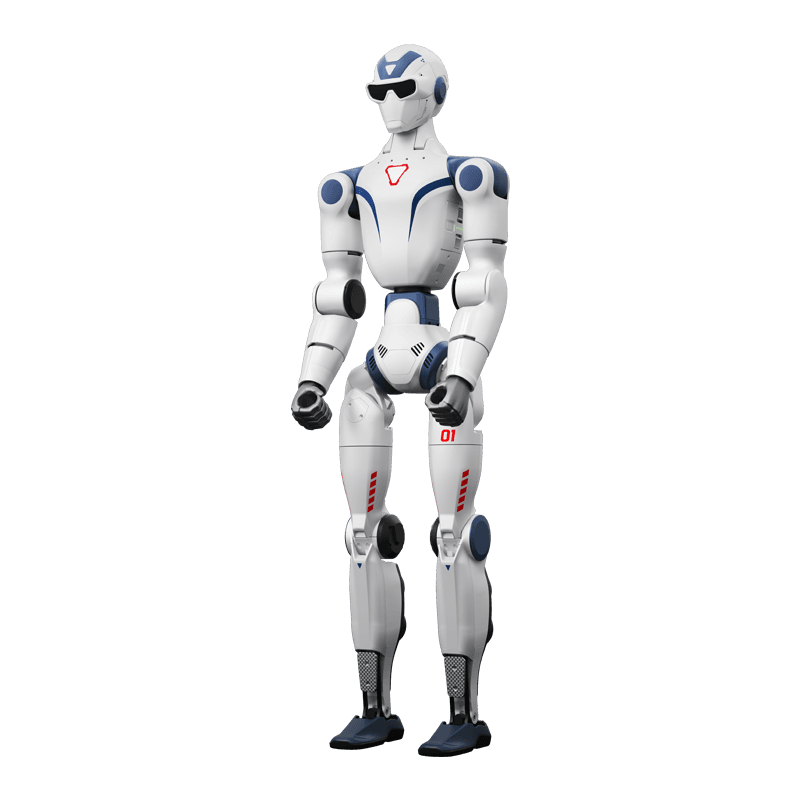
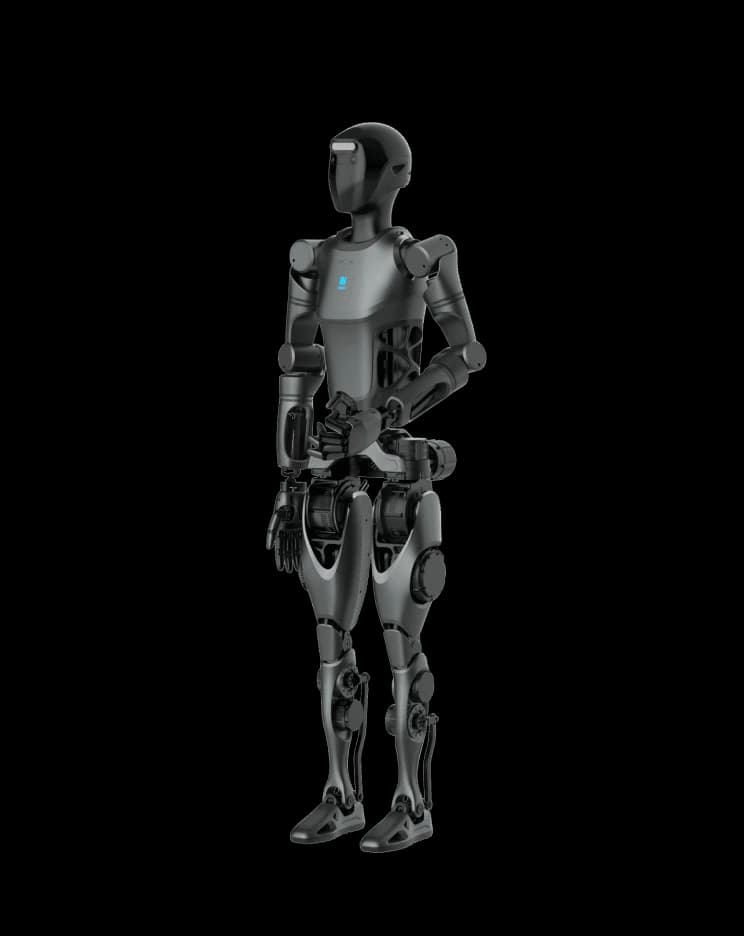
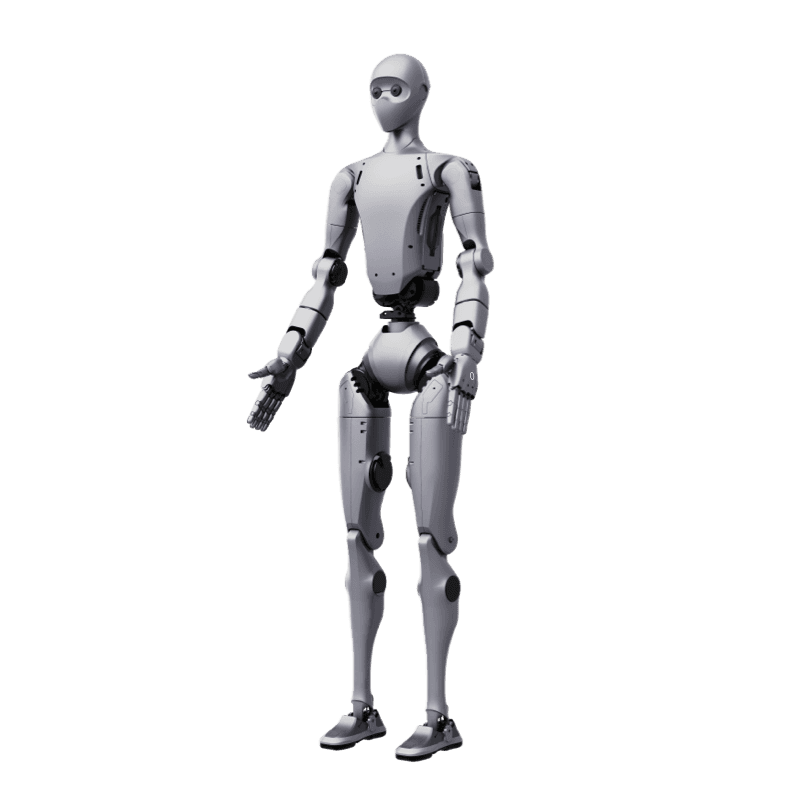
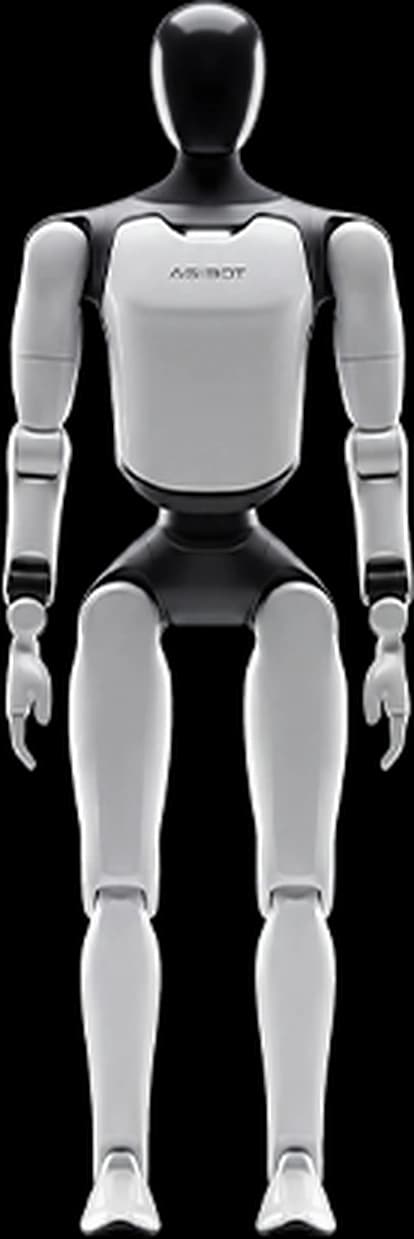
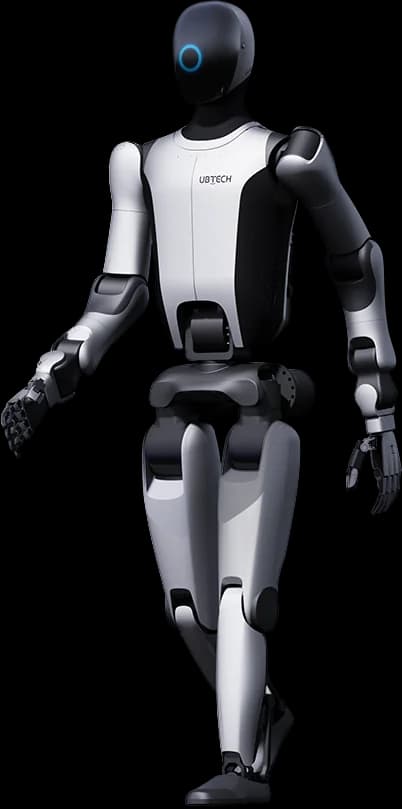
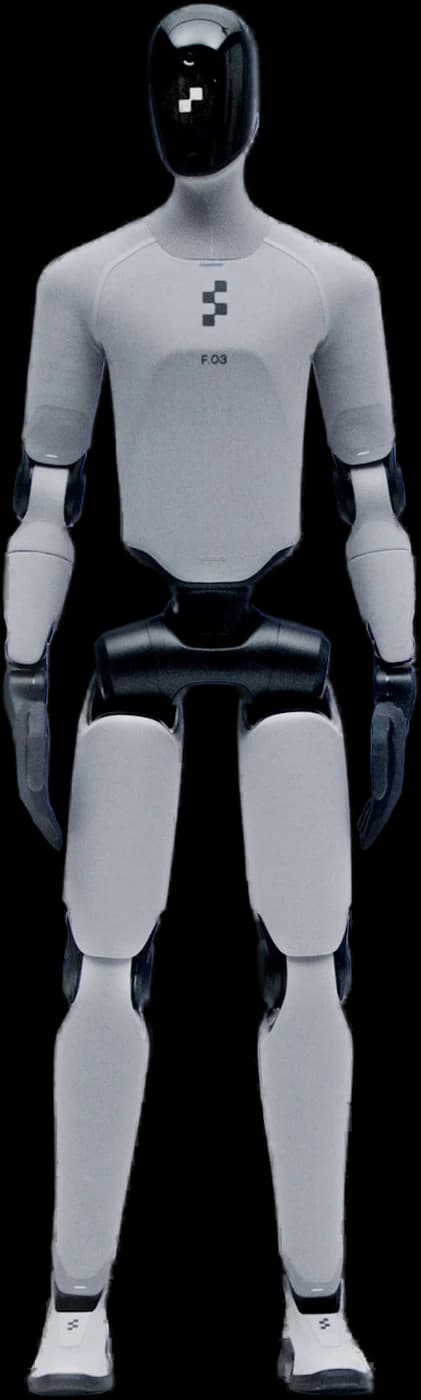
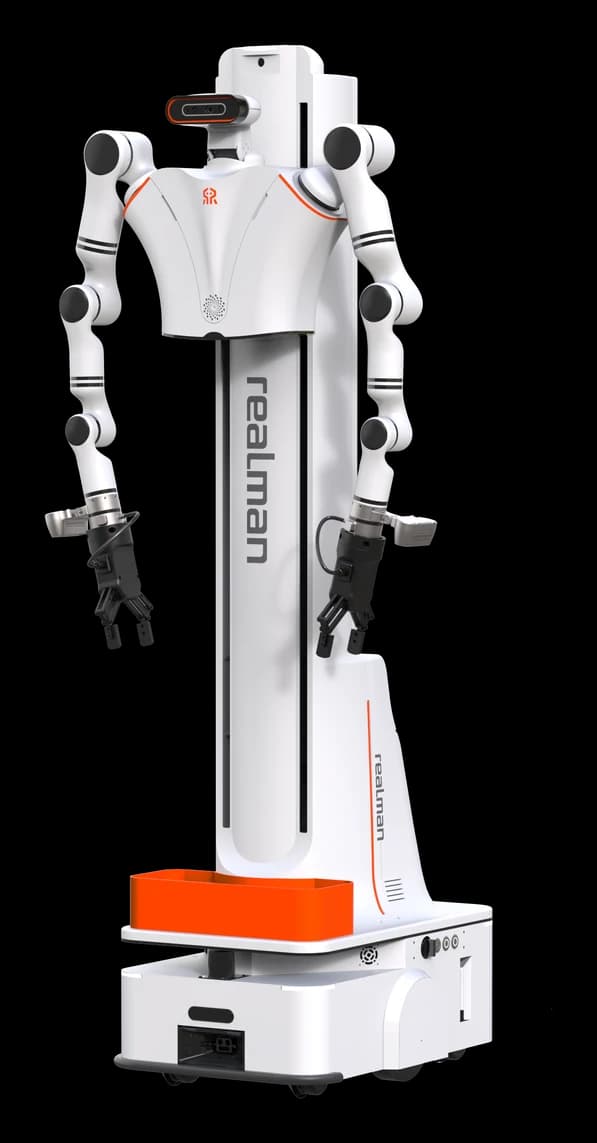
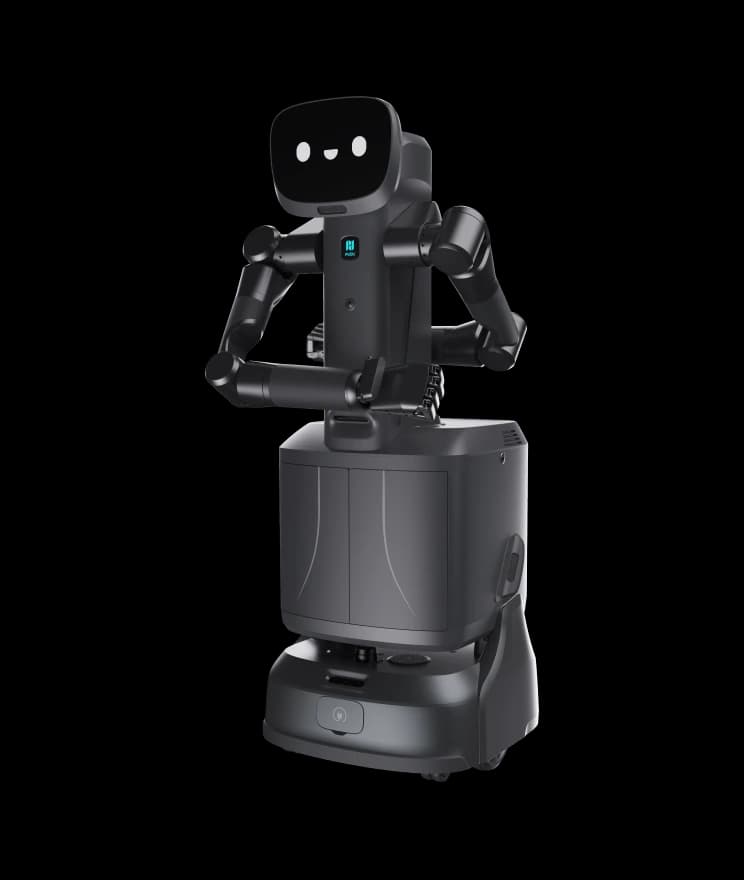
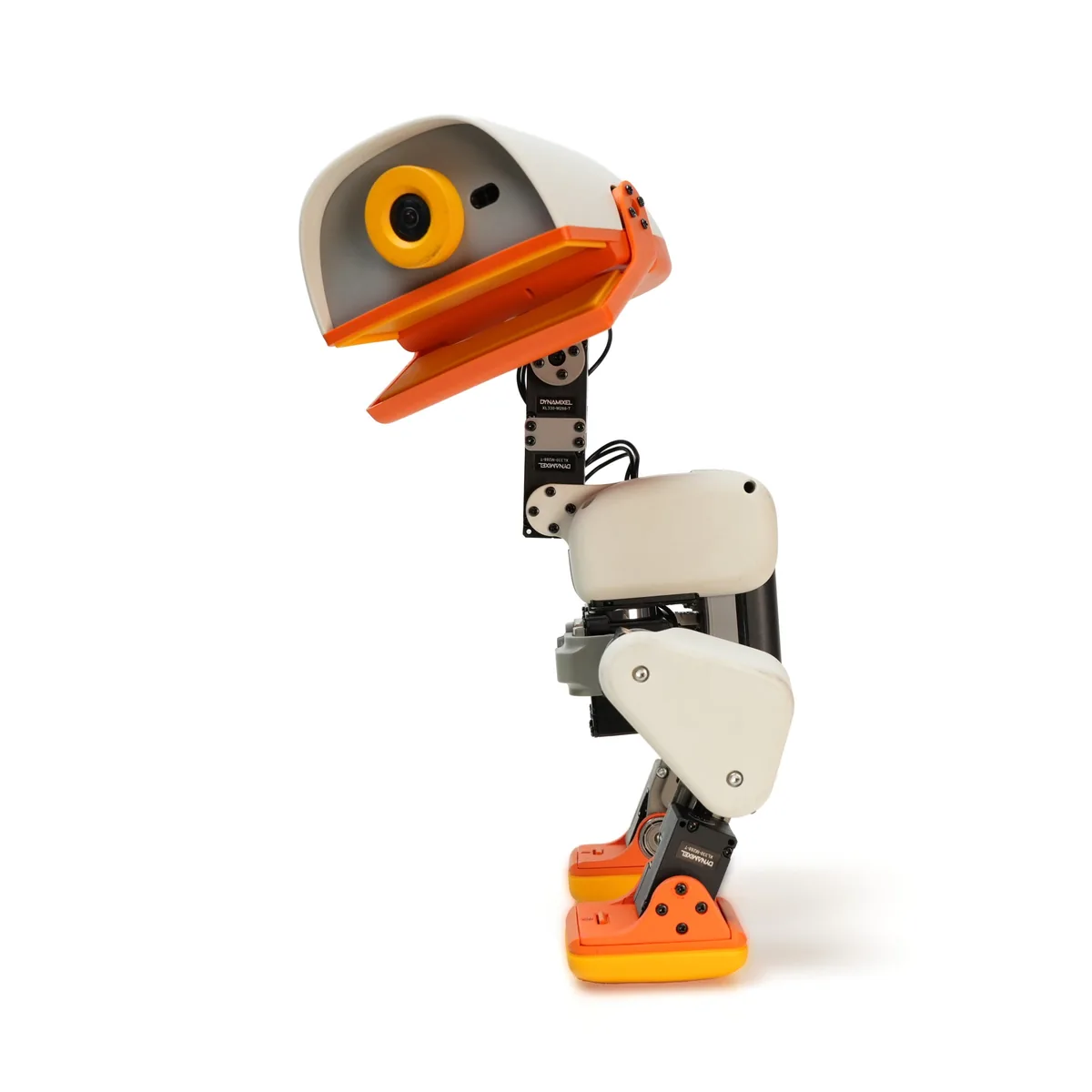
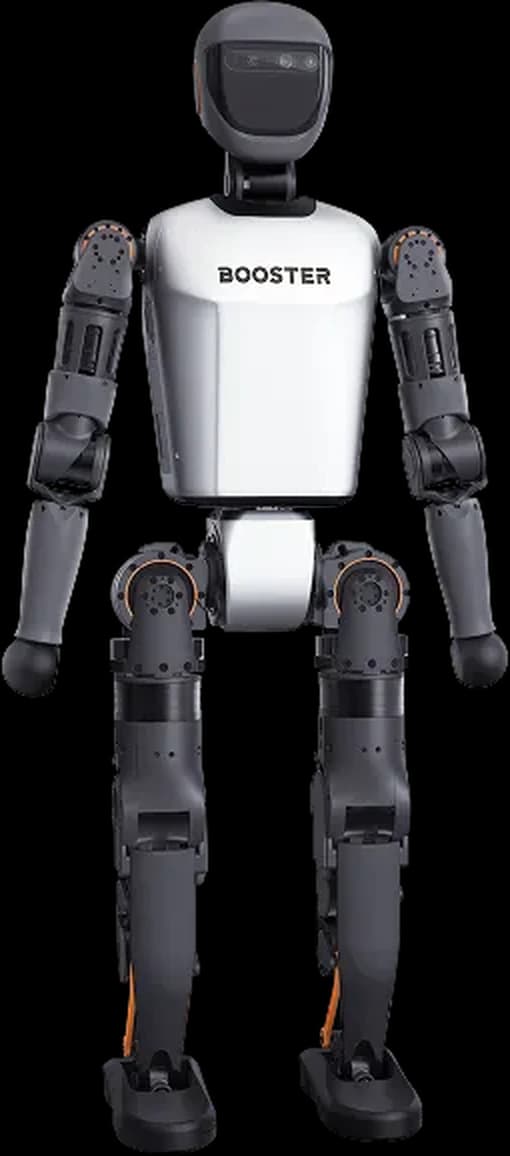
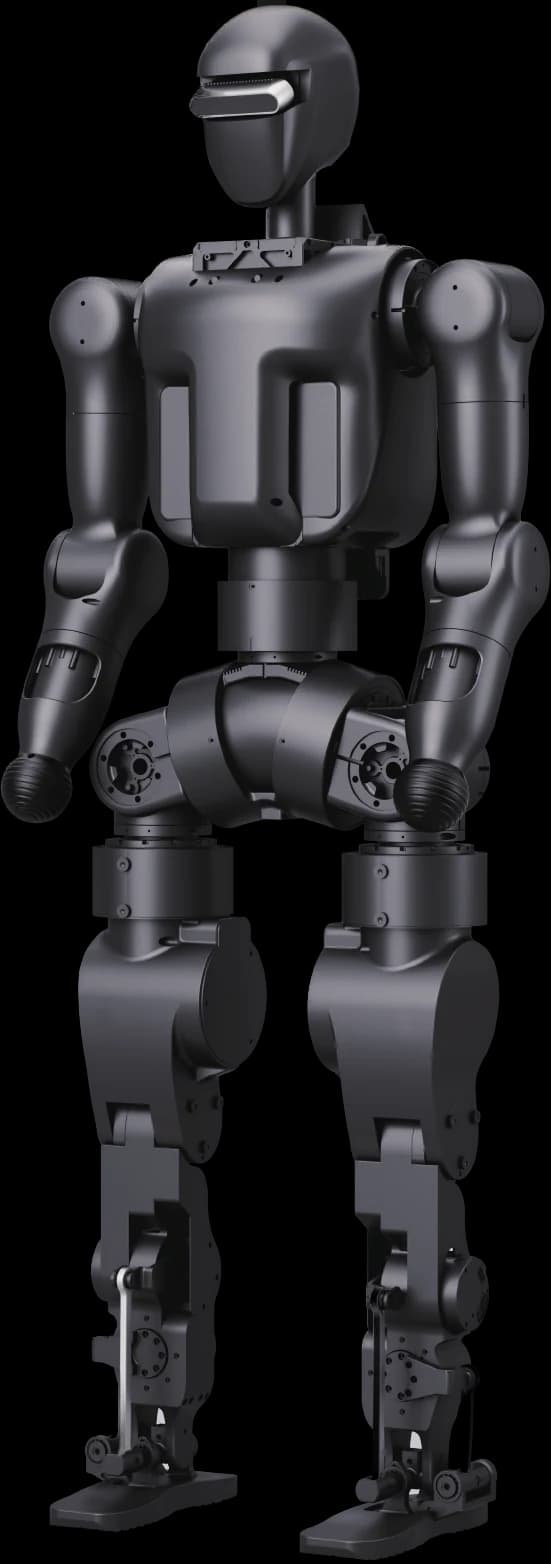
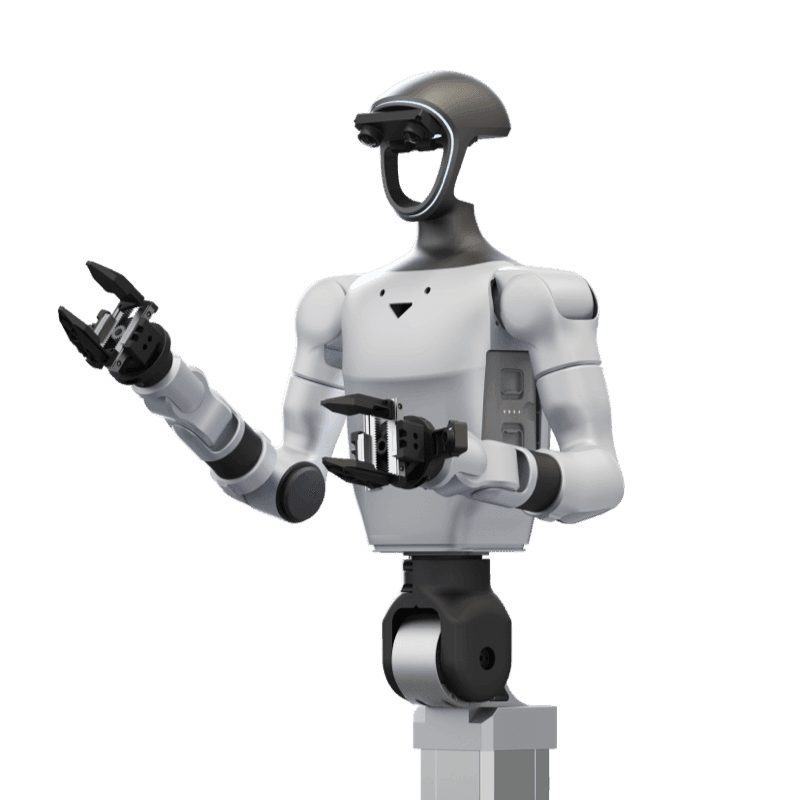
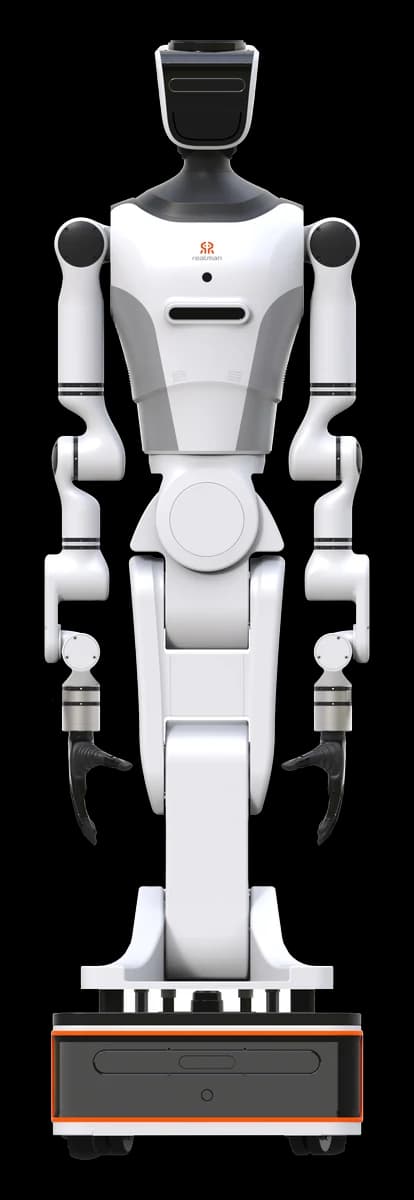
- Humanoid robots; general-purpose platforms in human form.
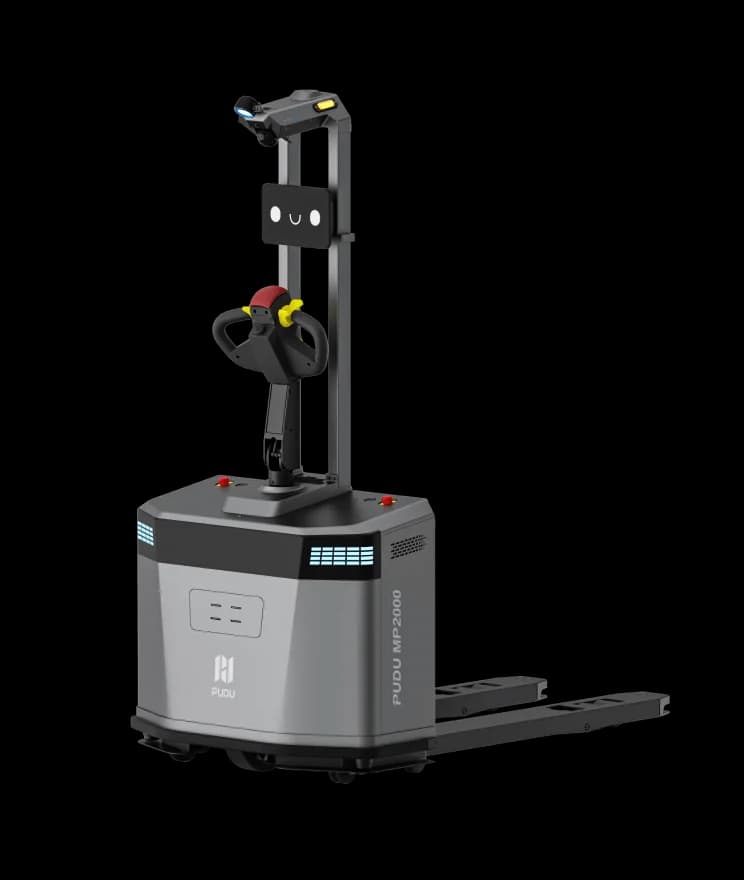
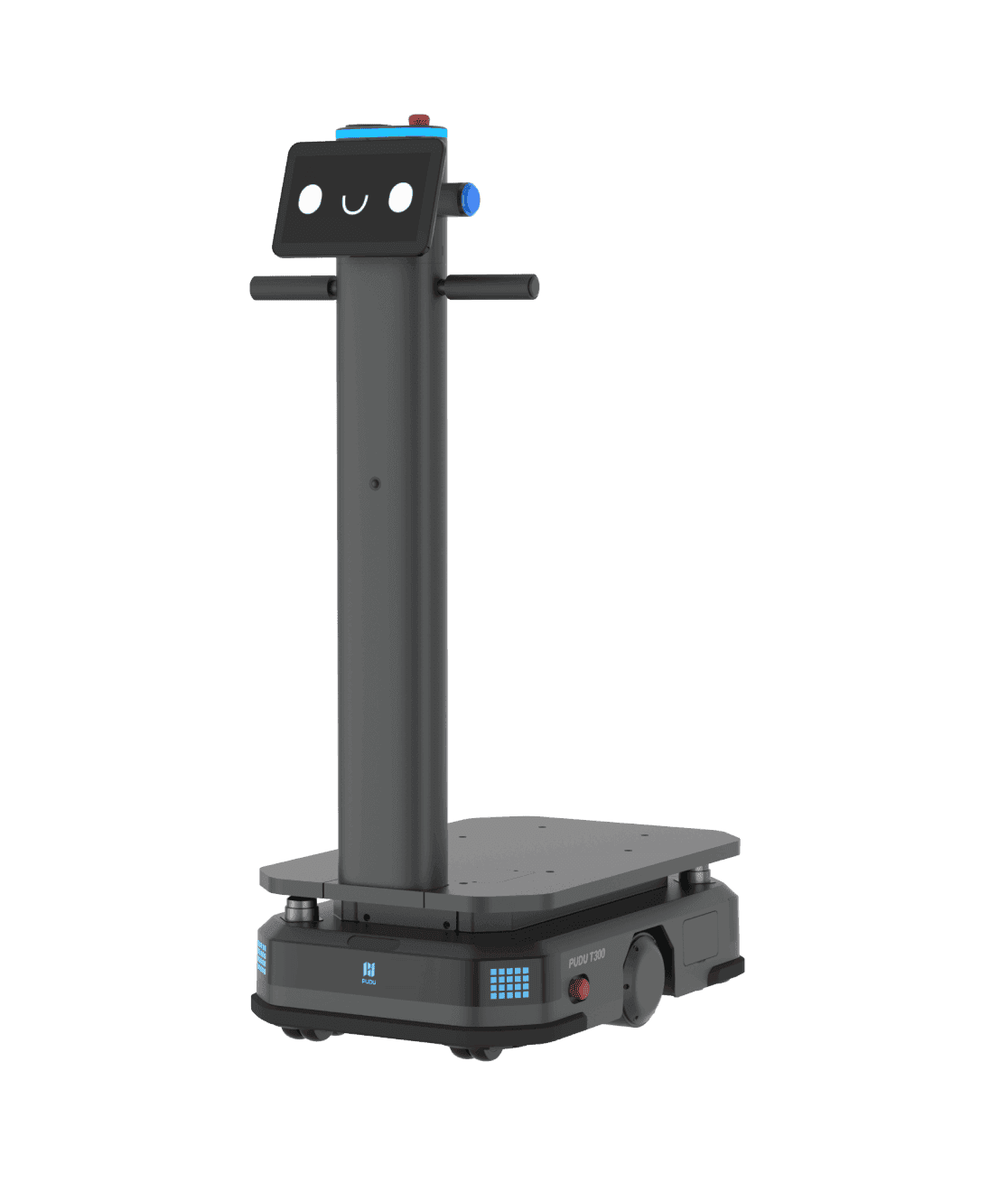
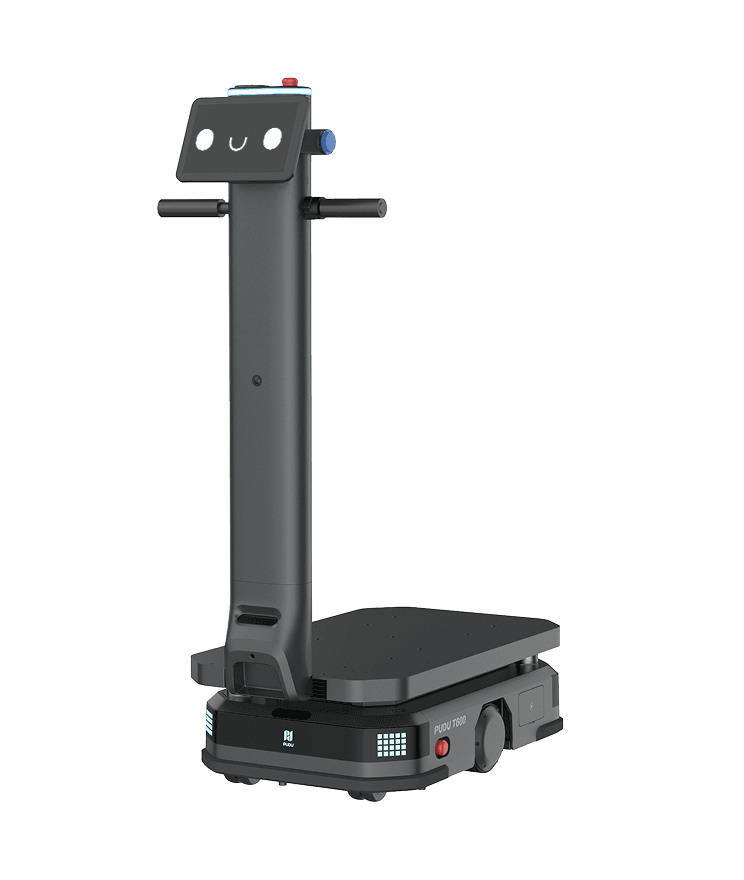
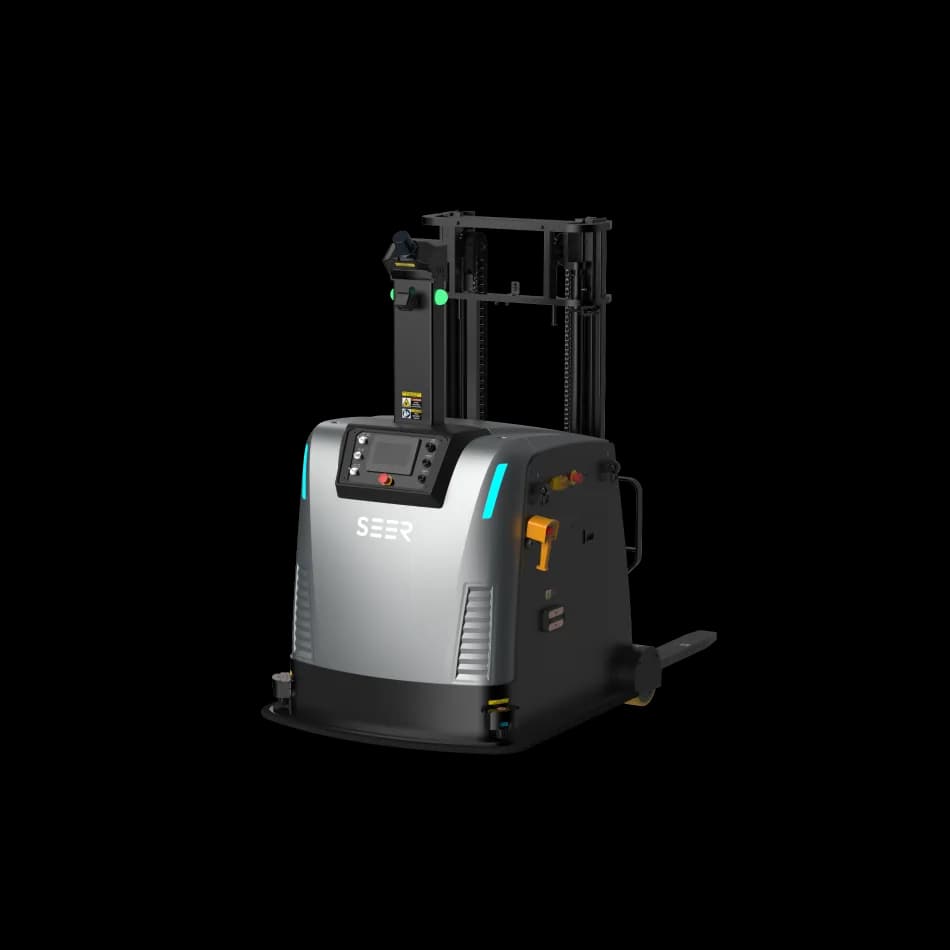
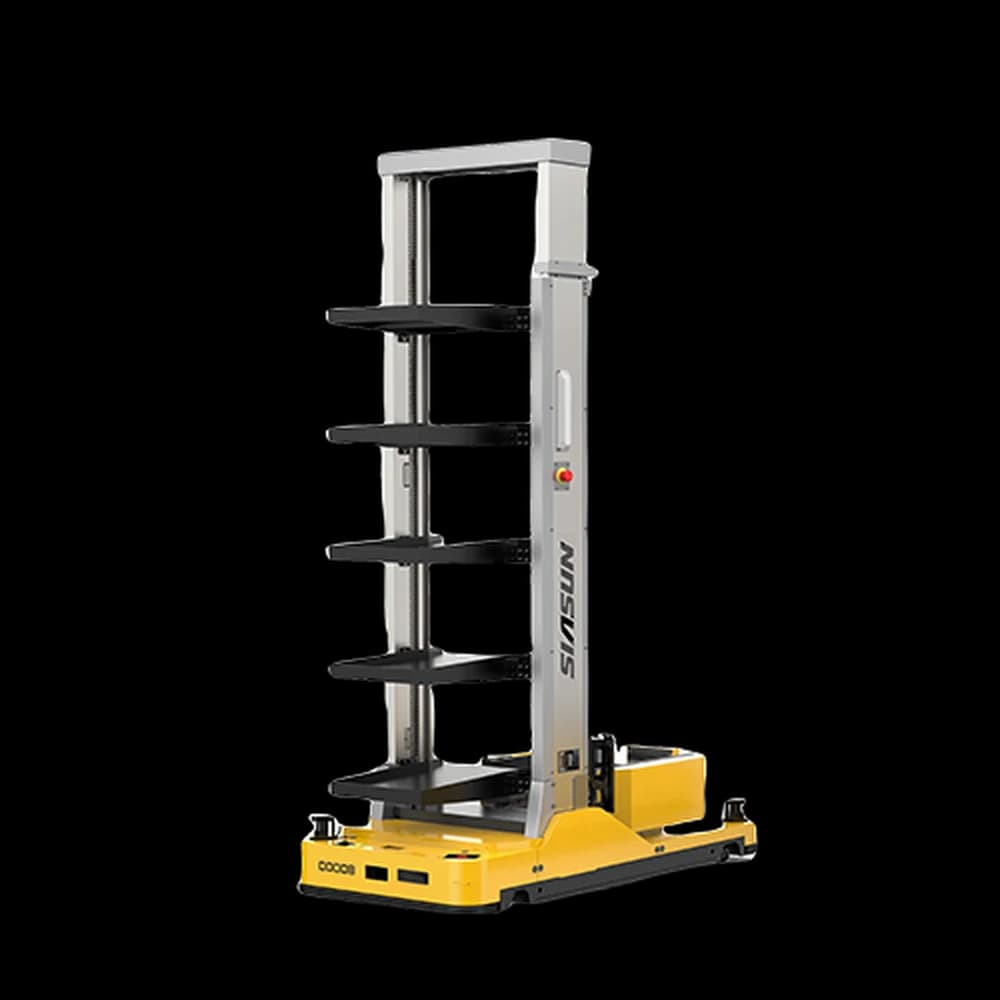
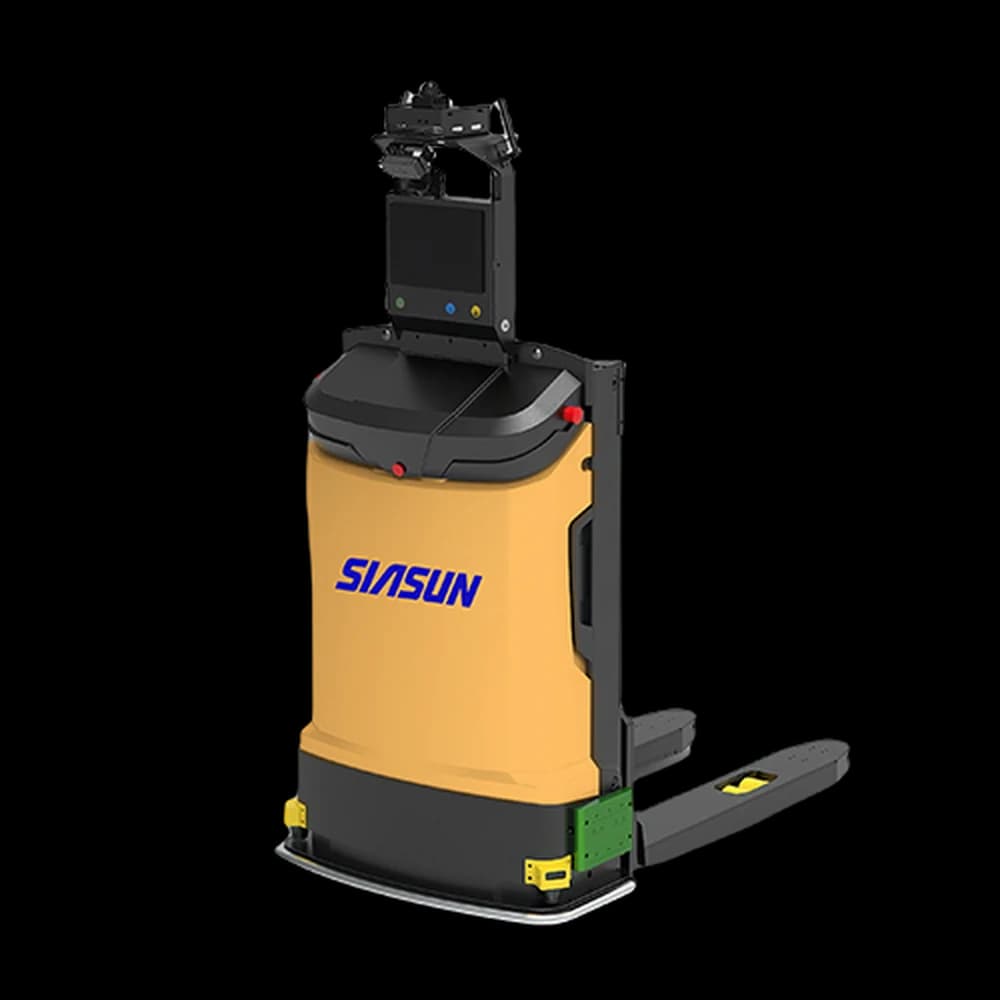
- Logistics robots; in-facility material transport (AMR).
- Medical robots; surgery and rehabilitation.
- Military robots; autonomous or remotely operated systems for reconnaissance and response.
Entertainment, space, education and hobby robots extend the list. Each is covered below.
What is an industrial robot and where is it used?
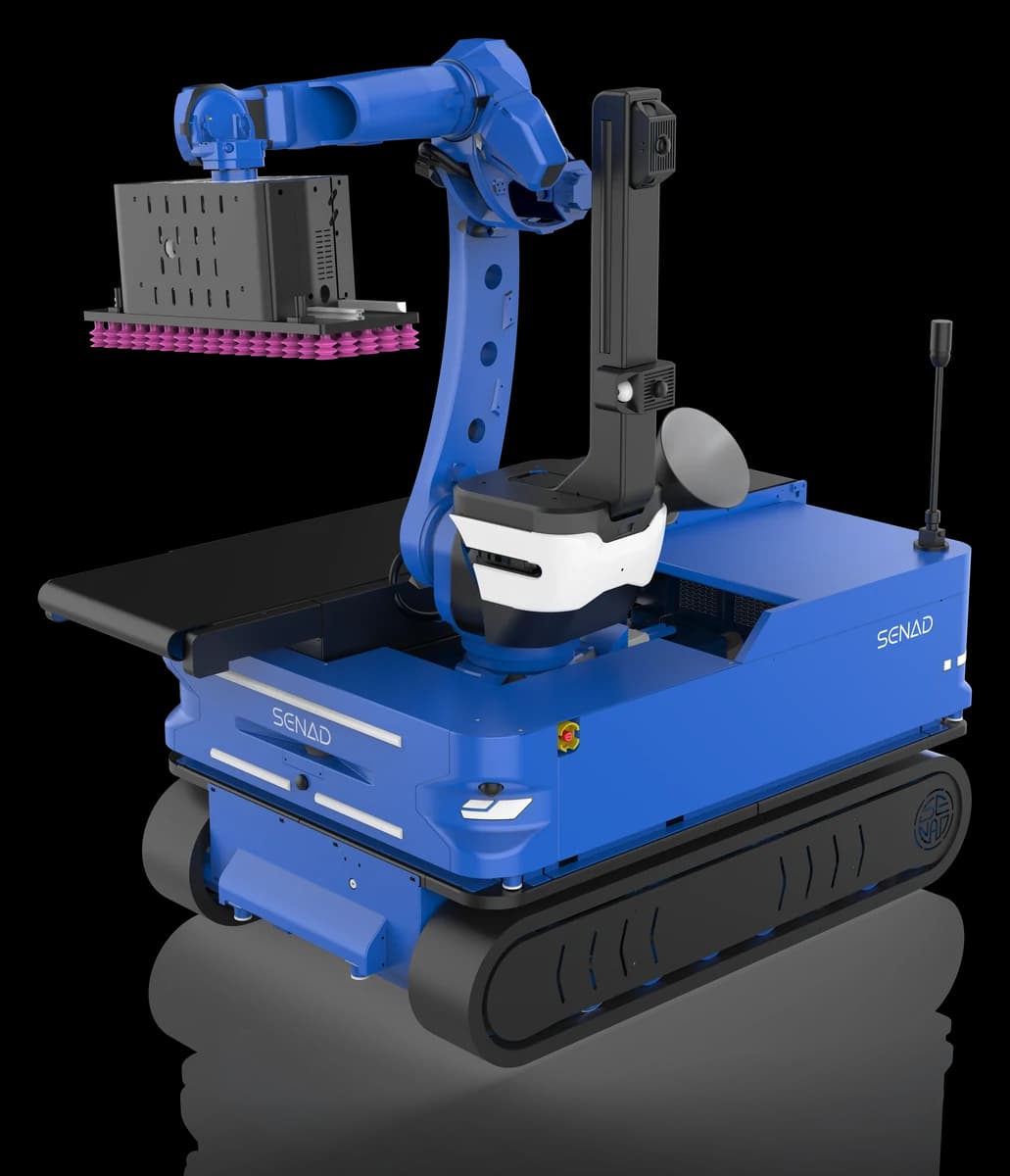
An industrial robot performs repetitive, precise work in a production environment. The classic example is the articulated robot arm: welding, painting, bonding, assembly, palletising and quality inspection. Its advantage is repeatability; it holds millimetre consistency around the clock, where a human operator drifts with fatigue.
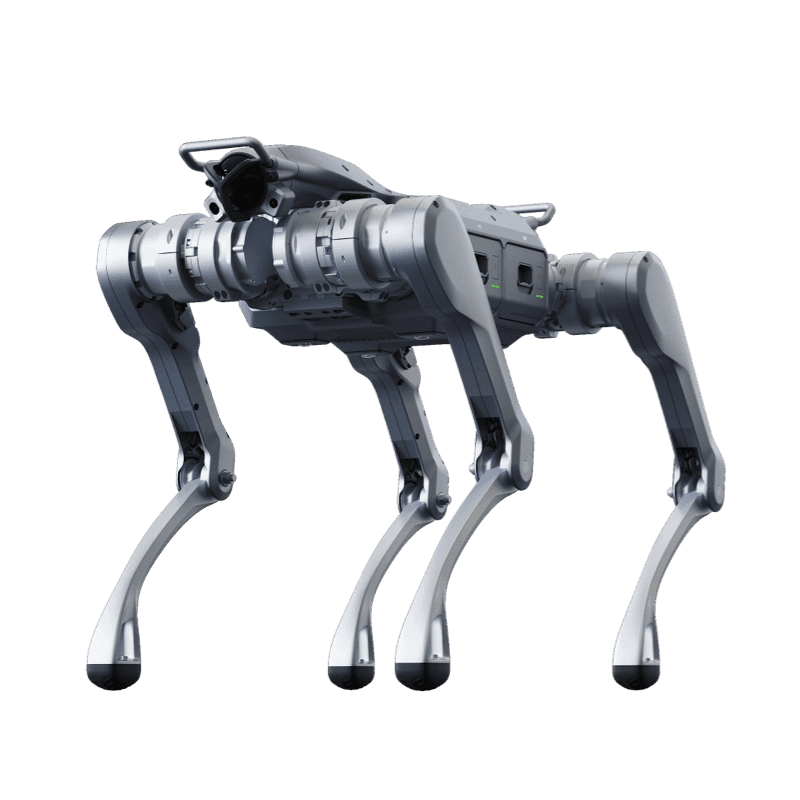
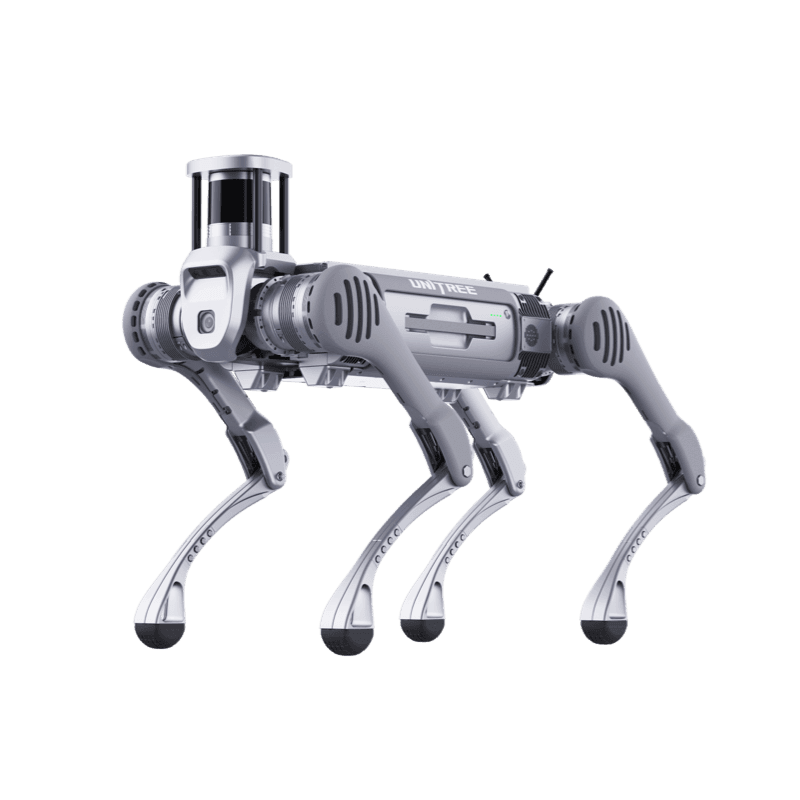
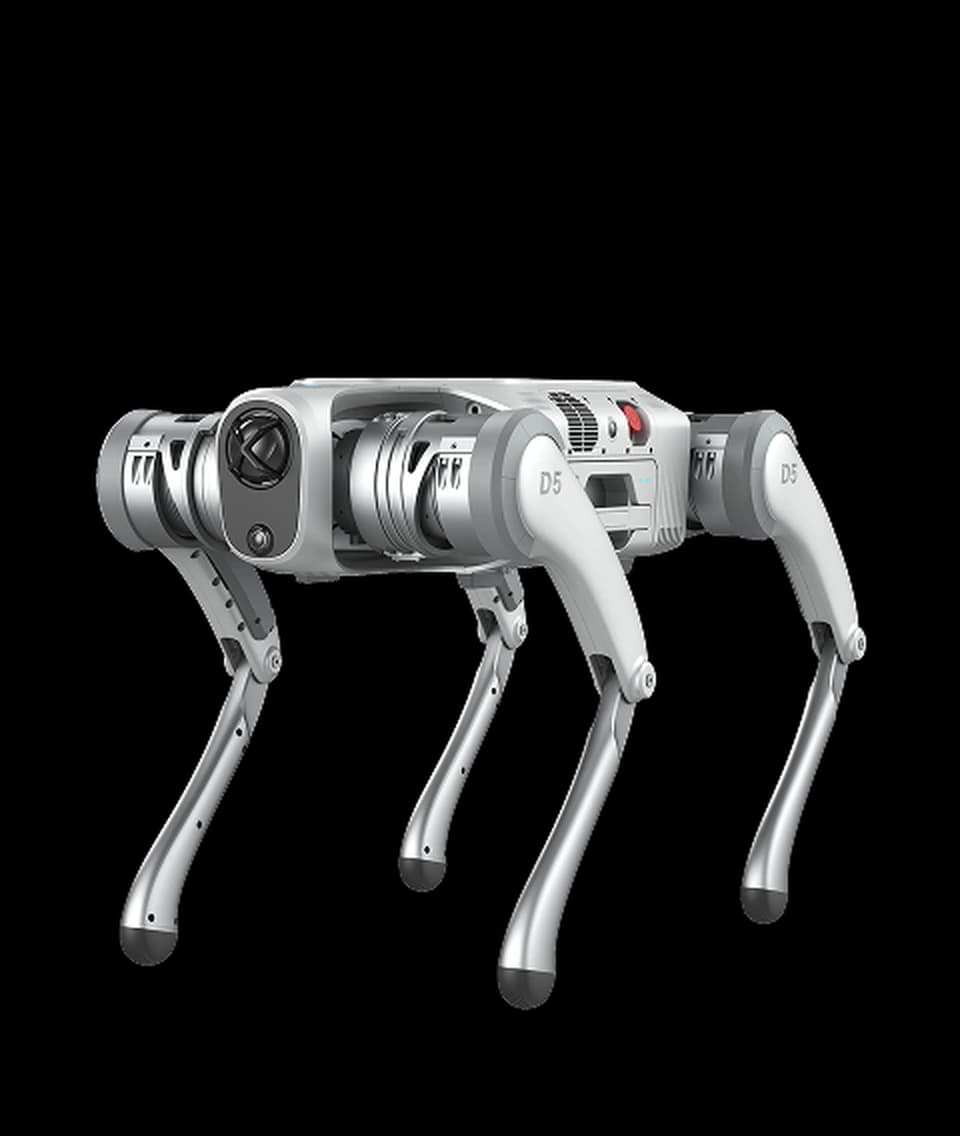
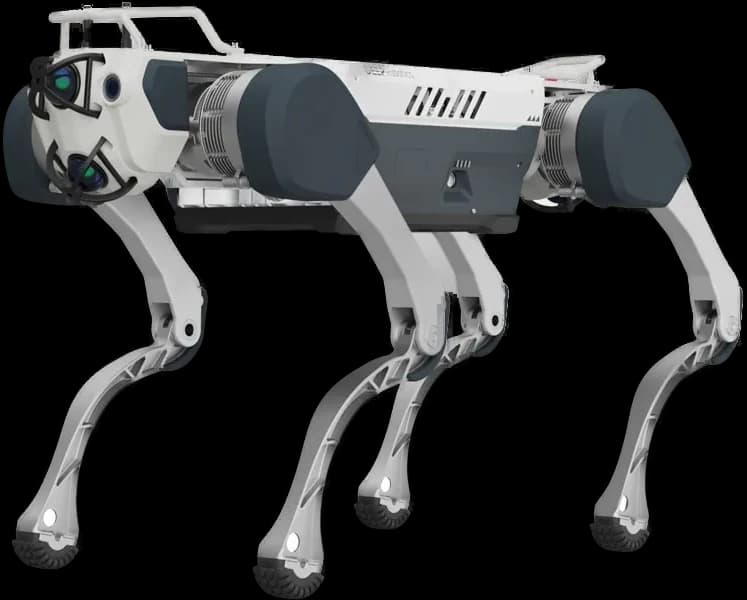
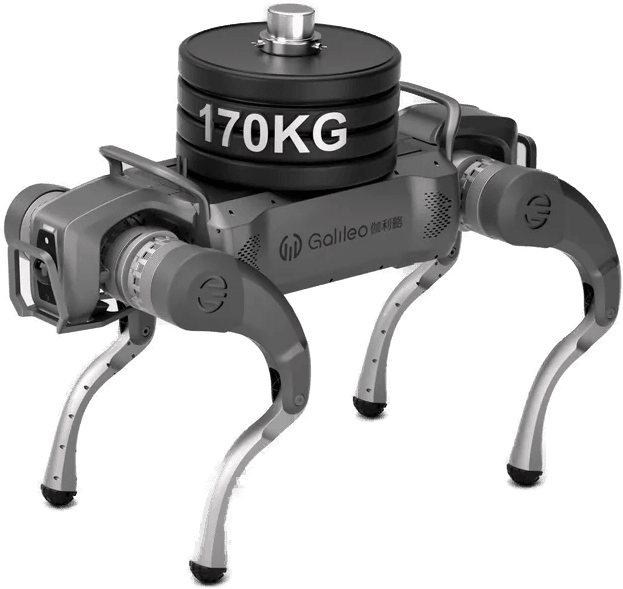
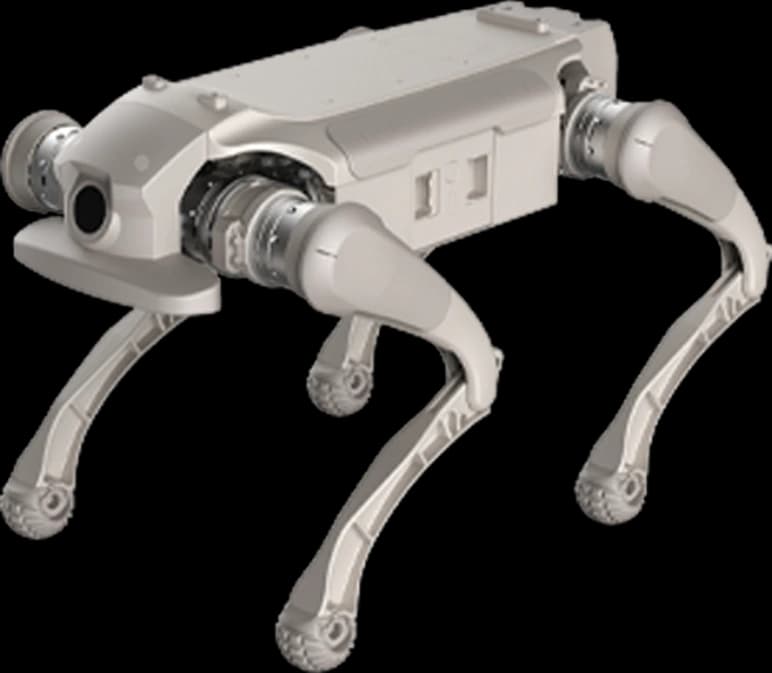
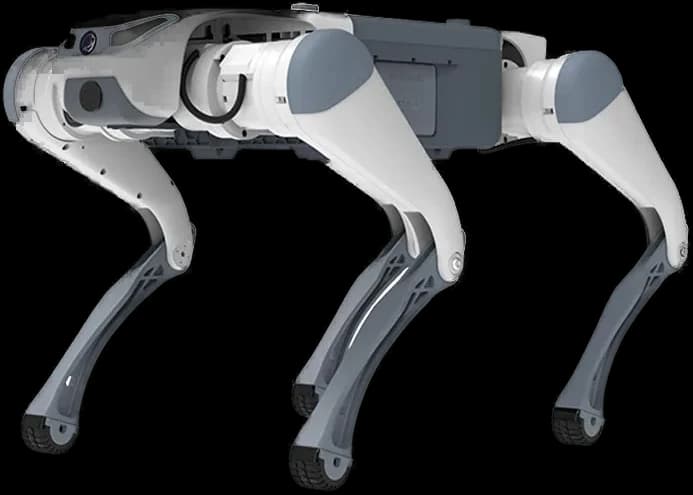
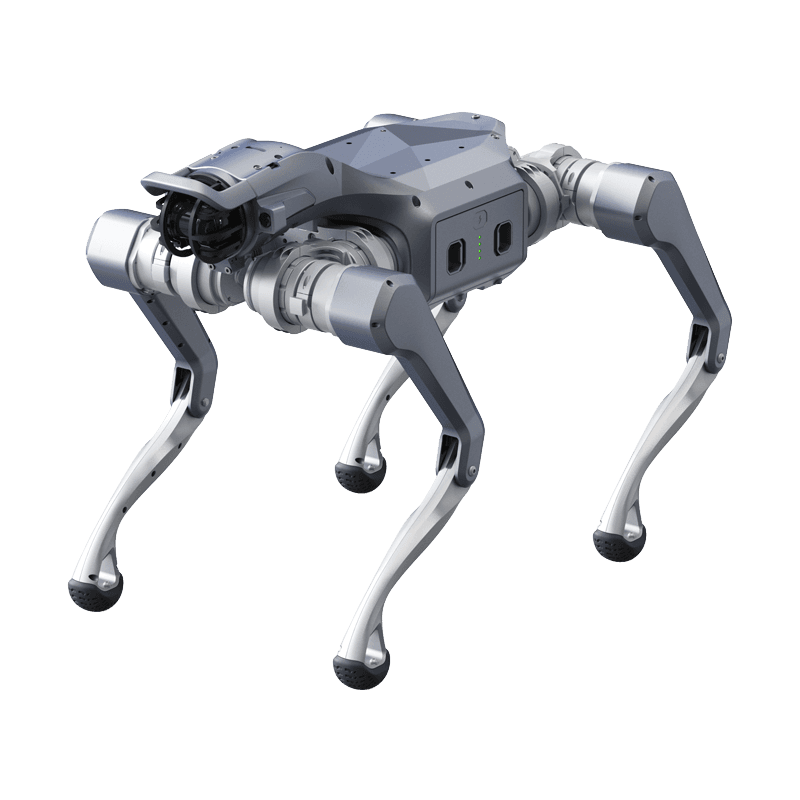
Scope note: Robotlar.org does not sell fixed robot arms (welding or painting cells). Our industrial lane is robots that move through the factory and the field: industrial quadrupeds (Unitree B2, A2, AS2) for thermal inspection, gas measurement, patrol and load carrying.
What do field and inspection robots do?
Power plants, industrial zones, mines, construction sites and pipelines; places where sending a person on a regular round is both costly and risky. Quadrupeds stand out here because they cross stairs, grating, mud and slopes where wheels get stuck.
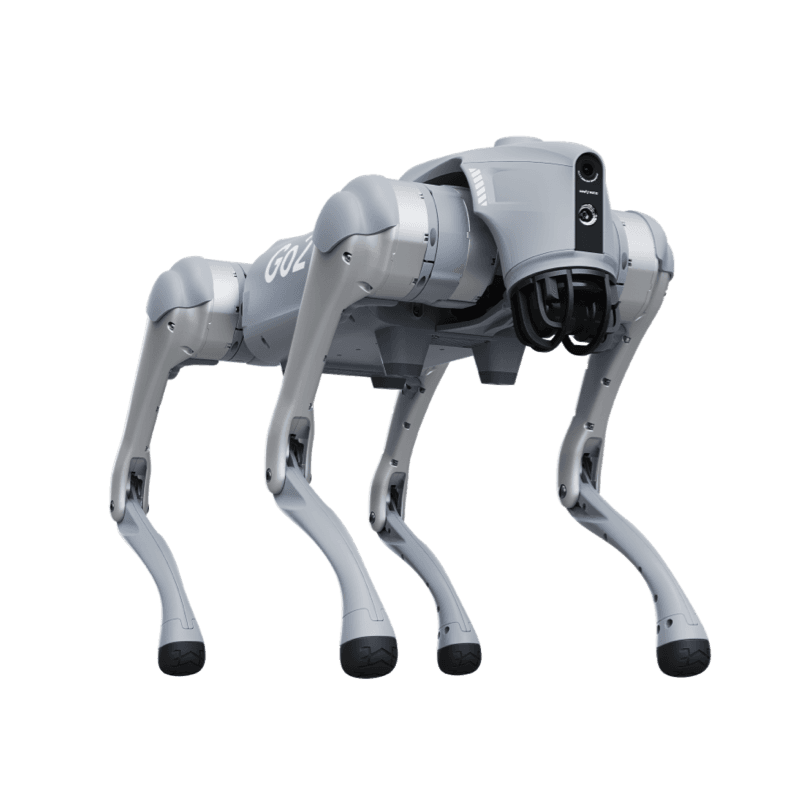
A typical mission: patrol a fixed route with thermal camera and gas sensors, raise an alert on anomalies, return to the dock unaided. Unitree Go2 (15 kg, 4D LiDAR) suits light inspection and R&D; B2 and AS2 are built for heavy field conditions.
What is a service robot? What does it do in restaurants and hotels?
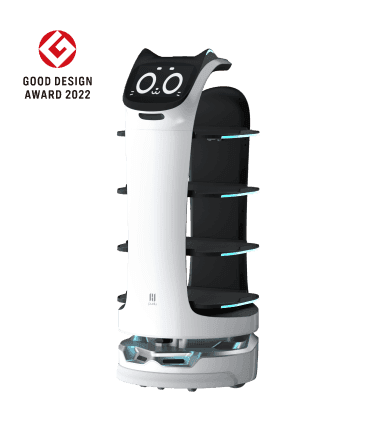
By the IFR definition, a service robot assists people outside manufacturing. In practice it does three jobs: it carries, it greets, it delivers.
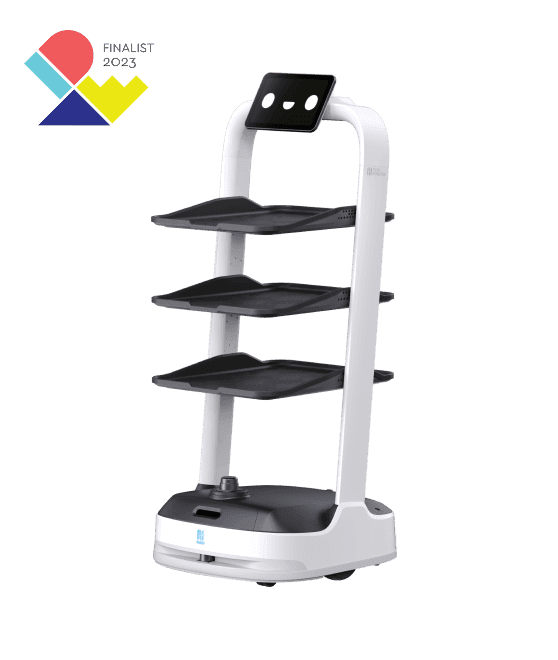
- Carrying: kitchen-to-table service and bussing; BellaBot, PuduBot 2.
- Greeting and promotion: entrance welcome, on-screen menus and campaigns; KettyBot Pro.
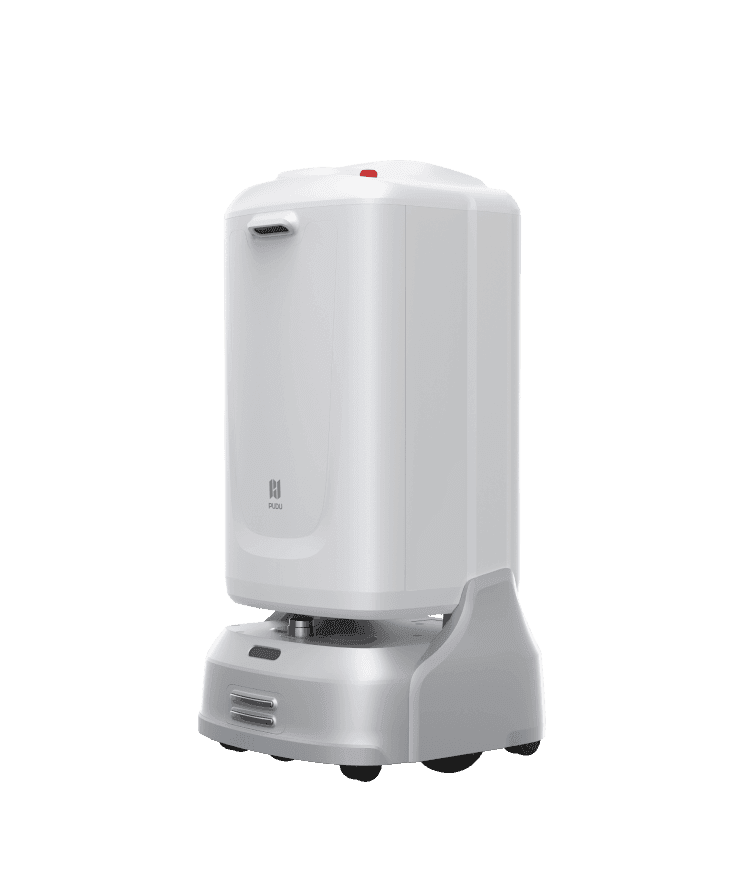
- In-building delivery: delivery to rooms and floors with elevator integration; FlashBot Max.
The gain comes not from replacing waiters but from removing steps: once carrying moves to the robot, staff stay at the table with the guest. See the service robots category.
What types of cleaning robots are there?
Commercial cleaning robots are split by the job they do, and confusing them is the most common mistake:
- Dry sweeping: brushes dust and debris into a bin; Pudu MT1 (35L bin, AI trash recognition, up to 100,000 m²).
- Wet cleaning (scrub and dry): washes with water and detergent, then vacuums dry; CC1 Pro (VSLAM+ navigation, 5,000-8,000 m²).
- Sweep plus vacuum: carpet and hard floor together; MT1 Vac.
- Glass and surfaces: facade and window cleaning; the BG1 series.
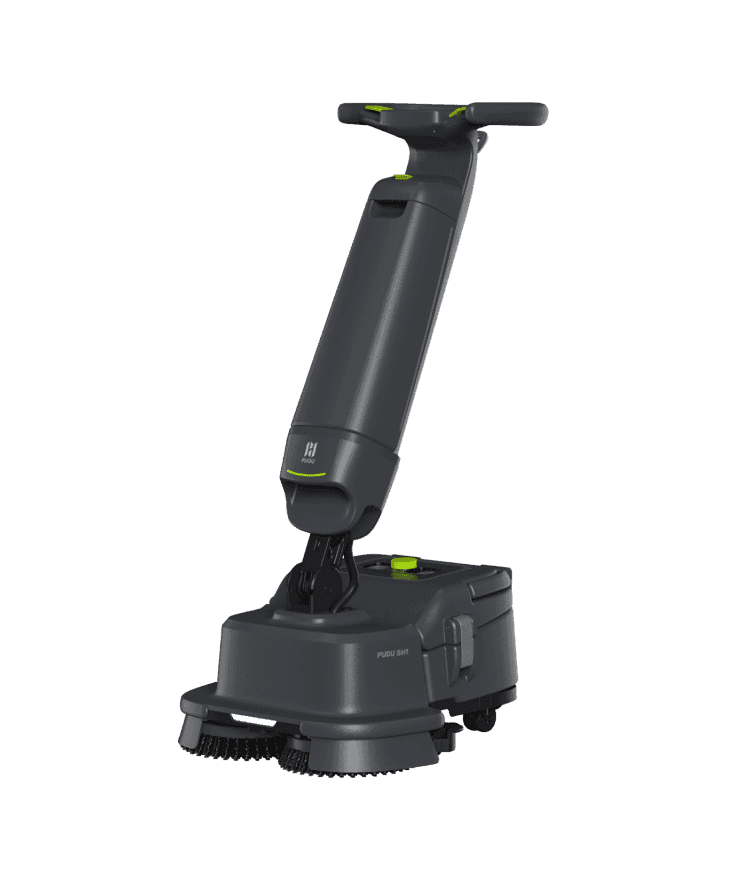
One more distinction: not everything in this family is autonomous. The SH1, for example, is an operator-driven intelligent upright scrubber; a machine, not a robot. The best setup usually combines both: autonomous robots for open areas, an operator-driven machine for corners and tight spaces.
What is a humanoid robot and what can it do today?
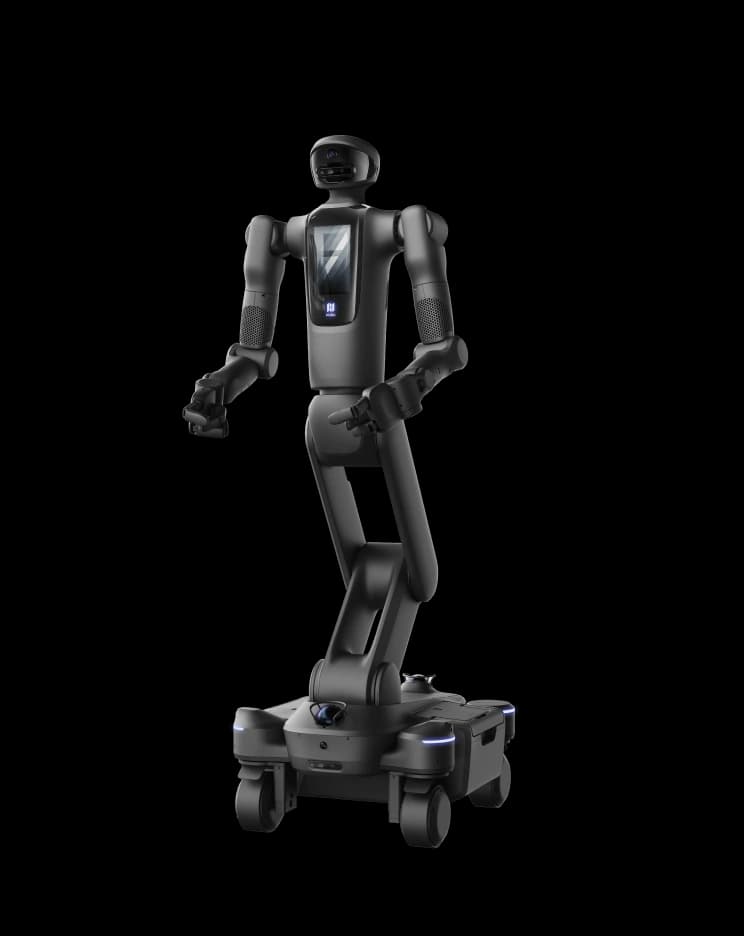
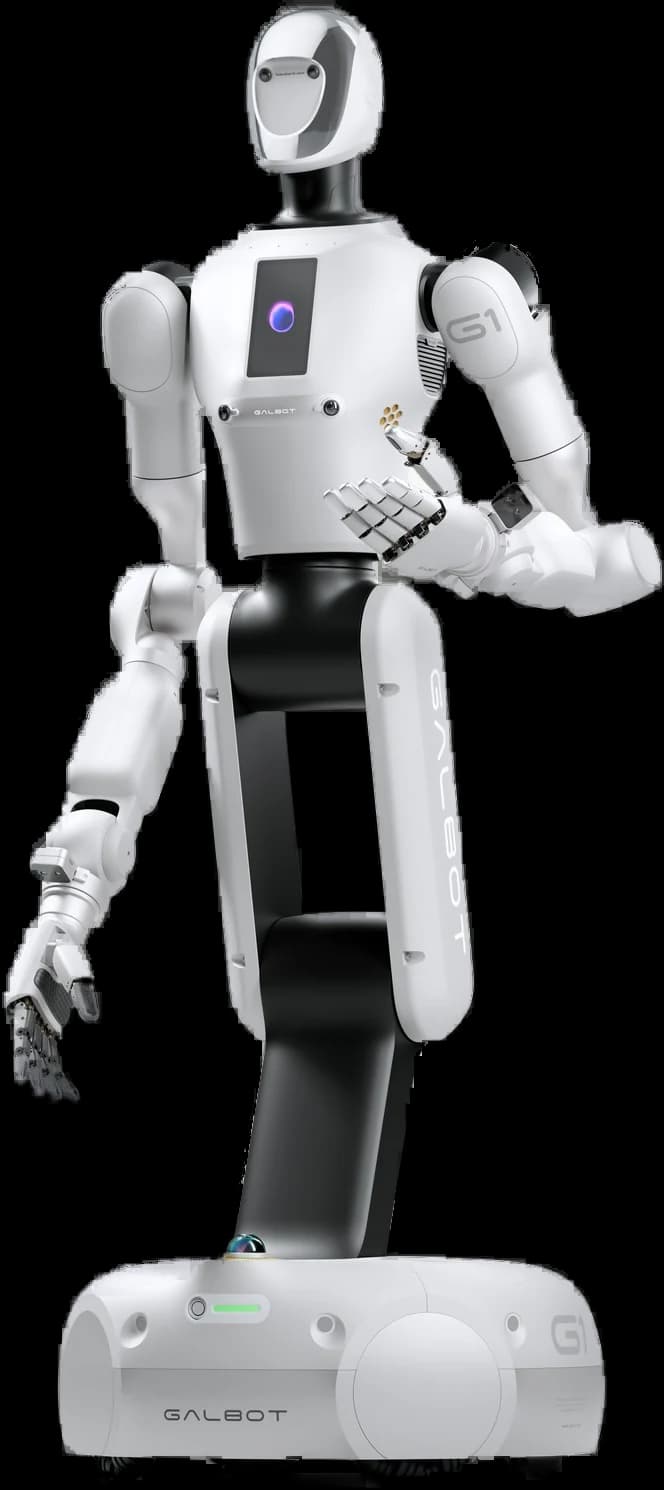
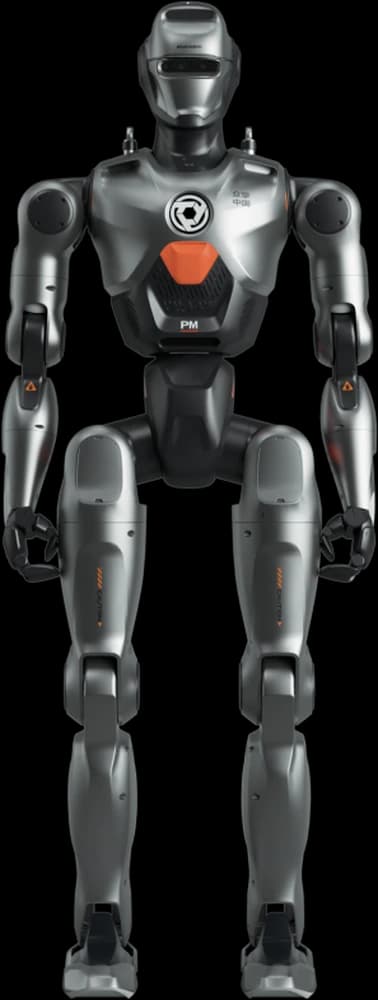
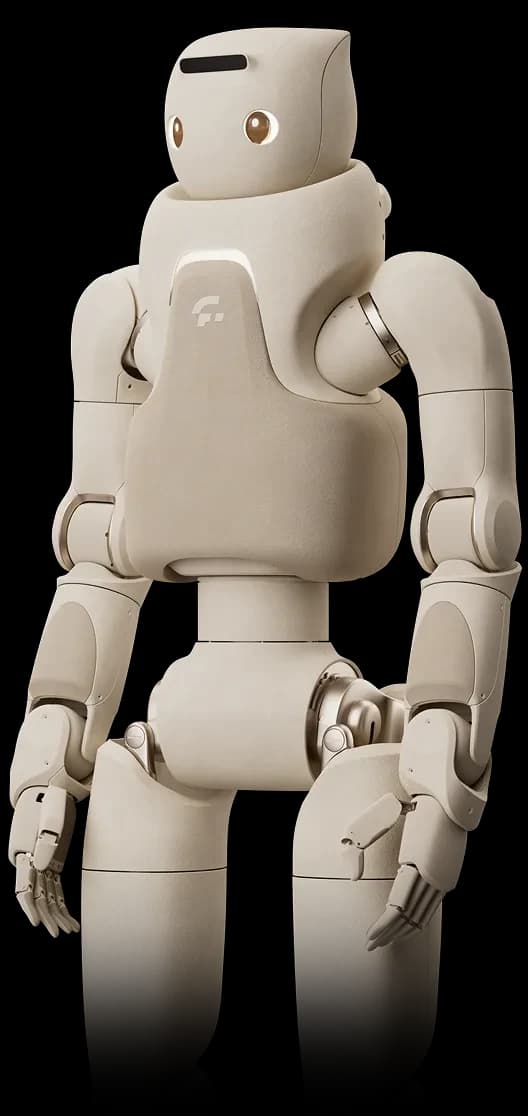
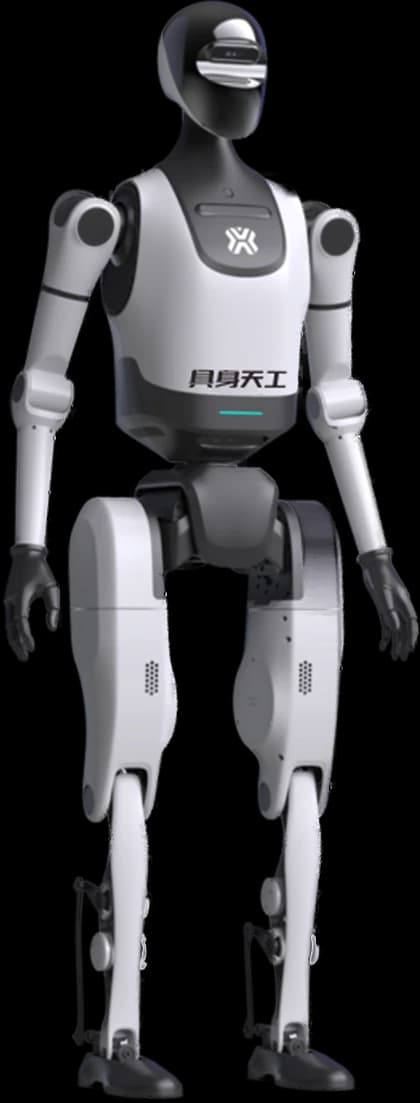
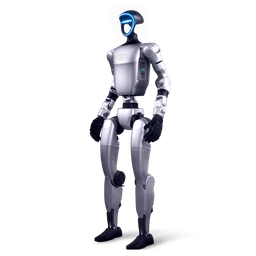
A humanoid robot mimics the human form (two legs, two arms, a torso) as a general-purpose platform. The point is not aesthetics but compatibility: stairs, door handles, tools and spaces designed for people should work without extra infrastructure.
Realistic use today is mostly research, AI development, education and demonstration. Unitree G1 (132 cm, 35 kg, 23 DoF) is an accessible research platform; H2 (182 cm, ~70 kg, 31 DoF) is a full-scale industrial platform. The limit is equally clear: humanoids are development platforms, not general-purpose workers yet.
What problem do logistics robots (AMRs) solve?
Autonomous mobile robots (AMRs) move material inside warehouses and facilities. Unlike classic AGVs they need no floor tape or QR markers: they build the map themselves and re-plan when an obstacle appears.
Typical scenarios: line-side feeding, warehouse-to-production runs, sample transport. On the Pudu side the T150, T300 and T600 family covers this; the model is chosen by payload and aisle width.
Where do medical robots fit in the classification?
Medical robots let surgeons reach difficult areas less invasively and with higher precision. Most are not fully autonomous: they are remotely operated manipulators executing the surgeon's console commands, with the decision staying human. Rehabilitation exoskeletons and in-hospital medication or sample transport robots also sit under this heading.
Scope note: Robotlar.org does not sell medical or surgical robots. In hospitals we work on the facility side: corridor cleaning, sample and supply transport, and greeting.
What are military robots used for?
Military robots are autonomous or remotely operated systems designed for reconnaissance, mine detection, explosive disposal and logistics support. They are listed here for completeness of the classification.
Scope note: The robots we sell are for civilian use; we do not supply weaponised systems. Unitree and Pudu products are offered for commercial, industrial and academic use.
Where are entertainment, event and education robots used?
Entertainment robots produce an experience rather than doing utilitarian work: animatronics in theme parks, stage shows, trade fair and launch stands. At events, quadrupeds and humanoids serve as powerful attention magnets; a Go2 or G1 walking on stage draws a queue to the booth.
In education the same platforms become curriculum tools: EDU versions used in university labs for ROS 2, SLAM, reinforcement learning and sim-to-real work ship with an open SDK.
What are the types of robots by locomotion?
The second axis of classification: how does the robot move? This can matter even more than the application area when buying.
- Fixed (manipulator): a stationary arm. Highest precision, zero travel.
- Wheeled: most efficient, quietest and longest-range on flat, hard floors. Most service, cleaning and logistics robots are wheeled.
- Tracked: grips on loose ground and rubble; heavy and slow.
- Legged (quadruped/biped): stairs, grating, slopes and rough ground; everywhere wheels fail. The cost is range and payload.
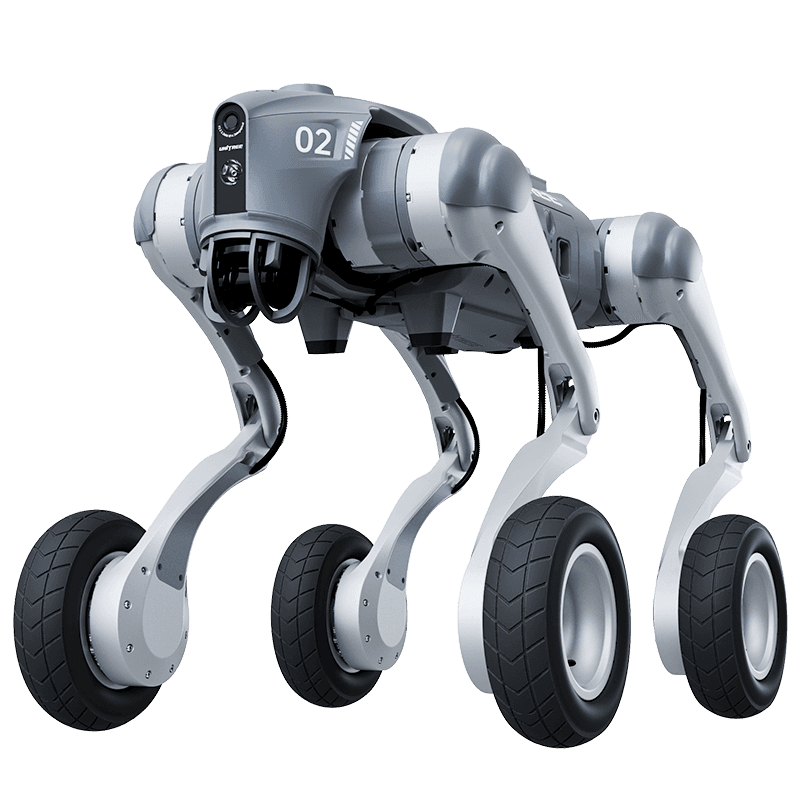
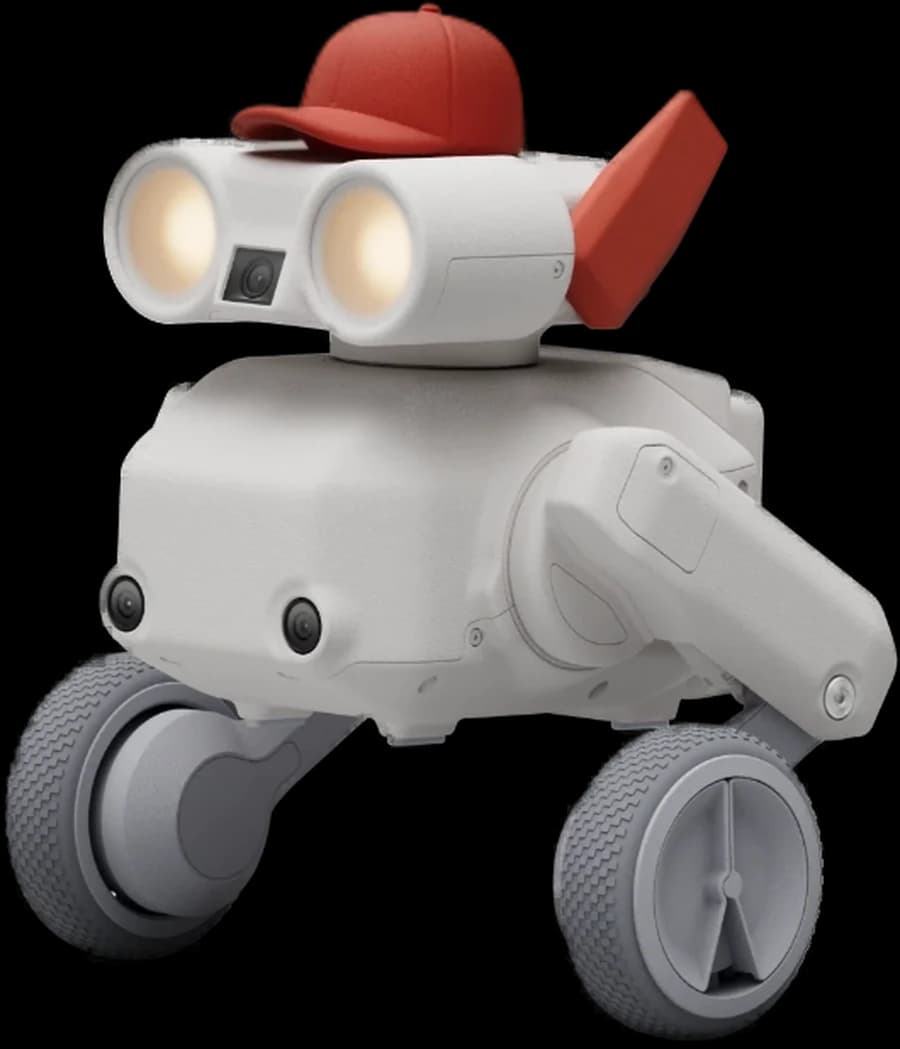
- Hybrid (wheel plus leg): fast on flat ground, steps over obstacles; Go2-W and B2-W are in this class.
- Flying / underwater: UAVs and subsea vehicles, complementing legged robots where access is the constraint.
Which type of robot fits which job?
A practical mapping:
- Restaurant, cafe, hotel dining → service robot (BellaBot, KettyBot Pro)
- Hotel room and floor delivery → in-building delivery robot (FlashBot Max)
- Mall, airport, hospital floors → wet cleaning (CC1 Pro) plus dry sweeping (MT1)
- Factory and warehouse floors → large-area sweeping (MT1 Max), CC1 Pro where needed
- In-warehouse material flow → logistics AMR (T300, T600)
- Field inspection, patrol, measurement → quadruped (Go2, B2, AS2)
- R&D, universities, AI development → humanoid or quadruped EDU platform (G1, Go2 EDU)
If you are unsure, see our robot buying guide. In a free site survey we measure your space and pick the right class together.
What should you consider when choosing between robot types?
Six questions that prevent most bad investments:
- Is the work genuinely repetitive? Robots win on repetition, not on work that changes every time.
- What is the floor and route like? Stairs, thresholds, carpet and grating decide the locomotion class.
- How many square metres? Model capacity and the number of robots follow from this.
- When will it run? Off-hours operation delivers the highest return in most facilities.
- Who will operate it? A robot does not remove staff; it changes their job. Plan the training.
- Is there service and spare parts support? Still running in year two is worth more than being cheap on day one.