Summary
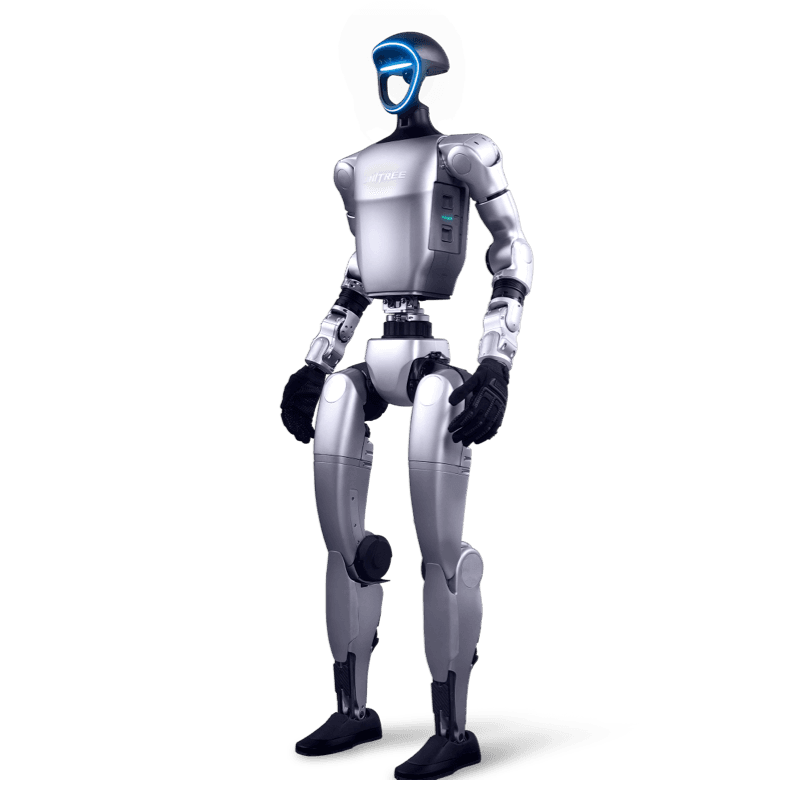
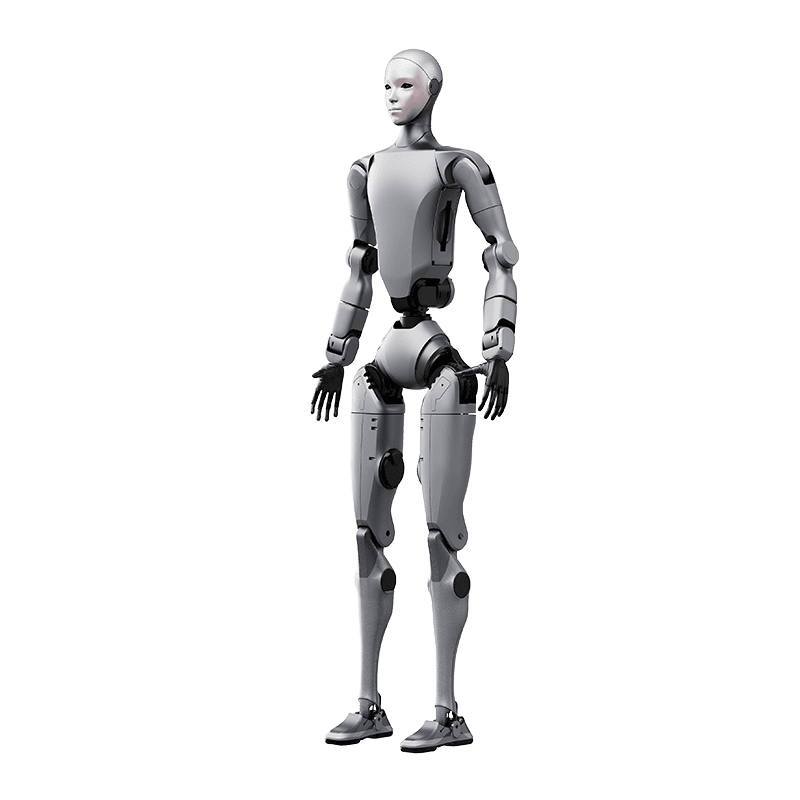
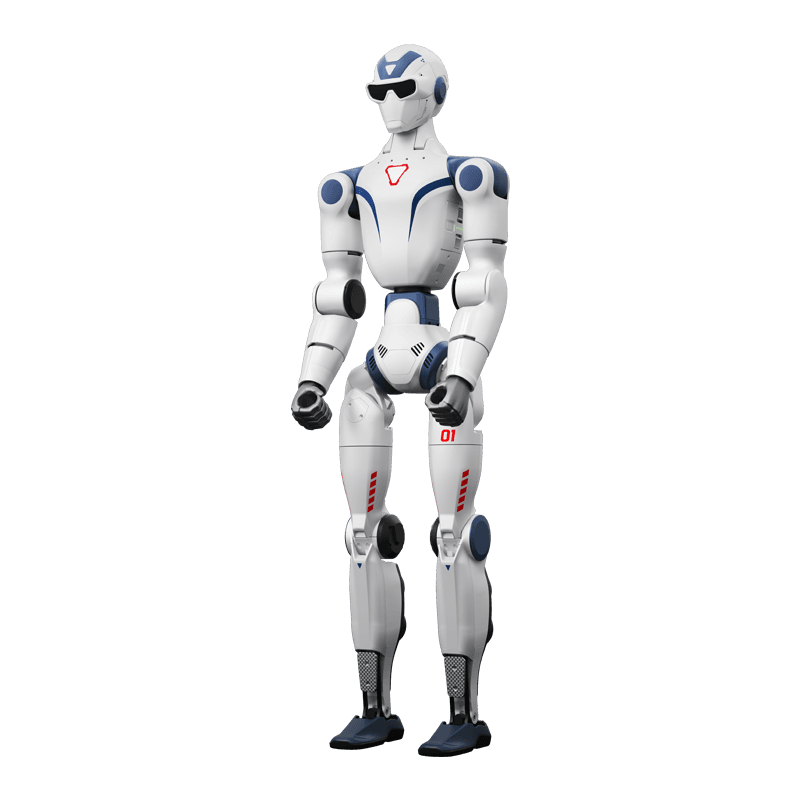
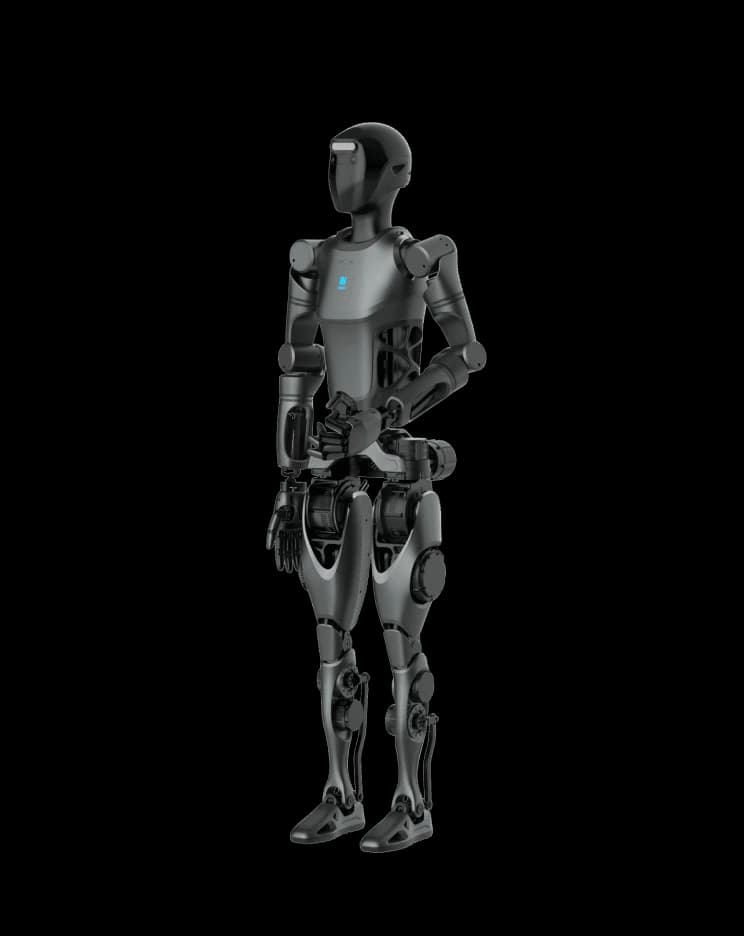
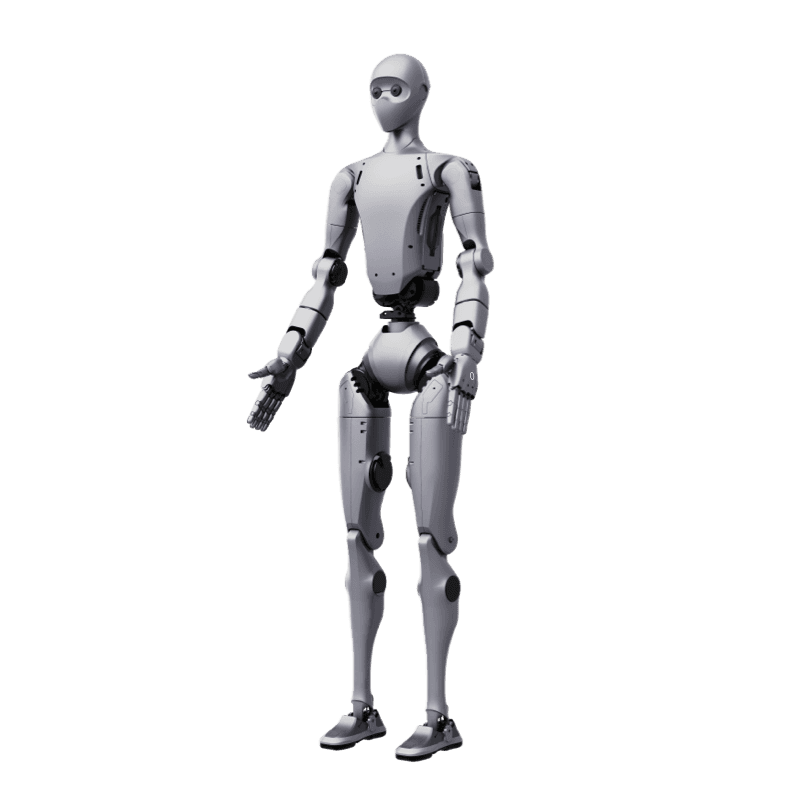
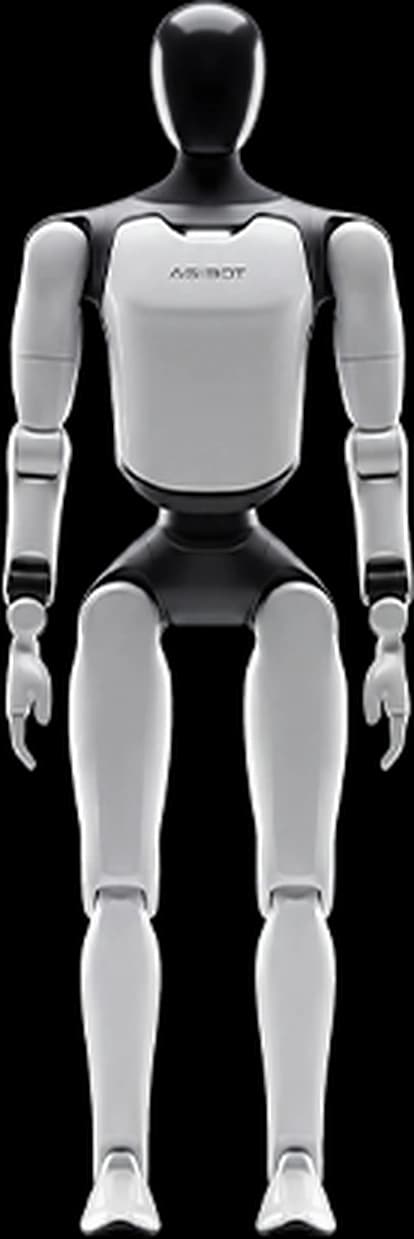
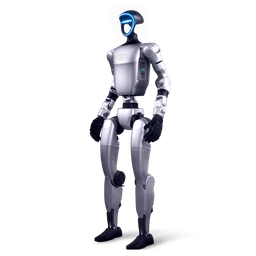
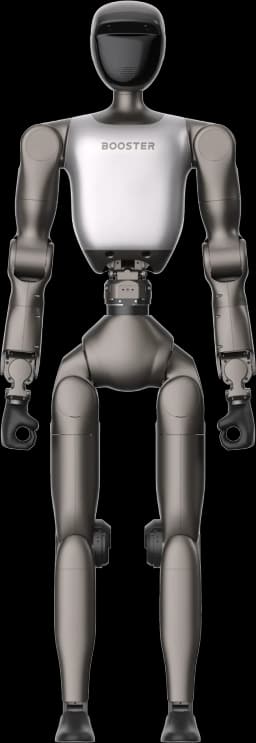
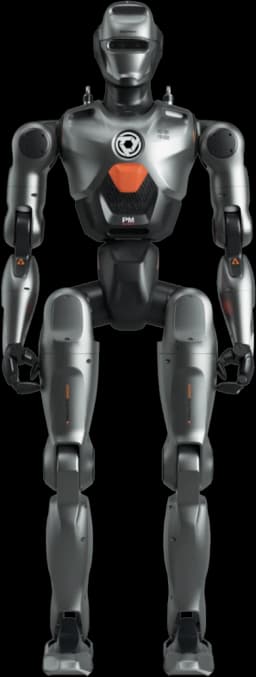
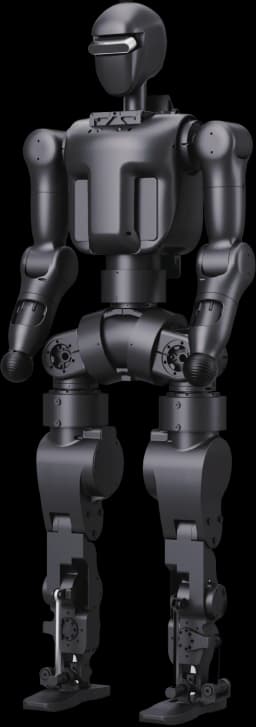
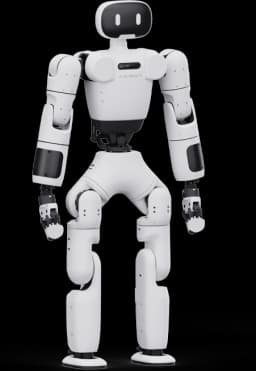
- In the G1 class (95-145 cm, 20-45 kg, bodies one person can carry) there are six alternatives with a documented joint-level SDK: Booster T2, EngineAI PM01, Fourier N1, AgiBot X1, Booster T1 and Booster K1.
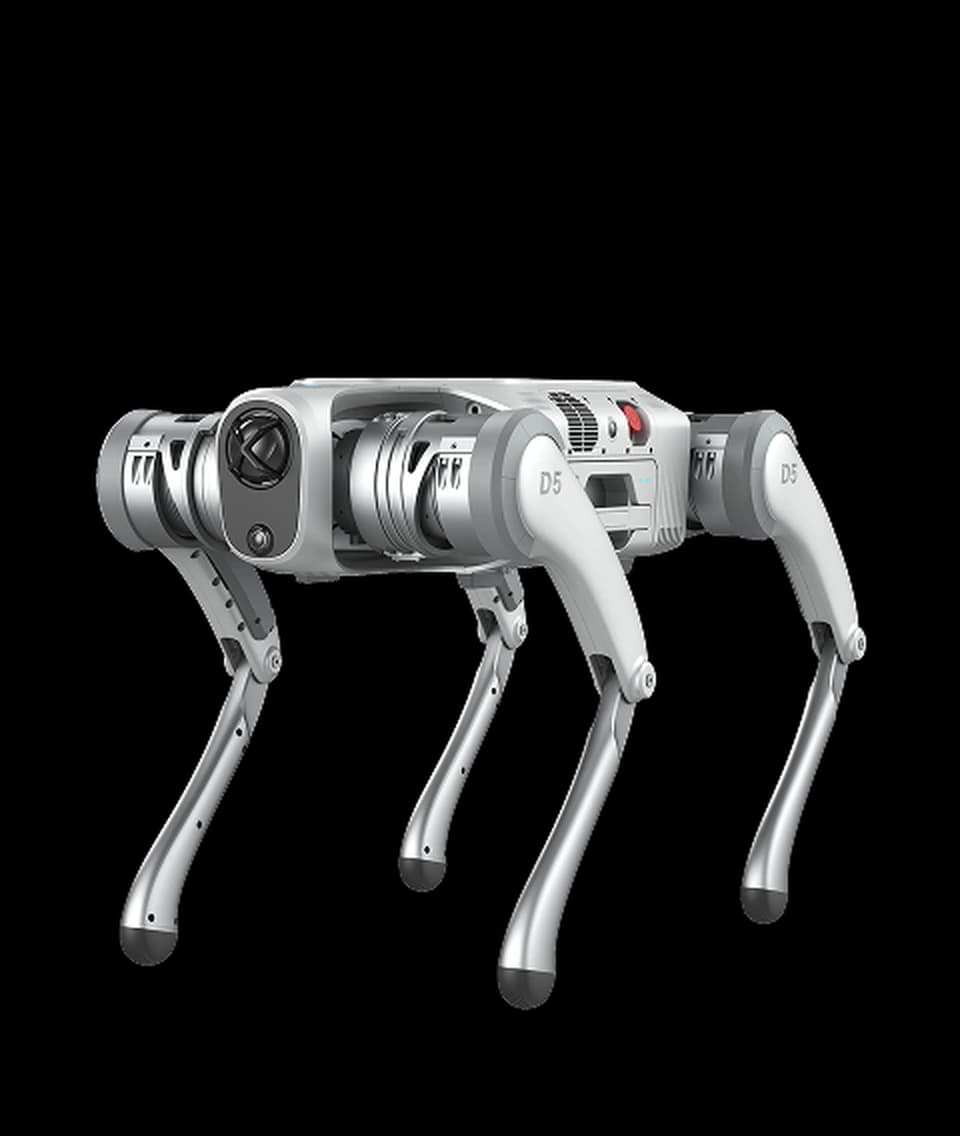
- Within the same ecosystem, the Unitree R1 is the lower entry point and the Unitree H2 the step up; both are supplied from stock in Turkey with warranty and service.
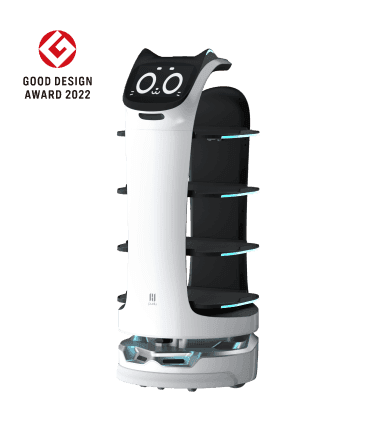
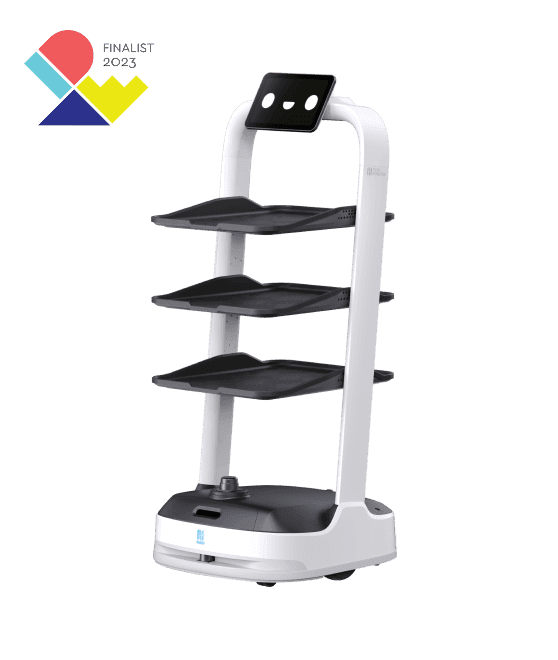
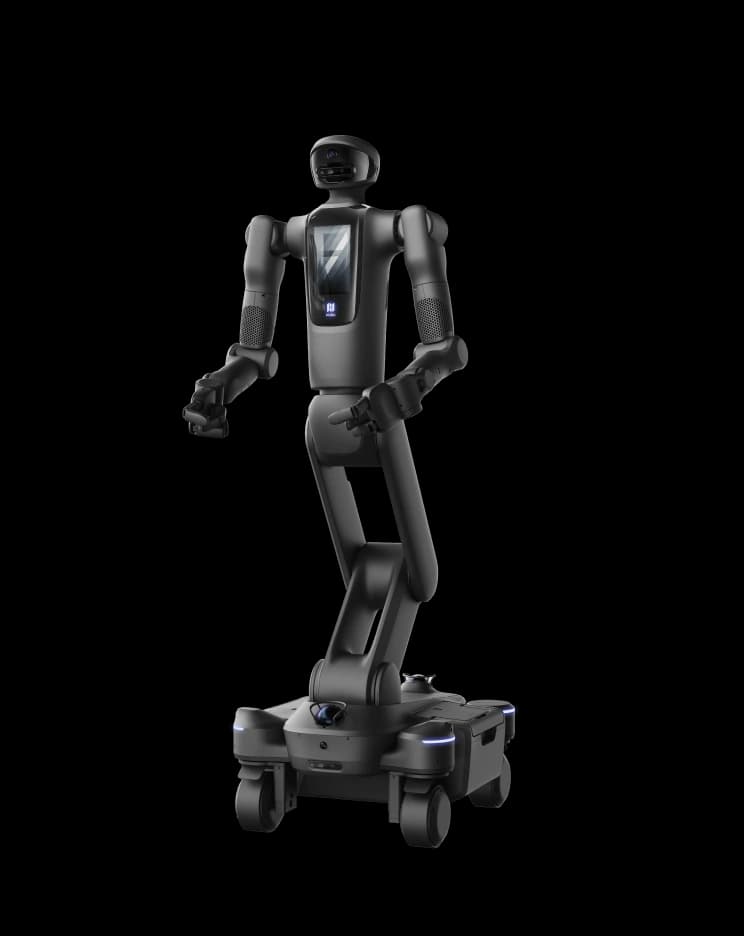
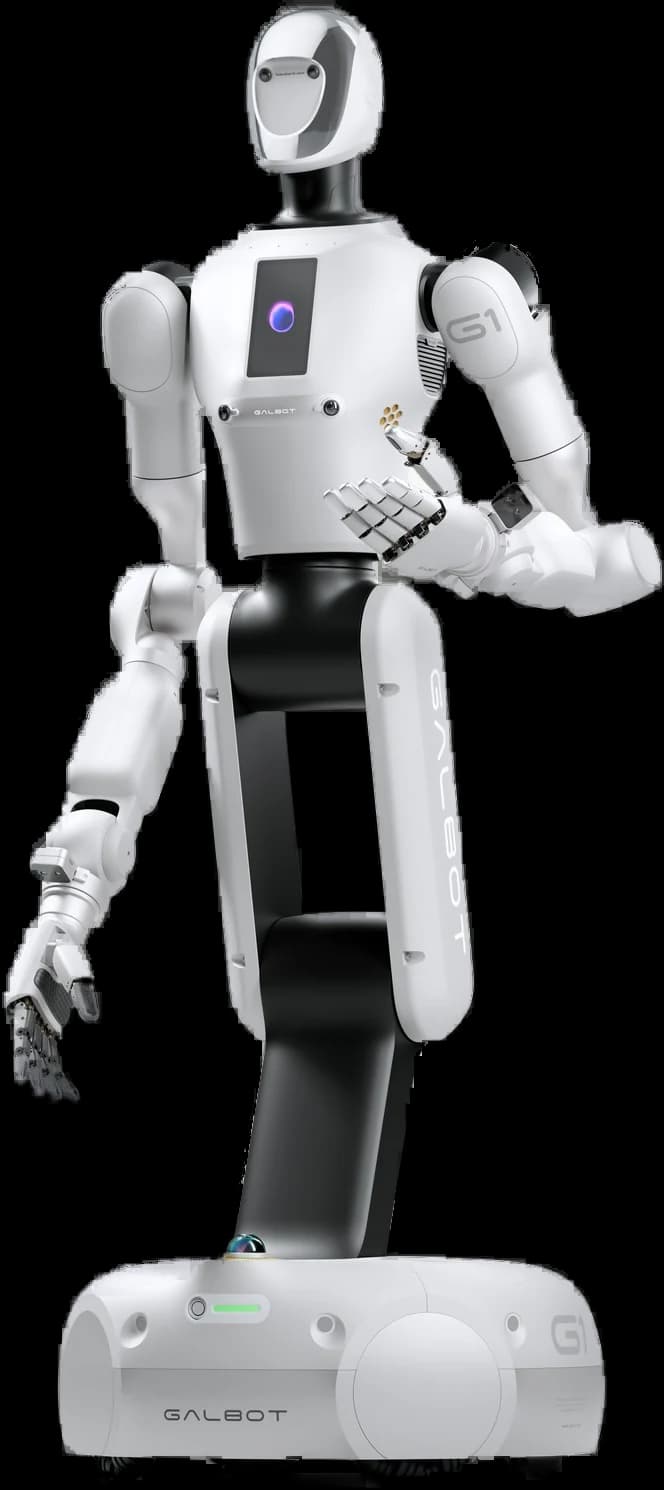
- Full-size buyers who also want stock, warranty and service backing in Turkey have the PUDU D9 (170 cm, 42 degrees of freedom) in a class of its own.
- Price is compared on the delivered configuration, not a list price: secondary-development rights, compute module, hands and end effectors, battery and warranty period make two different products under one body name.
- Short verdict: G1 EDU or PM01, N1, X1 for algorithm research and teaching; R1 or K1 for a pilot on a limited budget; T2 for dual-arm payload and speed; H2 or D9 for human height and torque.
Selection criteria
We screened the 42 humanoid bodies in our catalogue against four criteria. 1. Development access: a joint-level SDK, ROS 2 or an open-source stack had to be confirmed by manufacturer documentation; showcase robots that only offer an application API are covered under a separate heading. 2. Body class: bodies that one person can carry and that work at laboratory and classroom scale, like the G1, are on the main list; full-size bodies were assessed separately as the class above. 3. Documented technical data: height, weight, degrees of freedom, runtime and speed were taken from the manufacturer's technical documents; every product page lists the source documents and the verification date, and an unpublished value is left as "-" in the table. 4. Supply status: bodies stocked, warranted and serviced in Turkey are clearly separated from those sourced project by project from the manufacturer. Robots that are not on sale, or that are distributed only through manufacturer programmes, were not listed; the reasons are below.
Baseline: what the Unitree G1 gives and what it does not
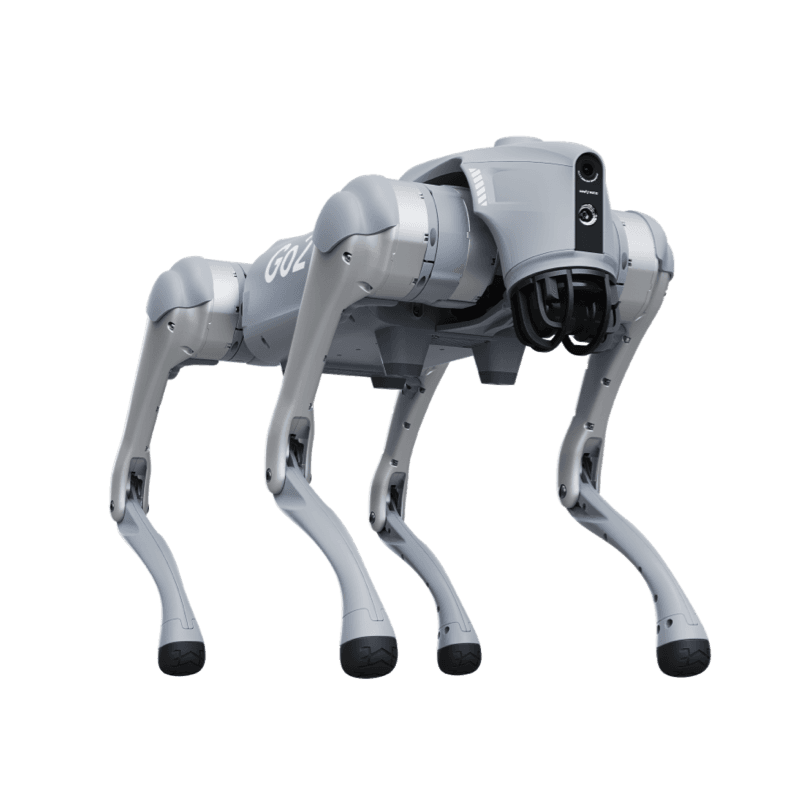
The Unitree G1 measures 1320 × 450 × 200 mm and weighs 35 kg; folded, it fits in a carrying case. The standard edition comes with 23 degrees of freedom, a 2 kg arm payload and 90 N·m knee torque; the G1 EDU reaches 43 degrees of freedom with the Dex3-1 dexterous hand, a 3 kg arm payload and 120 N·m knee torque. A Livox Mid-360 3D LiDAR and an Intel RealSense D435i depth camera, an NVIDIA Jetson Orin (100-157 TOPS) compute module in the EDU, a 9000 mAh quick-release battery for about 2 hours of runtime and a 2 m/s walking speed form the core of the platform. The decisive point is secondary development: the standard G1 is a closed system; ROS 2 and Python/C++ SDK access, Isaac Sim and MuJoCo compatibility belong to the G1 EDU. The manufacturer warranty is 8 months on the standard edition and 18 months on the EDU. In Turkey it is supplied from stock with the Robotlar.org warranty and technical support protocol. What it does not give: the arm payload is limited to 2-3 kg, the 1.32 m height is short for bench-height work and the runtime is two hours; most alternatives differ on exactly these three points. For the edition differences see the G1 Basic and G1 EDU decision table.
1. Booster T2: the closest cross-brand alternative to the G1
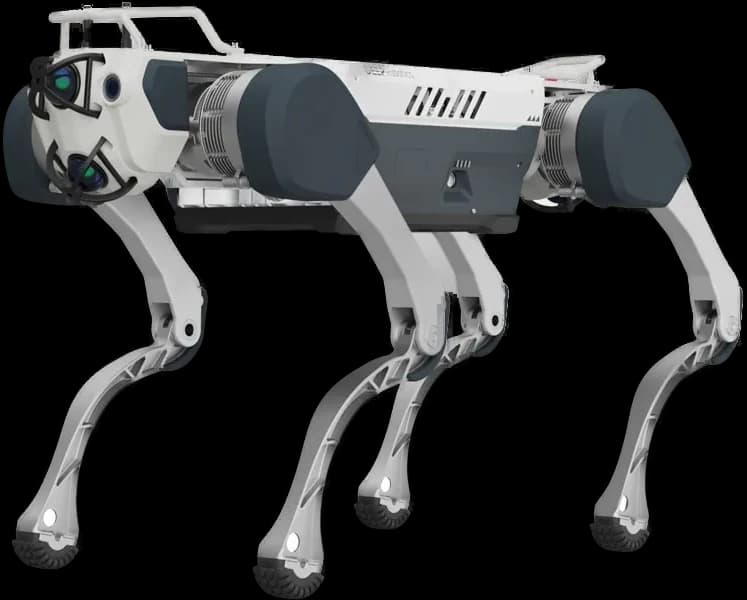
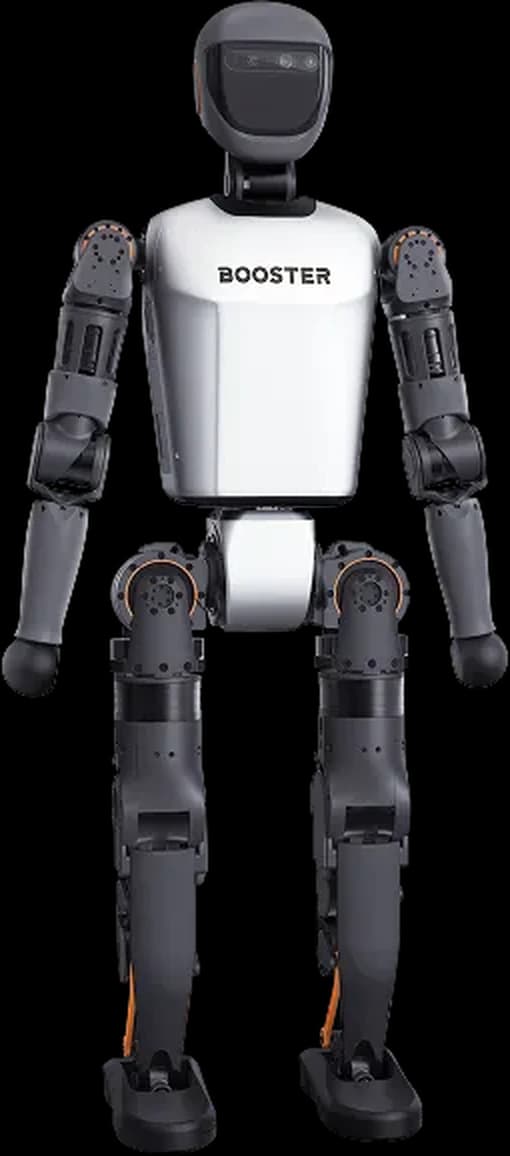
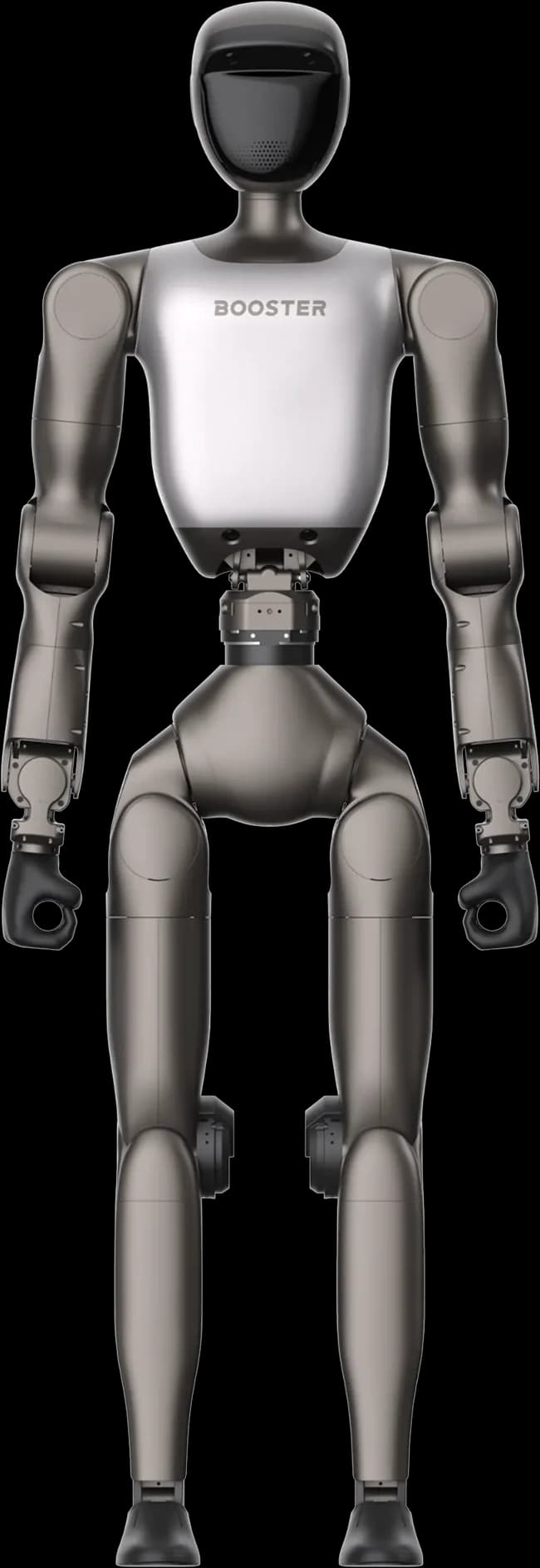
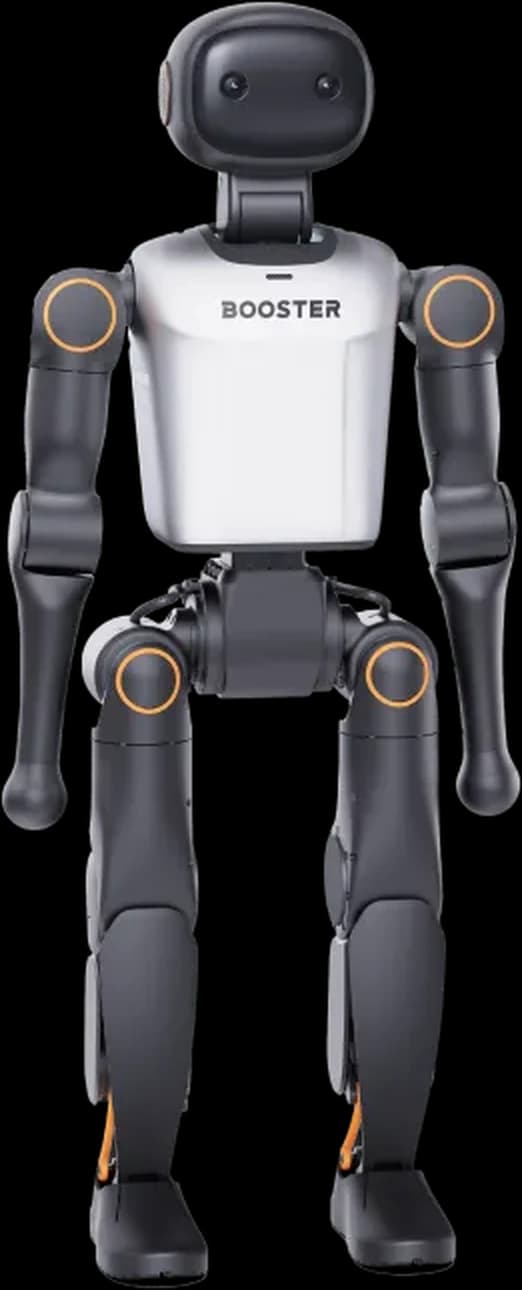
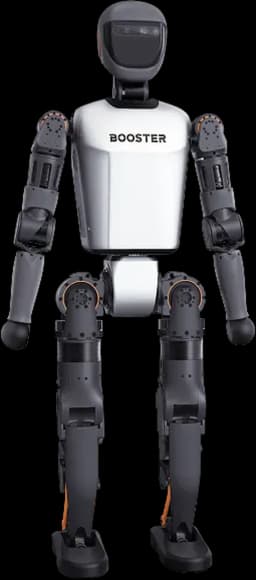
The Booster T2, at about 140 cm and 42 kg, is one size up from the G1; it reports 31 degrees of freedom (6 per leg, 7 per arm, 3 in the waist, 2 in the head), up to 10 kg carried with both arms, a 3 m/s walking speed and 2 hours of continuous walking on a 48 V 10 Ah battery. The Education edition comes with a high-performance ARM processor, the Professional edition with an NVIDIA Jetson Thor T5000; there are binocular cameras in the head and waist, an optional wrist camera and optional LiDAR. The Booster Robotics SDK is documented. Over the G1: arm payload and speed class; a waist joint and the Thor option give more compute for embodied-AI models. Against: about 7 kg heavier, LiDAR is not standard, project-based supply in Turkey. Manufacturer note: the maximum arm payload varies markedly with arm posture. Booster T2 technical page.
2. EngineAI PM01: open architecture and low-level access
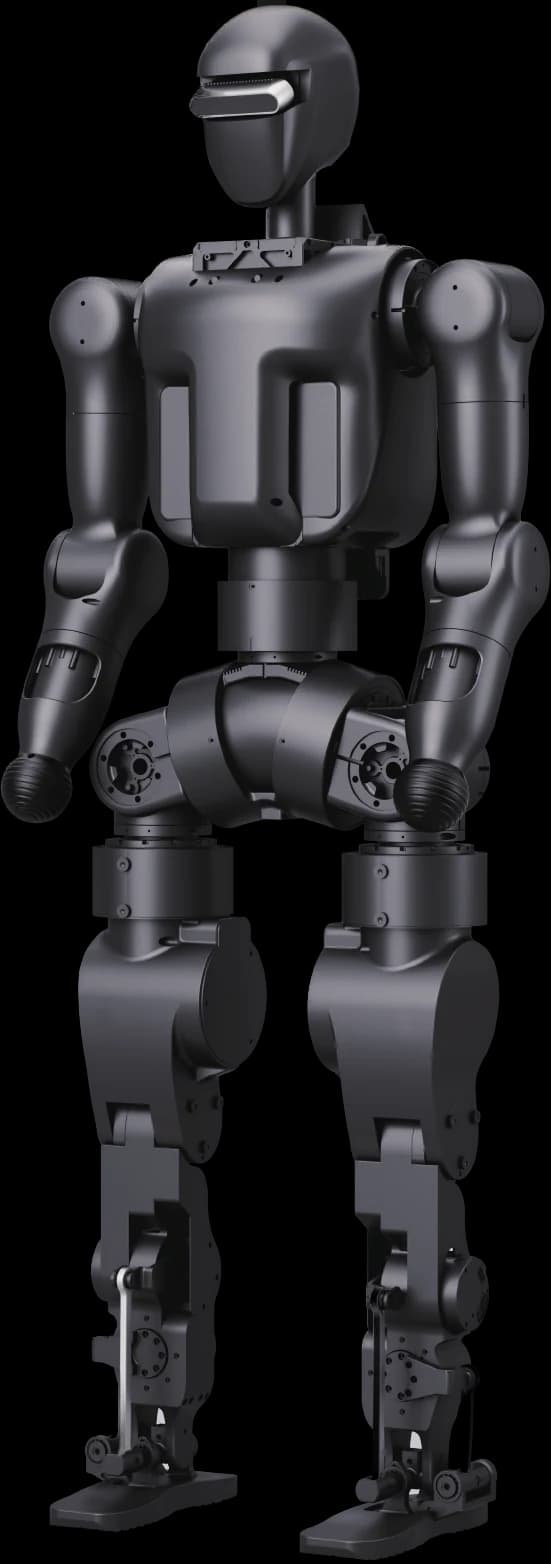
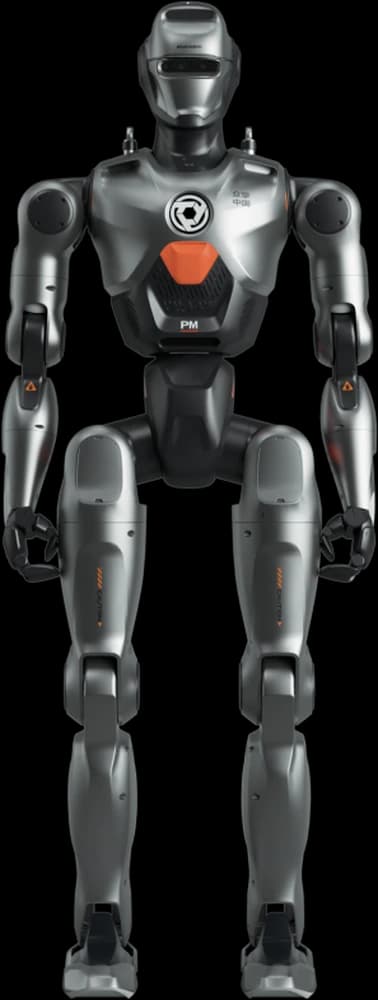
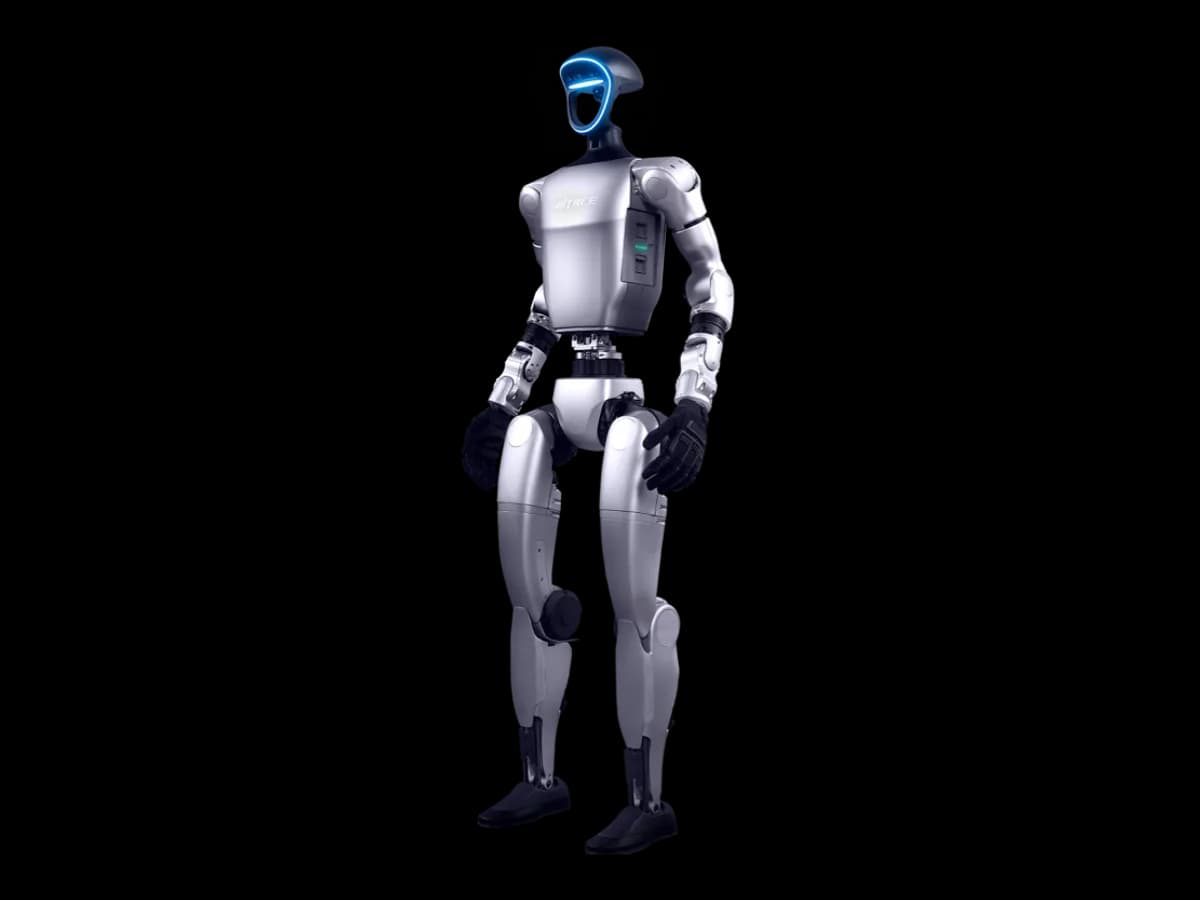
The EngineAI PM01, at 140 × 53.6 × 25.3 cm and about 42 kg (Business) / 43 kg (Education) including the battery, sits in the same portability class as the G1. The Business edition has 23 degrees of freedom and the Education edition 24; the waist turns through more than 300 degrees, speed exceeds 2 m/s and a 10,000 mAh quick-release battery runs it for about 2 hours. The company's own Q90H joint module produces 145 Nm of peak torque. The Education edition adds an NVIDIA Jetson Orin NX 16 GB and two depth cameras in the head and waist. The manufacturer describes the platform as fully open source; low-level hardware access is the main reason research groups that do not want to depend on a closed controller choose it. Against: no published arm payload, no LiDAR, no GPU in the Business edition; project-based supply. EngineAI PM01 technical page.
3. Fourier N1: an open-source body for dynamic motion
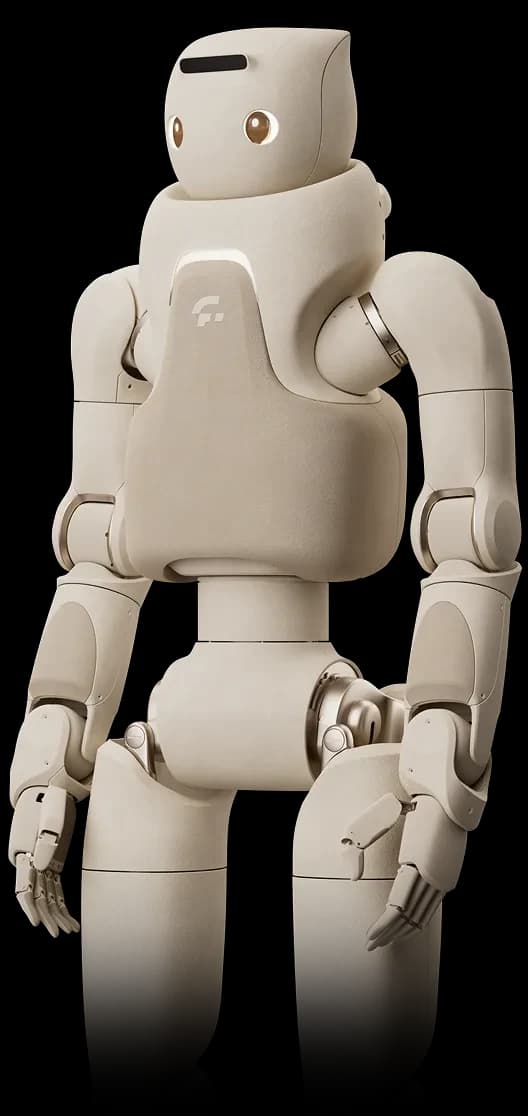
The Fourier N1, at 130 cm (1245 × 441 × 202 mm in the brochure) and 38 kg, is almost the same scale as the G1; it reports 23 degrees of freedom, a 3.5 m/s top speed, 2 hours of runtime and a 475 Wh battery. The body carries an Intel Core i7-13700H, 16 GB of memory and 512 GB of NVMe storage; the binocular depth camera is optional. The manufacturer positions the N1 as an open-source humanoid designed for dynamic-motion research such as fast walking, running and stair climbing. Over the G1: speed and dynamic-motion envelope, on-board development on an x86 processor. Against: no published arm payload, no discrete GPU, camera not standard; project-based supply. Fourier N1 technical page.
4. AgiBot X1: a full-stack open-source platform
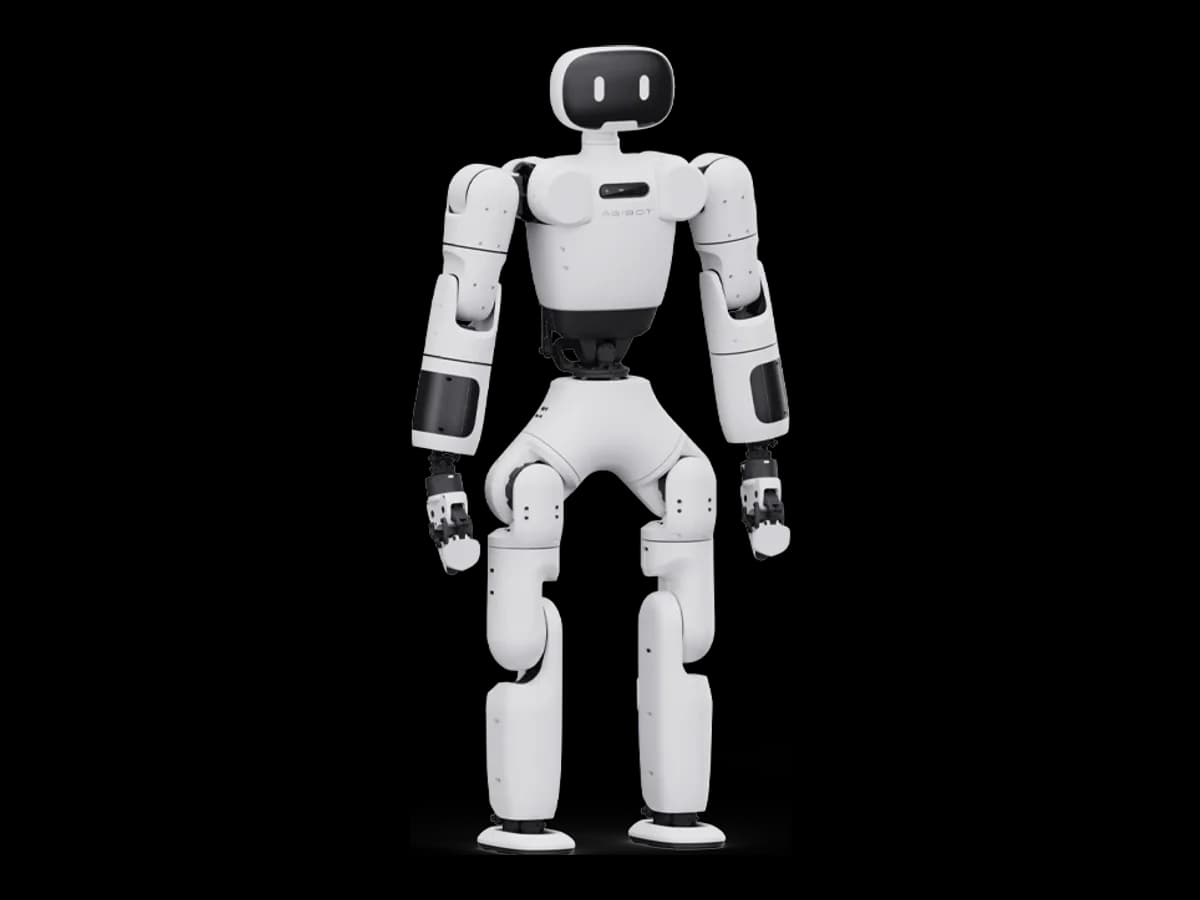
The AgiBot X1 is a full-stack open-source platform whose hardware design, inference software and reinforcement-learning training code are published on GitHub. It comes at 130 cm, 33 kg and 34 active degrees of freedom; it walks at 1 m/s, runs for 2 hours and carries 0.5 kg per arm. Its 90-gram DCU domain controller provides 1 kHz real-time communication and cascades up to 16 units. For whom: laboratories that want to modify the actuator and control stack themselves, or even rebuild the body. Against: a 0.5 kg arm payload and 1 m/s are insufficient for manipulation and dynamic motion; the compute module is your responsibility; project-based supply. AgiBot X1 technical page.
5. Booster T1: a compact developer body
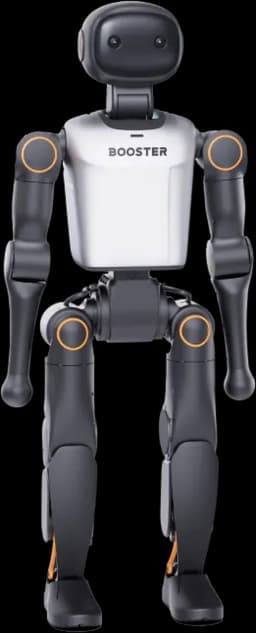
The Booster T1, at 118 × 47 × 23 cm and 30 kg, is smaller and lighter than the G1; the base body has 23 degrees of freedom, 31 with grippers and 41 with dexterous hands. An NVIDIA AGX Orin (200 TOPS) is built in, and the Standard and Customized editions add an Intel i7; a depth camera and a 9-axis IMU are standard. It reports a 1 m/s walking speed, 2 hours walking and 4 hours standing, and a 1-year manufacturer warranty. Its developer-first design and robot-football ecosystem make the T1 a strong fit for classrooms and team projects. Against: 1 m/s and 118 cm; no published payload; project-based supply. Booster T1 technical page.
6. Booster K1: the lowest entry threshold
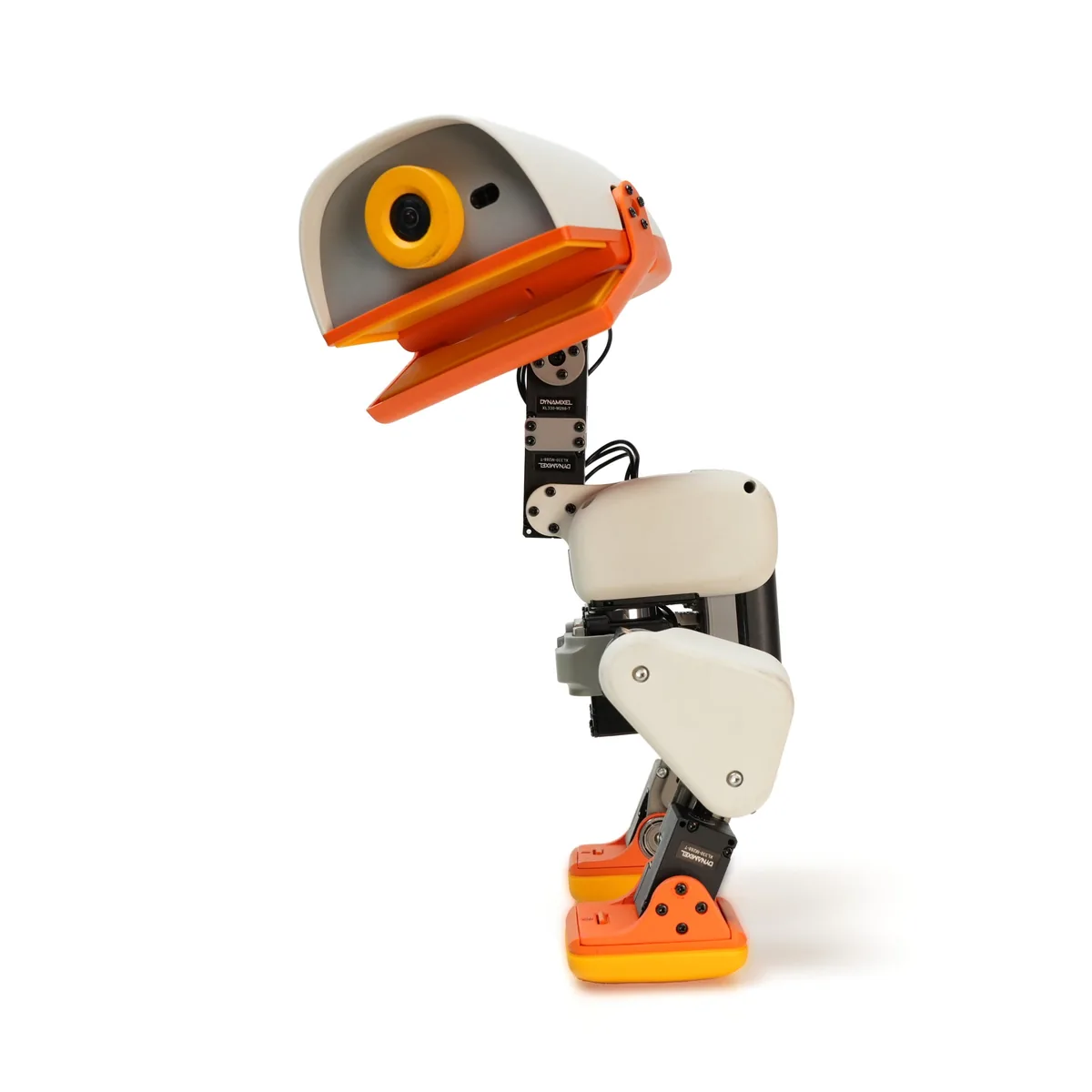
The Booster K1, at 95 cm and 19.5 kg, is the lightest body on the list; one person carries it. 22 degrees of freedom, 60 N·m peak torque, a stereo depth camera and a 9-axis IMU are standard; depending on the edition it offers 48, 117 or 200 TOPS of AI performance. Runtime is 30 minutes on the Geek edition and 80 minutes on the Education and Professional editions (measured walking at 0.4 m/s); top speed is 1.1 m/s. The manufacturer warranty is 3 months on the Geek and 1 year on the other editions. For whom: schools, clubs and algorithm courses that want to start humanoid robotics at the lowest threshold. Against: runtime and body scale; it is not a G1-class manipulation platform. Booster K1 technical page.
7. Unitree R1: the lower entry point in the same ecosystem
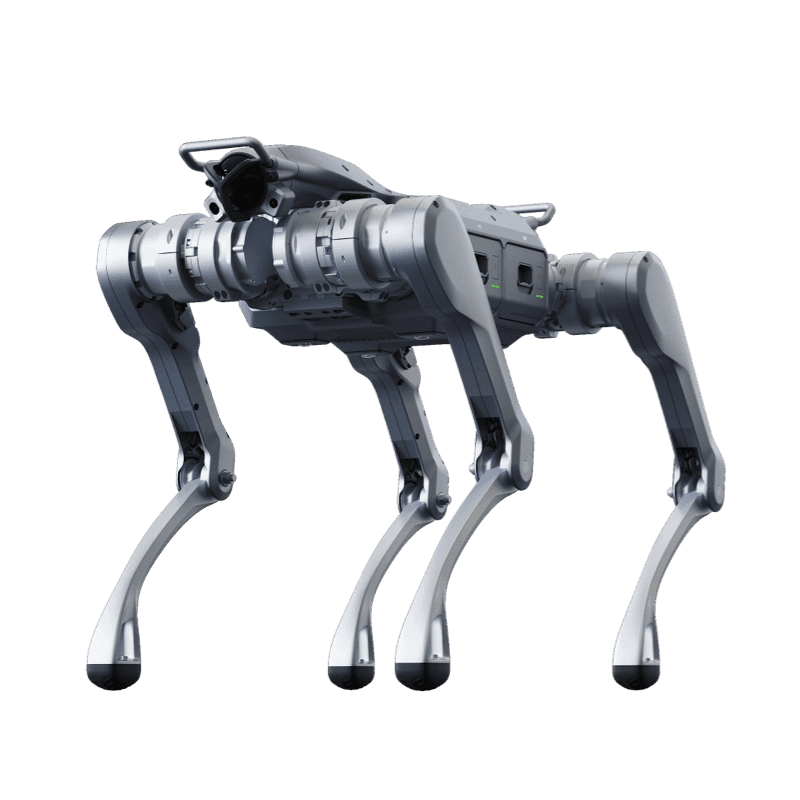
The Unitree R1, at 1230 × 357 × 190 mm and 27-29 kg, is the entry point of the same ecosystem. The R1 AIR has 20 degrees of freedom, the R1 26 and the R1 EDU 26-40 (with the optional hand); the arm payload is about 2 kg and the runtime about 1 hour on a quick-swap battery. The R1 EDU carries an optional NVIDIA Jetson Orin (40-100 TOPS); a binocular camera (monocular on the AIR), a four-microphone array and a speaker are standard. The decisive point: secondary development through open joint and sensor interfaces is available on the R1 EDU only; the AIR and R1 are meant for ready-made applications, robotics clubs and maker projects. The manufacturer warranty is 6 months on the AIR, 8 months on the R1 and 12 months on the EDU. Over the G1: lower entry cost, the same SDK ecosystem, stock and service in Turkey. Against: a 1-hour runtime, no LiDAR, lower torque. Unitree R1 technical page.
8. Unitree H2: the full-size step up
The Unitree H2, at 1820 × 456 × 218 mm and 70 kg, is human height: 31 degrees of freedom, 360 N·m leg and 120 N·m arm torque, a nominal 7 kg and peak 15 kg payload per arm, and about 3 hours of runtime. An Intel Core i5 handles motion control, with optional Intel Core i7 or Jetson Thor units for development. Secondary development (SDK), the dexterous hand and the high-power compute module belong to the H2 EDU; the warranty is 8 months on the standard edition and 12 months on the EDU. For whom: production and showcase scenarios that need bench-height manipulation, payload and torque; buyers who want to move up a class without leaving the G1 ecosystem. Against: not carried by one person; a different safety zone and budget class. Detailed comparison: Unitree G1 and H2 differences. Unitree H2 technical page.
Other candidates: full-size and interaction-focused
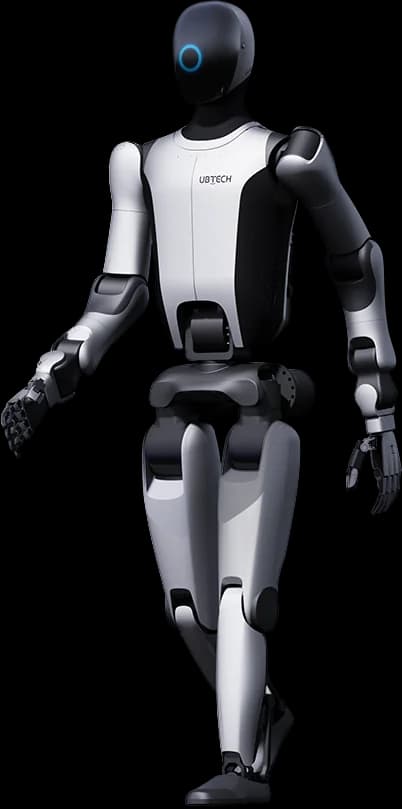
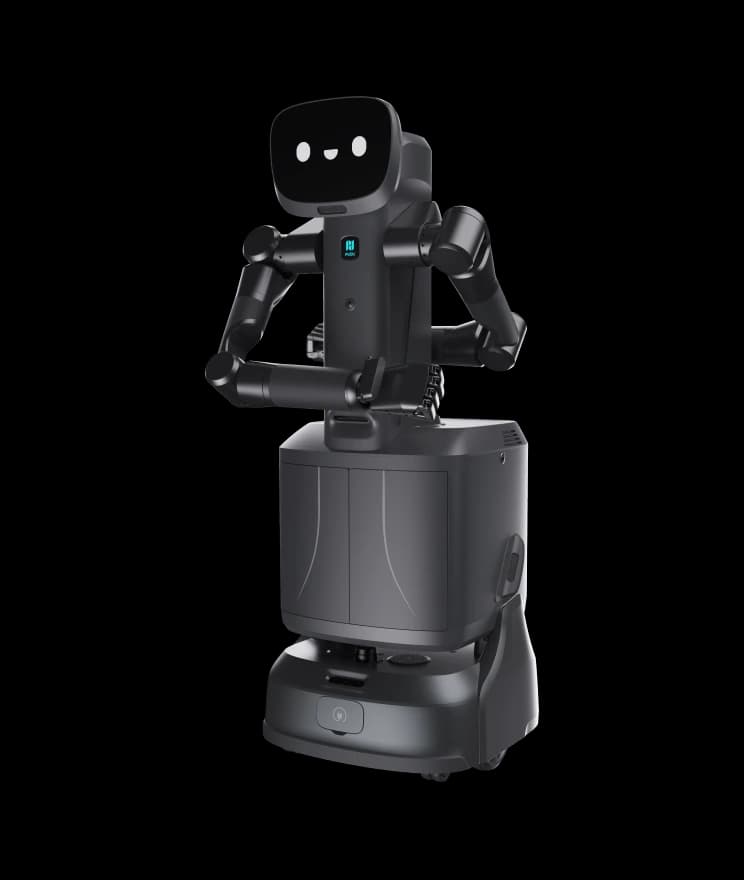
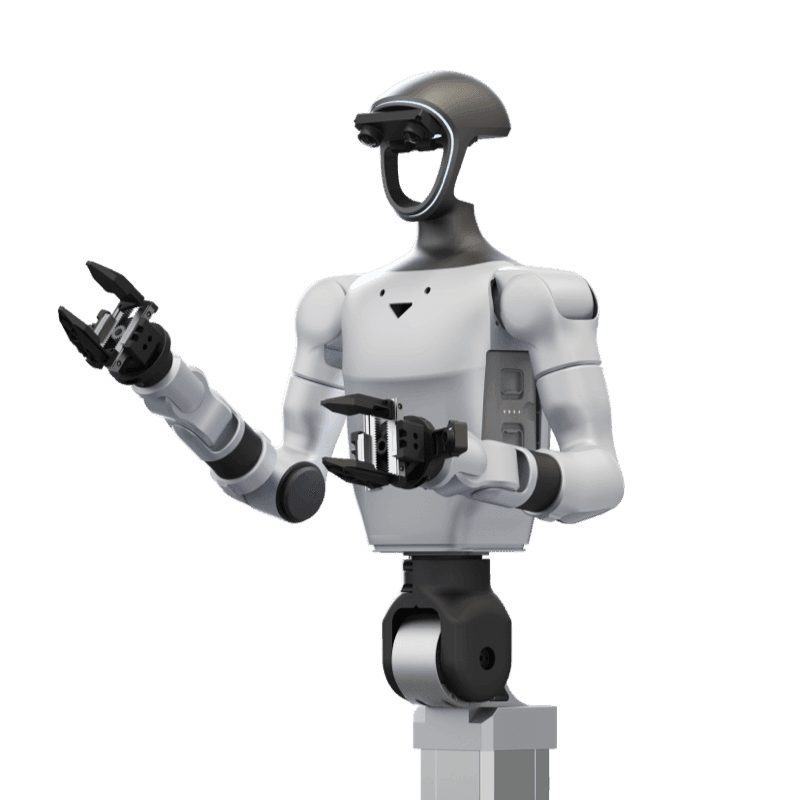
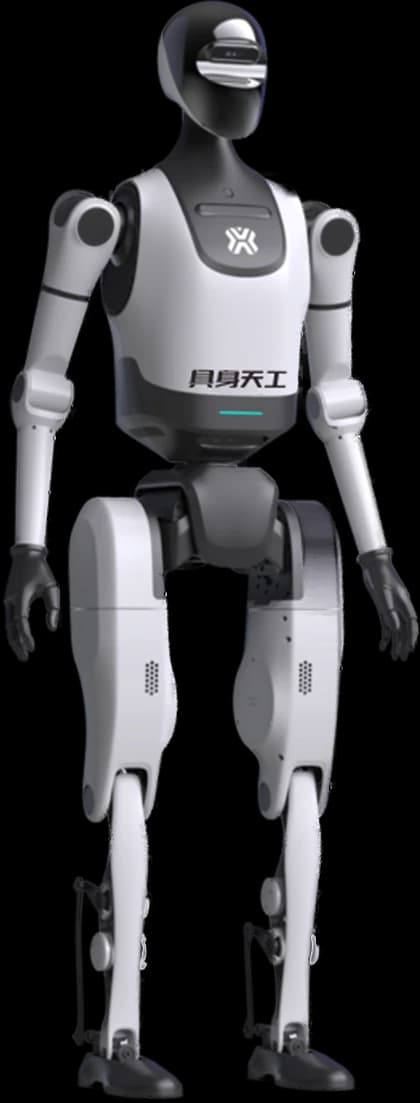
PUDU D9: 170 cm, 65 kg, 42 degrees of freedom, 352 N·m maximum joint torque, 2 m/s walking speed; 11-degree-of-freedom DH11 dexterous hands (1018 tactile sensor pixels) and 275 TOPS of compute. As the Turkey distributor for Pudu Robotics we provide stock, warranty and service; development access is at application-API level, so it is not a G1 EDU class body for joint-level research. PUDU D9. AgiBot X2: at 1.31 m and 35-39 kg it is the same scale as the G1, with 25-30 degrees of freedom; multimodal interaction, facial expressions and, on the X2 Ultra, LiDAR with 3D SLAM; it is aimed at showcase and reception work. AgiBot X2. X-Humanoid Tien Kung Omni: 135 cm, 39.5 kg, 31 degrees of freedom; the flagship edition deploys end-to-end vision-language-action models on a 2070 TFLOPS domain controller, with a depth camera and LiDAR. Tien Kung Omni. These three are off the main list because of body class or development access, not because of any lack of capability.
The decision by use case
- Coursework, theses and algorithm development: G1 EDU (mature SDK, Isaac Sim and MuJoCo compatibility, service in Turkey); on a limited budget, the R1 EDU or the Booster K1 Education.
- Open architecture and low-level control research: EngineAI PM01 Education edition, Fourier N1, AgiBot X1.
- Dynamic motion, running and robot football: Fourier N1 (3.5 m/s), Booster T2 (3 m/s), Booster T1.
- Dual-arm payload and embodied-AI models: Booster T2 Professional (10 kg, Jetson Thor).
- Human height, torque and bench work: Unitree H2 EDU, PUDU D9.
- Showcase, reception and interaction: AgiBot X2, PUDU D9; the standard G1 also works in this class.
- Data collection and imitation learning: the dual-arm Unitree G1-D in the G1 class.
Robots that are not real alternatives
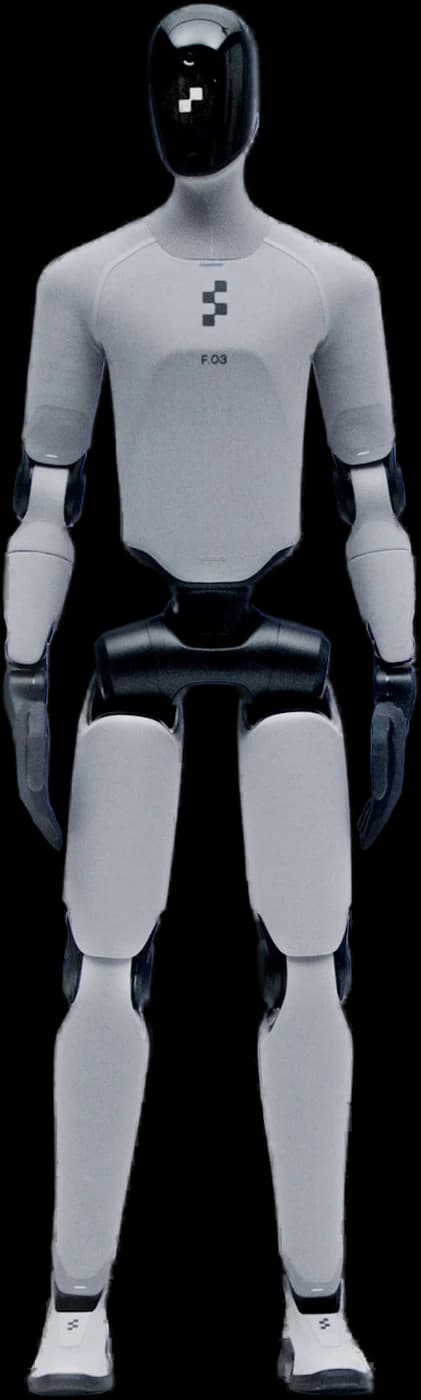
Tesla Optimus is not on general sale and has no confirmed customer price; for a comparison with a platform you can buy today see Unitree G1 vs Tesla Optimus. Figure 03 is in our catalogue; at 173 cm and 61 kg, carrying 20 kg and designed around the Helix vision-language-action model, it is a full-size production and home robot. It is not a G1-class research platform, and its supply is assessed project by project. There is one more group we left out: bodies whose height, weight or degrees of freedom cannot be confirmed from manufacturer documentation. We do not put unverified values in the table.
Price: the delivered configuration, not the list price
This page carries no list prices; Robotlar.org prices are settled by quote according to configuration, quantity and delivery scope. The reason is to avoid a measurement error: two different products are sold under the same body name. When you compare, put these six items on the same line: (1) secondary-development rights and SDK access (the EDU edition on Unitree, the edition choice on Booster and EngineAI), (2) the compute module (Jetson Orin, Orin NX, Thor or ARM only), (3) hands and end effectors (Dex3-1, DH11, grippers or none), (4) battery and spare battery, (5) the manufacturer warranty (from 3 to 18 months on this list) and (6) the acceptance test and installation scope. Once these are equalised, the body that looks cheap usually lands in the same price band. For the Unitree G1 quote process see the Unitree G1 price page; to build the configuration step by step use the configurator.
Supply, warranty and service in Turkey
As the Unitree Robotics partner in Turkey we deliver the G1, R1 and H2 from stock with a 1-year warranty and a technical support protocol (SLA); installation, training and on-site service sit under the same responsibility. As the Turkey distributor for Pudu Robotics the same scope applies to the D9. Booster, EngineAI, Fourier, AgiBot and X-Humanoid bodies are sourced project by project from the manufacturer: the technical specification, integration scope and delivery schedule are defined together, and the acceptance test is part of delivery. Whichever route you choose, you can send the quote request from the form below.
What is the best alternative to the Unitree G1?
There is no single answer. If the criteria are development access and body class, the Booster T2 is the closest cross-brand alternative: about 140 cm, 31 degrees of freedom, 10 kg carried with both arms and a documented SDK. For buyers who want to stay in the same ecosystem, the R1 EDU is the entry and the H2 EDU the class above. If stock and service in Turkey decide, the list narrows to Unitree and PUDU bodies.
Is there a cheaper programmable humanoid than the G1?
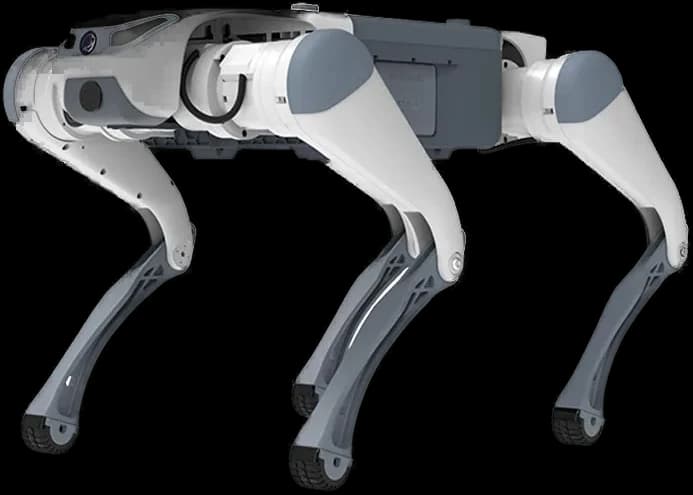
Yes. The Booster K1 (95 cm, 22 degrees of freedom, 48-200 TOPS by edition) and the Unitree R1 EDU (123 cm, 26-40 degrees of freedom, optional Jetson Orin) are lower entry points. On both, runtime is shorter than the G1 (30-80 minutes and about 1 hour) and the arm payload is limited. Prices are settled by quote according to configuration.
Is the Unitree R1 better than the G1?
Not better: smaller and more accessible. The R1, at 123 cm and 27-29 kg, is an entry platform; secondary development is on the R1 EDU only and runtime is about 1 hour. The G1 offers longer runtime, LiDAR, higher torque and a mature SDK ecosystem. The R1 for algorithm courses and club projects, the G1 EDU for laboratory research.
Is there an open-source alternative to the Unitree G1?
Three bodies are positioned by their manufacturers as open source: the AgiBot X1 (hardware design, inference software and training code on GitHub), the Fourier N1 and the EngineAI PM01. The degree of openness differs; before buying, confirm from the manufacturer documentation which component is open under which licence. Our product pages list the source documents.
Can I buy a Tesla Optimus instead of a Unitree G1?
No. The Tesla Optimus is not on general sale and has no confirmed customer price; it is not a platform that can be ordered and delivered today. See the Unitree G1 vs Tesla Optimus comparison for details.
Is the Unitree H2 better than the G1?
A different class. The H2, at 182 cm and 70 kg, is human height; it offers 31 degrees of freedom, 360 N·m leg torque, a nominal 7 kg payload per arm and about 3 hours of runtime. The G1 is for portability, a limited budget and laboratory scale; the H2 for bench work, payload and torque. On both, secondary development is in the EDU edition.
Which alternatives are supplied from stock in Turkey?
The Unitree G1, R1 and H2 and the PUDU D9. As the Unitree Robotics partner in Turkey and the Turkey distributor for Pudu Robotics, stock, warranty, installation and service are with us. Booster, EngineAI, Fourier, AgiBot and X-Humanoid bodies are sourced project by project; the delivery schedule is set by the specification.
Where do the values in the table come from?
Every value is taken from the manufacturer's technical documents (datasheet, manual, SDK documentation); the product pages list the source documents and the verification date. A value the manufacturer has not published is left as "-"; nothing is estimated.