PRICE
Project quote
Configuration, delivery schedule and investment figure are set by project scope. From your specification we prepare the supply plan from the manufacturer line and the integration scope.
Enterprise supply · specification support · integration engineering
Overview
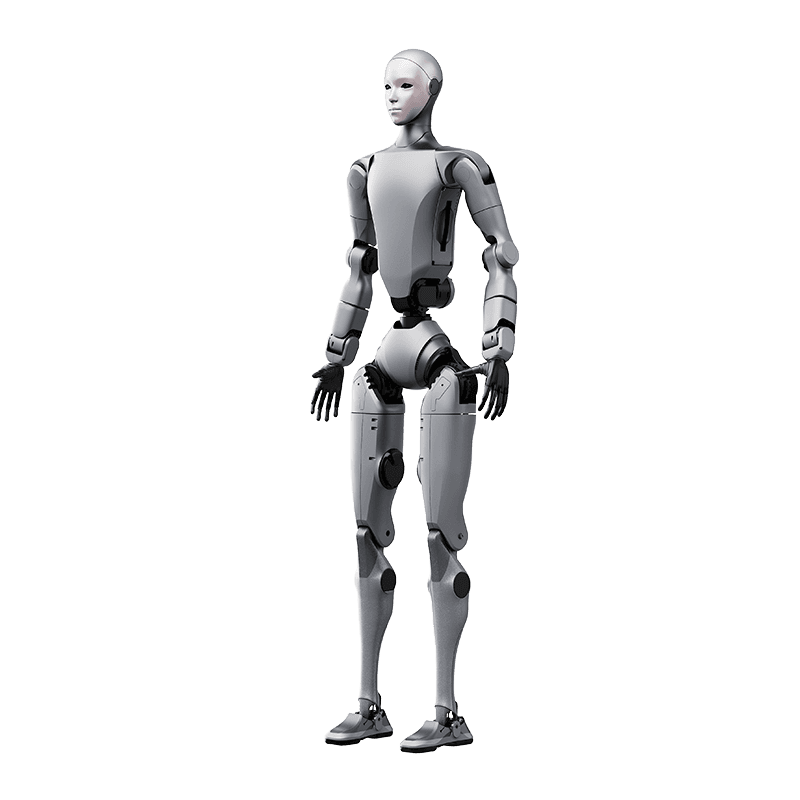
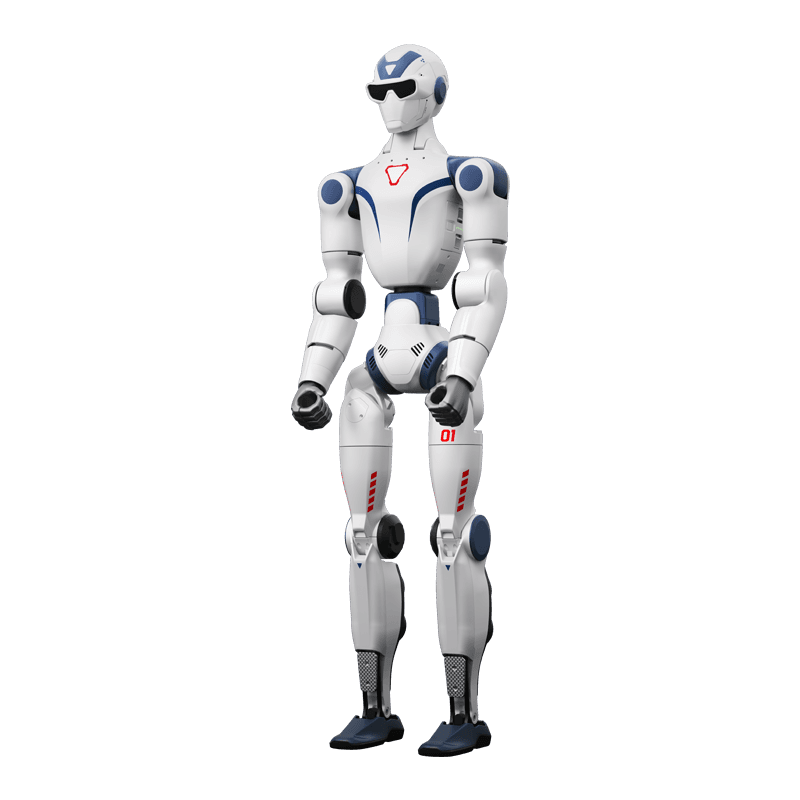
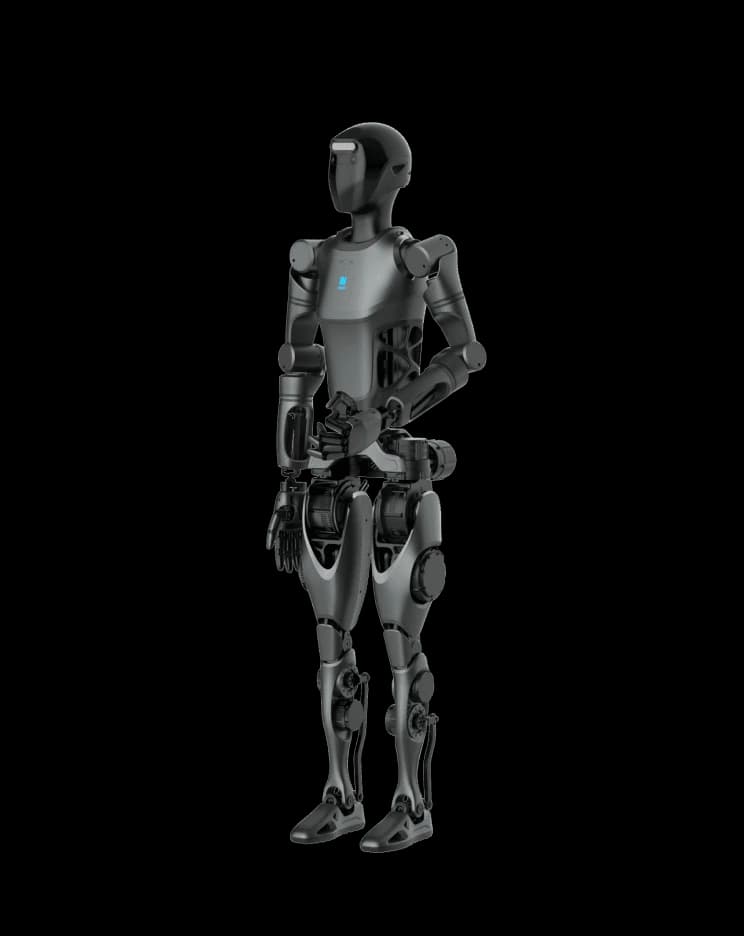
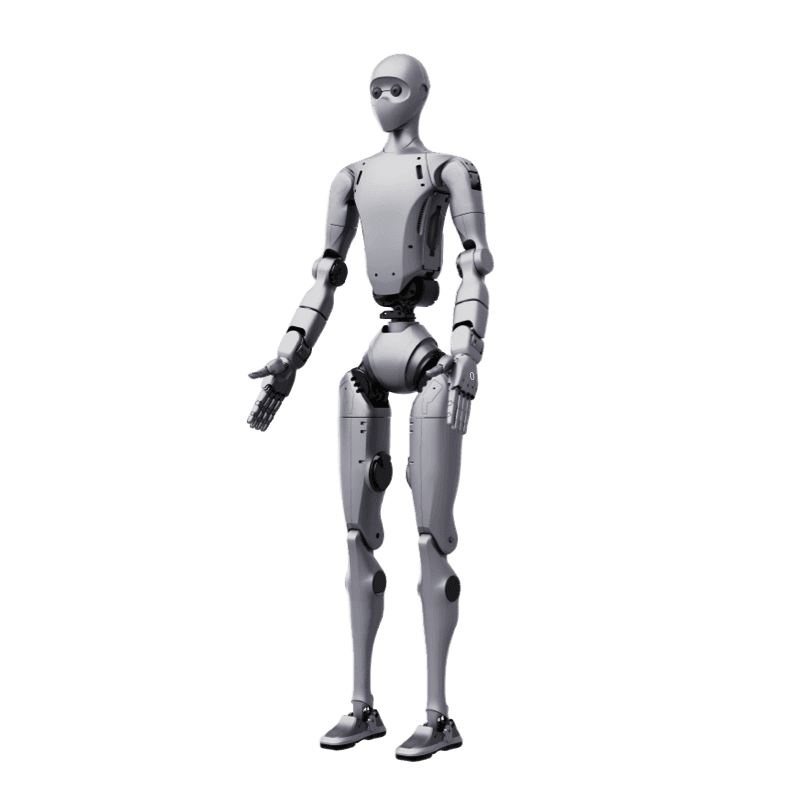
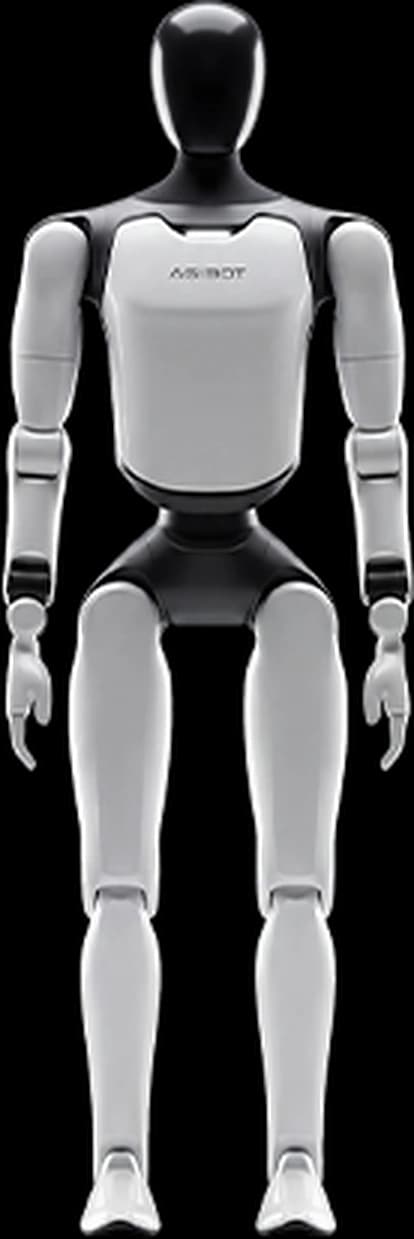
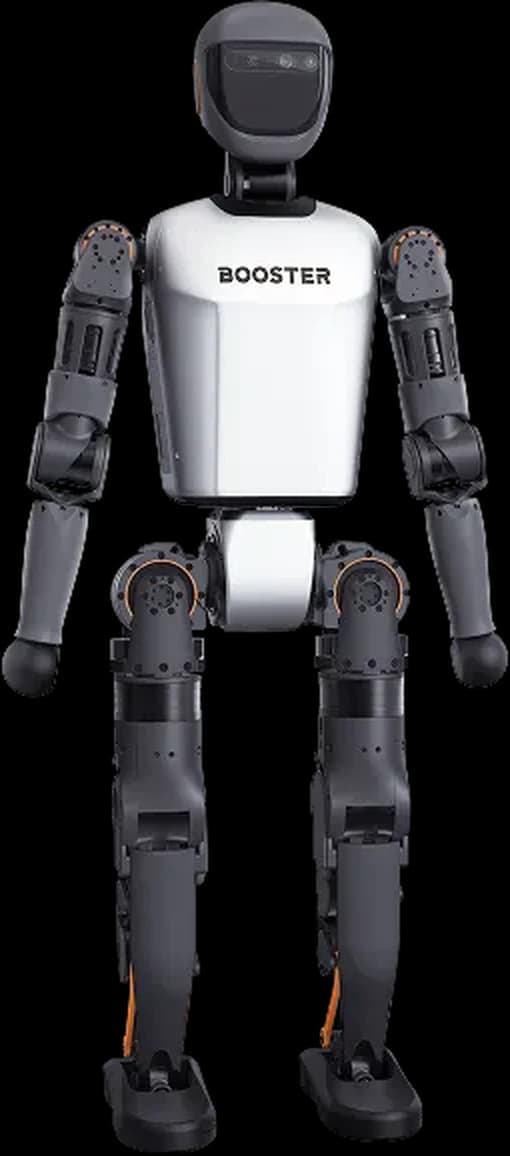
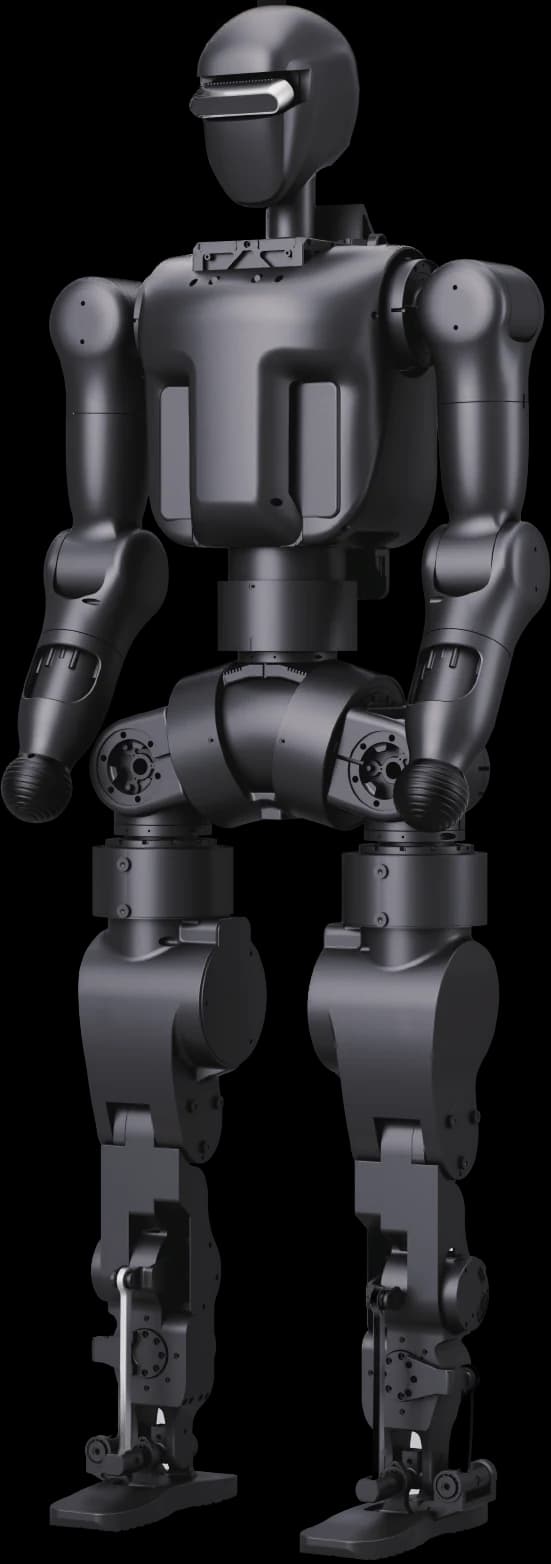
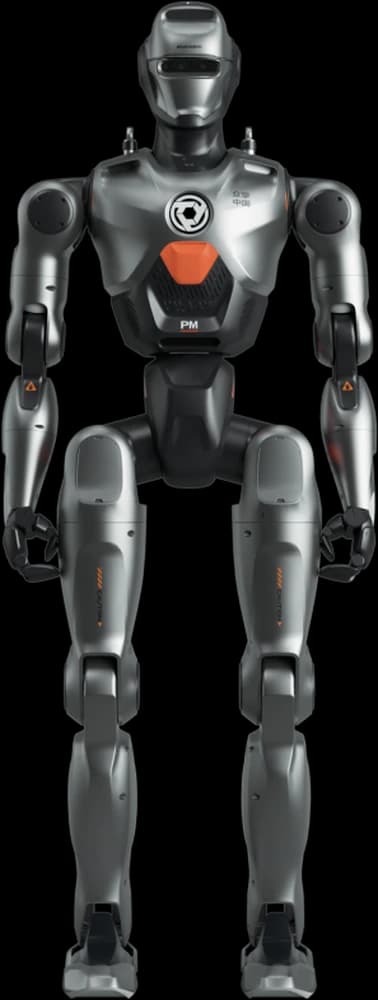
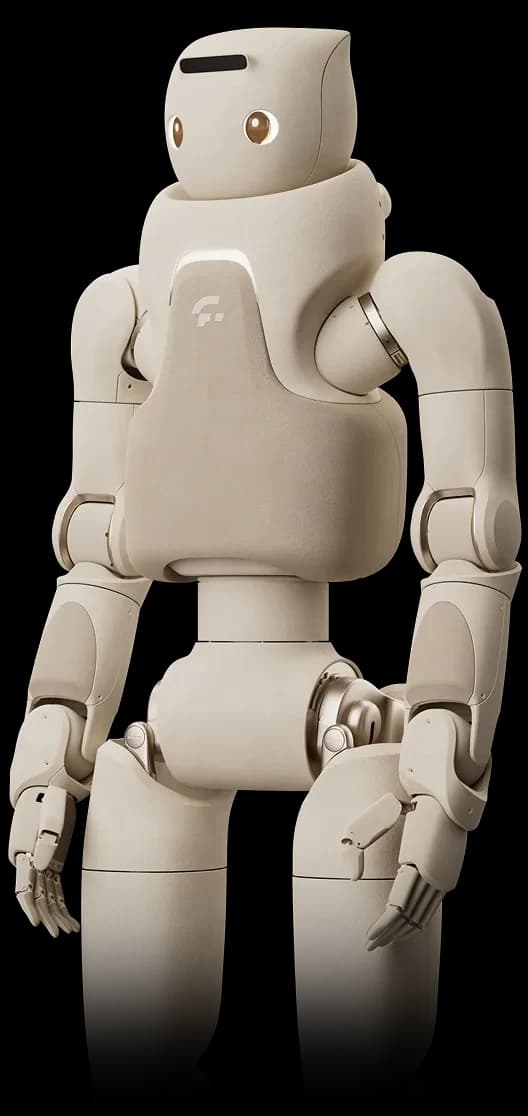
AgiBot (AGIBOT Innovation (Shanghai) Technology Co., Ltd.) is a Shanghai-based Chinese company developing general-purpose humanoid robots. The X1 is the open-source member of the company's X series: it is a full-stack open-source robot: the company publishes its hardware design, inference module and reinforcement learning training code under the AgibotTech account on GitHub.
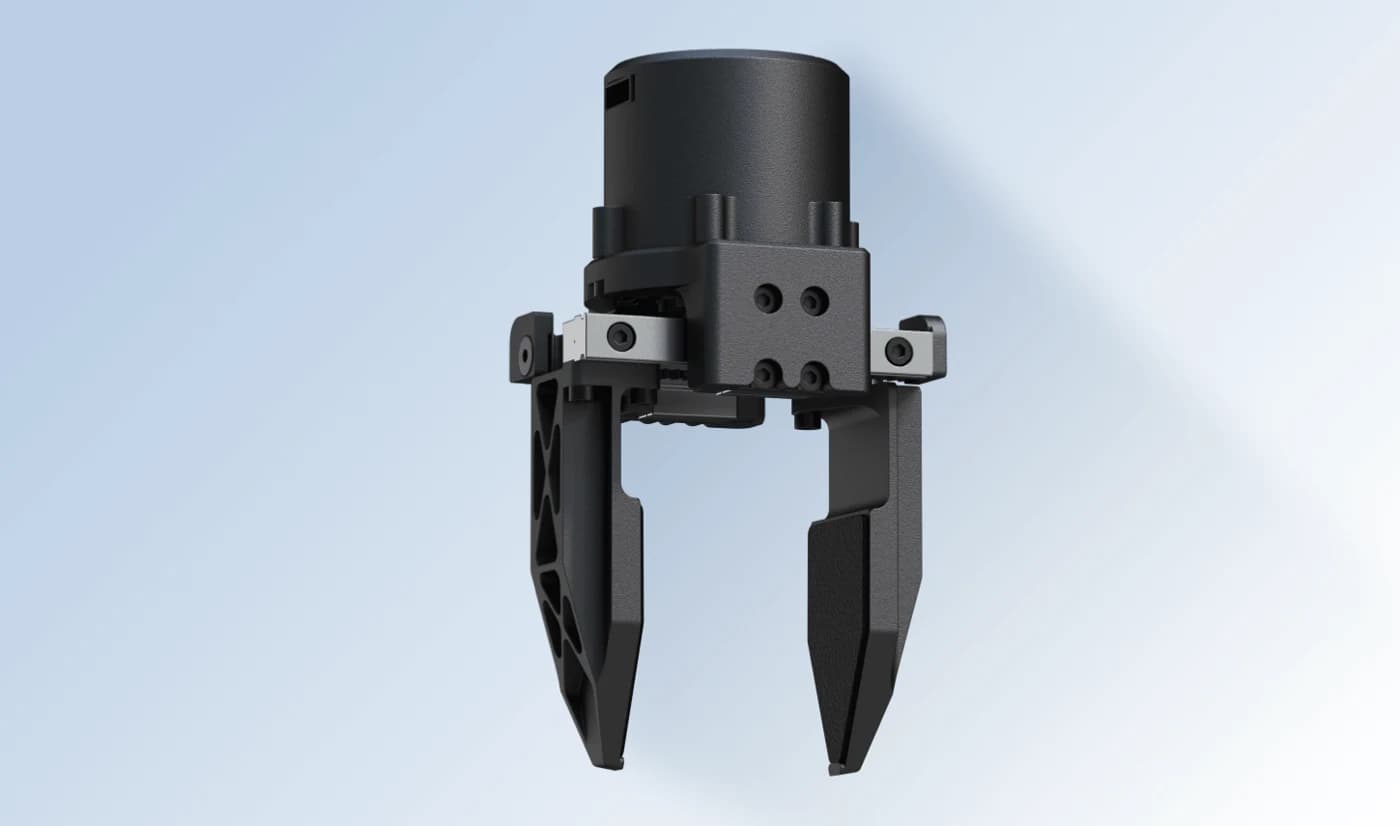
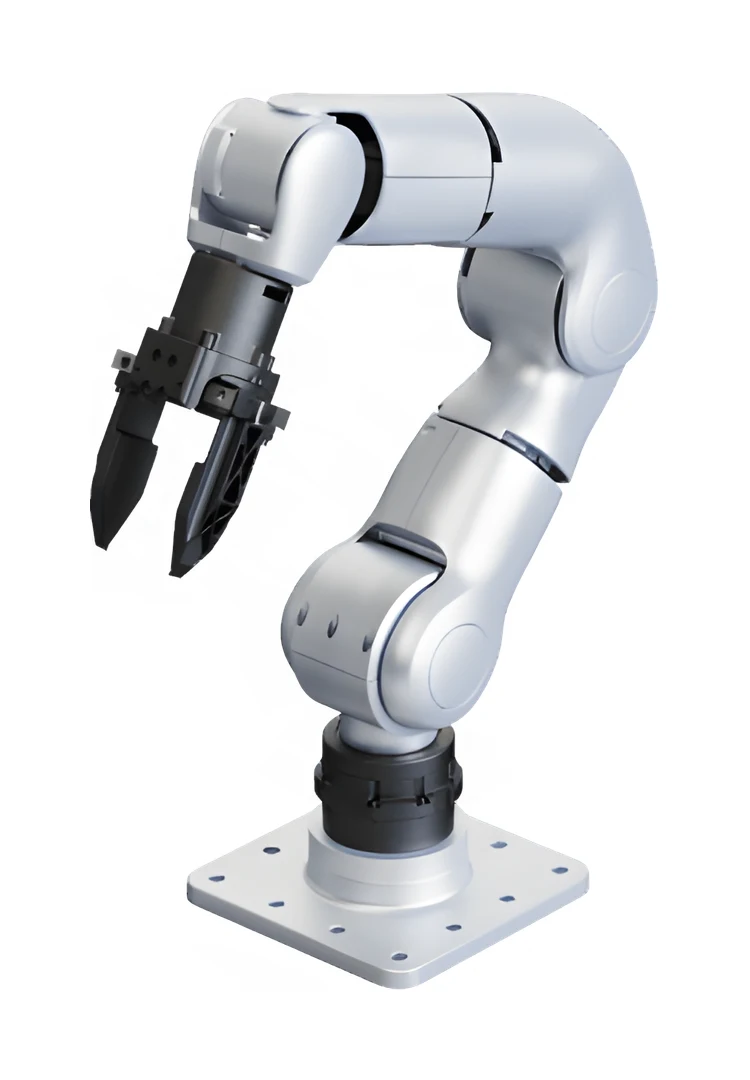
Hardware highlights: 130 cm tall, 33 kg, 34 active degrees of freedom, 1 m/s maximum walking speed, 2 hours of runtime and 0.5 kg payload per arm. The body is built from separately documented components: PowerFlow R86-3 (200 Nm peak, 60 Nm rated), R86-2 (80 / 20 Nm) and R52 (19 / 6 Nm) rotary joint modules, the L28 linear actuator (110 N), the 90 g DCU domain controller (1 kHz, EtherCAT to 3-way FDCAN, cascade of up to 16 units) and the OmniPicker adaptive gripper (30 N, 120 mm stroke).
The X1 is built around modular design, high degrees of freedom, a safe and lightweight body and high scalability; the audience is embodied AI research and teaching labs.
For organizations with an X1 requirement we assess sourcing, timing and the compact humanoid alternative deliverable today (Unitree G1) transparently.
Full-Stack Open-Source Platform
The X1 is modular in design, high in degrees of freedom, safe and lightweight, and highly scalable. What sets it apart is how it is published: the hardware design (agibot_x1_hardware), the inference module (agibot_x1_infer) and the reinforcement learning training code (agibot_x1_train) are open on GitHub. Research teams can study the control stack before buying and train and deploy their own policies after.

PowerFlow R86-3 Joint Module
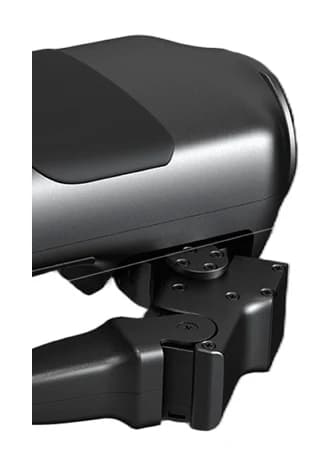
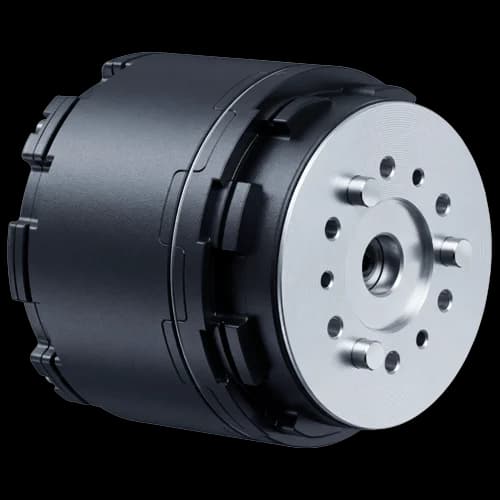
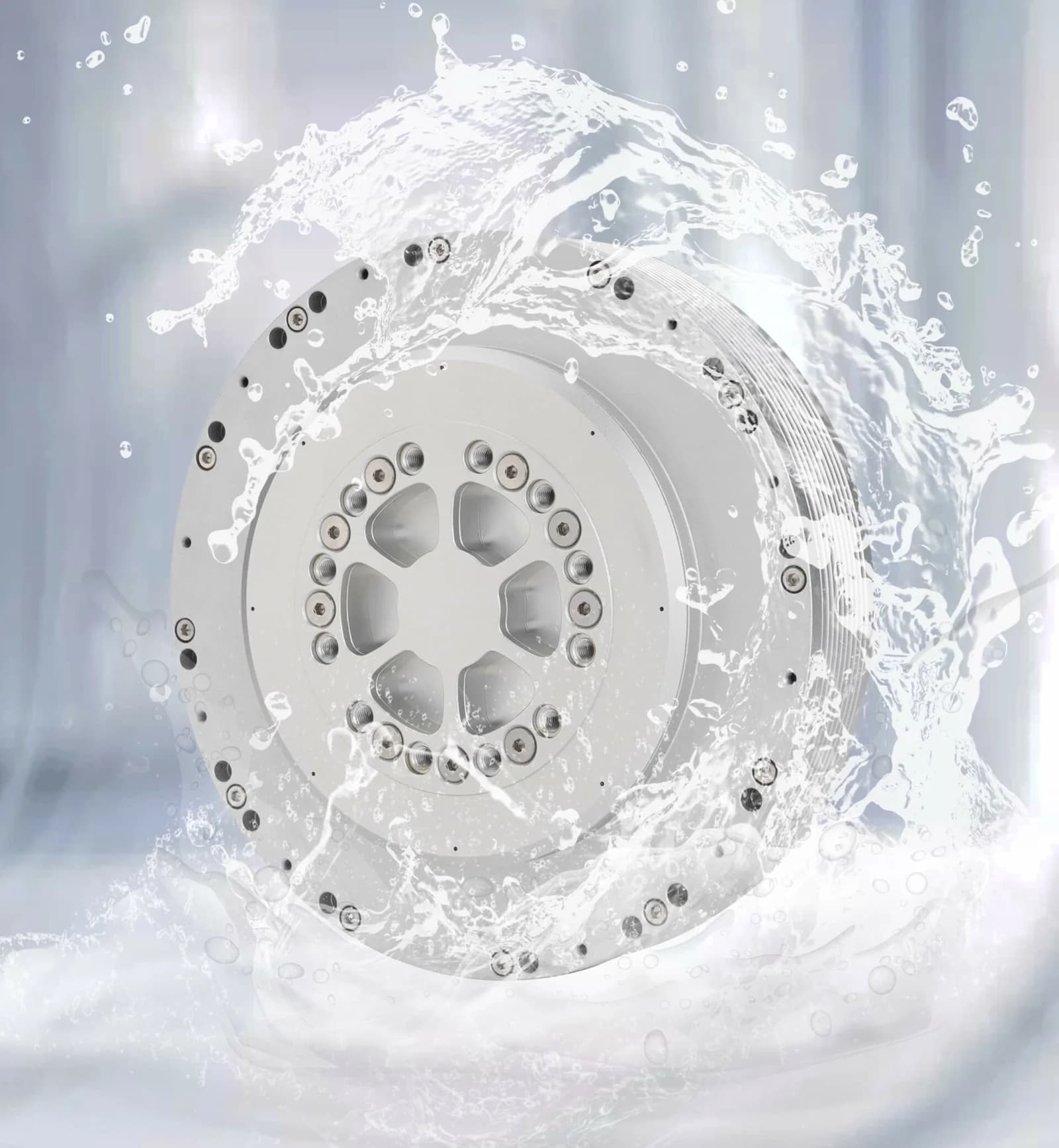
The module for the main load-bearing joints: 1.28 kg, Φ86 × 80.7 mm, 200 Nm peak torque, 85 rpm peak speed, 48 V rated voltage, 30 rpm rated speed and 60 Nm rated torque. It comes with hollow wiring, a highly integrated FOC drive, a multi-turn absolute encoder, modular power configuration and the PF-Link intelligent interface.

PowerFlow R86-2 Joint Module
The mid-range joint module: 0.81 kg, Φ86 × 58.1 mm, 80 Nm peak torque, 260 rpm maximum no-load speed, 48 V DC rated voltage, 70 rpm rated speed and 20 Nm rated torque. Same architecture as the R86-3: hollow wiring, integrated FOC drive, multi-turn absolute encoder, modular power and PF-Link.

PowerFlow R52 Joint Module
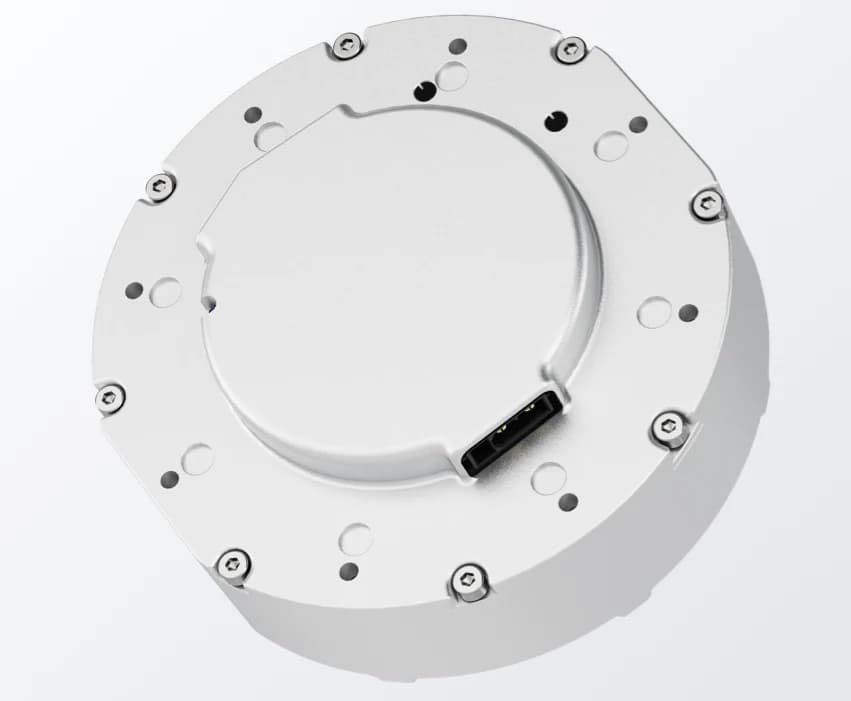
The module for the smaller joints: 0.45 kg, Φ52 × 71.6 mm, 19 Nm peak torque, 130 rpm maximum no-load speed, 48 V DC, 50 rpm rated speed and 6 Nm rated torque. Highly integrated FOC drive, multi-turn absolute encoder, modular power configuration and the PF-Link interface.

PowerFlow L28 Linear Actuator
A 200 g linear actuator: 110 N maximum thrust, 50 mm/s maximum speed, 24 V rated voltage. FDCAN interface, high thrust density and a highly integrated all-in-one drive.

DCU Domain Controller
The 90 g domain controller combines power and communication on one board: 1 kHz real-time communication forwarding, 100 Mbps, EtherCAT to 3-way FDCAN (5 Mbps). Up to 16 DCUs can be cascaded with hardware synchronization frames; it offers a hardware-synchronized IMU interface, SPI / UART / GPIO expansion, a secondary development SDK for Linux and OTA updates.

OmniPicker Adaptive Gripper
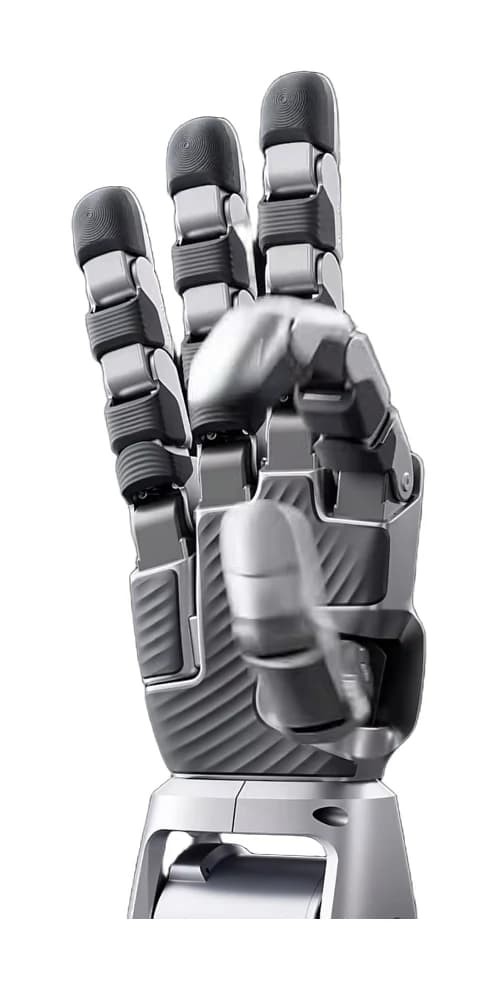
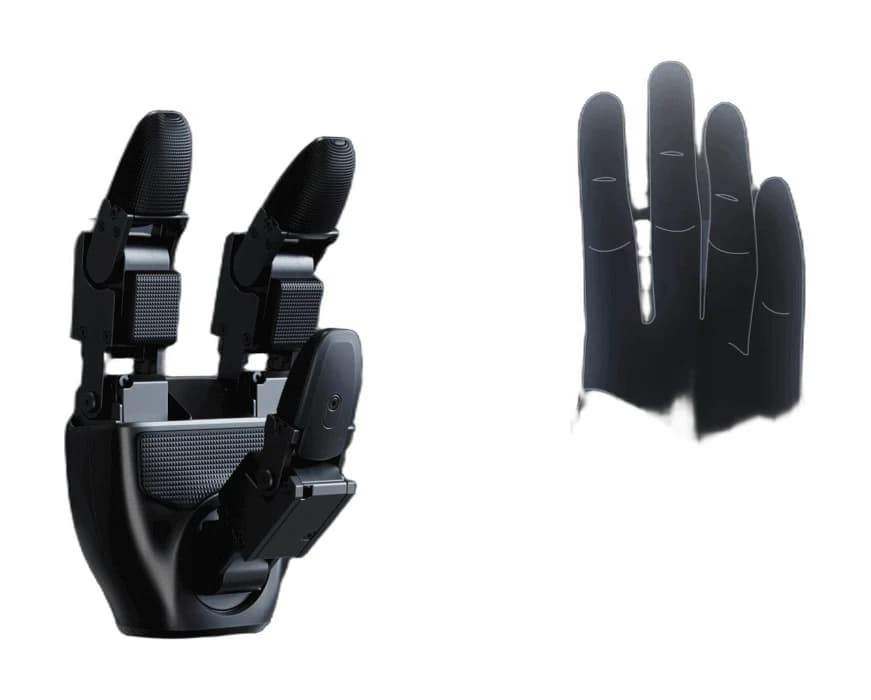
A 0.43 kg gripper: 30 N maximum clamping force, 120 mm maximum stroke, 0.7 s opening/closing time, 12-30 V working voltage; CAN, CANFD, RS485 and serial communication. Adaptive mode and clamping force, clamping-force self-locking, feedforward force control and a built-in driver.

Technical Analysis of the Open-Source Platform
34 Degrees of Freedom at 33 kg
At 130 cm and 33 kg the X1 sits in the compact class, yet its 34 active degrees of freedom are above that class; for comparison the Unitree G1 carries 23 in its standard version. What makes this possible is selecting rotary joint modules in three sizes (R86-3, R86-2, R52) plus a linear actuator per task: 200 Nm for the main load joints, 80 Nm for the mid joints, 19 Nm for the small ones. The price is 0.5 kg of payload per arm and 2 hours of runtime; the X1 is not a carrying robot but a platform for control and learning research.
Torque Density in the PowerFlow Modules
The R86-3 module produces 200 Nm of peak torque at 1.28 kg, roughly 156 Nm per kilogram. The R86-2 gives 80 Nm at 0.81 kg and the R52 19 Nm at 0.45 kg. All three use hollow wiring, an integrated FOC drive and a multi-turn absolute encoder, which means cables pass through the joint, no calibration is needed at power-up and there is no external driver board. The rated values (60 / 20 / 6 Nm) are the figures to rely on for continuous operation; peak values are for short movements.
Distributed Control with the DCU
The 90 g DCU is a domain controller that converts the EtherCAT backbone into three FDCAN channels and forwards at 1 kHz. Because up to 16 DCUs can be cascaded with hardware sync frames, all 34 joints can be driven on a single time base, with the IMU read on the same sync. The Linux SDK and SPI / UART / GPIO expansion let research teams add their own sensors to the control loop. Together with the open-source inference and training repositories this makes the X1 a modifiable reference design rather than a closed product.
X1 Core Components
| Component | Weight | Peak torque / force | Rated | Speed | Voltage |
|---|---|---|---|---|---|
| PowerFlow R86-3 | 1.28 kg | 200 Nm | 60 Nm / 30 rpm | 85 rpm peak | 48 V |
| PowerFlow R86-2 | 0.81 kg | 80 Nm | 20 Nm / 70 rpm | 260 rpm no-load | 48 V DC |
| PowerFlow R52 | 0.45 kg | 19 Nm | 6 Nm / 50 rpm | 130 rpm no-load | 48 V DC |
| PowerFlow L28 (linear) | 200 g | 110 N thrust | FDCAN | 50 mm/s | 24 V |
| DCU domain controller | 90 g | EtherCAT, 3 × FDCAN 5 Mbps | 16 cascade | 1 kHz, 100 Mbps | OTA |
| OmniPicker gripper | 0.43 kg | 30 N clamping | 120 mm stroke | 0.7 s open/close | 12-30 V |
Engineering Assessment
The X1's value lies less in the robot itself than in the openness around it: because the hardware files, inference code and training code are published, a research team can change joint torque, the control loop and the policy end to end. The component-level documentation of the actuator family and the DCU also allows building different bodies from the same parts.
Details & Performance Parameters.
Physical Architecture
Dynamic Performance
Energy & Protection
Computing & Intelligence
DCU domain controller (90 g): 1 kHz real-time communication forwarding, 100 Mbps; EtherCAT to 3-way FDCAN (5 Mbps); up to 16 DCUs in cascade with hardware sync frames
Full-stack open source: hardware design, inference module and reinforcement learning training code on GitHub (agibot_x1_hardware, agibot_x1_infer, agibot_x1_train); secondary development SDK for Linux; OTA support
EtherCAT, FDCAN, hardware-synchronized IMU interface, SPI / UART / GPIO expansion; OmniPicker: CAN, CANFD, RS485, serial port
Linux (DCU secondary development SDK)
Mechanical Components
34 active degrees of freedom
PowerFlow R86-3 (200 Nm peak / 60 Nm rated), R86-2 (80 / 20 Nm) and R52 (19 / 6 Nm) rotary joint modules; L28 linear actuator (110 N thrust, 50 mm/s)
Hollow wiring, highly integrated FOC drive, multi-turn absolute encoder, modular power configuration, PF-Link intelligent interface
OmniPicker adaptive gripper: 0.43 kg, 30 N clamping force, 120 mm stroke, 0.7 s open/close, clamping-force self-locking, feedforward force control
DCU domain controller: 90 g, 1 kHz, EtherCAT + 3-way FDCAN, cascade of up to 16 units, OTA
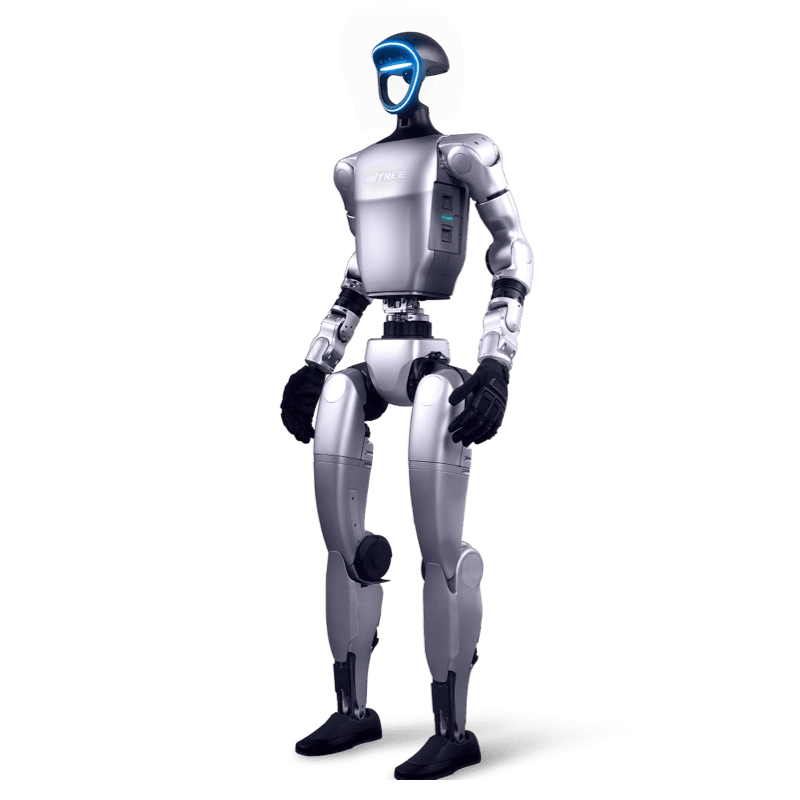
130 cm, 33 kg; modular, safe, lightweight and highly scalable design
Hardware & Materials
Modular open-source body; PowerFlow R86-3, R86-2 and R52 joint modules, L28 linear actuator, hollow wiring; 33 kg
PowerFlow R86-3: 200 Nm peak torque in a 1.28 kg module; R86-2: 80 Nm, 0.81 kg; R52: 19 Nm, 0.45 kg
The New Intelligence of Operation.
Start your X1 project with our experts now.
Get a X1 Quote
There is no single list price; the investment depends on configuration and use case. Fill in the form and we will return with a clear, tailored quote.
- Supply plan and delivery schedule from the manufacturer line
- Technical feasibility against your project requirements
- Integration scope and engineering support
- Specification and documentation support for corporate procurement
Prefer to talk now: 0850 532 6 777
X1 Frequently Asked Questions
The most commonly asked questions and answers about X1.
Sourcing, delivery schedule and investment for the X1 are settled per project. If you have a corporate requirement you can talk to Robotlar.org: we assess the sourcing process, a realistic timeline and the alternatives deliverable today.
130 cm tall, 33 kg, 34 active degrees of freedom, 2 hours of runtime, 1 m/s maximum walking speed and 0.5 kg payload per arm. Joints use the PowerFlow R86-3 (200 Nm peak), R86-2 (80 Nm) and R52 (19 Nm) modules, linear motion the L28 actuator (110 N); control sits in the DCU domain controller and the gripper is the OmniPicker.
AgiBot has published the X1's hardware design (agibot_x1_hardware), inference module (agibot_x1_infer) and reinforcement learning training code (agibot_x1_train) under the AgibotTech account on GitHub. A research team can study the mechanical files, build the control stack and train and deploy its own policies on the robot.
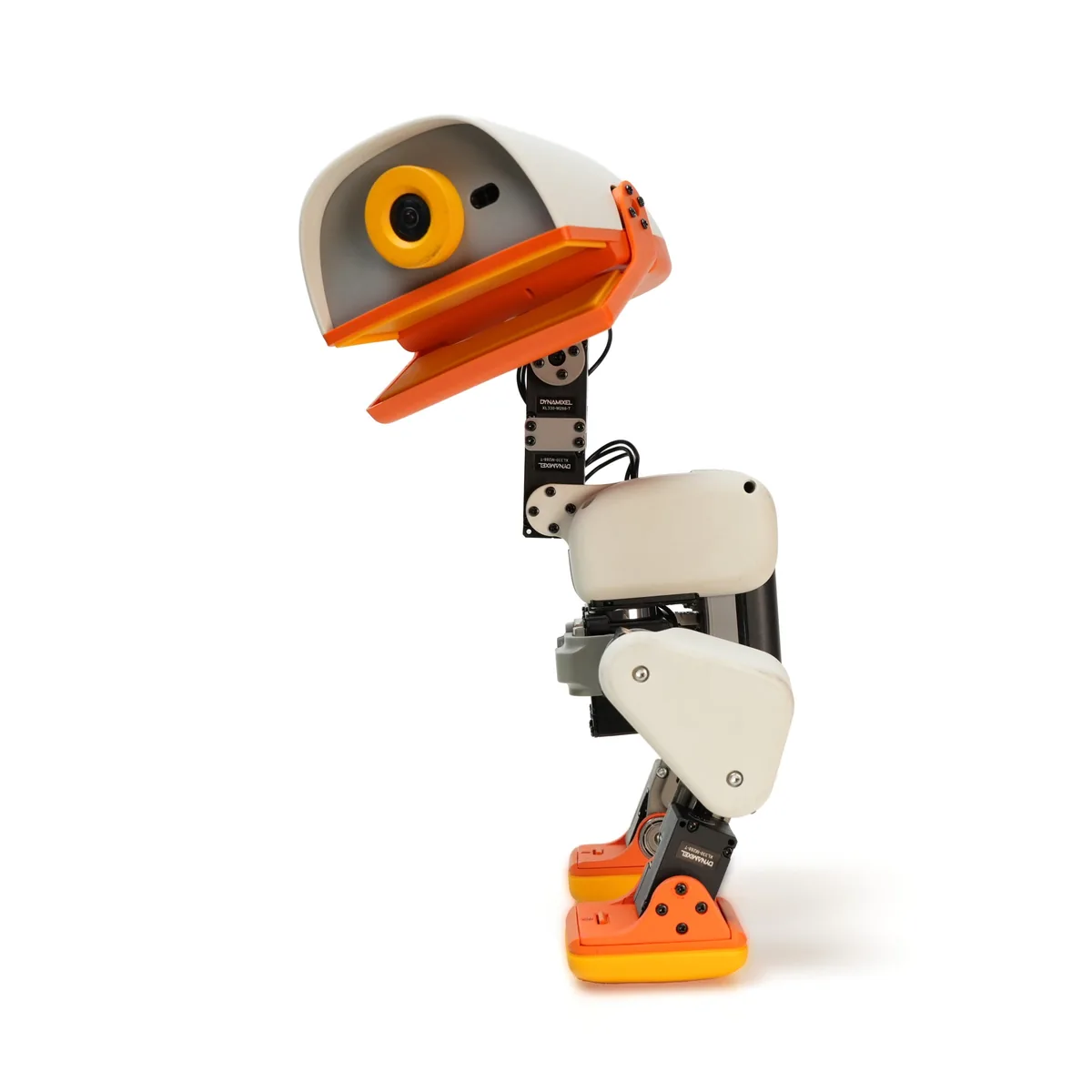
The X1 is positioned as a modular, high-DoF, safe and lightweight open-source platform; the target is embodied AI research, control and learning work and teaching labs. The 0.5 kg arm payload and 2-hour runtime point to lab use rather than field tasks.
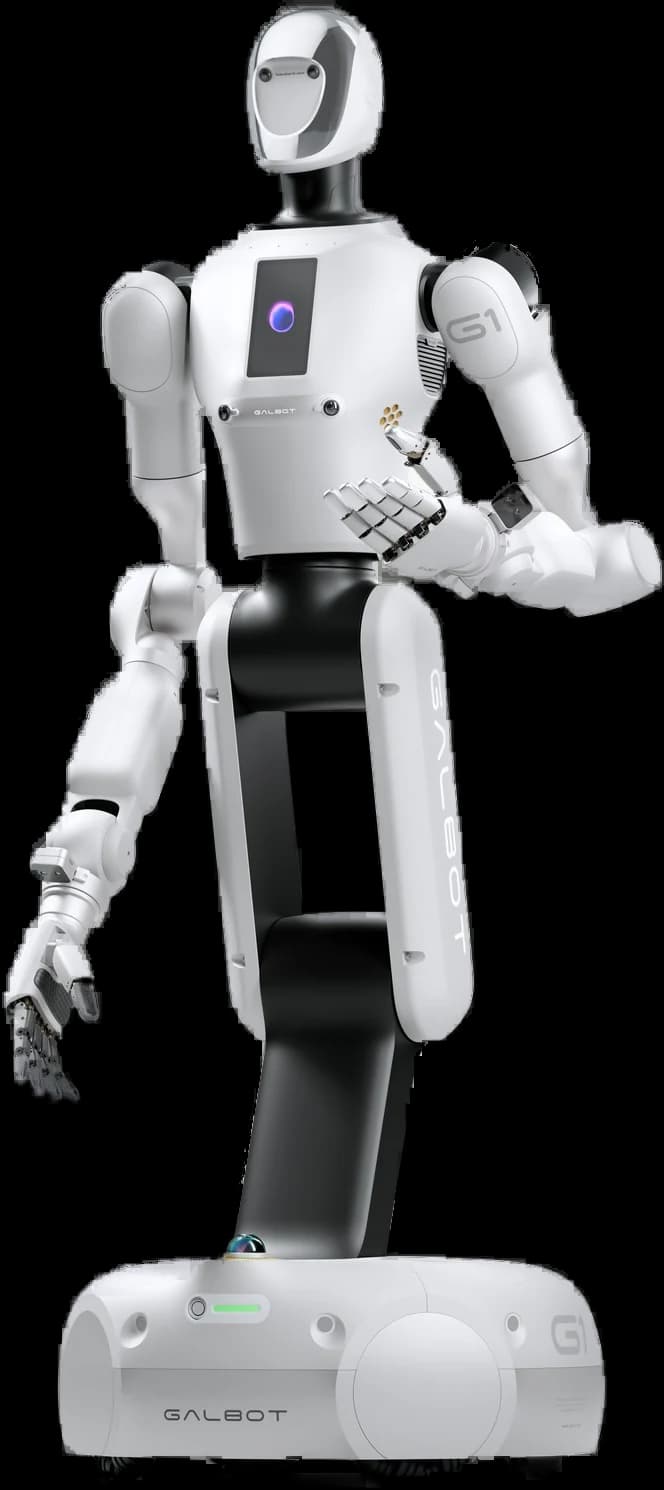
Both are compact class: the X1 is 130 cm and 33 kg, the G1 132 cm and 35 kg. The X1 offers 34 active degrees of freedom and a fully open-source control stack; the G1 carries 23 degrees of freedom in its standard version (43 in EDU), an NVIDIA Jetson Orin processor and 2 m/s speed, and can be ordered in Turkey today with 4-6 week delivery, a 1-year official warranty, on-site commissioning and engineering support across Turkey.