Which three problems do robots solve in malls?
Mall management uses robots for three jobs, and all three are measured against shift cost. First, entrance and wayfinding: visitors ask for a store, a restroom or a campaign, and that question repeats hundreds of times a day. Second, food court service: carrying trays at peak hours consumes most of the staff's time and slows order preparation. Third, common area cleaning: walkways get dirty during trading hours but cannot be cleaned then, because a wet floor is a hazard. A robot does all three without a night shift.
Which robot suits entrance and greeting?
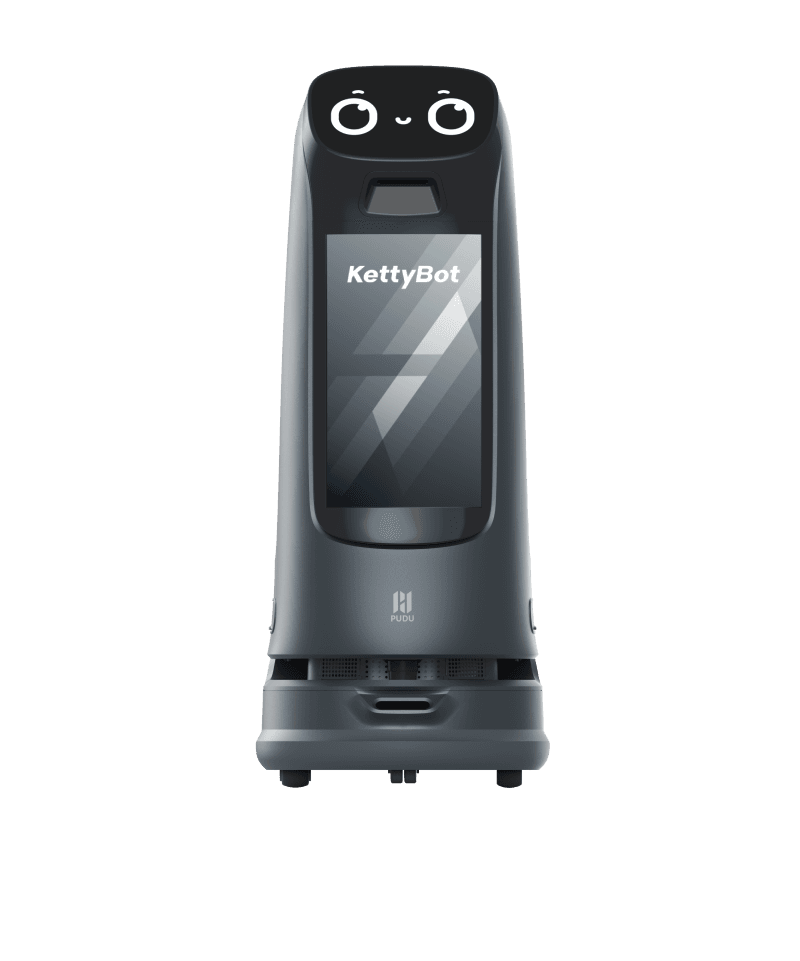
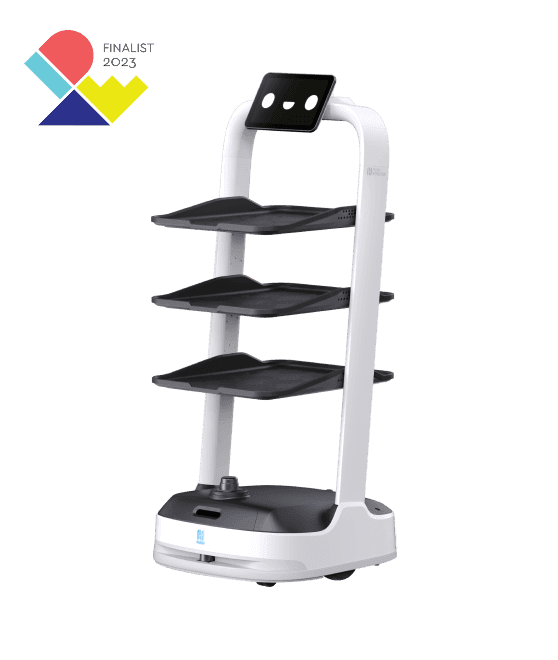
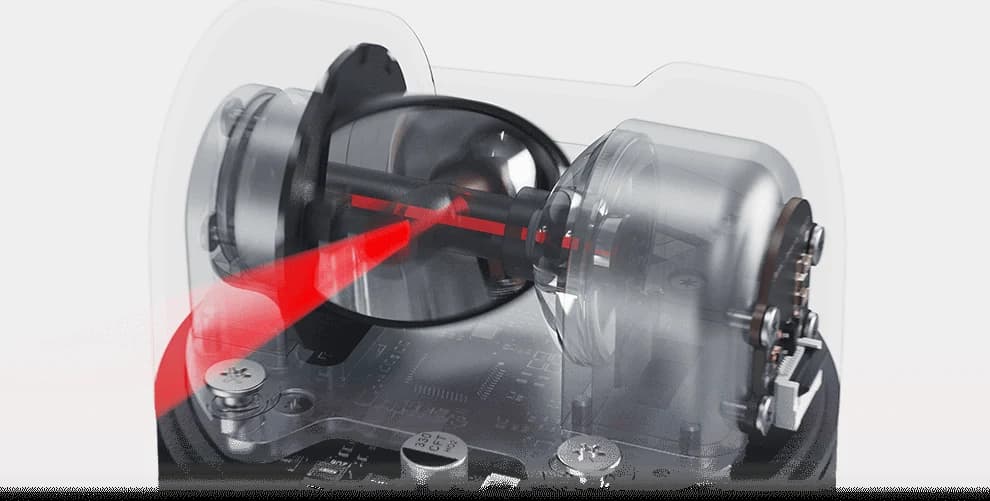
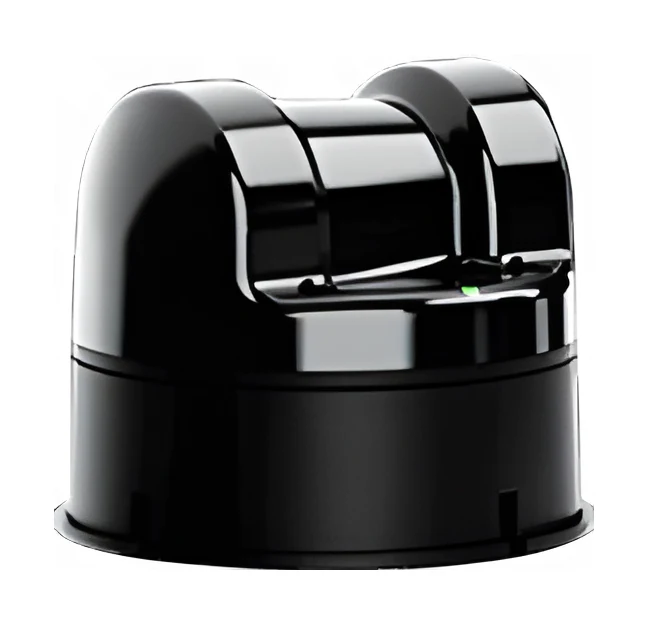
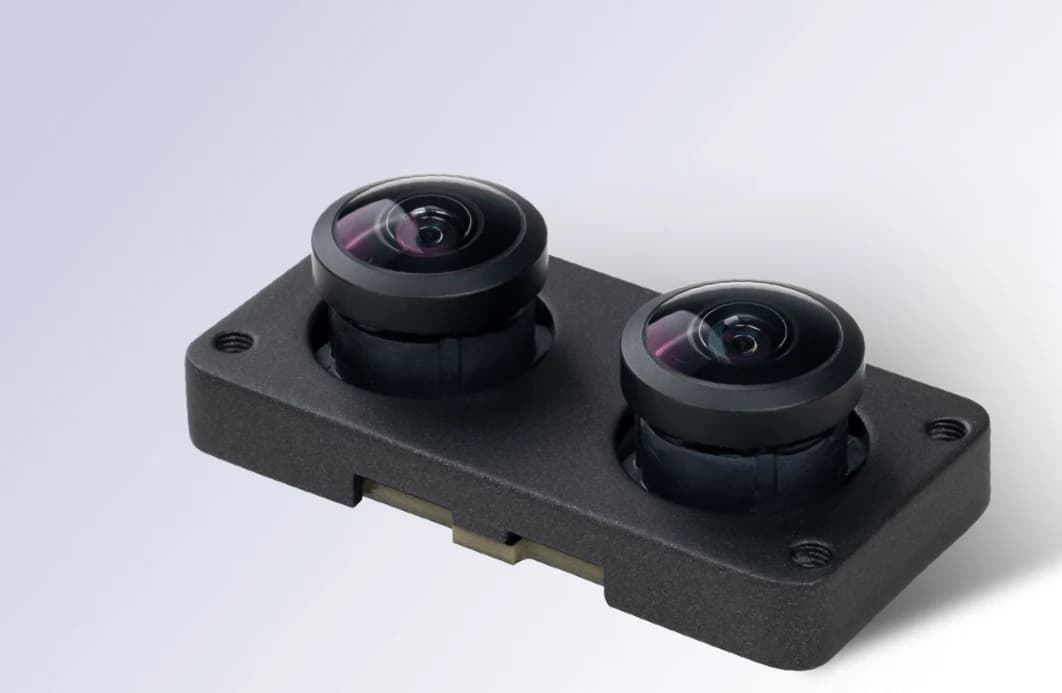
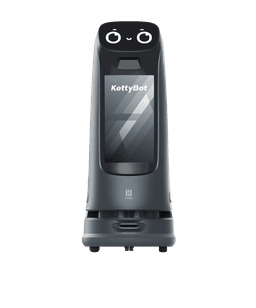
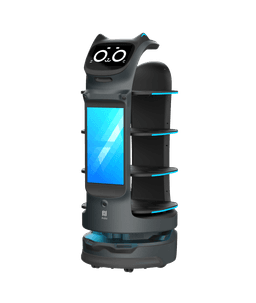
KettyBot Pro stands at the entrance, detects approaching visitors and shows the campaign of the day on its 18.5-inch HD screen. Laser and visual dual navigation work together with a 360-degree fisheye lens, so in a crowd it finds a gap and moves rather than stopping. It runs 9 hours unloaded and its speed is adjustable up to 1.2 m/s. Protection is IP20, so it is designed for indoor use: an open terrace or car park entrance is out of scope. Because the screen can be sold to different tenants through the day, the greeting robot is set up as a revenue line in many malls, not a cost line.
Which robot is used for food court service?
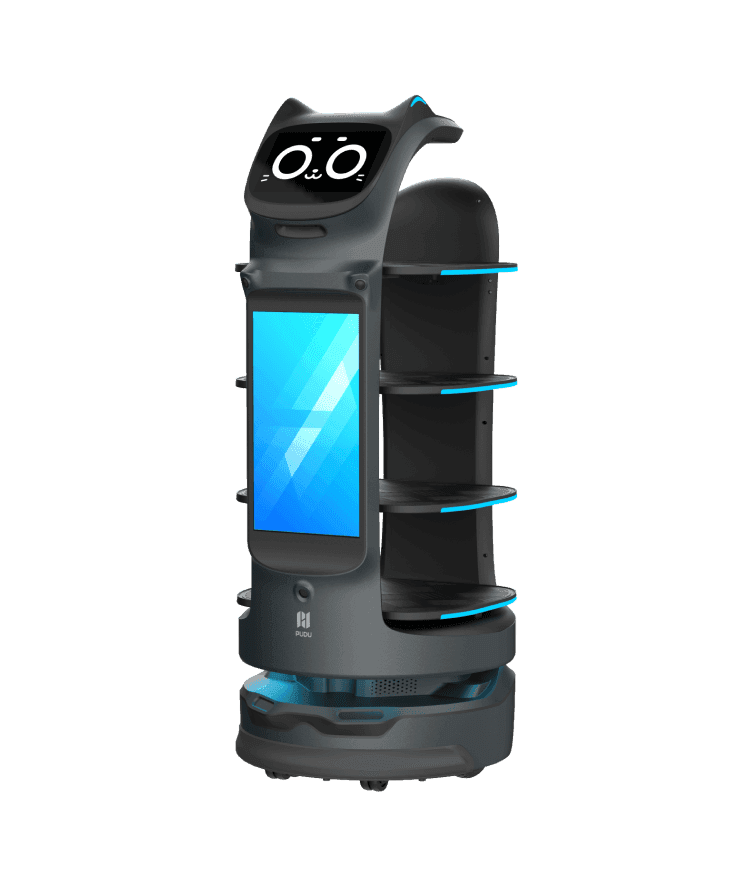
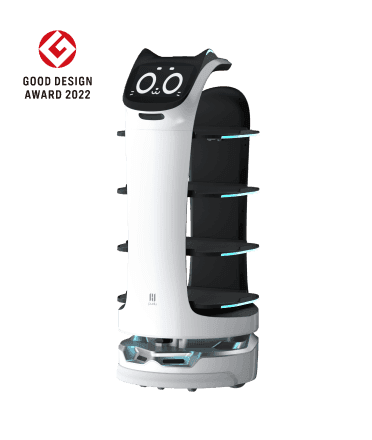
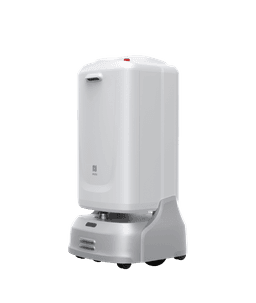
BellaBot Pro carries 40 kg across four trays, 10 kg per tray, which means serving four tables in a single run at peak. The battery runs 11 to 15 hours, covering the mall's full trading day on one charge. Navigation combines VSLAM+, LiDAR SLAM, three RGBD cameras and radar: that quartet is why it keeps moving through narrow gaps between tables and child traffic. It measures 570 x 550 x 1290 mm and weighs 55 kg. In a food court the real gain is not the carrying, it is keeping staff at the counter: order preparation time drops.
For common area cleaning, CC1 Pro or MT1?
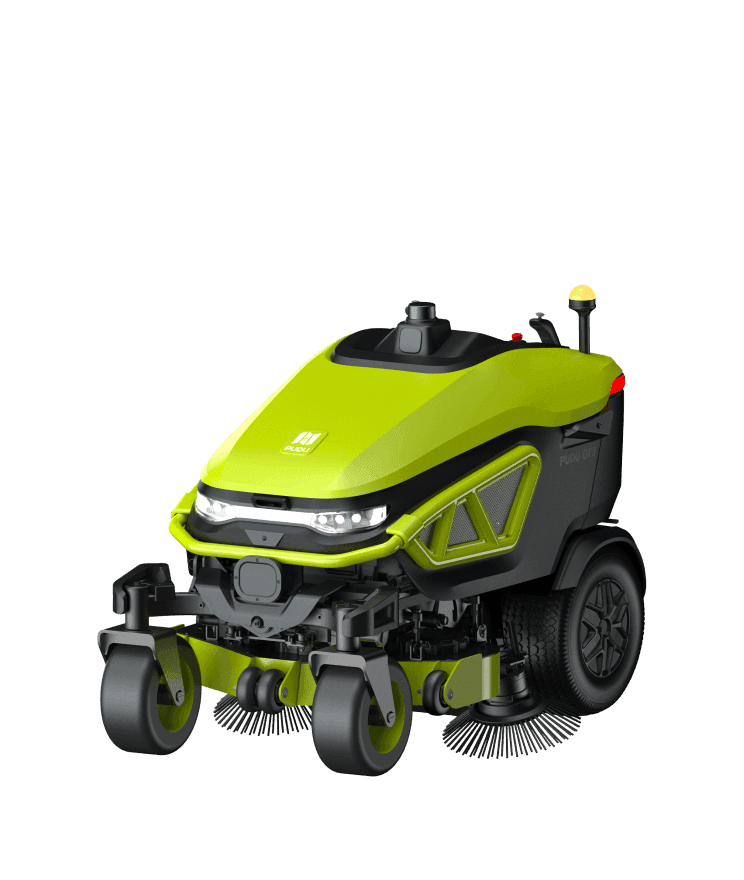
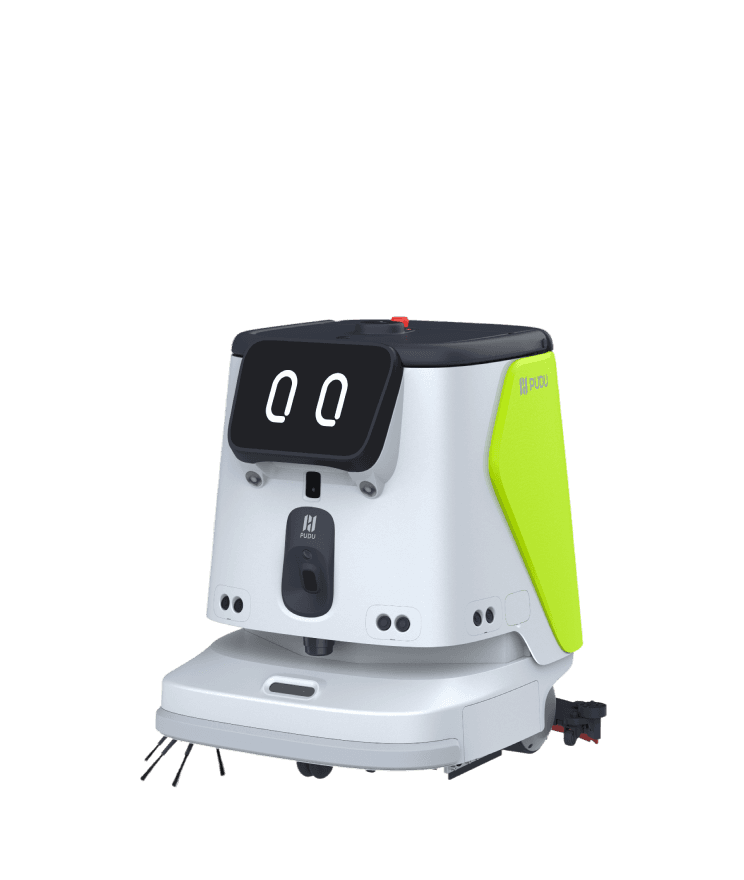
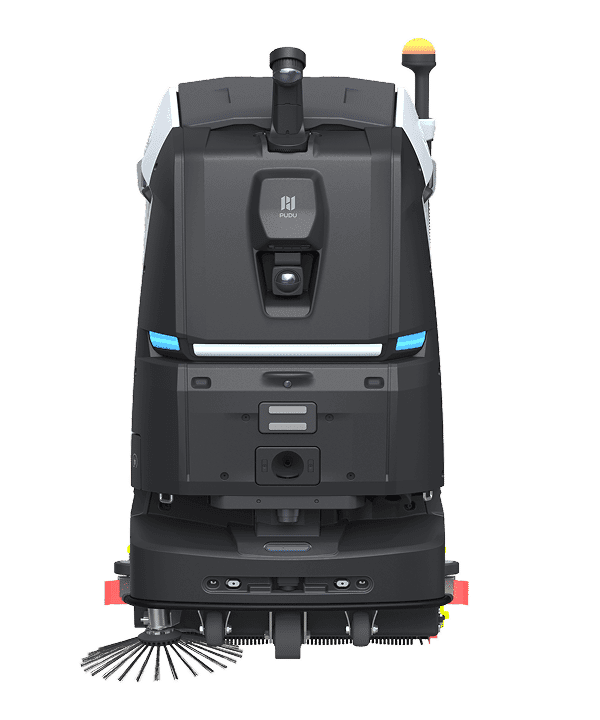
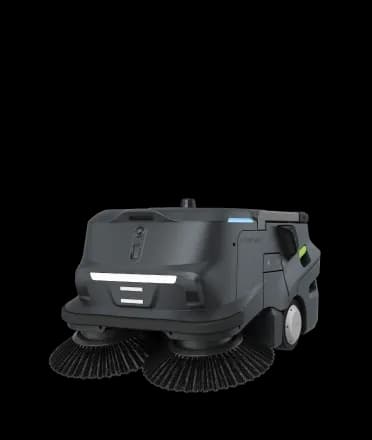
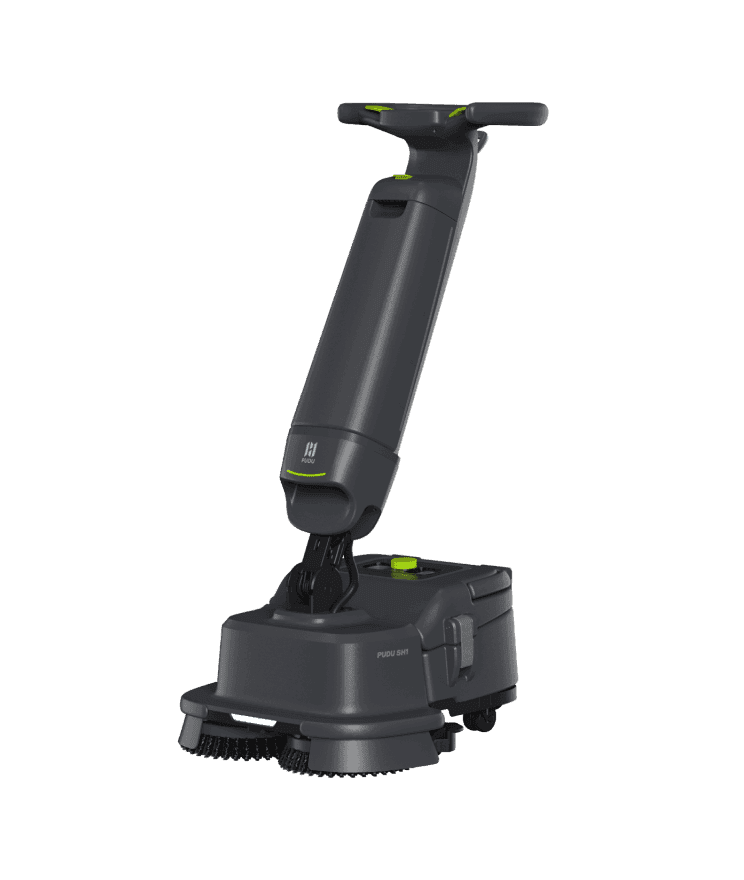
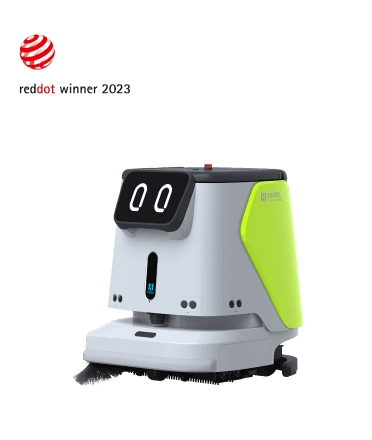
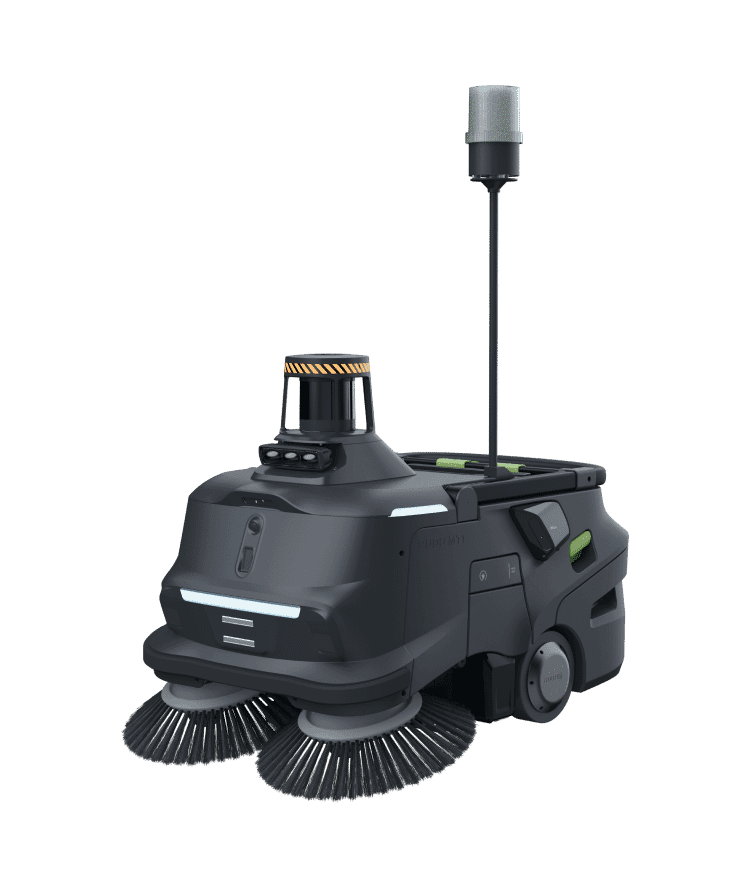
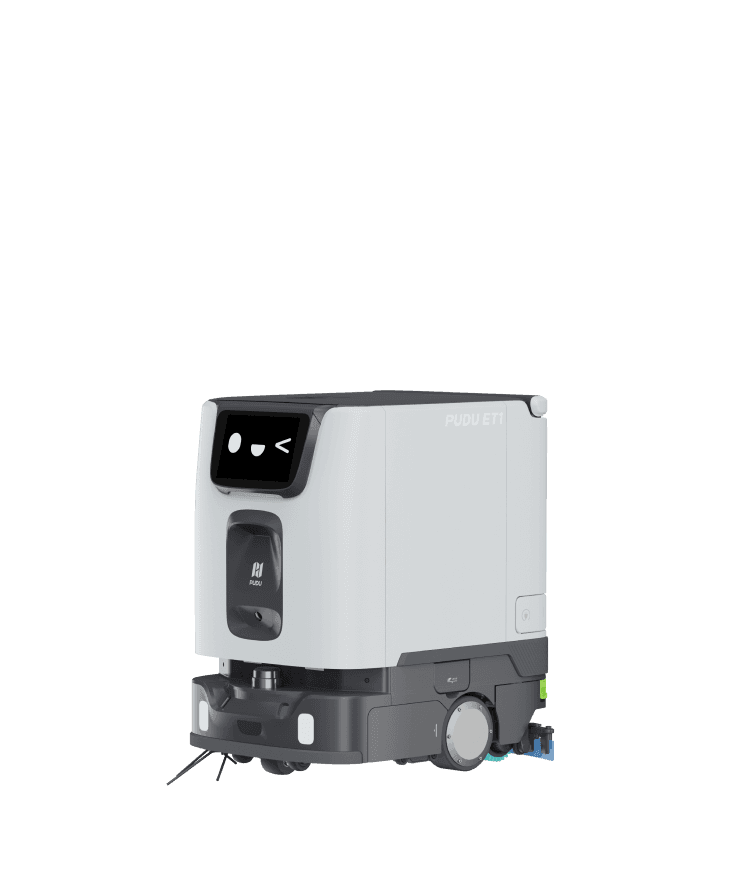
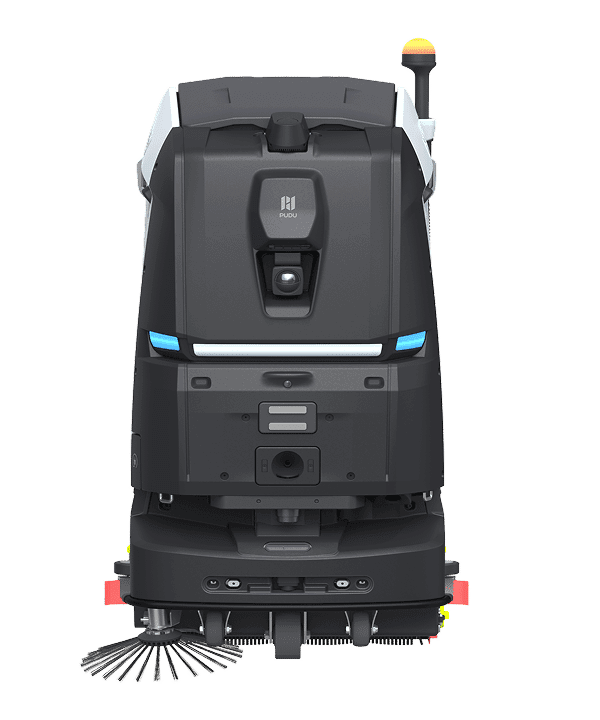
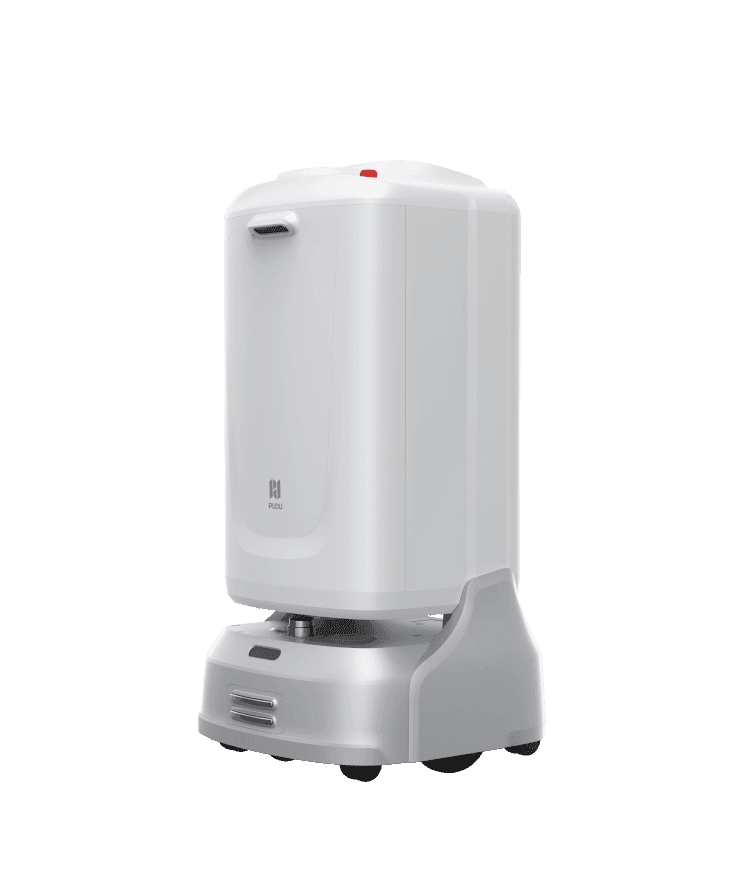
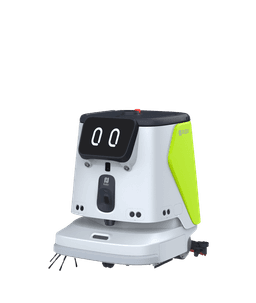
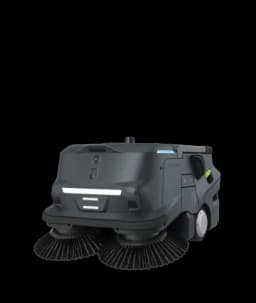
Two jobs, two machines. CC1 Pro sweeps, scrubs and vacuums in one body, with 15 litres of clean and 15 litres of waste water; it measures 629 x 552 x 695 mm and weighs 75 kg. Scrubbing runs about 5 hours, mopping about 9. IPX4 protection handles splashes. MT1 is the dry machine: a 35-litre dust bin, IP54 protection and 4 to 8 hours of runtime. For dust and paper across wide walkways choose MT1; for scrubbing around food areas and restrooms choose CC1 Pro. Both run at adjustable speeds between 0.2 and 1.2 m/s and are slowed down as visitor density rises.
How many robots does a mall need?
The right number comes from three inputs, not from floor area alone. First, the net cleanable area once columns, shopfronts and seating are deducted. Second, the working window: does the robot run during trading hours or after closing. Third, floor count and lift access: if the robot changes floors it needs lift control integration, which CC1 Pro supports as an option. On the service side the calculation runs on table count and average service distance. Give us those three inputs and we will work out the deployment plan and robot count with you.
How is robot safety handled at peak hours?
The hardest test for a mall robot is child and elderly traffic. A three-layer approach works. Sensors first: RGBD cameras and LiDAR together catch low obstacles such as luggage, prams and dropped bags. Speed profile second: top speed is reduced in software at peak and raised at night. Route third: the corridors the robot uses are planned along the flow of foot traffic, not against it. Without all three the robot still works, but it degrades the visitor experience.
Does the advertising screen generate revenue?
The 18.5-inch screen on KettyBot Pro and BellaBot Pro is not only for wayfinding. Mall operators sell it to different tenants by time slot: the coffee chain in the morning, the food court at midday, the cinema in the evening. Because the robot moves along the corridor, unlike fixed digital signage the screen goes to the visitor. Measurement runs through QR codes: how many people scanned, and at what hour. That data also sets the rental price.
What deployment and infrastructure is required?
Deployment has three parts. Mapping: the robot tours the area once and produces a persistent map, taking a few hours per floor. Charging dock: a point with power access outside the visitor flow is required, and the robot returns on its own when a task ends. Lift integration: multi-floor use requires a lift control module, otherwise the robot stays on one level. Commissioning and operator training are handled by us; one shift supervisor is trained to run the robot's daily routine.
Which model should a mall choose?
For greeting and promotion, KettyBot Pro. For food court or restaurant service, BellaBot Pro. For wet cleaning and food areas, CC1 Pro. For wide dry areas and dust control, MT1. Most malls do not start with a single model: a greeting robot on the ground floor, a service robot in the food court and a cleaning robot on the night shift is the typical first deployment. The fleet can be monitored from a single management panel. For project-specific configuration and corporate pricing, request a quotation; we work out the robot count from floor area, floor count and the working window.