What This Comparison Actually Compares
The Unitree H2 figures come from the manufacturer's technical data and are verifiable. We speak through the company's publicly stated programme positioning and do not write estimated numbers. For a team about to buy a humanoid, this is where the decision actually sits anyway.
Delivery Model: Purchase Against Pilot Partnership
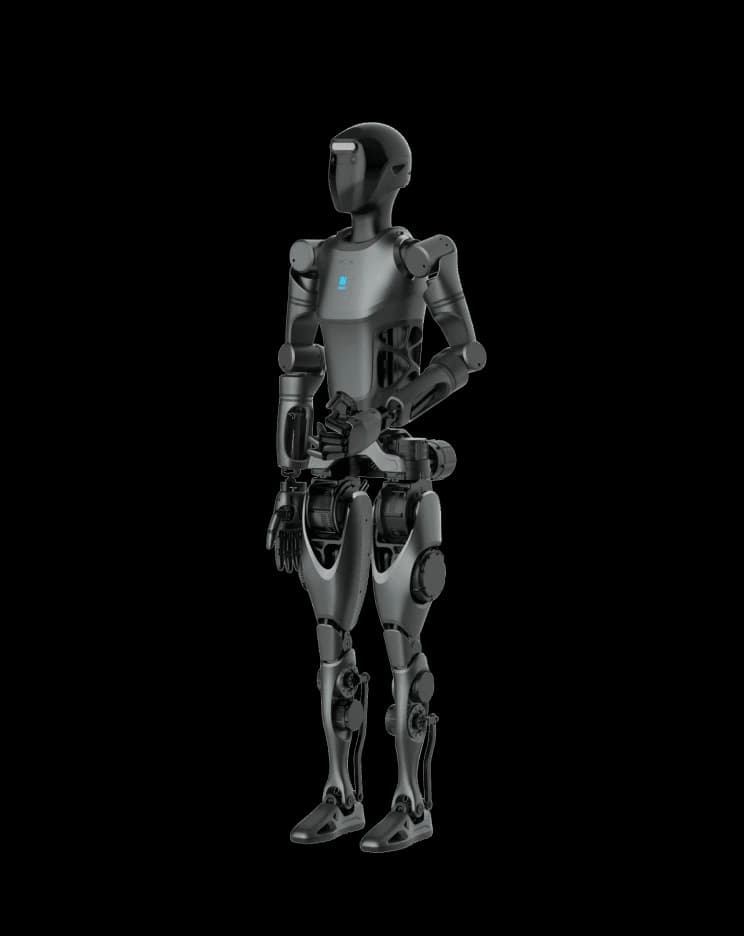
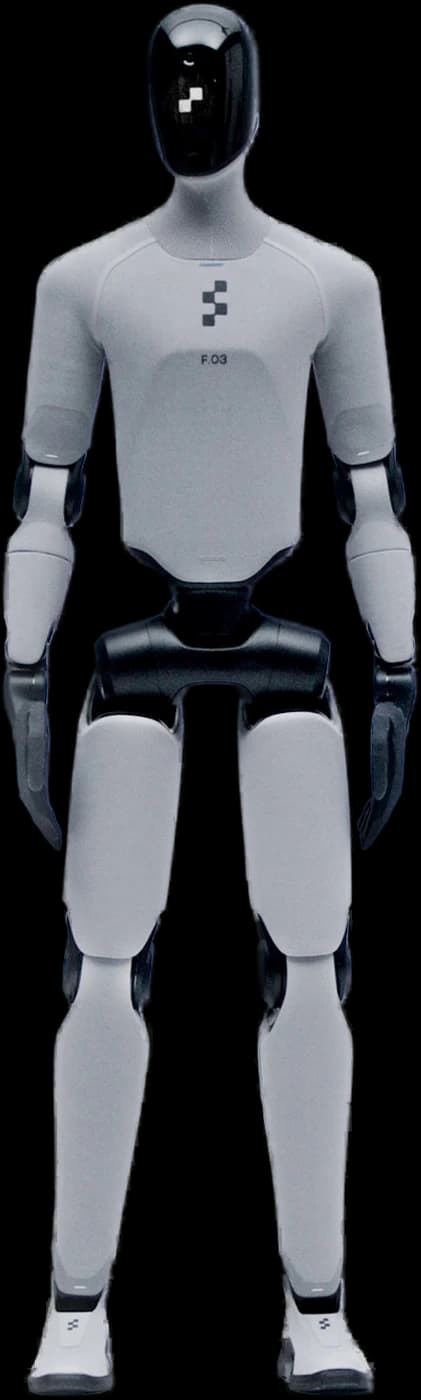
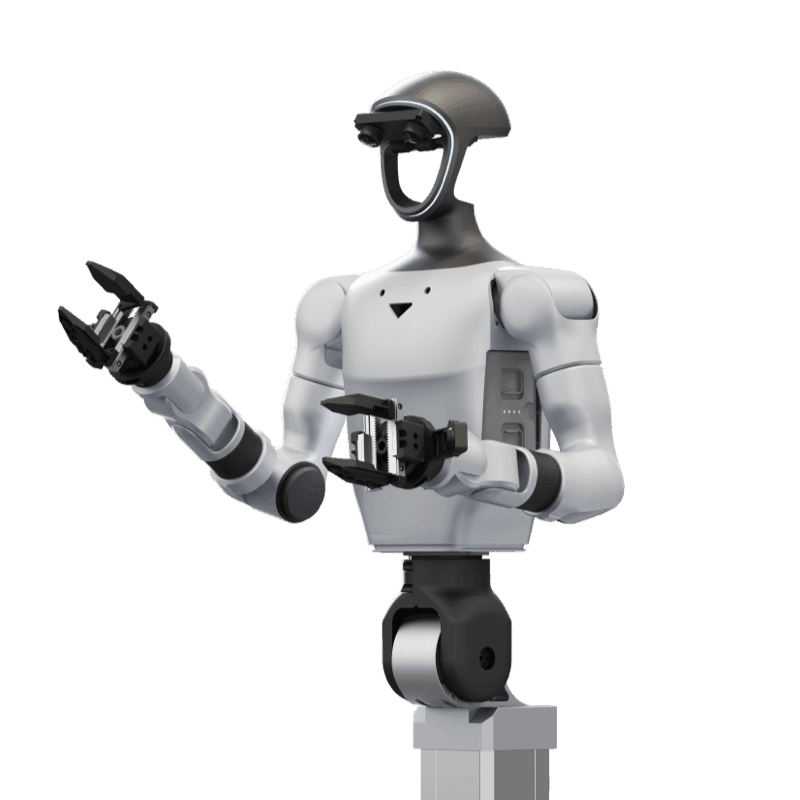
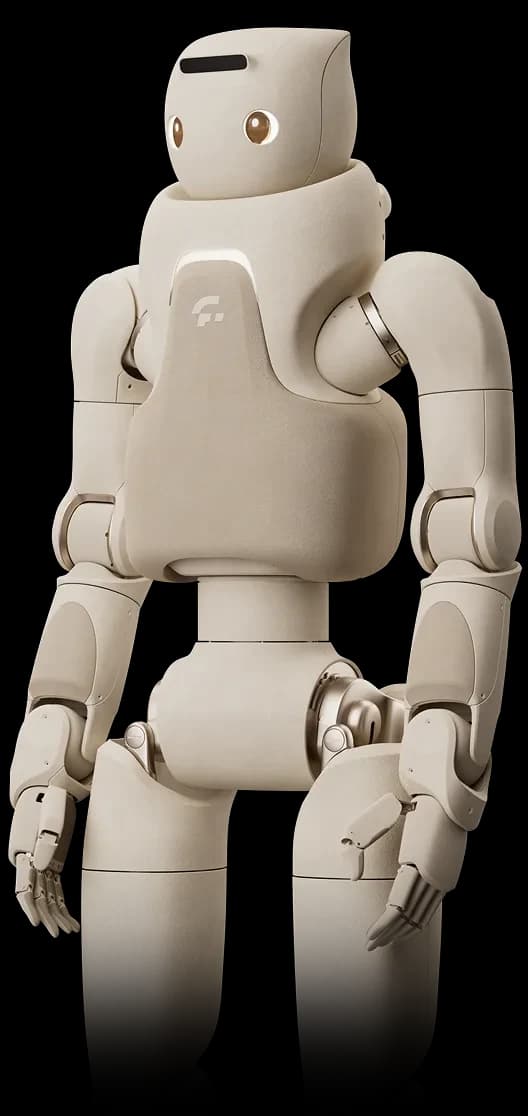
Rather than selling units to individual customers, Figure moves through pilot deployments with selected industrial partners, the best known publicly announced example being its work with a BMW production facility. In that model the robot is not a product but a service positioned inside a partnership. The Unitree H2 is a product you buy outright: ordered through Robotlar.org, with customs, VAT, installation, training and warranty all defined. The difference goes beyond a budget line: it is the difference between waiting to be accepted into a pilot partnership and raising a purchase order.
Helix and Speech-to-Action Latency
In 2025 Figure announced Helix, its own vision-language-action model, moving its AI work in-house rather than licensing a model from outside. The showcase for that approach is speech-to-action latency: how long a spoken instruction takes to become a grasping motion. Optimising that latency is straightforward in a closed, vertically integrated stack, because every layer from model to actuator belongs to the same team. The cost arrives from the same place: you cannot put your own model into that stack.
The H2's Hardware Base
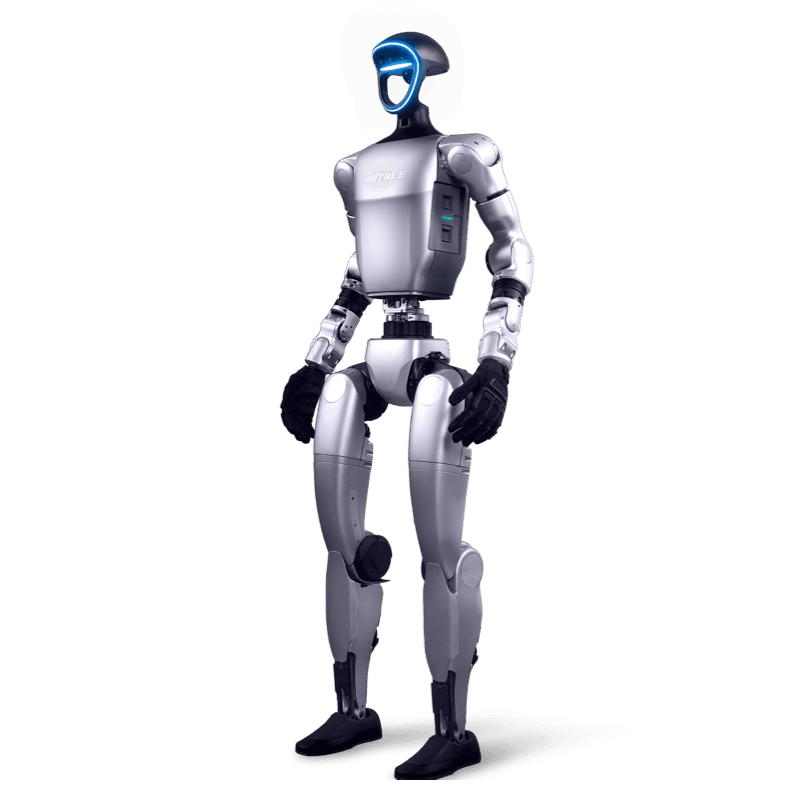
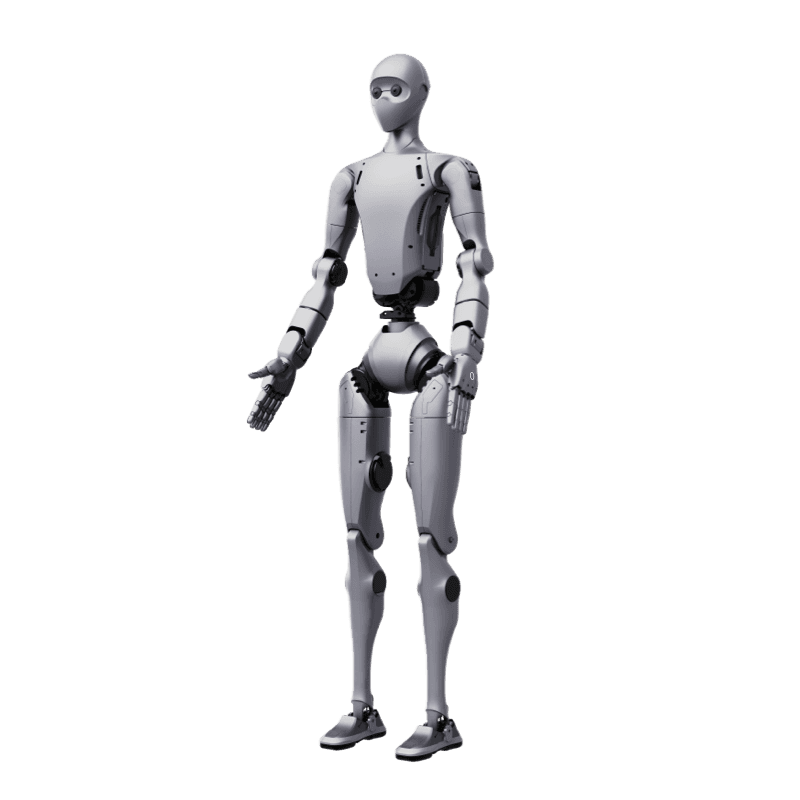
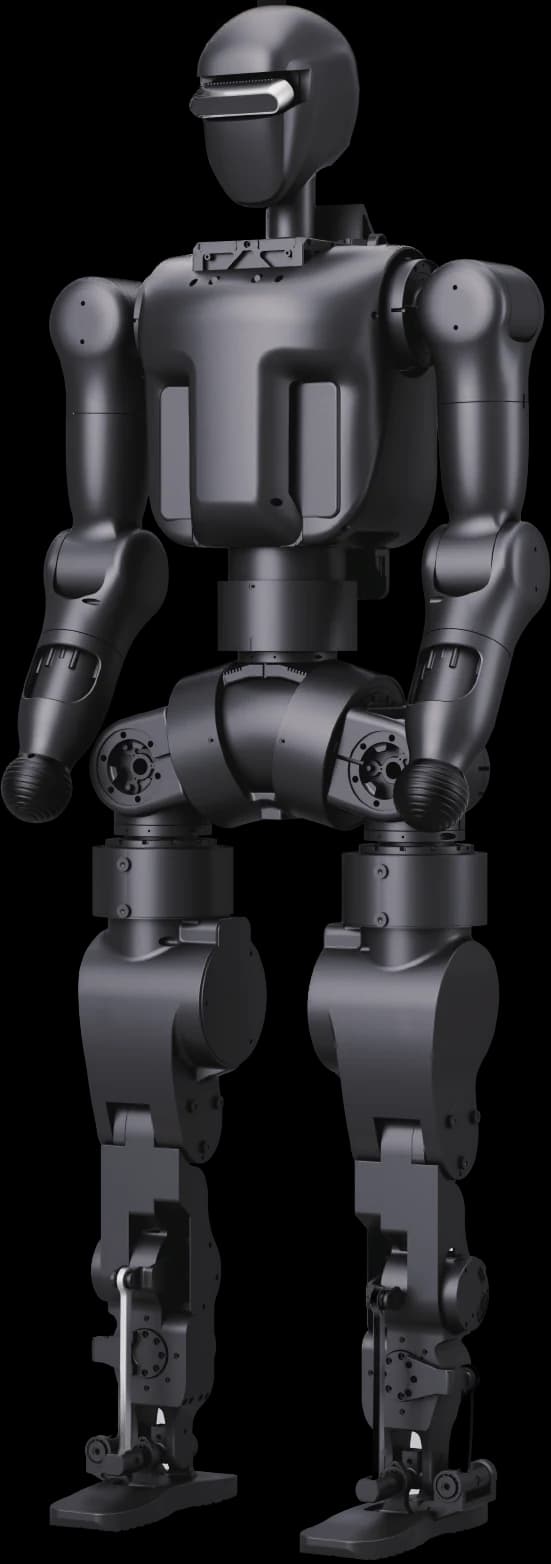
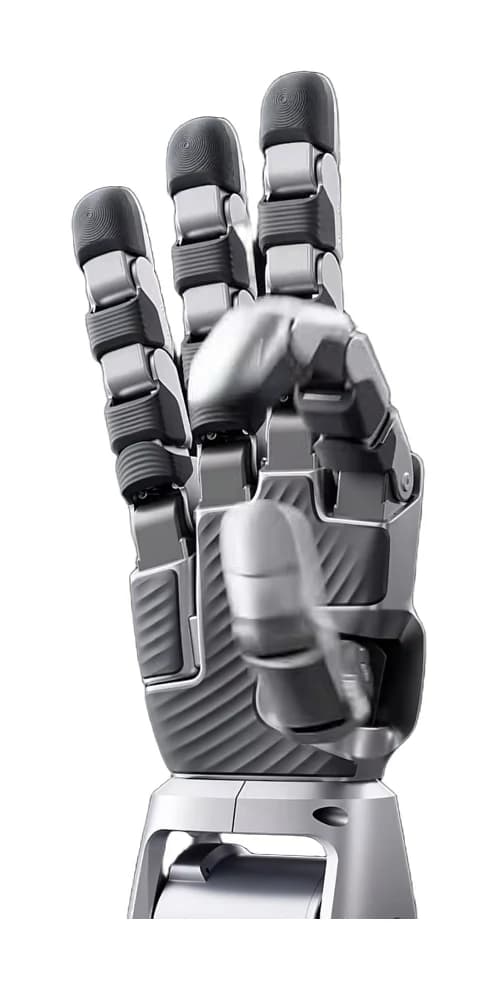
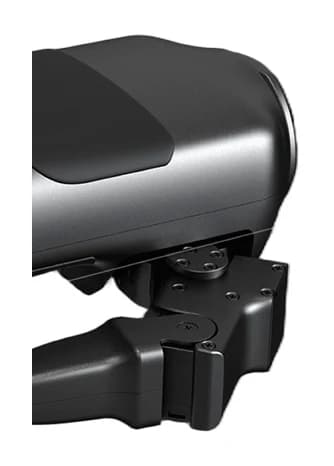
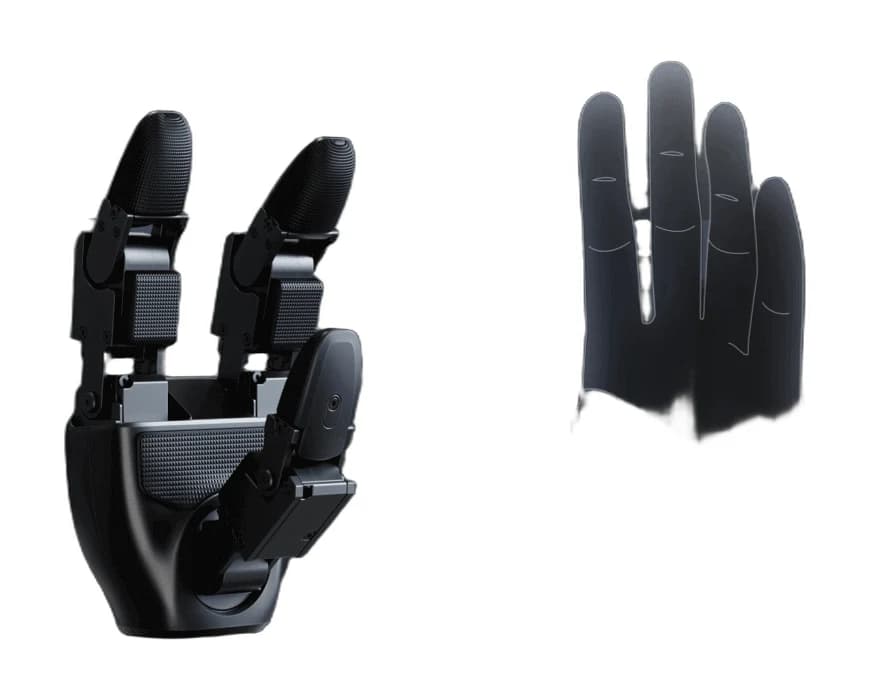
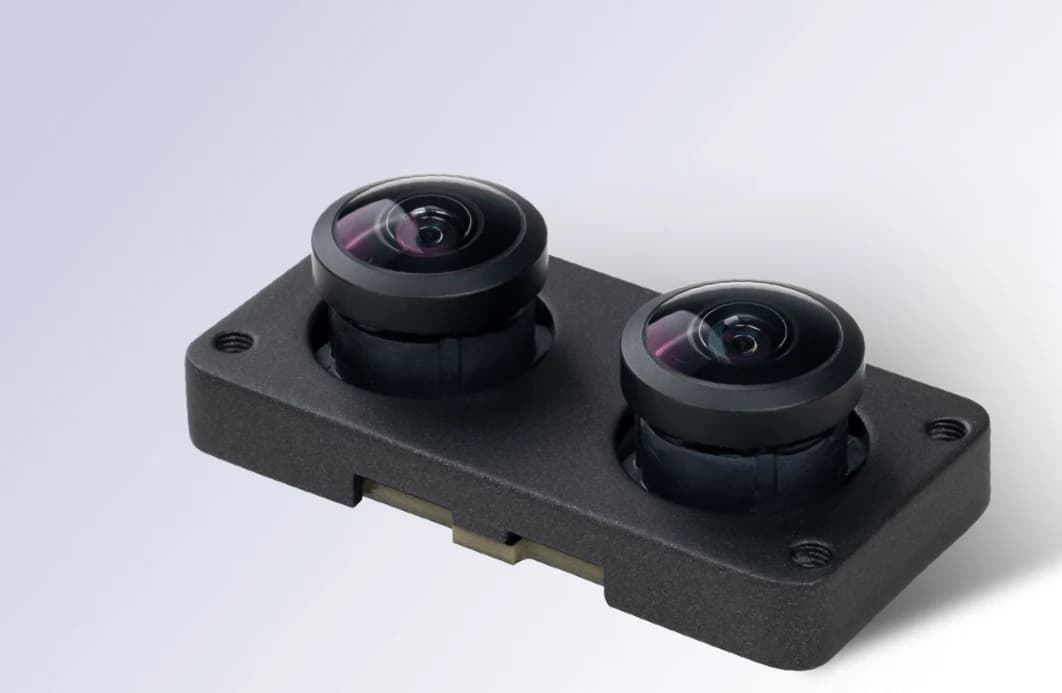
The H2 stands 1820 × 456 × 218 mm at around 70 kg. Its 31 degrees of freedom are split as 6 per leg, 7 per arm, 3 at the waist and 2 in the head, and the waist and head joints allow the torso to rotate independently of the legs while the gaze is aimed separately. Peak joint torque is 360 N·m in the leg and 120 N·m in the arm; arm payload is rated around 7 kg with a peak near 15 kg. A 15 Ah / 0.972 kWh battery gives roughly 3 hours. On perception it carries a GMSL wide-FOV binocular camera and a microphone array. The full list is on the H2 product page.
Closed Ecosystem Against Integrable Platform
This is the real split. The H2 builds a multi-computer architecture: motion control runs on a 10-core, 12-thread Intel Core i5 while the development units (PC2-PC4, two of them optional) carry Intel Core i7 or Jetson Thor with 16-32 GB of LPDDR5. Because the control loop is separated from the development load, gait stays stable while your own perception model runs on the robot. With ROS 2 and an open SDK you can reach joint level and deploy your own navigation stack and policies. The Figure 02 does not open that layer to third parties: the robot arrives to perform defined tasks, not to host your stack.
Which Team Should Choose What
For a large industrial organisation that wants to hand a defined task on a fixed production line to a robot, and can enter a long-term partnership with the supplier, Figure's model makes sense. For a team developing its own algorithms, using the robot as a research or product platform, and needing hardware in hand this year, the H2 is the only realistic option. If you will run a large vision-language-action model on-device, the H2 Plus offers the same body with a Jetson T5000 and 128 GB of LPDDR5X. For the whole Unitree line, see our humanoid robot family comparison.