

Wind Turbine Blade Root Structural Crack Scanning
Scenario record: it defines the environment, the mission flow and a proposed hardware and software configuration. The list below is a configuration proposal, not an installation inventory. Field projects lists deployed systems and their measurements.
- Environment
- Outdoor field
- Operating mode
- Supervised autonomy
- Proposed robot
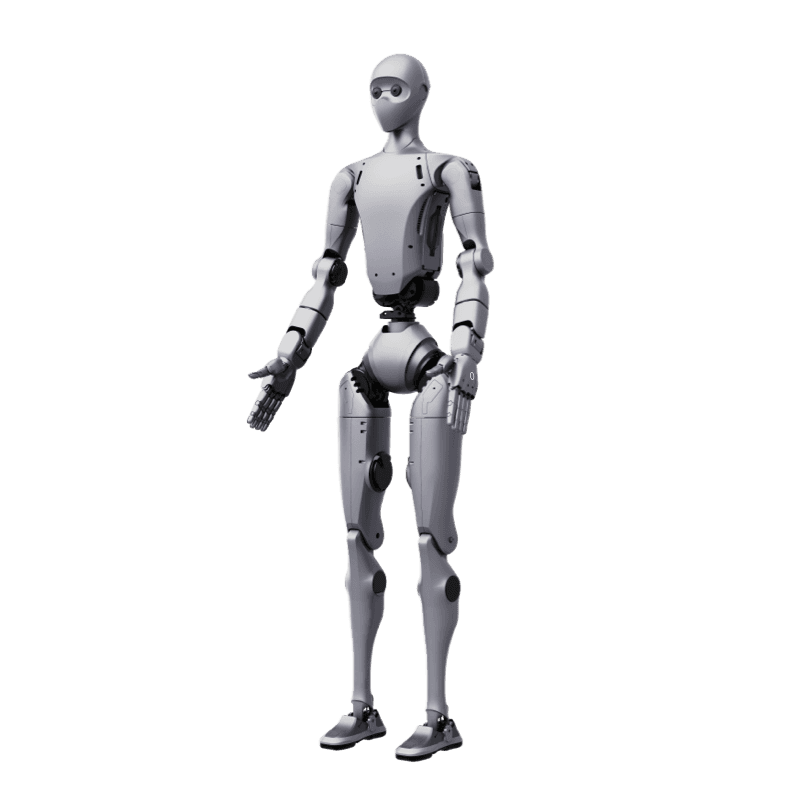
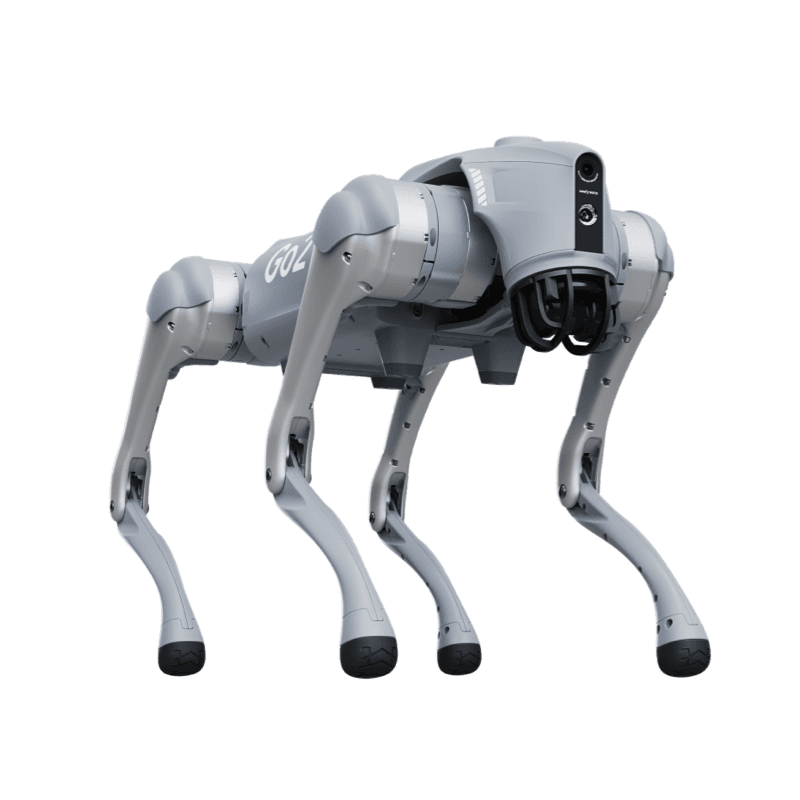
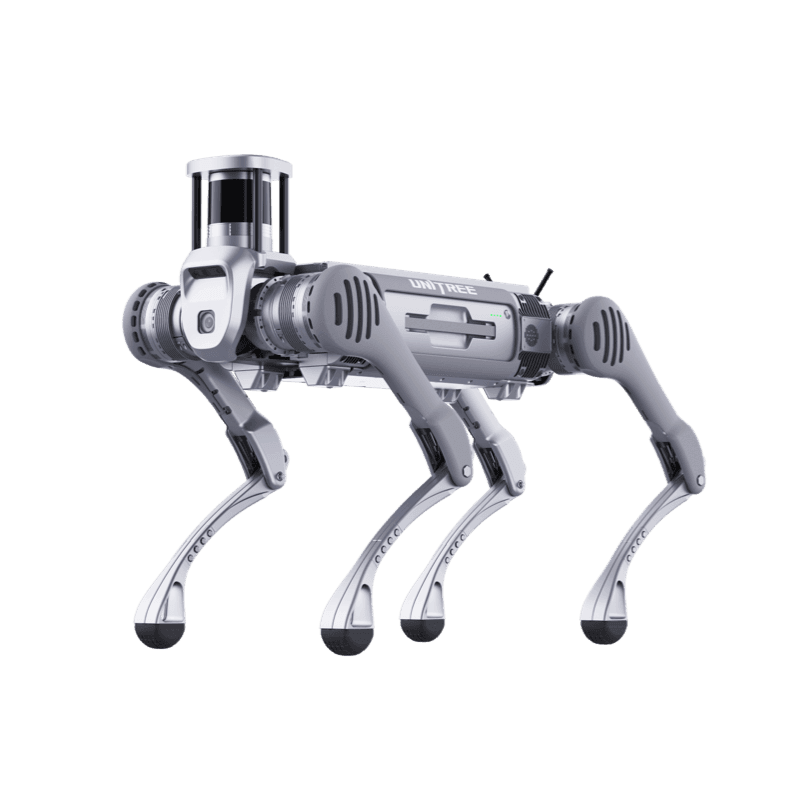
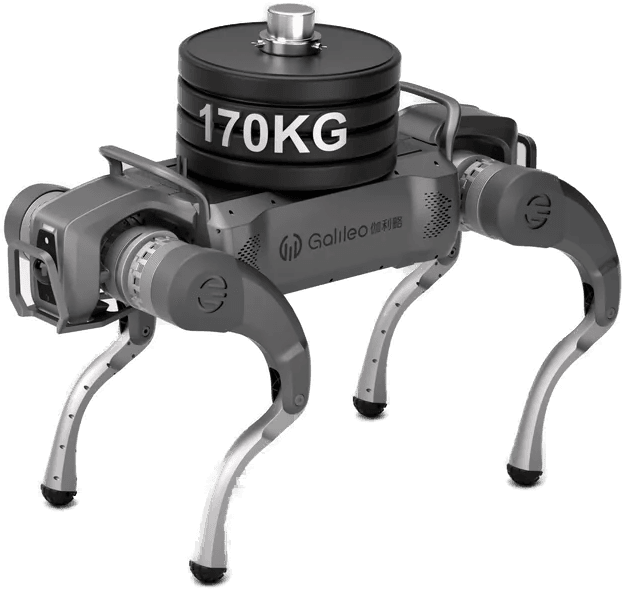
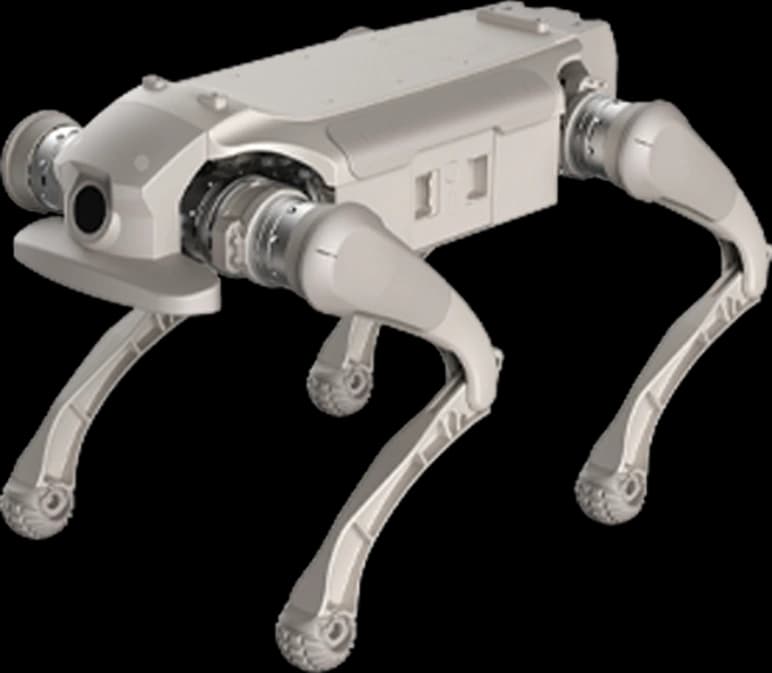
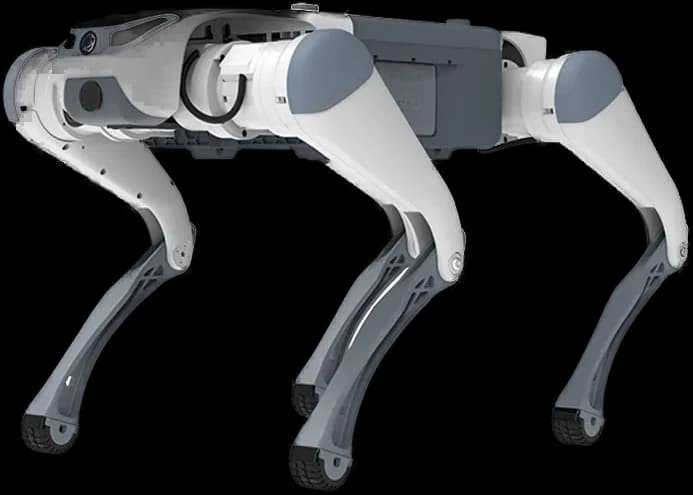
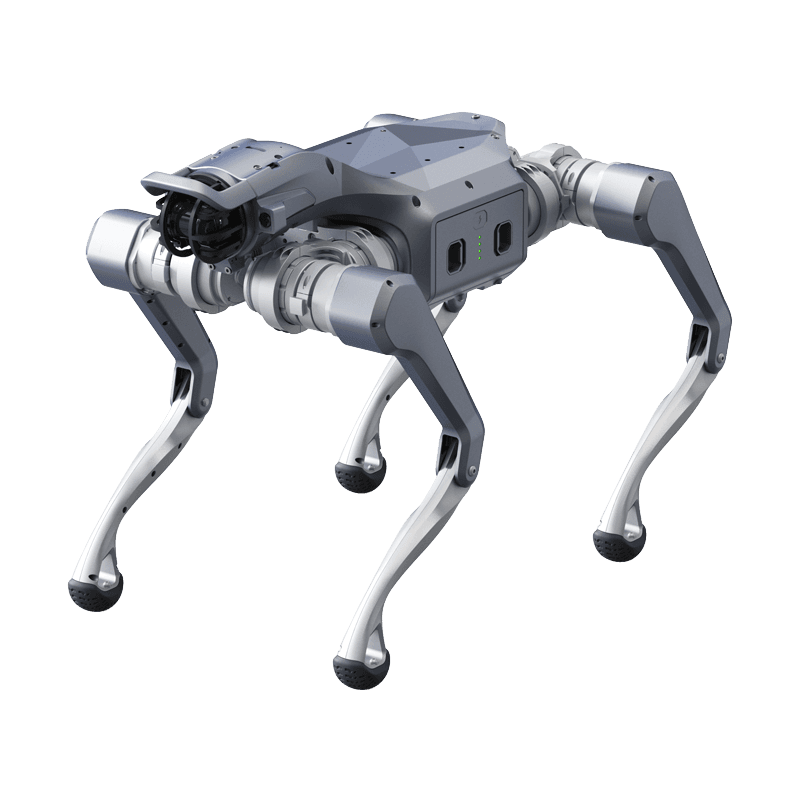
- Unitree A2
The problem addressed
High-cost and risky procedures requiring crane platforms or rope access for blade root damage inspection.
Draft mission flow
- 1The robot reaches the turbine base and positions under the blade root while nacelle rotation is paused.
- 2LiDAR and optical camera perform combined scanning to detect micro-cracks, surface wear, and paint blistering at the blade root.
- 3Ultrasonic thickness gauge verifies thinning in composite layer depth with millimetric precision.
- 4All findings are transmitted to SCADA with turbine number, blade position, and GPS coordinates; maintenance priority ranking is auto-generated.
Proposed hardware
- High Resolution 3D LiDAR
- HD Macro Optical Camera
- Ultrasonic Thickness Gauge
Proposed software
- Navigation
- Circular autonomous route around turbine base; precision positioning under blade root
- Model
- Composite Material Surface Crack and Delamination Detection (ResNet-50 + Point Cloud Fusion)
- Integration
- Wind Farm SCADA and Maintenance Planning Software
The robot's real operating limits
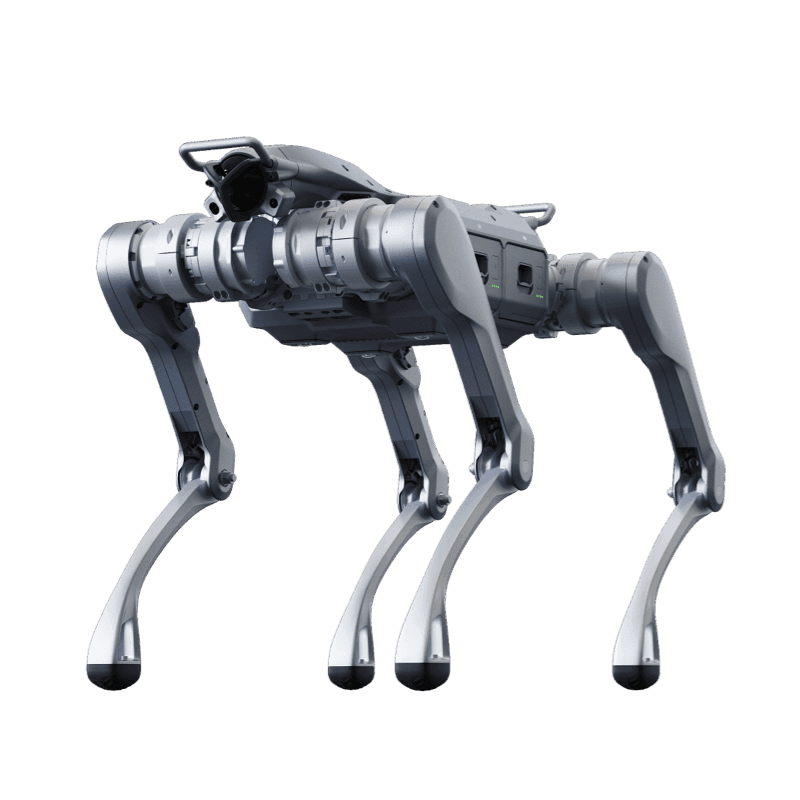
Unitree A2
Industrial Class Legged Robot
Product page- Ingress rating
- IP56-IP67
- Runtime
- >5 hours (No load) / >3 hours (25kg Load)
- Operating temperature
- -20°C to 55°C
- Payload
- 100 kg
- Max speed
- 5 m/s
- Climb
- 45°
Values are manufacturer data. Scenario fit is determined by comparing these limits with site conditions.
From scenario to installation
Feasibility is determined by the site survey: floor and route, network coverage, the charging point, intervention responsibilities and the conditions under which the robot must stop. The survey report defines the scope, the constraints and the commissioning steps.