

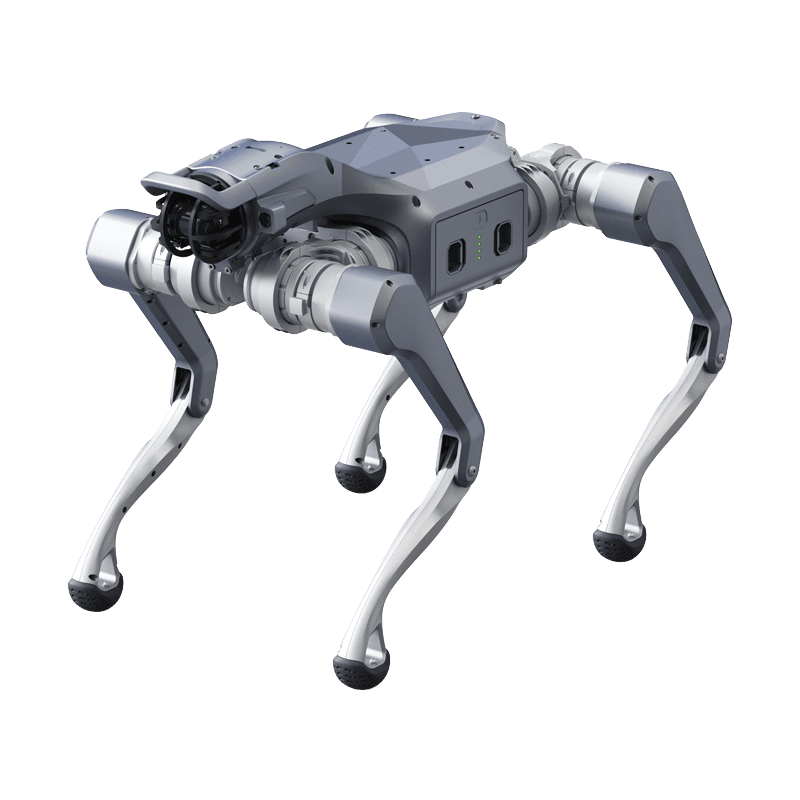
Natural Gas Pipeline Methane Leak Sniffing Patrol
Scenario record: it defines the environment, the mission flow and a proposed hardware and software configuration. The list below is a configuration proposal, not an installation inventory. Field projects lists deployed systems and their measurements.
- Environment
- Outdoor field
- Operating mode
- Teleoperation
- Proposed robot
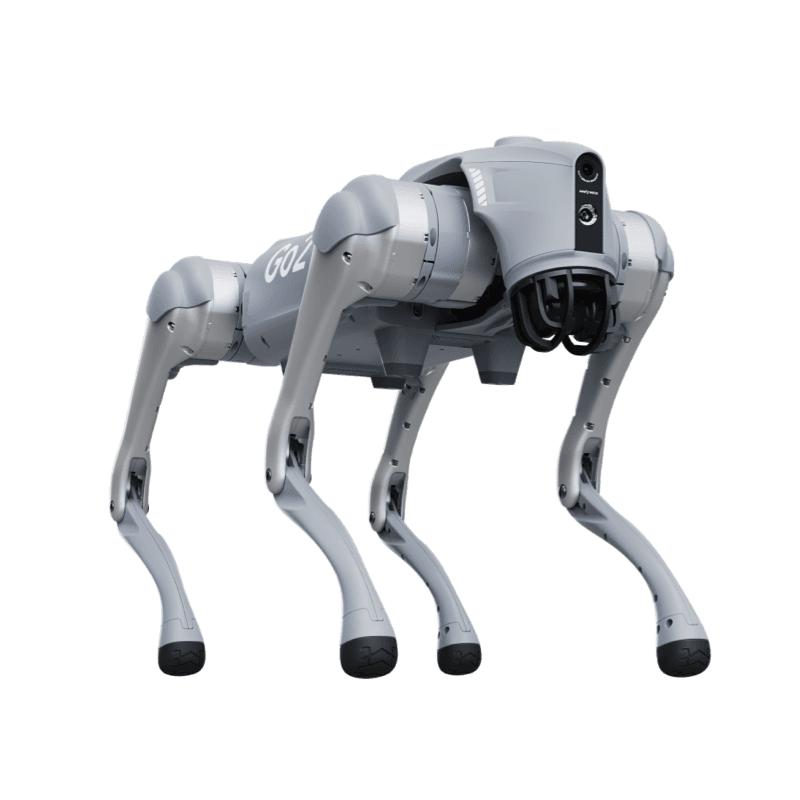
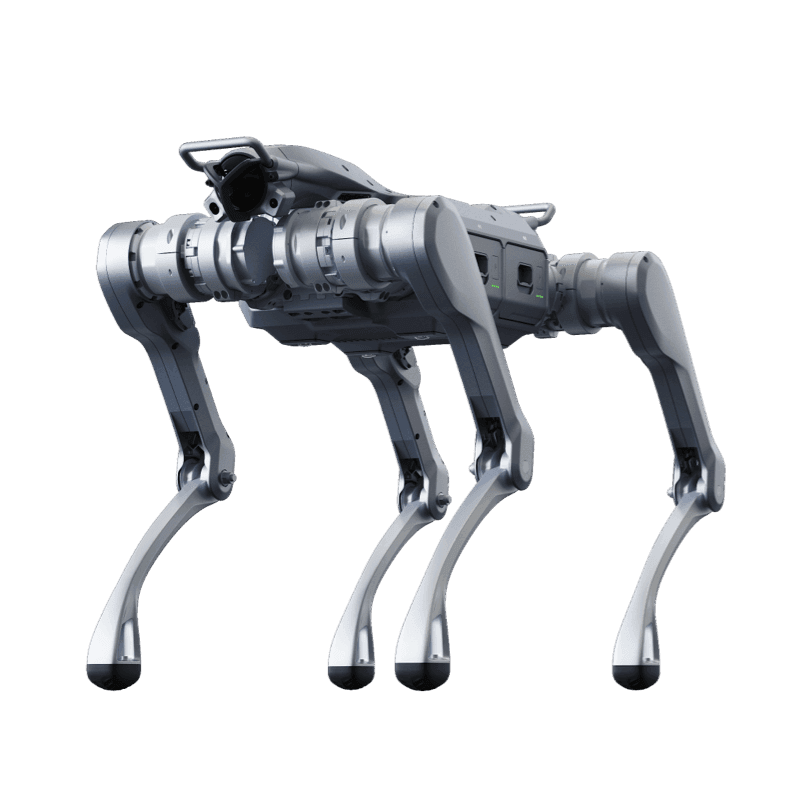
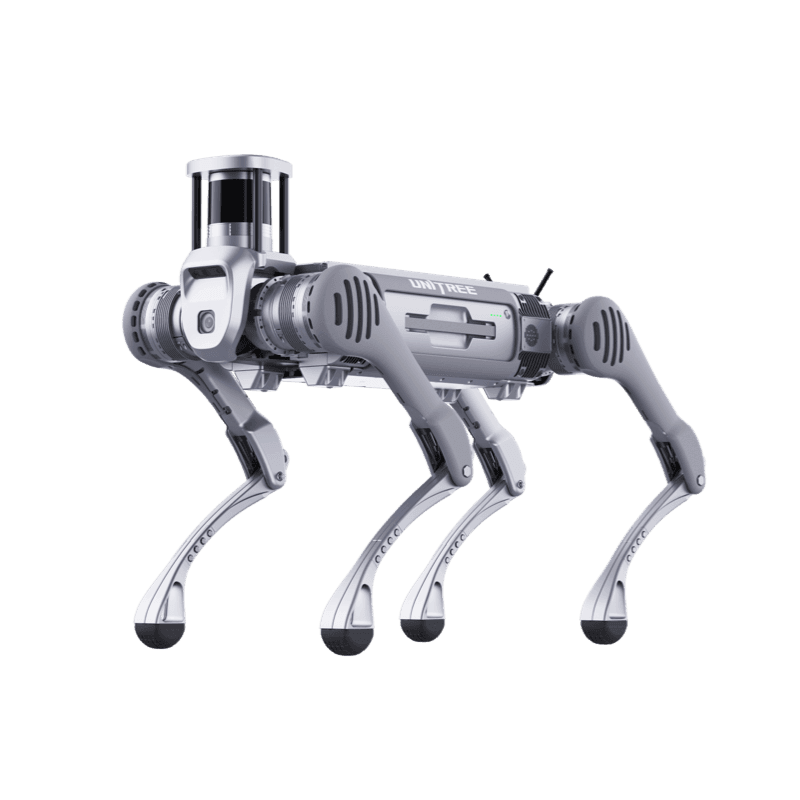
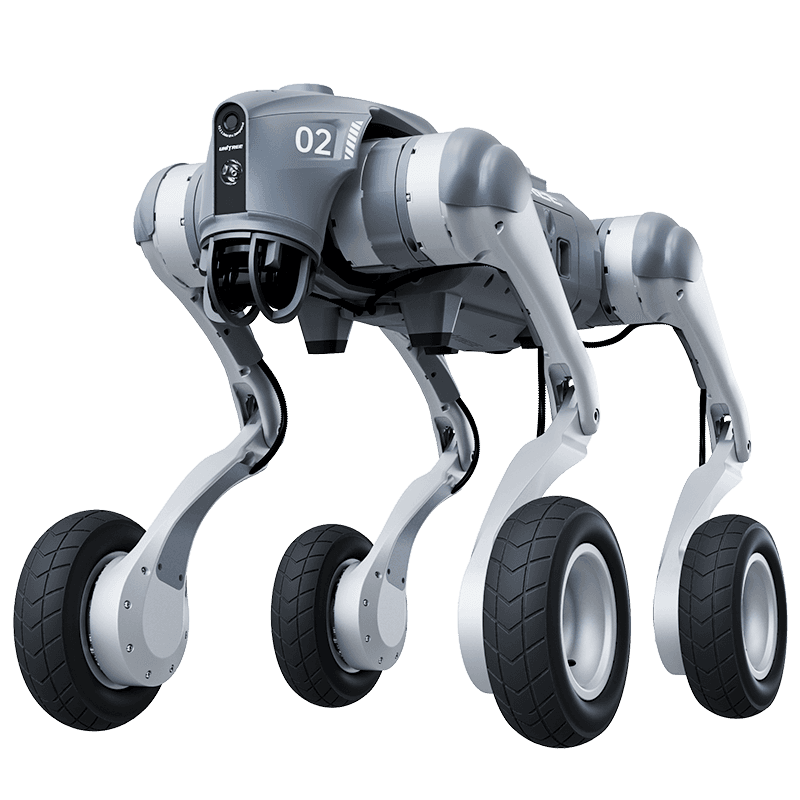
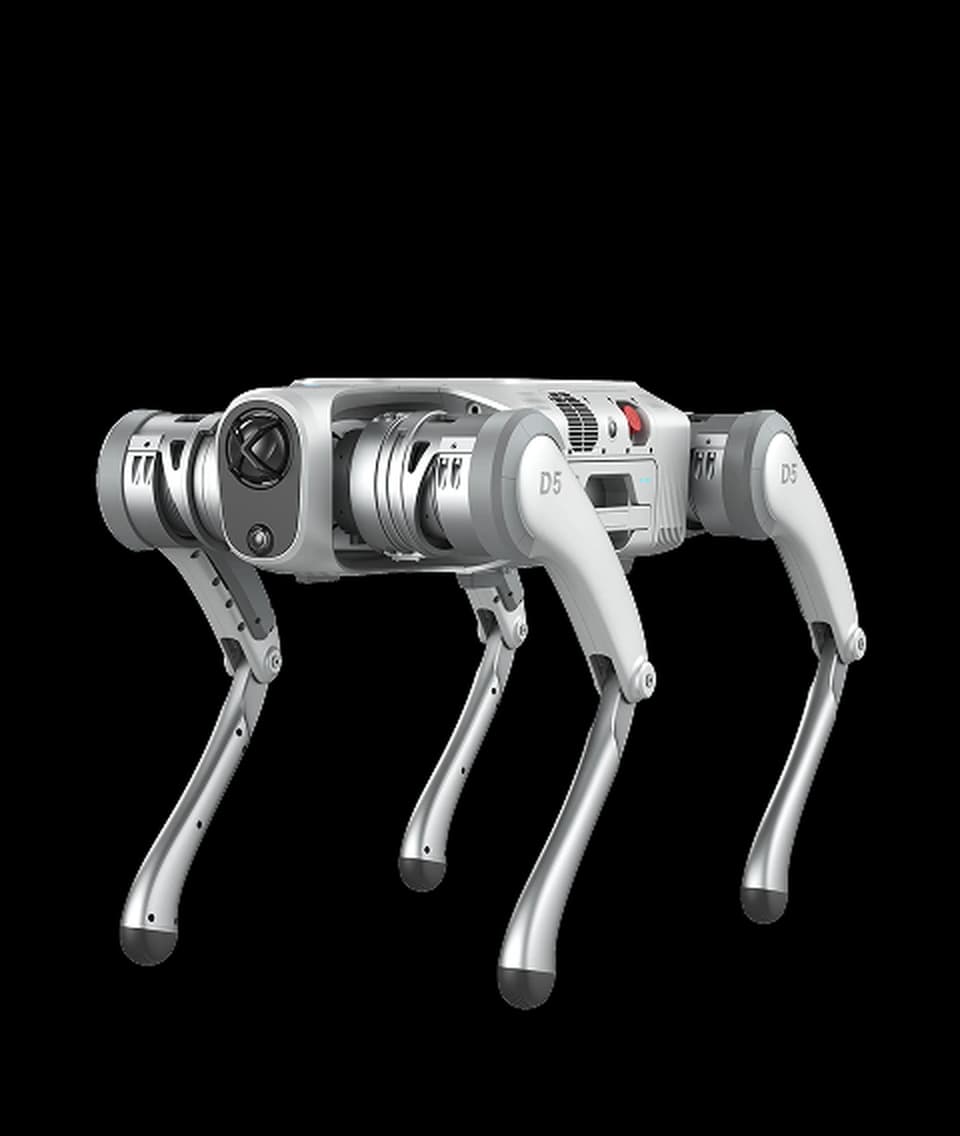
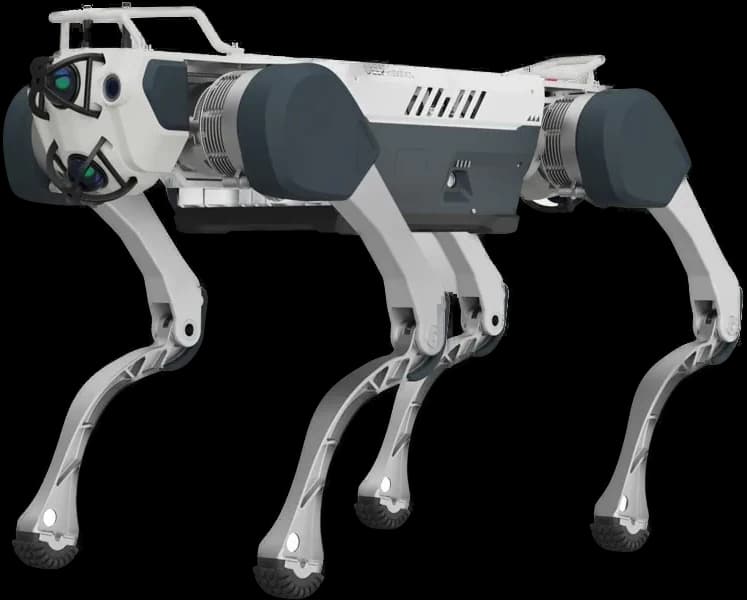
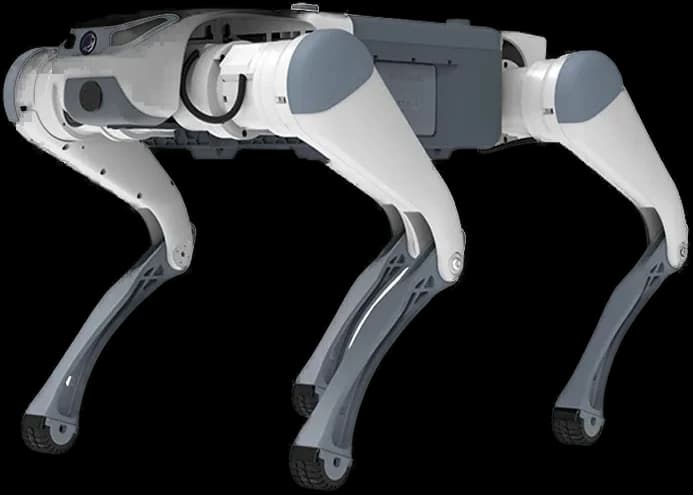
- Unitree B2-W
The problem addressed
Physical impossibility of human patrol across thousands of kilometers of pipeline and low resolution of satellite-based detection.
Draft mission flow
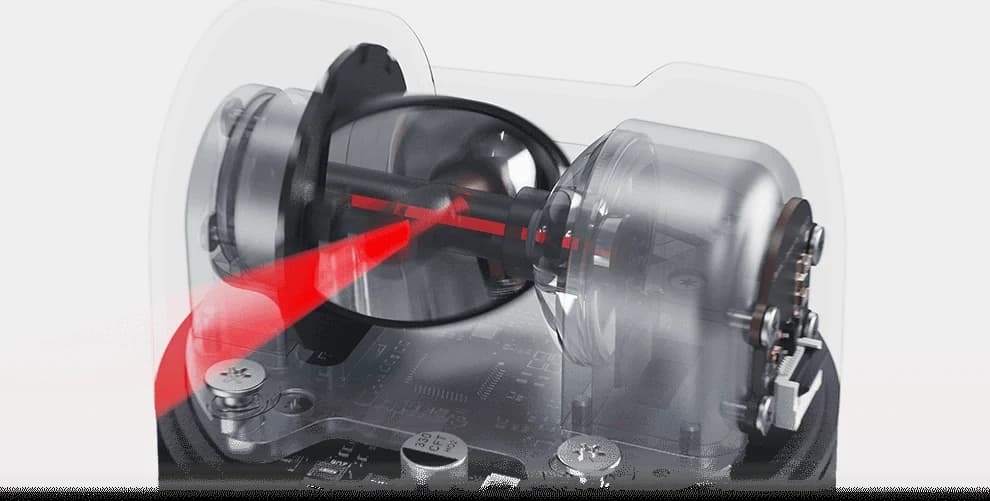
- 1The robot walks autonomously along the pipeline route; TDLAS sensor continuously measures methane concentration with parts-per-billion (ppb) precision.
- 2Wind sensor data cross-analyzed with gas plume model to determine the exact source of the leak via triangulation.
- 3Leak point GPS coordinates, gas concentration, and risk level are instantly transmitted to SCADA; automatic valve shutdown command triggered for critical leaks.
- 4Daily patrol report generates the pipeline 'health map'; segments at corrosion risk are flagged for proactive maintenance.
Proposed hardware
- ppb Level Methane Detector (TDLAS)
- RTK-GPS
- Wind Speed/Direction Sensor
- 3D LiDAR
Proposed software
- Navigation
- Waypoint-based autonomous long-range walking along pipeline route (30+ km)
- Model
- Wind-Compensated Gas Concentration Plume Modeling and Leak Source Triangulation
- Integration
- Gas Distribution SCADA and Emergency Response System
The robot's real operating limits
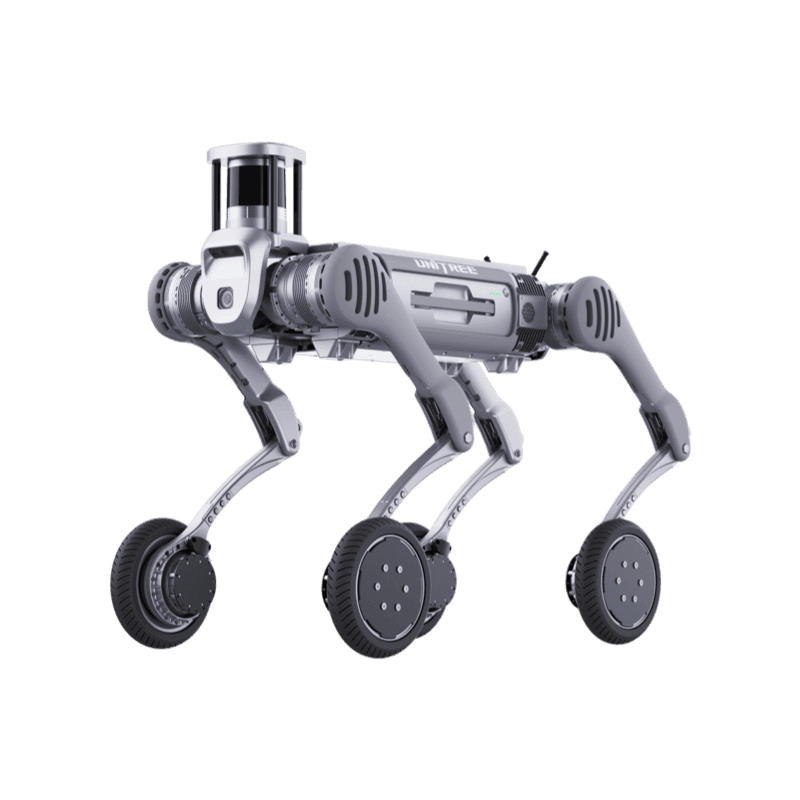
Unitree B2-W
Superior Endurance, High Logistics Efficiency
Product page- Ingress rating
- IP67
- Operating temperature
- -20°C to 55°C
- Payload
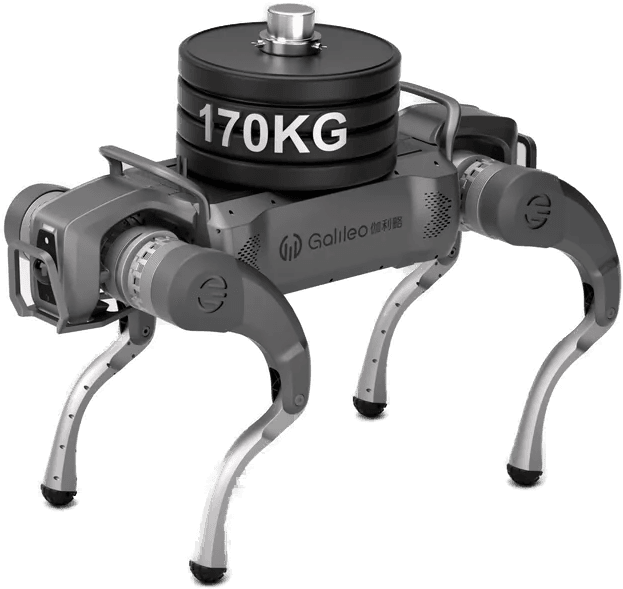
- 120 kg
- Max speed
- 15
- Climb
- 45°
- Weight
- 85 kg
Values are manufacturer data. Scenario fit is determined by comparing these limits with site conditions.
From scenario to installation
Feasibility is determined by the site survey: floor and route, network coverage, the charging point, intervention responsibilities and the conditions under which the robot must stop. The survey report defines the scope, the constraints and the commissioning steps.