









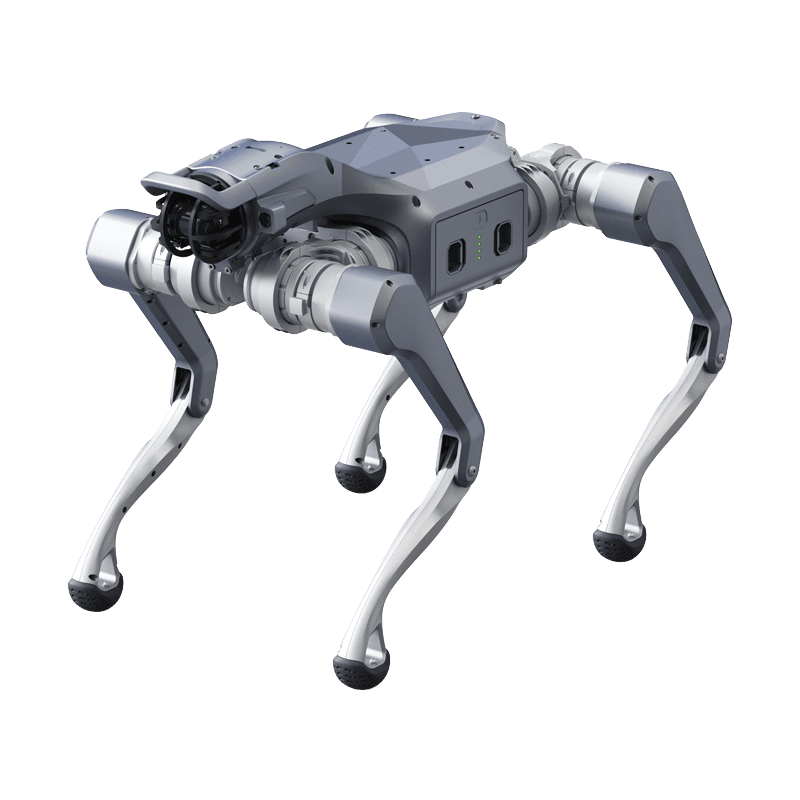
Hydroelectric Power Plant Penstock Cavitation Monitoring
Scenario record: it defines the environment, the mission flow and a proposed hardware and software configuration. The list below is a configuration proposal, not an installation inventory. Field projects lists deployed systems and their measurements.
- Environment
- Outdoor field
- Operating mode
- Supervised autonomy
- Proposed robot
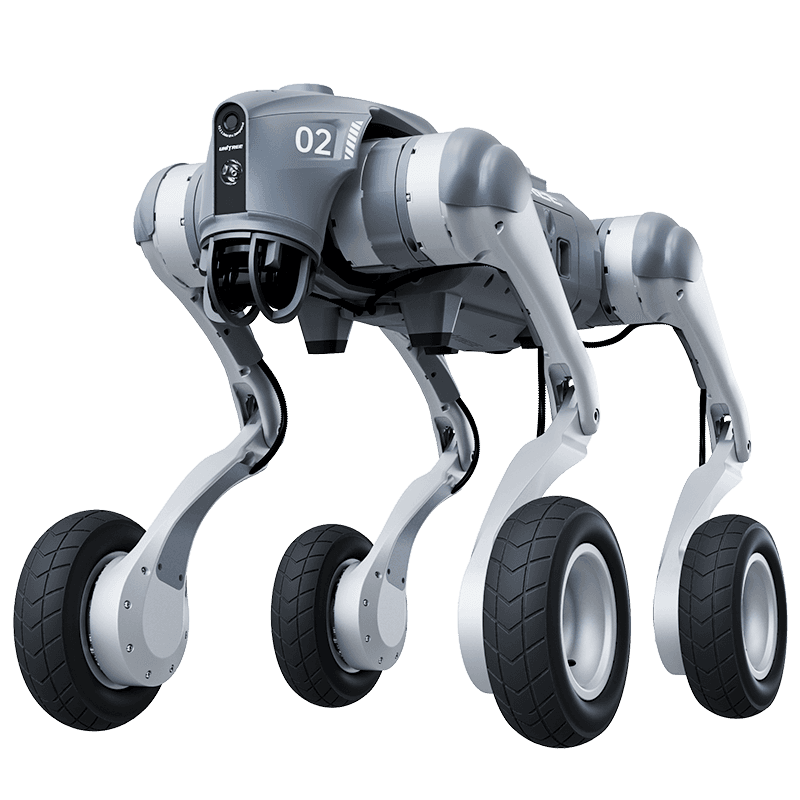
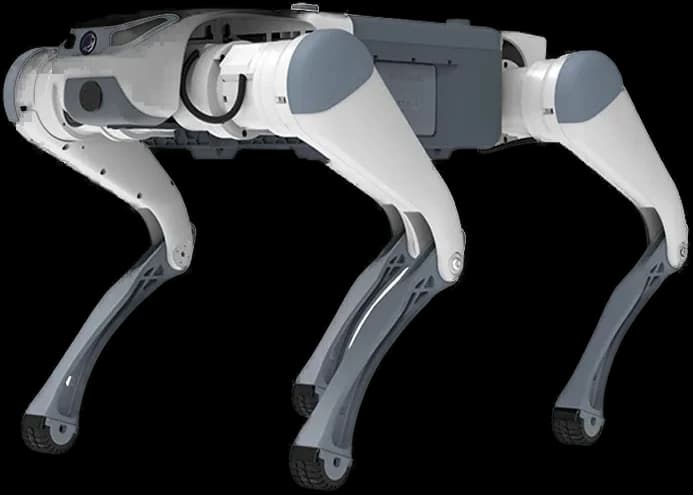
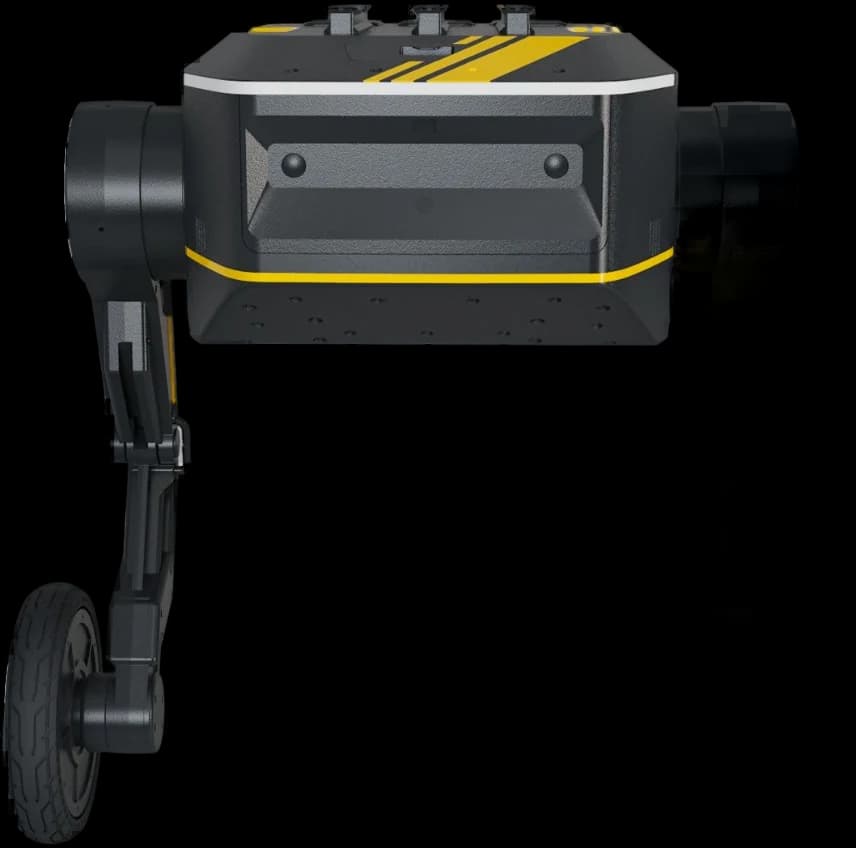
- Unitree B2-W
The problem addressed
Cavitation damage in penstock and turbine runner causing unplanned downtime.
Draft mission flow
- 1The robot patrols along the HPP penstock pipeline; acoustic sensors continuously listen for ultrasonic frequencies caused by cavitation.
- 2Ultrasonic thickness gauge periodically measures pipe wall thickness, calculates wear trend, and predicts remaining life.
- 3Vibration accelerometer and thermal camera data are correlated to evaluate turbine runner and lateral wear risk.
- 4Alarm transmitted to SCADA when cavitation level exceeds critical threshold; turbine operating parameters automatically optimized.
Proposed hardware
- High Frequency Acoustic Sensor Array
- Ultrasonic Thickness Gauge
- Thermal Camera
- Vibration Accelerometer
Proposed software
- Navigation
- Inclined and wet surface SLAM navigation along penstock pipeline
- Model
- Cavitation Frequency Analysis and Pipe Wall Thickness Trend Prediction (Predictive)
- Integration
- HPP SCADA and Turbine Maintenance Planning System
The robot's real operating limits
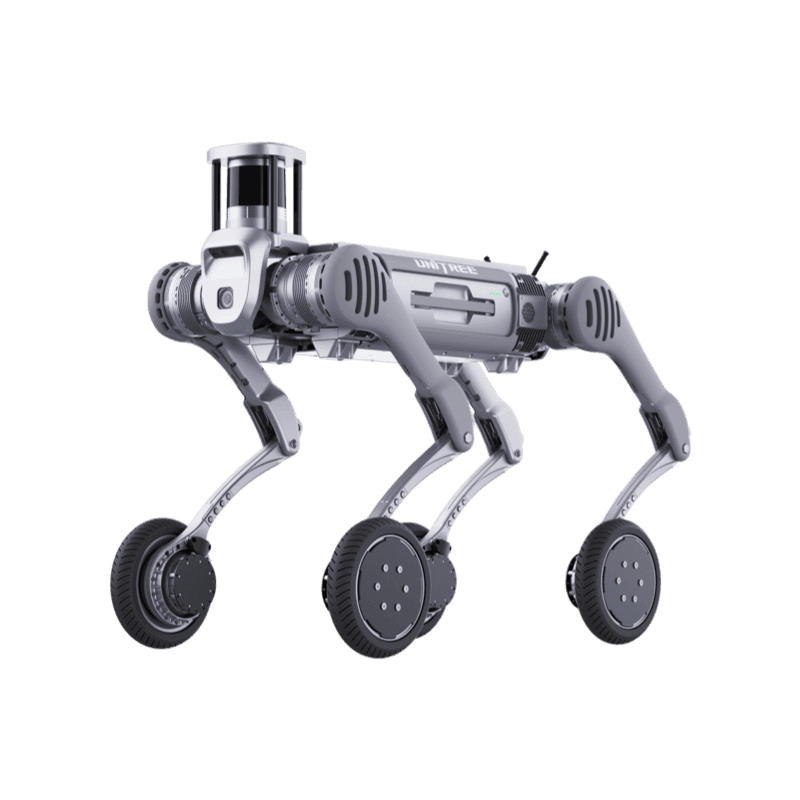
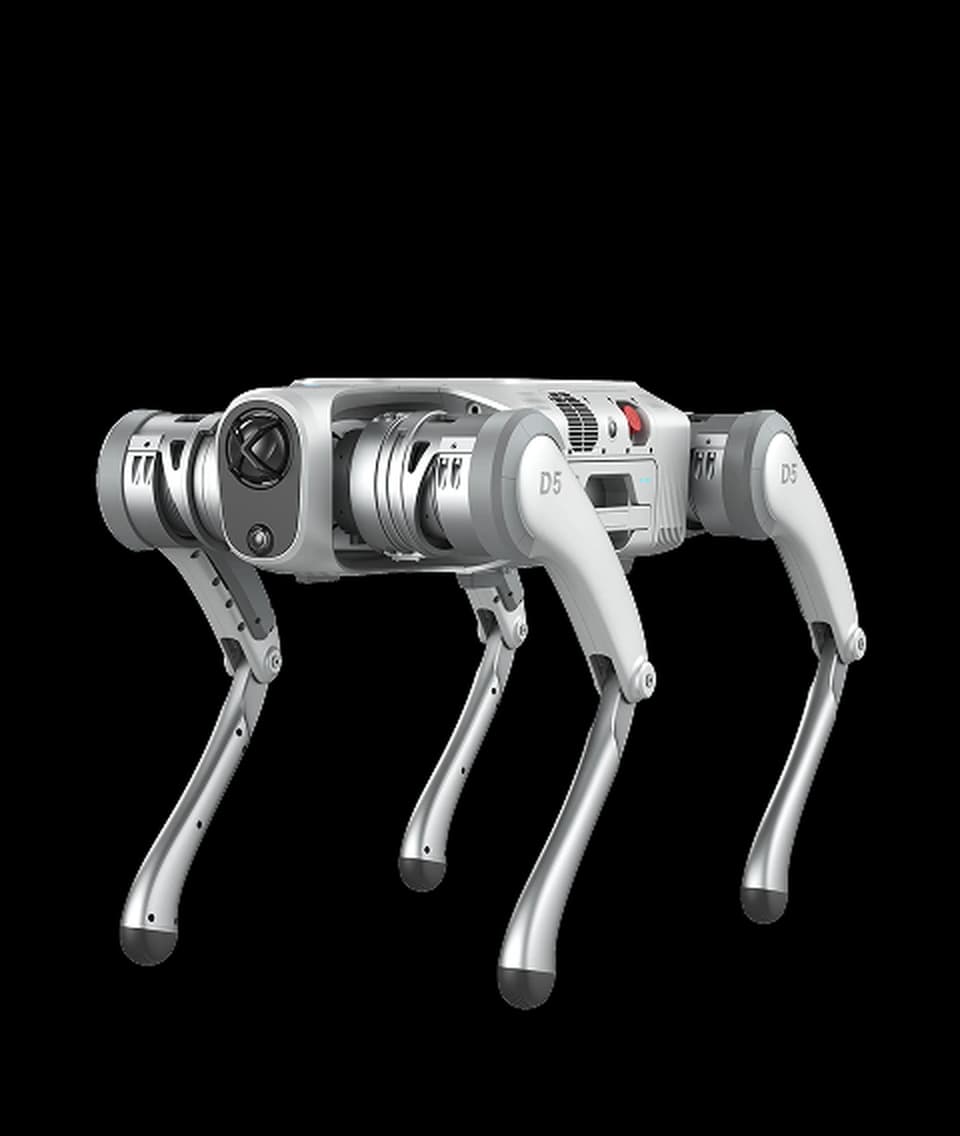
Unitree B2-W
Superior Endurance, High Logistics Efficiency
Product page- Ingress rating
- IP67
- Operating temperature
- -20°C to 55°C
- Payload
- 120 kg
- Max speed
- 15
- Climb
- 45°
- Weight
- 85 kg
Values are manufacturer data. Scenario fit is determined by comparing these limits with site conditions.
From scenario to installation
Feasibility is determined by the site survey: floor and route, network coverage, the charging point, intervention responsibilities and the conditions under which the robot must stop. The survey report defines the scope, the constraints and the commissioning steps.