Underground Cable Tunnel Heating and Gas Accumulation Control
Scenario record: it defines the environment, the mission flow and a proposed hardware and software configuration. The list below is a configuration proposal, not an installation inventory. Field projects lists deployed systems and their measurements.
- Environment
- Outdoor field
- Operating mode
- Supervised autonomy
- Proposed robot
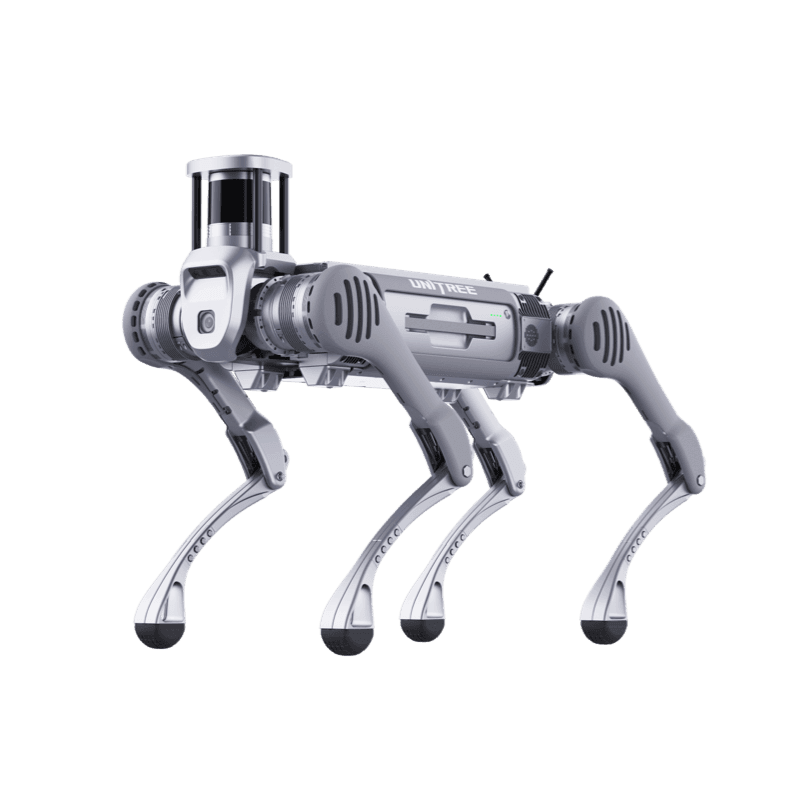
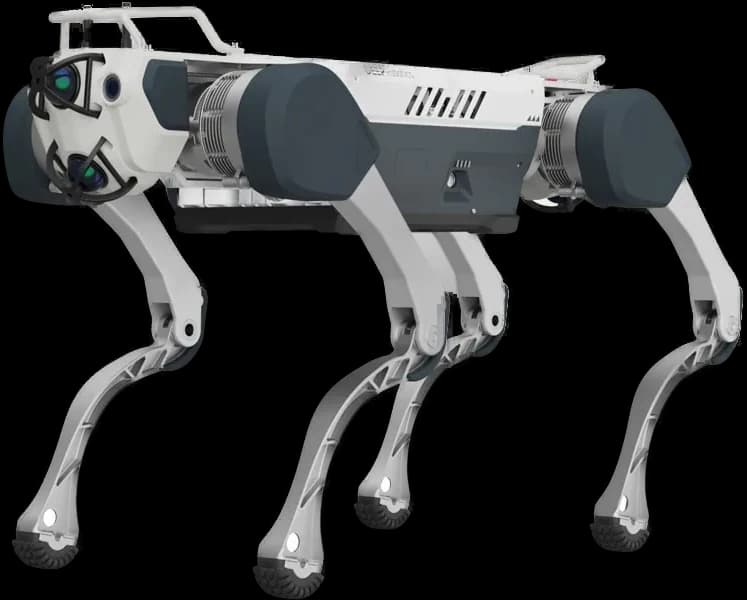
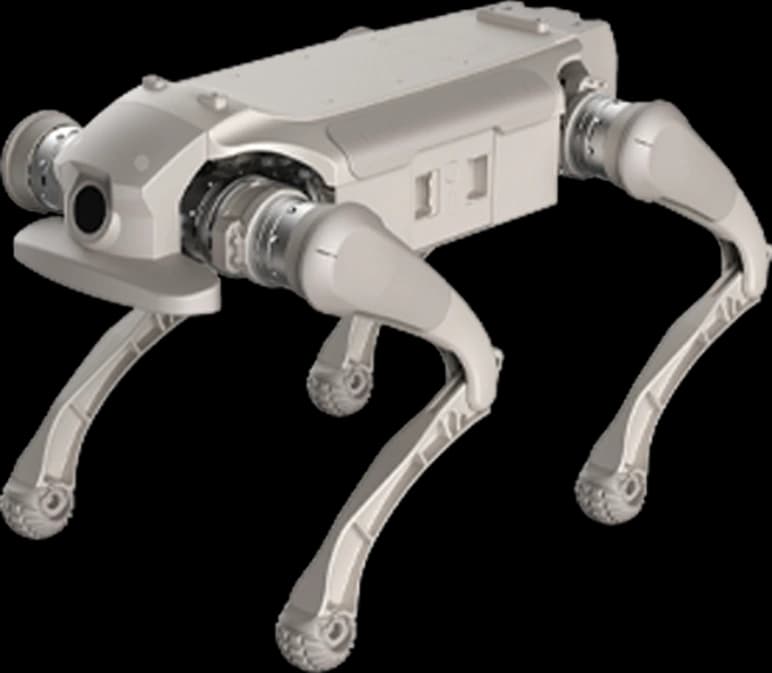
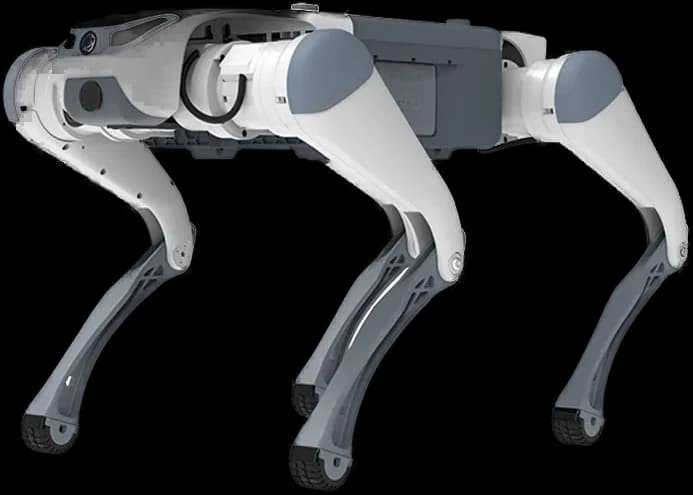
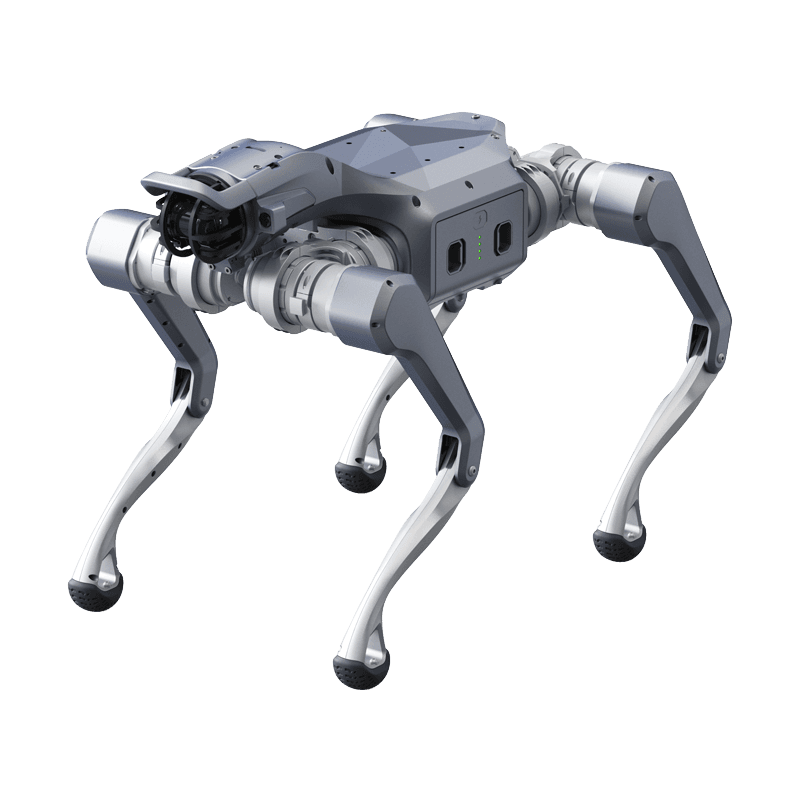
- Unitree A2
The problem addressed
Requirement for human personnel to perform routine inspections in narrow tunnels under toxic gas and electrocution risk.
Draft mission flow
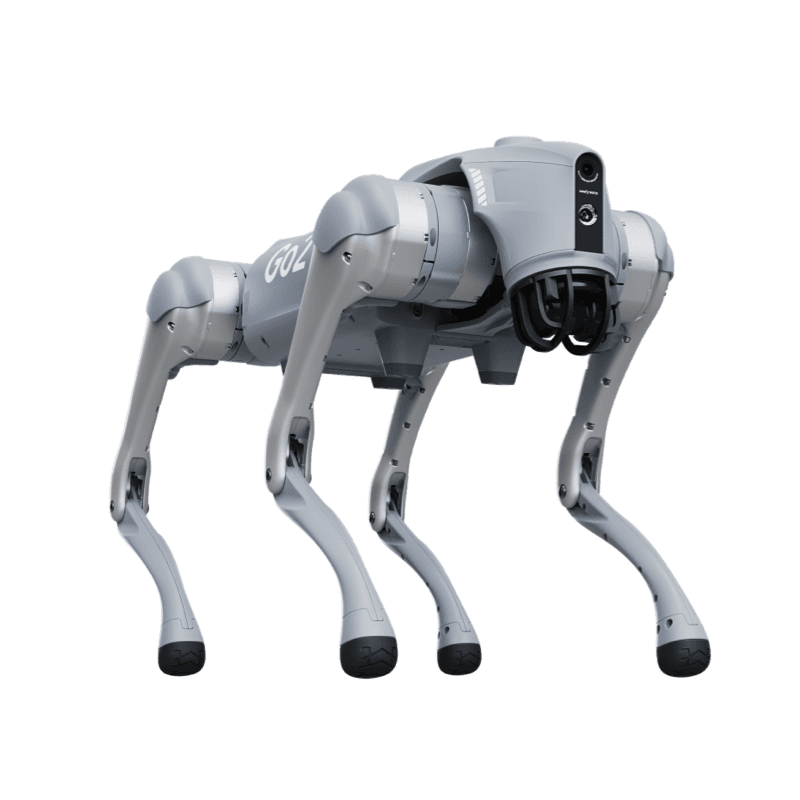
- 1The compact Go2 robot enters narrow cable tunnels and walks autonomously through galleries where humans cannot safely work.
- 2Thermal camera detects overheating in cable sheaths and thermal anomalies at splice points.
- 3Multi-gas sensor continuously measures and monitors methane, hydrogen sulfide, and oxygen levels in the tunnel.
- 4Instant alarm sent to SCADA when thermal or gas anomaly detected; periodic reports update the tunnel 'health map'.
Proposed hardware
- Radiometric Thermal Camera
- Multi-Gas Detector (CH₄, H₂S, O₂)
- NVIDIA Jetson Orin NX
- Lighting Kit
Proposed software
- Navigation
- LiDAR-based corridor SLAM in narrow tunnels and gallery environments (compatible with 0.6m width)
- Model
- Cable Sheath Thermal Degradation Classification and Gas Concentration Trend Analysis
- Integration
- Energy Distribution Company SCADA and Gas Alarm System
The robot's real operating limits
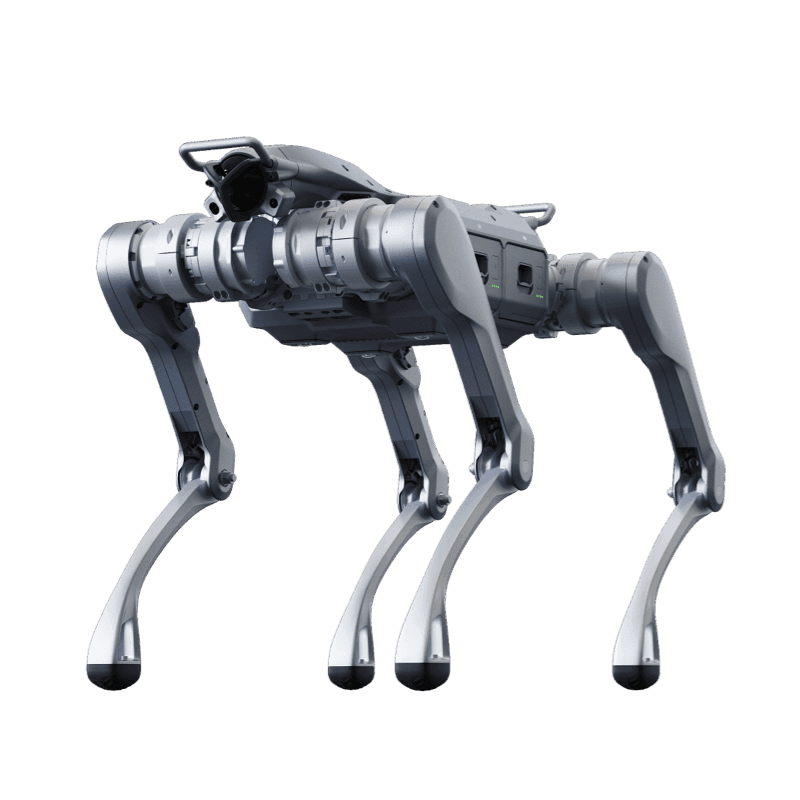
Unitree A2
Industrial Class Legged Robot
Product page- Ingress rating
- IP56-IP67
- Runtime
- >5 hours (No load) / >3 hours (25kg Load)
- Operating temperature
- -20°C to 55°C
- Payload
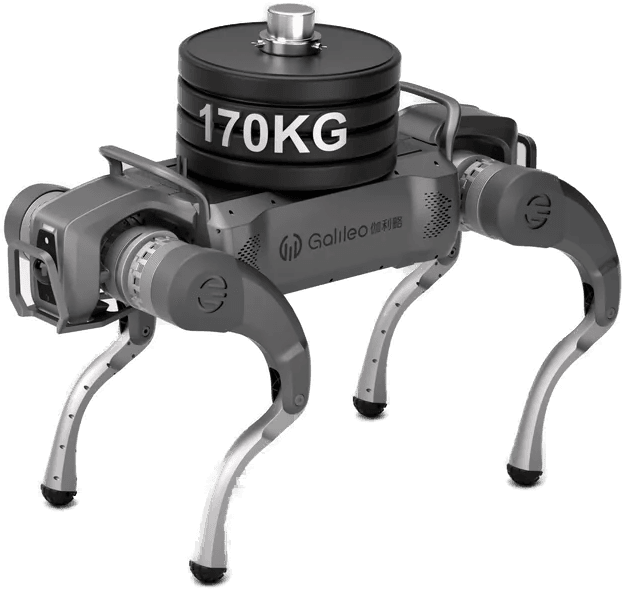
- 100 kg
- Max speed
- 5 m/s
- Climb
- 45°
Values are manufacturer data. Scenario fit is determined by comparing these limits with site conditions.
From scenario to installation
Feasibility is determined by the site survey: floor and route, network coverage, the charging point, intervention responsibilities and the conditions under which the robot must stop. The survey report defines the scope, the constraints and the commissioning steps.