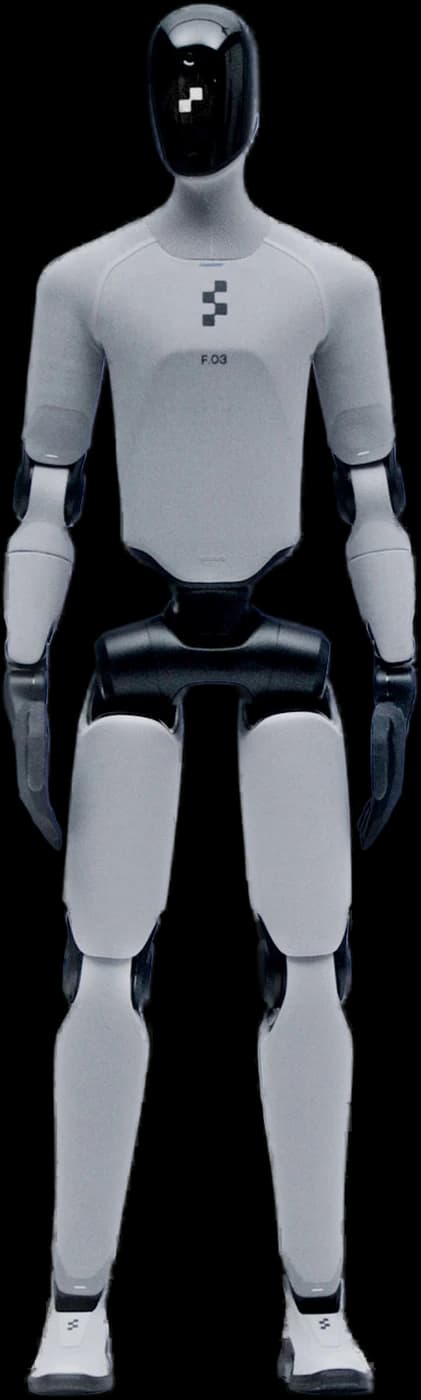
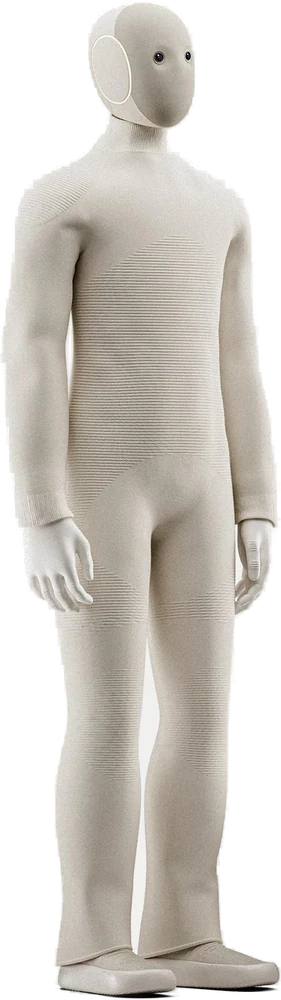
How many robot models does 1X have?
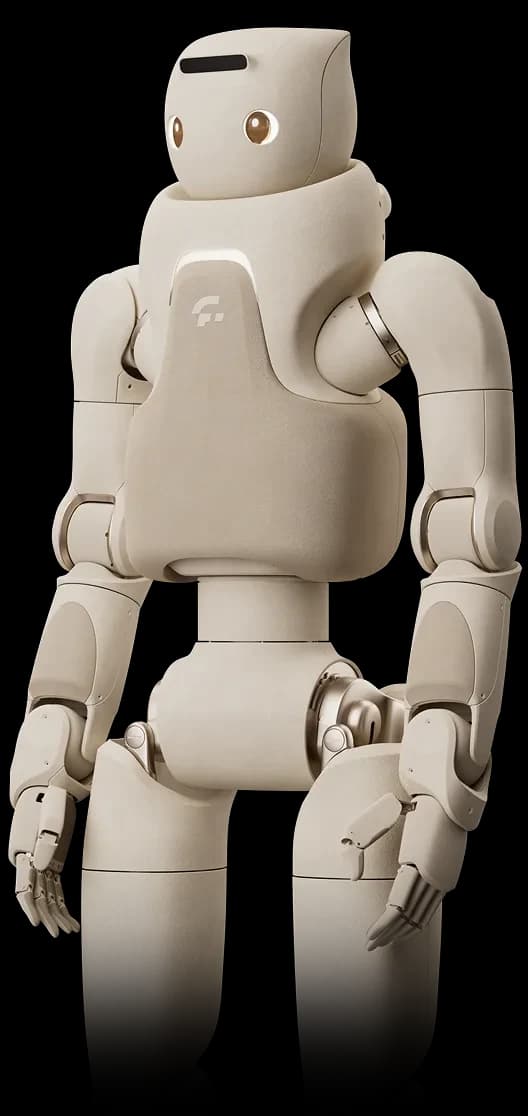
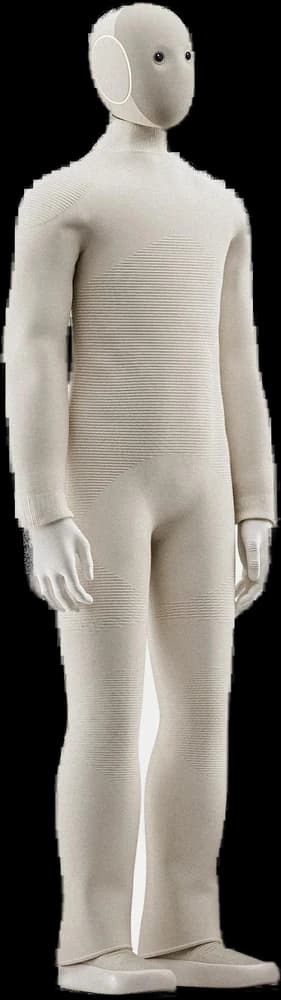
The manufacturer's current product navigation carries a single robot: NEO. NEO Beta and NEO Gamma are earlier generations of the same body.
1X: NEO, a tendon-driven household humanoid
1X was founded in 2014 as Halodi Robotics and is based in Palo Alto, California. Its hardware history runs through the Revo1 servo motor and its field history through EVE, an industrial robot deployed into factory settings. The current flagship is NEO: a full-size humanoid standing 168 cm and weighing 30 kg, designed to share the same volume as a person in a domestic setting. NEO Beta and NEO Gamma are earlier generations of that body. The distinguishing engineering choice at 1X sits in the drivetrain: low-inertia tendon drives replace rigid gearboxes, yielding 95% backdrivability and 2% torque accuracy. The body is a soft shell over a lattice polymer structure, the joints are closed to external access, and the head injury criterion is held below 250. Task execution runs on the company's Redwood generalist AI model, and where the model cannot carry a task the session can be handed to a remote operator. Robotlar.org supplies 1X hardware to corporate projects in Turkey with enterprise supply and engineering support.
The manufacturer's current product navigation carries a single robot: NEO. NEO Beta and NEO Gamma are earlier generations of the same body.
Low-inertia tendon drives replacing rigid gearboxes give 95% backdrivability. Backdrivability measures whether a joint yields to an externally applied force rather than resisting it, and it is the hardware-level expression of contact safety in a body that shares the same volume as a person.
Task execution runs on the Redwood generalist model, and where the model cannot carry a task the session can be handed to a remote operator. In corporate deployments that handover mechanism should be defined contractually for data governance and access control.
| Model | Category | |
|---|---|---|
| NEO | Autonomous Household Humanoid Robot | Detail |
Choosing by brand name alone is not enough. Payload, operating environment, shift pattern, bidirectional traffic, and integration requirements should all shape the decision. We can map the right architecture with you.