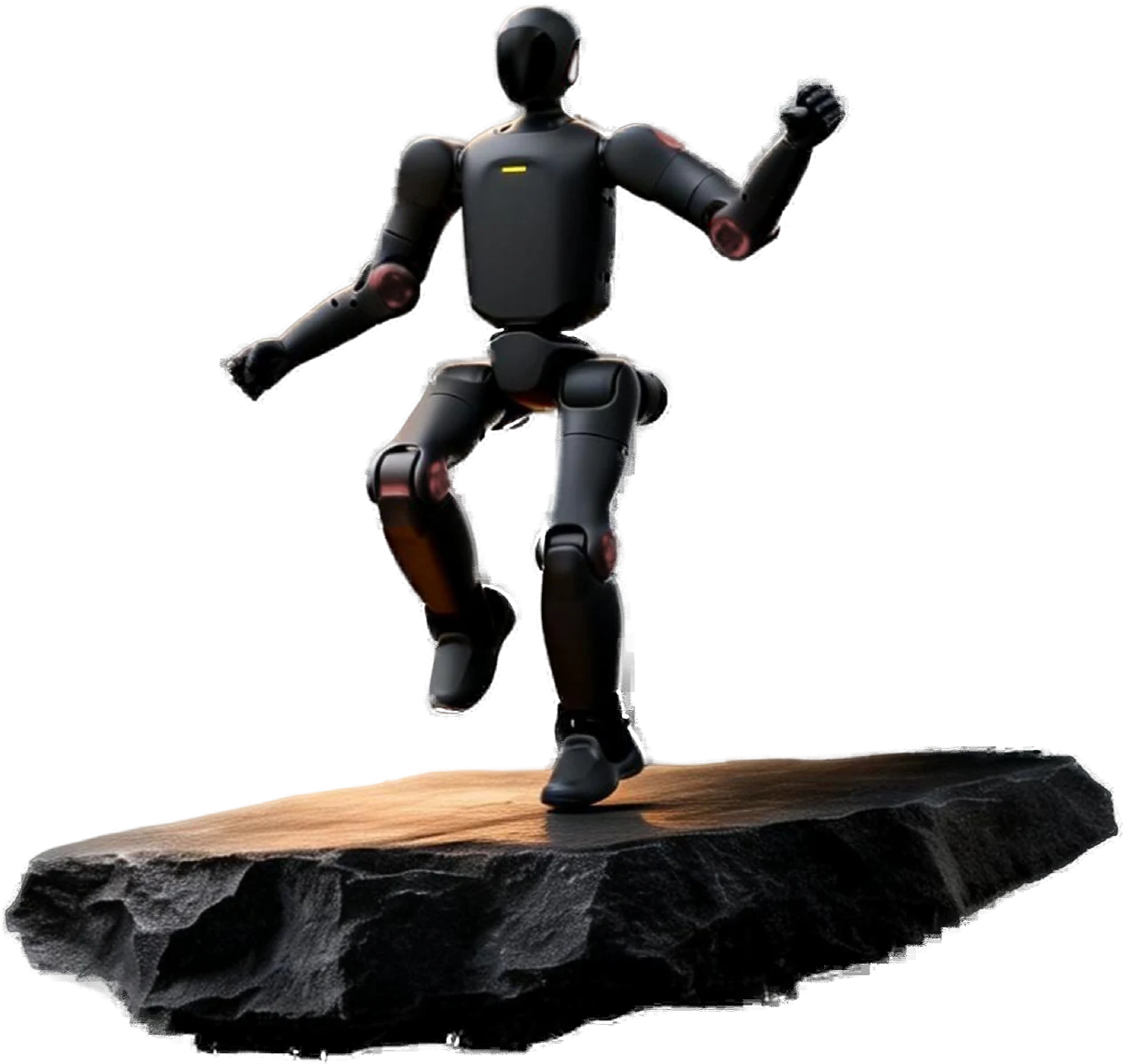
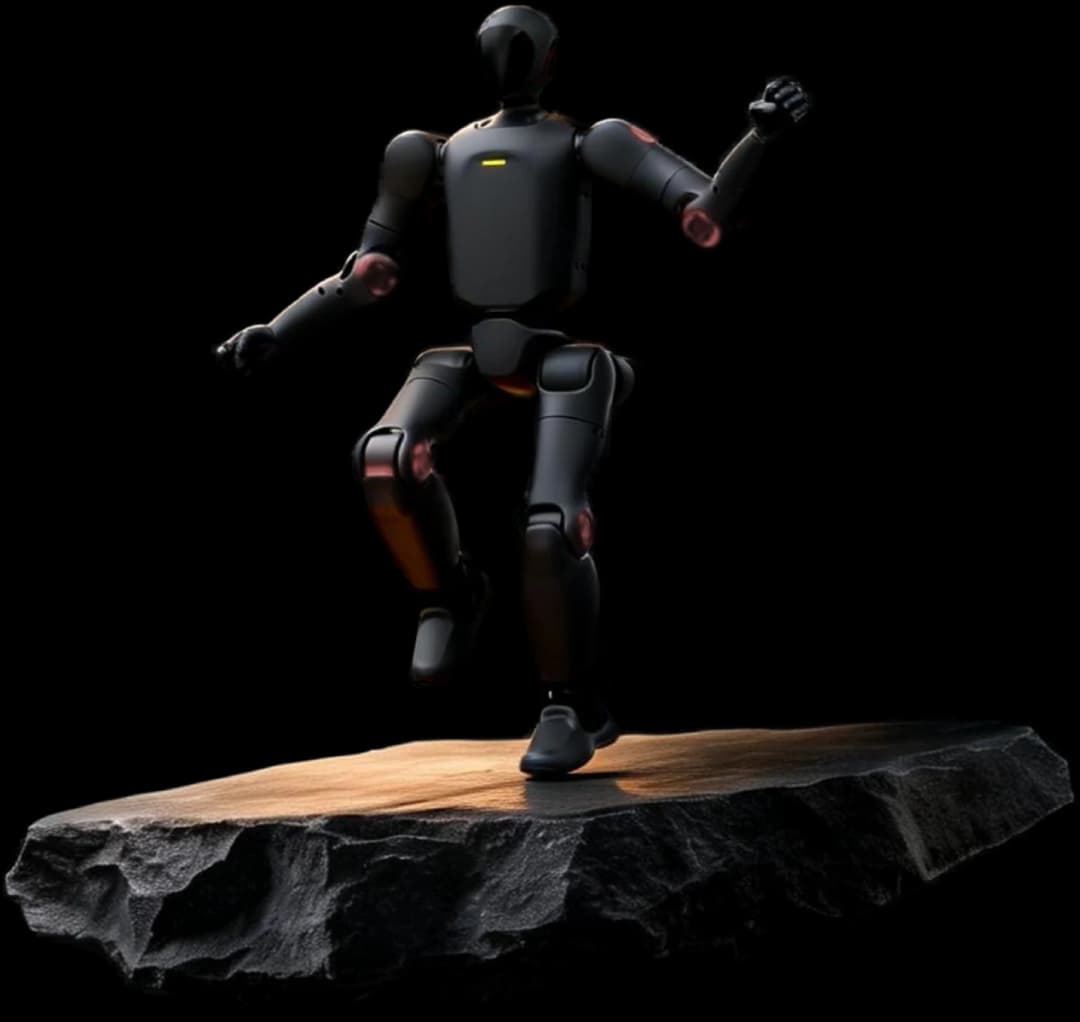

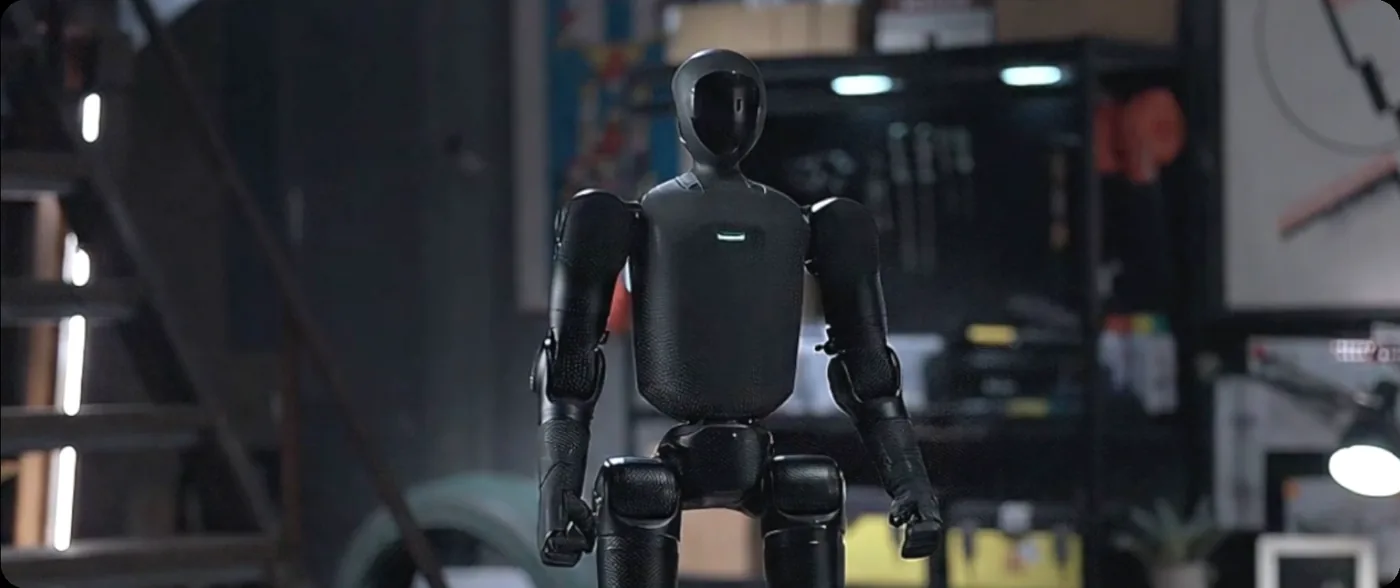

How Much Does the PrimeBOT Q1 Cost?
Investment in the Q1 is set by corporate quotation against configuration and delivery terms. Robotlar.org prices per project: the investment is set by corporate quotation according to configuration, unit count and delivery terms. If you have a corporate requirement, reach us through the contact form and we will map out the sourcing route and timeline together.
Is It for Sale in Turkey?
We deliver PrimeBOT hardware to corporate projects through enterprise supply, commissioning and engineering support. We talk with organizations that have a Q1 requirement and assess import and delivery terms, the service plan and a realistic timeline per project. See our Q1 product page for the full technical breakdown.
Published Specifications
| Heading | Value |
|---|---|
| Type | Compact bipedal humanoid |
| Height | 88 cm |
| Degrees of freedom | 22 |
| Actuation | QDD (quasi-direct drive), high torque |
| Control | Full-body force control |
| Motion | More than ten martial arts movements |
| Compute | Embedded AI chip; no compute figure published |
| Interaction | Voice, gesture, contextual awareness, long-term memory, emotion computing engine |
| Development | Fully open SDK and HDK |
| Customization | Outer shell and structural parts replaceable via 3D printing |
| Portability | Designed to fit inside a backpack |
The two numeric values come from the manufacturer's IFA 2026 announcement dated 31 August 2026; the qualitative information comes from the primebot.cn product page.
What Force Control Changes
A force-controlled joint reacts to the force it meets instead of blindly tracking a position command. That has two practical consequences: the robot does not stiffen and push when it hits an obstacle or when someone holds it, and it can correct within a motion against a disturbance to its balance. Doing this in a small, light body is hard because it requires joints with high torque density, which is why the manufacturer foregrounds QDD actuation. It is also the basis for the extreme movements and for close-range contact with people.
Who Needs an Open SDK and HDK?
The Q1 is offered not as a sealed consumer product but as a platform to work on. For a team doing embodied intelligence research that is decisive: if you want to train a behaviour policy and deploy it to the robot, add your own sensor or change the end-effector, none of that is possible on a closed product. On the education side, a shell that can be reprinted ties into design and manufacturing lessons in the classroom.
What Else Is in the Class?
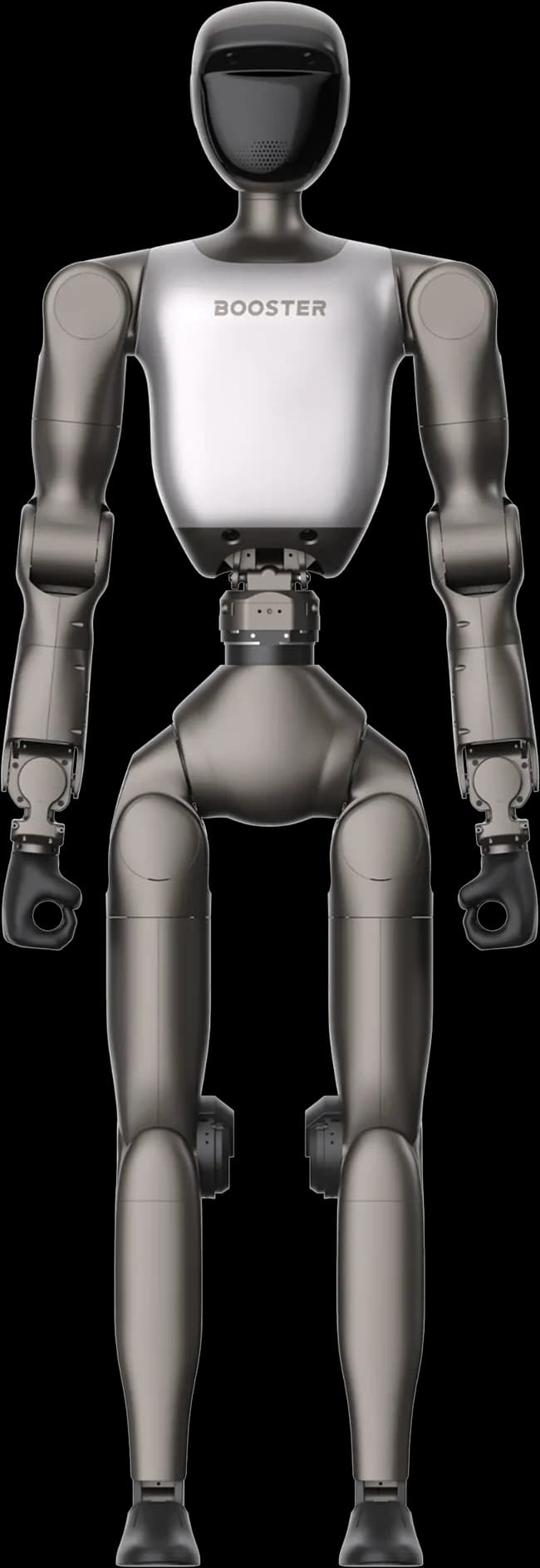
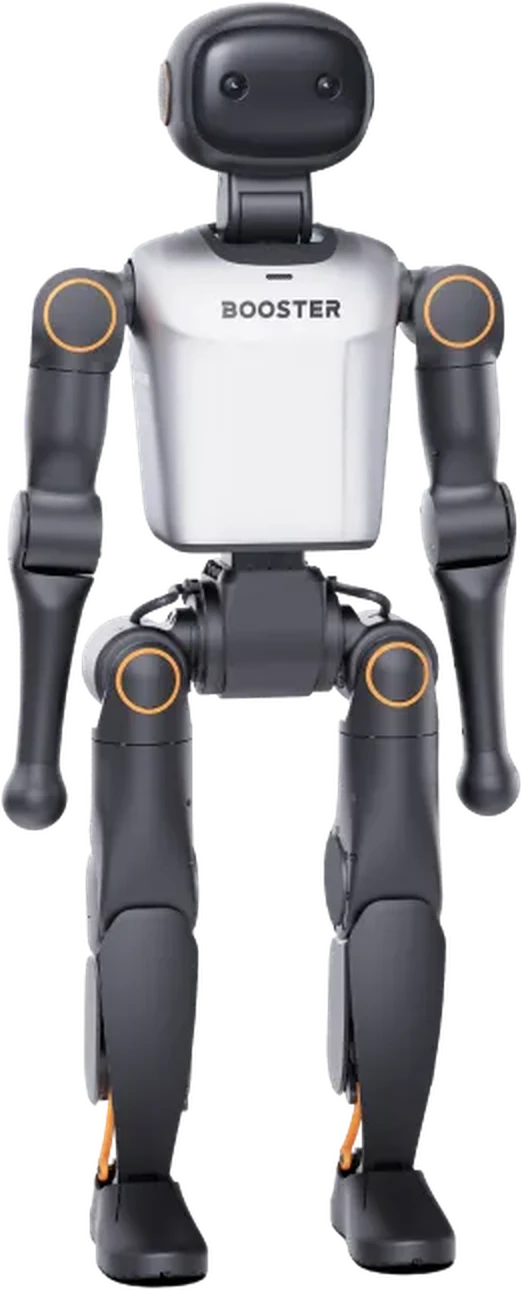
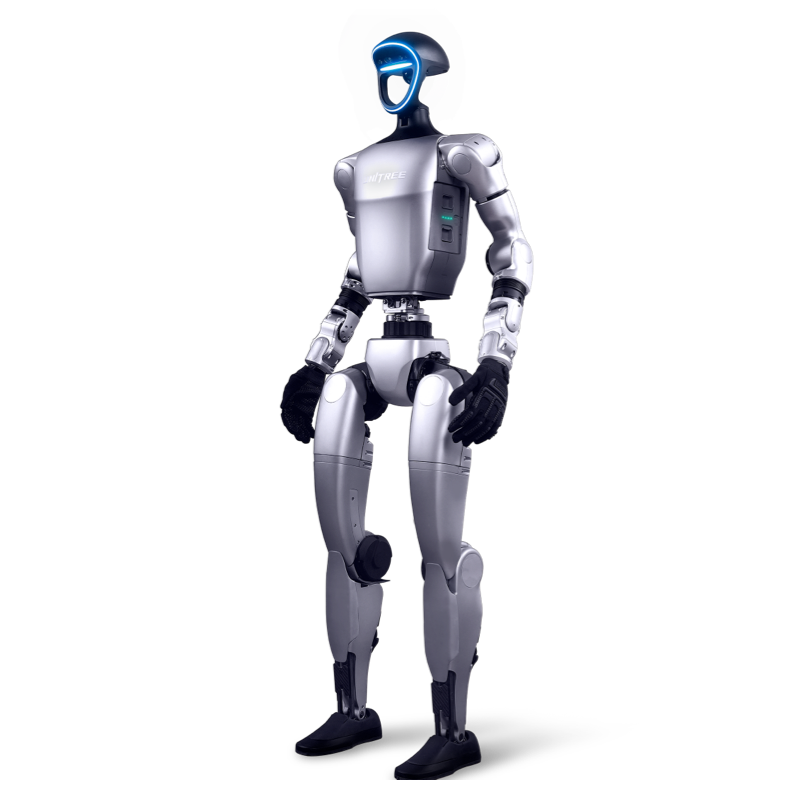
The closest peer is the Booster K1: roughly 95 cm, 19.5 kg and, again, 22 degrees of freedom. Height and joint count are nearly identical; the difference is in what gets published. The K1 states its weight, runtime (30 to 80 minutes), walking speed (0.4 m/s) and compute (48 to 200 TOPS), while the Q1 states none of them. A step above sits the Unitree G1: 132 cm, 35 kg, 23 degrees of freedom, roughly two hours of runtime and a Jetson Orin.
The Second Model: PrimeBOT T1
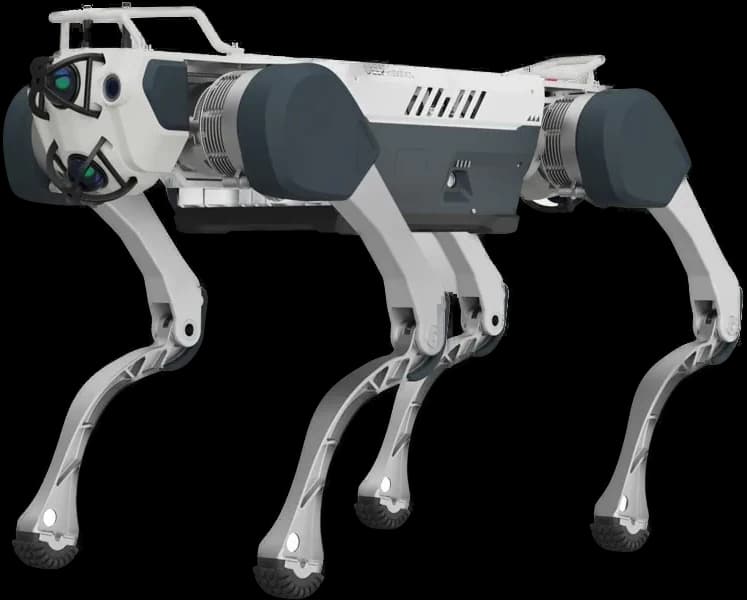
Alongside the Q1, PrimeBOT also announced the PrimeBOT T1, which switches between humanoid and quadrupedal modes: a wheeled humanoid indoors and a quadruped form that handles stairs and inclines outdoors. intelligent following, autonomous filming and more than fifteen professional camera-movement templates. No numeric technical data has been published for the T1 and the model does not appear on the manufacturer's own product page, so it has no separate record on our site.
Alternatives Deliverable Today
For organizations needing a compact humanoid, the Unitree G1 can be ordered in Turkey today: 132 cm, 35 kg, 23 degrees of freedom and roughly two hours of runtime, with 4-6 week delivery, a 1-year official warranty, on-site commissioning and engineering support across Turkey. If you want a smaller, research-focused body, the Booster K1 is worth evaluating, though that model requires a sourcing enquiry.