Reducing dependence on the screeding craftsman
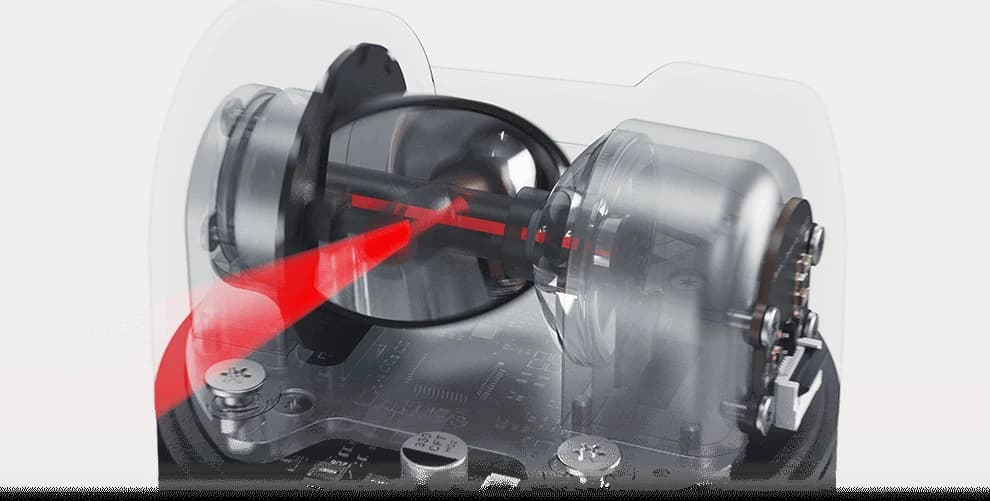
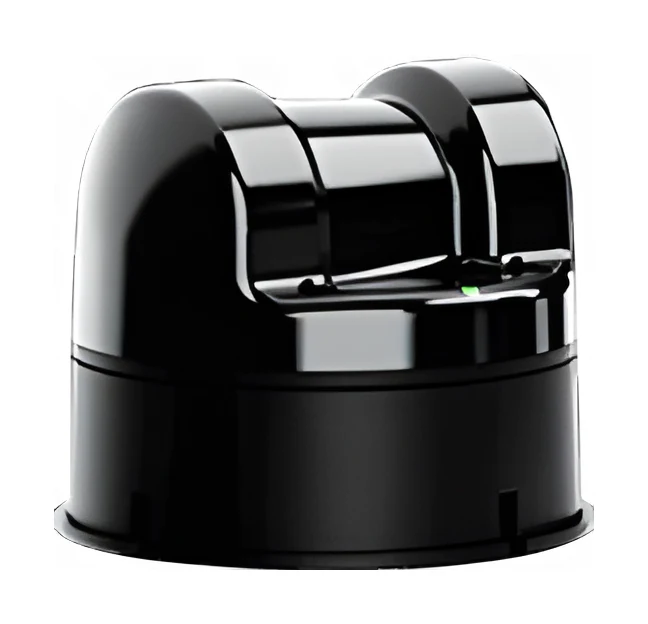
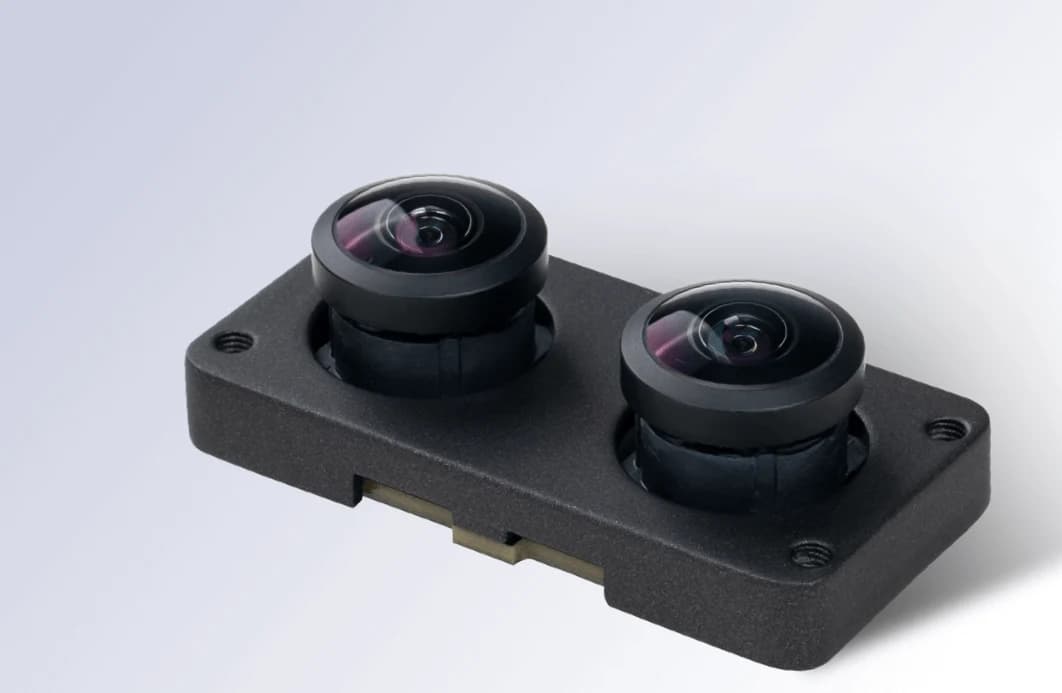
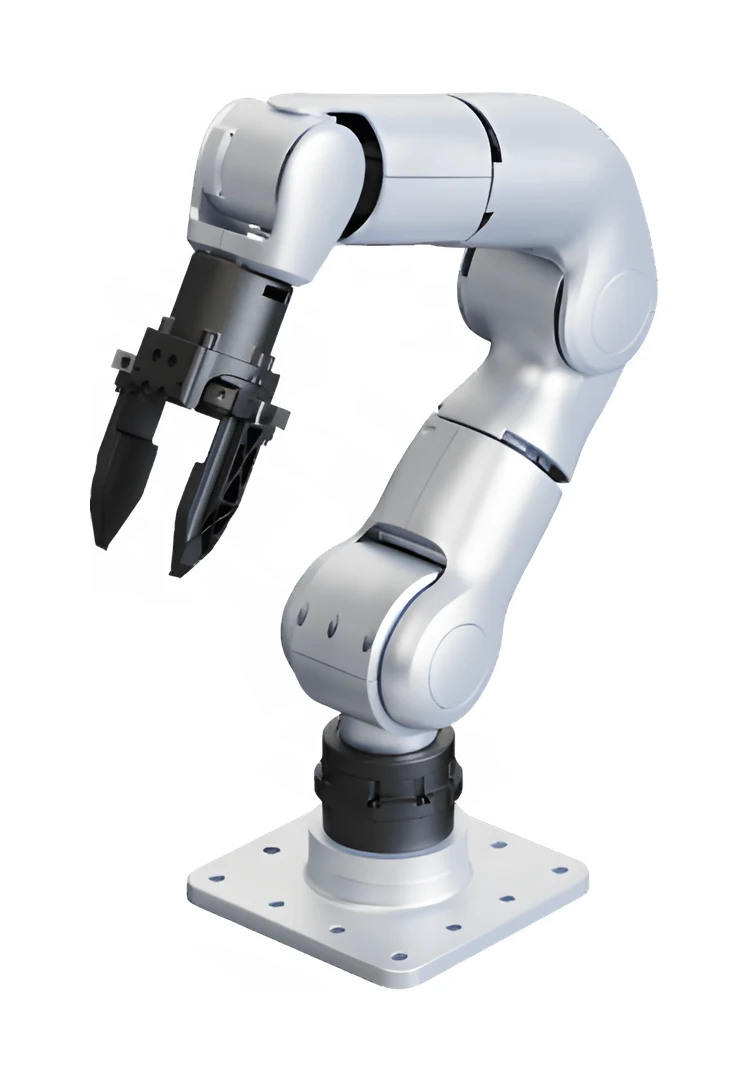
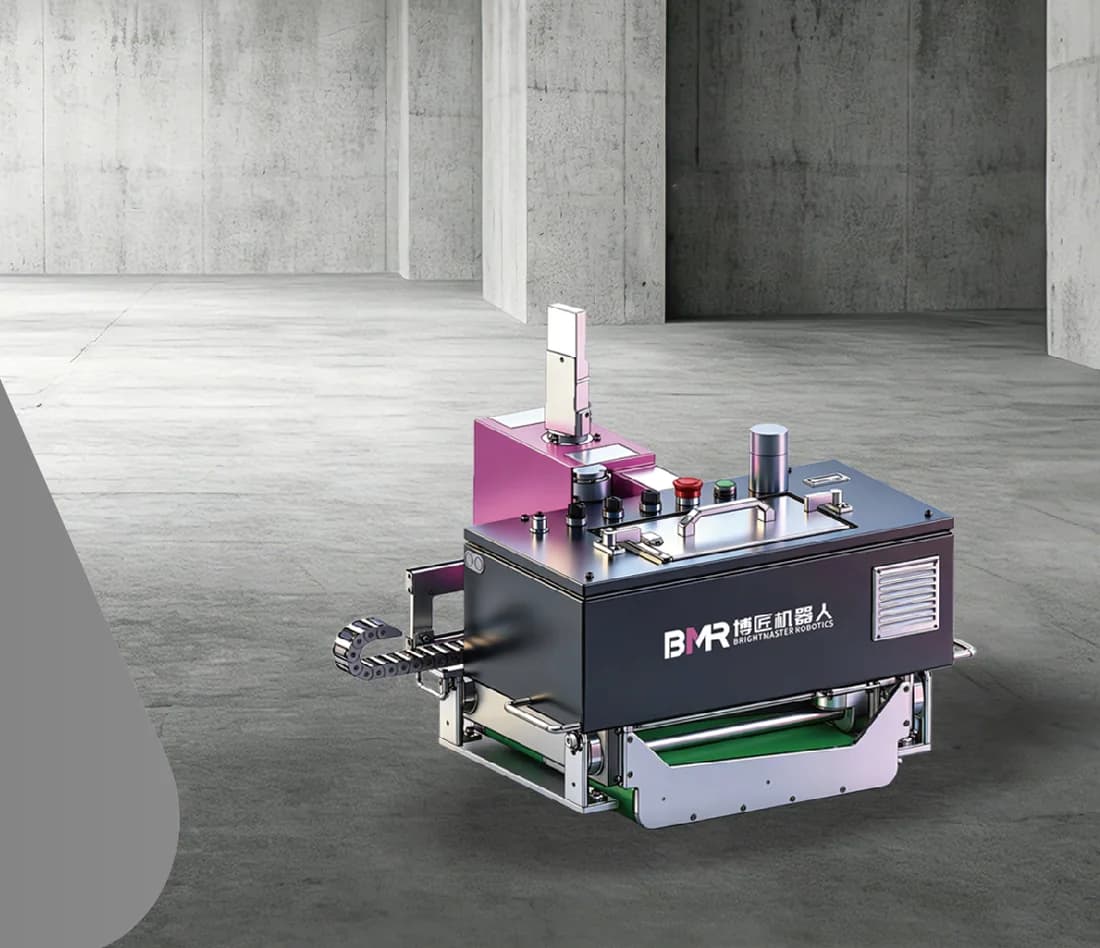
In dry-mortar screeding, flatness depends on the craftsman's straightedge and eye; it varies room by room and day by day, and correction work follows. The Mortar Screeding Robot automates measuring, levelling and spreading on one machine: laser positioning monitors the floor elevation in real time, the screeding mechanism adjusts automatically and the planned route is followed. One operator runs the robot remotely; the result stays within 3 mm over 2 metres regardless of the craftsman's experience and rework falls.
How it works
- Before operation, the dry-mix mortar is placed on the floor.
- The operator sets the required floor elevation and working parameters.
- The fully automatic job starts at one touch; laser positioning monitors floor height in real time.
- The robot adjusts its screeding mechanism itself and follows the planned working path.
- With constant speed, height and pressure the elevation stays consistent and manual measuring disappears.
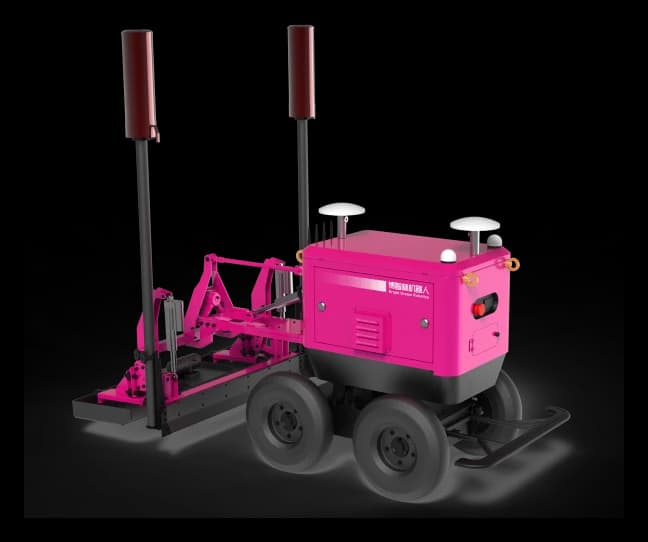
Mortar Screeding Robot versus Concrete Leveling Robot
Both automate floor levelling; the difference is material and stage. The screeding robot does mortar screeding and elevation control with dry-mix mortar: apartments, public buildings, metro stations and layers above underfloor heating; one-touch fully automatic, more than 130 m² per hour, 0-100 mm thickness, about 65 kg, more than 6 hours of operation. The Concrete Leveling Robot does levelling, slurry lifting and surface closing on fresh concrete: residential slabs, basements, factories, airports and malls; remote-controlled semi-autonomous, 160 m² per hour on the 1.5 m model and 300 m² on the 2.5 m model, 30-150 or 30-250 mm thickness, about 175 or 350 kg, more than 5 or 10 hours of operation. Choose the screeding robot for dry-mix mortar, underfloor heating cover layers and indoor residential flooring; choose the levelling robot for cast-in-place slabs, industrial floors and large commercial areas. On projects with both structural concrete levelling and a later screed layer, the two robots work at different stages.
Applications
- Residential apartment floors.
- Commercial building floors.
- Hospital and school projects.
- Metro stations and public facilities.
- Underfloor heating construction.
- Tile and wooden floor base preparation.
- Large indoor mortar levelling projects.
Price and sourcing
The Harç Şap Robotu is sourced for Turkey on a project basis; import, customs clearance, commissioning and operator training are part of delivery. Investment is set by corporate quotation against edition, configuration, spare and wear-part provisioning, training scope and quantity. Before quotation, the construction material, total floor area, layer thickness, floor tolerance, site access dimensions and expected daily productivity are provided. Request a quotation with your project profile.
Summary
The Mortar Screeding Robot ties in-floor screeding to a laser and an algorithm rather than a craftsman's arm: 65 kg, fits through a door, starts at one touch, spreads 0-10 cm of mortar at 3 mm over 2 metres at more than 130 m² per hour and runs 6 hours. On residential, hospital, school, metro station and underfloor heating projects it reduces rework and dependence on screeding craftsmen, and completes the second stage of the same project on the base set by the Concrete Leveling Robot. Request a quotation with your project area, mortar type and thickness.