The Right Questions Asked
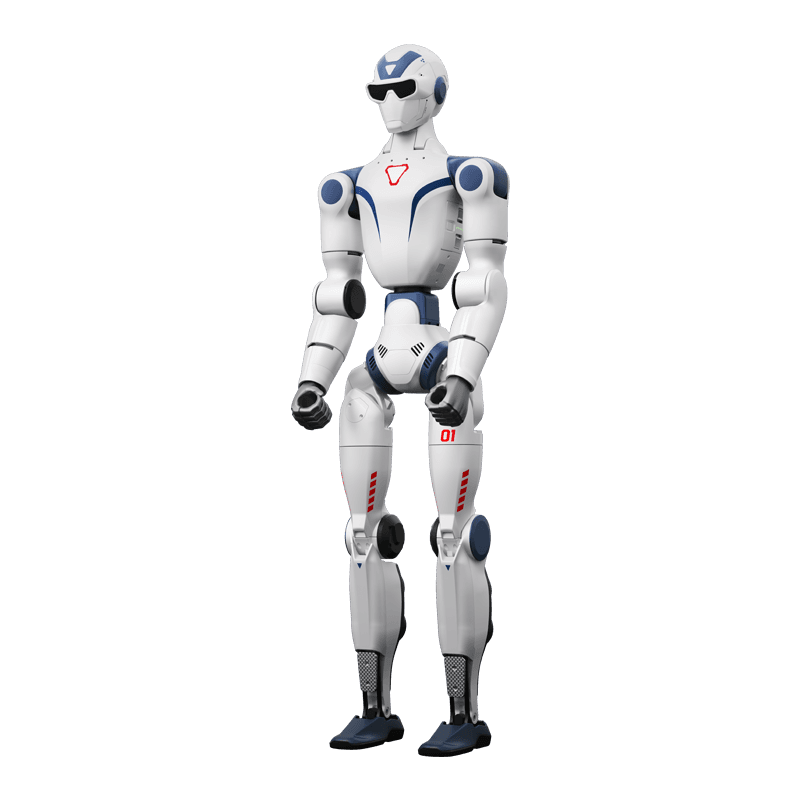
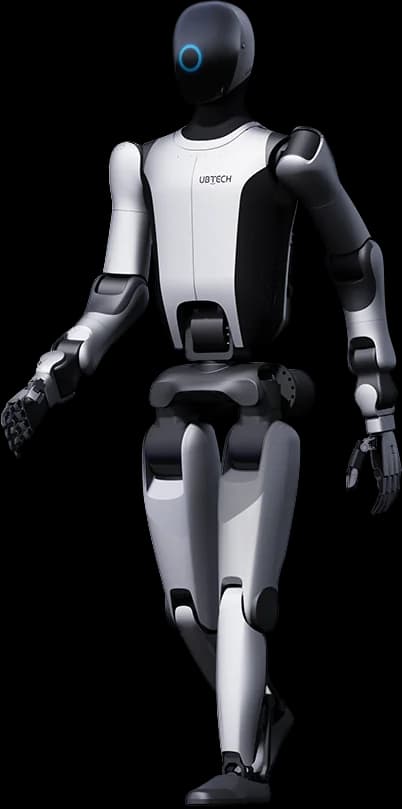
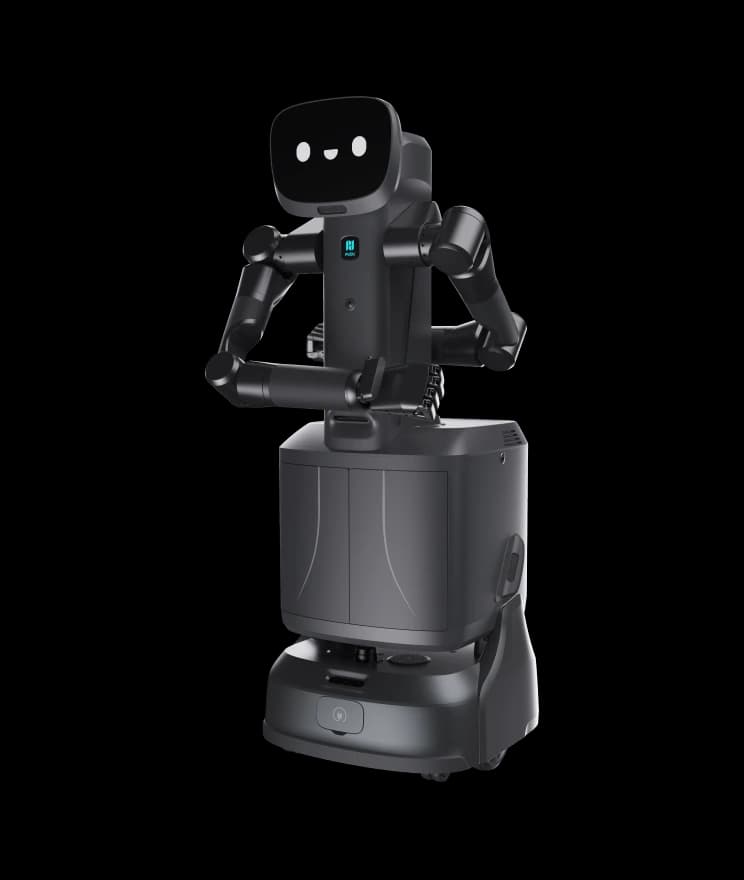
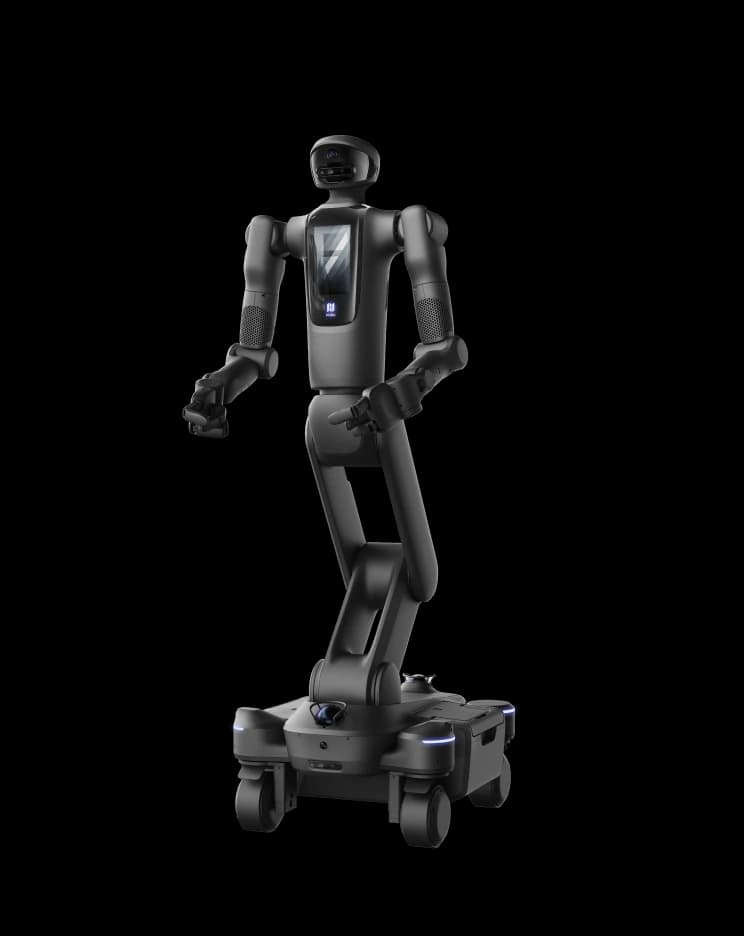
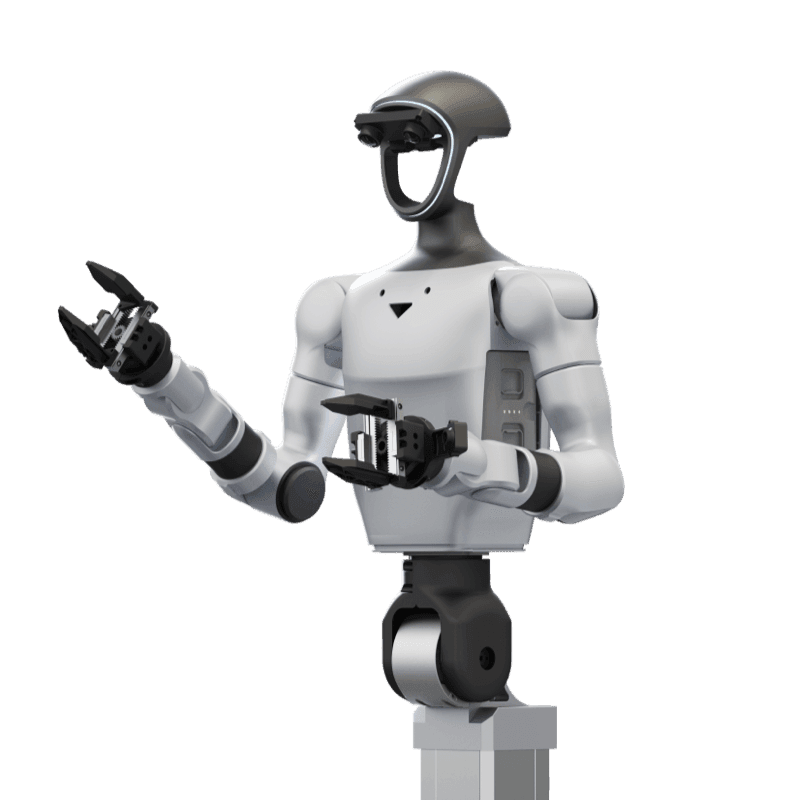
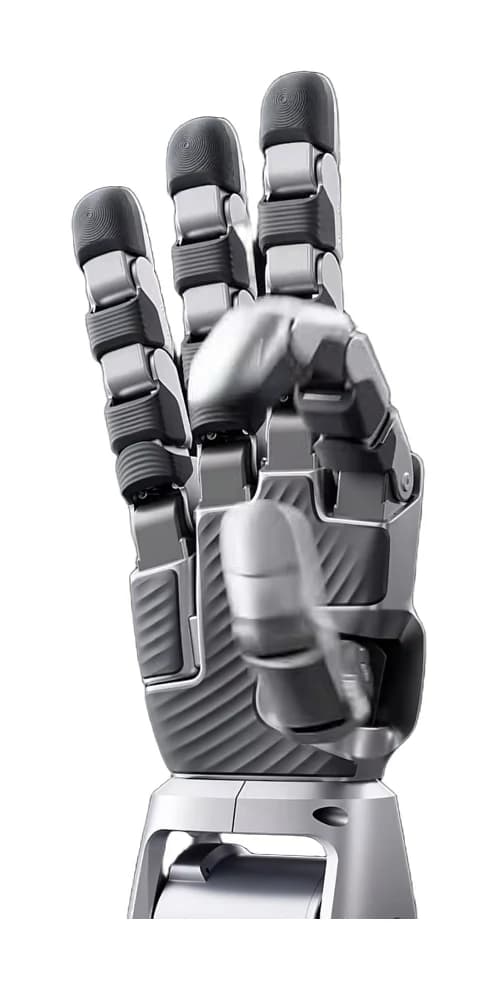
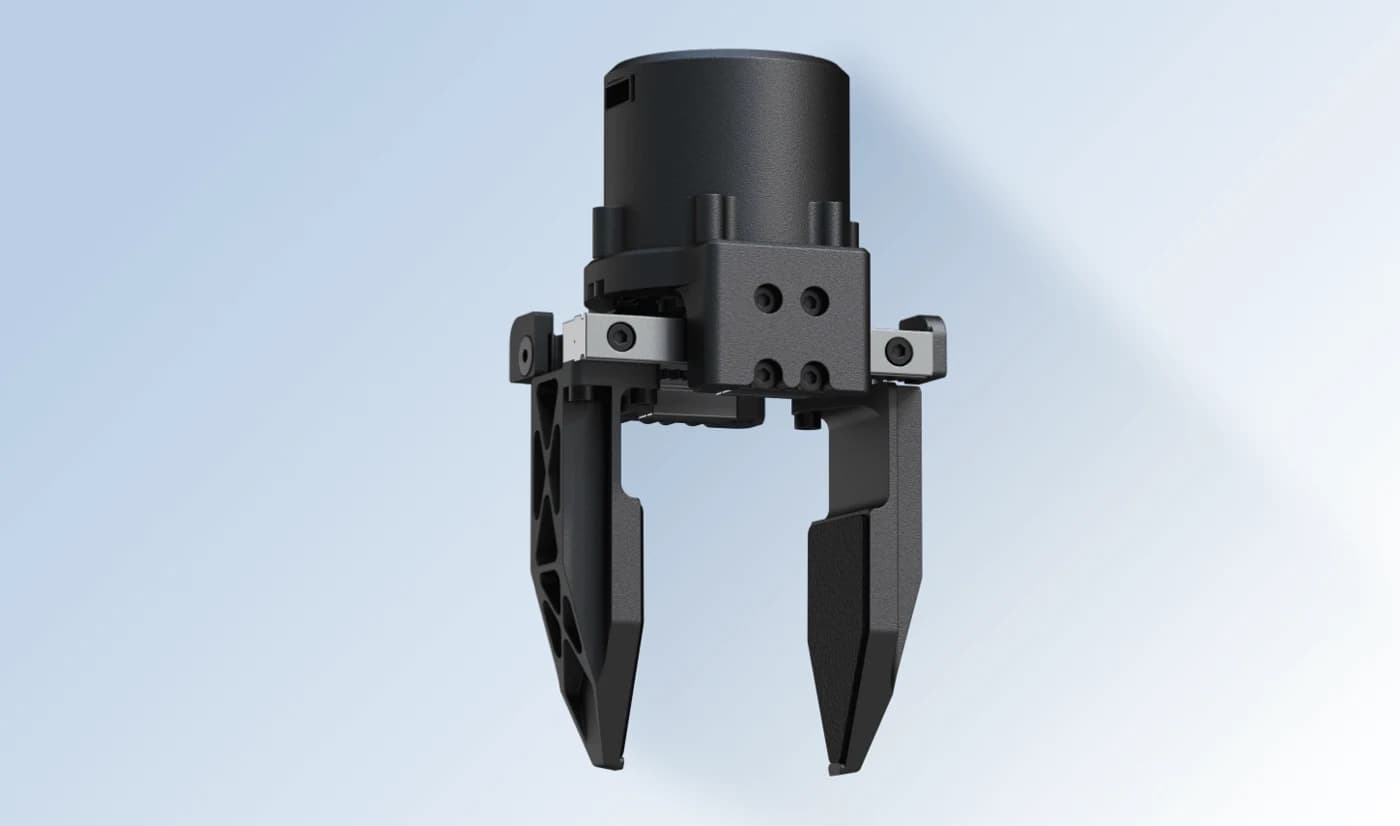
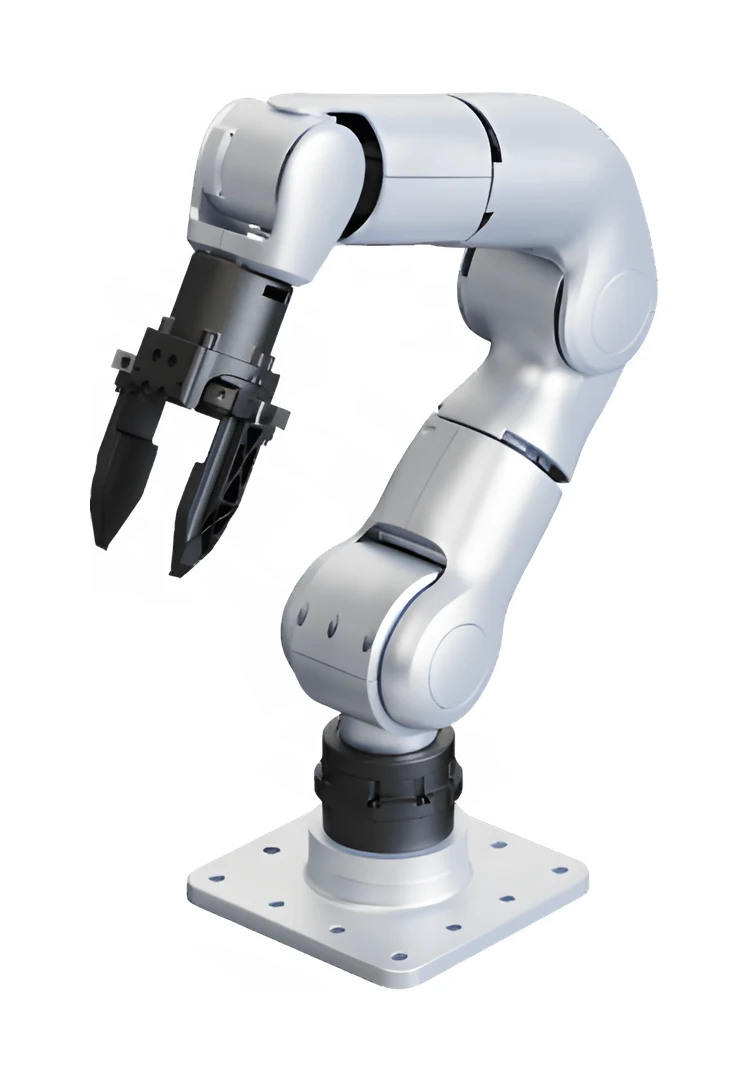
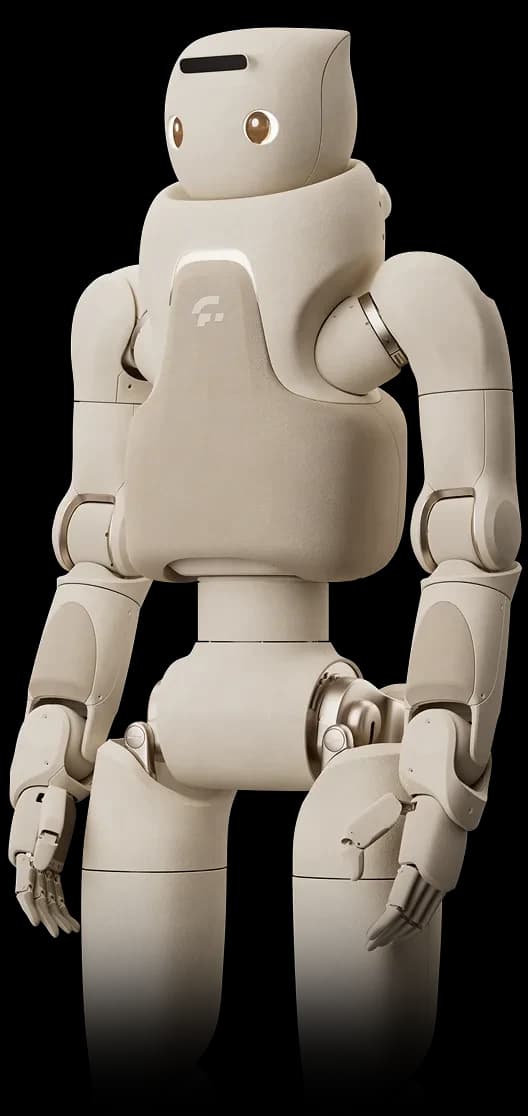
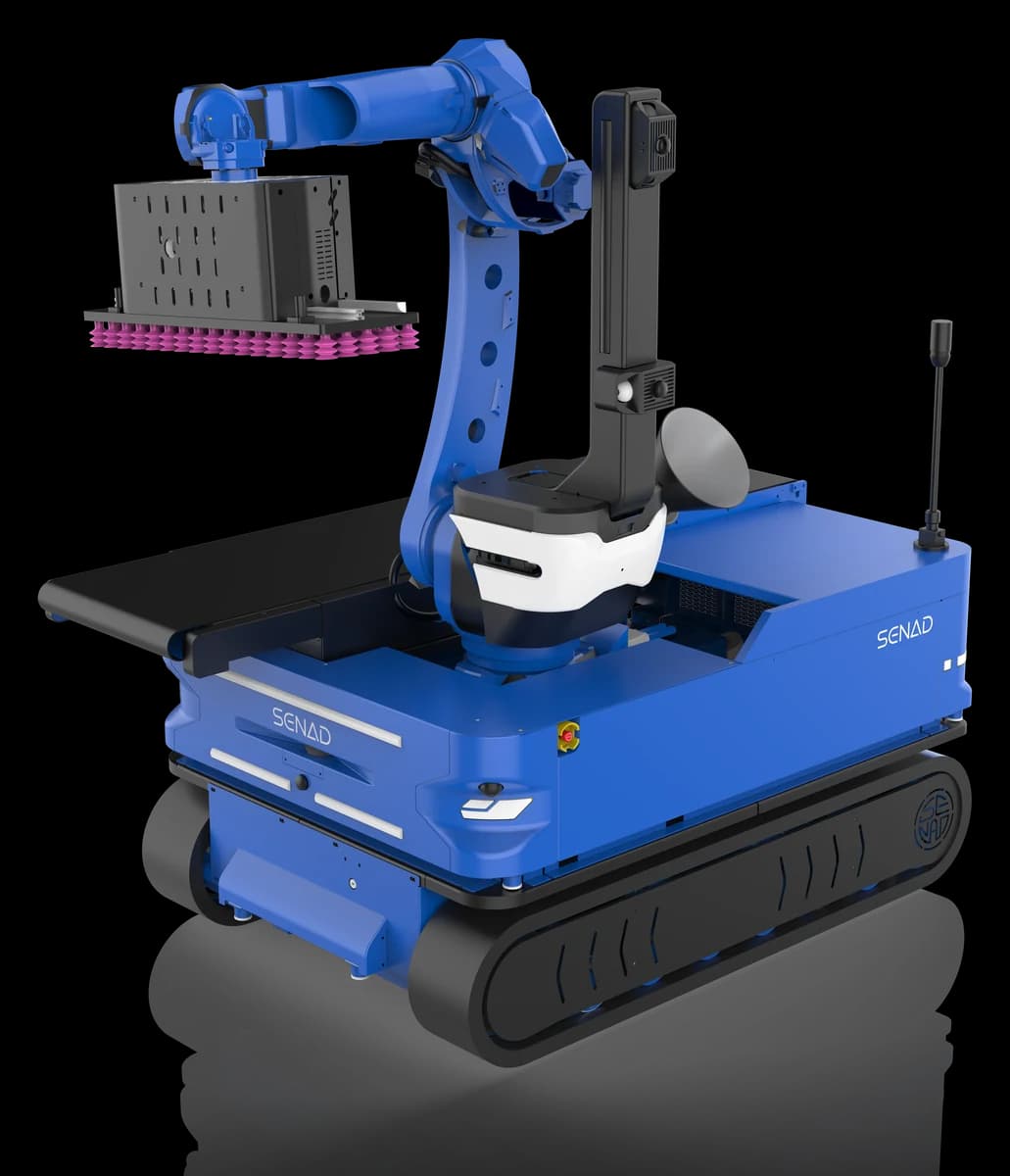
The strongest aspect of the Cruzr Y1 page is the clarity of the job description. Palletising, sorting, machine tending and recovering from disorder are the four places a factory genuinely looks for a robot, and all four work with variable input, where a fixed-program arm struggles. That the manufacturer picked these four shows it knows where the problem lies. Matching box sizes itself and rebuilding a toppled stack are capabilities classical palletising robots do not have.
No Evaluation Without Numbers
Against that, the page gives not a single numeric value. In a palletising application the first questions are box weight and cycle time, and neither is present. The same brand's Cruzr S2 publishes a 15 kg dual-arm payload, ±170 degrees of waist rotation and a 0-1.8 m workspace. The Cruzr Y1 clearly has such figures too but does not share them.
Engineering Assessment
The Cruzr Y1 picks the right four jobs a factory genuinely wants a robot for, and recovering from disorder on its own is a promise absent from classical palletising automation. The problem is that the page gives no numbers: no palletising or machine tending application can be sized without payload, reach and cycle time. As it stands the Cruzr Y1 is a presented set of capabilities rather than an evaluable product. Proceeding without requesting a full technical breakdown from the manufacturer would not be sound.