









What Was Announced?
Figure says the data needed to train Helix, its vision-language-action AI, does not exist on the internet and has to come from the real world. Index is the company's own channel for collecting it: it first tried buying data, found vendors could not meet the throughput, diversity and quality bar, and built the pipeline itself.
The app works both ways. Users called Creators record everyday tasks (cooking, cleaning, laundry, groceries, office and warehouse work) and get paid by the minute. On the other side, home and business owners can book a Creator through the app to do the work; it offers this to logistics, restaurants, factories and offices too. The company's own summary: services on demand today, robots on demand soon.
Published Figures
| Measure | Value |
|---|---|
| App downloads | 264,000 (108 countries) |
| Weekly active users | Over 44,000 |
| Videos uploaded | Over 16 million |
| Processing rate | 30 minutes of video every second (4.9 years of human work per day) |
| Paid to Creators | $15 million |
| Per 1,000 hours of data | 373 unique tasks, 1,146 unique objects, 116 unique environments |
| Commitment for the next 12 months | Over $1 billion on data and compute |
All values come from the company's 25 August 2026 announcement; the live counter on the Index page keeps raising the upload count through the day.
Why Data Matters This Much
Figure's thesis is plain: like every learned system, Helix gets more capable with data, and generalization is a data problem. Index's value lies less in volume than in diversity. Every new Creator brings a kitchen the model has never seen, unfamiliar objects and an idiosyncratic way of doing the task; this is long-tail variation that is nearly impossible to define upfront.
Raw recordings do not go straight into training. The pipeline the company describes has five stages: filtering (technical, visual and semantic quality), fraud review (human audits at the user level for deliberate attempts to evade the filters), deduplication (segments too similar to previously accepted data are discarded), rebalancing (task quotas and embedding-based clusters) and annotation (hierarchical text captions for every episode). They add that ingesting 30 minutes of video every second meant rebuilding the infrastructure like an always-on consumer app.
How It Relates to Figure 03
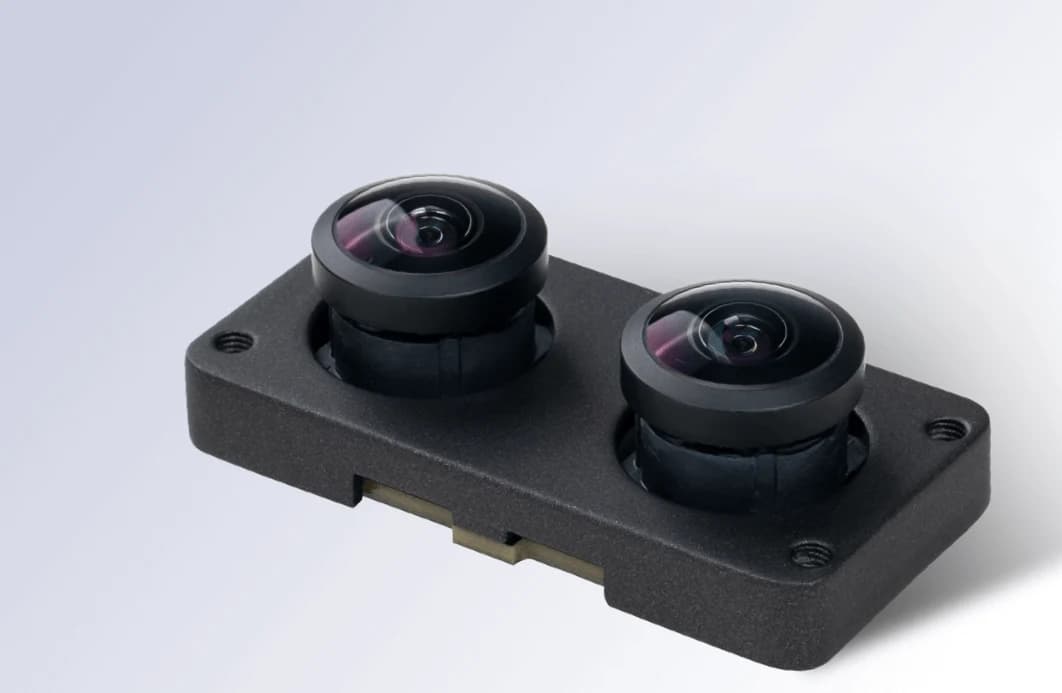
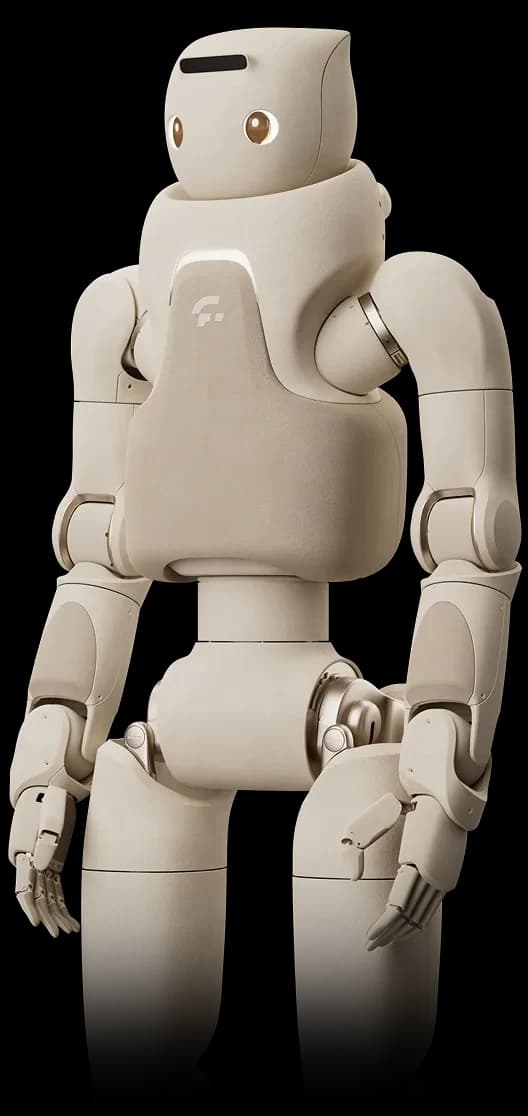
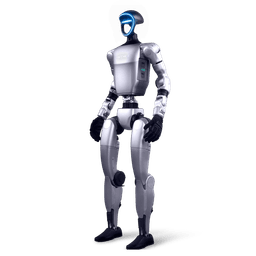
Index is the source that feeds the intelligence of Figure 03. The robot's camera architecture and palm cameras were designed for Helix, and Helix's ability to work in a home rests on the human data coming from Index. Figure closes the announcement by saying Index is laying the groundwork for ordering robots as a service: today a person comes to your home, the goal is for a robot to do the same job.
For a corporate buyer this means Figure 03's capability is not a hardware list but the growth rate of the data pipeline behind it. For the robot's specifications and availability in Turkey, see the Figure 03 price and status page.
What It Means for Turkey
The app is used in 108 countries, but no country list is published; whether it can be downloaded in Turkey has to be checked on the App Store and Google Play listings. No service region list is given for having a Creator come to your home or business either. Index is therefore best read today not as a service available in Turkey but as a signal of Figure's data strategy.
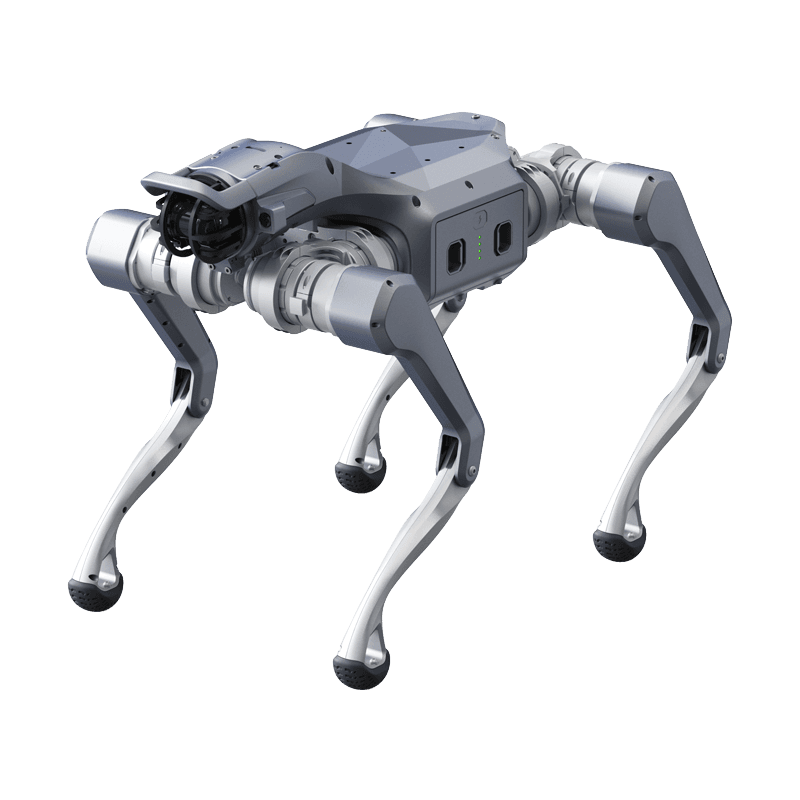
Index is not a product you can buy, and The humanoid platforms deliverable today are the Unitree G1 and the full-size Unitree H2; for organizations with a Figure 03 requirement we assess sourcing and timing together.