PRICE
Project quote
Configuration, delivery schedule and investment figure are set by project scope. From your specification we prepare the supply plan from the manufacturer line and the integration scope.
Enterprise supply · specification support · integration engineering
Overview
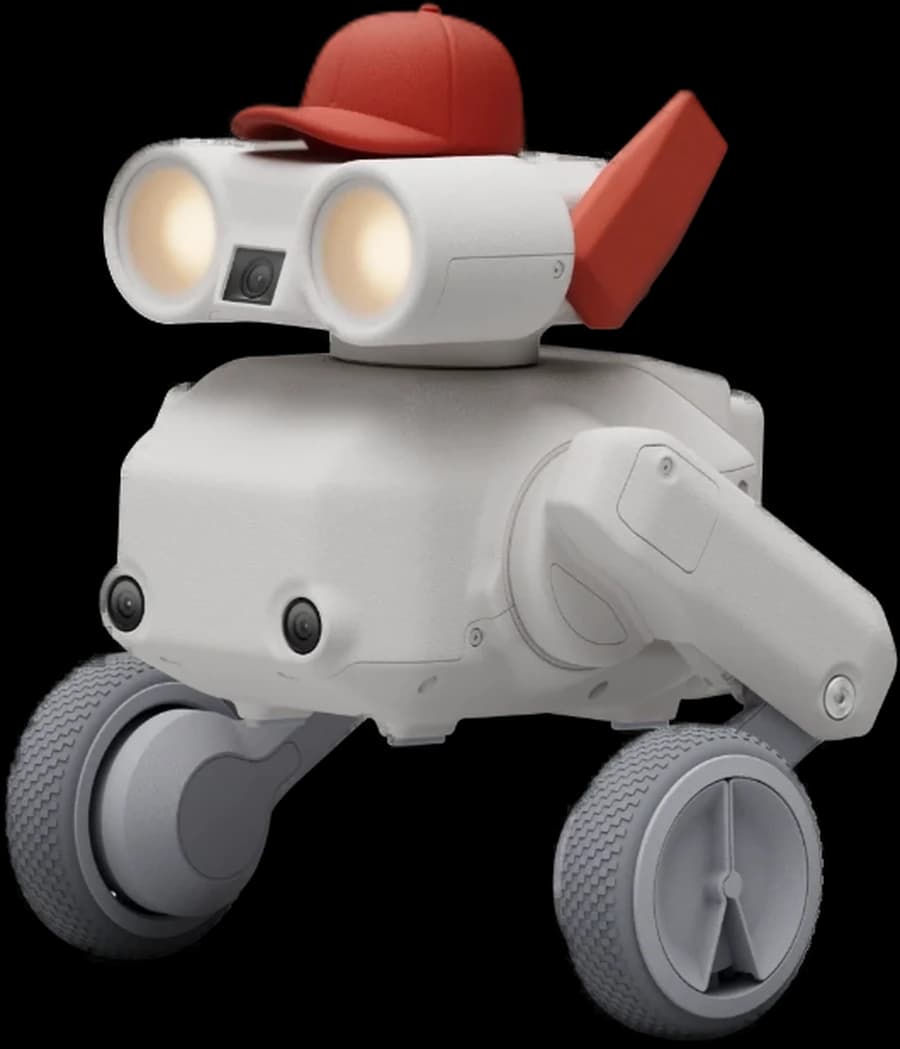
The Mondo Robotics Beni is a camera robot aimed at a specific problem: a solo shooter cannot both be in the scene and run the recording. It locks onto a subject and films autonomously, requiring no operator.
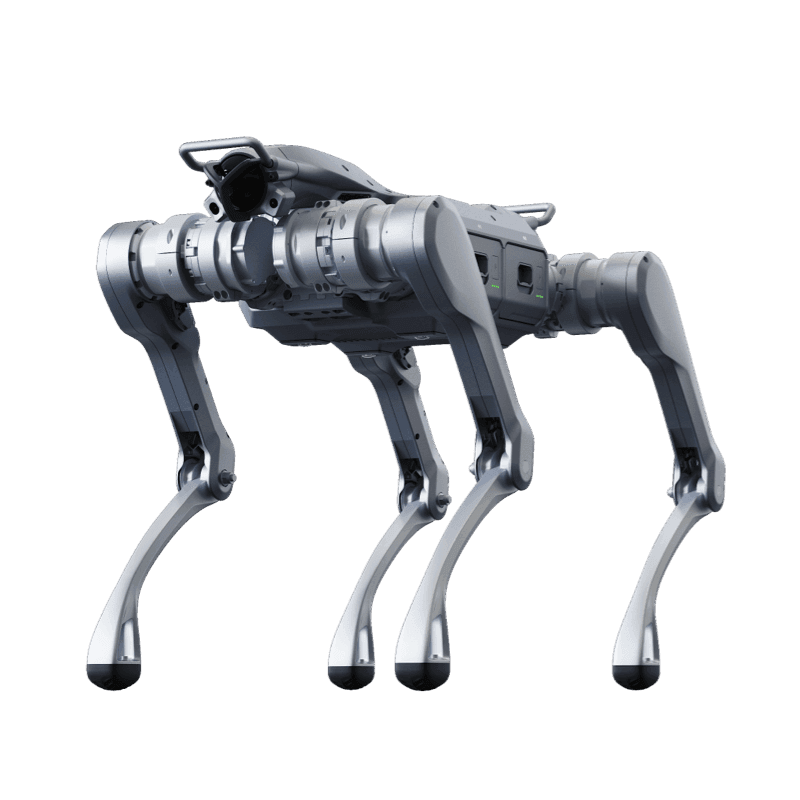
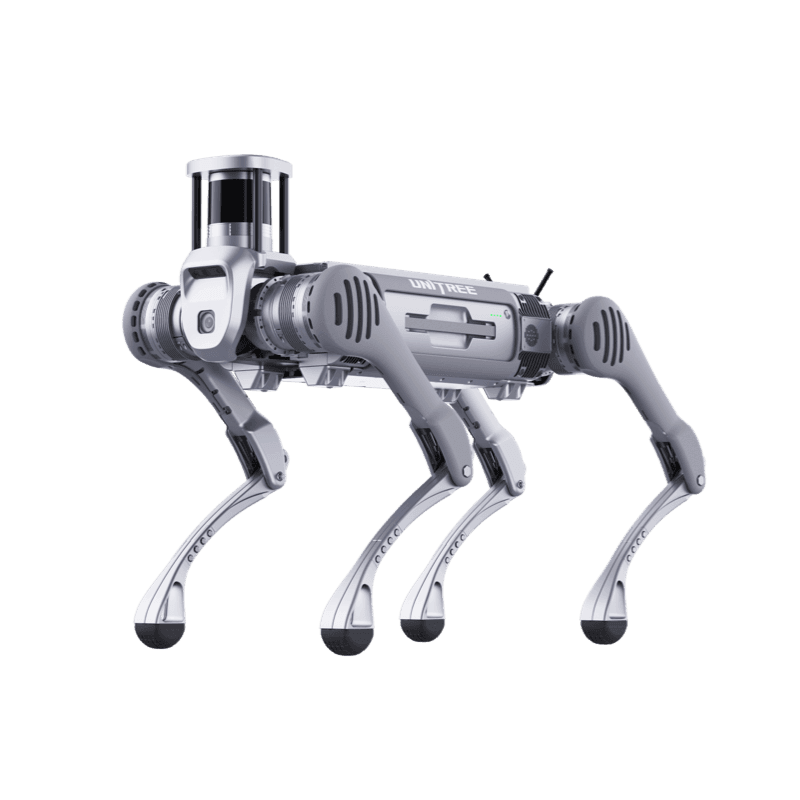
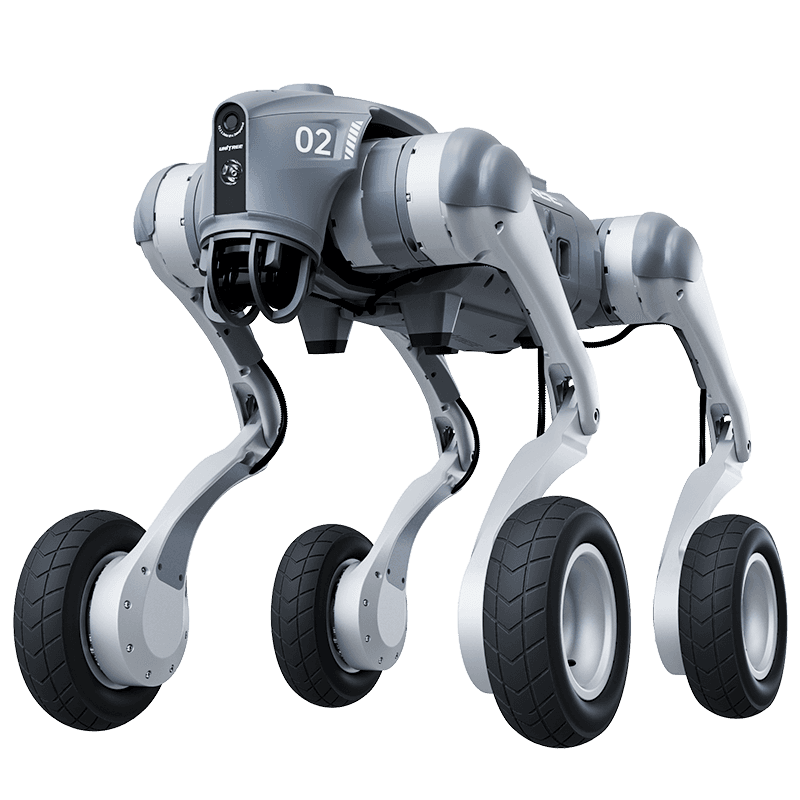
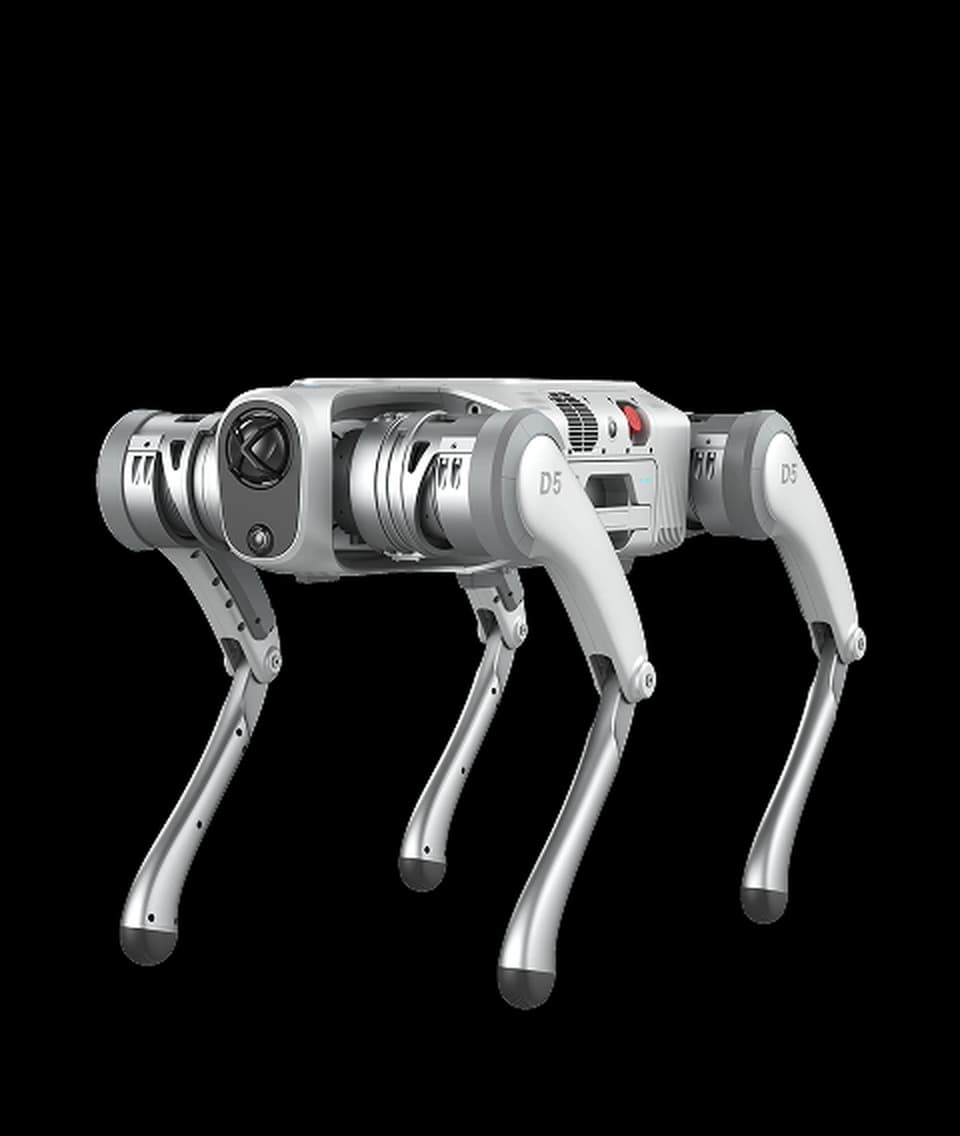
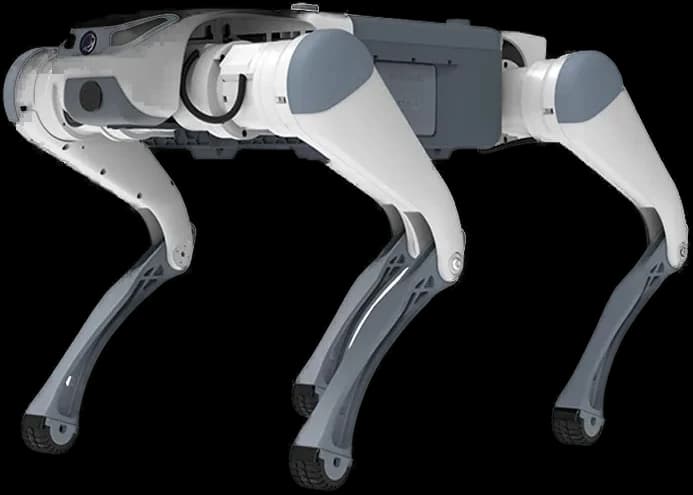
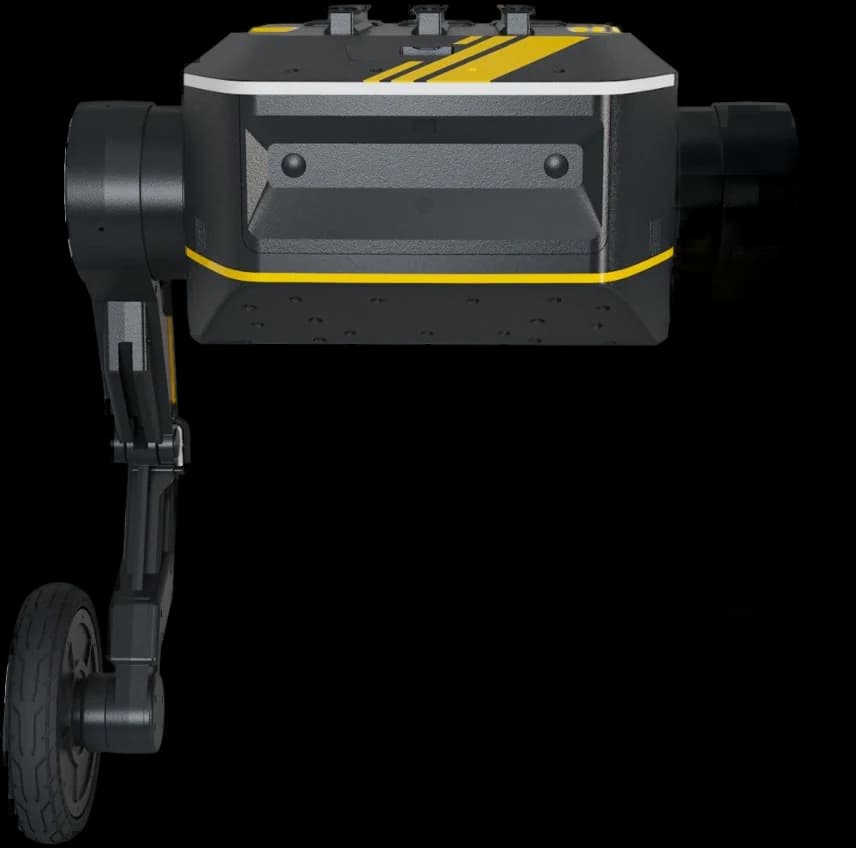
Mechanically: approximately 1.6 kg, a maximum speed of 28.8 km/h and maximum obstacle clearance of 25 cm. The body is four-wheeled and legged. It works on grass, gravel, park trails, stone steps, kerbs and leaf cover, reading the ground in real time and adapting its driving. When knocked over it rights itself without outside help.
On the camera side it records 4K at 30 frames per second, 3K at 60 and 1080p at 100. Image stabilization and horizon levelling are built in and HDR colour is supported. HybridFlow smoothing separates the high-frequency vibration a wheeled body picks up from the ground out of the frame. After a session, AI-assisted automatic editing produces a highlight reel.
Tracking runs on AI-based visual perception: no beacon, GPS watch or handheld remote is required. If line of sight breaks briefly, the point where the subject will reappear is predicted; if the subject is lost entirely, the robot stops safely. There are tail, side and circling tracking modes, and a magnetic motion tracker accessory is offered separately.
For energy, the battery lasts approximately 1 hour 45 minutes per charge, is user-replaceable and aviation certified. The extended bundle adds two spare batteries, a charging hub and off-road wheels, taking total runtime past 4.5 hours.
On privacy, footage is stored locally on the device and end-to-end encrypted; cloud features are optional and no account is required for basic filming.
Mondo Robotics is a company founded with a team working across Shenzhen and Palo Alto. Series production of the Beni has begun, with first deliveries planned for autumn 2026.
For organizations with a Beni requirement we assess sourcing, timing and the alternatives deliverable today transparently.
Tracking: One Button, No Remote
Tracking runs on AI-based visual perception. No beacon, GPS watch or handheld remote is needed to lock onto a subject; a single button starts tracking. When line of sight breaks briefly behind an obstacle, the robot predicts where the subject will reappear and turns towards that point. When the subject is lost entirely it stops rather than wandering.
Terrain: Reading the Ground and Adapting
Grass, gravel, park trails, stone steps, kerbs and leaf cover are among the working surfaces, with the ground read in real time and driving adapted to it. Maximum obstacle clearance is 25 cm, above a standard kerbstone and most garden steps. Maximum speed is 28.8 km/h, in the band of a brisk runner or cyclist.
Setup and Transport
The body weighs approximately 1.6 kg and fits in a backpack. Because the battery is aviation certified it can travel by air. Setup needs no tools: the ears clip on, the motion tracker pairs and filming begins.
Camera: 4K, HDR and Horizon Levelling
The camera records 4K at 30 frames per second, 3K at 60 and 1080p at 100. The 100 fps option is for slow motion. Image stabilization and horizon levelling are built in, so the frame stays level even as the robot crosses sloping ground. HybridFlow smoothing separates the high-frequency vibration a wheeled body picks up from the ground out of the frame.

Self-Righting After a Fall
When knocked over, the Beni rights itself without outside help and filming resumes where it left off. The self-righting system was tested against impacts, collisions and outside contact. Because the recording is not interrupted, no pause is needed mid-shoot to pick the robot up.

The Production Line
Series production of the body and motors has reached the line, with first deliveries beginning in autumn 2026. Mondo Robotics runs development and manufacturing across two centres, in Shenzhen and Palo Alto.
Privacy: Footage Stays on the Device
Footage is stored locally on the device and end-to-end encrypted. Cloud features are optional and no account is required for basic filming. As long as the recording stays on the device there is no transfer to an outside server.

Beni; Live Demonstration
Technical Analysis of a Tracking Camera Robot
Why a Ground Robot Rather Than a Drone
A tracking drone does the same job, but the two differ in three places. First, regulation: flying an unmanned aircraft in Turkey is subject to registration, classification and area restrictions, which is an obstacle for filming in parks, on beaches and inside residential areas. A ground robot faces no such limit. Second, framing: a drone looks down, a ground robot looks up from below eye level. In running, skateboarding and pet footage it is exactly that low angle that conveys speed. Third, noise: propeller sound ruins a dialogue recording while a wheeled body does not. In return, a ground robot stops at stairs, high fences and water, where a drone does not.
What 25 cm of Obstacle Clearance Determines
This figure directly determines the environments in which the robot can follow. A standard kerbstone is between 12 and 18 cm and most garden steps between 15 and 20 cm; 25 cm covers both. What it does not cover is a typical indoor staircase, where the riser is around 17 cm but the steps come one after another in a narrow run, and high kerbs. The practical test the manufacturer gives is ground a skateboard can cross. A route's riser heights and kerb profile are more decisive than the single figure in the specification table.
What the Frame Rate Options Are For
The three options serve three separate jobs. 4K at 30 frames is the standard for archive and broadcast quality. 3K at 60 covers cases that need both resolution and fluidity in a moving scene: in running and cycling footage, 30 frames looks stuttered in a fast pan. 1080p at 100 frames is for slow motion; playing 100 frames back at 25 gives a fourfold slowdown, which is enough to isolate a jump or a trick. Horizon levelling works in all three modes and separates the roll of a wheeled body on sloping ground out of the frame.
Beni Versus Other Tracking Solutions
| Feature | Mondo Beni | Tracking drone | Gimbal and tripod |
|---|---|---|---|
| Camera angle | Below eye level, from the ground | From above | From a fixed point |
| Regulation | No restriction | Registration and area limits | No restriction |
| Noise | Low | Propeller noise | None |
| Tracking speed | 28.8 km/h | Higher depending on model | Does not follow |
| Obstacles | Up to 25 cm; stops at stairs | Unaffected by obstacles | Stationary |
| Runtime | 1 h 45 min | 20-40 minutes typical | Depends on the camera battery |
| Operator | Not required | Usually required | Required |
Engineering Assessment
The Beni is configured to take the place of a camera operator on a single-operator shoot. Tracking that needs no remote or beacon reduces setup to one button, and a 1.6 kg body with an aviation-certified battery requires no additional transport equipment. Self-righting after a fall is the mechanism that keeps the recording running unbroken. A runtime of 1 hour 45 minutes sits markedly above the 20 to 40 minute band of a typical tracking drone. The limits fall under three headings. The 25 cm obstacle limit places a consecutive indoor staircase outside its scope, confining use to outdoors and single-level interiors. With no protection rating or operating temperature stated, rain and low-temperature conditions cannot be read from the specification. Deliveries begin in autumn 2026.
Details & Performance Parameters.
Physical Architecture
Dynamic Performance
Energy & Protection
Computing & Intelligence
AI-based visual tracking; no remote, beacon or GPS is required. If line of sight breaks briefly, the point where the subject will reappear is predicted
A magnetic motion tracker accessory; one-button tracking start; tail, side and circling tracking modes
Footage is stored locally on the device and end-to-end encrypted; cloud features are optional and no account is required for basic filming
HybridFlow smoothing; HDR colour; image stabilization and horizon levelling; AI-assisted automatic editing that produces a highlight reel after a session
Mechanical Components
A camera-carrying body; approximately 1.6 kg total, fits in a backpack
Approximately 1 hour 45 minutes per charge; the battery is user-replaceable and aviation certified
Self-righting after a fall; a body tested against impacts, collisions and outside interference
Grass, gravel, park trails, stone steps, kerbs and leaf cover; the ground is read in real time and driving adapts to it
Hardware & Materials
An impact-resistant body with a self-righting system after a fall
Bring Autonomous Power to the Field.
Start your Beni project with our experts now.
Get a Beni Quote
There is no single list price; the investment depends on configuration and use case. Fill in the form and we will return with a clear, tailored quote.
- Supply plan and delivery schedule from the manufacturer line
- Technical feasibility against your project requirements
- Integration scope and engineering support
- Specification and documentation support for corporate procurement
Prefer to talk now: 0850 532 6 777
About the Mondo Beni
Beni Frequently Asked Questions
The most commonly asked questions and answers about Beni.
Sourcing, delivery schedule and investment for the Beni are settled per project. If you have a corporate requirement you can talk to Robotlar.org: we assess the sourcing process, a realistic timeline and the alternatives deliverable today. First deliveries of the product are planned for autumn 2026.
Approximately 1.6 kg, a maximum speed of 28.8 km/h and maximum obstacle clearance of 25 cm. The camera records 4K at 30 frames per second, 3K at 60 and 1080p at 100, with image stabilization, horizon levelling and HDR colour built in. Tracking runs on AI-based visual perception with no remote or GPS required. The battery lasts approximately 1 hour 45 minutes per charge, is user-replaceable and aviation certified. Footage is stored locally on the device.
Grass, gravel, park trails, stone steps, kerbs and leaf cover are among the working surfaces, and the robot reads the ground in real time and adapts its driving. With a maximum obstacle clearance of 25 cm it clears standard kerbstones and most garden steps. An indoor staircase falls outside that limit: even where the riser height fits, a narrow consecutive run of steps does not suit this body. The practical test the manufacturer gives is ground a skateboard can cross.
No. Tracking runs on AI-based visual perception; no beacon, GPS watch or handheld remote is required. Pressing one button locks the robot onto the subject. If line of sight breaks briefly behind an obstacle it predicts where the subject will reappear, and if it loses them entirely it stops safely rather than wandering. There are tail, side and circling tracking modes, and a magnetic motion tracker accessory is offered separately.
It rights itself and filming resumes where it left off. The self-righting system was tested against impacts, collisions and outside contact. Because the recording is not interrupted, no pause is needed to pick the robot up.
Locally on the device, end-to-end encrypted. Cloud features are optional and no account is required for basic filming. As long as the recording stays on the device there is no transfer to an outside server.
Three reasons. Regulation: unmanned aircraft in Turkey are subject to registration, classification and area restrictions, an obstacle for filming in parks, on beaches and inside residential areas, while a ground robot faces no such limit. Framing: a drone looks down while a ground robot looks up from below eye level, and in running, skateboarding and pet footage it is that low angle that conveys speed. Noise: propeller sound ruins a dialogue recording while a wheeled body does not. In return, stairs, high fences and water stop a ground robot.