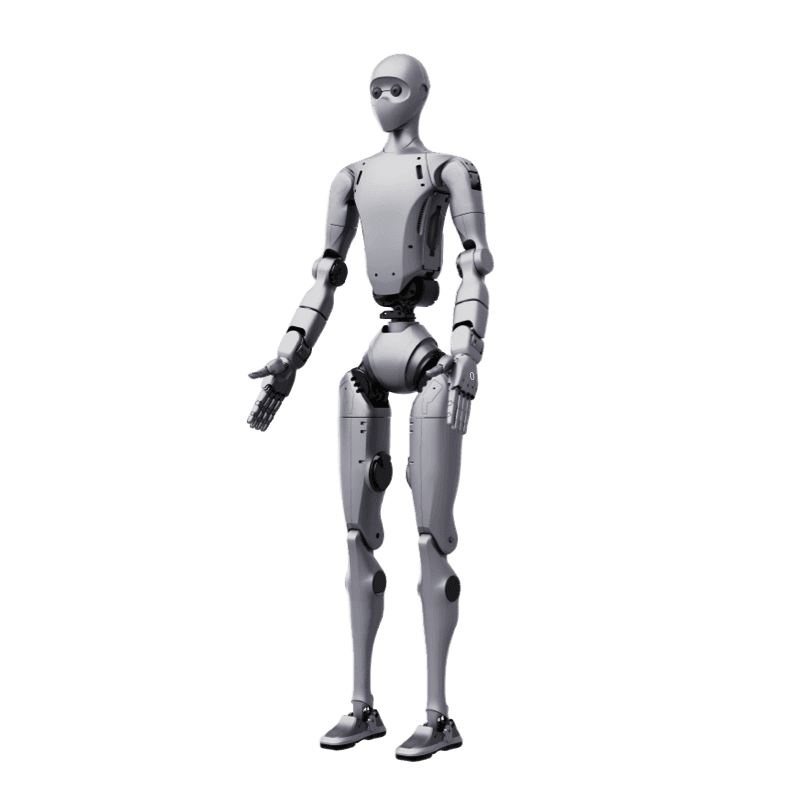
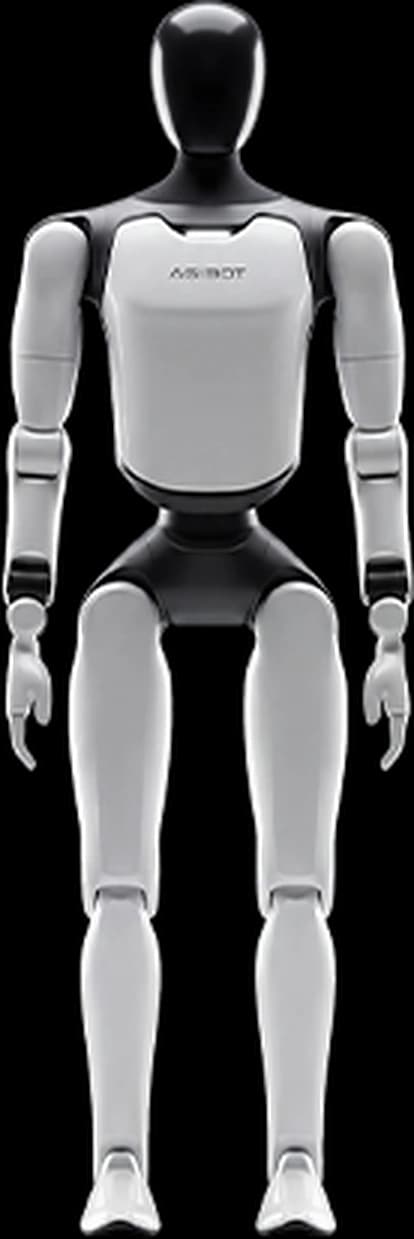
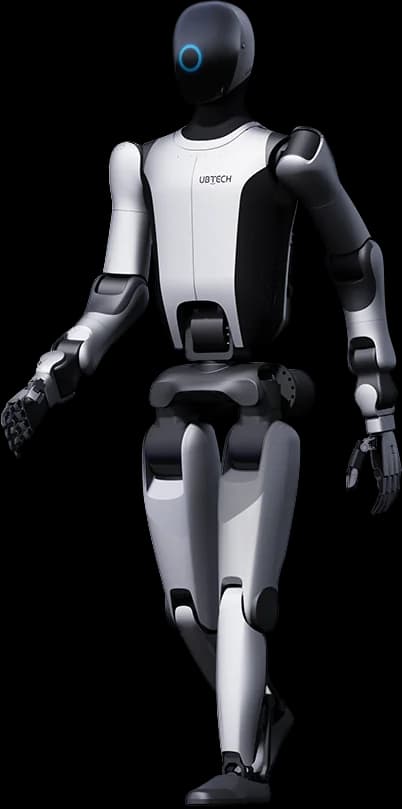
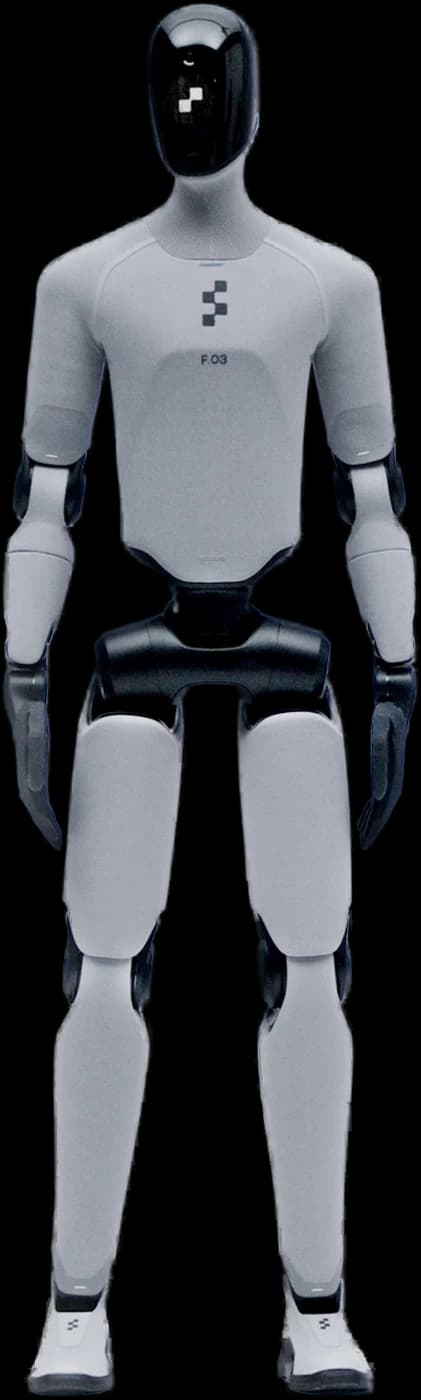
Who is Unitree and how did it become the world leader?
Unitree was founded in 2016 in Hangzhou by engineer Wang Xingxing, then just 26. According to TIME, the company reached a $6 billion valuation in its March IPO filing and shipped over 5,500 robots in 2025, making it the global volume leader.
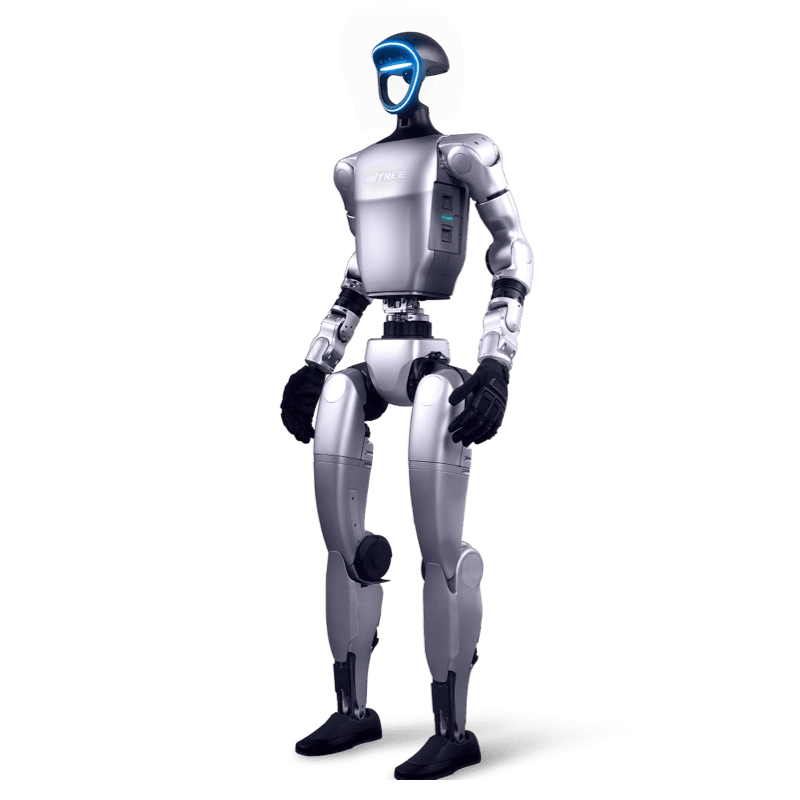
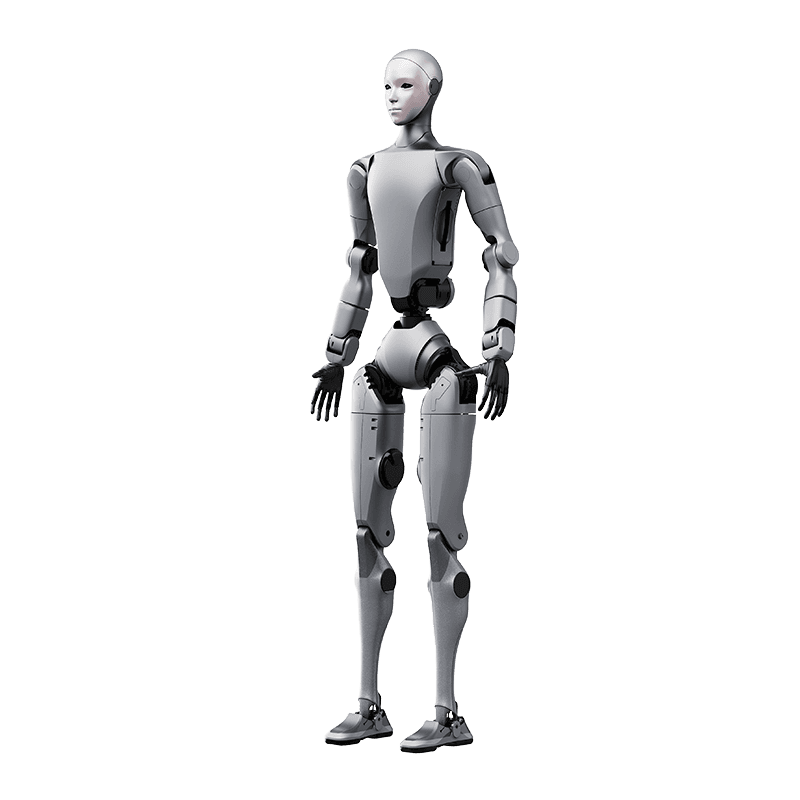
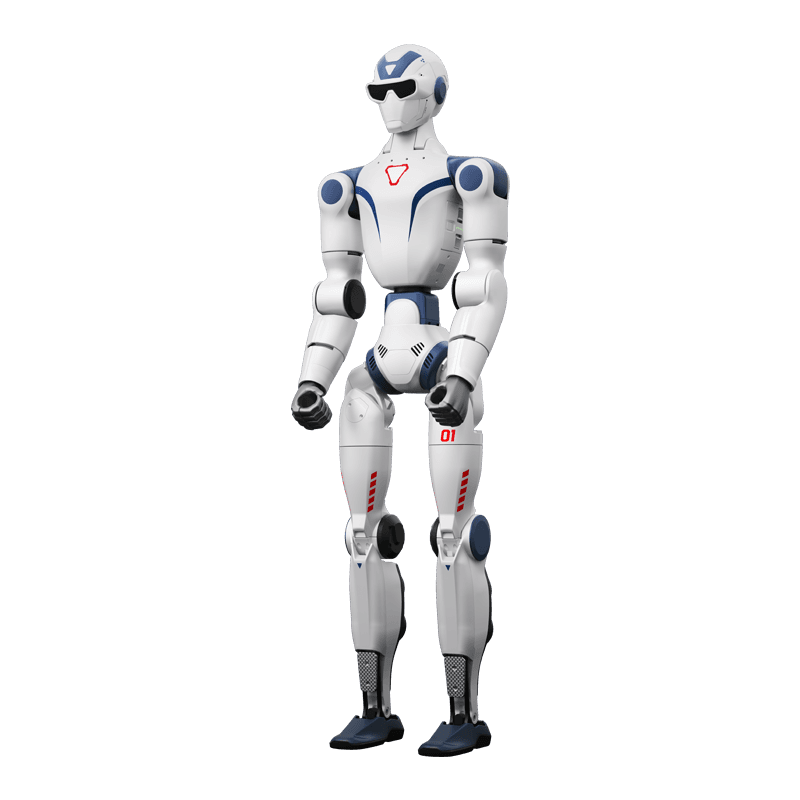
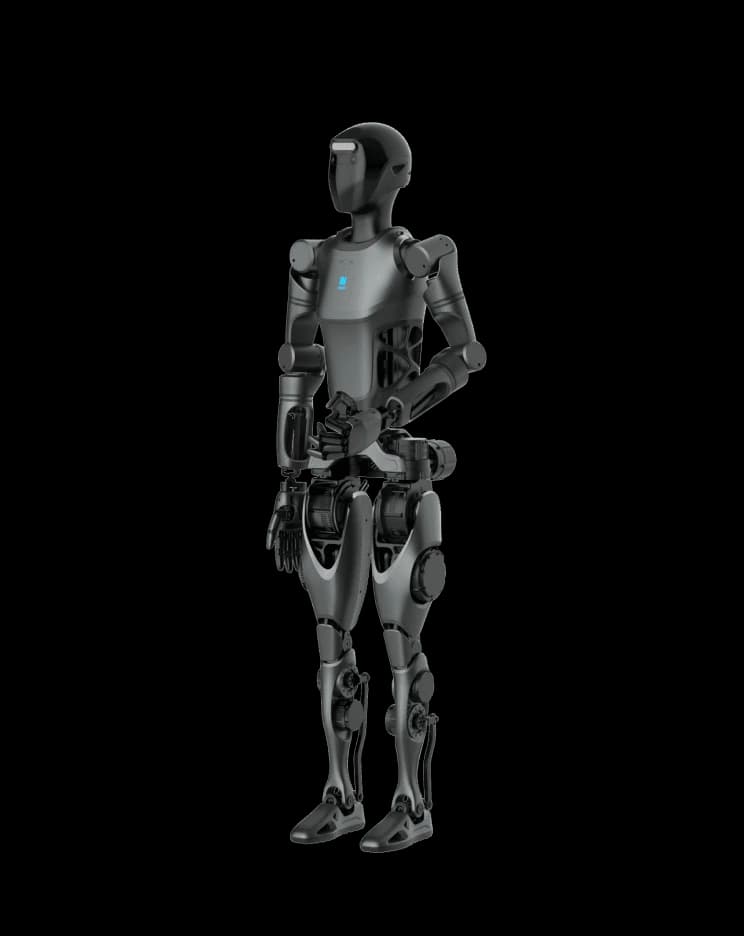
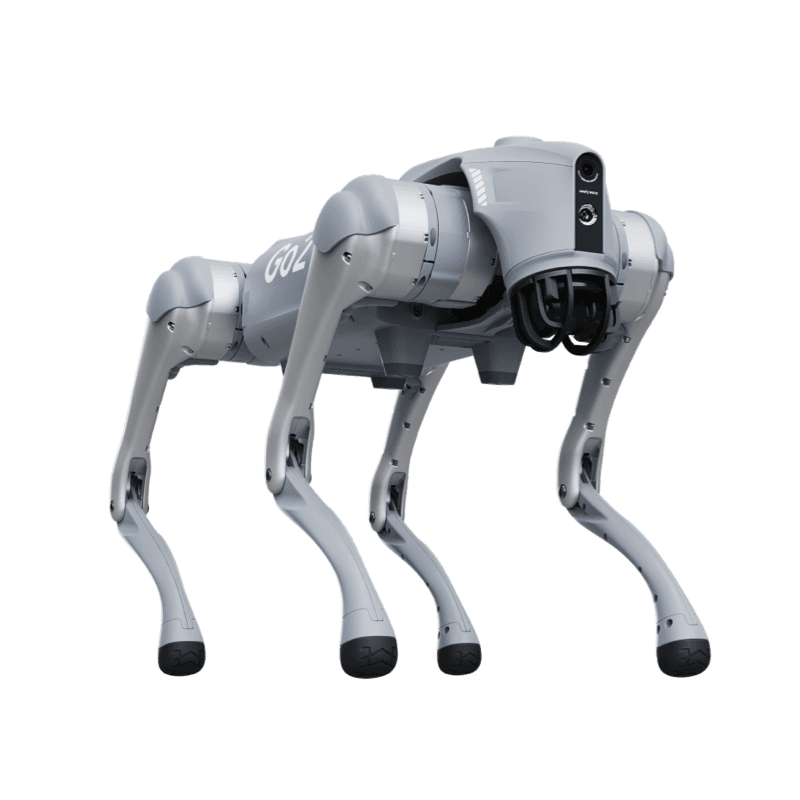
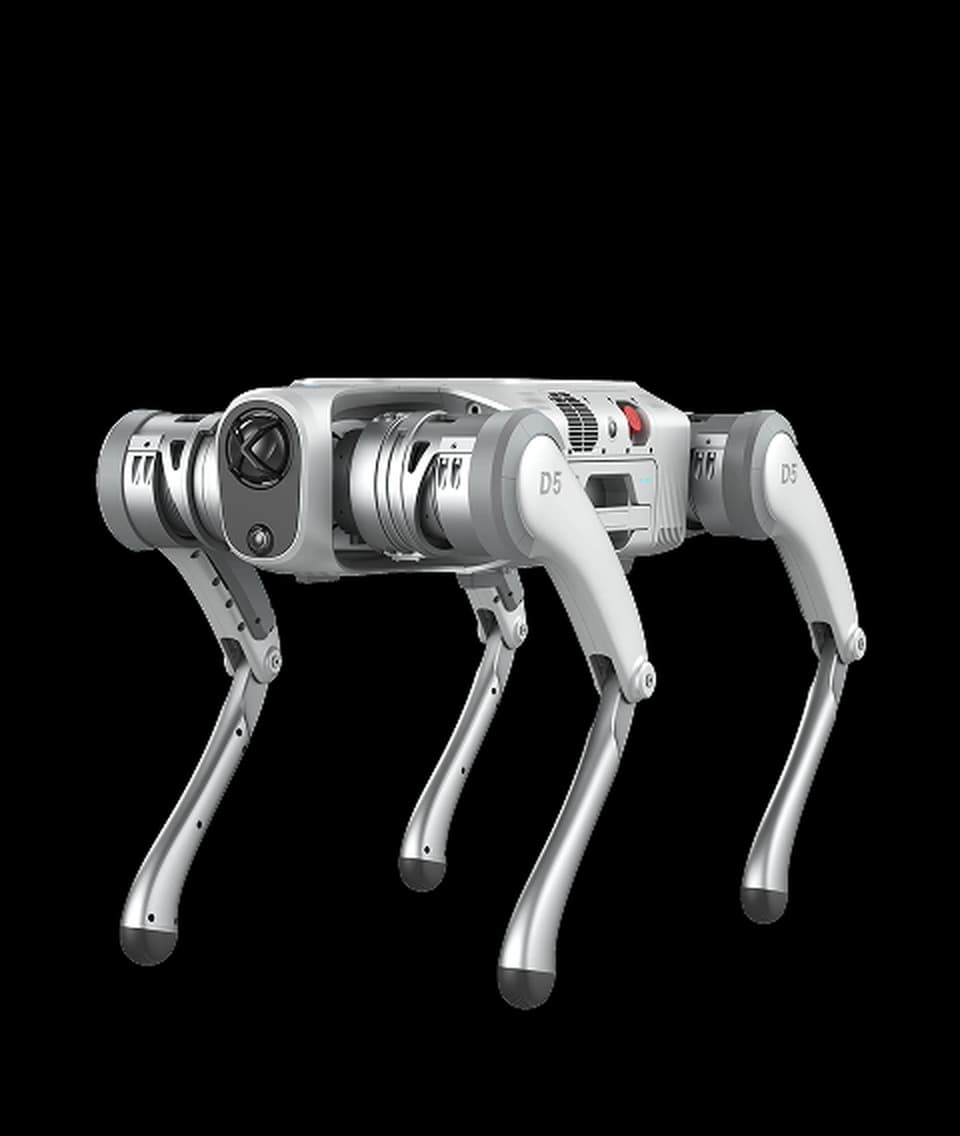
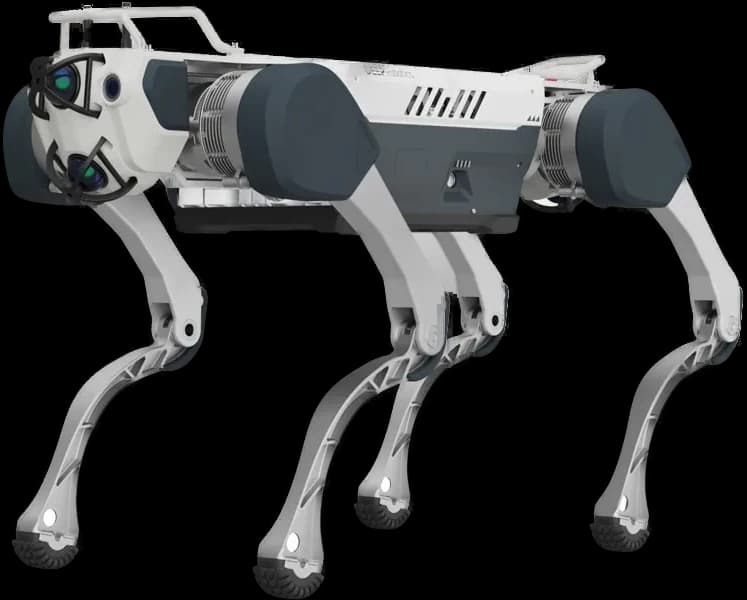
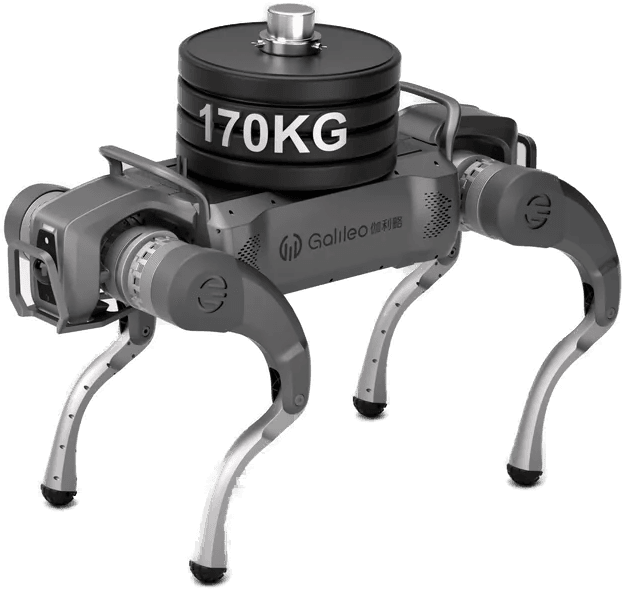
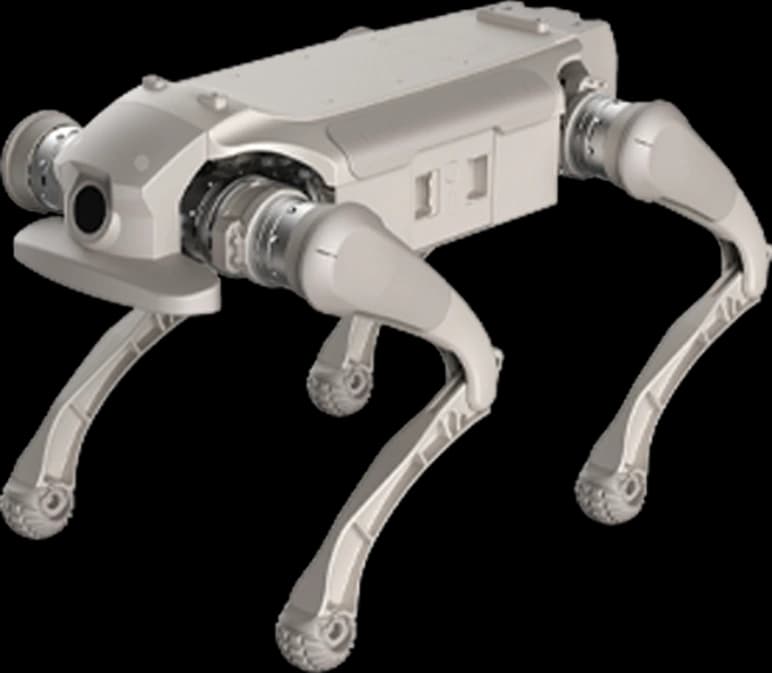
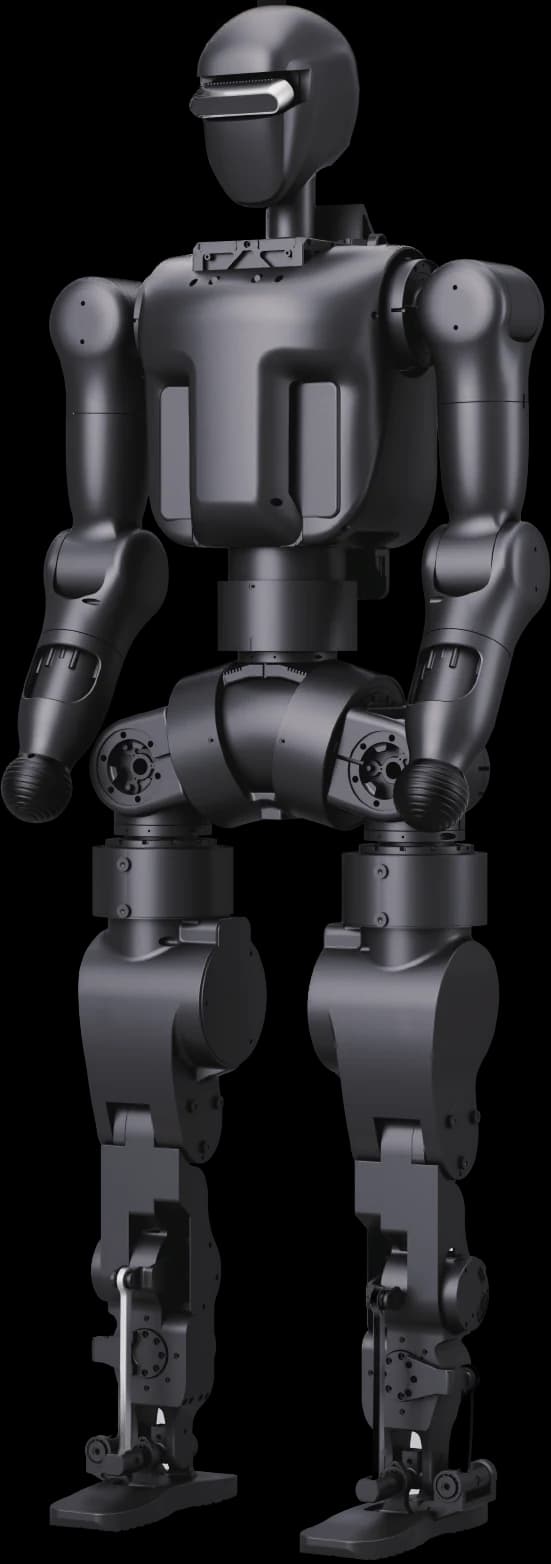
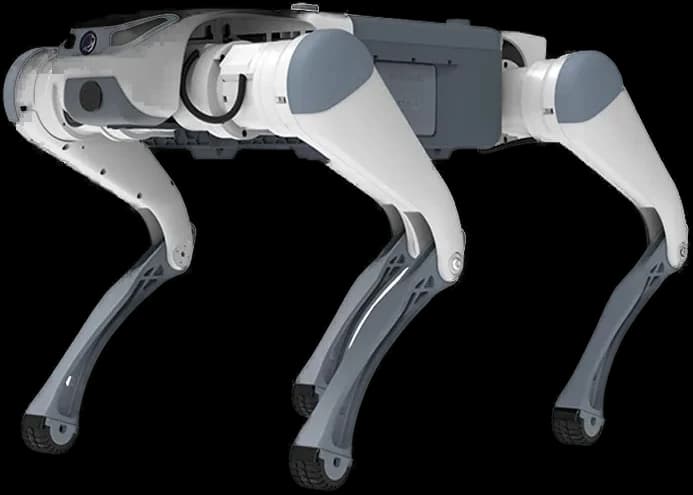
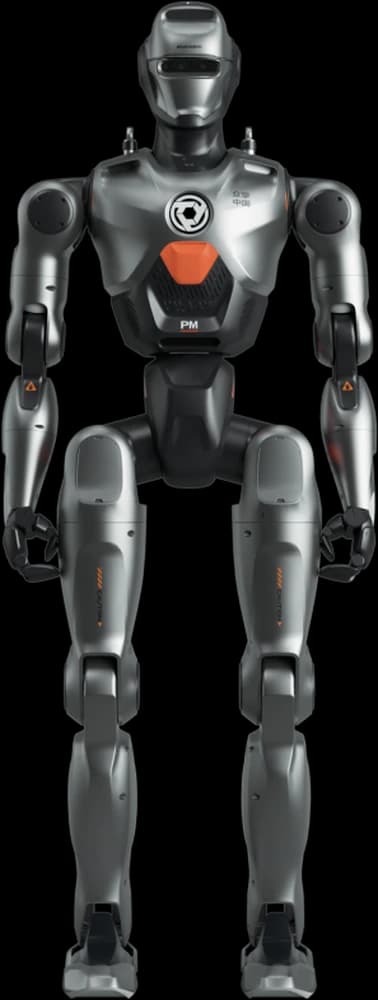
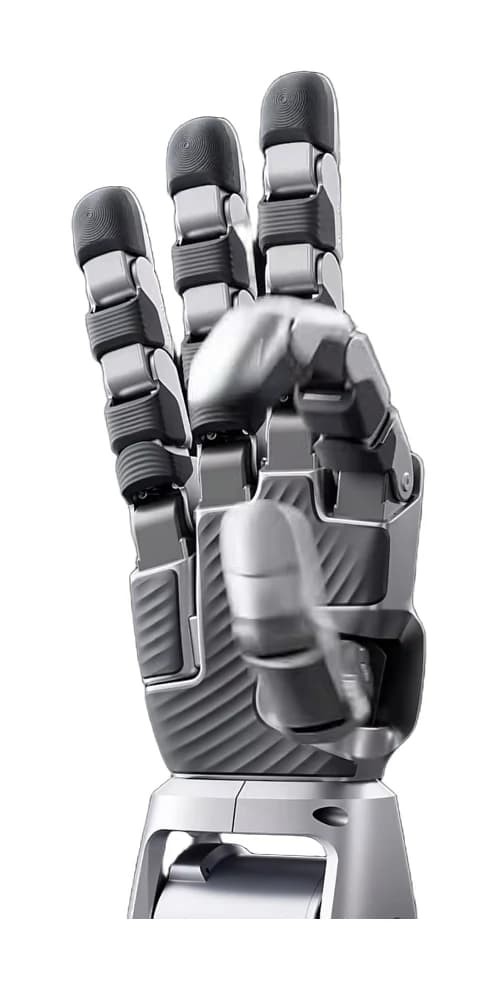
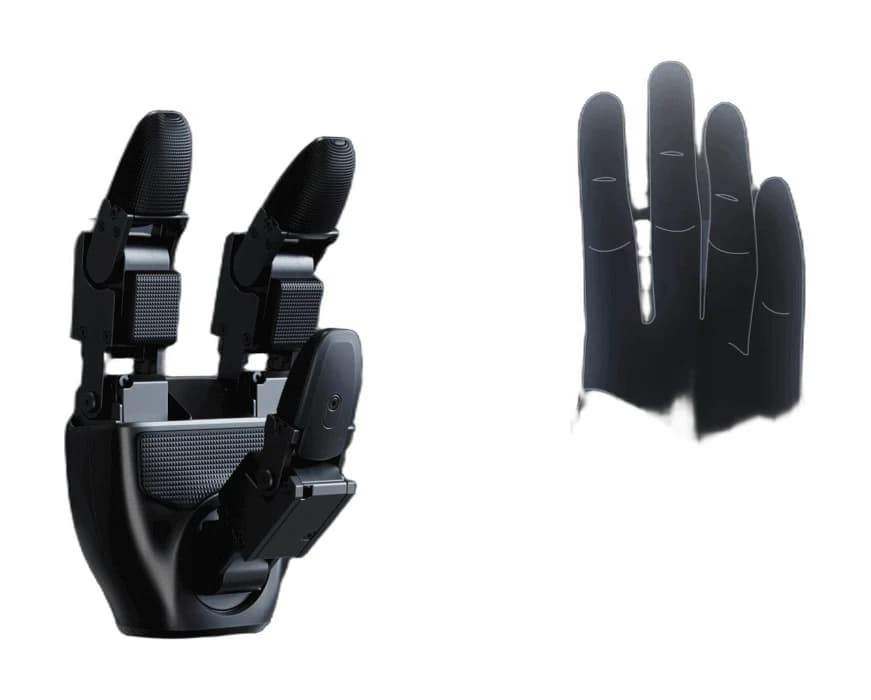
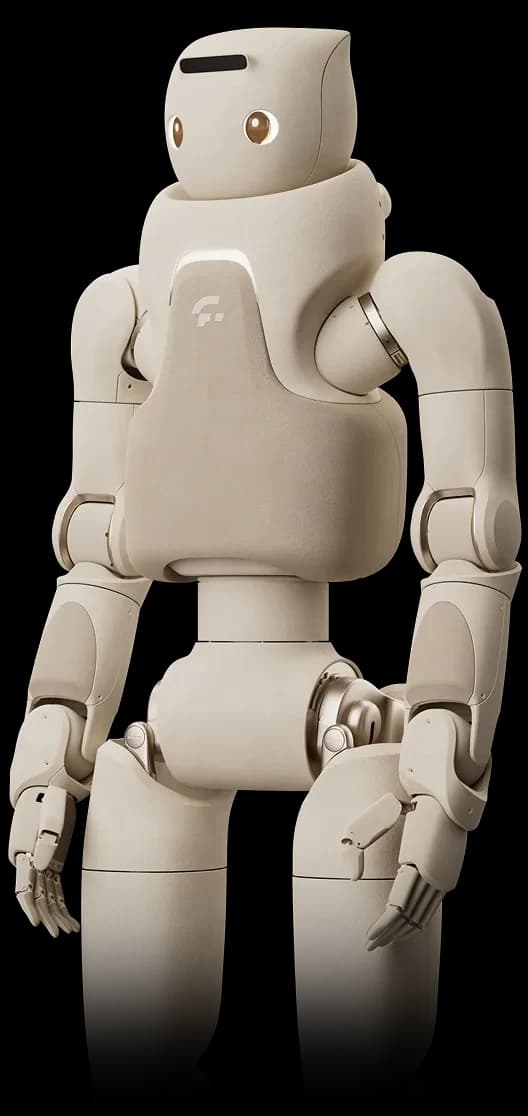
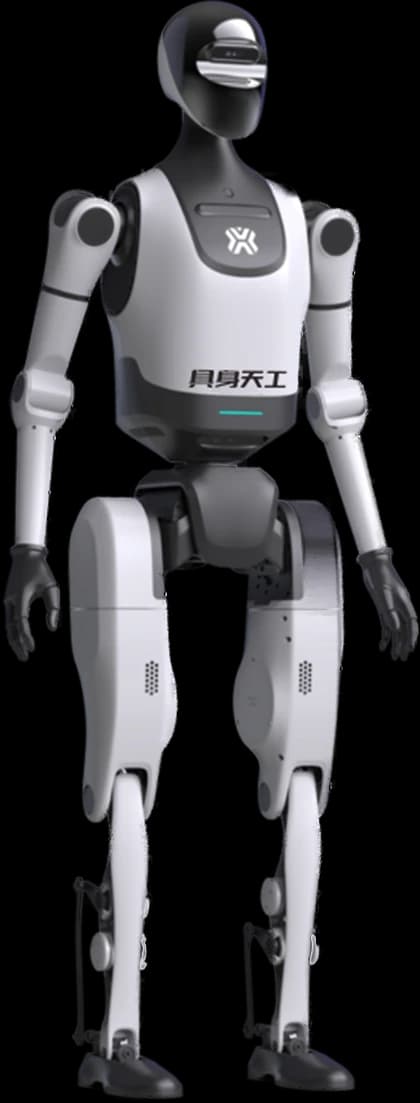
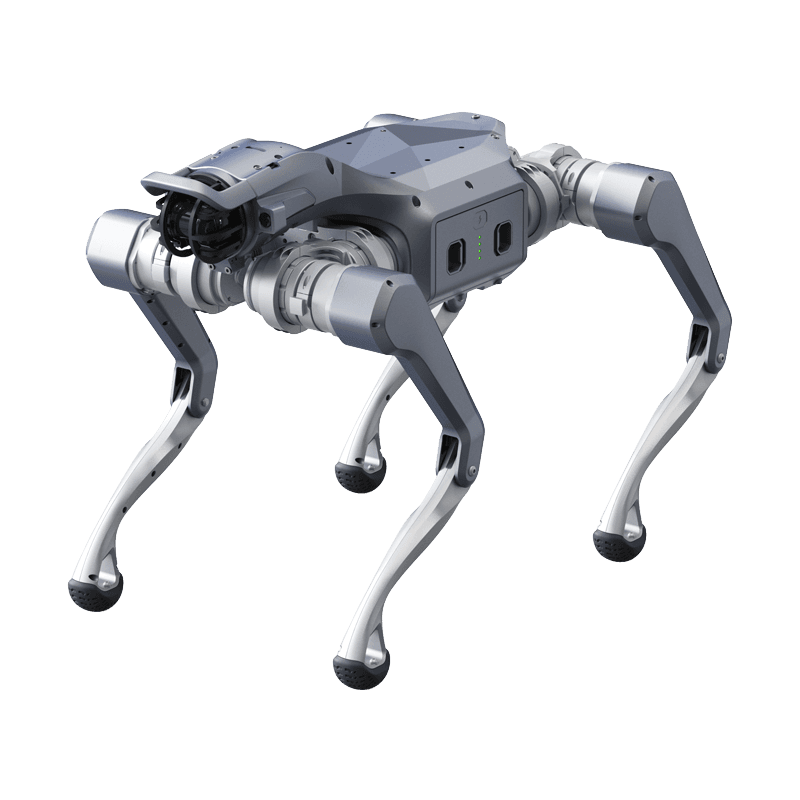
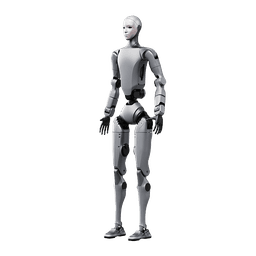
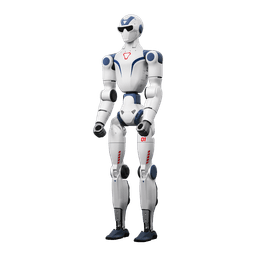
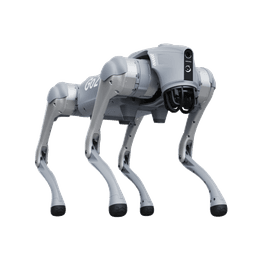
That lead is no accident: Unitree first mastered quadrupeds (today the Unitree Go2 is the world's best-selling robot dog), then carried that expertise into humanoids. Its flagship Unitree G1 and industrial Unitree H2 are now used worldwide, from research labs to factories.
How much is a humanoid robot investment? Project-based pricing
As the technology matures, humanoid robots are now on the agenda of businesses, not just research labs. But there is an important point to understand: there is no single "list price." The real investment depends on the model you choose (G1, H2 or the Go2 quadruped), the configuration, the use case and the project scope.
In Turkey, pricing also covers items such as import, taxation, official warranty, installation and facility-specific integration. So the right approach is not to look at a "how much" list but to request a quote tailored to your project: tell us about your facility, goals and use case, and we'll determine the most suitable model and configuration and provide a clear, transparent quote. Review the models and variants on our Unitree pricing page, and contact us for a project-specific quote.
How much is China investing in the robotics sector?
Unitree's rise is not just a company story; behind it is a state-backed industrial strategy. Per TIME, Chinese cities have invested over $26 billion in humanoids since late 2024; Hangzhou's sci-tech fund alone is $14 billion. President Xi Jinping called humanoids a "new growth driver" and the Ministry of Industry labeled them "disruptive innovation."
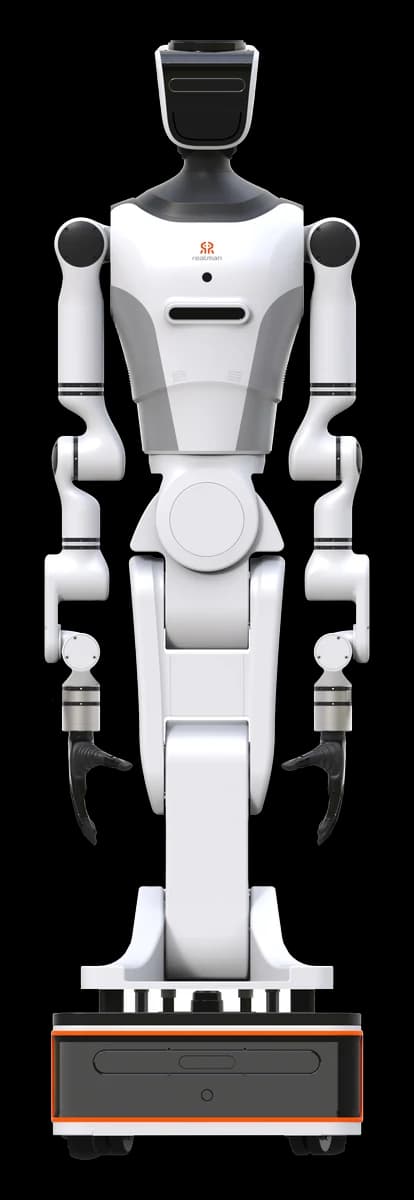
The result: more than 140 Chinese firms now build humanoid robots. This intense competition both matures the technology quickly and drives prices down, an opportunity for the global buyer, a risk for latecomers.
How big will the humanoid robot market be in 2035 and 2050?
The numbers are staggering. Unitree's Q1 2026 revenue surged 68% year-over-year to $62 million. In the bigger picture, Morgan Stanley projects 13 million humanoids worldwide by 2035, 1 billion by 2050, and a $5 trillion industry.
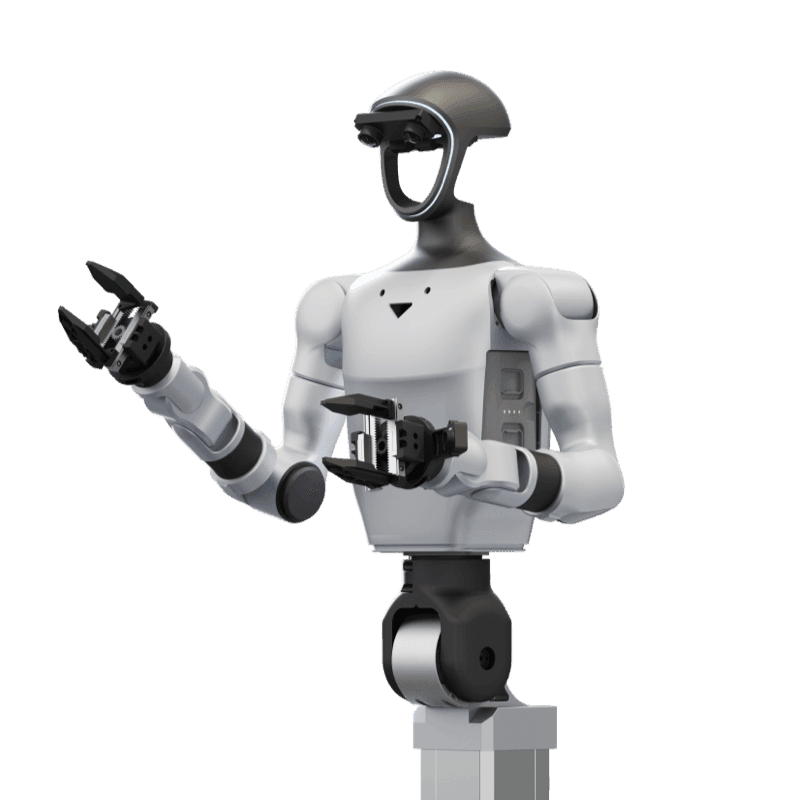
Competition is heating up too: Tesla (Optimus, targeting 10 million units a year), Figure and Agility are moving aggressively. But in Elon Musk's own words: "We don't see any significant competitors outside of China." This suggests Chinese makers like Unitree will shape the market over the next decade.
What can these robots actually do today?
To be honest, the technology is still early: Wang Xingxing says so himself. Per TIME, today's humanoids operate at 30-50% of human efficiency on general factory and warehouse tasks and remain largely task-specific. About 74% of sales go to research institutions and only 9% to industry.
The biggest hurdle is generalization: a robot can struggle when lighting or object position changes slightly, because; unlike language models; collecting real-world 3D data is expensive and slow. Wang estimates the "ChatGPT moment" (robots executing 80% of commands in 80% of unfamiliar environments) is 2 to 10 years away. We're at the very beginning: a strategic window for early adopters.
How can I acquire these robots safely in Turkey?
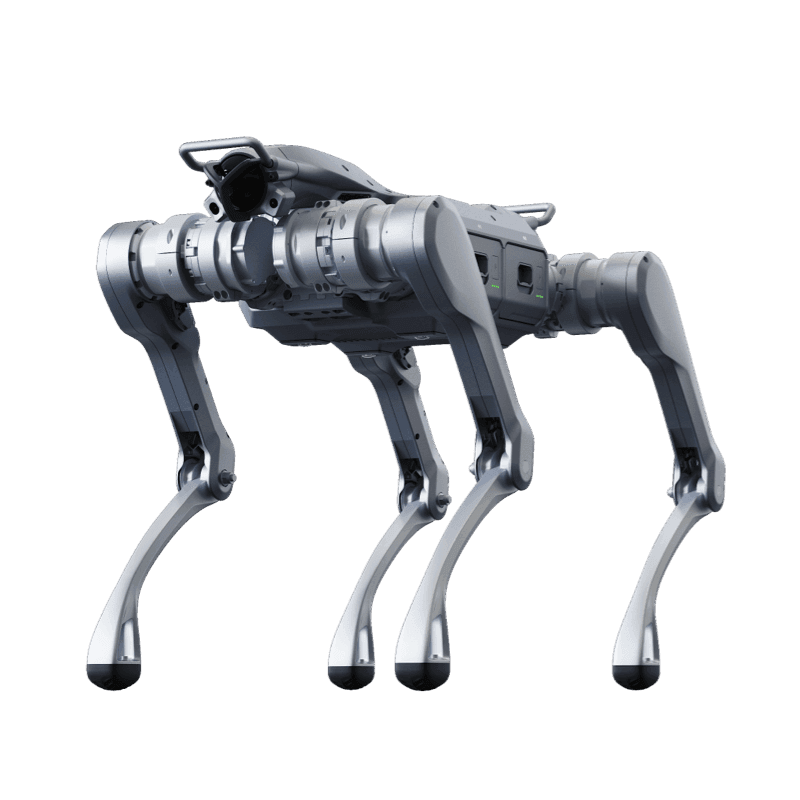
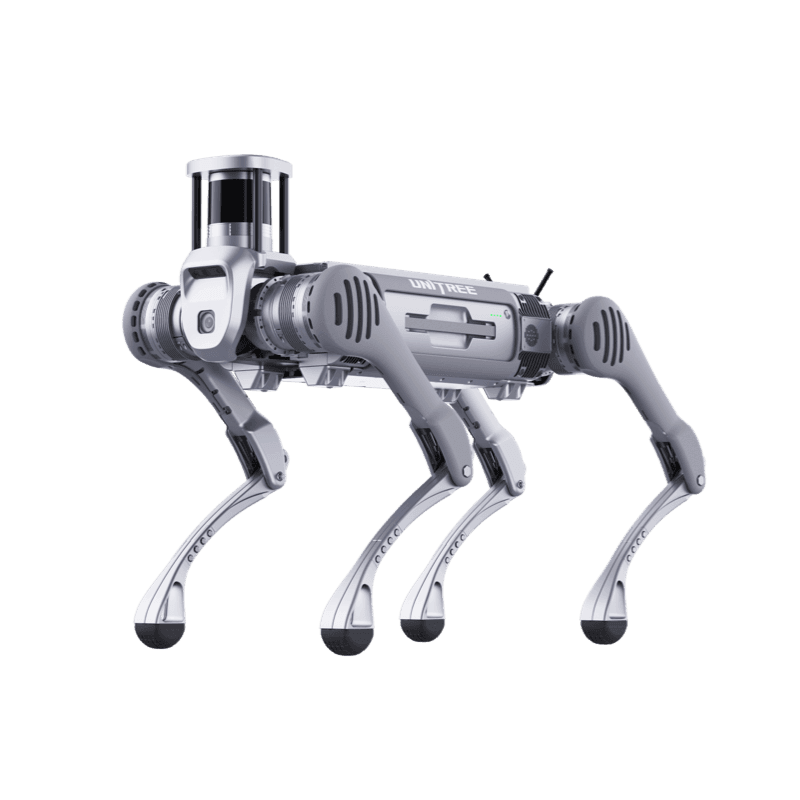
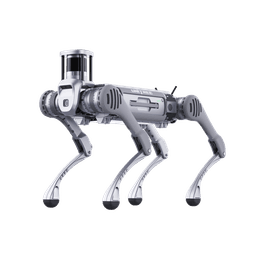
This is exactly where robotlar.org comes in. We are the official Unitree Robotics partner in Turkey. From the G1, H2 and R1 humanoids to the Go2 and B2 quadrupeds, we supply the full lineup with genuine products, official warranty and invoicing.
In an enterprise deployment, what matters is not just buying the robot but running it safely and sustainably: up-to-date software/security updates, genuine spare parts, on-site commissioning and engineering support across Turkey, staff training and facility-specific configuration. To get a free site survey and a clear quote for your project, contact us.