Skip to content
Robotlar

UBTECH Walker S

Industrial Humanoid Robot with 41 Force-Feedback Joints

Height
1,7 m
Full-size humanoid
Joints
41
With force feedback
Navigation
U-SLAM
3D semantic map
Grasping
6B duruş
Hand-eye coordination
OS
ROSA 2.0
Robot operating system
Structure
Katı-esnek
Hybrid coupling

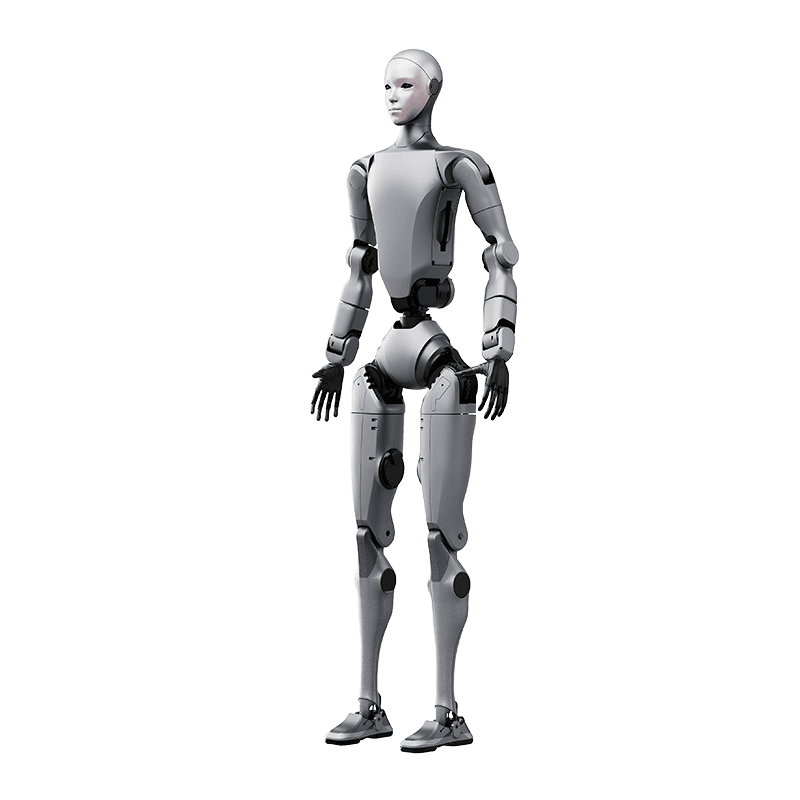
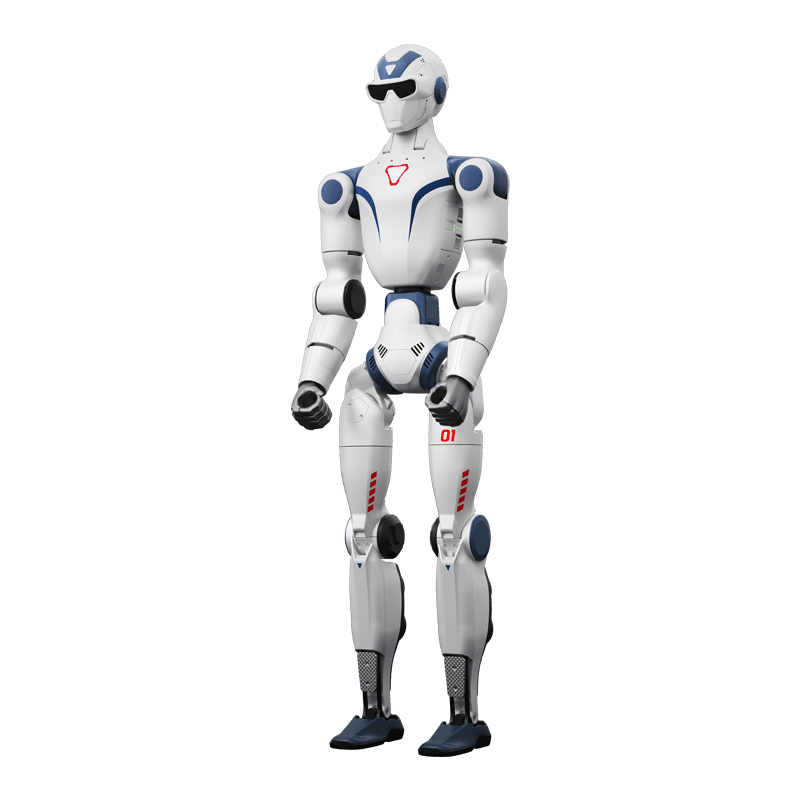
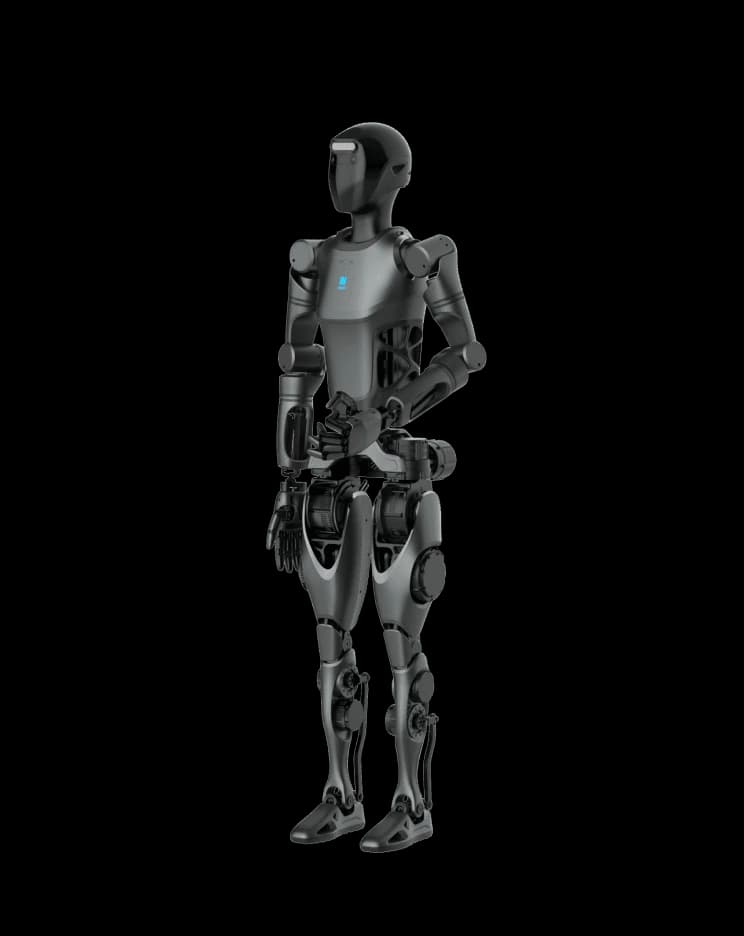
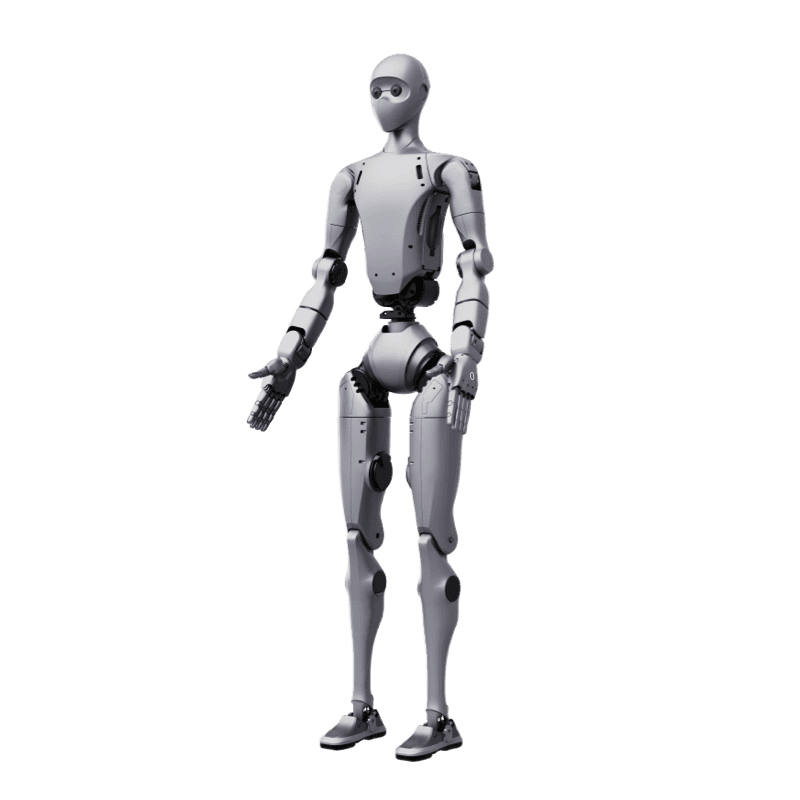
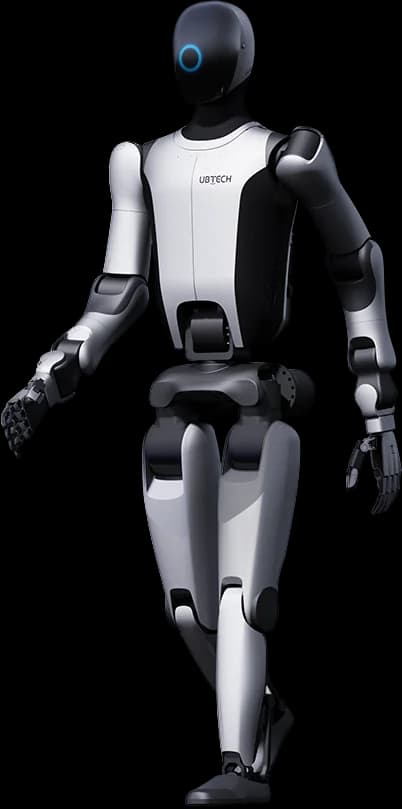
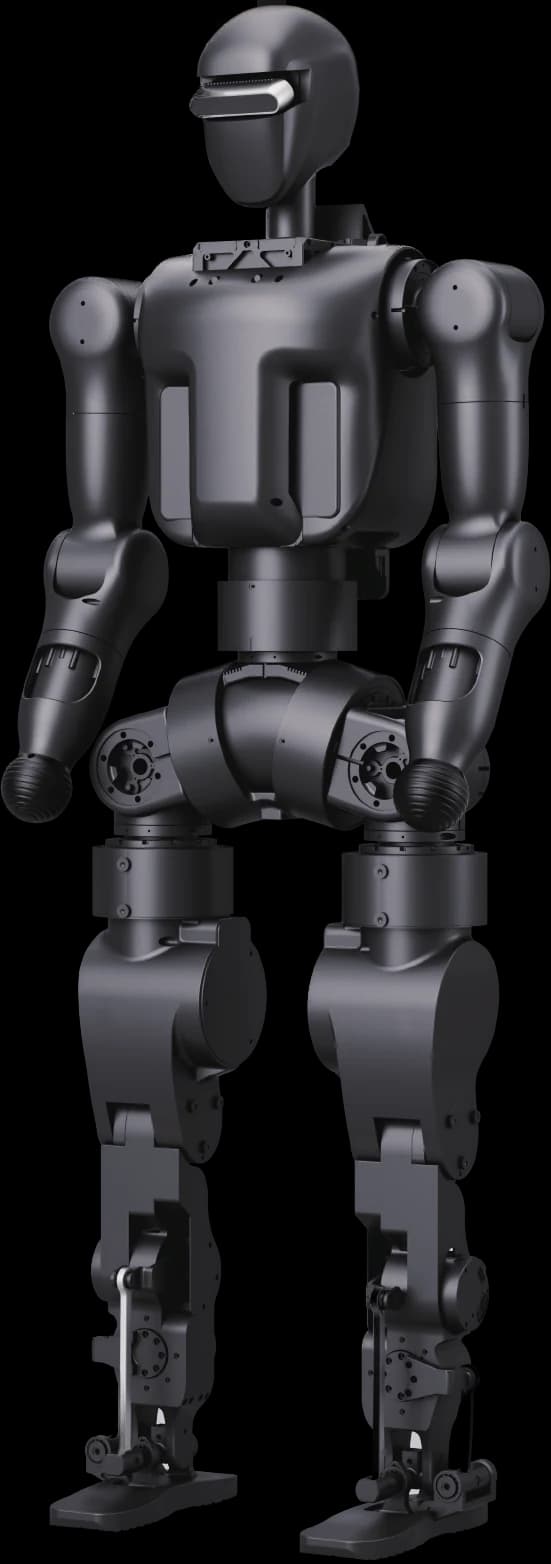
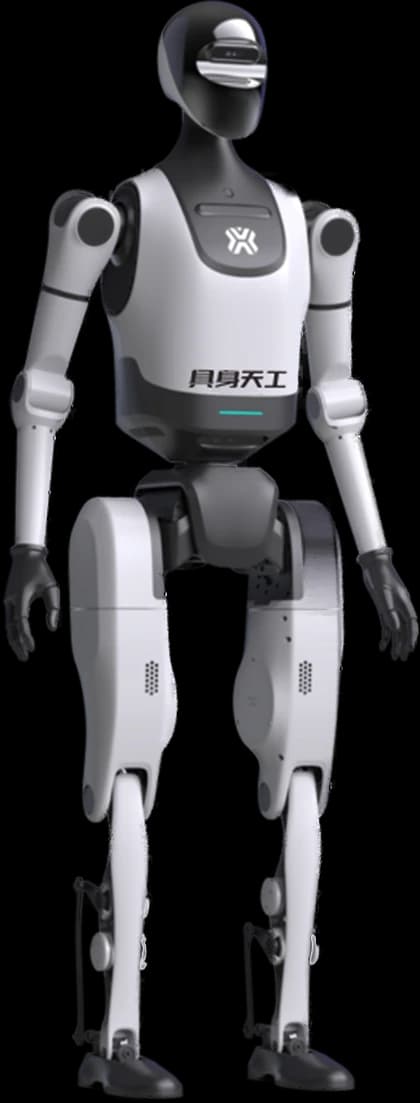
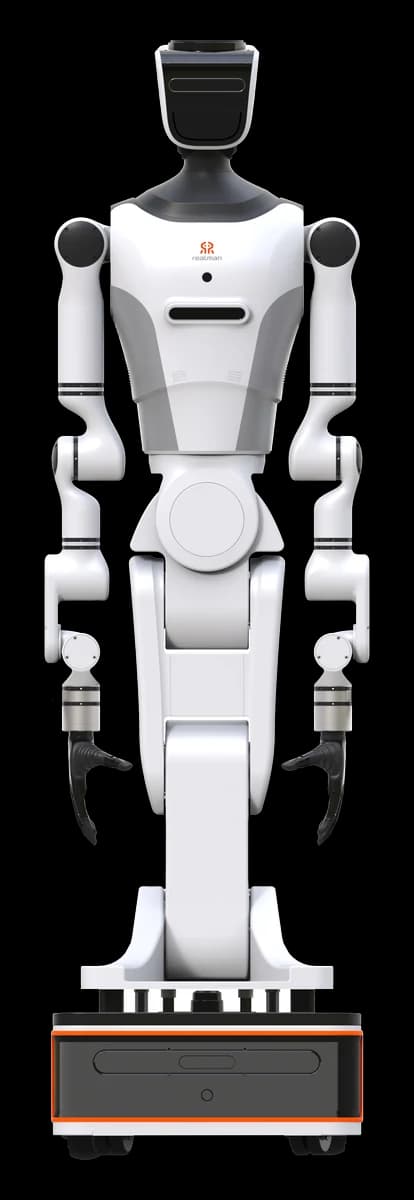
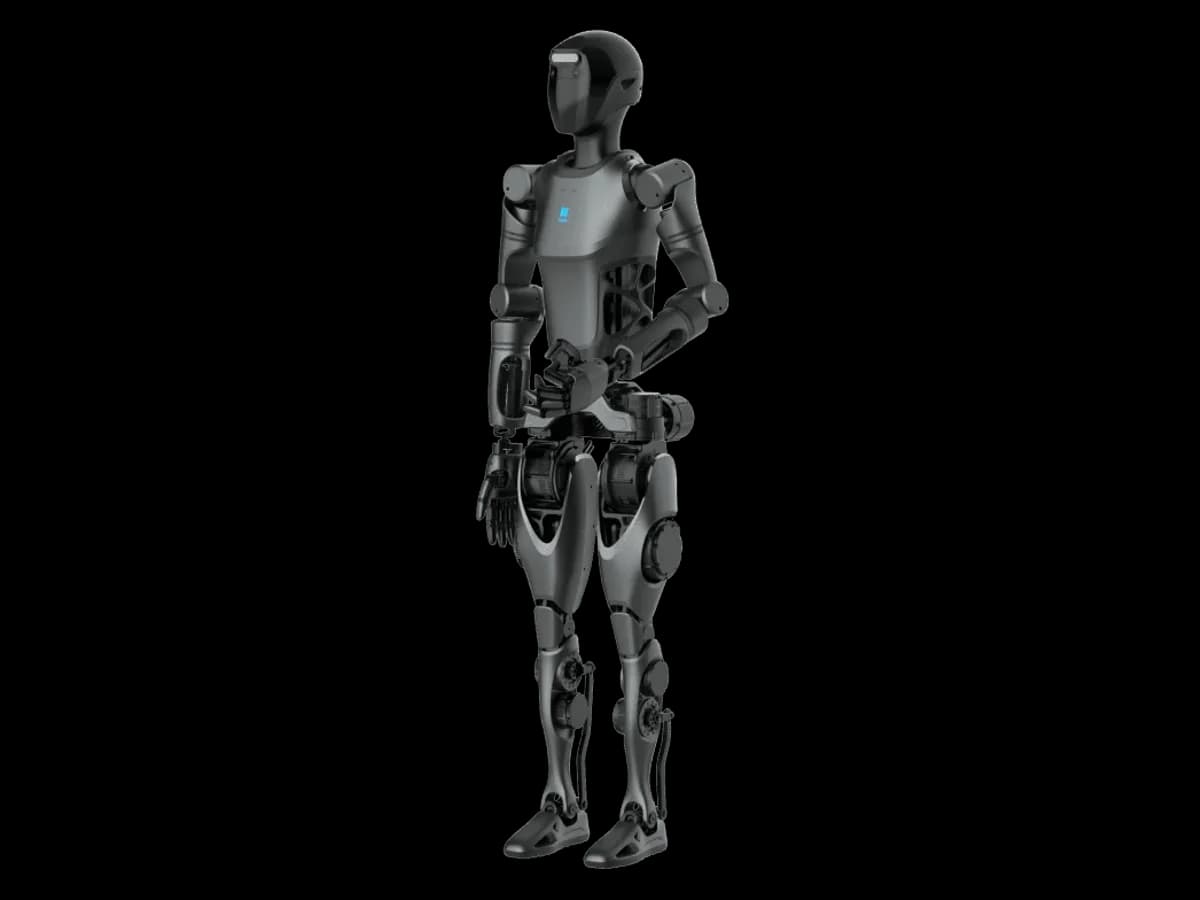
The UBTECH Walker S is a 1.7 metre industrial humanoid robot. It carries 41 servo joints with force feedback, force-compliant drive joints and a rigid-flexible coupling hybrid structure.

Read more

On perception, visual, audio and distance sensors are combined through multi-modal fusion; built-in high-resolution RGBD sensors build 3D semantic maps and U-SLAM provides 3D point cloud semantic navigation. By processing the point cloud the robot recognises the 6D pose of complex objects and grasps them with hand-eye coordination. On software it describes the ROSA 2.0 operating system, multimodal large-model decision making, a graphical interface, teleoperation and AIoT support.

Enterprise supply · specification support · integration engineering

Overview

The UBTECH Walker S is a 1.7 metre humanoid robot developed for multi-task industrial scenarios. We supply UBTECH platforms to corporate projects in Turkey through enterprise supply, commissioning and technical integration. Configuration, delivery terms and investment are set by corporate quotation.

What defines the robot is its 41 servo joints with force feedback. A force-compliant drive joint behaves according to the force it meets rather than tracking a position command; the robot does not push when it hits an obstacle, it can match grip force to the object, and it can correct within a motion against a disturbance to its balance. The body uses a rigid-flexible coupling hybrid structure.

On perception, visual, audio and distance sensors are combined through multi-modal fusion with dynamic environment exploration. Built-in high-resolution RGBD sensors build a 3D semantic map, and U-SLAM with 3D point cloud semantic navigation plans routes that avoid obstacles.

On manipulation the robot processes the 3D point cloud to recognise the 6D pose of complex objects and grasps them through hand-eye coordination. A 6D pose means knowing the angle an object sits at as well as where it is, which is the condition for working with irregularly placed parts.

On software it describes the ROSA 2.0 robot operating system, multimodal large-model decision making, a graphical interface, teleoperation and AIoT support.

The published numeric values are limited to 1.7 metres of height and 41 servo joints.
The UBTECH Walker S in motion

3 videos: manufacturer footage and field recordings. Tap a cover to play.

UBTECH Walker S product video
  • UBTECH Walker S product video
  • UBTECH Walker S product video 2

Key Advantages

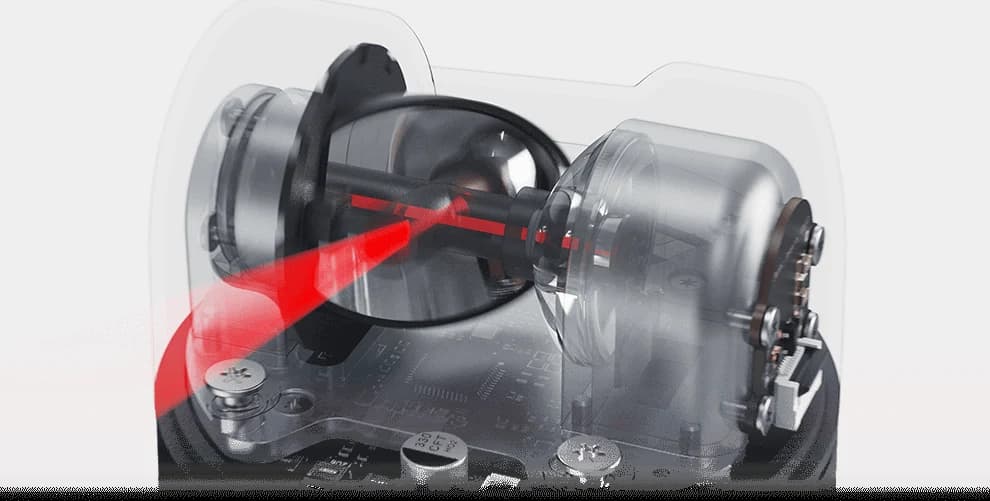
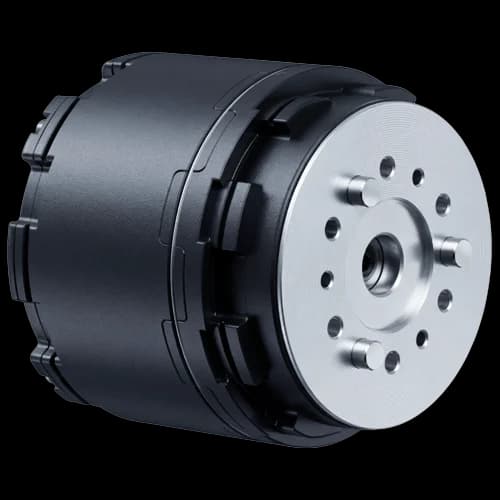
41 Joints with Force Feedback

What defines the Walker S is not the joint count but that the joints carry force feedback.

  • A force-compliant drive joint behaves according to the force it meets rather than blindly tracking a position command: the robot does not push when it hits an obstacle, it can modulate grip force while holding an object, and it can correct within a motion against a disturbance to its balance.
  • For a robot sharing space with people in an industrial setting, that is the foundation of the safety side.
UBTECH Walker S, 41 Joints with Force Feedback

3D Semantic Mapping and U-SLAM

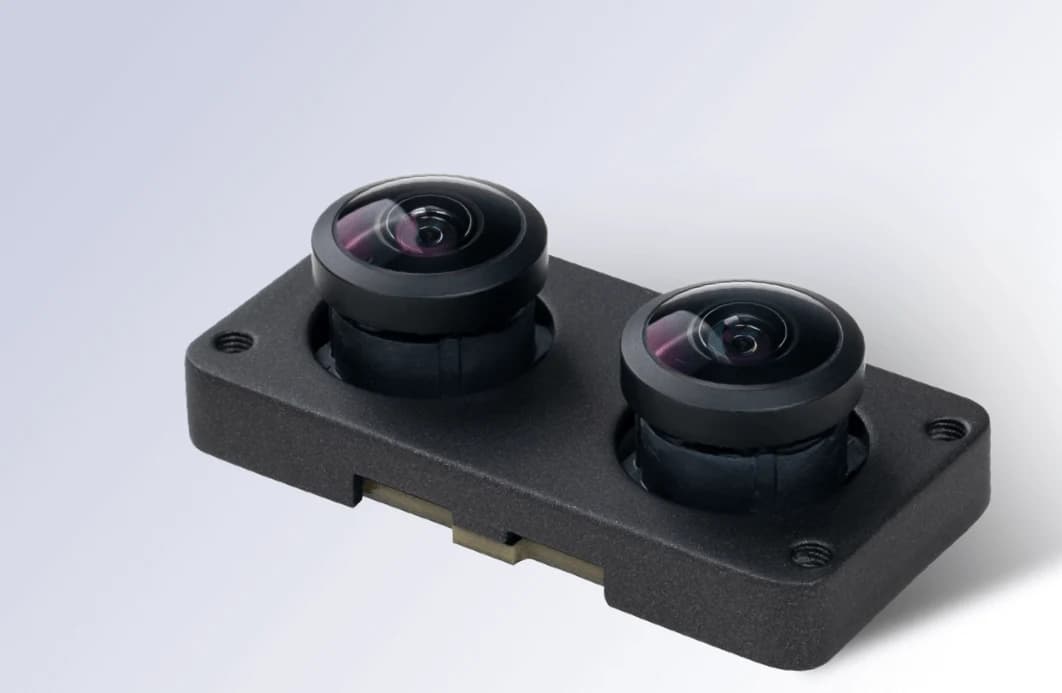
With built-in high-resolution RGBD visual sensors the robot observes its surroundings, builds a 3D semantic map and plans walking routes while avoiding obstacles.

  • Unlike a geometric map, a semantic map also records what the things it sees are, which makes place-bound instructions possible.
  • The manufacturer also states that it fuses visual, audio and distance sensors multi-modally and performs dynamic environment exploration.
UBTECH Walker S, 3D Semantic Mapping and U-SLAM

6D Pose Recognition and Grasping

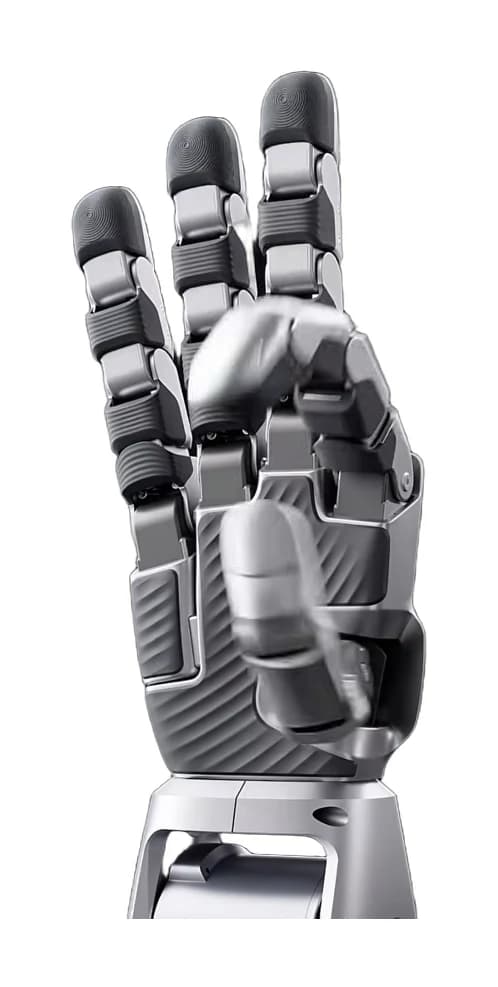
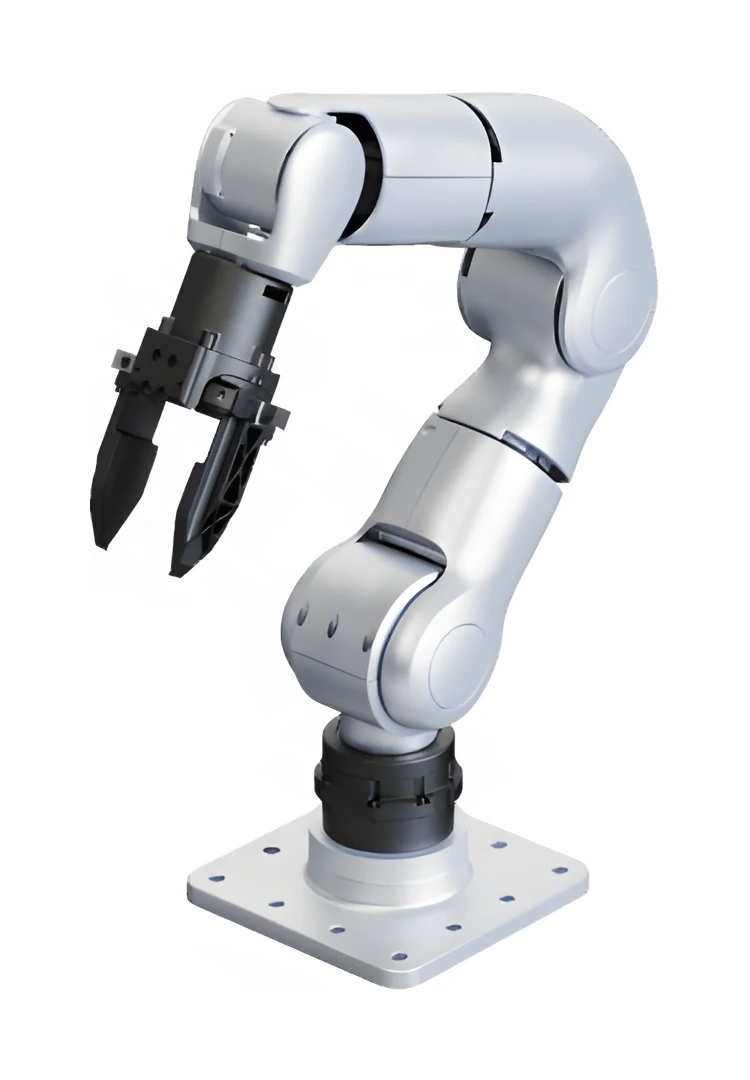
By processing 3D point cloud information the robot can recognise the 6D pose of complex objects and complete a grasp through hand-eye coordination.

  • A 6D pose means knowing not just where an object is but which way and at what angle it sits.
  • For a robot that has to pick parts placed irregularly, that is where it departs from classical automation picking from a fixed position.
UBTECH Walker S, 6D Pose Recognition and Grasping

The UBTECH Walker S up close

4 images; tap to enlarge.

Technical Specifications

20 values in 6 categories; data published by the manufacturer.

General structure
Mobility form
Bipedal humanoid with autonomous adaptation to all terrain and balance under external disturbance
Degrees of freedom
41 servo joints with force feedback
Materials
A rigid-flexible coupling hybrid structure with force-compliant drive joints
Manufacturer note
Single arm length 600 mm; optional E-skin can be equipped.
DoF layout
41 servo joints with force feedback.
Structure and materials
1.7 metres tall with force-compliant drive joints and a rigid-flexible coupling hybrid structure
Joint module
A force-compliant drive joint that responds to the force it encounters rather than tracking a position command
Size and weight
Dimensions (standing)
1.7 m tall
Weight
65 kg
Arm reach
Single arm length 600 mm
Motion and performance
Joint torque
Up to 300 Nm
Motor speed
Up to 130 rpm
Navigation
U-SLAM + 3D point cloud semantic navigation
Power and runtime
Battery
Detachable battery with a quick-swap solution
Runtime
Approximately 2.5 hours
Sensors and connectivity
Sensors
Multi-camera stereo vision
Interaction
An 8-inch curved AMOLED head display; a six-microphone array with 360 degree auditory perception
Screen
8-inch curved AMOLED head display
Software and development
Processor
The ROSA 2.0 robot operating system and multimodal large-model decision making are described.
Software features
High-resolution RGBD visual sensors and multi-modal fusion of visual, audio and distance sensors; U-SLAM with 3D point cloud semantic navigation; 6D object pose recognition from the point cloud

Sources and documents

Verified on the manufacturer page on 18 September 2026.

An itemised quote for the UBTECH Walker S is prepared by configuration, quantity and delivery scope.

Technical Analysis of the Force-Compliant JointDesign decisions, comparison table and evaluation

Why Force Feedback

Industrial robot arms have been position-controlled for decades: they go to the commanded point whatever lies in the way. In a caged cell that is fine. On a humanoid sharing space with people it is unacceptable. A force-feedback joint measures force at contact and responds, so the robot neither pushes a person nor crushes the part it holds. That all 41 of the Walker S's joints carry force feedback is the choice that moves the robot from a demonstration machine toward a platform able to work beside people.
Its Place in the Family

The Walker S is the first generation in the family's industrial line. The Walker S1 that followed advanced the software side (task planning with a large language model, semantic VSLAM), and the Walker S2 advanced hardware and continuity (52 degrees of freedom, a ±162 degree waist, a 15 kg payload, autonomous battery swapping). The 1.7 metres and 41 joints the Walker S publishes are more transparent than the S1 giving no numbers at all, and less complete than the S2's full card. The practical conclusion for a plant is that the three models, though one family, sit at different levels of maturity.

The Industrial Line of the Walker Family

FeatureUBTECH Walker SUBTECH Walker S1UBTECH Walker S2
Height1.7 m1.7 m176 cm
Joints41 (force feedback)-52 degrees of freedom
NavigationU-SLAM + 3D point cloudTwo-stage semantic VSLAM-
SoftwareROSA 2.0LLM task planningCo-Agent, BrainNet 2.0
Continuity--Autonomous battery swap

Engineering Assessment

The strongest aspects of the Walker S are that force feedback is present in all 41 joints and that perception is built on multi-modal fusion. Grasping with 6D pose recognition is also the right choice for work with irregularly placed parts. The newer Walker S2 both publishes more figures and leads on shift continuity. Our recommendation to a plant evaluating the Walker S today is to request a full technical breakdown from the manufacturer and to run the comparison against the S2.

Purchasing support

Get a quote for the Walker S

Robotic system costs are optimised according to the selected hardware platform, additional sensor and payload configurations, and the integration scenarios specific to your site. Share your requirements and our engineering team will prepare a feasibility report and a pro forma quotation tailored to your organisation.

  • Supply and delivery scheduling backed directly by the manufacturer
  • Site- and mission-focused technical feasibility and simulation
  • Turnkey hardware, software and mission integration
  • Advisory on corporate tenders, specifications and administrative processes

Direct contact and advisory line: 0850 532 6 777

Add project details (optional)

Product of interest: Walker S

Walker S: Frequently Asked Questions

The most common questions about the UBTECH Walker S.

Can the UBTECH Walker S be bought in Turkey?

We deliver UBTECH hardware to corporate projects through enterprise supply, commissioning and engineering support. Investment is set by corporate quotation against configuration, quantity and delivery terms. If you have a corporate requirement we can assess the sourcing route and timeline together. If you are looking for a full-size humanoid deliverable today, the Unitree H2 can be ordered in Turkey.

What is the difference between a force-compliant joint and a normal one?

A normal servo joint follows a position command: it goes to the stated angle whatever lies in the way. A force-compliant joint measures the force it meets and behaves accordingly. The result shows up in two places: the robot does not push when it hits an obstacle or a person, and it can match grip force to the object it holds.

Other robots in this category