Skip to content
Robotlar
UBTECH

UBTECH Walker S1

Industrial Humanoid Robot Working on Car Assembly Lines

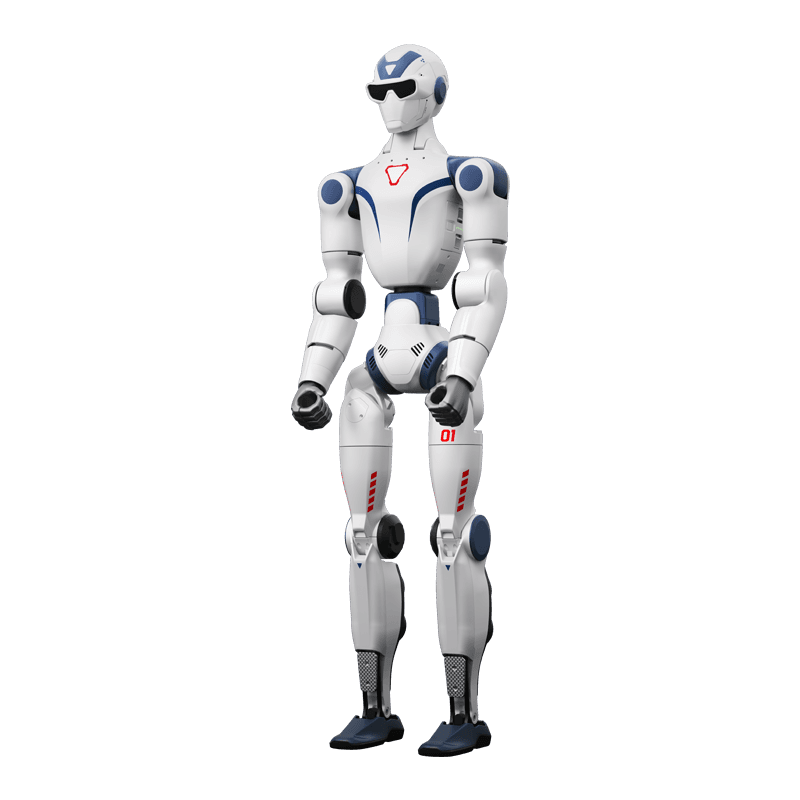
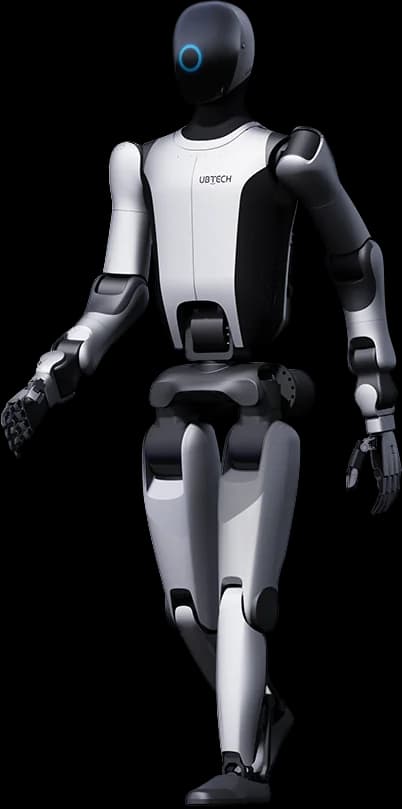
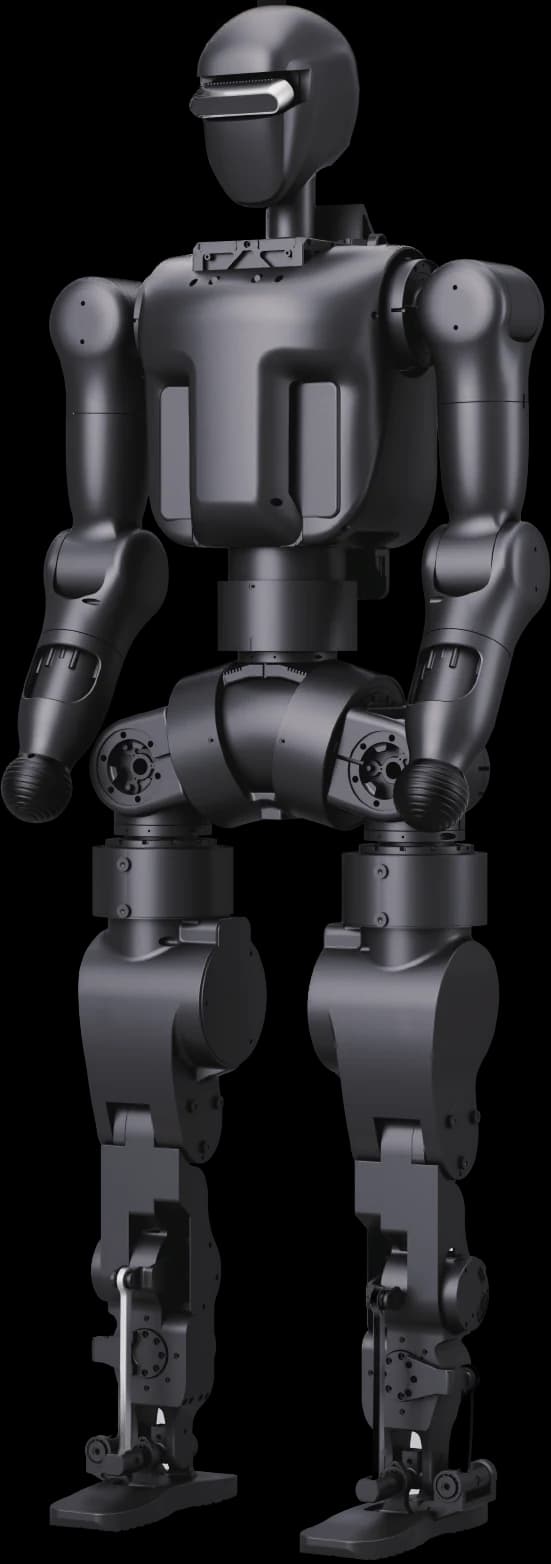
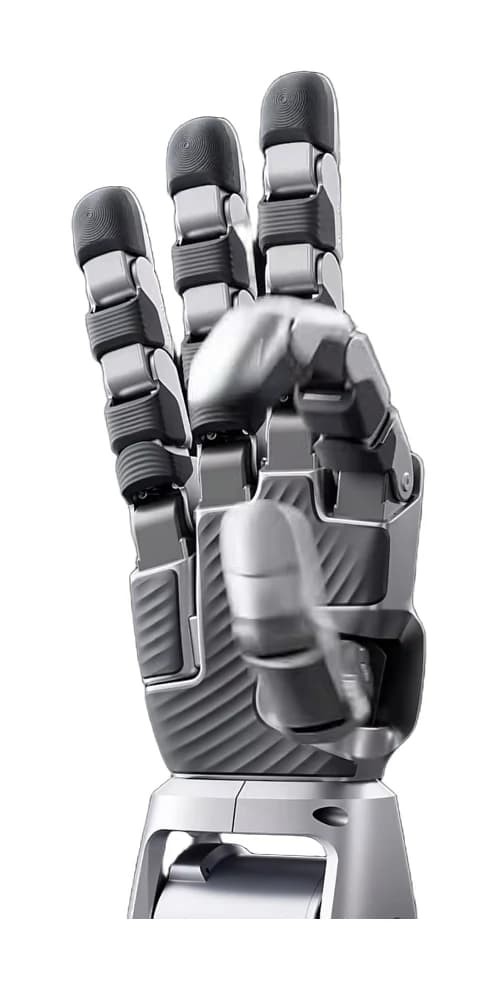
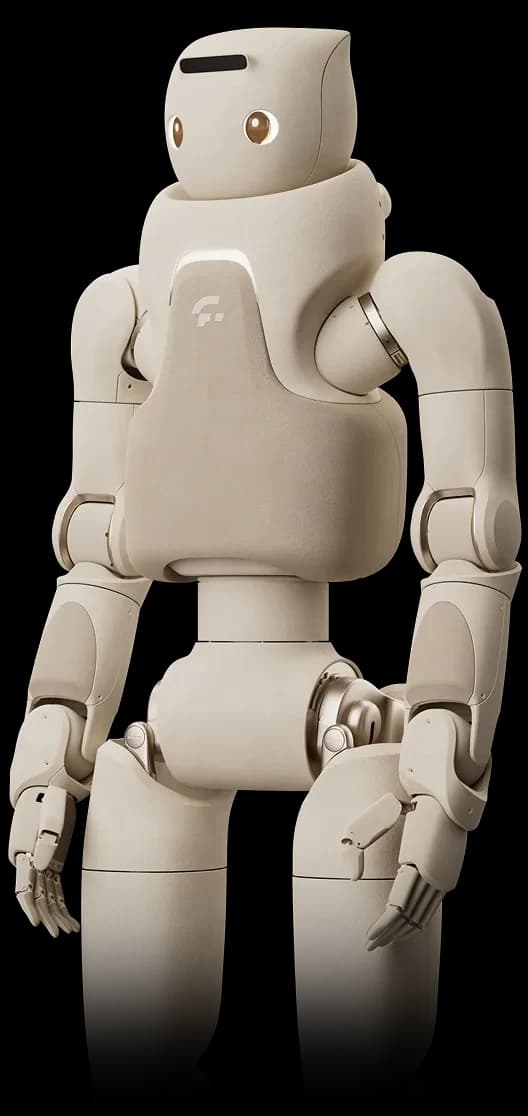
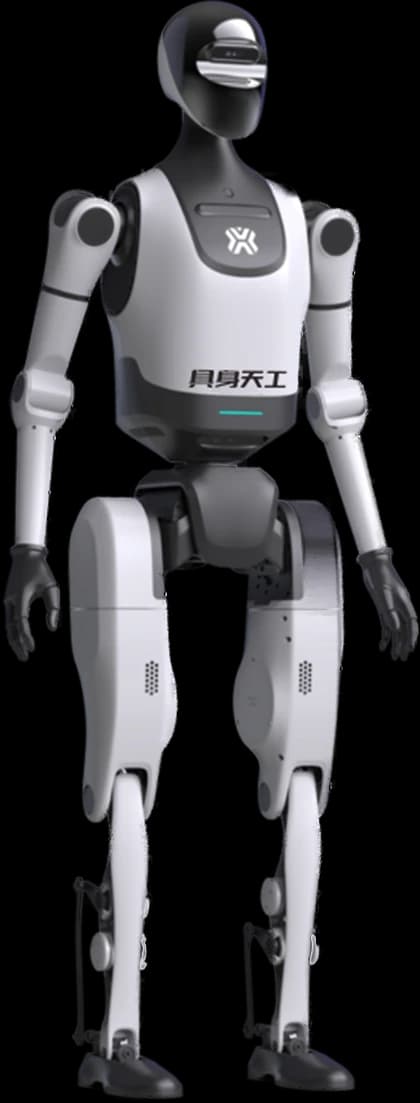
The UBTECH Walker S1 is a humanoid robot developed for multi-task industrial scenarios. UBTECH states that it has placed the robot on car production lines, where the robots work alongside autonomous logistics vehicles and AMR/AGV systems through smart manufacturing management systems. On software it describes a large language model for general task planning, a two-stage semantic navigation that tightly couples semantic perception with classical VSLAM, and learning-based whole-body motion control. that it targets three core problems in the industrial use of humanoids: visual positioning under varying lighting and environmental conditions, motion control under dynamic high-load conditions, and joint cooling during long-term operation under high load.

DeploymentMontaj hattıCar manufacturing
NavigationAnlamsal VSLAMTwo-stage
PlanningLLMGeneral task
ControlTüm gövdeLearning-based
CollaborationAMR/AGVLine integration
DimensionsHeight and weight

PRICE

Project quote

Configuration, delivery schedule and investment figure are set by project scope. From your specification we prepare the supply plan from the manufacturer line and the integration scope.

Enterprise supply · specification support · integration engineering

Overview

The UBTECH Walker S1 is a humanoid robot developed for multi-task industrial scenarios. We supply UBTECH platforms to corporate projects in Turkey through enterprise supply, commissioning and technical integration. Configuration, delivery terms and investment are set by corporate quotation.

The manufacturer's most significant claim is field deployment. UBTECH states that it has placed the Walker S1 on car production lines, where the robots work with autonomous logistics vehicles and AMR/AGV systems through smart manufacturing management systems.

Three software layers are described. A large language model for general task planning provides intent understanding and task planning. Semantic perception is tightly coupled with classical VSLAM to form a two-stage semantic navigation. An end-to-end, learning-based whole-body motion control framework that integrates perception and control is used for dexterous manipulation and stable walking.

The manufacturer writes that it targets three core problems in the industrial use of humanoids: visual positioning under varying lighting and environmental conditions, motion control under dynamic high-load conditions, and joint cooling during long-term operation under high load. All three are genuinely encountered in the field.

One important limit applies: there is no numeric specification table on the product page. Given that these figures are stated for the newer Walker S2 in the same family, they clearly exist for the S1 as well but are not shared.

QUOTE

Per project scope

Get a Quote

Field Use on a Car Assembly Line

UBTECH states that it has placed the Walker S1 on car production lines, where the robots work with autonomous logistics vehicles and AMR/AGV systems through smart manufacturing management systems. That is an important distinction in the humanoid debate: a demonstration video and coordinated work with other automation on a line are different levels of maturity.

Three Industrial Problems

The manufacturer writes that the Walker S1 targets three problems, and all three are genuinely encountered in the field. The first is visual positioning under varying lighting and environmental conditions: light in a factory changes through the day and purely visual localisation drifts. The second is motion control under dynamic high load: the balance model changes while the robot carries a load. The third is joint cooling during long-term high-load operation, since a continuously working joint heats up and loses torque. Naming these three is the mark of a team that knows the problem.

Three Industrial Problems

Semantic Navigation and Task Planning

In navigation, semantic perception is tightly coupled with classical VSLAM to form a two-stage semantic navigation. The practical difference is that the robot writes not only walls and corners into the map but also what the things it sees are, so an instruction can be tied to a place. The large language model used for general task planning adds intent understanding and task planning. No measured performance data has been published for these layers.

Semantic Navigation and Task Planning
ROBOT IN ACTION

Walker S1; Live Demonstration

ENGINEERING ANALYSIS

Analysis of an Industrial Humanoid That Reached the Field

Almost No Numbers Are Published

The Walker S1 product page describes capability and architecture but gives no numbers. Given that 176 cm, 70 kg, 52 degrees of freedom and 2 m/s are published for the newer Walker S2 in the same family, the S1 clearly has such figures but does not share them on the page. For a plant planning to put robots on a line that is a gap: cycle time, reach envelope and layout cannot be worked out without those numbers.

The Difference Between the S1 and the S2

The two models share the same industrial goal but belong to different generations. The S1's emphasis is software: task planning with a large language model, semantic VSLAM and learning-based whole-body control. The S2's emphasis is hardware and continuity: autonomous battery swapping, a waist rotating ±162 degrees, a 15 kg payload and 52 degrees of freedom. The S2 page also advances the software side with the Co-Agent and BrainNet 2.0. The practical conclusion for a plant is that the S2 has a clear advantage in shift continuity.

The Walker S1 Within Its Family and Against Others

FeatureUBTECH Walker S1UBTECH Walker S2Unitree H2
Height-176 cm182 cm
Degrees of freedom-5231
Payload-15 kg7 kg (arm)
Uninterrupted operation-Autonomous battery swapApproximately 3 hours
Field deploymentCar assembly lineMass production deliveryResearch and service
Sourcing in TurkeyEnterprise supplyEnterprise supplyOrderable
ENGINEERING EVALUATION

Engineering Assessment

The Walker S1's strength is not demonstration but the field: it is reported to work in coordination with other automation on a car assembly line, and the manufacturer correctly names three real problems of industrial use. Against that, the page gives not a single numeric value, which makes technical evaluation impossible. The S2 in the same family both publishes its figures and holds a clear advantage in shift continuity. Our recommendation to a plant evaluating the Walker S1 today is to run the comparison through the S2 and to request a technical breakdown for the S1 from the manufacturer.
Details & Performance Parameters.

Physical Architecture

Dimensions
Weight

Dynamic Performance

Energy & Protection

Computing & Intelligence

CPU / Processor

On software a large language model for general task planning and learning-based whole-body motion control are described.

Smart Features

Two-stage semantic VSLAM navigation in which semantic perception is tightly coupled with classical VSLAM.

Mechanical Components

structure

A bipedal body designed for industrial use; the manufacturer lists joint cooling during long-term high-load operation as one of three problems it solves

Hardware & Materials

The New Intelligence of Operation.

Start your Walker S1 project with our experts now.

QUOTE

Get a Walker S1 Quote

There is no single list price; the investment depends on configuration and use case. Fill in the form and we will return with a clear, tailored quote.

  • Supply plan and delivery schedule from the manufacturer line
  • Technical feasibility against your project requirements
  • Integration scope and engineering support
  • Specification and documentation support for corporate procurement

Prefer to talk now: 0850 532 6 777

Product of interest: Walker S1

Walker S1 Frequently Asked Questions

The most commonly asked questions and answers about Walker S1.

We deliver UBTECH hardware to corporate projects through enterprise supply, commissioning and engineering support. Investment is set by corporate quotation against configuration, quantity and delivery terms. With organizations evaluating a humanoid for a production line we discuss the sourcing route and timeline per project. If you are looking for a full-size humanoid deliverable today, the Unitree H2 can be ordered in Turkey.

For the newer Walker S2 in the same family, 176 cm, 70 kg and 52 degrees of freedom are stated. It would not be sound to draw up a layout or calculate cycle time for the S1 without requesting its figures from the manufacturer.
Classical VSLAM builds a geometric map of the environment from camera images: walls, corners, surfaces. Semantic VSLAM adds object identity, so the robot writes into the map not just a surface but what that surface is. The practical difference is that an instruction can be tied to a place. Semantic cues also steady localisation when purely geometric matching drifts under changing light, which the manufacturer lists as one of the three problems it targets.
SIMILAR ROBOTS

Other Robots in This Category