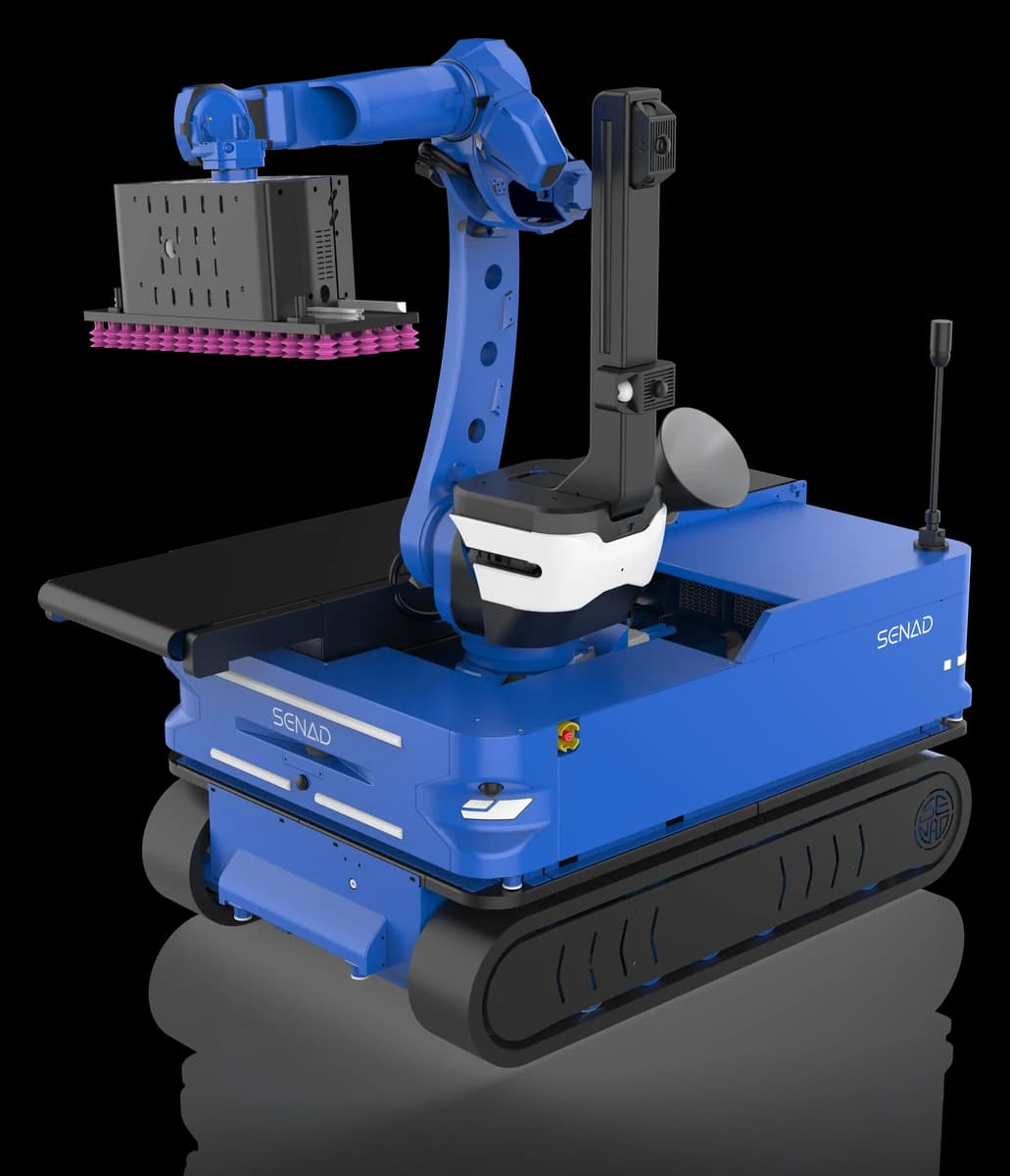
Enters the container
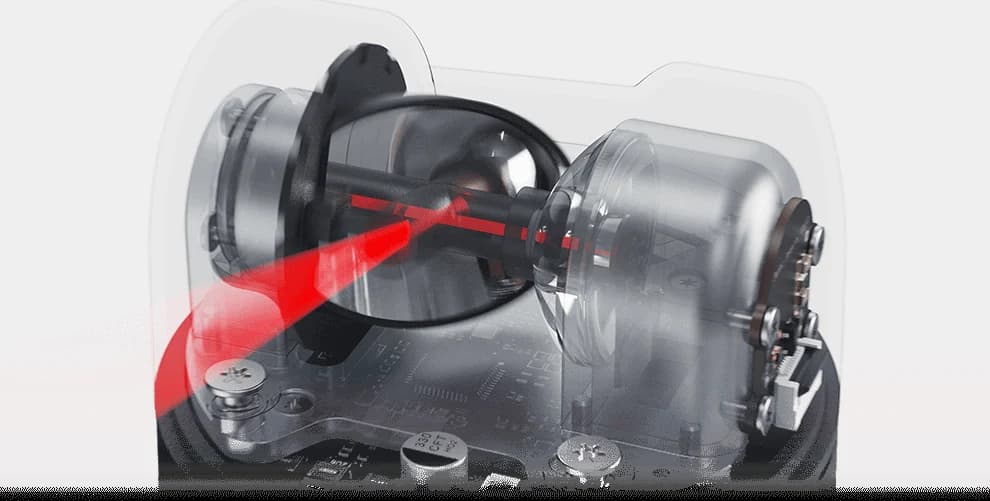
On a signal it drives to the dock by itself, enters the container or box body, finds the carton with 3D vision and carries it to the conveyor.
- At LogiMAT 2026 in Stuttgart it unloaded live inside a container.
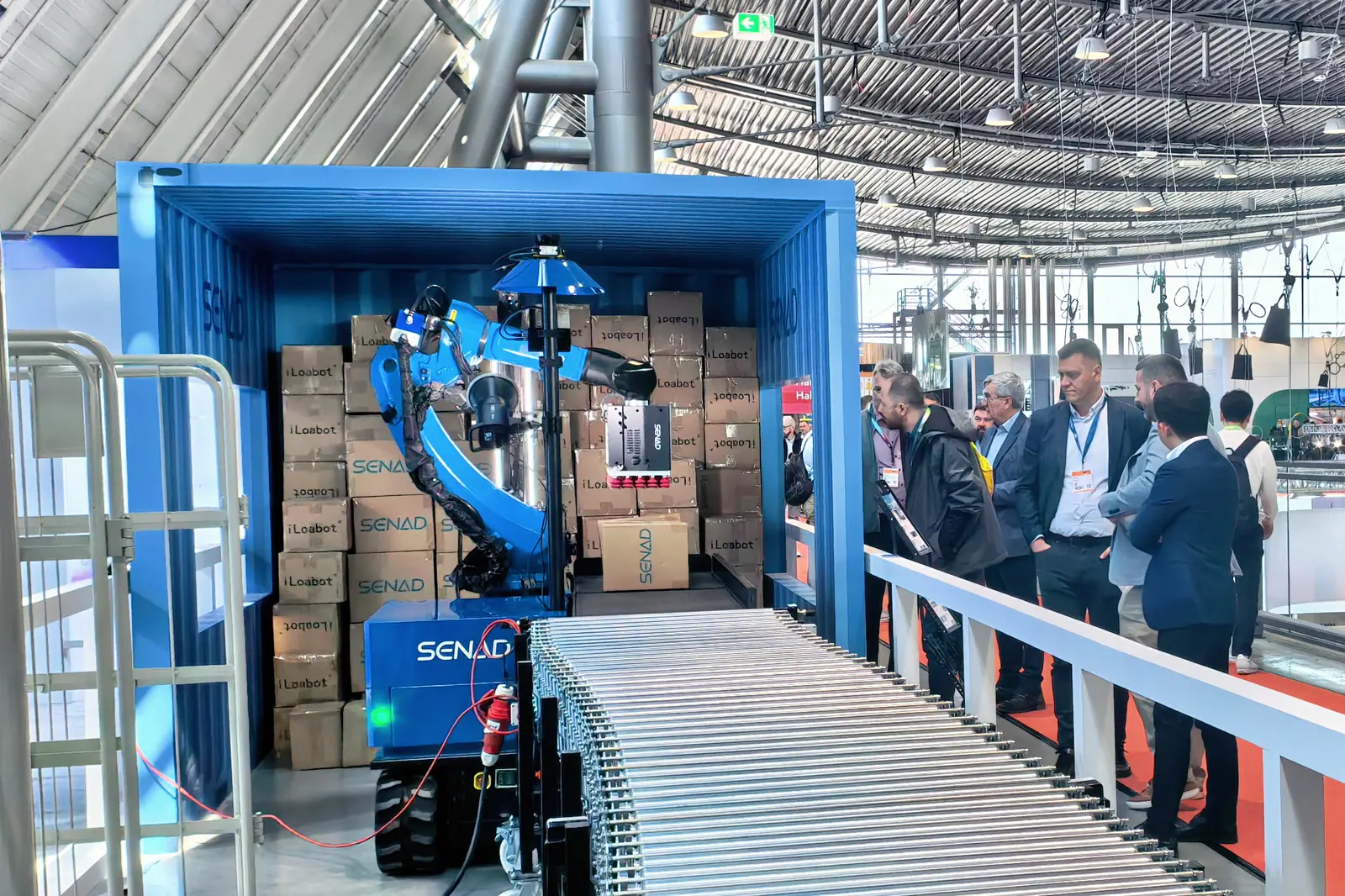
Autonomous Container and Truck Unloading Robot
The Senad iLoabot-M is a tracked autonomous unloading robot that drives into containers and box trucks by itself and unloads the cartons; it takes over the step between the dock and the vehicle that logistics calls the 'last 20 metres' without an operator.
The 1900 × 1280 × 2080 mm body weighs 1300 kg, the heavy-duty 7-axis arm carries 2-30 kg cartons with the default end effector and unloads at up to 400 cycles per hour; cases from 150 mm to 600 mm are covered, and bagged goods through interchangeable suction cups and grippers. The crawler differential chassis crosses 400 mm gaps and 800 mm obstacles and climbs ramps up to 45 degrees; the robot perceives the dock, the vehicle interior and the cargo itself, integrates with WMS and WCS and places the unloaded cartons on a conveyor.
Enterprise supply · specification support · integration engineering
The iLoabot-M is the tracked autonomous unloading robot that Shanghai-based Senad announced in 2023, the first series member of the iLoabot family. It is designed for the step logistics calls the 'last 20 metres': while sorting, stacking and transport became largely automated, vehicle unloading remained the job where a worker climbs into the compartment and lifts cartons down. On a signal the robot drives to the dock by itself, enters the container or box truck, determines the position and condition of every carton with 3D vision, picks the carton with the heavy-duty 7-axis arm and places it on the conveyor; behind it the carton flows into the sorting, palletising or cage-stacking line.
The 1900 × 1280 × 2080 mm body weighs 1300 kg and runs on a three-phase 380 VAC supply; the vacuum negative-pressure source is built into the body. The default arm and end effector carry cartons of 2-30 kg and between 150 × 150 × 150 mm and 600 × 600 × 600 mm, and the unloading rate reaches up to 400 cycles per hour; suction groups and grippers change quickly, so bagged goods and similar loads are picked as well. The crawler differential chassis crosses 400 mm gaps and 800 mm obstacles and climbs gradients up to 45 degrees; the distributed load-bearing track design keeps pressure on the vehicle floor low, and extra-high and extra-wide compartments and ramped approaches are within the operating envelope. 20 ft, 40 ft and 40 ft HQ containers and box trucks are on the compatibility list; the operating temperature is -20 to 60 °C. Multimodal perception, a physics-constrained world model and high-precision motion control adapt to different vehicle and carton types; the robot integrates with the WMS and WCS by itself, and the workflow is configured for the site on the low-code platform. The safety layer consists of 360° dual LiDAR, safety radar, intelligent alarms, push-button and intelligent emergency stop, vacuum monitoring, a gripper safety bumper, warning lights and electrical protection. Its rollout from the Shanghai factory into service in March 2024 was reported by Xinhua; it works in tobacco, beverage and parcel logistics, and the installation in which it works together with the iLoabot-P. It unloaded live inside a container at CIIF and CeMAT ASIA in 2025 and at LogiMAT Stuttgart on 24-26 March 2026. It is supplied to Turkey with enterprise supply, commissioning and engineering support; investment is set by corporate quotation against configuration, integration scope and quantity.
2 use casesThe use cases the manufacturer defines for the Senad iLoabot-M.
On a signal it drives to the dock by itself, enters the container or box body, finds the carton with 3D vision and carries it to the conveyor.
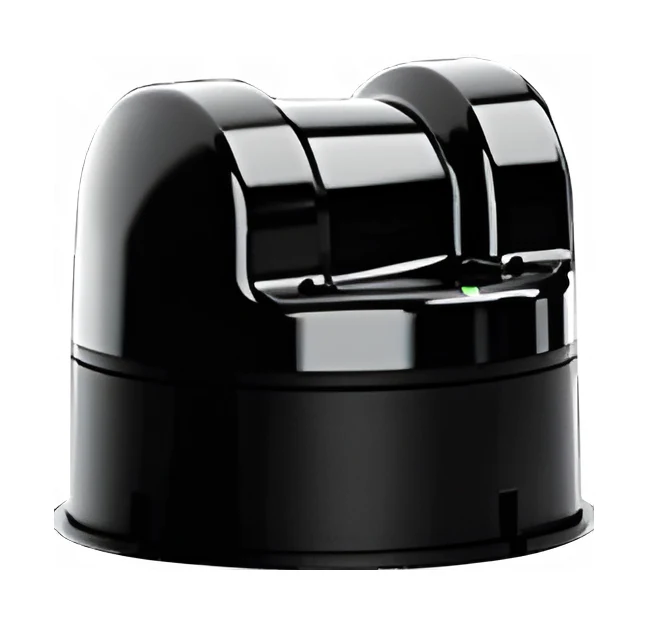
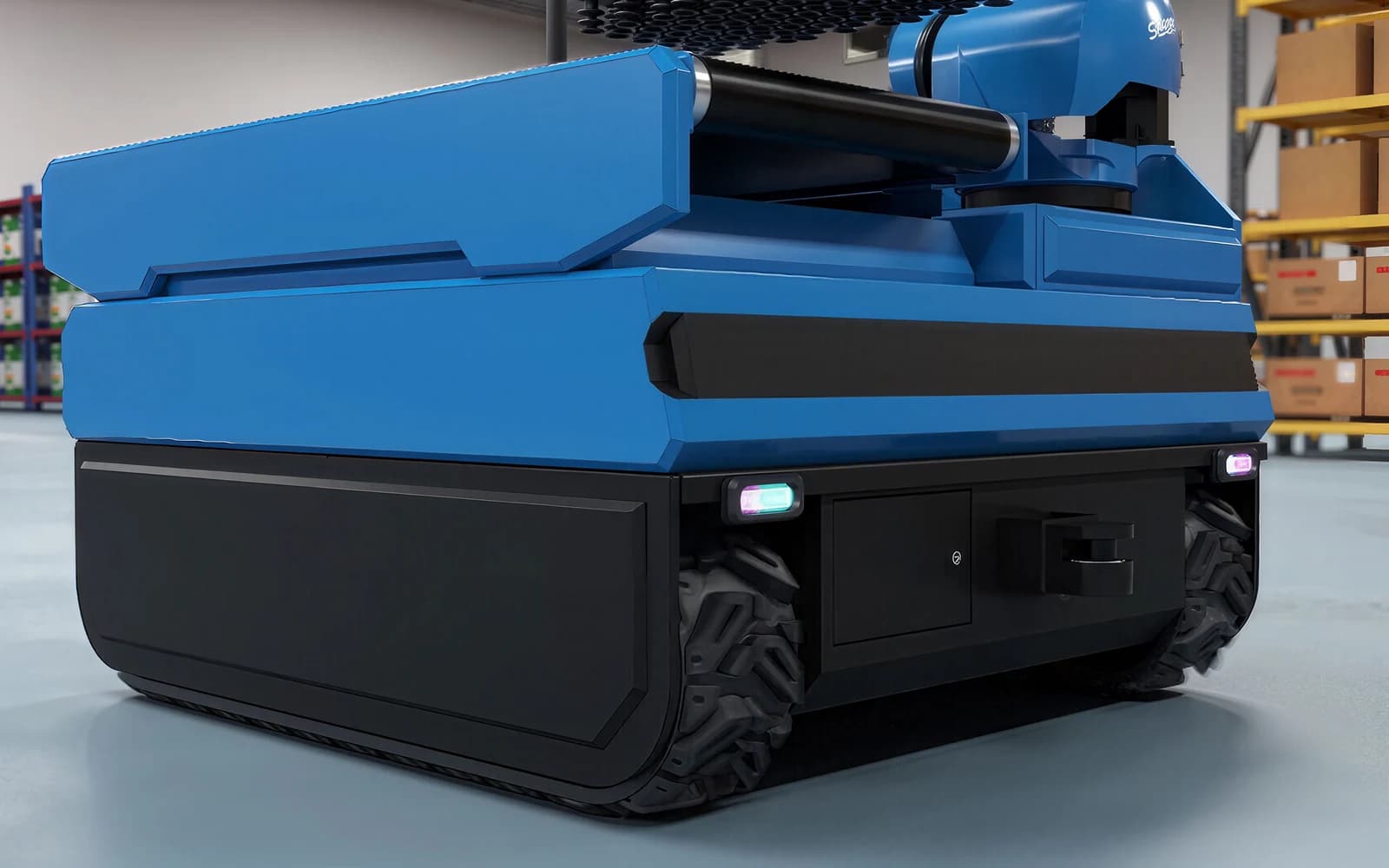
The crawler differential chassis crosses 400 mm gaps and 800 mm obstacles and climbs gradients up to 45 degrees; the distributed-load design spreads the pressure of the 1300 kg body across the vehicle floor.
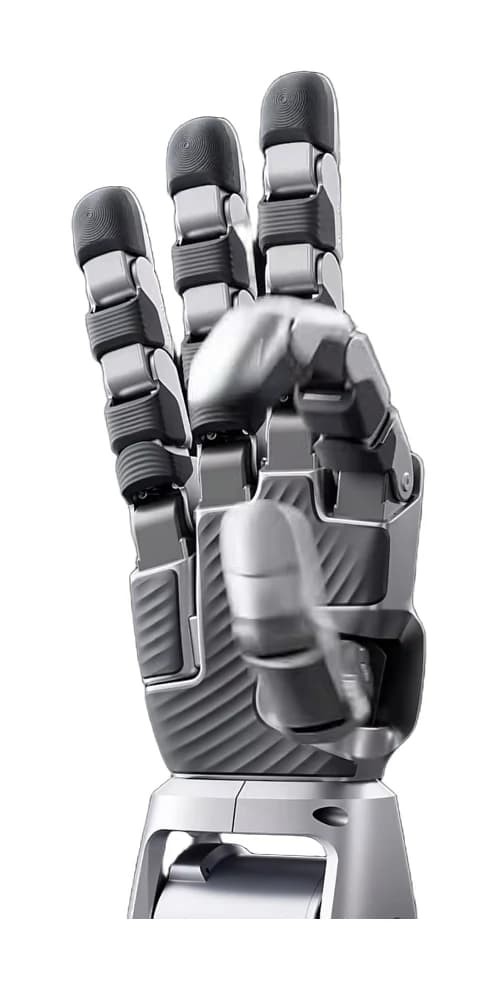
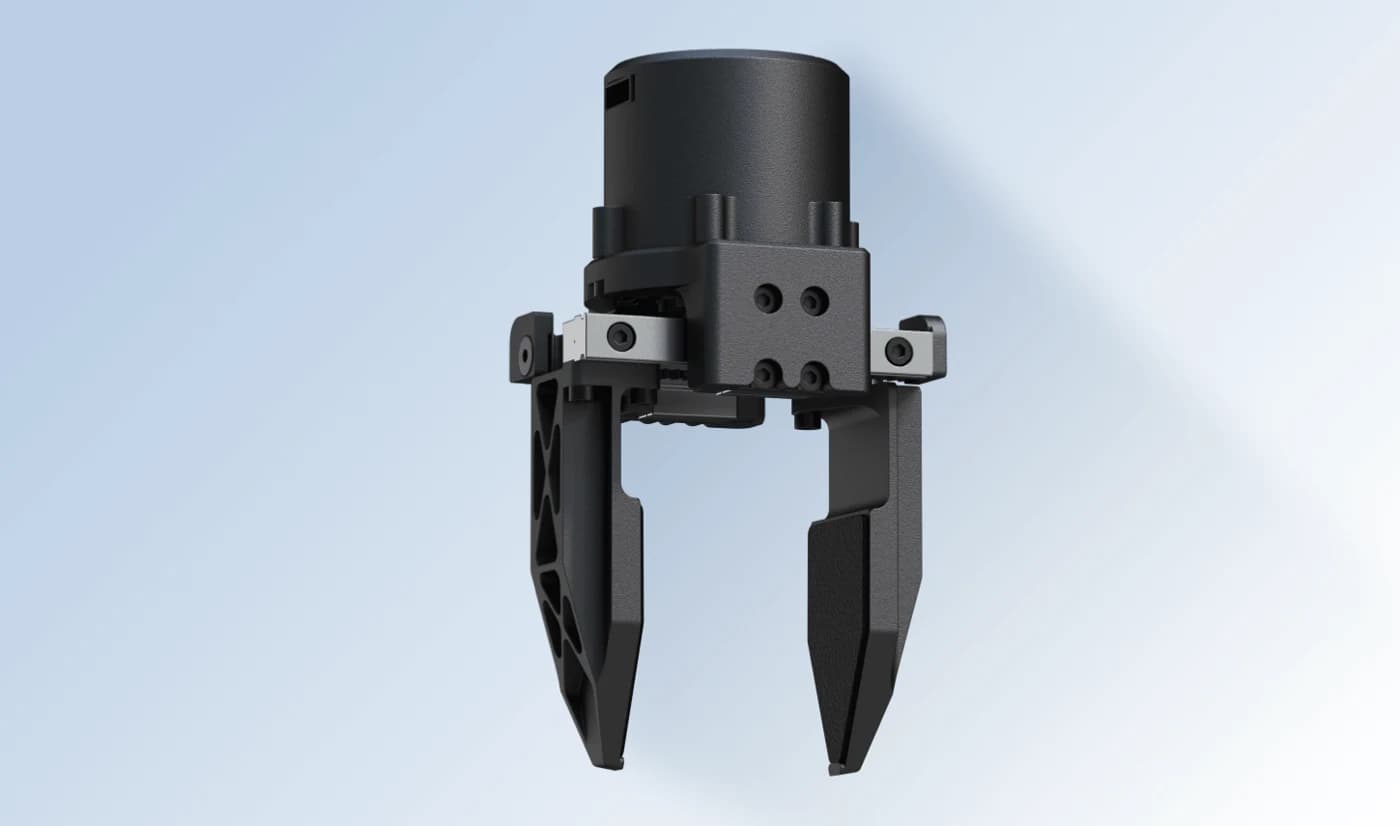
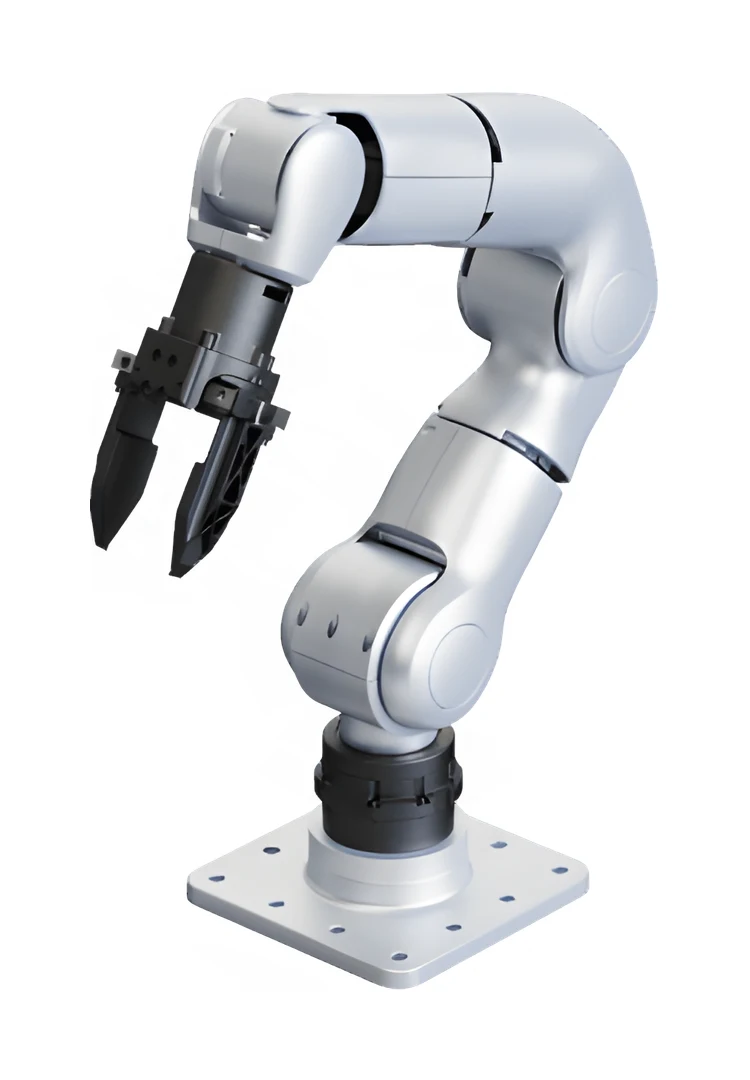
The heavy-duty 7-axis arm carries 2-30 kg cartons of 150-600 mm; suction groups and grippers change quickly.
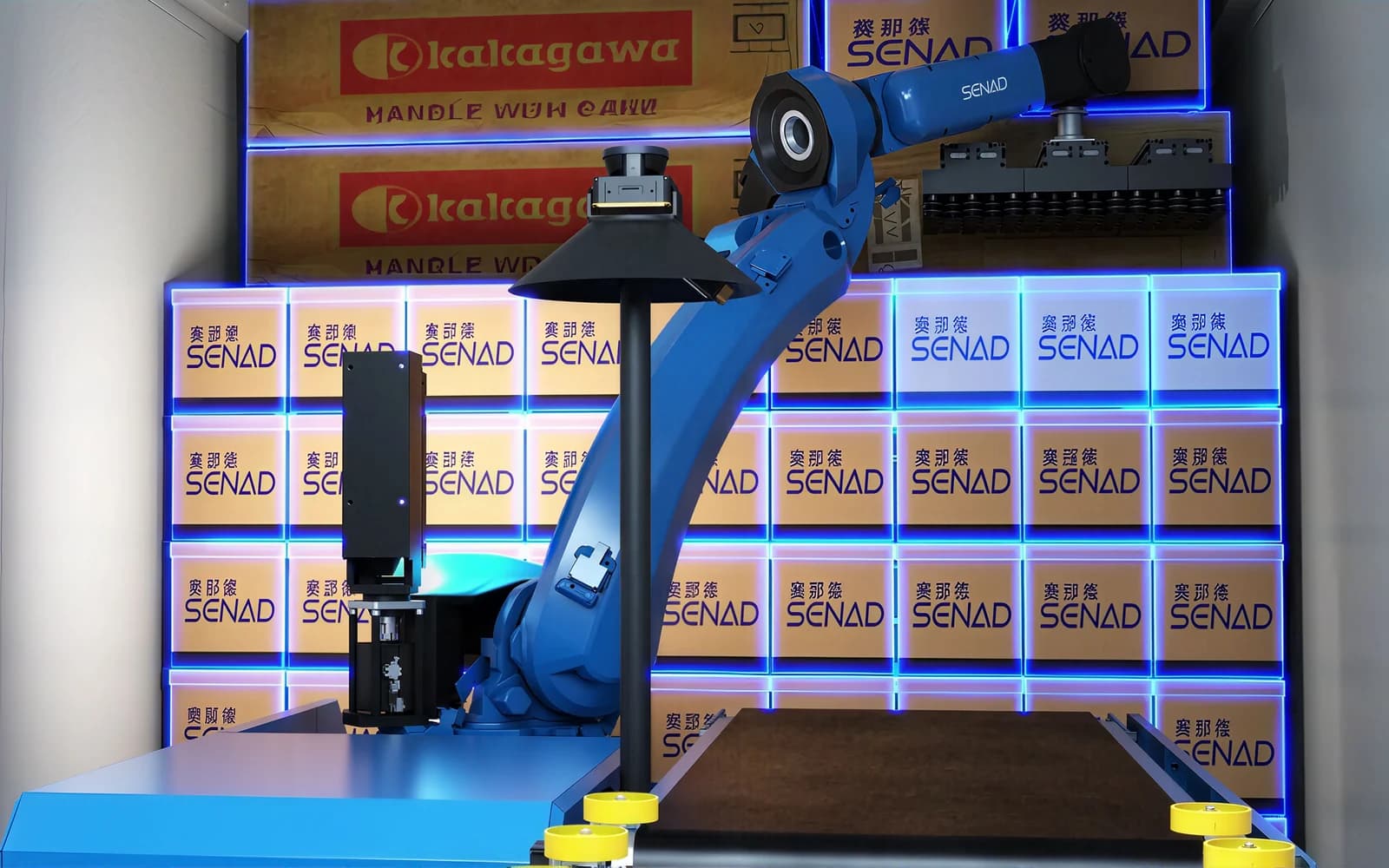
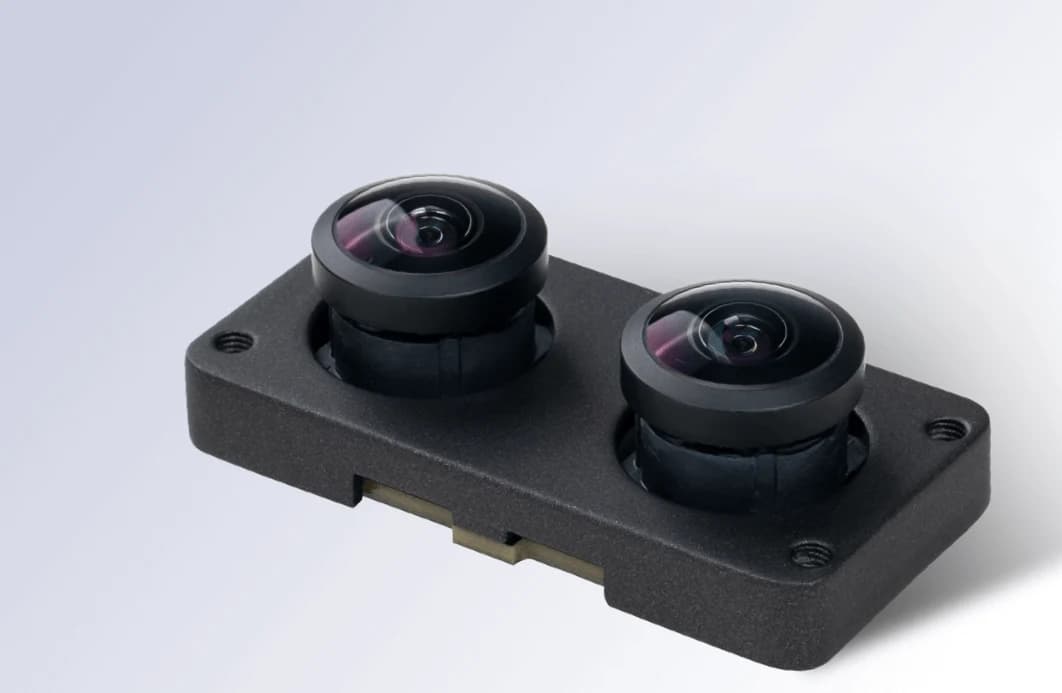
The unloaded carton goes straight to the conveyor; the robot integrates with the WMS and WCS by itself, and the workflow is adapted to the site on the low-code platform.
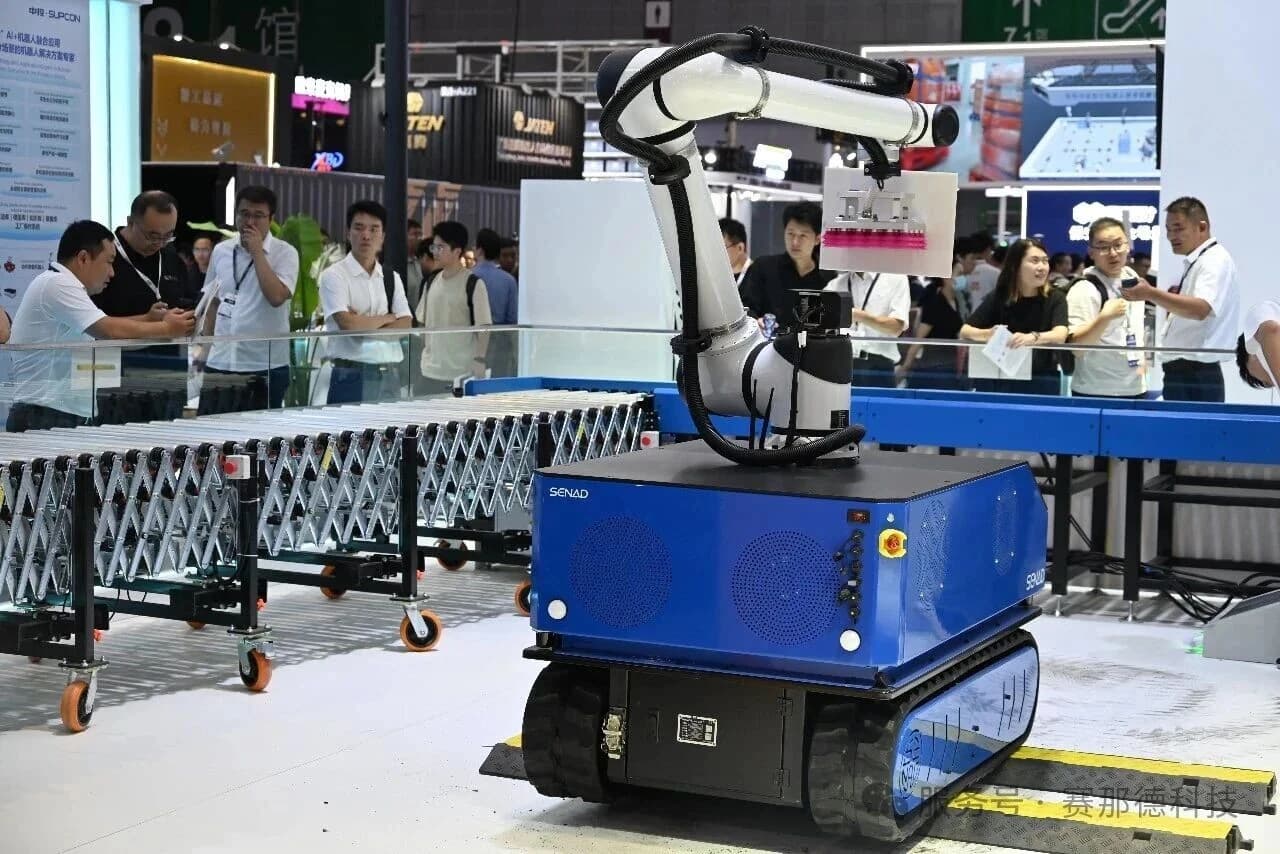
4 images; tap to enlarge.
15 values in 7 categories; data published by the manufacturer.
Verified on the manufacturer page on 18 September 2026.
An itemised quote for the Senad iLoabot-M is prepared by configuration, quantity and delivery scope.
Sorting, stacking and transport inside the warehouse are largely automated; vehicle unloading remained the step where a worker climbs into a compartment heated by the summer sun and lifts cartons down. The reason is simple: compartments, docks and loads are designed to human dimensions, every truck stops at a different height and cartons are stacked irregularly. The iLoabot-M is designed for exactly this gap. On a signal it drives to the dock by itself, enters the vehicle, determines the position and condition of every carton with 3D vision, guides the arm to pick it and places it on the conveyor; the unloaded carton flows on to sorting, palletising or cage-stacking systems behind. A physics-constrained world model and multimodal perception adapt to different vehicle and container types; 20 ft, 40 ft and 40 ft HQ containers and box trucks are on the compatibility list, and neither the dock nor the vehicle floor needs modification.
Between the dock and the compartment there are gaps, sills and gradients; wheeled platforms catch or slip there. The iLoabot-M's crawler differential chassis crosses 400 mm gaps and 800 mm obstacles, climbs gradients up to 45 degrees and spreads the pressure of the 1300 kg body across the vehicle floor with its distributed load-bearing track design. The same chassis works on the dock, outdoors and inside the vehicle; extra-high or extra-wide compartments and ramped approaches are inside the operating envelope. The body is compact enough to turn inside a container: 1900 × 1280 × 2080 mm, running through the shift on a three-phase 380 VAC supply with the vacuum source built into the body.
The heavy-duty 7-axis arm carries 2-30 kg cartons between 150 mm and 600 mm with the default end effector; the end effector changes quickly, and the suction group and grippers cover cartons, bags and similar loads. For the parcel sector a zone-controlled suction layout holds packages of different shapes; for the beverage sector a self-closing valve mechanism prevents the product from dropping if the vacuum fails. The safety layer is built for the site: 360° dual-LiDAR obstacle avoidance, safety radar, intelligent alarms, automatic and push-button emergency stop, vacuum monitoring, a gripper safety bumper, warning lights and electrical protection. An unloading rate of up to 400 cycles per hour turns the time per vehicle into a plannable figure.
The iLoabot-M was announced in 2023; its rollout from the Shanghai factory into service in March 2024 was reported by Xinhua. It works at tobacco, beverage and parcel logistics operators; the installation in which it works together with the iLoabot-P cage and pallet robot. In 2025 the robot demonstrated the loading and unloading flow live at CIIF and CeMAT ASIA in Shanghai; on 24-26 March 2026 it was presented to the European market at LogiMAT in Stuttgart, unloading inside a container. The iLoabot-M keeps the same autonomous flow in high-ceiling and wide compartments and on docks and gradients; the robot's own records carry per-shift carton counts and cycle data into the WMS.
The iLoabot-M is sourced for Turkey on a project basis: the number of docks, vehicle types, carton sizes, daily vehicle movements and the WMS/WCS link are worked out at the survey. Investment is set by corporate quotation against end-effector configuration, conveyor and stacking integration, commissioning scope and quantity; import, customs clearance, commissioning, operator training and after-sales support are part of delivery. For a quotation, send the dock layout and the vehicle and carton profiles.
| Parameter | Value |
|---|---|
| Robot type | Tracked autonomous container and truck unloading robot |
| Dimensions (L × W × H) | 1900 × 1280 × 2080 mm |
| Robot weight | 1300 kg |
| Operating temperature | -20 to 60 °C |
| Drive mode | Crawler differential, distributed load-bearing track |
| Arm payload | 2-30 kg (default arm) |
| Case size | Min 150 × 150 × 150 mm; max 600 × 600 × 600 mm |
| Unloading throughput | Up to 400 cycles per hour |
| Gap and obstacle crossing | 400 mm gap; 800 mm obstacle |
| Climbing angle | Up to 45 degrees |
| Power supply | Three-phase 380 VAC |
| Air source | Built-in vacuum negative pressure |
| Applicable vehicles | 20 ft / 40 ft / 40 ft HQ containers, box trucks |
| End effector | Quick-change suction group and grippers; cartons, bags |
| Safety | Emergency stop (button and intelligent), safety radar, 360° dual LiDAR, warning lights, vacuum monitoring, gripper bumper, electrical protection |
| Integration | WMS and WCS; conveyor; palletising and cage-stacking systems; low-code workflow platform |
The iLoabot-M turns vehicle unloading from human work at the dock into the robot's own task: it enters the container on a tracked chassis, finds the carton with 3D vision, picks it with the 7-axis arm and places it on the conveyor; 400 mm gap, 800 mm obstacle and 45 degree gradient capability closes the uncertainty on the dock side, and the WMS and WCS link makes unloading part of the warehouse flow. It is a product that has worked in tobacco, beverage and parcel logistics since 2023 and was presented to Europe at LogiMAT Stuttgart in 2026. For distribution centres and factory dispatch yards unloading many containers and trucks a day, request a quotation with the dock layout and vehicle profile.
Supply model
Supply to Turkey is planned per project; import, delivery and commissioning scope are itemised in the quote.
Pre-sales assessment
Site and mission focused technical feasibility; specification and administrative process support.
Demo and site visit request
Send a demo request; availability and scope are settled in the call.
Source documents
Technical values come from the manufacturer's documents; verified on 18 September 2026. 1 documents at the bottom of the page.
Robotic system costs are optimised according to the selected hardware platform, additional sensor and payload configurations, and the integration scenarios specific to your site. Share your requirements and our engineering team will prepare a feasibility report and a pro forma quotation tailored to your organisation.
Direct contact and advisory line: 0850 532 6 777
The most common questions about the Senad iLoabot-M.
Senad's tracked autonomous unloading robot: it enters the container or box truck by itself, finds the cartons with 3D vision, picks them with a 7-axis arm and places them on the conveyor. The 1300 kg body works in 20 ft, 40 ft and 40 ft HQ containers and box trucks and unloads at up to 400 cycles per hour.
With the default arm and end effector, cartons of 2-30 kg and between 150 × 150 × 150 mm and 600 × 600 × 600 mm. The end effector changes quickly: with suction groups and grippers it picks bagged goods and similar loads; there is zone-controlled suction for parcels and a self-closing valve mechanism for beverage cartons.
No. The crawler differential chassis crosses 400 mm gaps and 800 mm obstacles and climbs gradients up to 45 degrees; the distributed load-bearing track design keeps pressure on the vehicle floor low. Extra-high and extra-wide compartments and ramped approaches are within the operating envelope.
The robot integrates with the WMS and WCS by itself: it takes the task from the incoming-vehicle signal, reports carton status and transfers the unloaded cartons to the conveyor. The workflow is configured for the site on the built-in low-code platform; with palletising and cage-stacking systems an end-to-end unloading line is built.
360° dual-LiDAR obstacle avoidance, safety radar, intelligent alarms, push-button and intelligent emergency stop, vacuum monitoring, a gripper safety bumper, safety warning lights and electrical protection. When a vacuum loss is detected, the stop engages before the product drops.
It is sourced on a project basis; import, customs clearance, commissioning, operator training and after-sales support are part of delivery. Investment is set by corporate quotation against end-effector configuration, conveyor and stacking integration, commissioning scope and quantity. Send the dock layout, vehicle types, carton sizes and daily vehicle movements; the quotation follows your project profile.


