
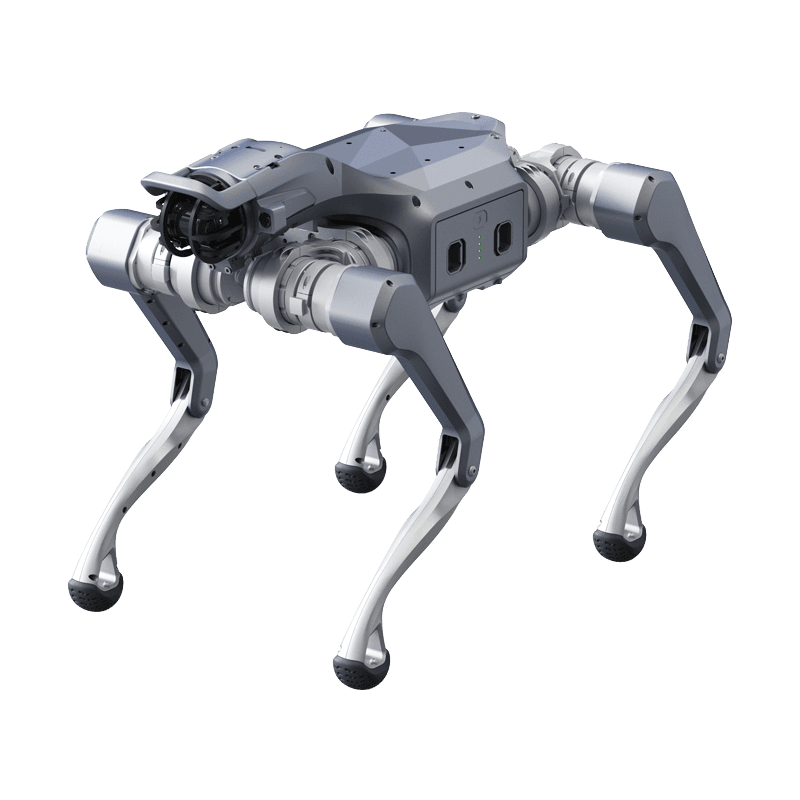
Early Disease and Pest Detection in Olive and Hazelnut Orchards
Scenario record: it defines the environment, the mission flow and a proposed hardware and software configuration. The list below is a configuration proposal, not an installation inventory. Field projects lists deployed systems and their measurements.
- Environment
- Outdoor field
- Operating mode
- Supervised autonomy
- Proposed robot
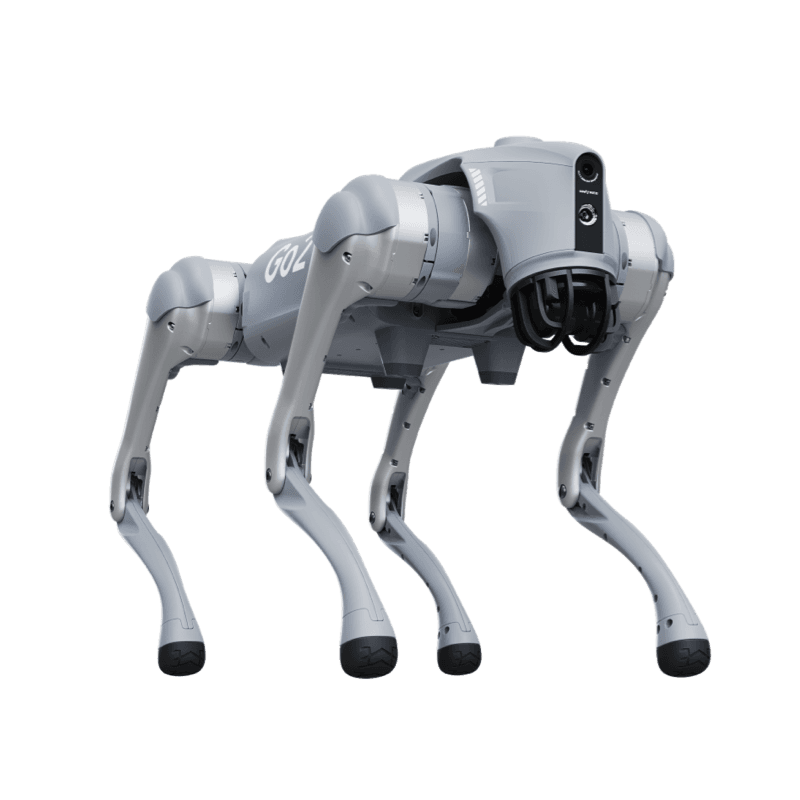
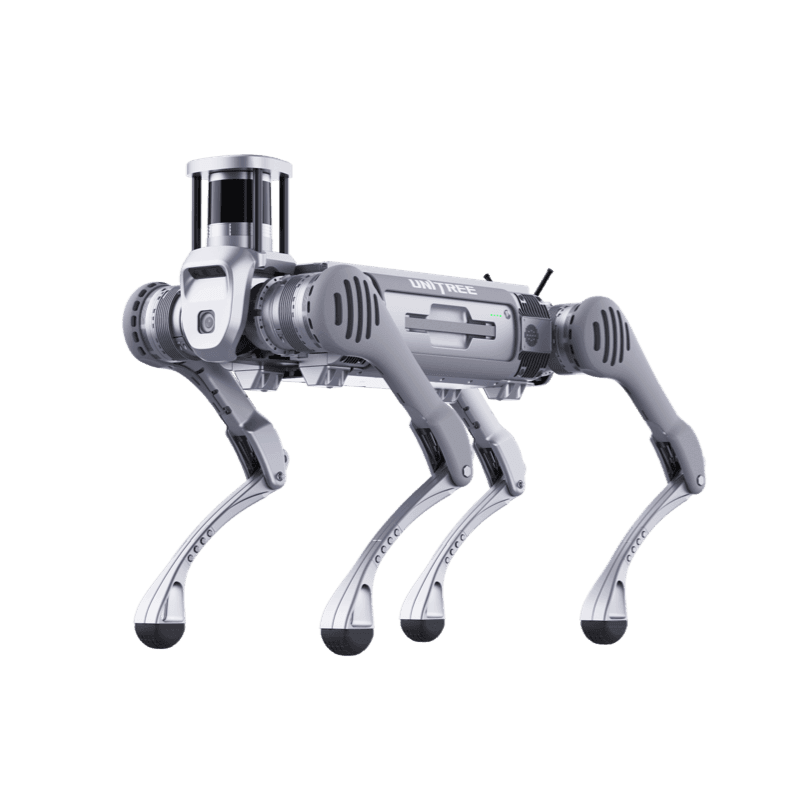
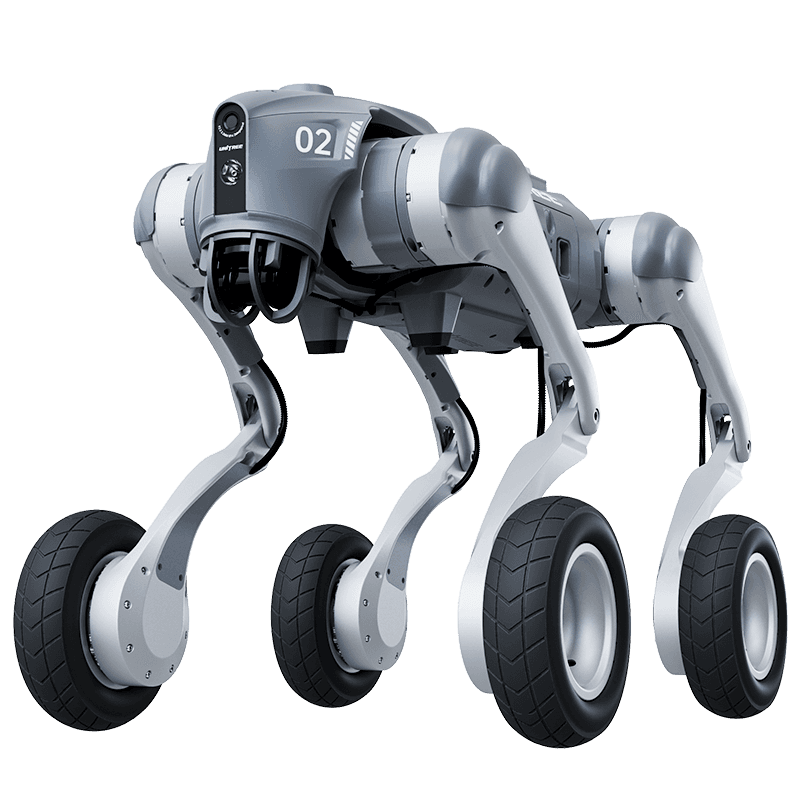
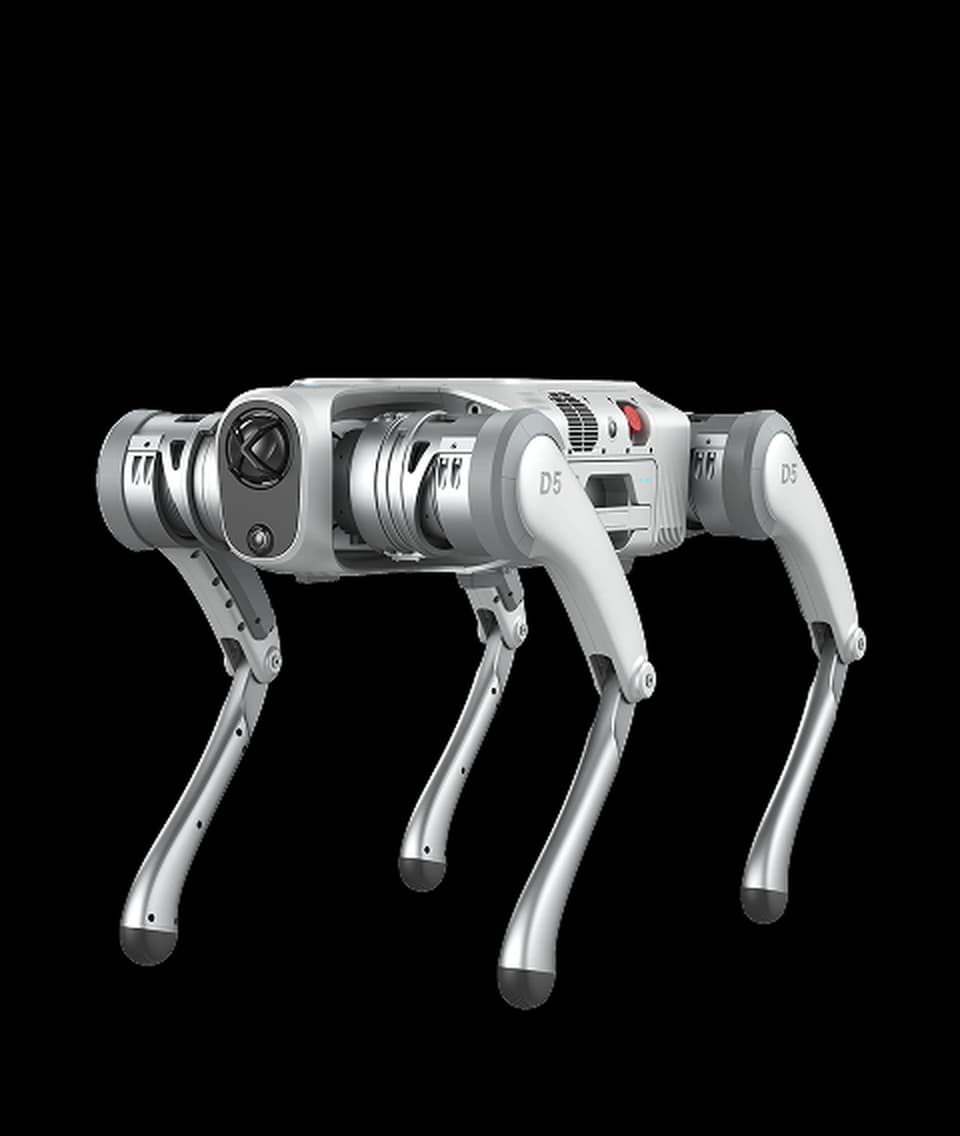
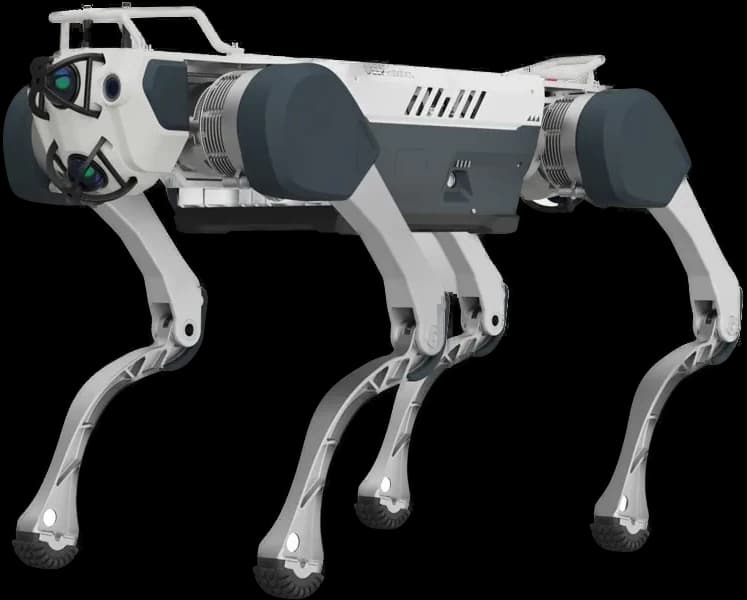
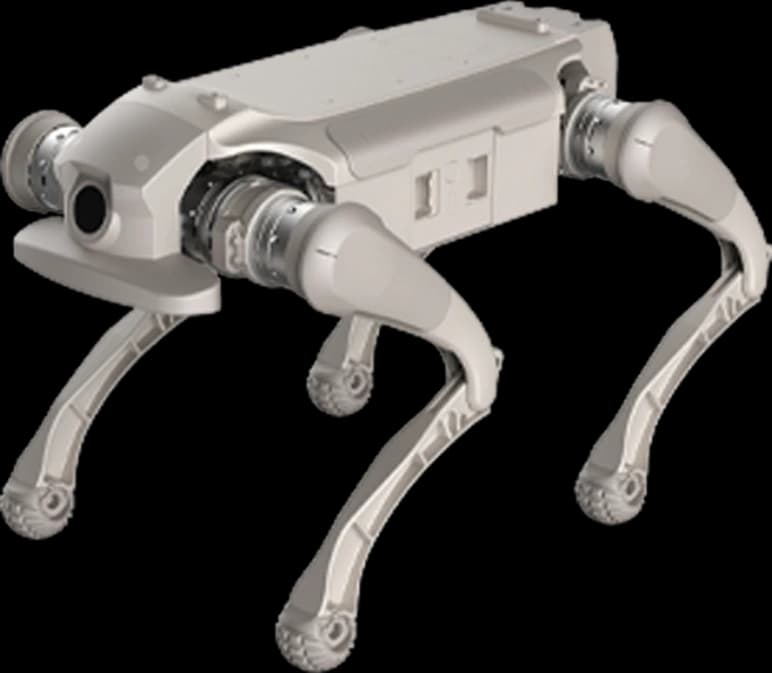
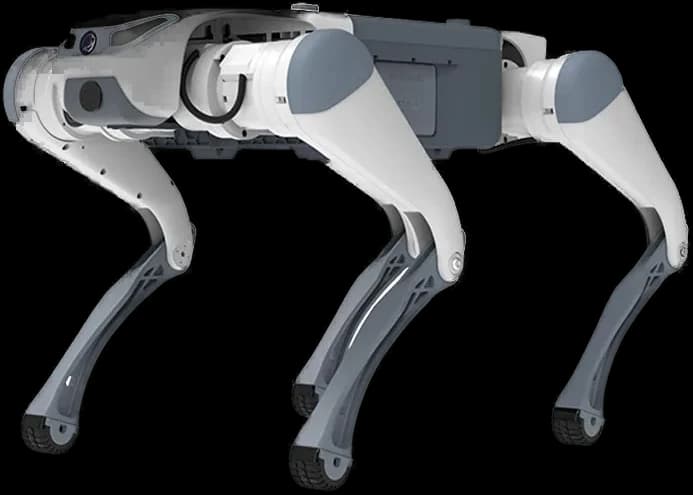
- Unitree A2
The problem addressed
Crop losses caused by late detection of diseases such as olive knot and hazelnut bark beetle infestations across large orchards.
Draft mission flow
- 1Robot zeytin/fındık bahçesinde ağaç sıralarını dolaşarak her ağacın gövdesini makro lens ve multispektral kamerayla tarar.
- 2Kabuk böceği girişi delikleri, mantar enfeksiyonu lekeleri ve reçine akıntıları ağaç bazında haritalanır.
- 3Yaprak renk ve termal profiliyle su stresi veya beslenme eksikliği gösteren ağaçlar ayrıca işaretlenir.
- 4Bahçe sağlık haritası çiftçi mobil uygulamasına sunulur; ilaçlama zamanlaması ve hedefi optimize edilir.
Proposed hardware
- Multispektral Kamera (NDVI)
- HD Makro Lens
- Termal Kamera
- Nem Sensörü
Proposed software
- Navigation
- Bahçe sıra aralarında ağaç gövdelerine yakın mesafede otonom tarama SLAM
- Model
- Gövde Mantar/Küf Enfeksiyonu Tespiti, Kabuk Böceği Delik Segmentasyonu ve Yaprak Klorofil Sağlık İndeksi
- Integration
- Tarım İl Müdürlüğü Bitki Koruma Sistemi ve Çiftçi Mobil Uygulaması
The robot's real operating limits
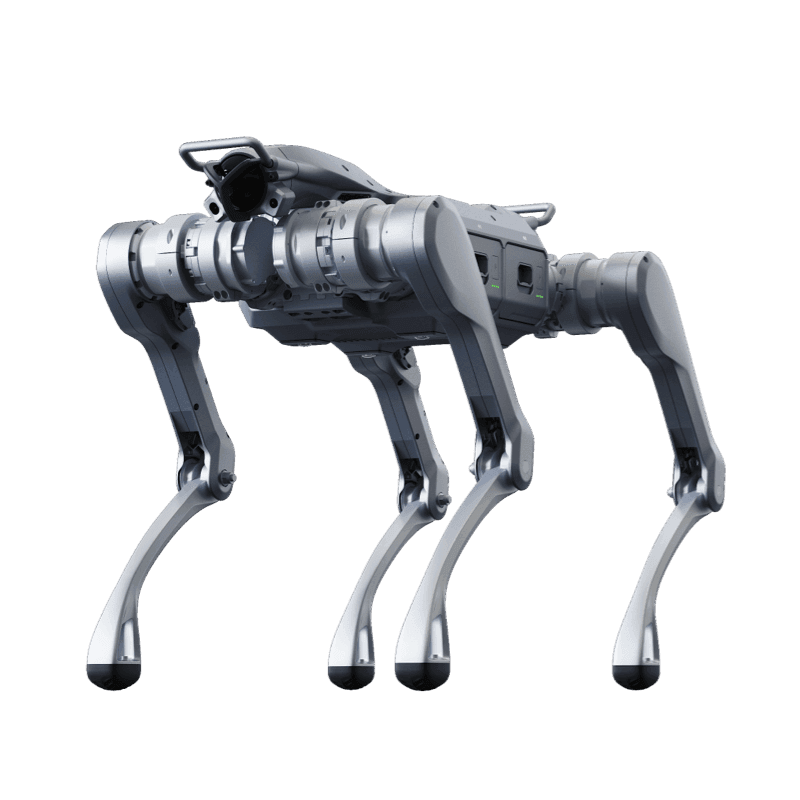
Unitree A2
Industrial Class Legged Robot
Product page- Ingress rating
- IP56-IP67
- Runtime
- >5 hours (No load) / >3 hours (25kg Load)
- Operating temperature
- -20°C to 55°C
- Payload
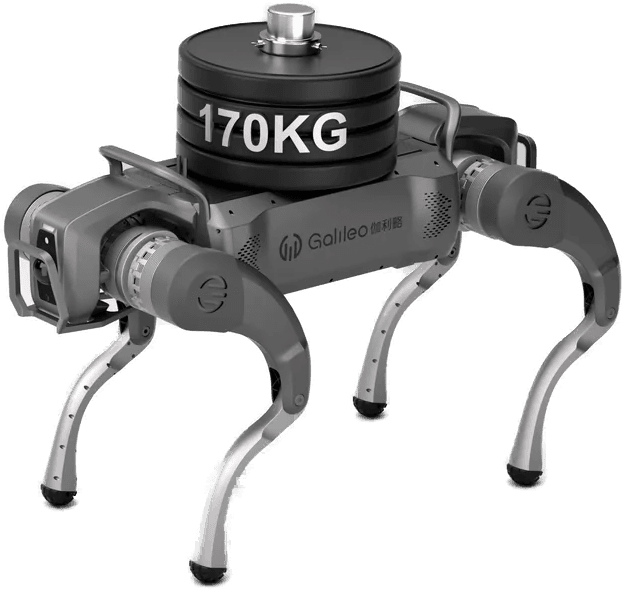
- 100 kg
- Max speed
- 5 m/s
- Climb
- 45°
Values are manufacturer data. Scenario fit is determined by comparing these limits with site conditions.
From scenario to installation
Feasibility is determined by the site survey: floor and route, network coverage, the charging point, intervention responsibilities and the conditions under which the robot must stop. The survey report defines the scope, the constraints and the commissioning steps.