

Greenhouse Interior 3D Micro-Climate Mapping
Scenario record: it defines the environment, the mission flow and a proposed hardware and software configuration. The list below is a configuration proposal, not an installation inventory. Field projects lists deployed systems and their measurements.
- Environment
- Outdoor field
- Operating mode
- Supervised autonomy
- Proposed robot
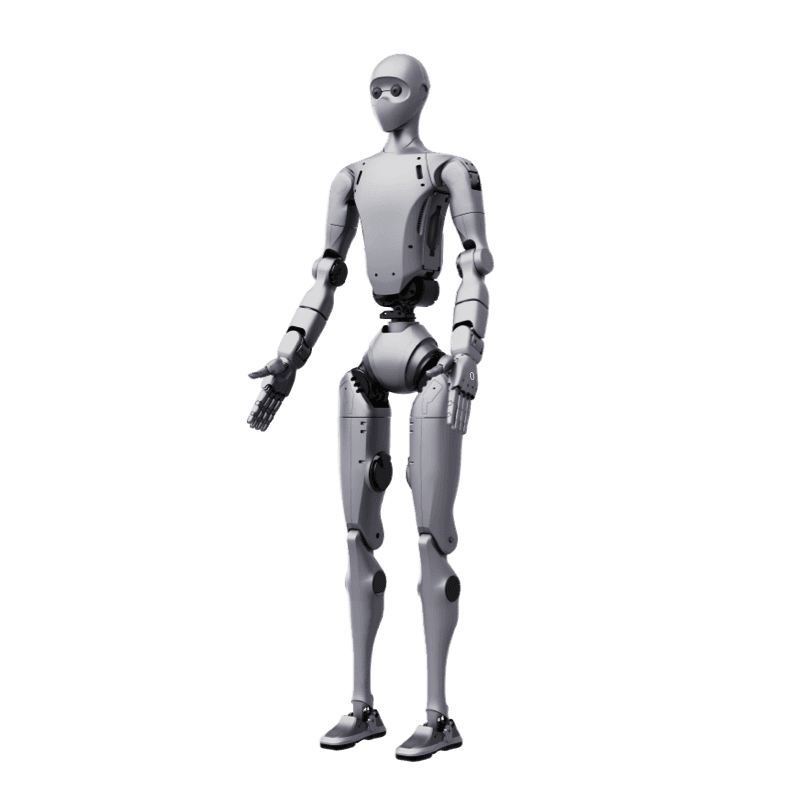
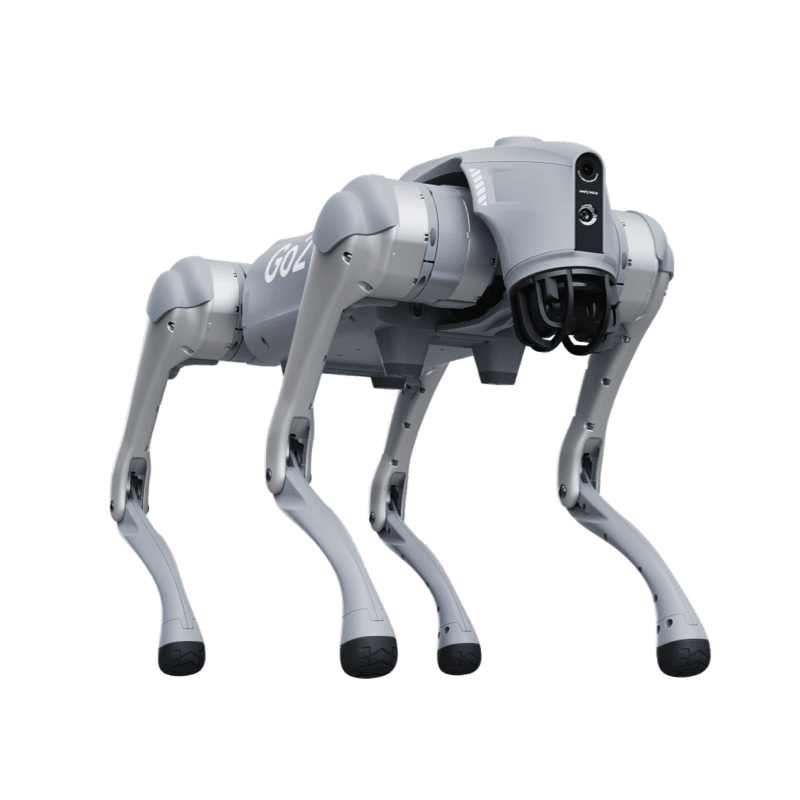
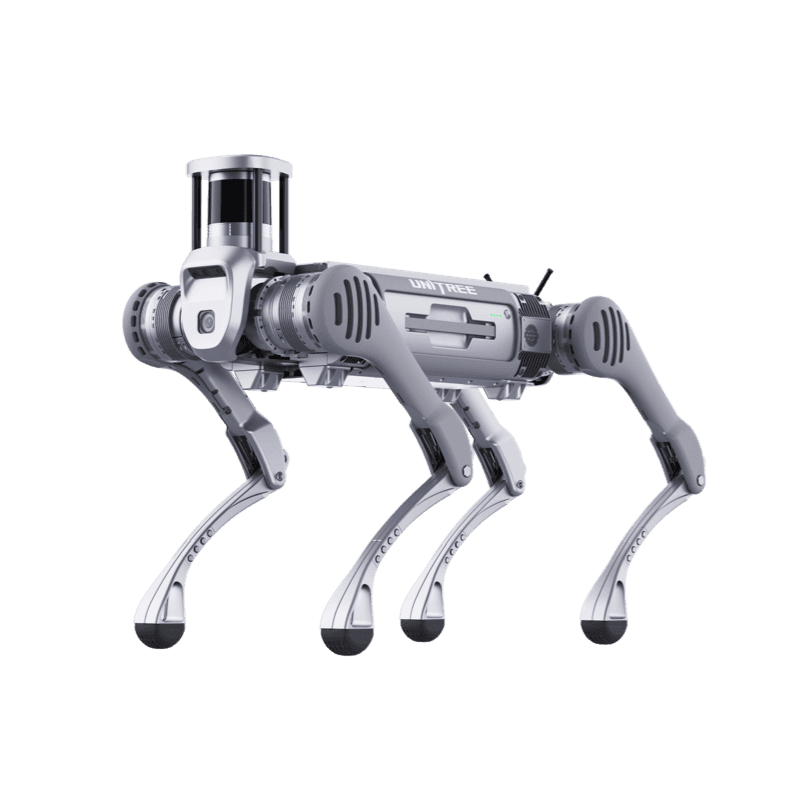
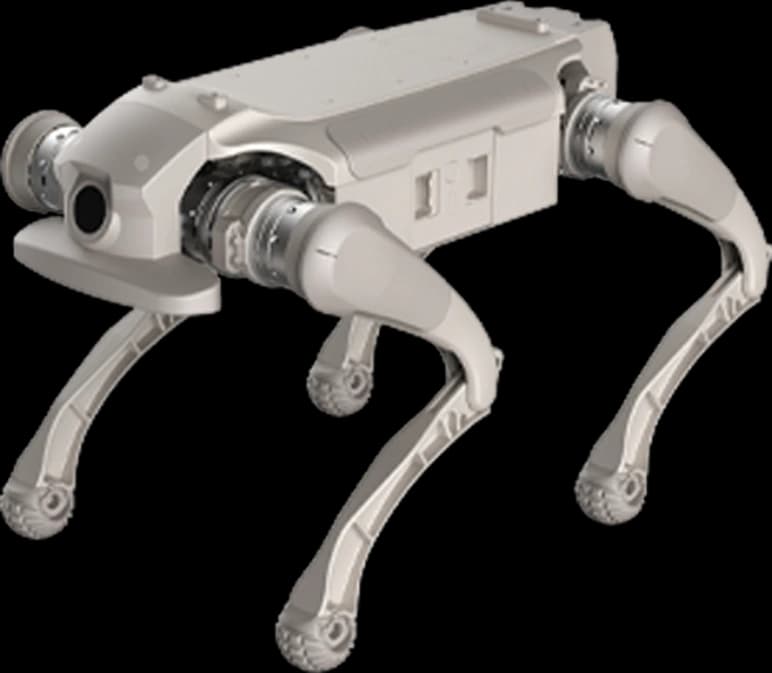
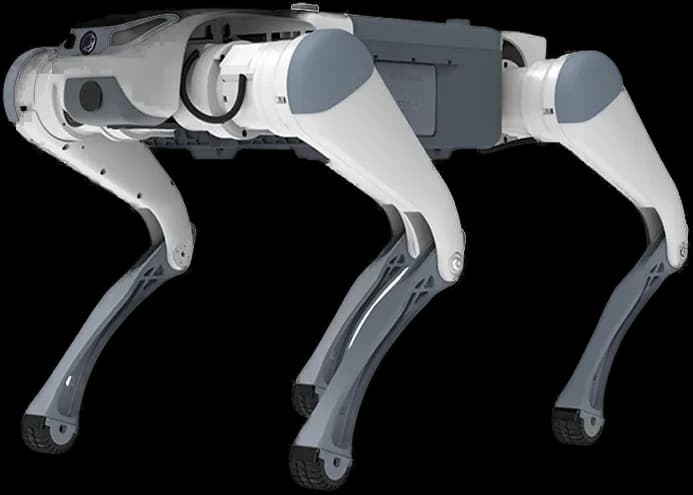
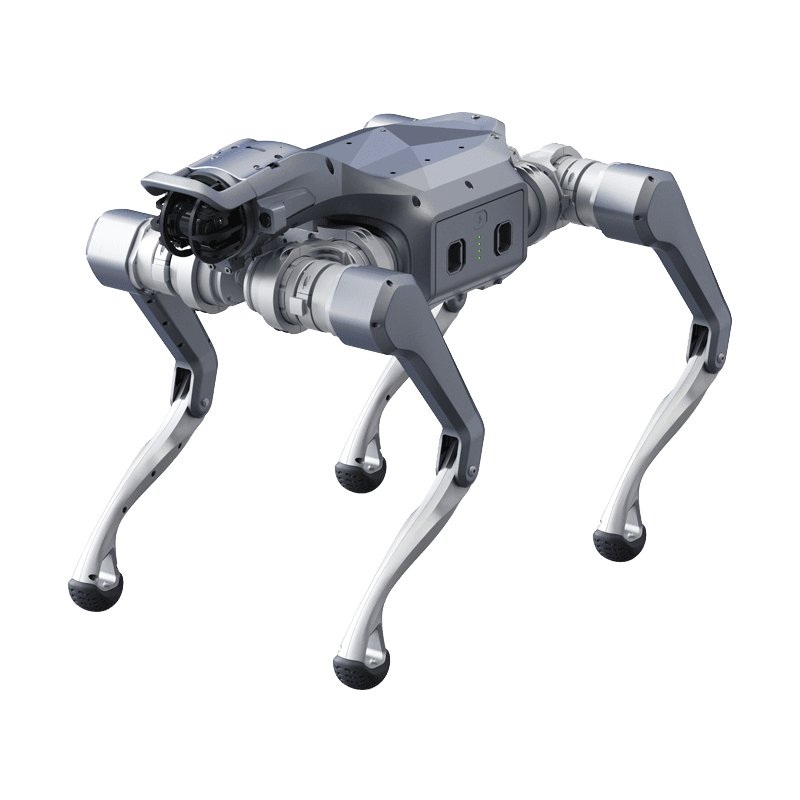
- Unitree A2
The problem addressed
Fixed sensor network unable to cover all plant interspaces in greenhouses and non-homogeneous climate conditions.
Draft mission flow
- 1The robot roams between greenhouse plant rows and under racks, collecting temperature, humidity, CO₂, and light (PAR) data at points unreachable by fixed sensors.
- 23D micro-climate map generated; 'hot pocket', 'cold zone', and 'high humidity' areas identified.
- 3HVAC optimization recommendations transmitted to greenhouse BMS; fan direction and heating points automatically adjusted.
- 4Plant-level stress risk map enables fertigation (fertilizer-irrigation) dosage optimization.
Proposed hardware
- High Precision Humidity/Temperature Sensor
- CO₂ Sensor
- PAR Light Meter
- Compact LiDAR
Proposed software
- Navigation
- Narrow aisle SLAM between greenhouse plant rows; compact navigation under growing racks
- Model
- 3D Micro-Climate Gradient Map and HVAC Inefficiency Point Detection
- Integration
- Greenhouse Automation System (BMS/Fertigation) and Smart Agriculture Platform
The robot's real operating limits
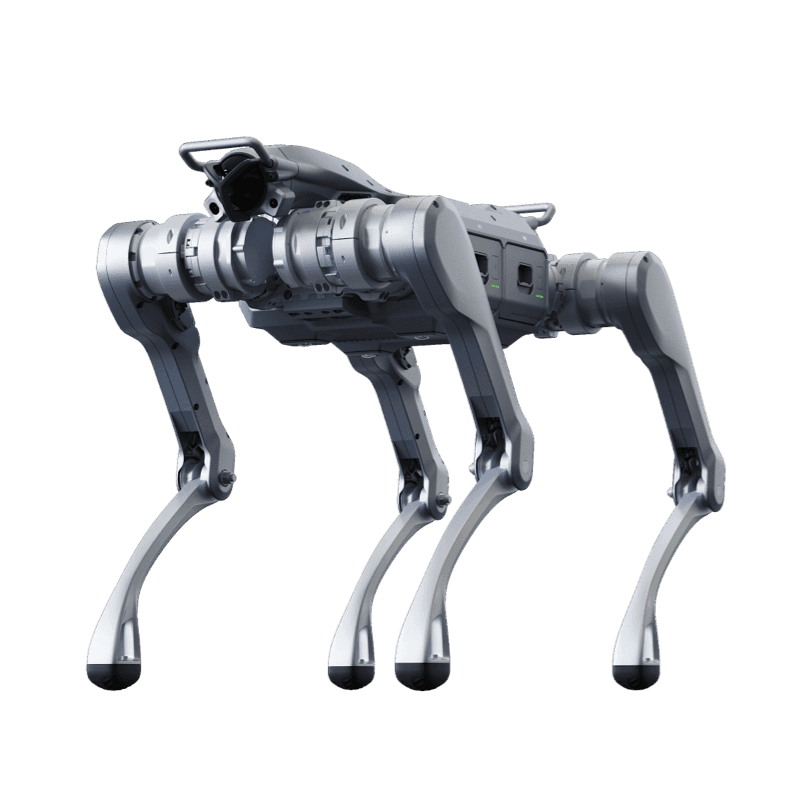
Unitree A2
Industrial Class Legged Robot
Product page- Ingress rating
- IP56-IP67
- Runtime
- >5 hours (No load) / >3 hours (25kg Load)
- Operating temperature
- -20°C to 55°C
- Payload
- 100 kg
- Max speed
- 5 m/s
- Climb
- 45°
Values are manufacturer data. Scenario fit is determined by comparing these limits with site conditions.
From scenario to installation
Feasibility is determined by the site survey: floor and route, network coverage, the charging point, intervention responsibilities and the conditions under which the robot must stop. The survey report defines the scope, the constraints and the commissioning steps.