



Concept scenario
Pasture Toxic and Harmful Plant Detection and Marking
Scenario record: it defines the environment, the mission flow and a proposed hardware and software configuration. The list below is a configuration proposal, not an installation inventory. Field projects lists deployed systems and their measurements.
- Environment
- Outdoor field
- Operating mode
- Supervised autonomy
- Proposed robot
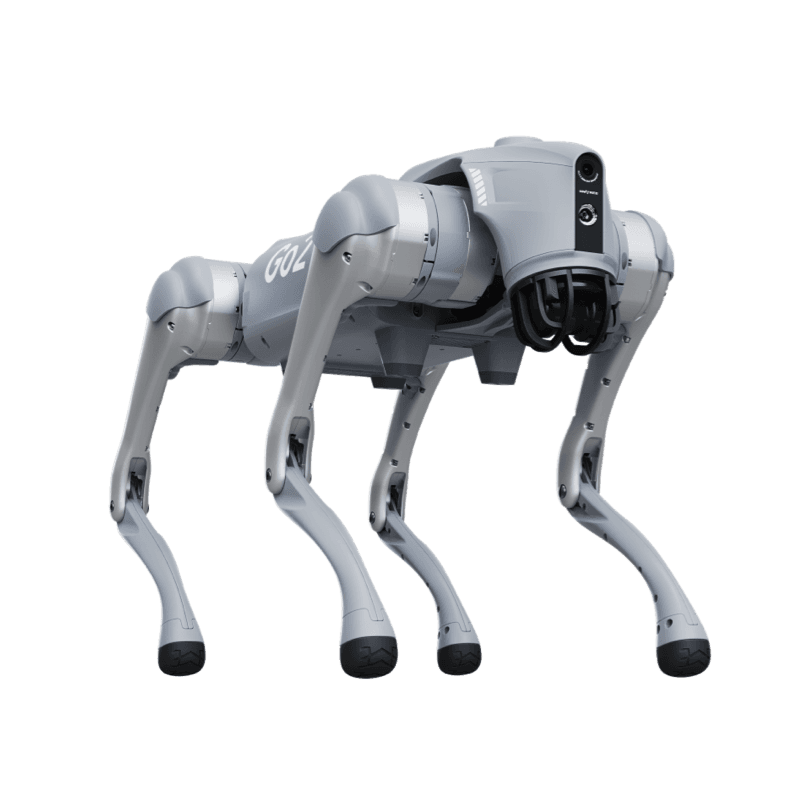
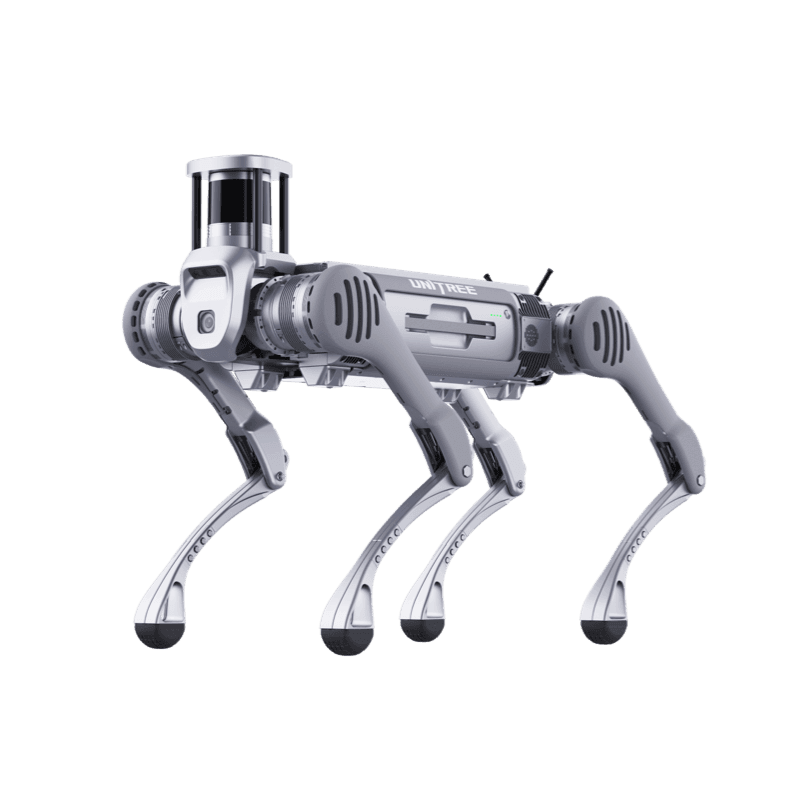
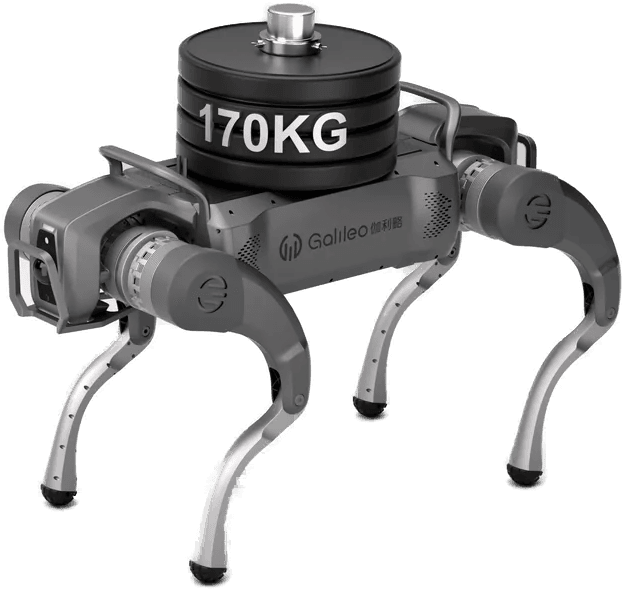
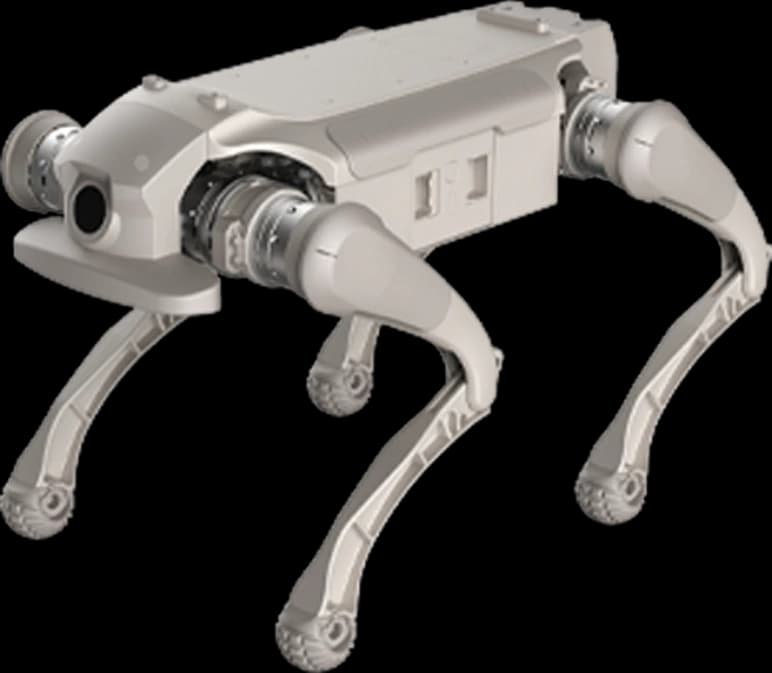
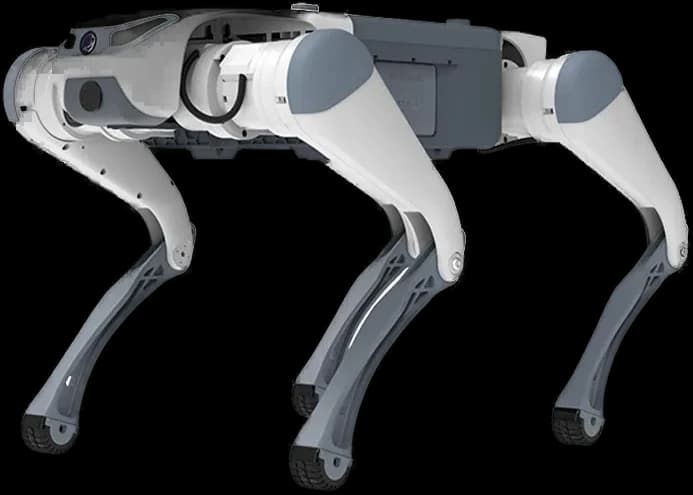
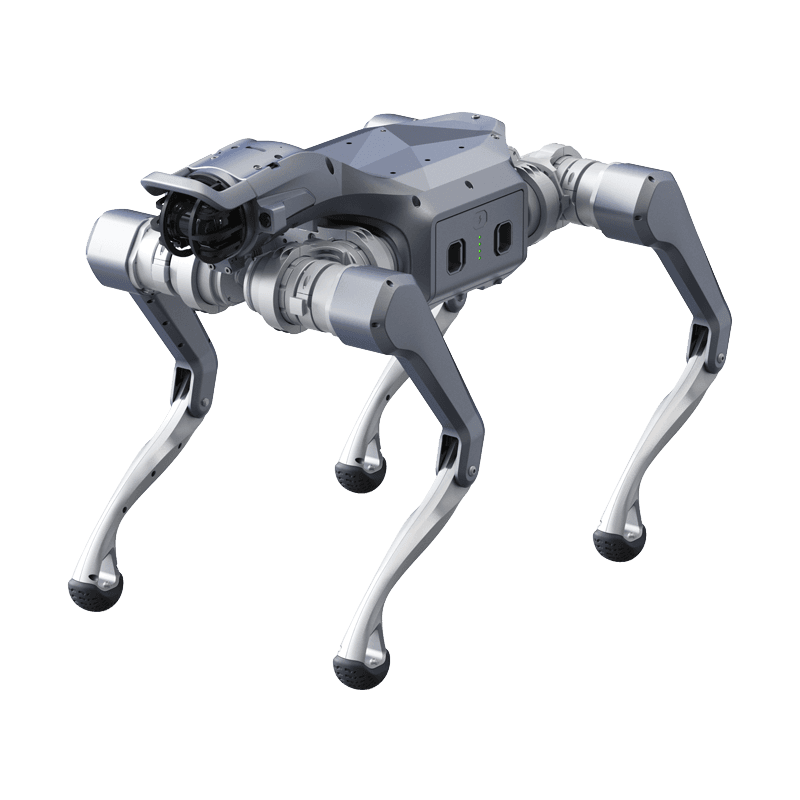
- Unitree A2
The problem addressed
Toxic plants in pastures causing animal poisoning and yield decline.
Draft mission flow
- 1The robot freely roams the pasture area, scanning plants on the ground with hyperspectral and macro cameras.
- 2AI classifies toxic plant species through combination of leaf shape, flower color, and hyperspectral signature.
- 3Detected toxic plants marked with GPS coordinates; physically marked with paint spray as well.
- 4Toxic plant map transmitted to farm management system; animal access to the area prevented or cleanup planned.
Proposed hardware
- Hyperspectral Camera
- HD Macro Camera
- RTK-GPS
- Paint Marking Spray
Proposed software
- Navigation
- Free roaming on pasture terrain with plant-focused stop-scan-advance navigation
- Model
- Toxic Plant Species Classification (Leaf/Flower Morphology + Hyperspectral Signature)
- Integration
- Agricultural Directorate and Farm Management System
The robot's real operating limits
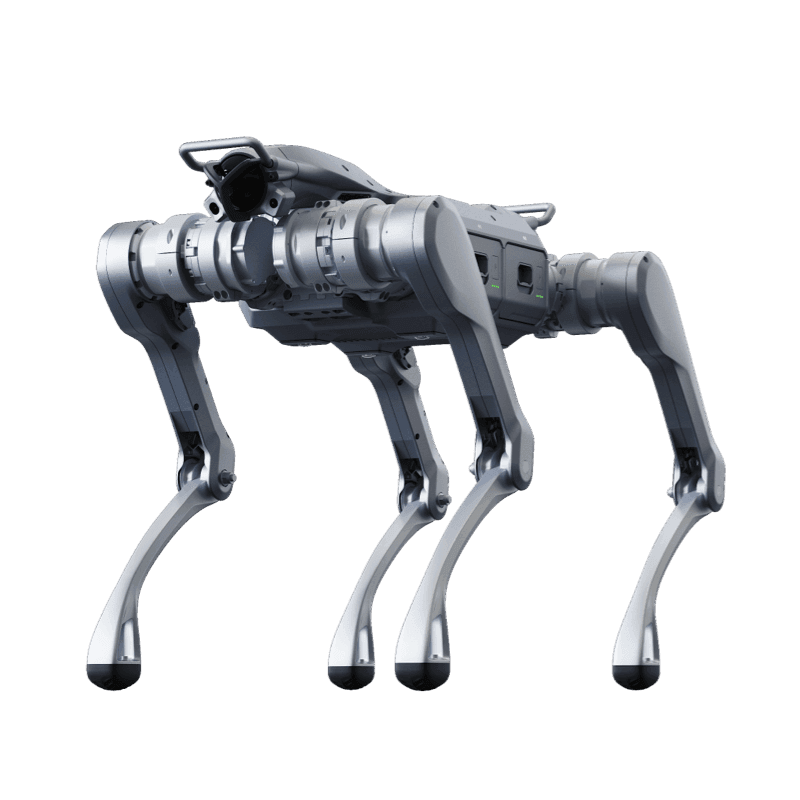
Unitree A2
Industrial Class Legged Robot
Product page- Ingress rating
- IP56-IP67
- Runtime
- >5 hours (No load) / >3 hours (25kg Load)
- Operating temperature
- -20°C to 55°C
- Payload
- 100 kg
- Max speed
- 5 m/s
- Climb
- 45°
Values are manufacturer data. Scenario fit is determined by comparing these limits with site conditions.
From scenario to installation
Feasibility is determined by the site survey: floor and route, network coverage, the charging point, intervention responsibilities and the conditions under which the robot must stop. The survey report defines the scope, the constraints and the commissioning steps.