




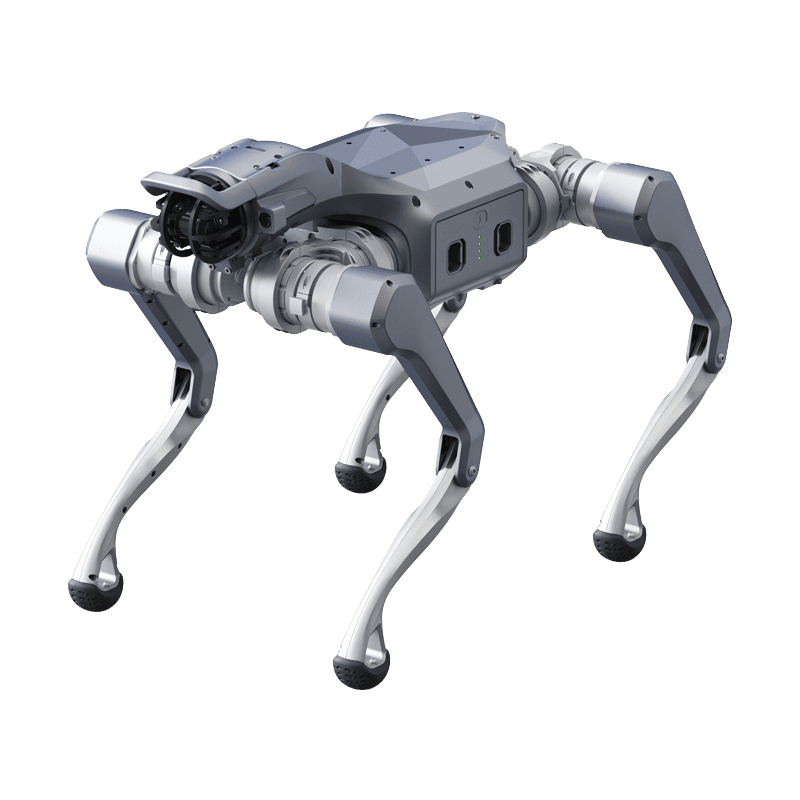
Tunnel Interior Oxygen and Toxic Gas Monitoring
Scenario record: it defines the environment, the mission flow and a proposed hardware and software configuration. The list below is a configuration proposal, not an installation inventory. Field projects lists deployed systems and their measurements.
- Environment
- Outdoor field
- Operating mode
- Supervised autonomy
- Proposed robot
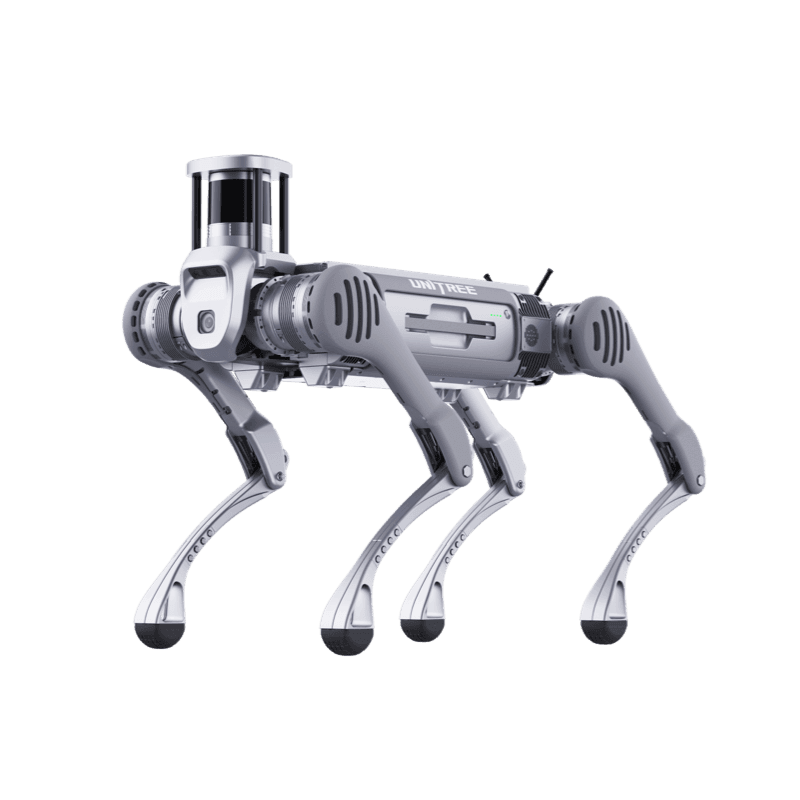
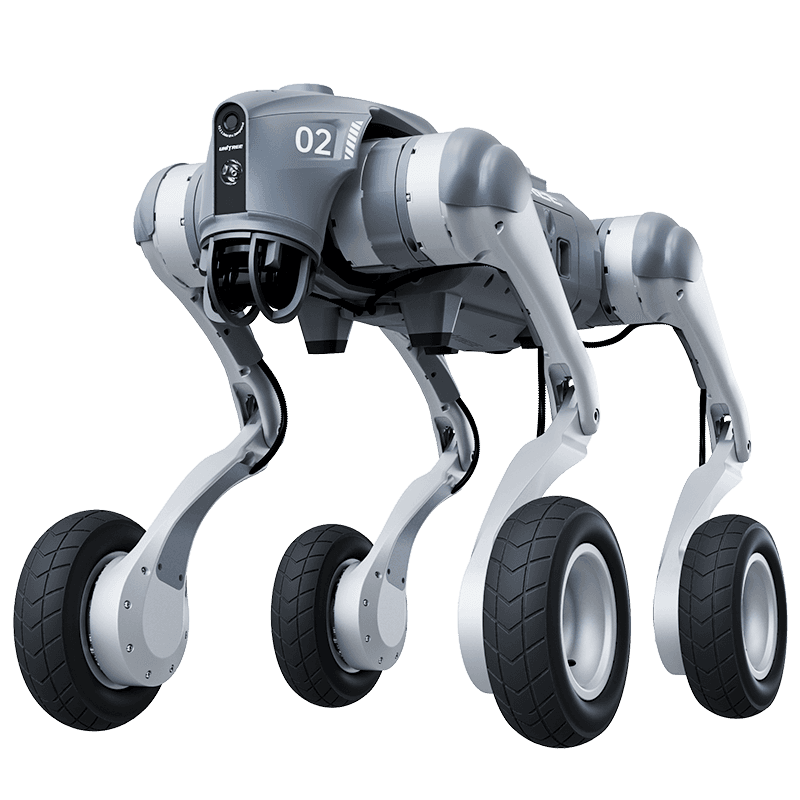
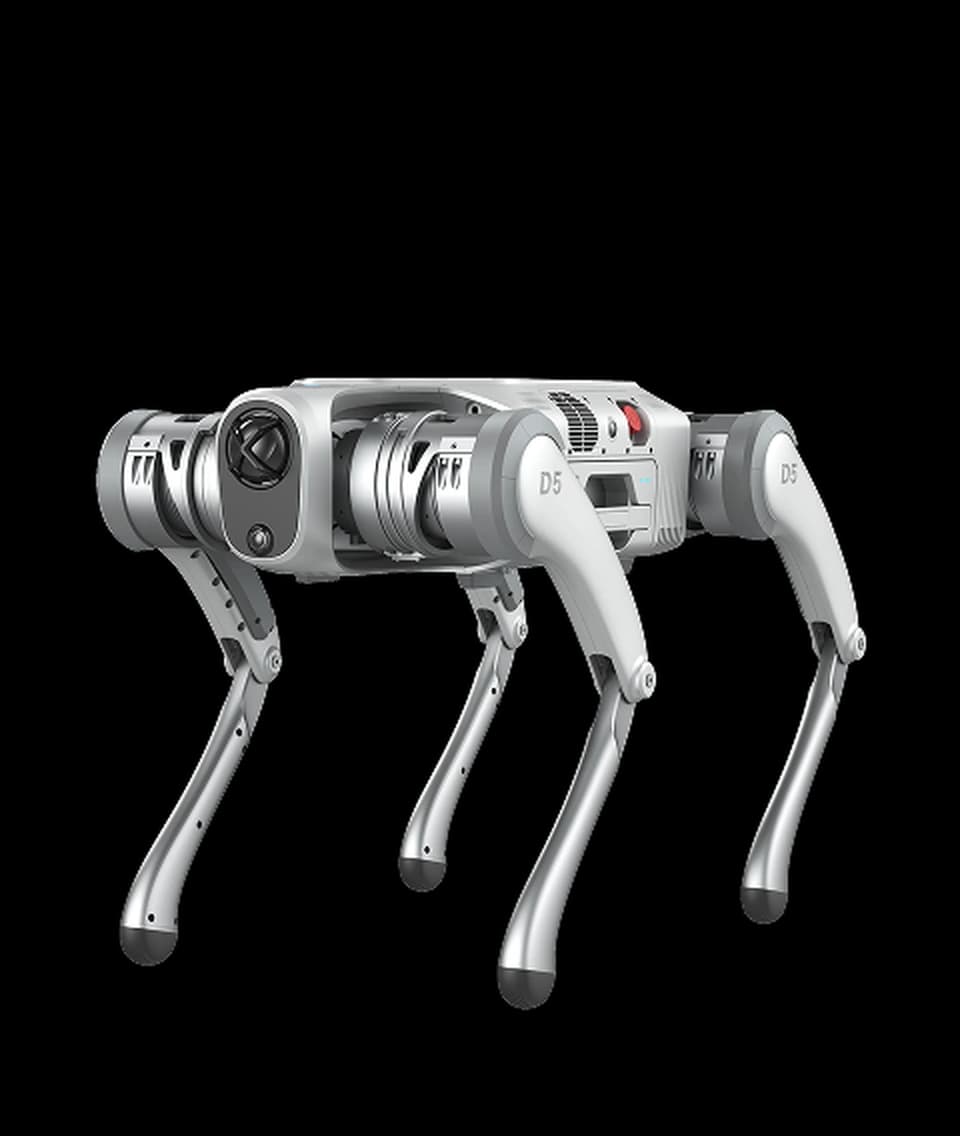
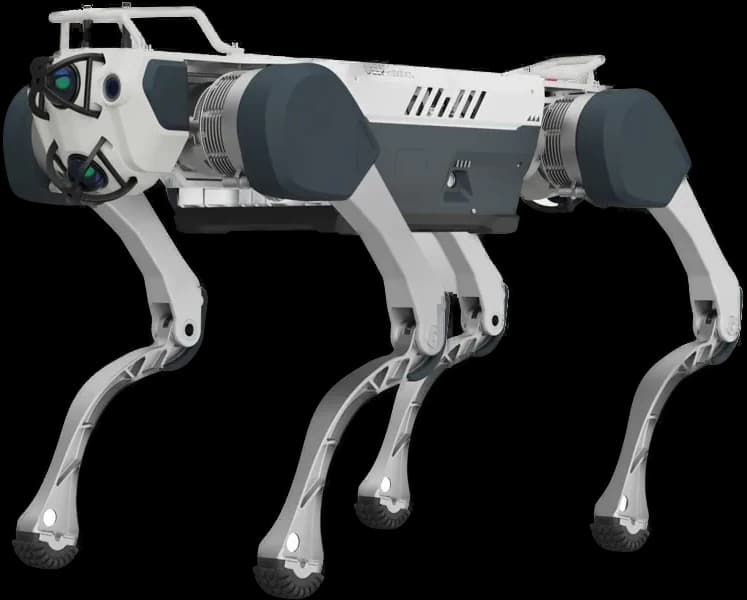
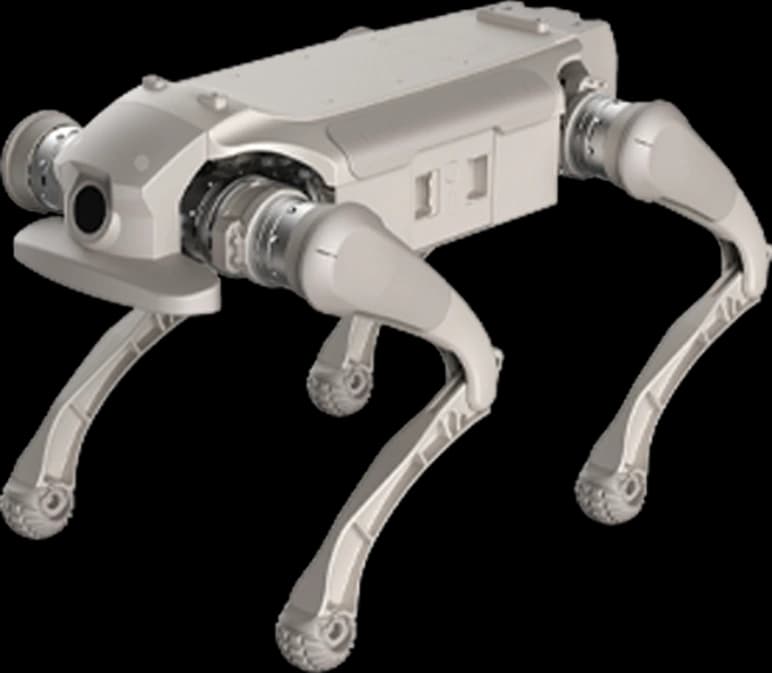
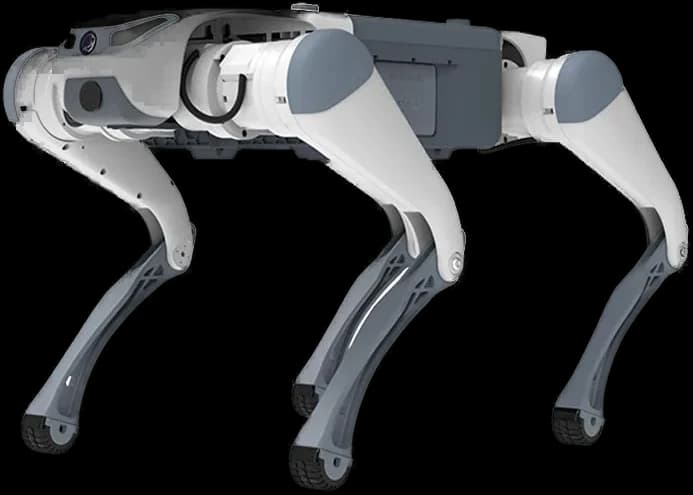
- Unitree A2
The problem addressed
Fatal workplace accidents caused by sudden gas release and oxygen depletion during tunnel excavations.
Draft mission flow
- 1The robot patrols autonomously inside the tunnel tube during boring operations; continuously measures O₂, CO, methane, H₂S, and NO₂ levels.
- 2Instant evacuation alarm triggered when oxygen level drops below 19.5% or toxic gas threshold exceeded.
- 3Gas concentration trend analyzed to predict formation time of dangerous accumulations; ventilation system parameters optimized.
- 4Gas data transmitted to TBM control system; worker evacuation routes dynamically updated based on gas map.
Proposed hardware
- Multi-Gas Detector (O₂/CO/CH₄/H₂S/NO₂)
- Thermal Camera
- IP67 Protection Kit
- LORA Communication
Proposed software
- Navigation
- LiDAR-based corridor SLAM in narrow and dark conditions inside tunnel tube
- Model
- Gas Concentration Trend Prediction and Oxygen Depletion Rate Calculation
- Integration
- TBM (Tunnel Boring Machine) Control System and OHS Emergency Evacuation Protocol
The robot's real operating limits
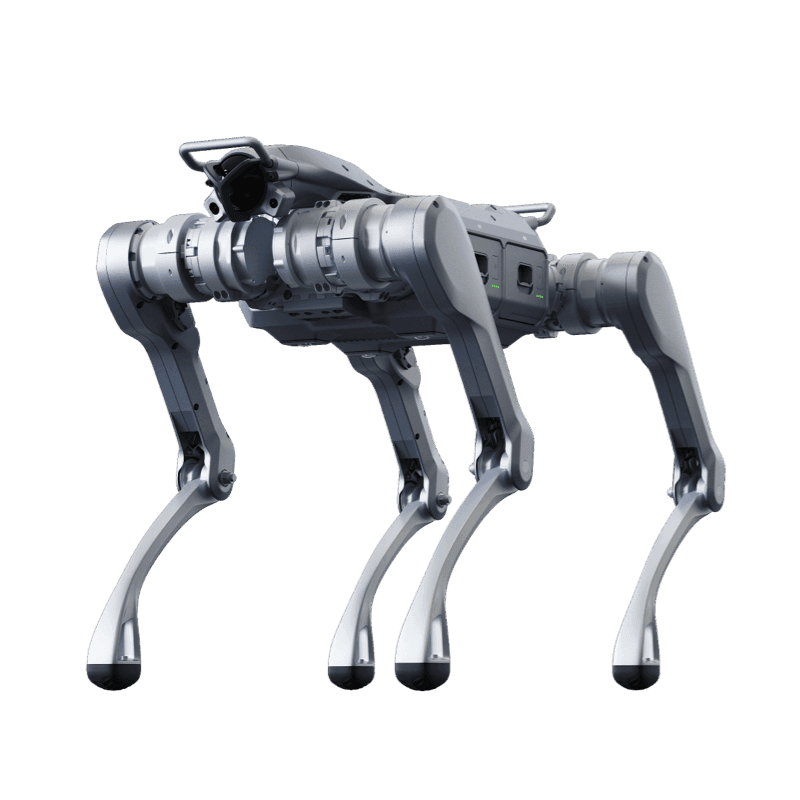
Unitree A2
Industrial Class Legged Robot
Product page- Ingress rating
- IP56-IP67
- Runtime
- >5 hours (No load) / >3 hours (25kg Load)
- Operating temperature
- -20°C to 55°C
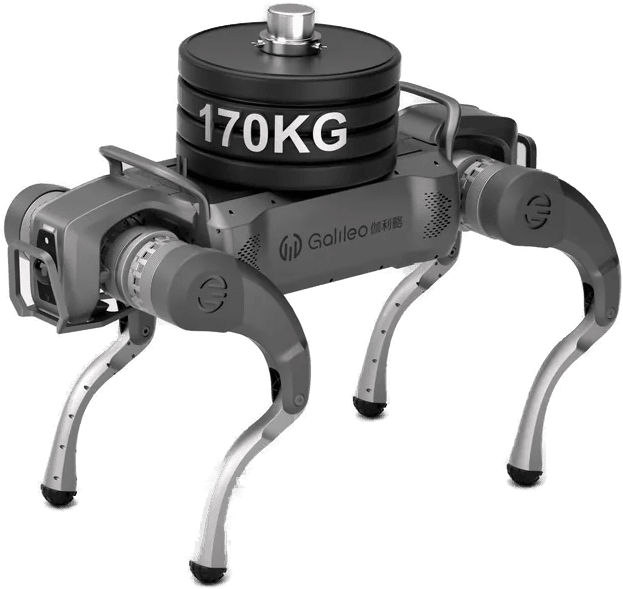
- Payload
- 100 kg
- Max speed
- 5 m/s
- Climb
- 45°
Values are manufacturer data. Scenario fit is determined by comparing these limits with site conditions.
From scenario to installation
Feasibility is determined by the site survey: floor and route, network coverage, the charging point, intervention responsibilities and the conditions under which the robot must stop. The survey report defines the scope, the constraints and the commissioning steps.