




Elevator Shaft and Open Shaft Safety Mapping
Scenario record: it defines the environment, the mission flow and a proposed hardware and software configuration. The list below is a configuration proposal, not an installation inventory. Field projects lists deployed systems and their measurements.
- Environment
- Indoor, public area
- Operating mode
- Supervised autonomy
- Proposed robot
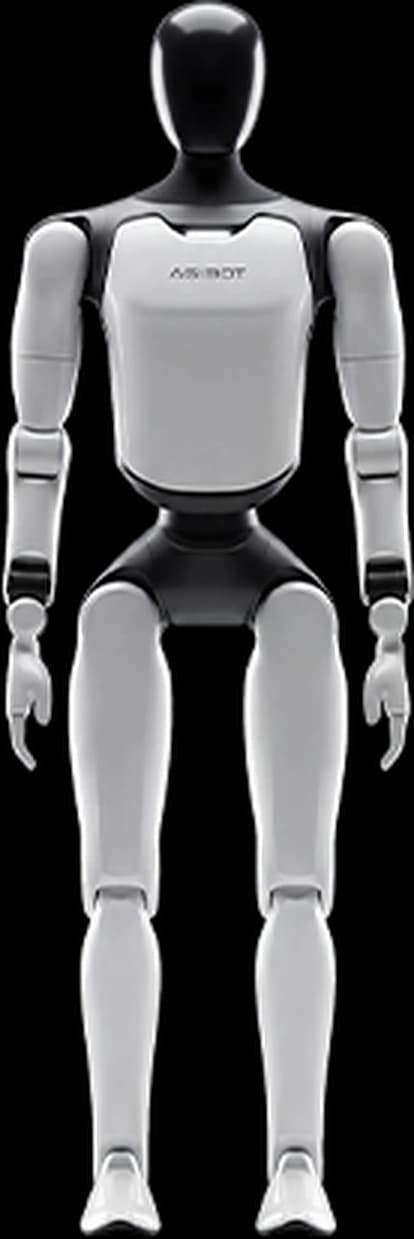
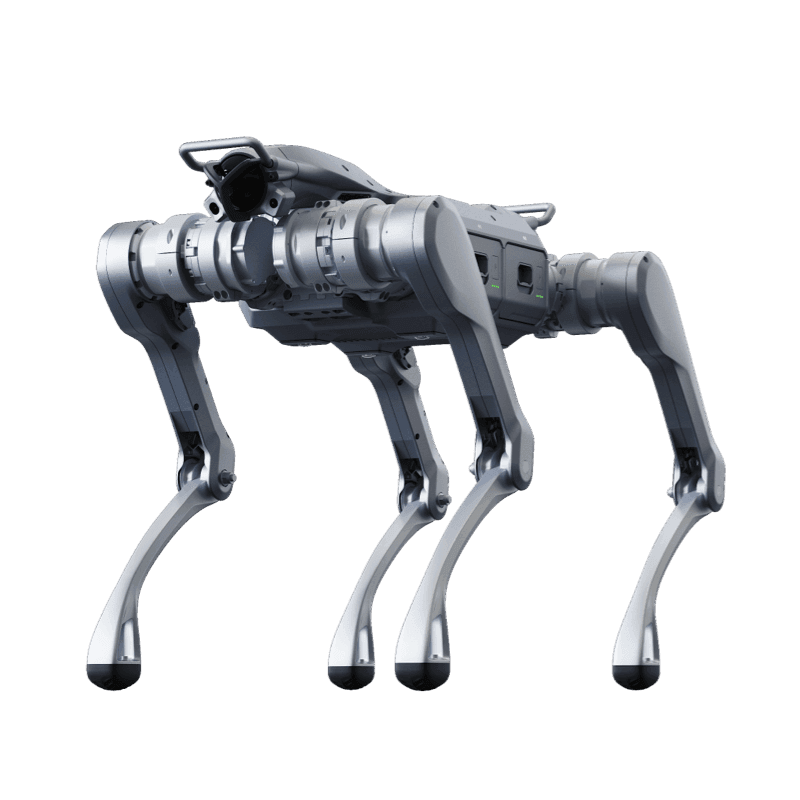
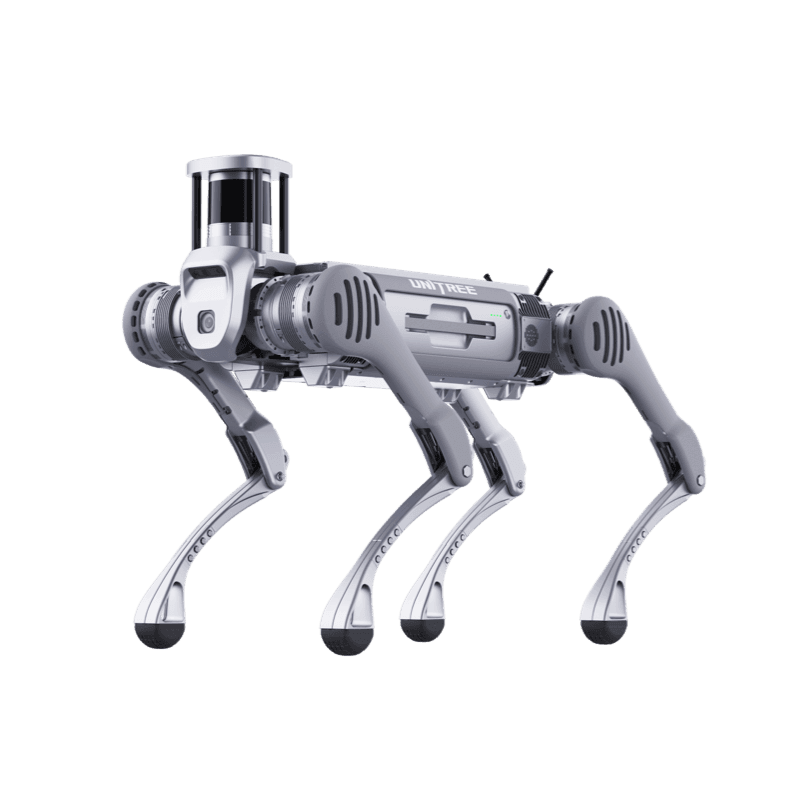
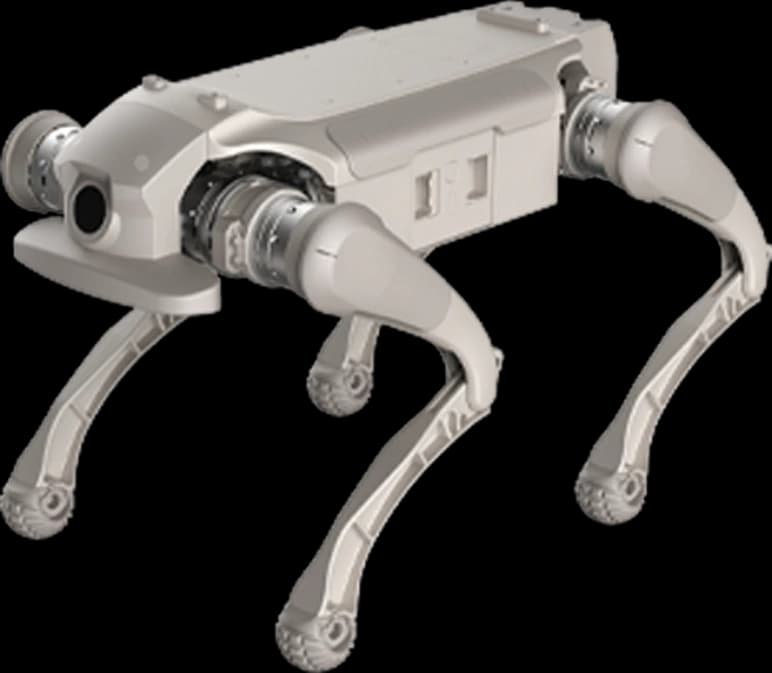
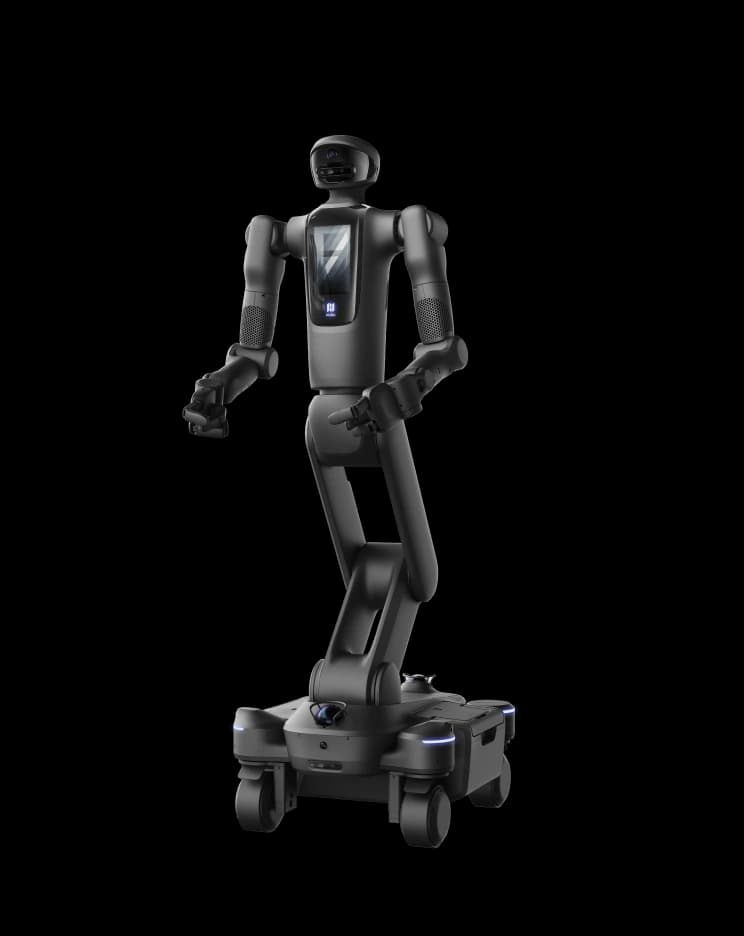
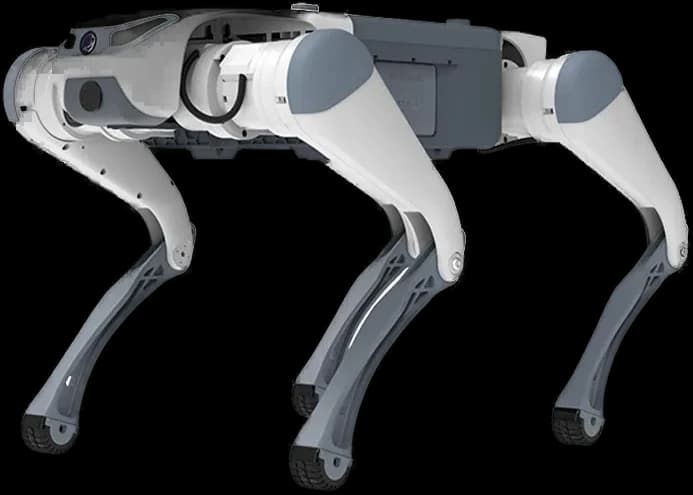
- Unitree AS2
The problem addressed
Severe injury and fatality cases from falls through uncovered elevator shafts and voids.
Draft mission flow
- 1The robot checks the closure status of elevator shafts and utility shafts on each floor.
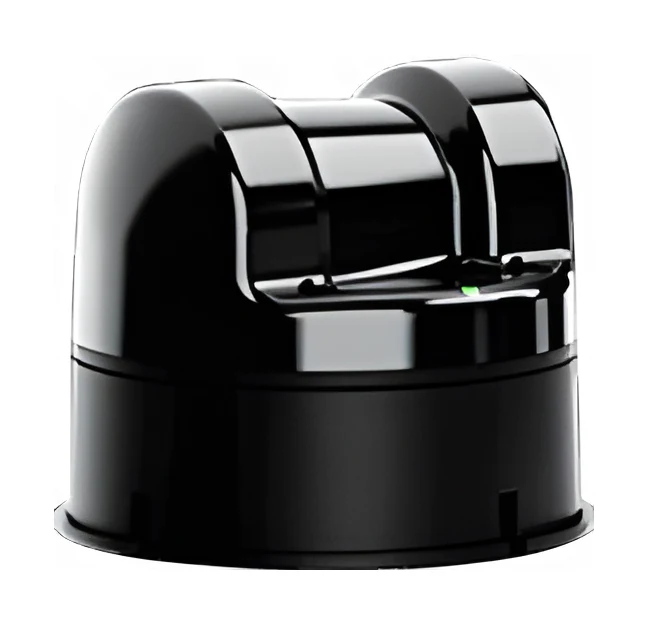
- 2Detects unprotected voids, missing railings, and safety net damage with 3D LiDAR.
- 3Dangerous voids mapped on a floor-by-floor basis; photo notifications sent to OHS platform.
- 4Area marked as 'red zone' until correction made; LED and audio warning given to approaching personnel.
Proposed hardware
- 3D LiDAR
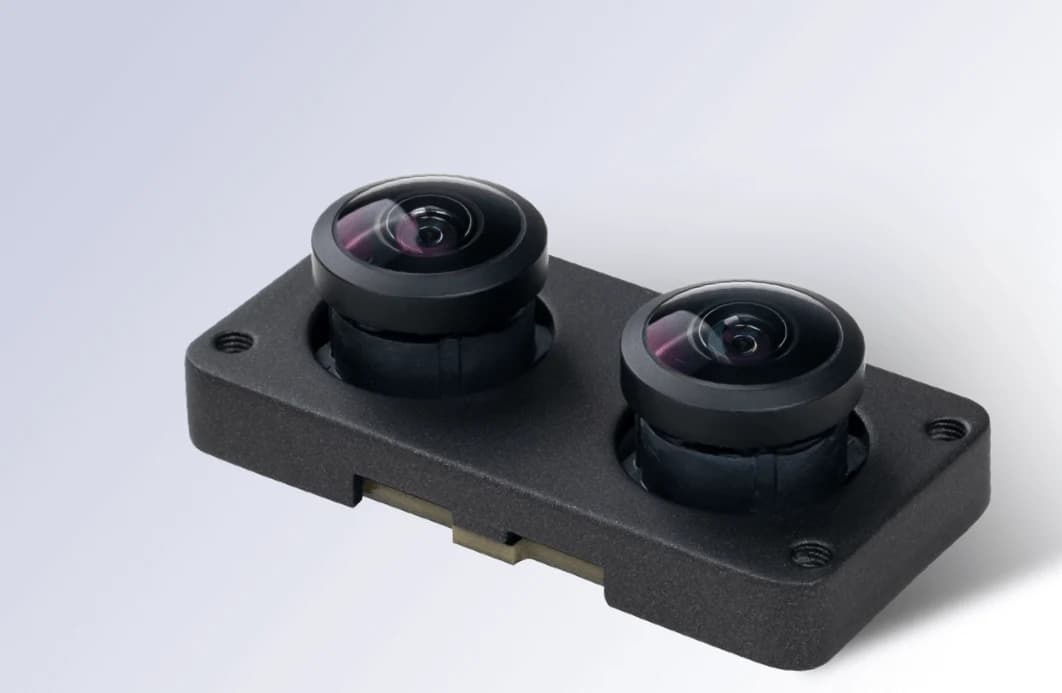
- HD Depth Camera
- LED Warning Lights
- WiFi 6E
Proposed software
- Navigation
- Floor-based safe edge SLAM navigation around elevator shaft perimeter
- Model
- Open Shaft/Void Segmentation and Railing Deficiency Detection
- Integration
- Construction Site OHS Platform and Daily Hazard Map
The robot's real operating limits
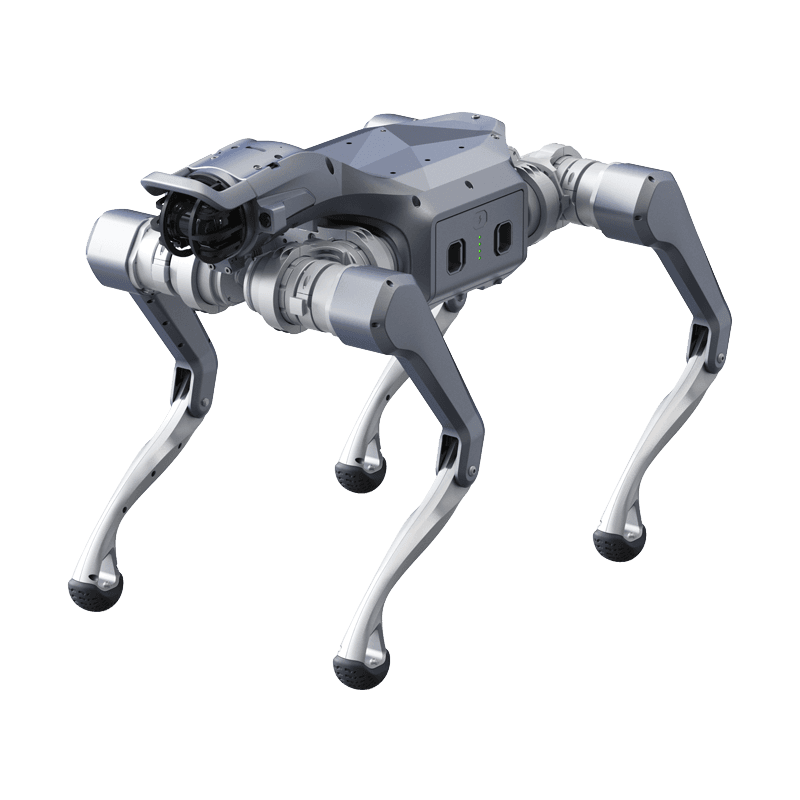
Unitree AS2
Industrial Capacity in a Compact Chassis
Product page- Ingress rating
- IP54
- Runtime
- >4 hours (No load)
- Operating temperature
- -20°C to 50°C
- Payload
- Up to 65 kg
- Max speed
- >5 m/s
- Climb
- 40°
Values are manufacturer data. Scenario fit is determined by comparing these limits with site conditions.
From scenario to installation
Feasibility is determined by the site survey: floor and route, network coverage, the charging point, intervention responsibilities and the conditions under which the robot must stop. The survey report defines the scope, the constraints and the commissioning steps.