




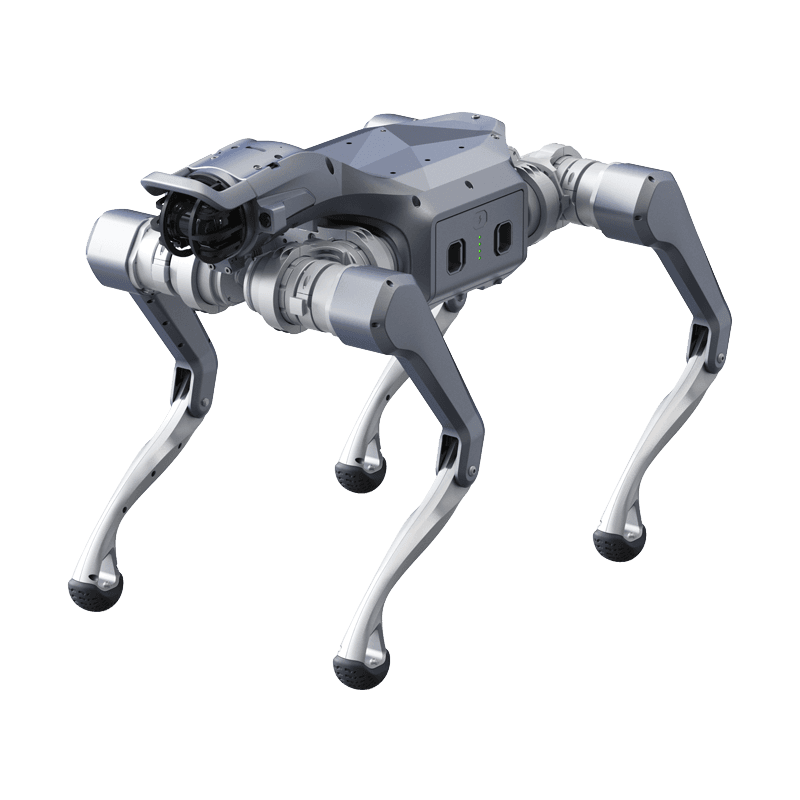
Oil Refinery Flammable Gas Leak Patrol
Scenario record: it defines the environment, the mission flow and a proposed hardware and software configuration. The list below is a configuration proposal, not an installation inventory. Field projects lists deployed systems and their measurements.
- Environment
- Outdoor field
- Operating mode
- Supervised autonomy
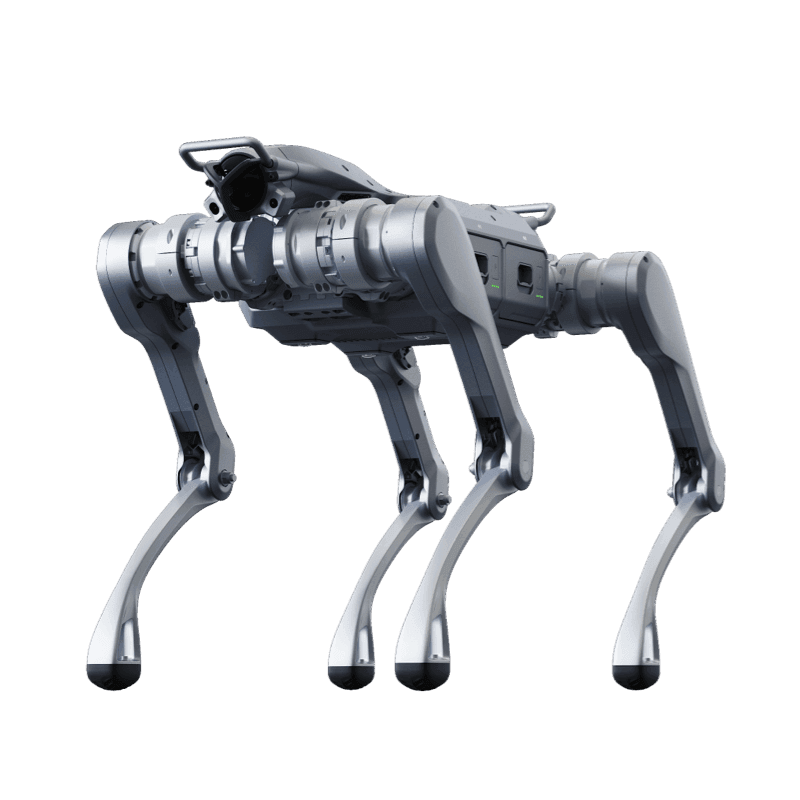
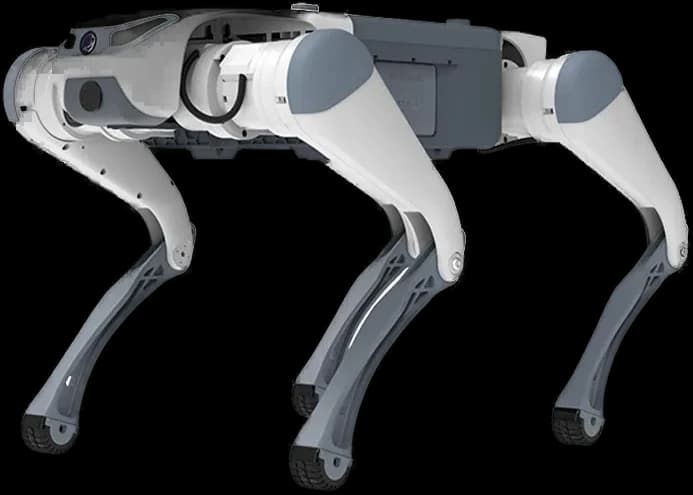
- Proposed robot
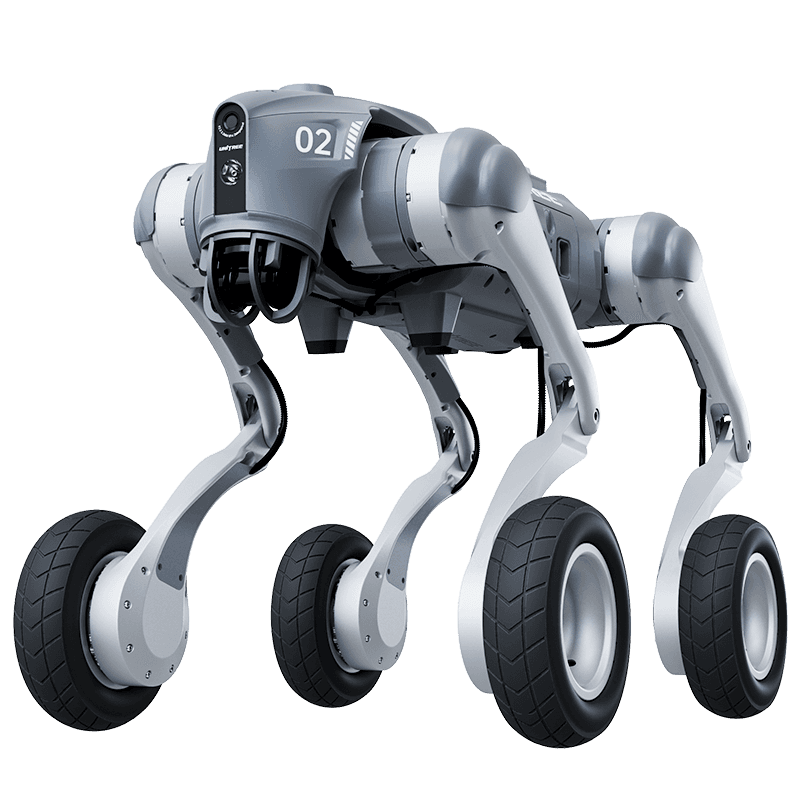
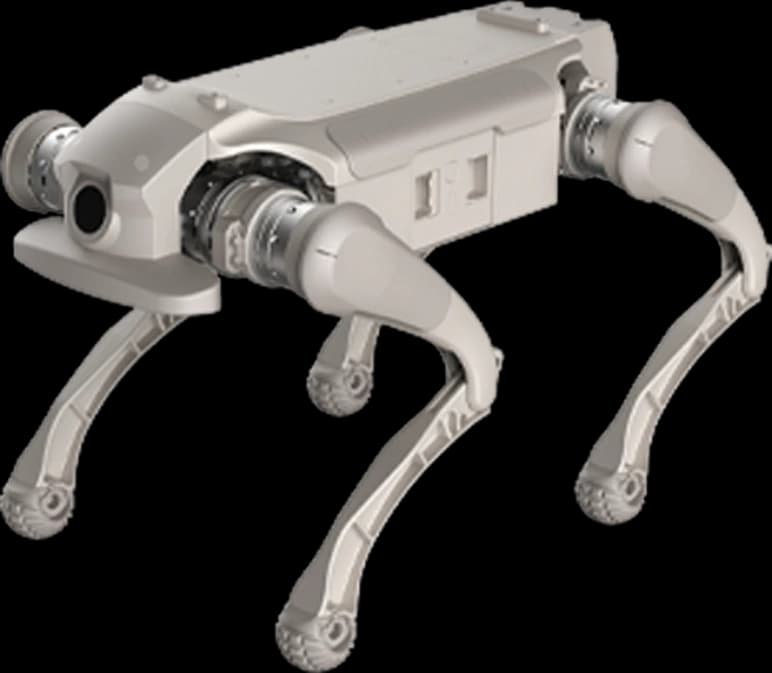
- Unitree B2
The problem addressed
Safety risk created by human patrol in flammable atmosphere and blind spots created by fixed sensors.
Draft mission flow
- 1The robot patrols autonomously within the refinery site with spark-free hardware compliant with ATEX Zone 1/2 classification.
- 2Detects micro-leaks at pipe flanges, valve seals, and weld points by measuring VOC, H₂S, and methane at ppb level.
- 3Thermal camera simultaneously scans pipe surface temperatures; correlates abnormal heating with gas leaks.
- 4Instant alarm and automatic valve isolation command transmitted to DCS for critical leaks; daily site health report generated.
Proposed hardware
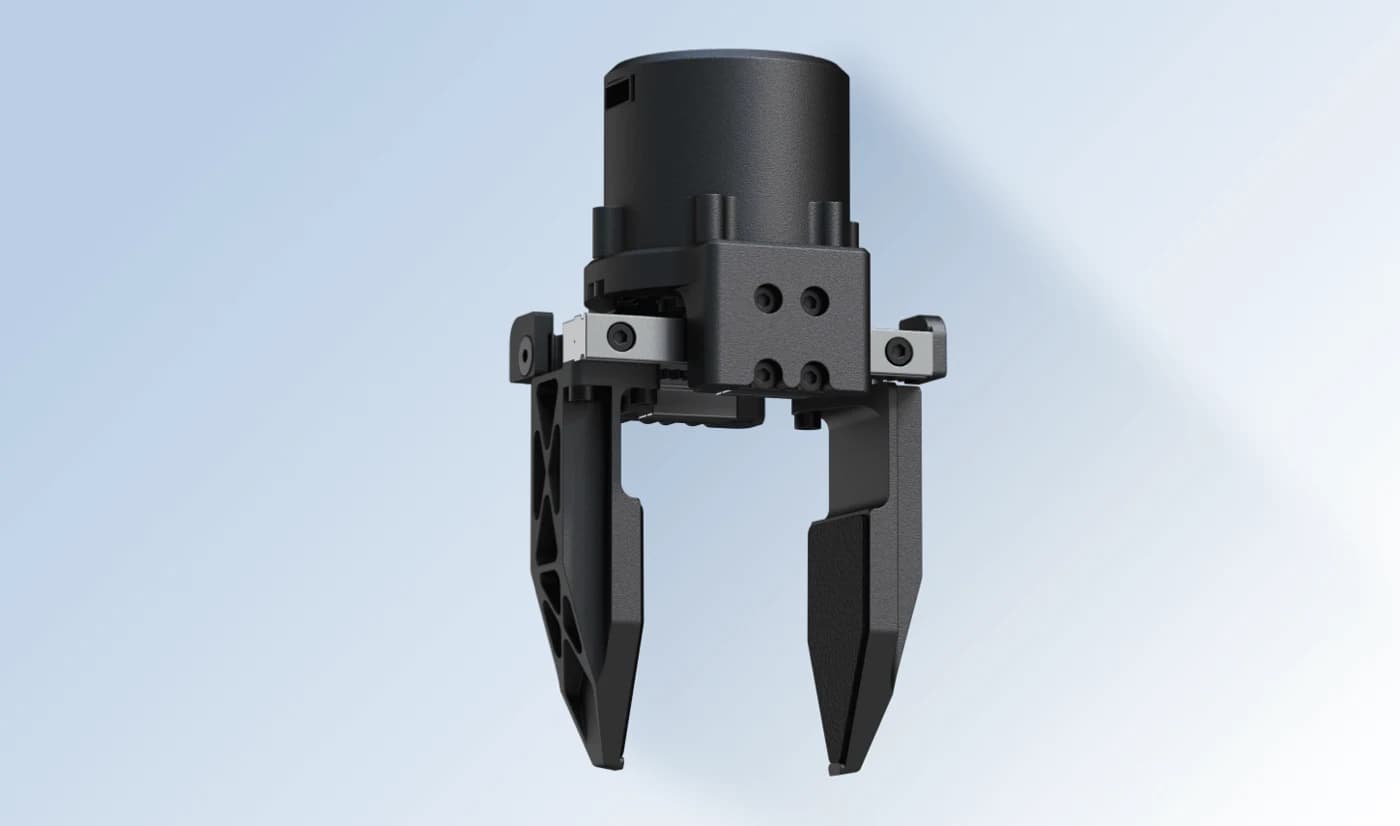
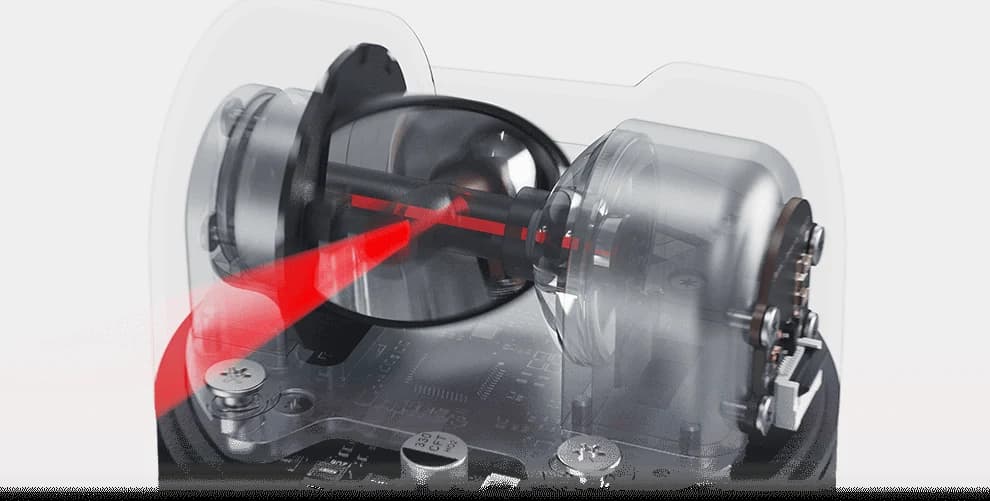
- ATEX Compliant ppb Level Gas Detector
- Thermal Camera (Ex-proof)
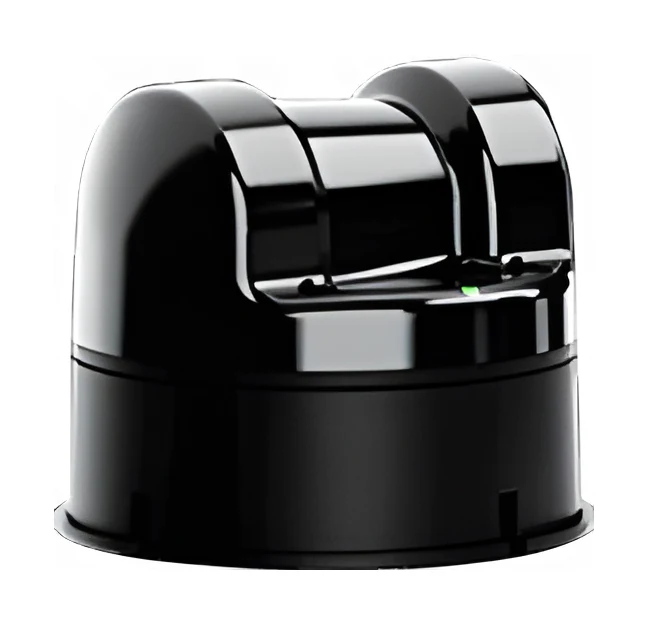
- LiDAR L2
- LORA Long Distance Communication
Proposed software
- Navigation
- Autonomous navigation compliant with ATEX Zone classification within refinery pipe complex
- Model
- Multi-Gas Plume Modeling and Source Localization (VOC/H₂S/CH₄)
- Integration
- Refinery DCS (Distributed Control System) and Emergency Sensor Network
The robot's real operating limits
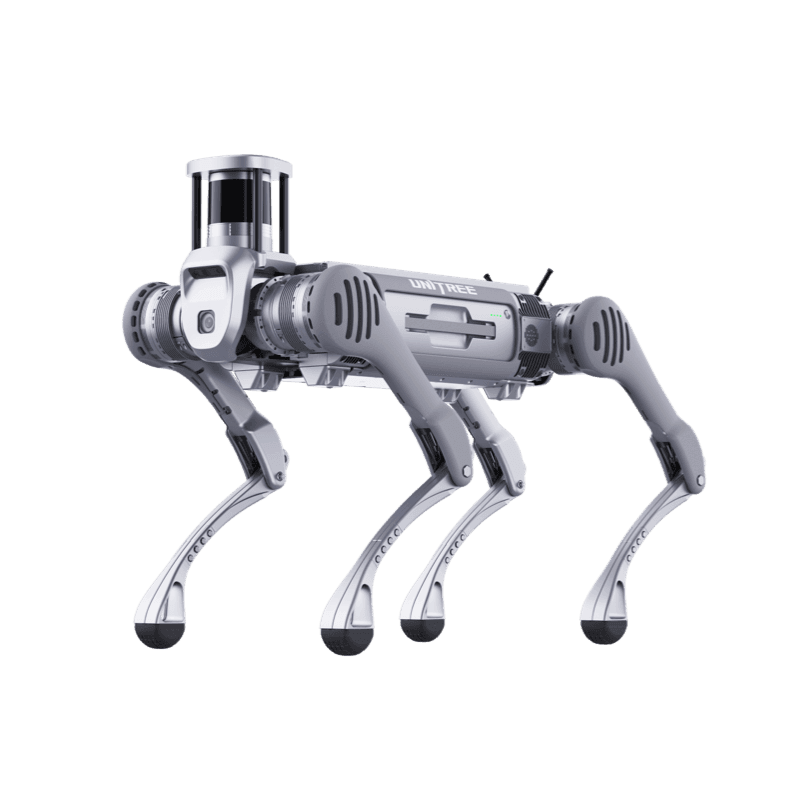
Unitree B2
Leading Industrial Application
Product page- Ingress rating
- IP67
- Runtime
- >5 hours (No load) / >4 hours (20kg Load)
- Operating temperature
- -20°C to 55°C
- Payload
- 120 kg
- Max speed
- >6 m/s
- Climb
- 45°
Values are manufacturer data. Scenario fit is determined by comparing these limits with site conditions.
From scenario to installation
Feasibility is determined by the site survey: floor and route, network coverage, the charging point, intervention responsibilities and the conditions under which the robot must stop. The survey report defines the scope, the constraints and the commissioning steps.