
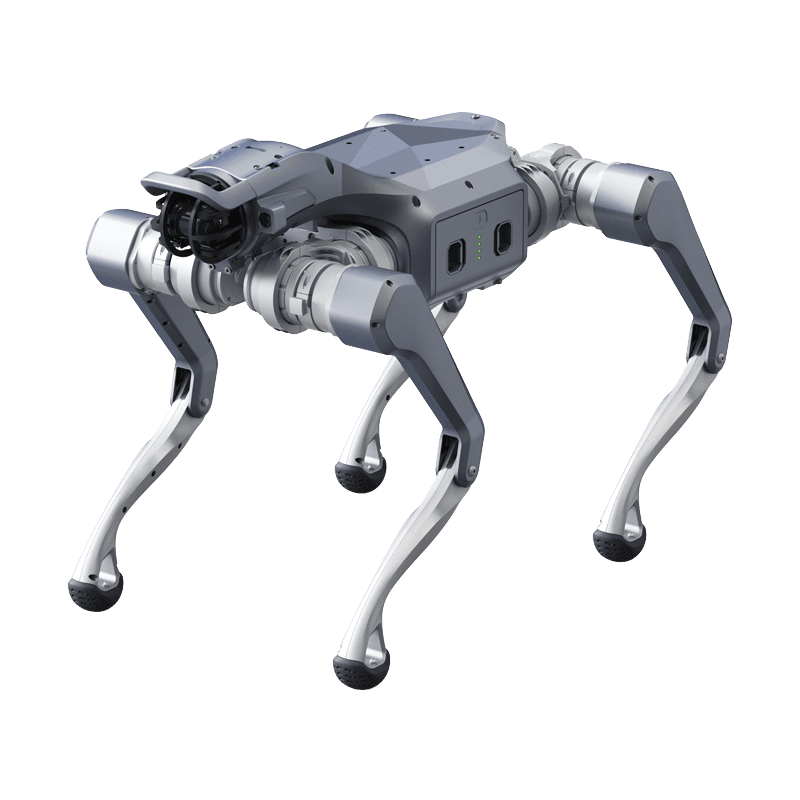
Public Transit Terminal Cleaning and Hygiene Inspection
Scenario record: it defines the environment, the mission flow and a proposed hardware and software configuration. The list below is a configuration proposal, not an installation inventory. Field projects lists deployed systems and their measurements.
- Environment
- Indoor, public area
- Operating mode
- Supervised autonomy
- Proposed robot
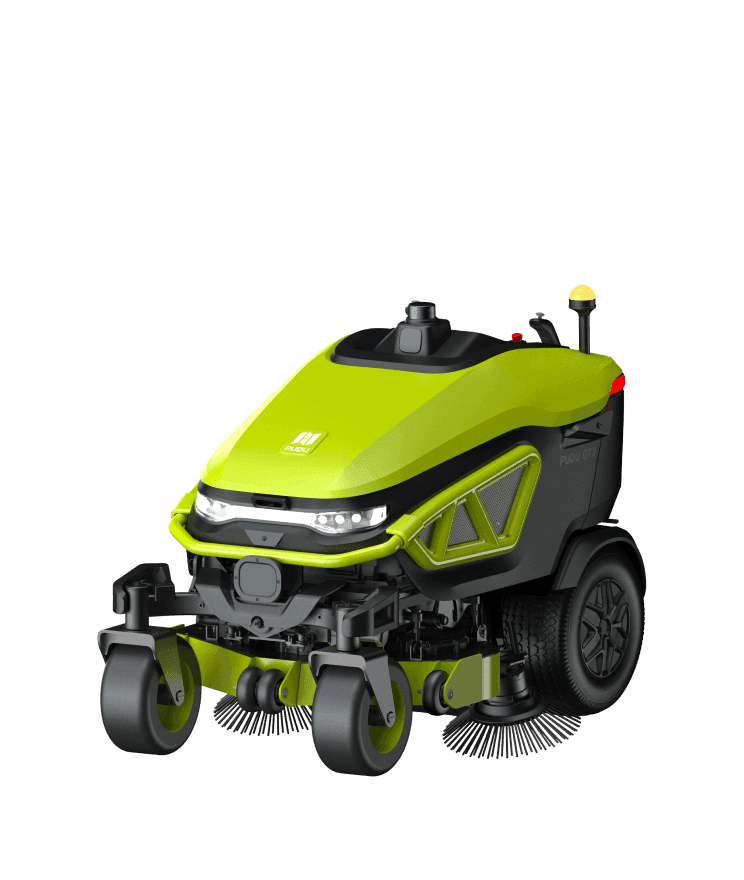
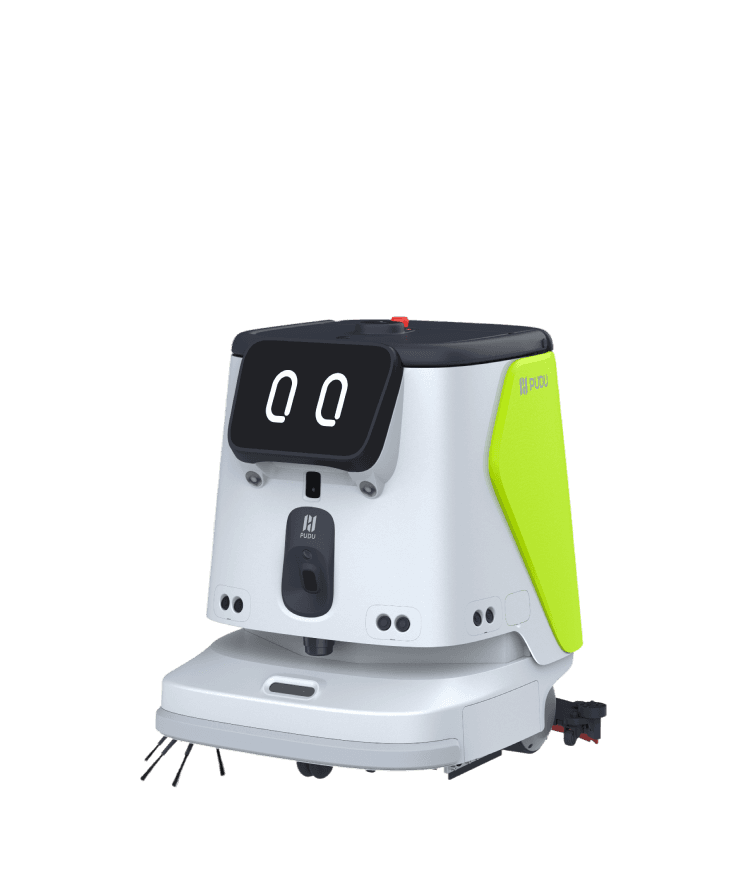
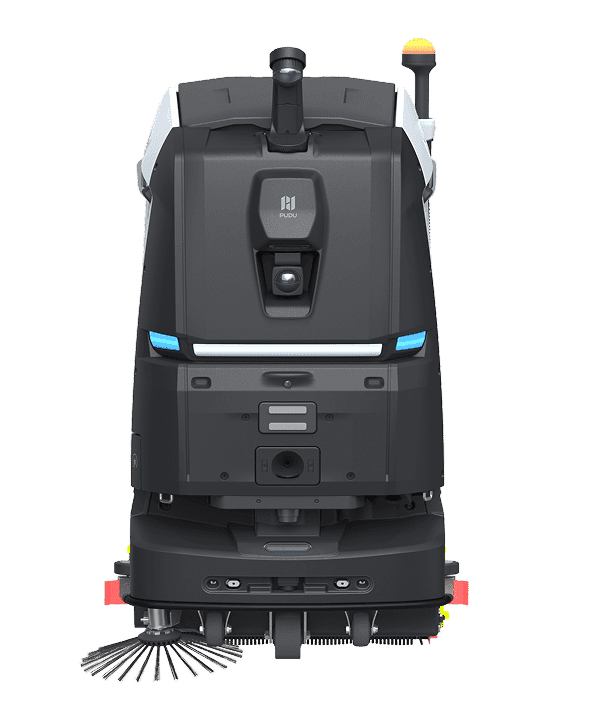
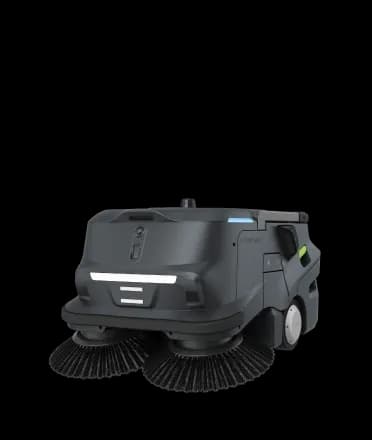
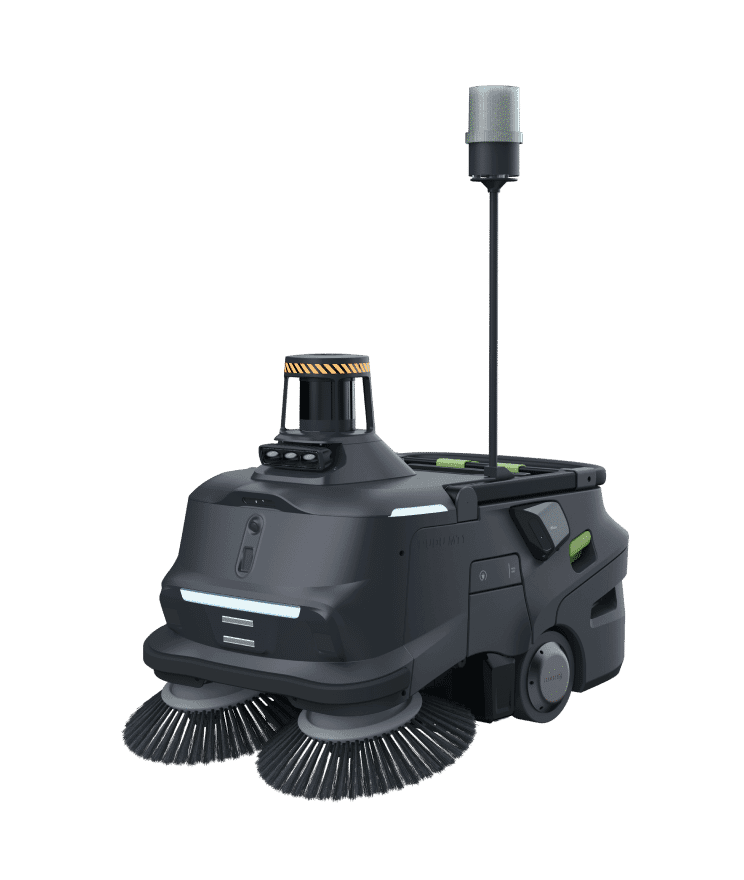
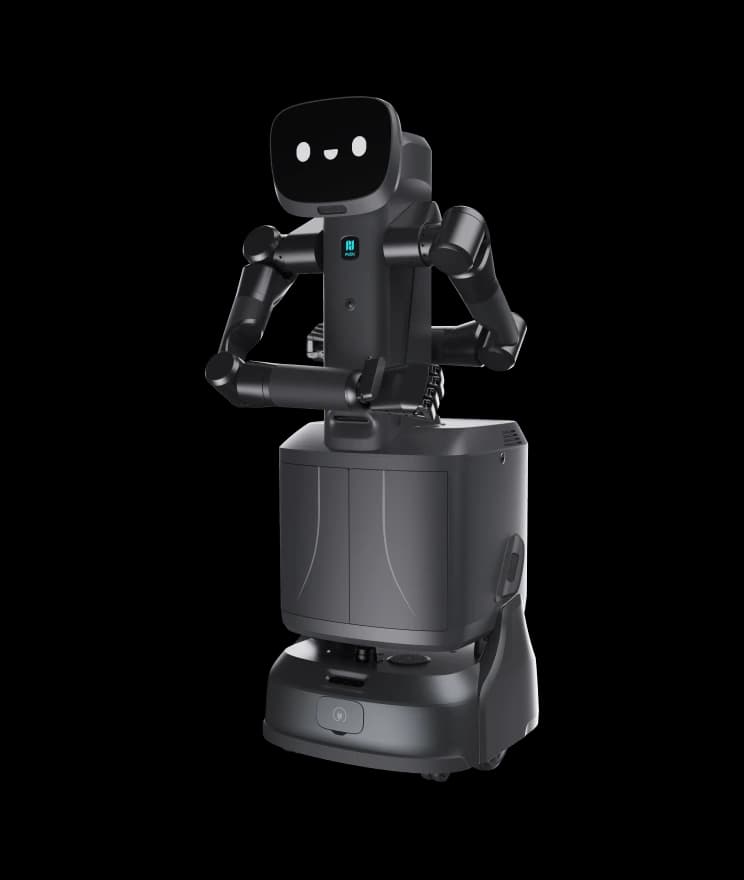
- PUDU BG1
The problem addressed
Inconsistent application of hygiene standards at public transit terminals and passenger dissatisfaction.
Draft mission flow
- 1The robot checks terminal waiting areas and restrooms at regular intervals; scans organic contamination with UV fluorescence camera.
- 2Rapidly measures bacteria level on touch surfaces (handrails, seats, turnstiles) with ATP reader.
- 3Localizes bad odor sources with odor sensor; reports urgent intervention to cleaning management system.
- 4Hourly hygiene score displayed on terminal digital panels; increases passenger confidence.
Proposed hardware
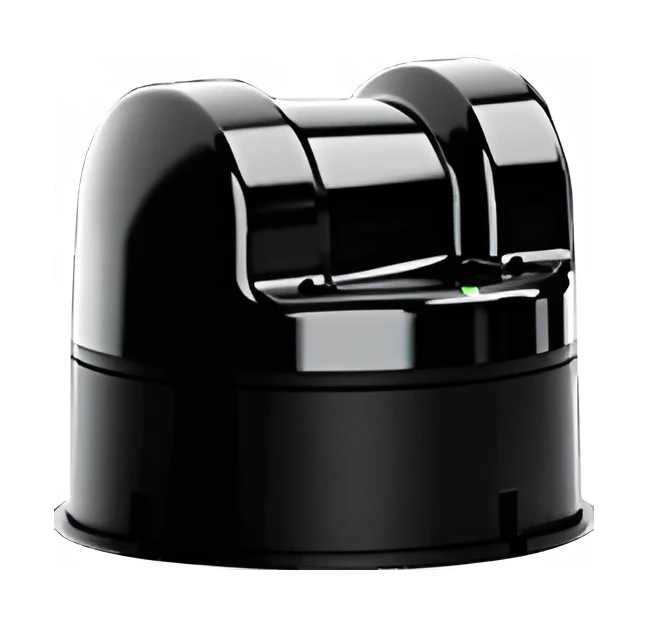
- UV Fluorescence Camera
- ATP Bioluminescence Reader
- Odor Sensor
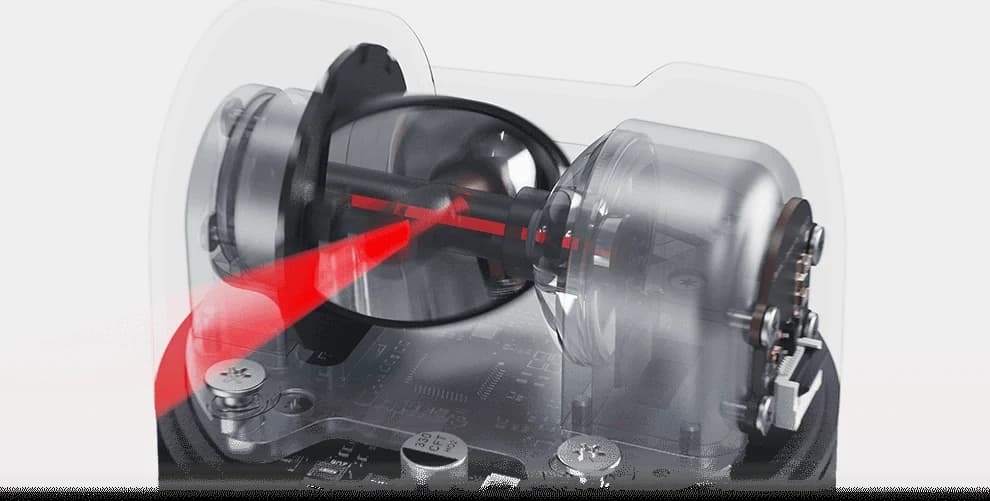
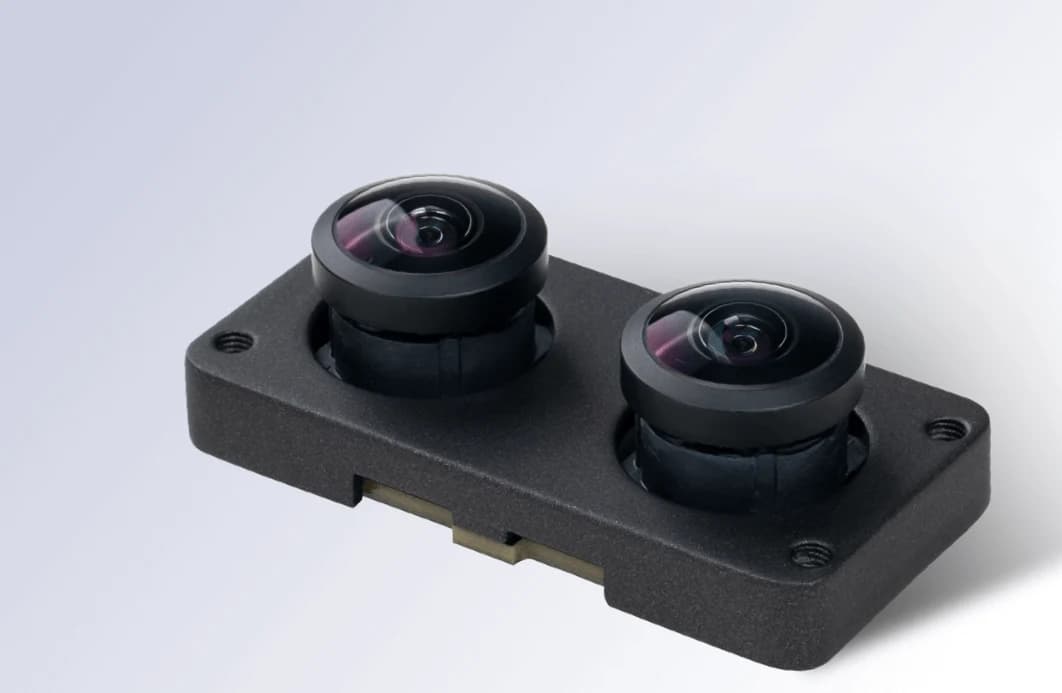
- Compact LiDAR
Proposed software
- Navigation
- Autonomous patrol in terminal waiting halls, restroom entrances, and ticket areas
- Model
- Surface Hygiene Scoring (Organic Contamination/Bacteria Level) and Odor Source Localization
- Integration
- Terminal Cleaning Management System and Passenger Satisfaction Platform
The robot's real operating limits
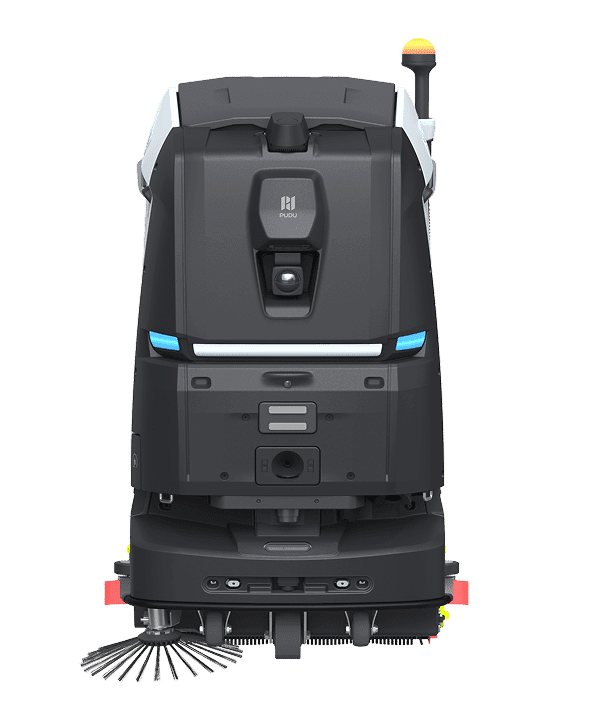
PUDU BG1
Autonomous Floor Scrubbing, Sweeping & Polishing Robot
Product page- Runtime
- Sweeping & Scrubbing: Max 7.5 h
- Payload
- 75 L clean water / 60 L wastewater
- Max speed
- 0.2 ~ 1.0 m/s
- Weight
- ~344 kg
Values are manufacturer data. Scenario fit is determined by comparing these limits with site conditions.
From scenario to installation
Feasibility is determined by the site survey: floor and route, network coverage, the charging point, intervention responsibilities and the conditions under which the robot must stop. The survey report defines the scope, the constraints and the commissioning steps.