





Concept scenario
Laboratory Chemical Gas Leak Monitoring and Alarm
Scenario record: it defines the environment, the mission flow and a proposed hardware and software configuration. The list below is a configuration proposal, not an installation inventory. Field projects lists deployed systems and their measurements.
- Environment
- Outdoor field
- Operating mode
- Teleoperation
- Proposed robot
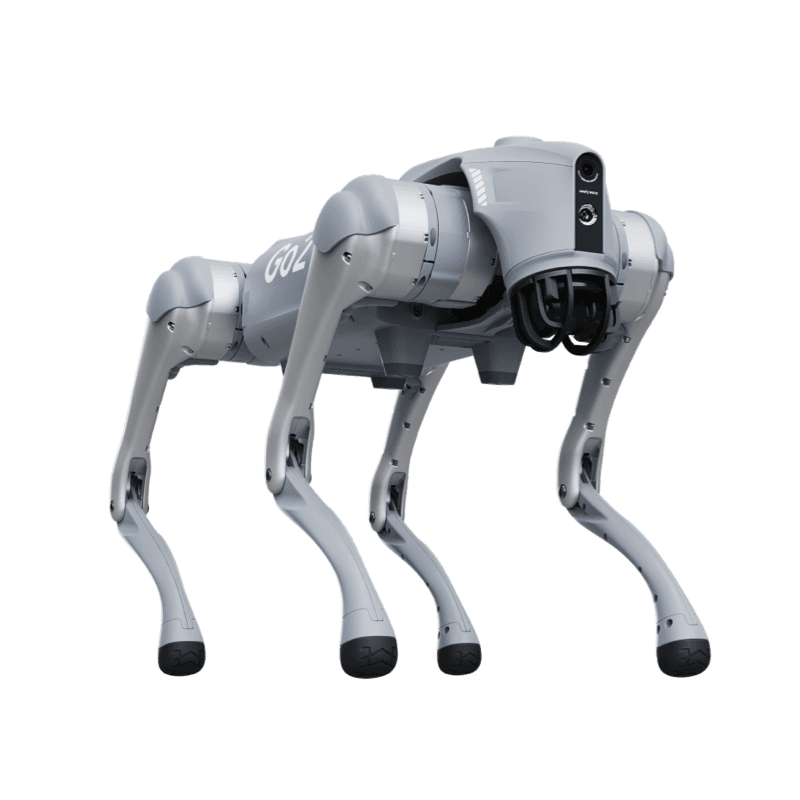
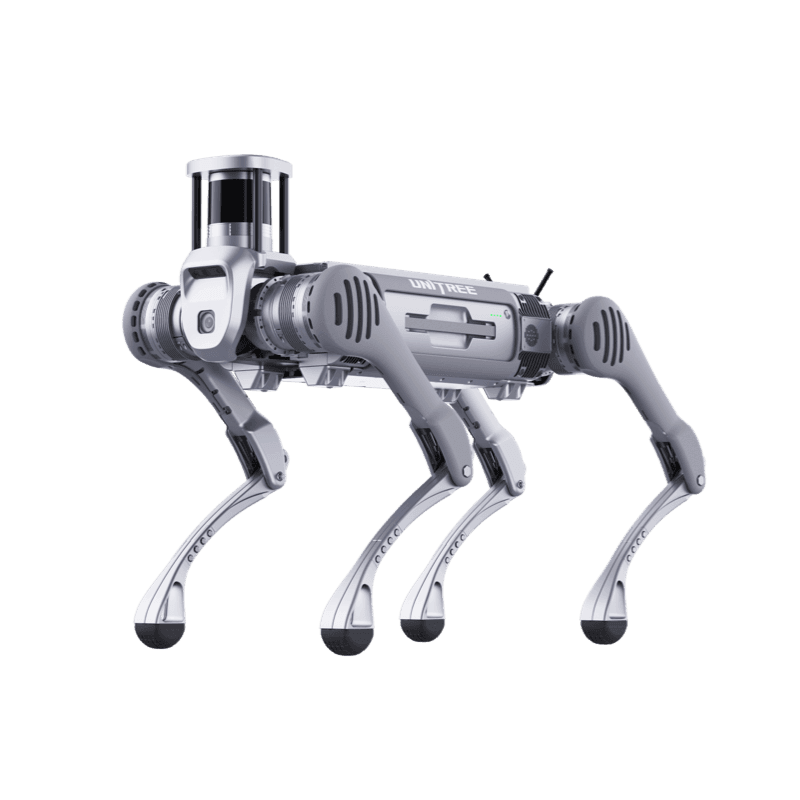
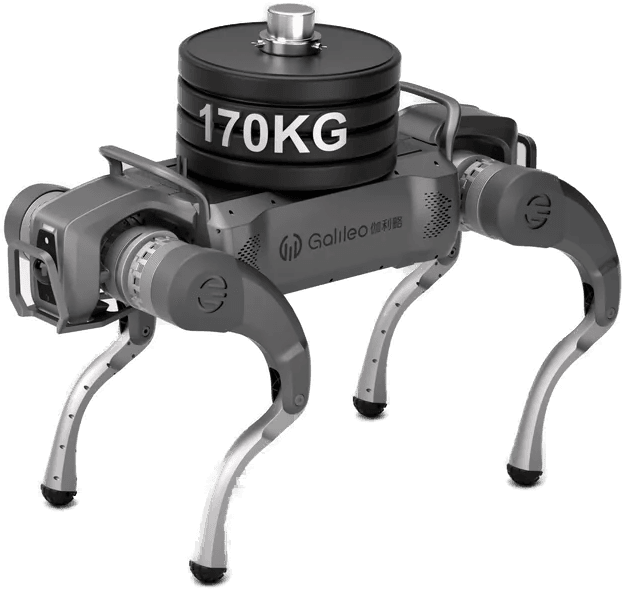
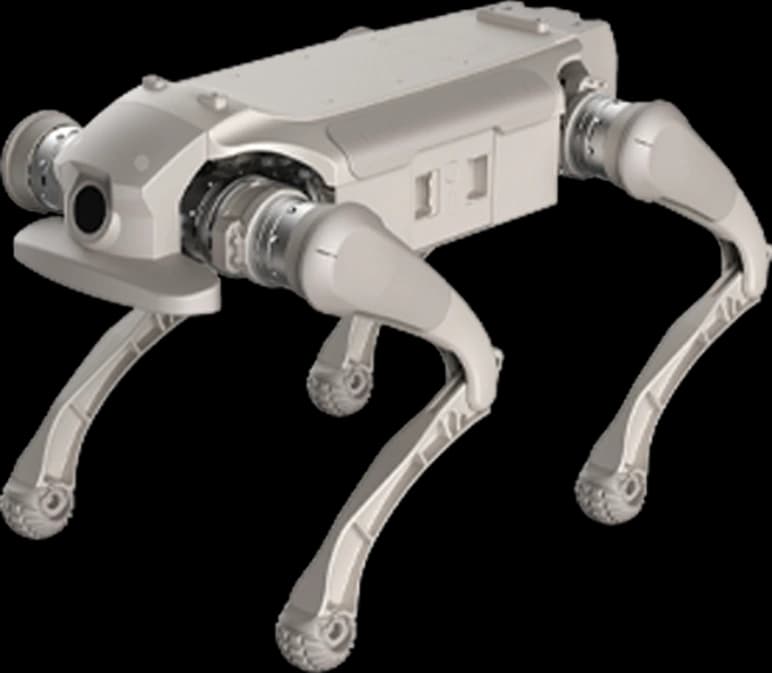
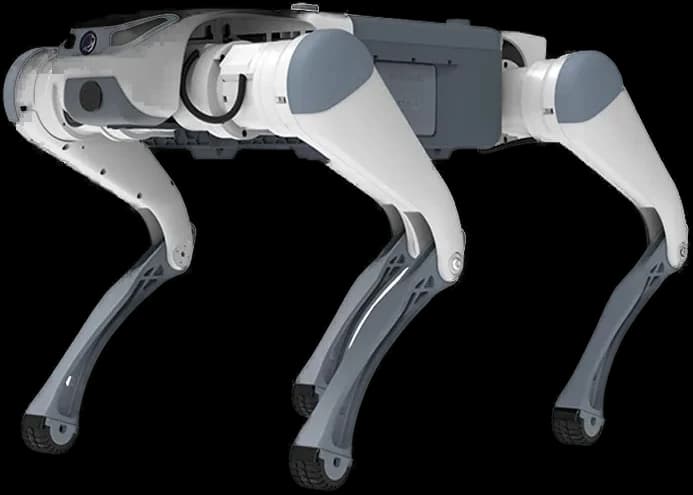
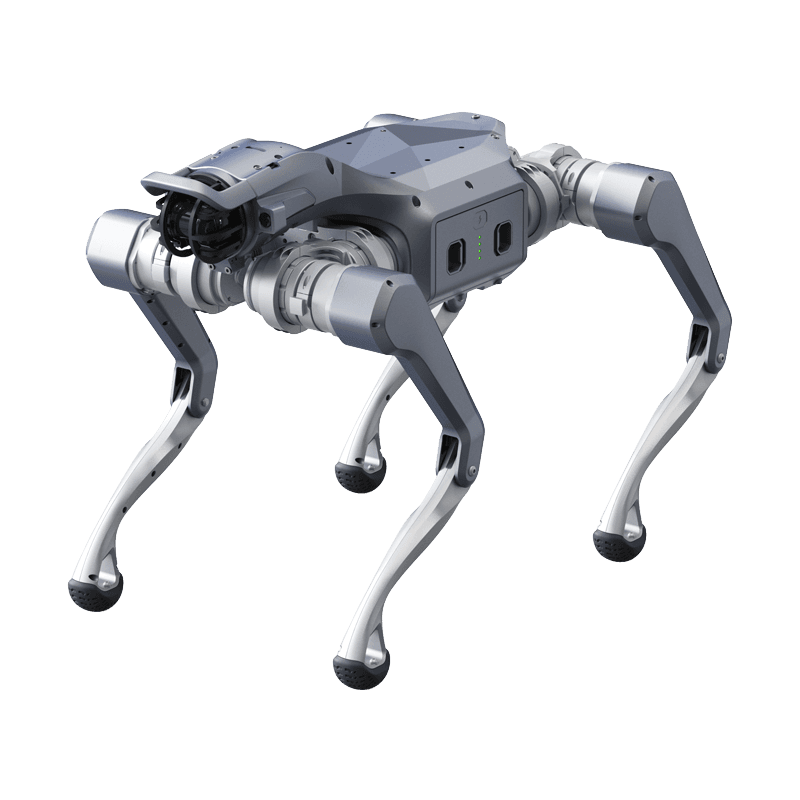
- Unitree A2
The problem addressed
Personnel poisoning and fire risk from late detection of chemical leaks in laboratories.
Draft mission flow
- 1The robot patrols autonomously between laboratory benches; continuously analyzes air with VOC and chemical gas detector.
- 2Measures toxic VOCs like formaldehyde, acetone, benzene in real-time; localizes leak source.
- 3High decibel alarm triggered upon threshold exceedance; notification sent to LIMS and fire alarm system.
- 4Coordinates automatic activation of ventilation system and initiation of evacuation protocol.
Proposed hardware
- Multi-Gas/VOC Detector
- Thermal Camera
- HD Optical Camera
- High Decibel Alarm
Proposed software
- Navigation
- Narrow aisle SLAM between laboratory benches; safe distance to sensitive equipment
- Model
- VOC Concentration Trend Prediction and Chemical Leak Source Localization
- Integration
- Laboratory Information Management System (LIMS) and Building Fire Alarm System
The robot's real operating limits
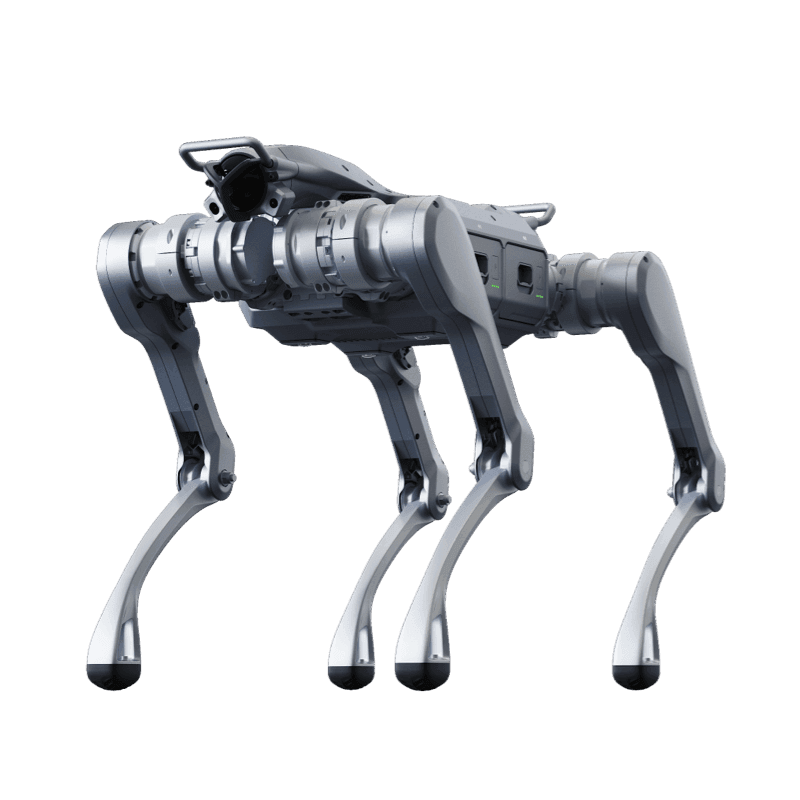
Unitree A2
Industrial Class Legged Robot
Product page- Ingress rating
- IP56-IP67
- Runtime
- >5 hours (No load) / >3 hours (25kg Load)
- Operating temperature
- -20°C to 55°C
- Payload
- 100 kg
- Max speed
- 5 m/s
- Climb
- 45°
Values are manufacturer data. Scenario fit is determined by comparing these limits with site conditions.
From scenario to installation
Feasibility is determined by the site survey: floor and route, network coverage, the charging point, intervention responsibilities and the conditions under which the robot must stop. The survey report defines the scope, the constraints and the commissioning steps.