





Concept scenario
Chemical Leak First Response and Gas Type Identification
Scenario record: it defines the environment, the mission flow and a proposed hardware and software configuration. The list below is a configuration proposal, not an installation inventory. Field projects lists deployed systems and their measurements.
- Environment
- Indoor, public area
- Operating mode
- Teleoperation
- Proposed robot
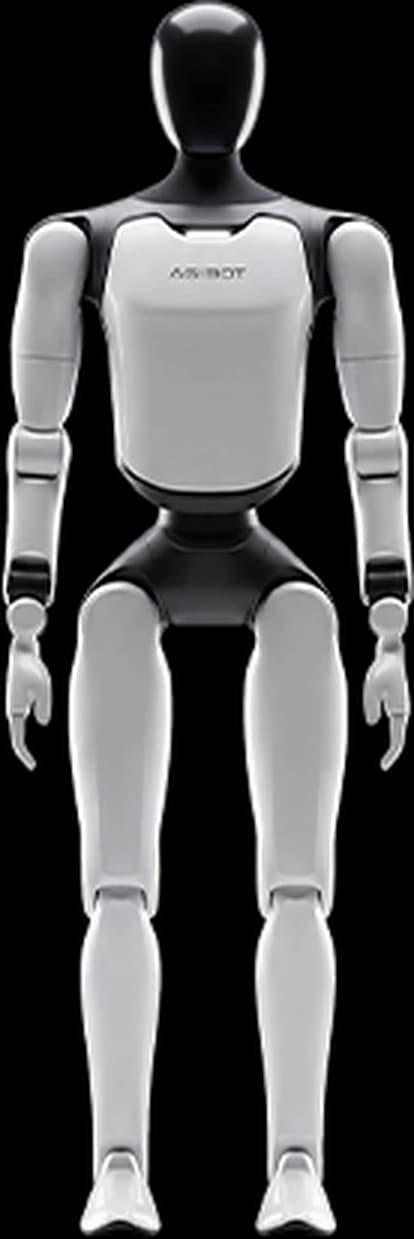
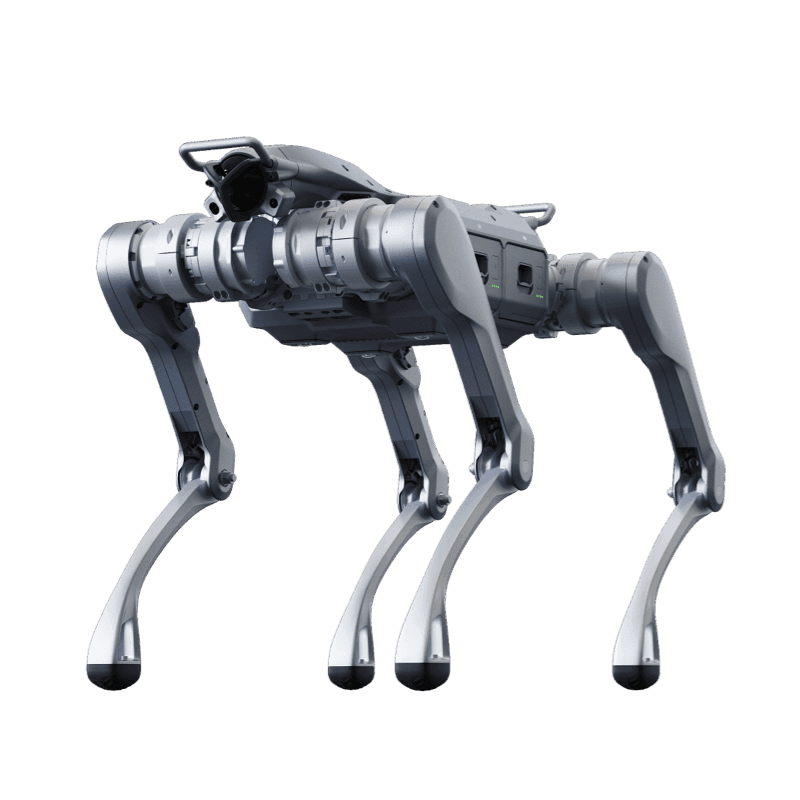
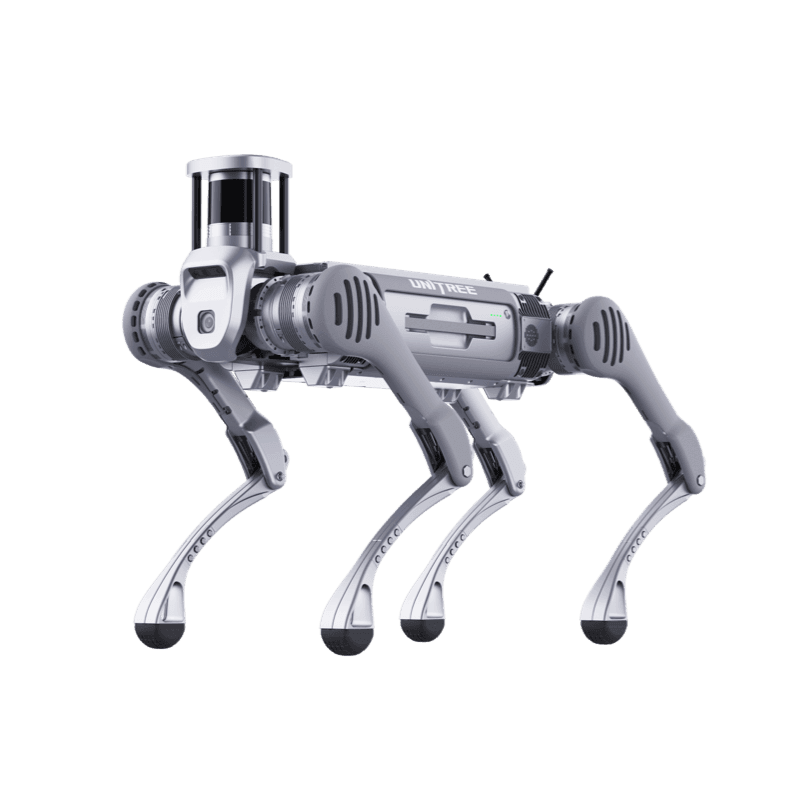
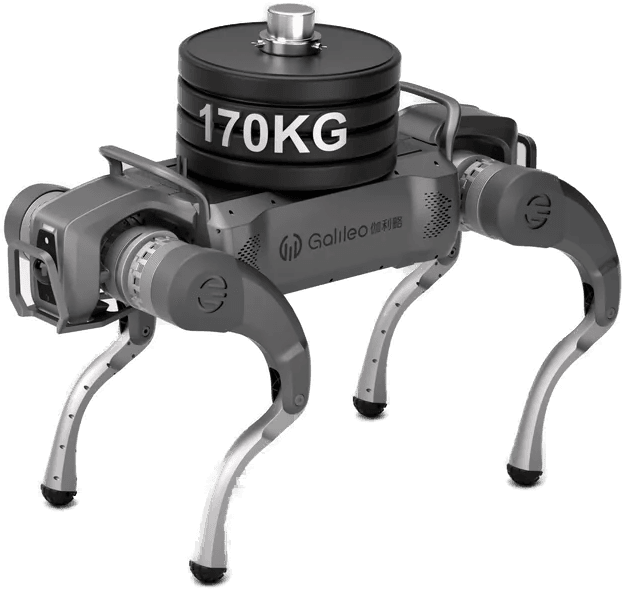
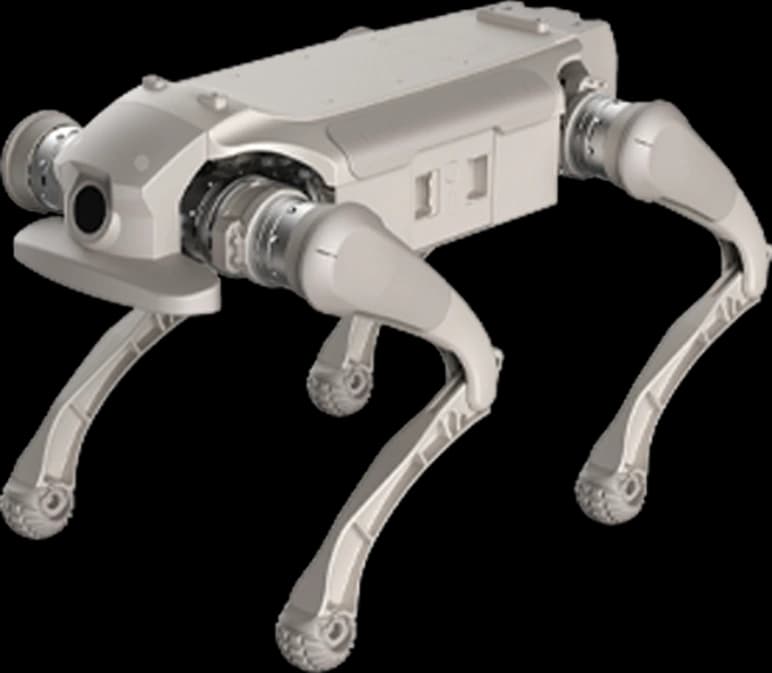
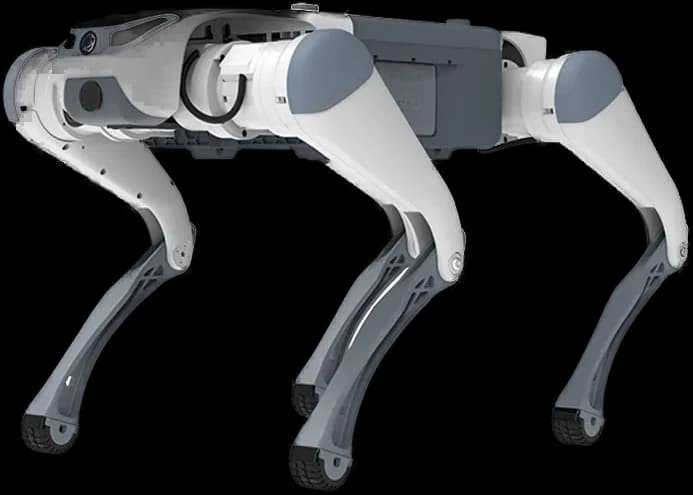
- Unitree AS2
The problem addressed
Exposure risk of first response team due to unknown gas type in chemical leaks.
Draft mission flow
- 1On leak alarm, the robot is directed to the scene before humans; identifies the type and concentration of airborne chemicals within seconds using multi-gas detector.
- 2The exact source of the leak is localized by tracking gas concentration gradient; pipe/tank surface temperature checked with thermal camera.
- 3Live video, gas type, concentration map, and source coordinates instantly transmitted to emergency response team.
- 4Safe approach route and required PPE information sent to response team's tablet; valve isolation recommendation transmitted to DCS.
Proposed hardware
- Multi-Gas Detector (VOC/NH₃/Cl₂/HCN/H₂S)
- HD Optical Camera
- Thermal Camera
- LORA Long Distance Communication
Proposed software
- Navigation
- Shortest route navigation with emergency orientation to leak alarm point; adaptive distance based on gas concentration
- Model
- Multi-Gas Spectral Fingerprint Matching and Concentration Gradient Source Localization
- Integration
- Factory DCS and Emergency Response Team Coordination System (Incident Command)
The robot's real operating limits
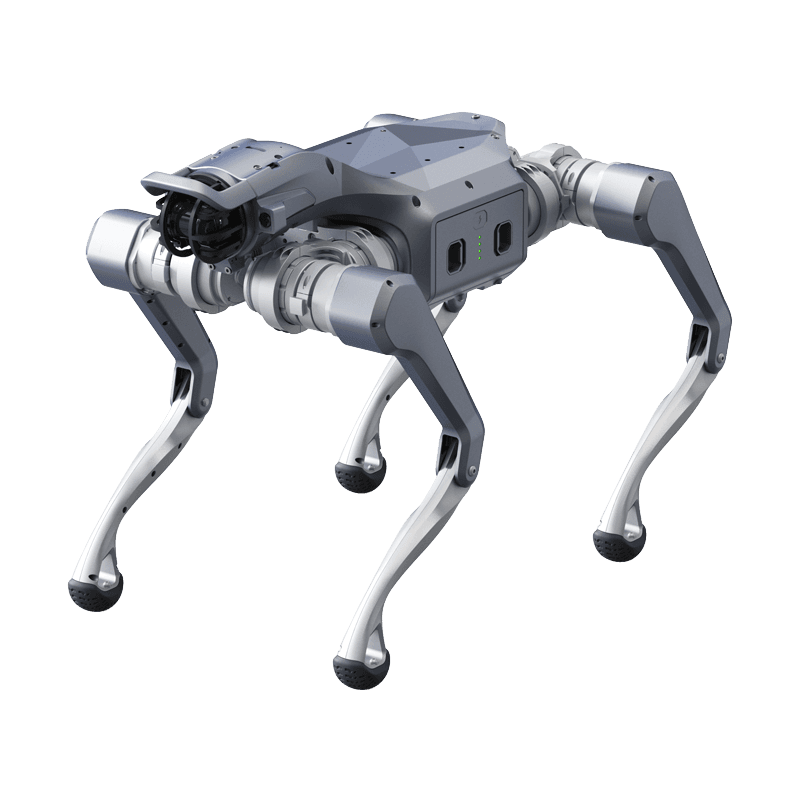
Unitree AS2
Industrial Capacity in a Compact Chassis
Product page- Ingress rating
- IP54
- Runtime
- >4 hours (No load)
- Operating temperature
- -20°C to 50°C
- Payload
- Up to 65 kg
- Max speed
- >5 m/s
- Climb
- 40°
Values are manufacturer data. Scenario fit is determined by comparing these limits with site conditions.
From scenario to installation
Feasibility is determined by the site survey: floor and route, network coverage, the charging point, intervention responsibilities and the conditions under which the robot must stop. The survey report defines the scope, the constraints and the commissioning steps.