















Solar Panel (GES) Efficiency and Hotspot Analysis
Scenario record: it defines the environment, the mission flow and a proposed hardware and software configuration. The list below is a configuration proposal, not an installation inventory. Field projects lists deployed systems and their measurements.
- Environment
- Outdoor field
- Operating mode
- Supervised autonomy
- Proposed robot
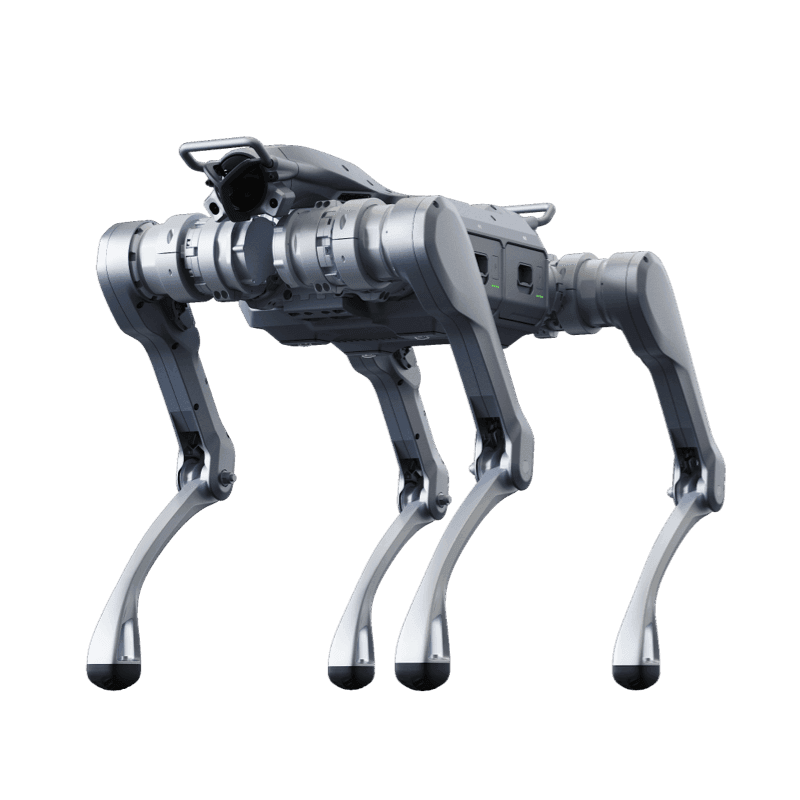
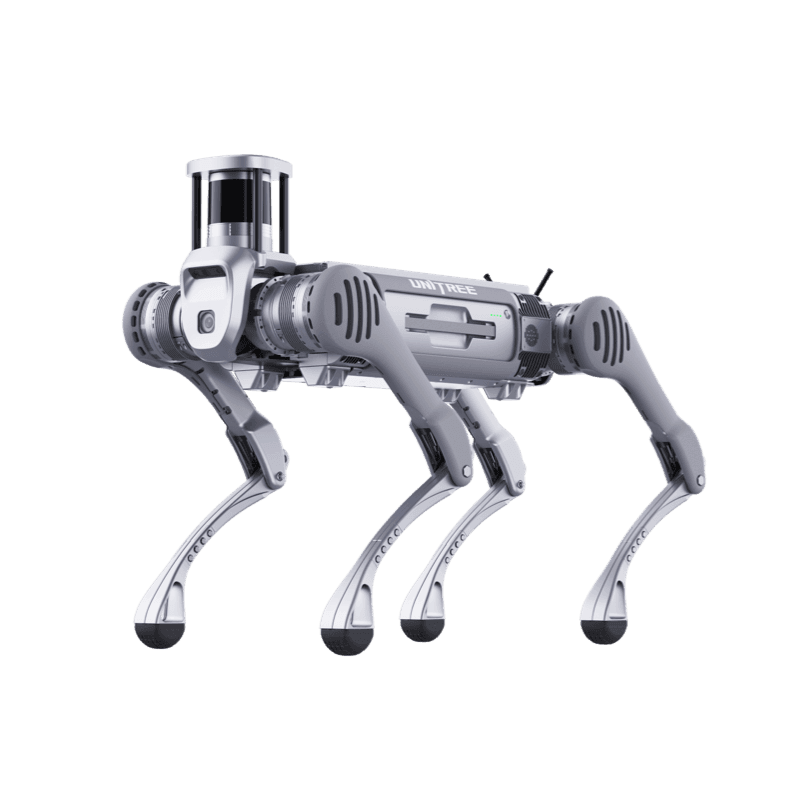
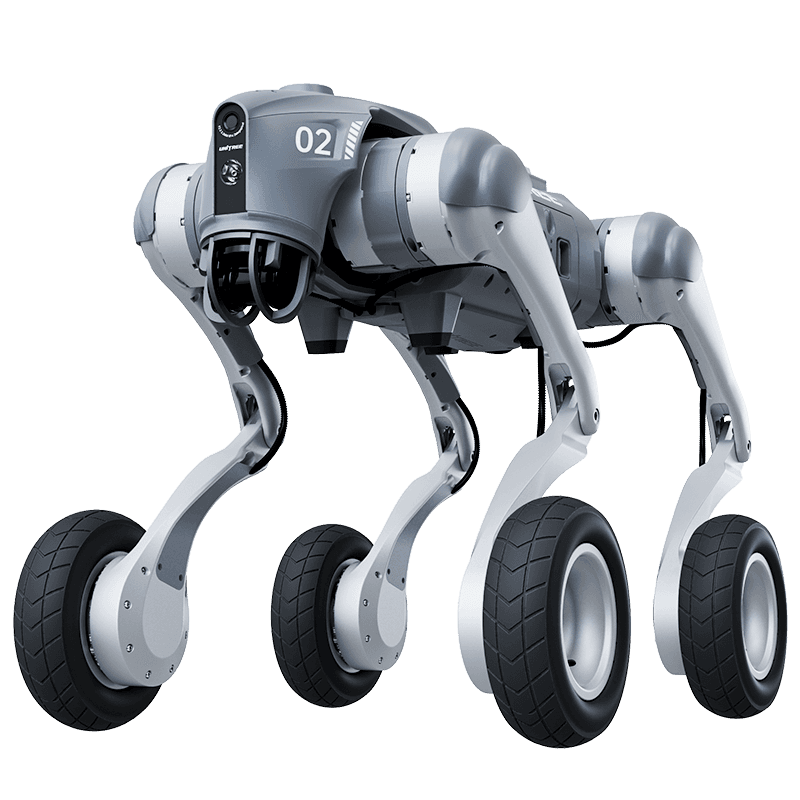
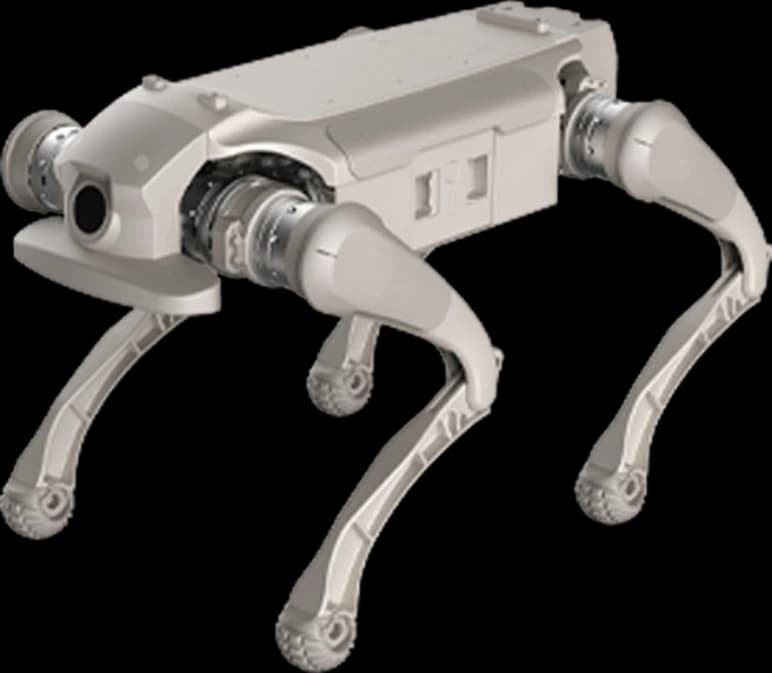
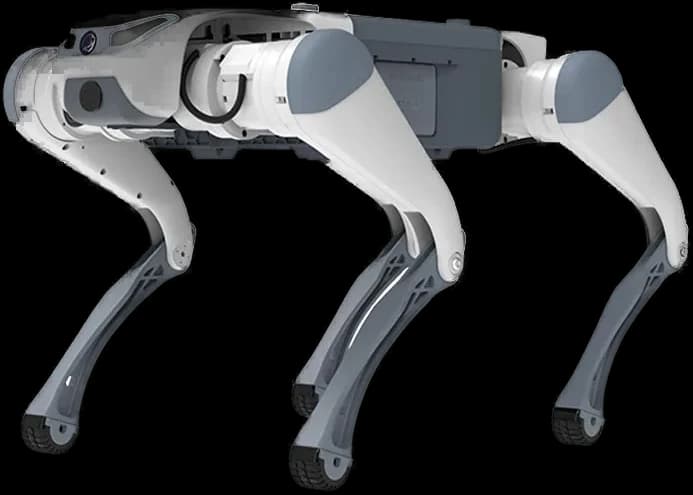
- Unitree B2-W
The problem addressed
Time loss and production drop caused by manual thermal measurement in massive GES areas.
Draft mission flow
- 1B2-W continuously performs linear patrols between panels at a speed of 15 km/h.
- 2The thermal camera grades bypass diode failures (hotspots) on the panel surface.
- 3Grid coordinates of faulty panels are automatically assigned as work orders to maintenance teams.
Proposed hardware
- FLIR Boson Thermal Sensor
- RTK-GPS Module
- 5G Edge Transmitter
Proposed software
- Navigation
- Wheeled long-range autonomy between panel rows
- Model
- Thermal Cell Segmentation and Hotspot Classification
- Integration
- GES Facility Management Panel
The robot's real operating limits
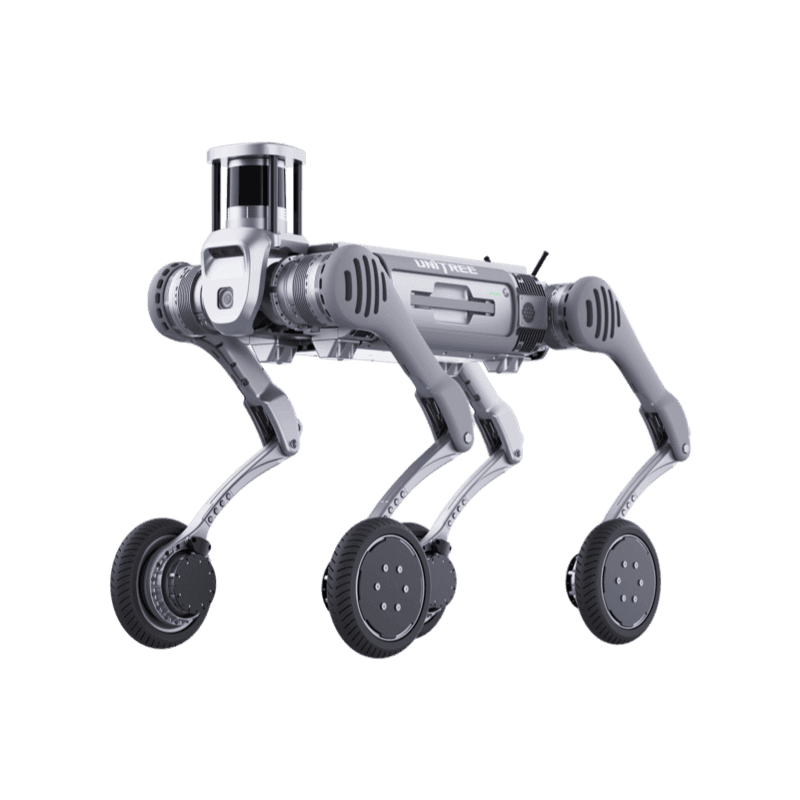
Unitree B2-W
Superior Endurance, High Logistics Efficiency
Product page- Ingress rating
- IP67
- Operating temperature
- -20°C to 55°C
- Payload
- 120 kg
- Max speed
- 15
- Climb
- 45°
- Weight
- 85 kg
Values are manufacturer data. Scenario fit is determined by comparing these limits with site conditions.
From scenario to installation
Feasibility is determined by the site survey: floor and route, network coverage, the charging point, intervention responsibilities and the conditions under which the robot must stop. The survey report defines the scope, the constraints and the commissioning steps.