Hydroelectric Power Plant Humid Tunnel Autonomous Inspection
Scenario record: it defines the environment, the mission flow and a proposed hardware and software configuration. The list below is a configuration proposal, not an installation inventory. Field projects lists deployed systems and their measurements.
- Environment
- Outdoor field
- Operating mode
- Supervised autonomy
- Proposed robot
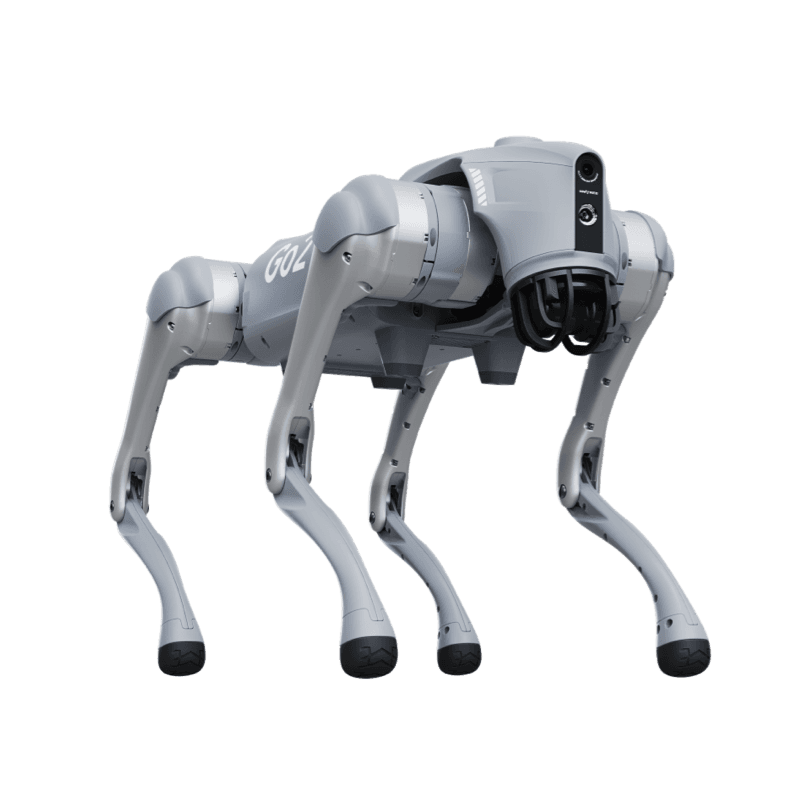
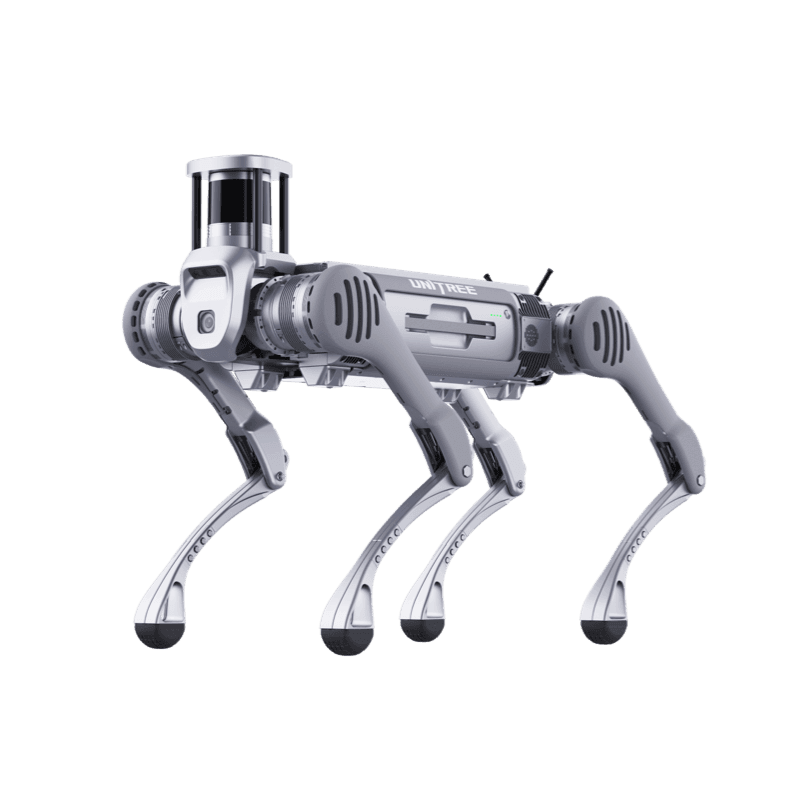
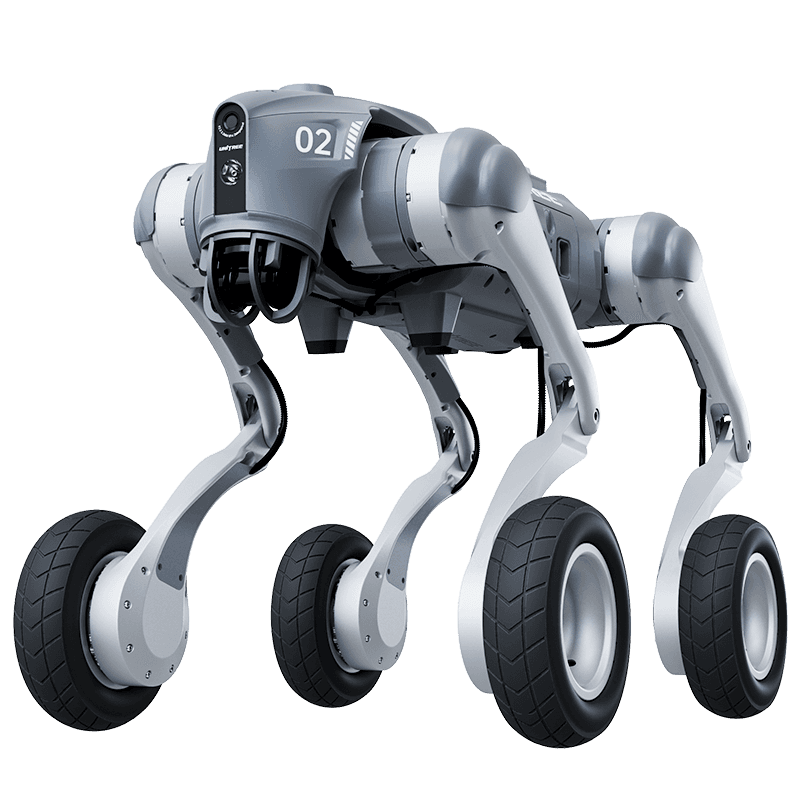
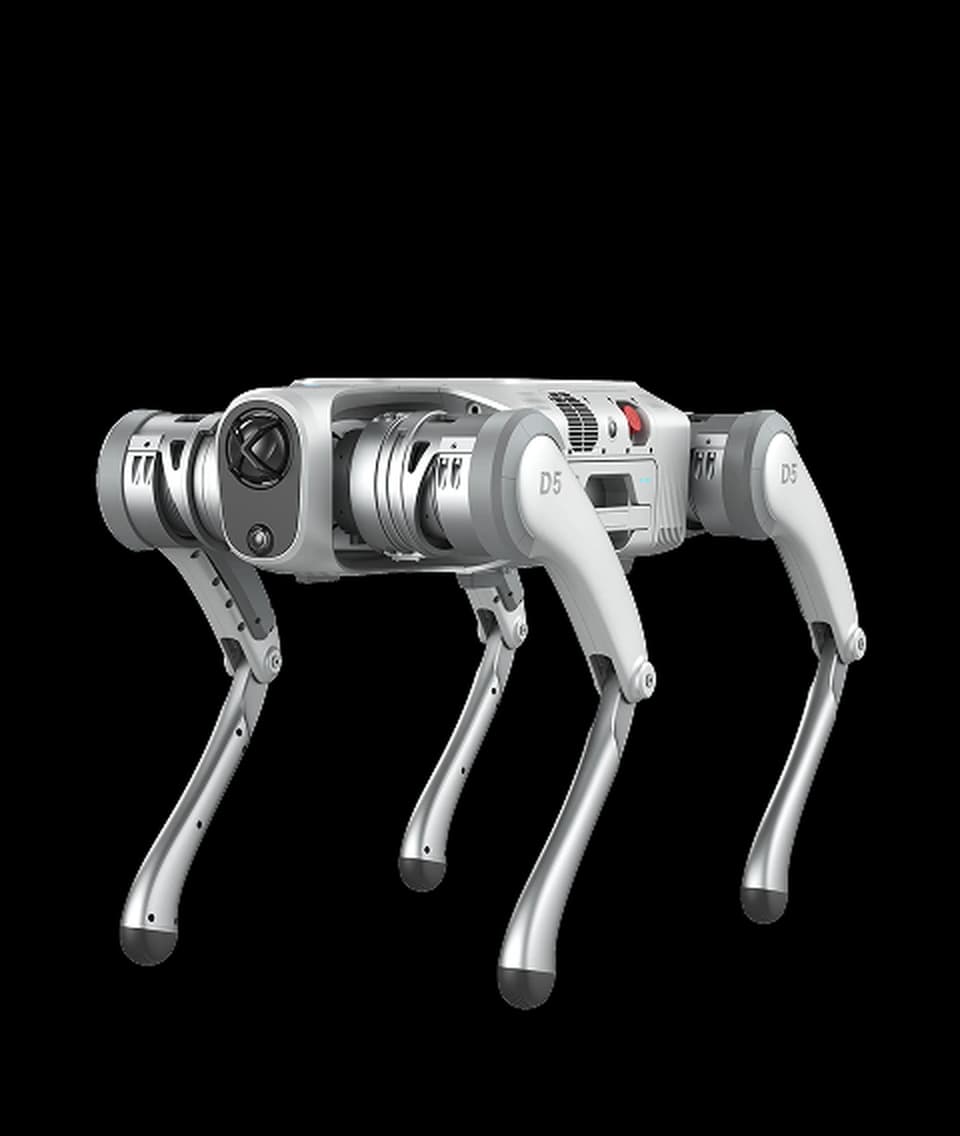
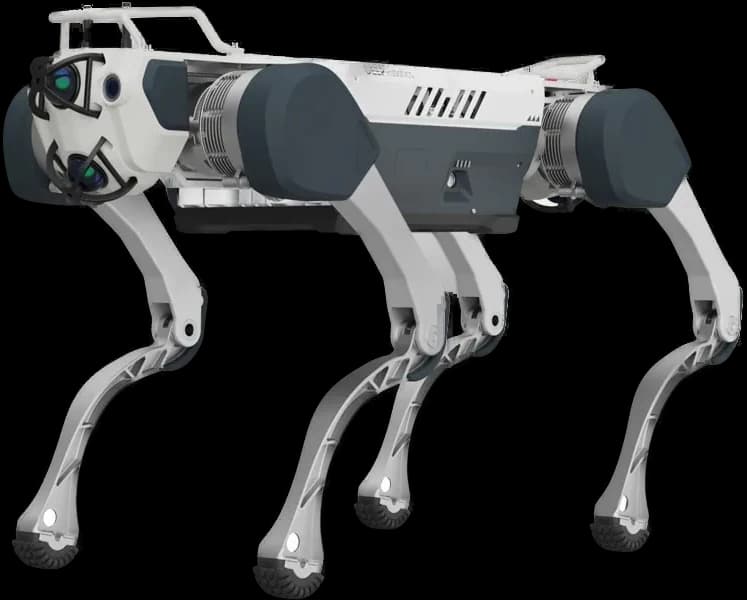
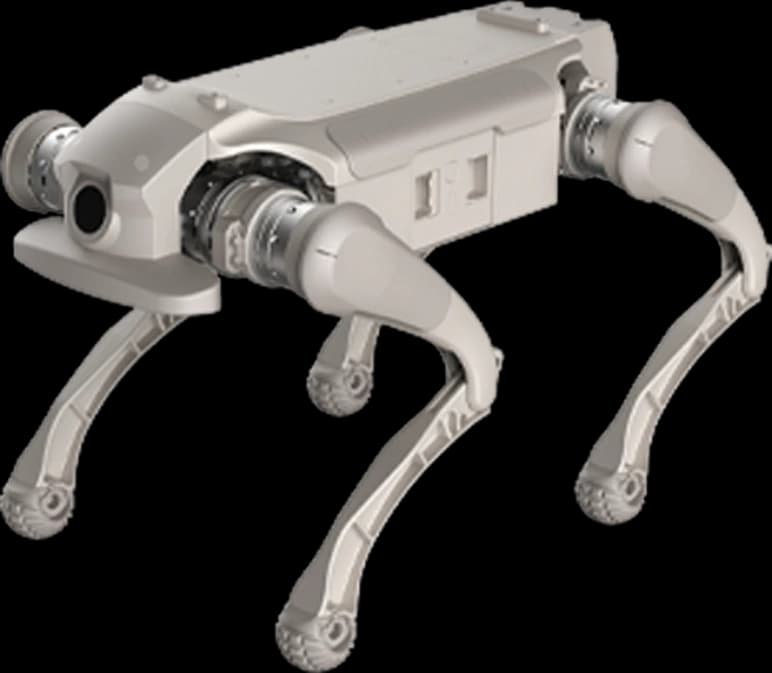
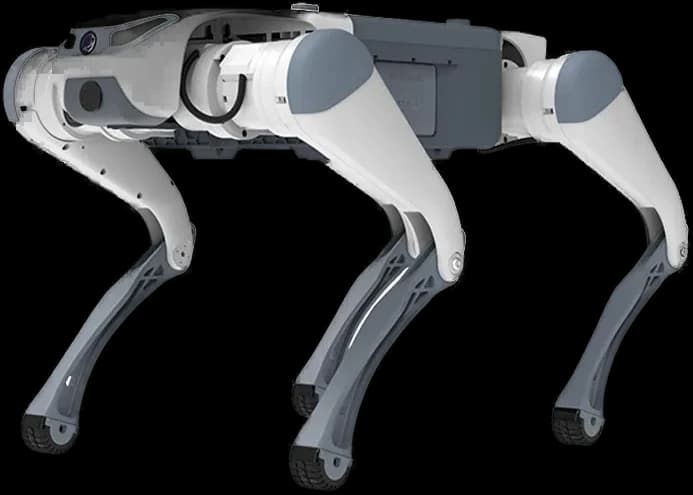
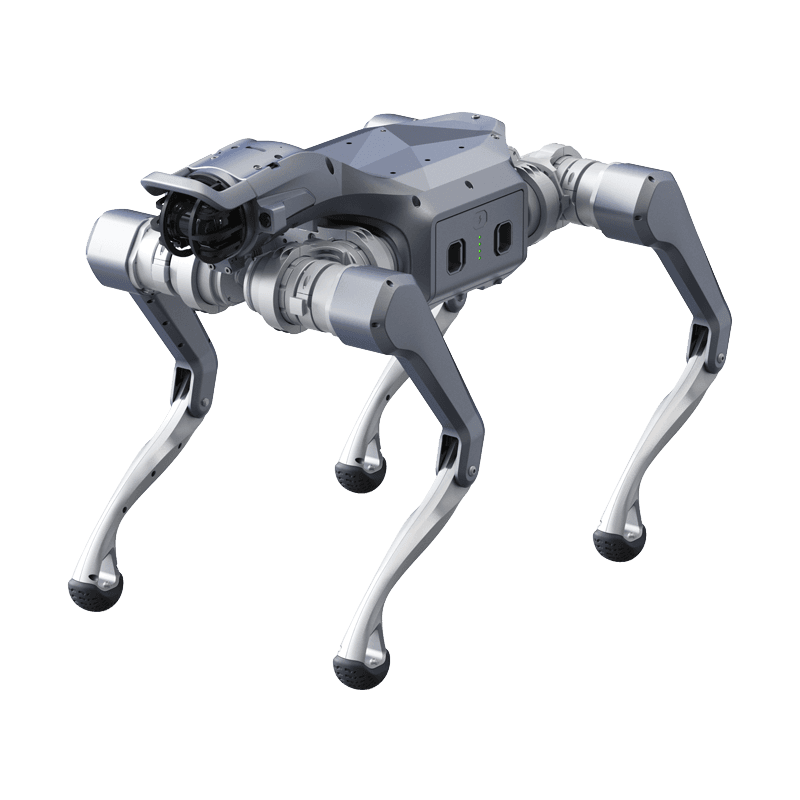
- Unitree A2
The problem addressed
Impossibility of human destruction inspection in discharge tunnels meters below the water line.
Draft mission flow
- 1Regular patrols are made in discharge tunnels of the power plant without humans descending.
- 2Cavitation damage created by water jets on tunnel walls is measured with Millimetric Lidar.
- 3Water leaks requiring emergency repair are mapped.
Proposed hardware
- 3D Depth LiDAR
- Water Leak Detection Sensor
- Humidity and Temperature Sensors
Proposed software
- Navigation
- Slippery ground adaptation in non-light and excessively humid tunnels
- Model
- Concrete Wear (Cavitation) and Crack Analysis
- Integration
- HES Central SCADA Management
The robot's real operating limits
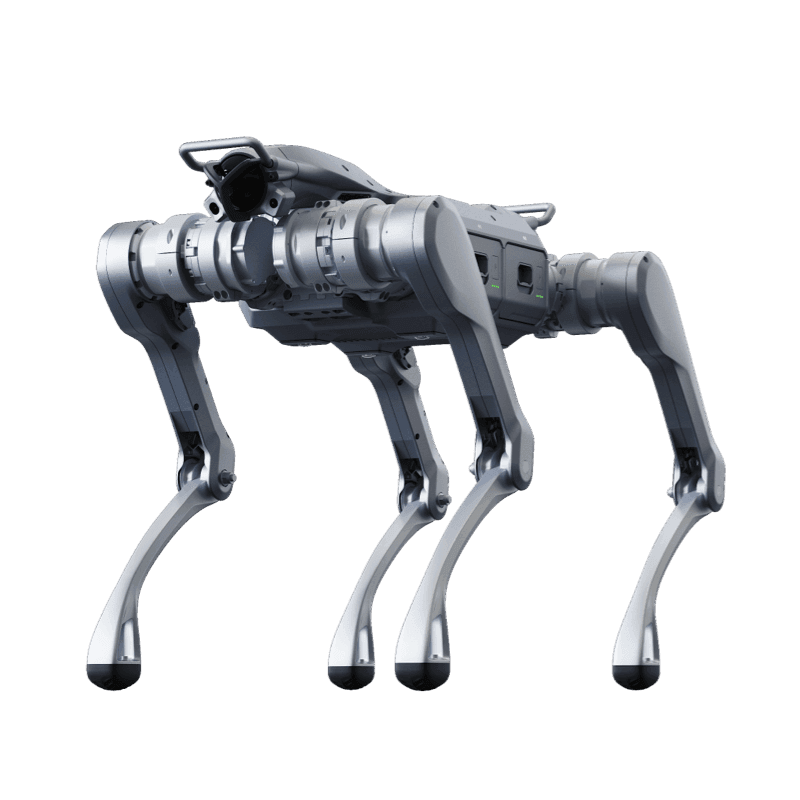
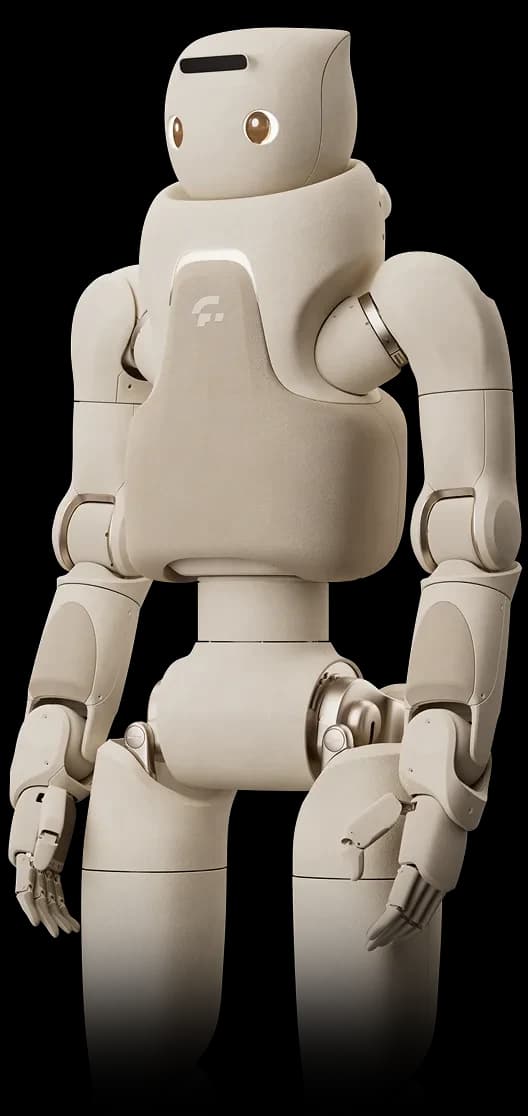
Unitree A2
Industrial Class Legged Robot
Product page- Ingress rating
- IP56-IP67
- Runtime
- >5 hours (No load) / >3 hours (25kg Load)
- Operating temperature
- -20°C to 55°C
- Payload
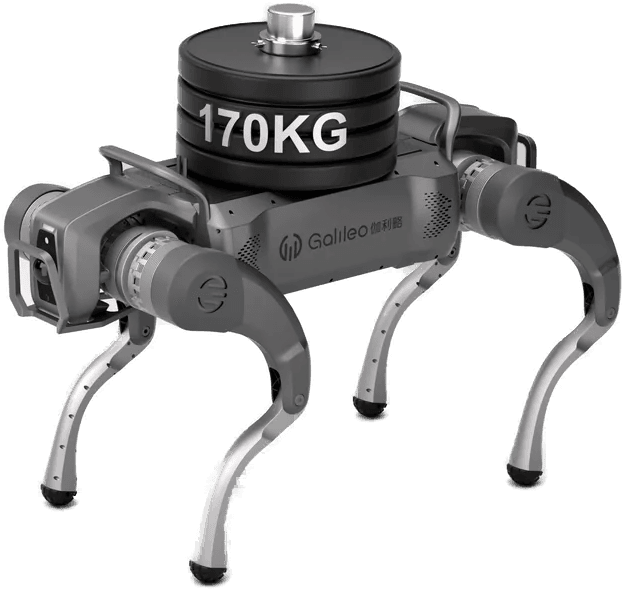
- 100 kg
- Max speed
- 5 m/s
- Climb
- 45°
Values are manufacturer data. Scenario fit is determined by comparing these limits with site conditions.
From scenario to installation
Feasibility is determined by the site survey: floor and route, network coverage, the charging point, intervention responsibilities and the conditions under which the robot must stop. The survey report defines the scope, the constraints and the commissioning steps.