





Pallet Tipping Early Warning and Improper Stacking Detection
Scenario record: it defines the environment, the mission flow and a proposed hardware and software configuration. The list below is a configuration proposal, not an installation inventory. Field projects lists deployed systems and their measurements.
- Environment
- Indoor, public area
- Operating mode
- Supervised autonomy
- Proposed robot
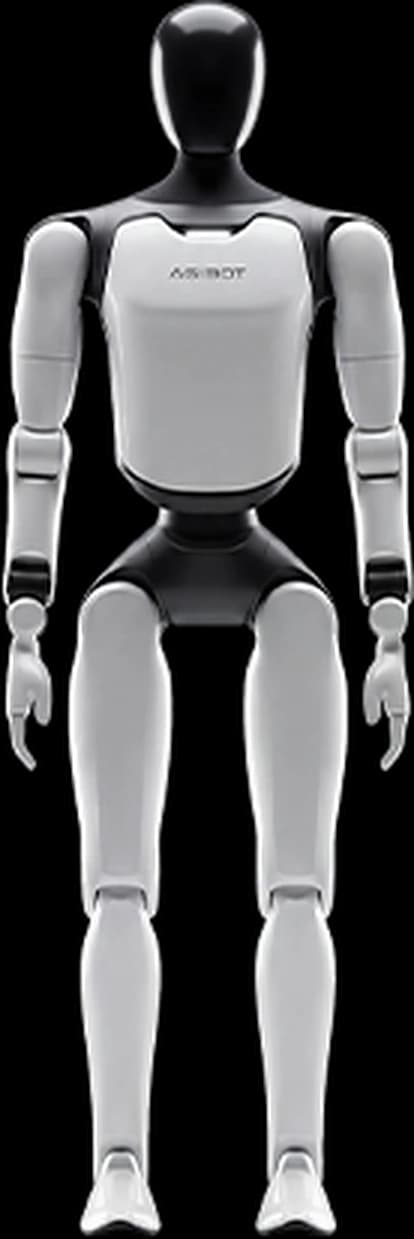
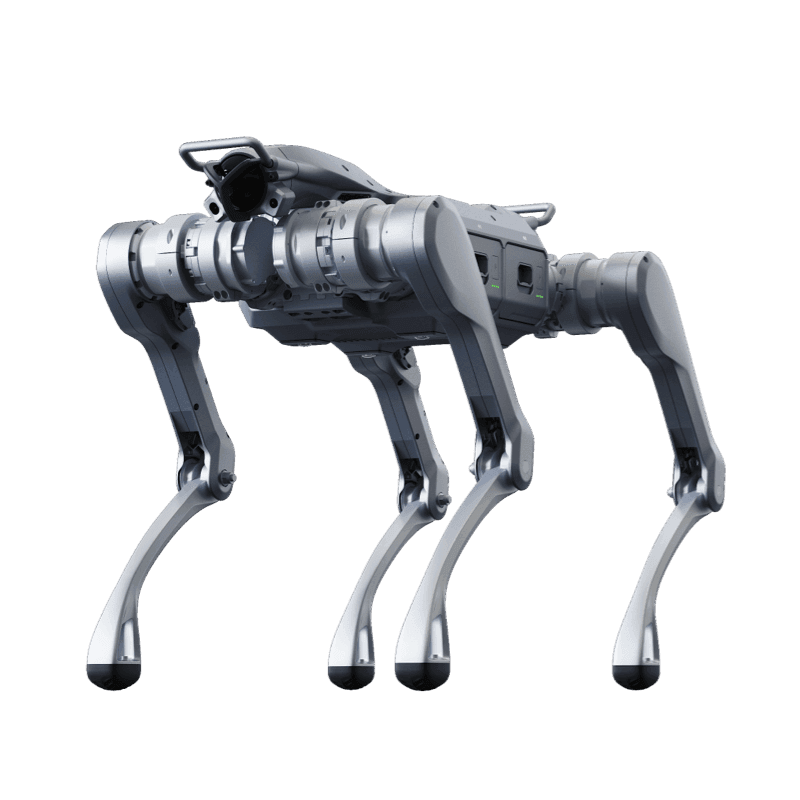
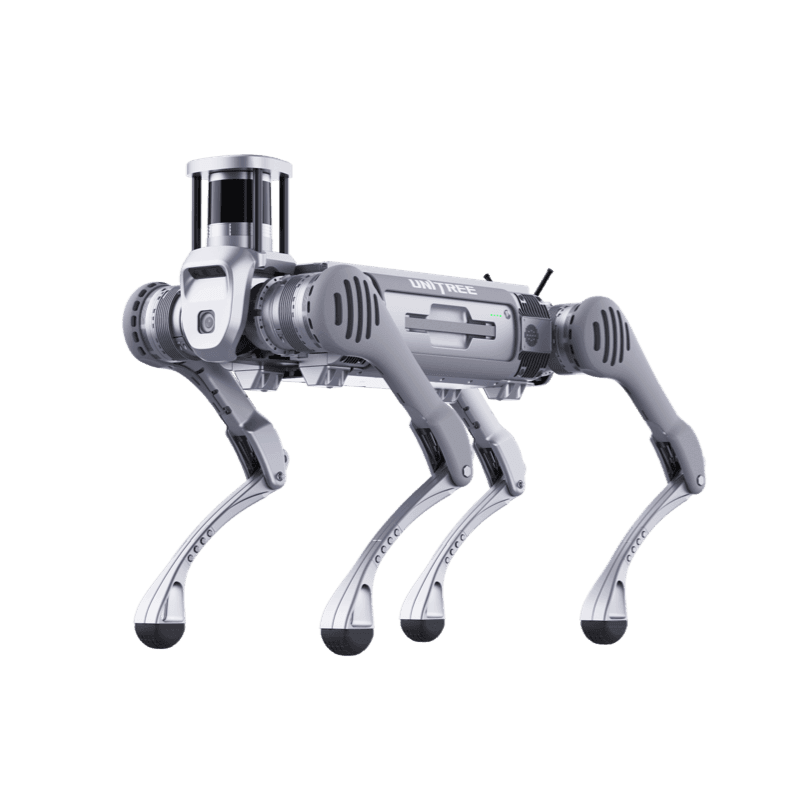
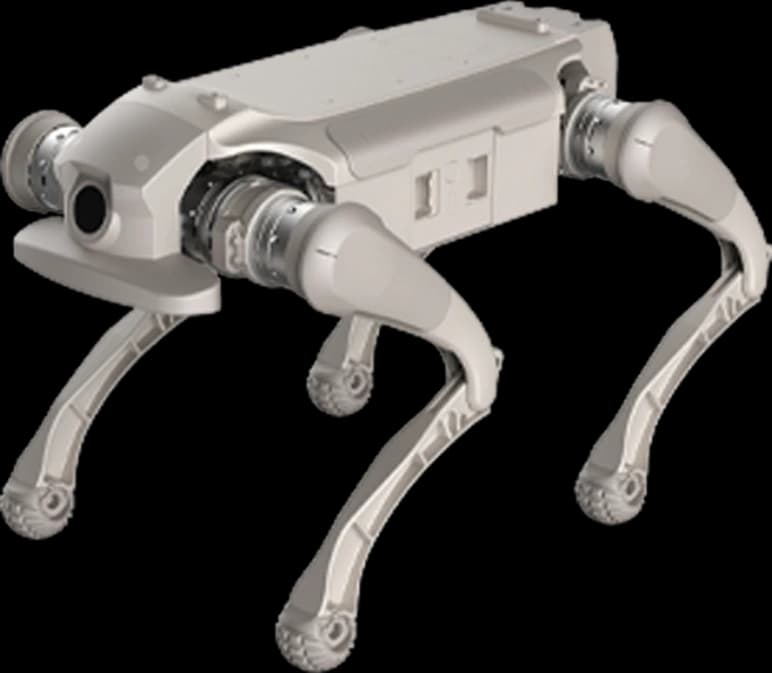
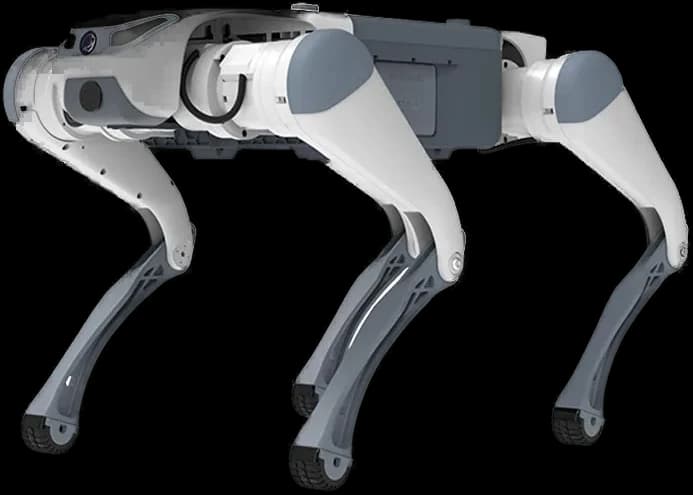
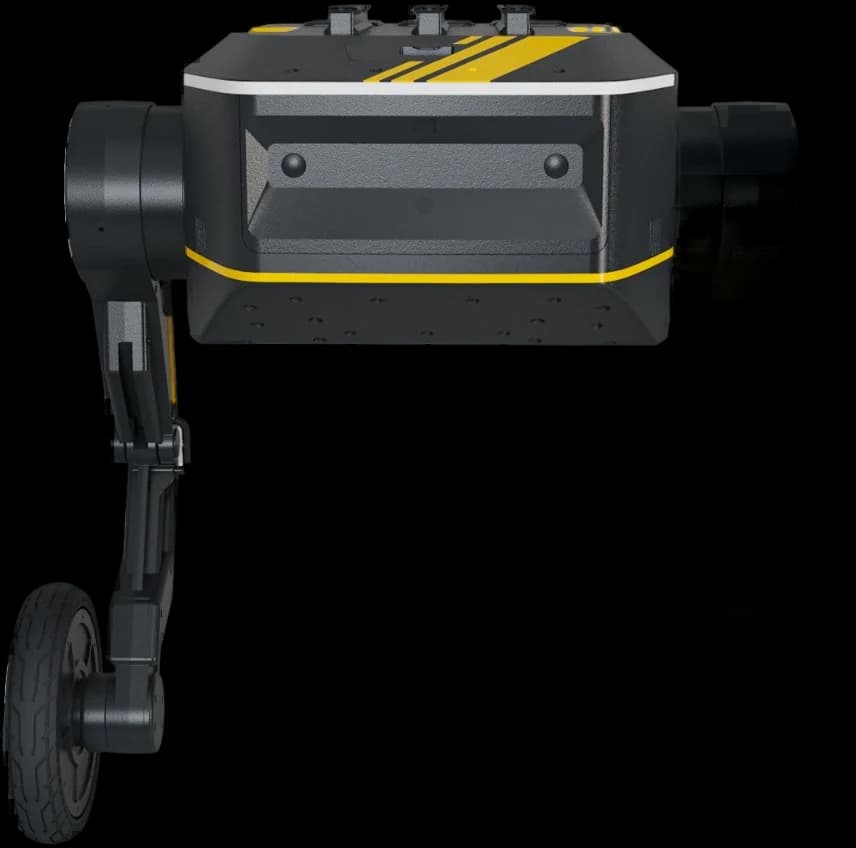
- Unitree AS2
The problem addressed
Product damage, personnel injury, and insurance claims resulting from improperly stacked pallets tipping over.
Draft mission flow
- 1The robot continuously scans with 3D LiDAR in high-rack warehouse corridors, calculating tilt angles of pallets on shelves.
- 2Depth camera checks pallet stacking height and weight distribution compliance; flags non-standard stacking.
- 3Instant alarm generated for pallets exceeding critical tilt angle threshold; notification sent to OHS system with GPS coordinates and shelf location.
- 4Daily report transmits stacking quality score, risk location map, and correction recommendations to WMS.
Proposed hardware
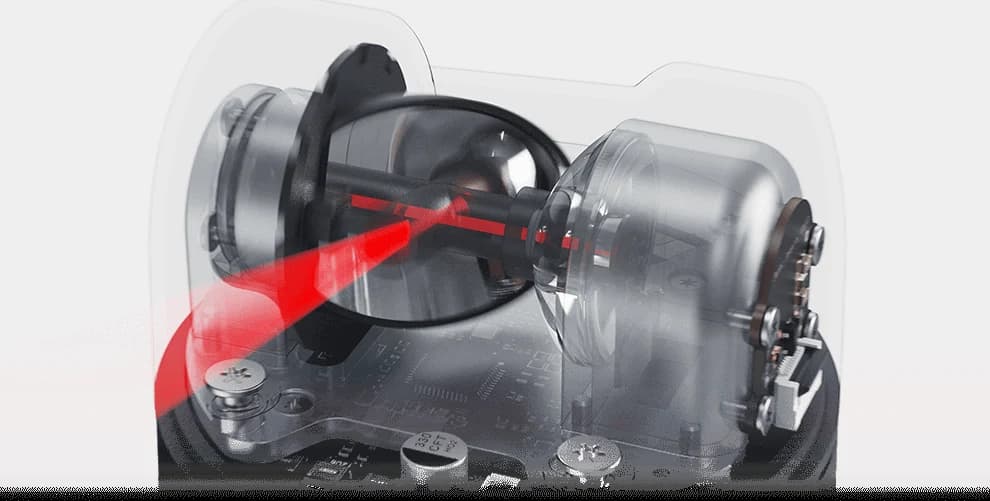
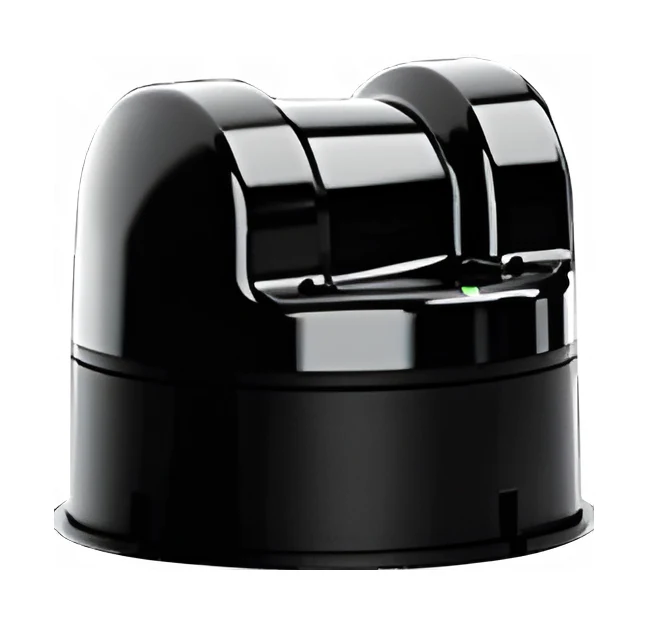
- 3D LiDAR (Spherical 360°)
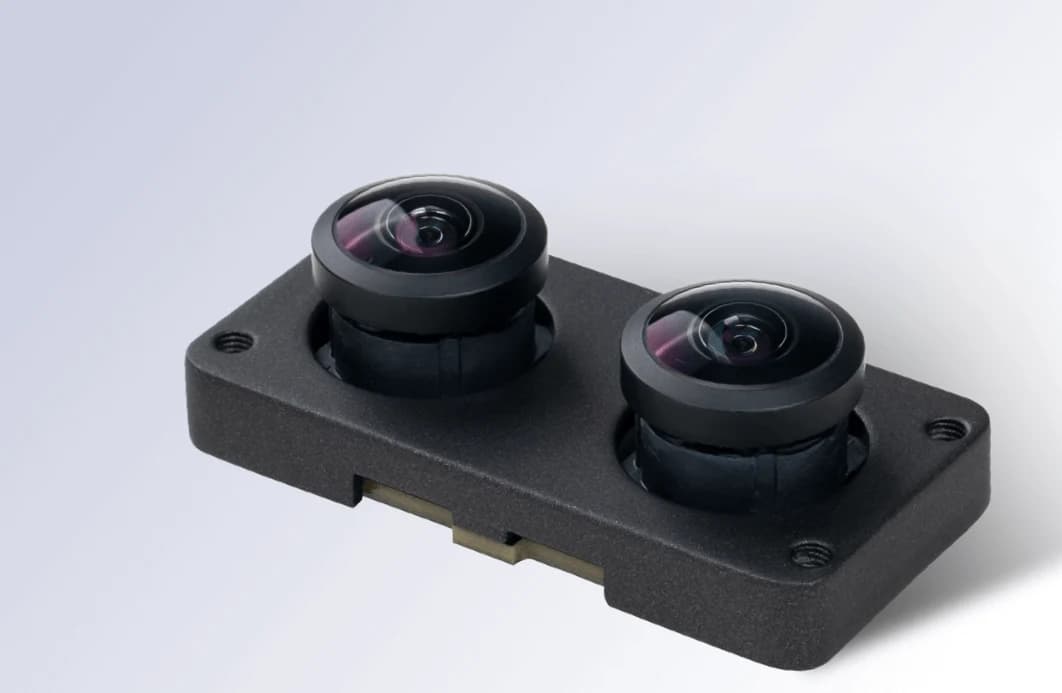
- High Resolution RGB Depth Camera
- NVIDIA Jetson AGX
Proposed software
- Navigation
- Safe corridor SLAM synchronized with forklift traffic in high-rack warehouses
- Model
- Pallet Tilt Angle Calculation and Stacking Standard Violation Detection (3D Point Cloud Analysis)
- Integration
- WMS and OHS (Occupational Health Safety) Incident Recording System
The robot's real operating limits
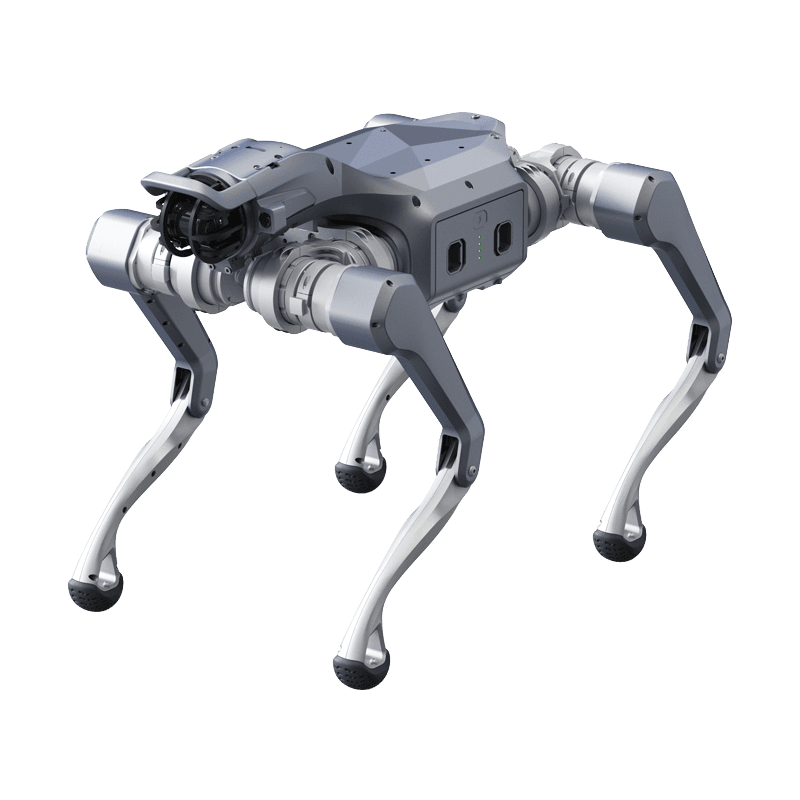
Unitree AS2
Industrial Capacity in a Compact Chassis
Product page- Ingress rating
- IP54
- Runtime
- >4 hours (No load)
- Operating temperature
- -20°C to 50°C
- Payload
- Up to 65 kg
- Max speed
- >5 m/s
- Climb
- 40°
Values are manufacturer data. Scenario fit is determined by comparing these limits with site conditions.
From scenario to installation
Feasibility is determined by the site survey: floor and route, network coverage, the charging point, intervention responsibilities and the conditions under which the robot must stop. The survey report defines the scope, the constraints and the commissioning steps.