

Cold Storage (-20°C) Autonomous Control and Door Seal Inspection
Scenario record: it defines the environment, the mission flow and a proposed hardware and software configuration. The list below is a configuration proposal, not an installation inventory. Field projects lists deployed systems and their measurements.
- Environment
- Indoor, facility
- Operating mode
- Supervised autonomy
- Proposed robot
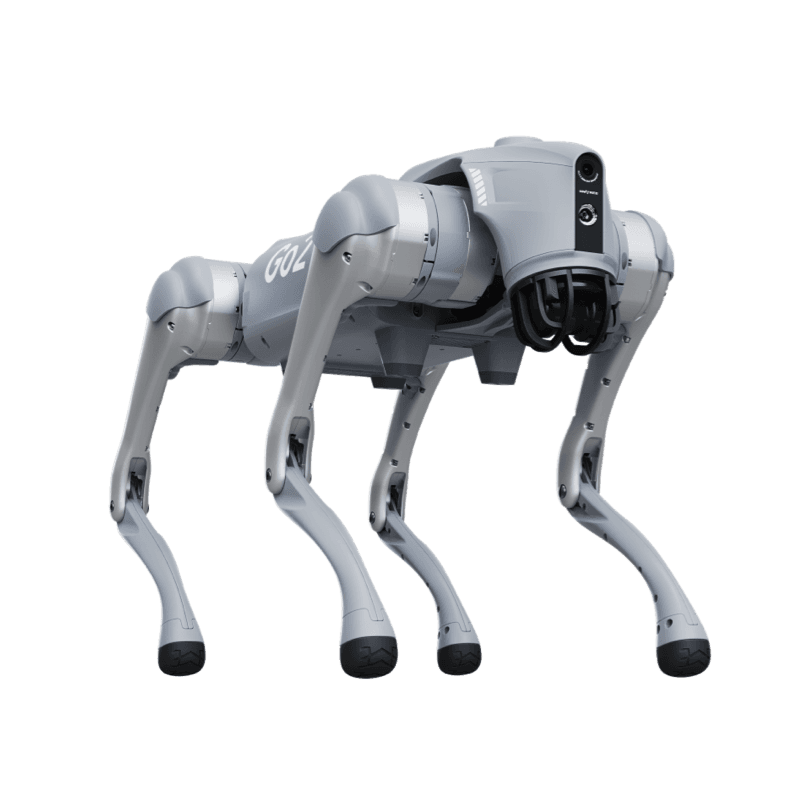
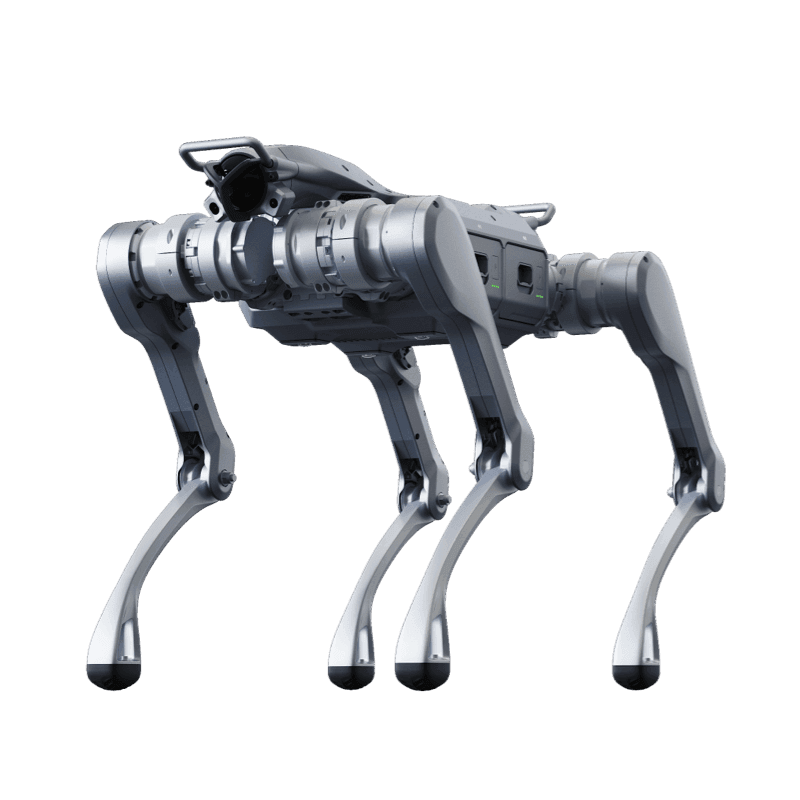
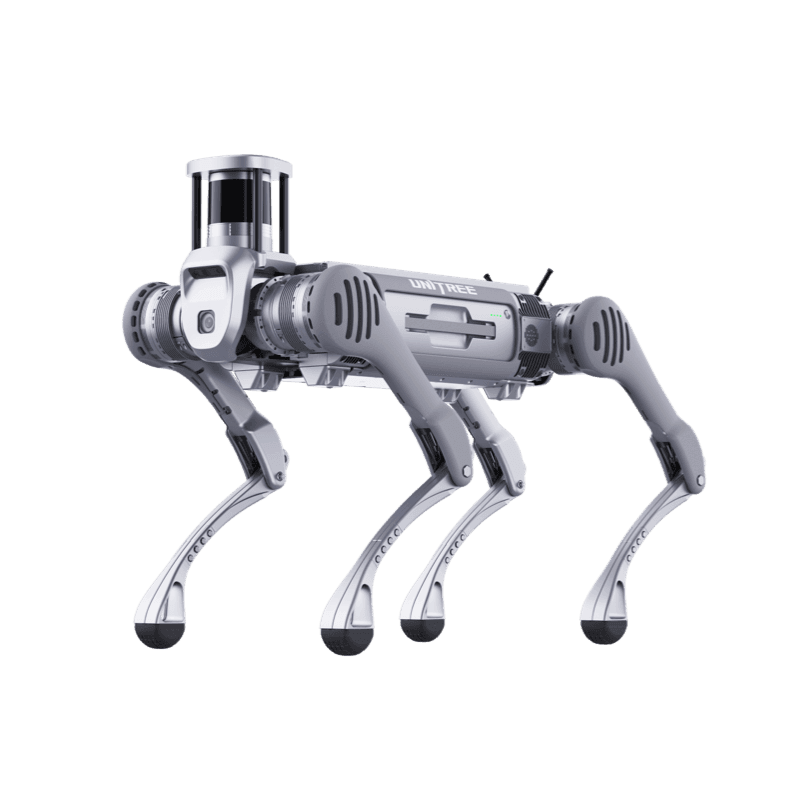
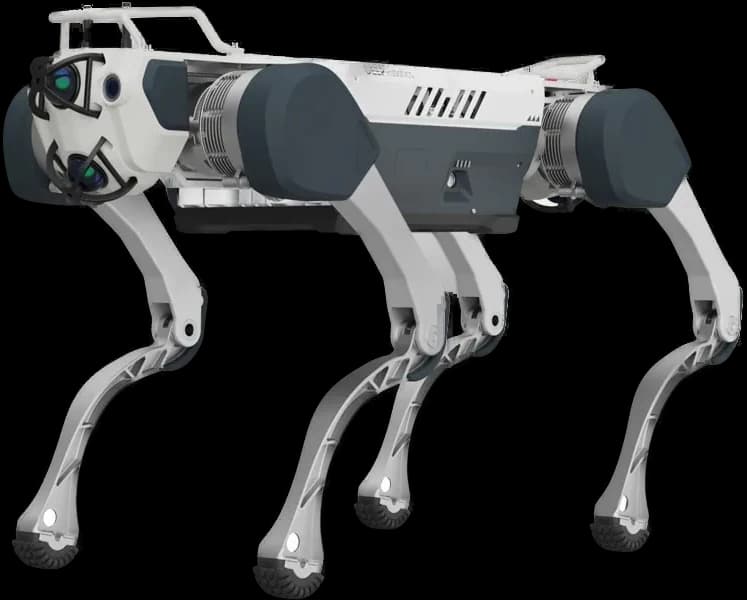
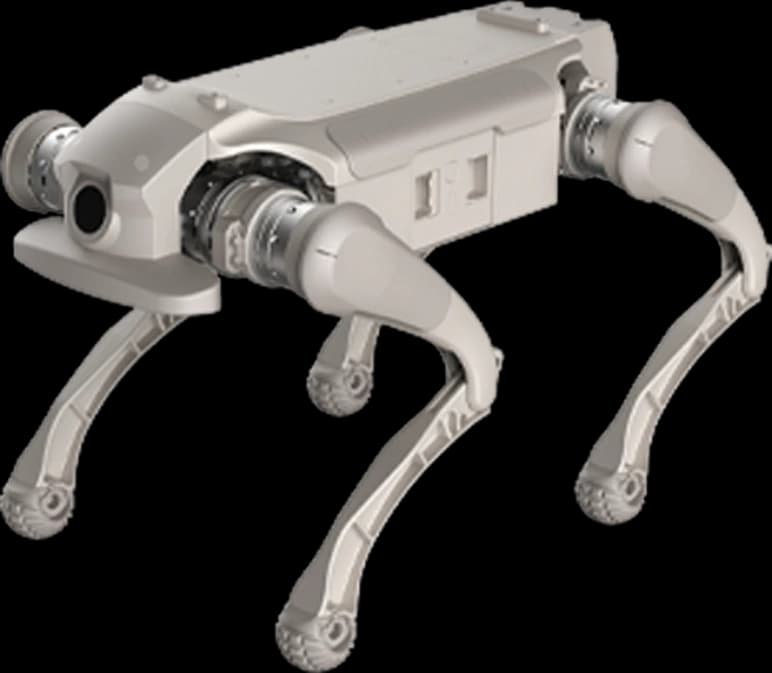
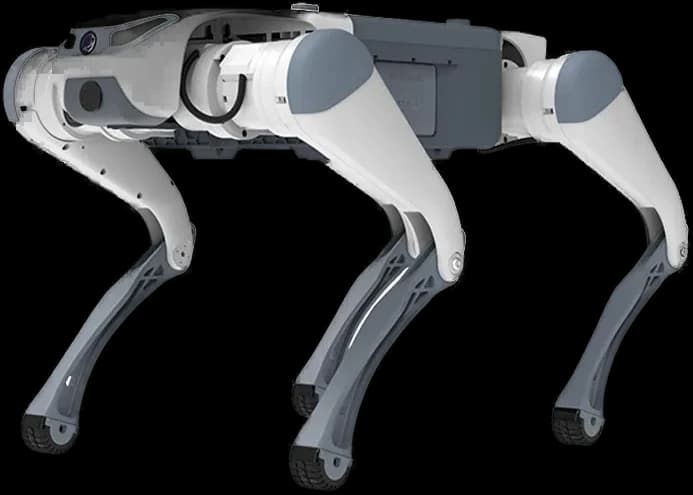
- Unitree AS2
The problem addressed
Limited working time of human personnel at -20°C (max 20 min) and energy waste from damaged door seals.
Draft mission flow
- 1The robot enters the cold storage where humans cannot work for extended periods at -20°C and patrols autonomously.
- 2Detects heat leakage points at door seals with thermal camera; classifies ice accumulation patterns.
- 3Maps temperature homogeneity within storage; identifies 'hot pockets' where cooling system is insufficient.
- 4HACCP compliance report auto-generated; maintenance work orders opened for doors with damaged seals, energy loss calculated and reported.
Proposed hardware
- Industrial Radiometric Thermal Camera
- Humidity/Temperature IoT Sensor
- IP68 Protection Kit
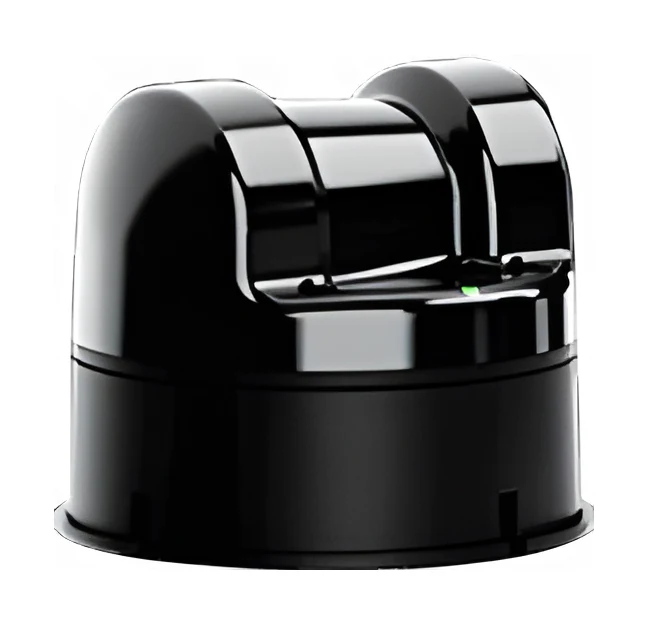
- LiDAR L2
Proposed software
- Navigation
- Stabilized SLAM navigation in icy and slippery floor conditions (traction-optimized gait)
- Model
- Door Seal Thermal Leakage Segmentation and Icing Pattern Classification
- Integration
- Cold Chain Management System and HACCP Compliance Portal
The robot's real operating limits
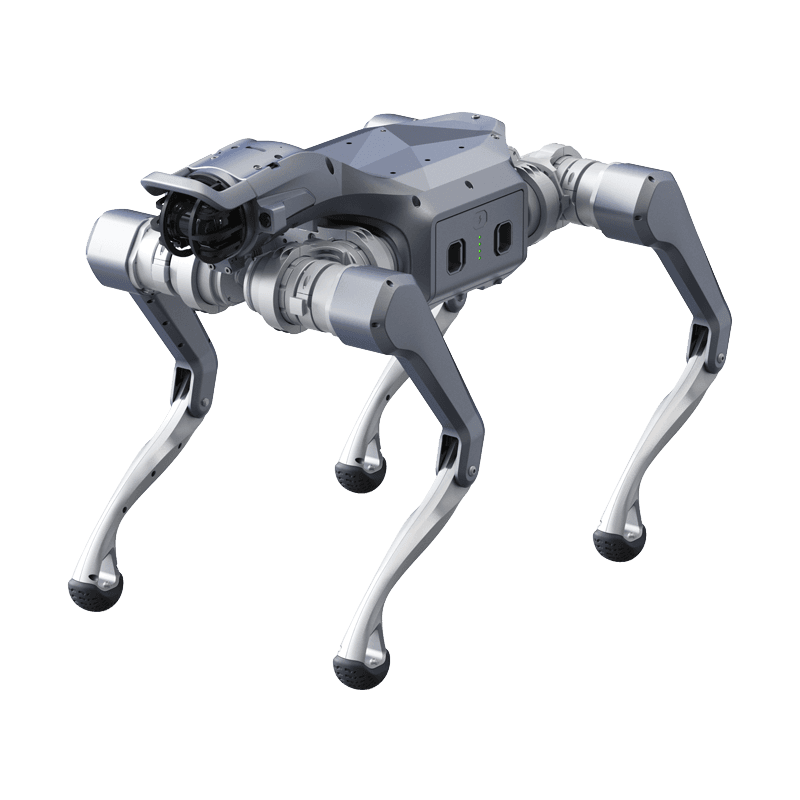
Unitree AS2
Industrial Capacity in a Compact Chassis
Product page- Ingress rating
- IP54
- Runtime
- >4 hours (No load)
- Operating temperature
- -20°C to 50°C
- Payload
- Up to 65 kg
- Max speed
- >5 m/s
- Climb
- 40°
Values are manufacturer data. Scenario fit is determined by comparing these limits with site conditions.
From scenario to installation
Feasibility is determined by the site survey: floor and route, network coverage, the charging point, intervention responsibilities and the conditions under which the robot must stop. The survey report defines the scope, the constraints and the commissioning steps.