



Concept scenario
Food Court Table Turnover & Queue Management
Scenario record: it defines the environment, the mission flow and a proposed hardware and software configuration. The list below is a configuration proposal, not an installation inventory. Field projects lists deployed systems and their measurements.
- Environment
- Indoor, public area
- Operating mode
- Supervised autonomy
- Proposed robot
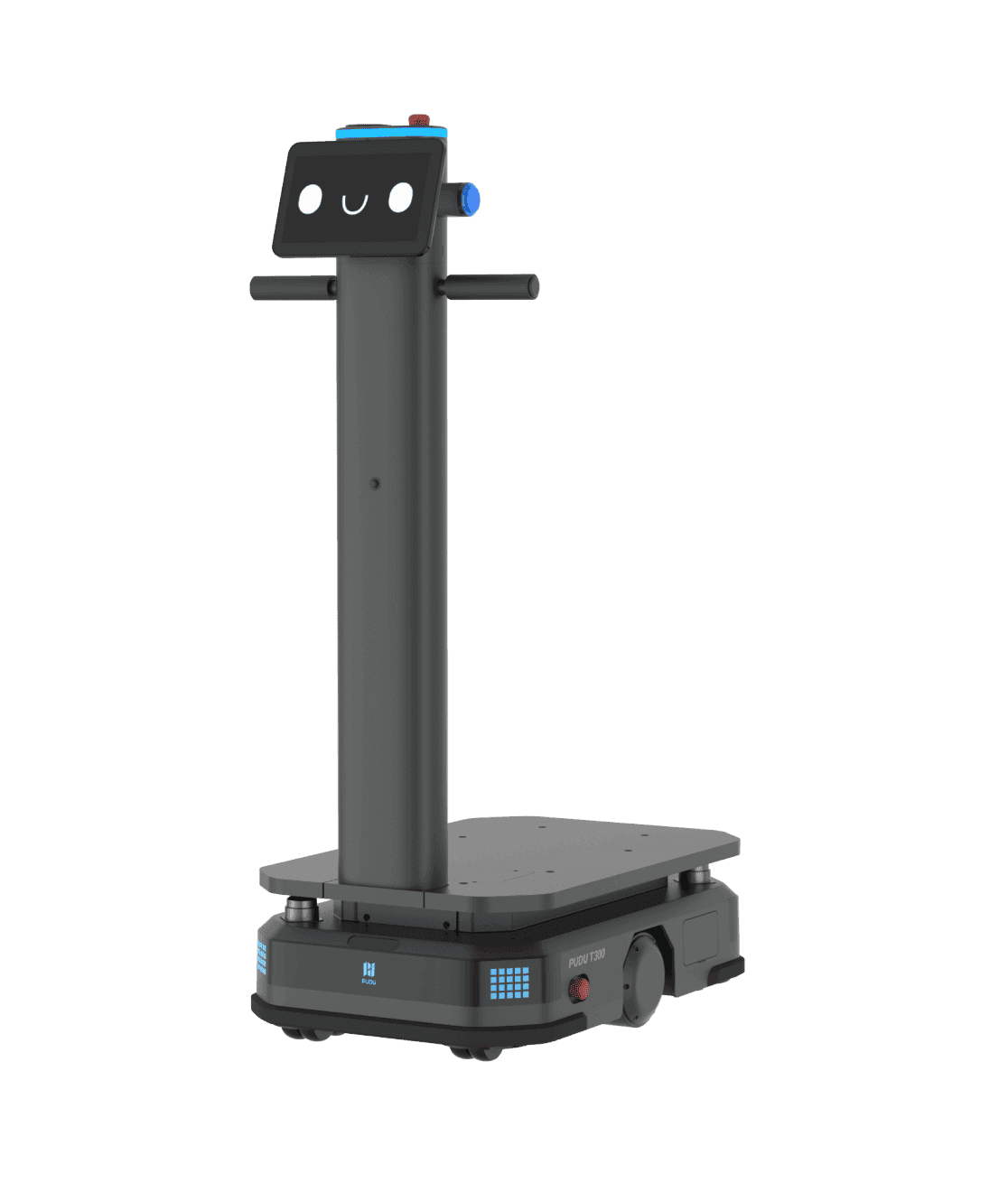
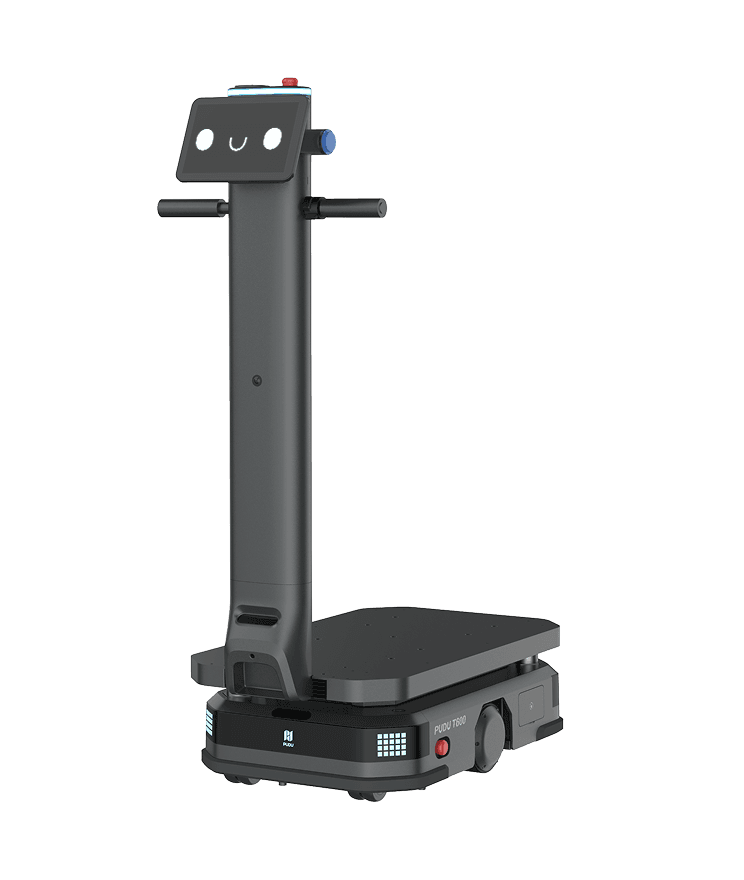
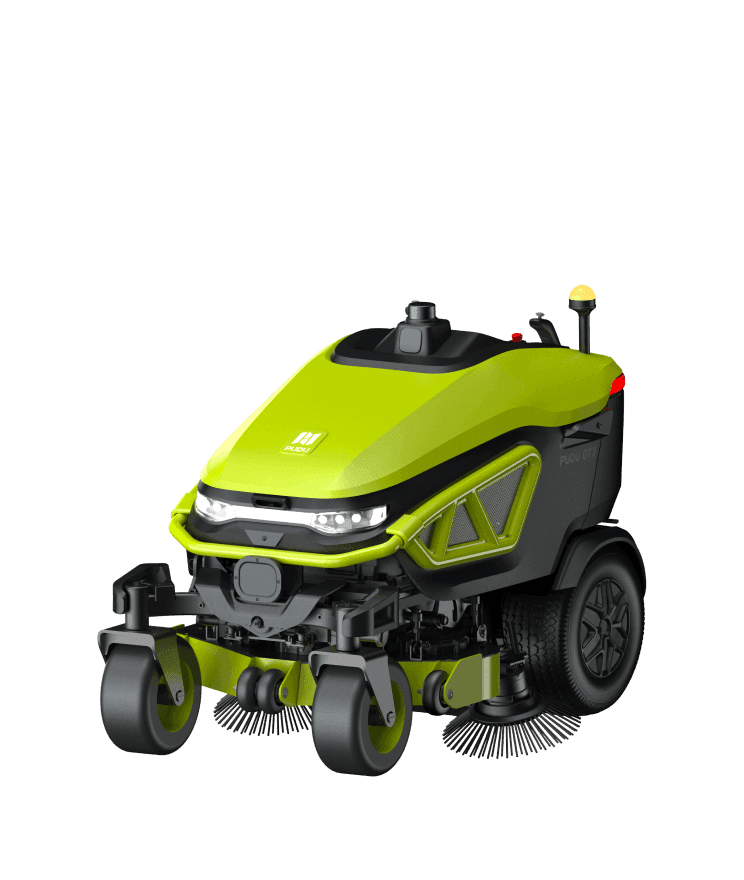
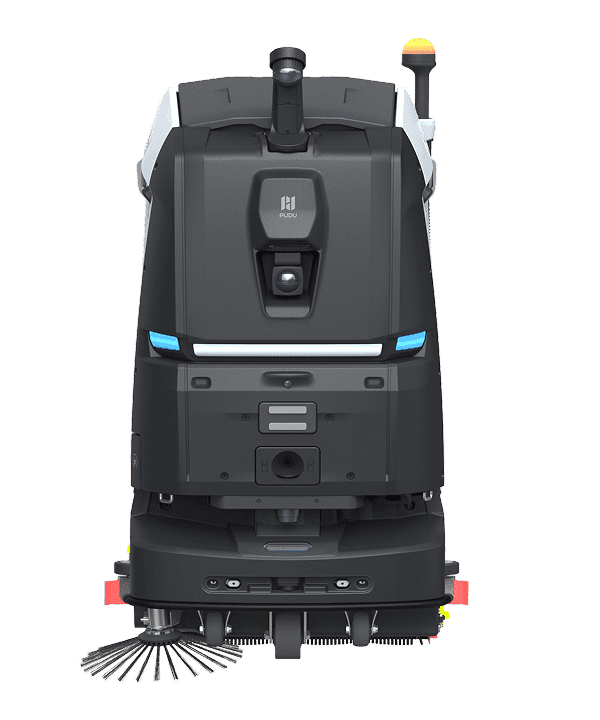
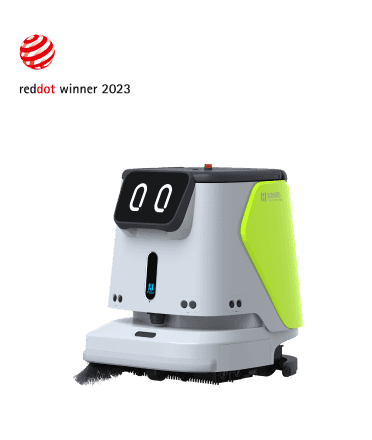
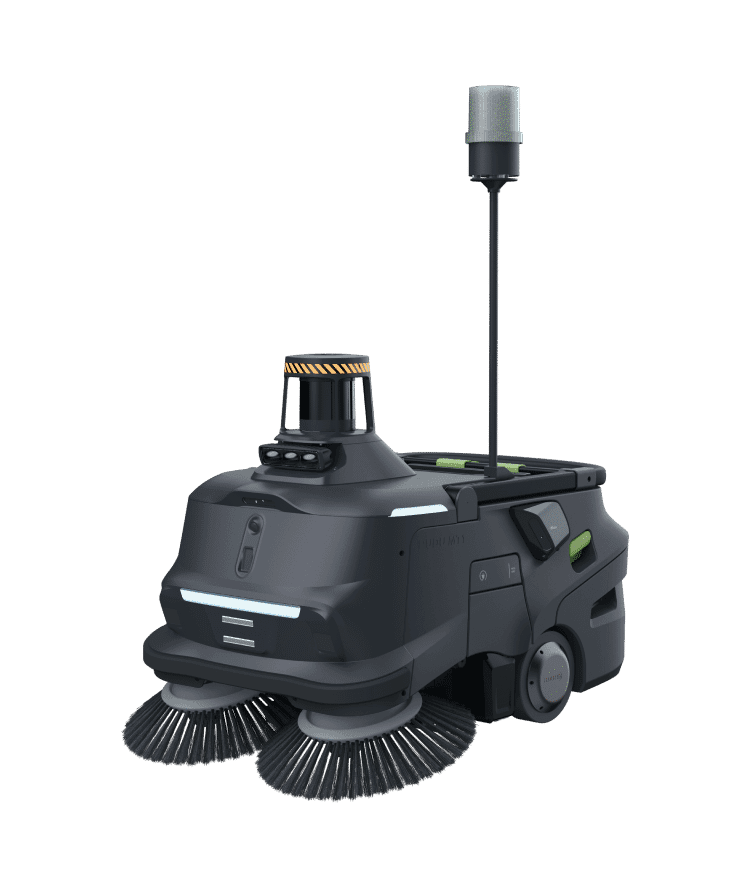
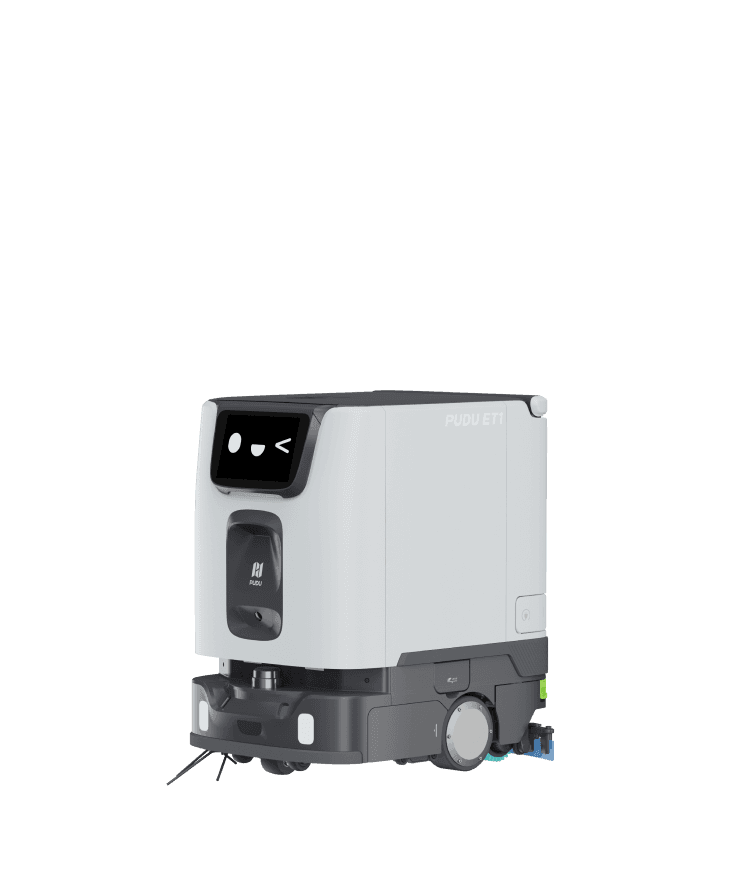
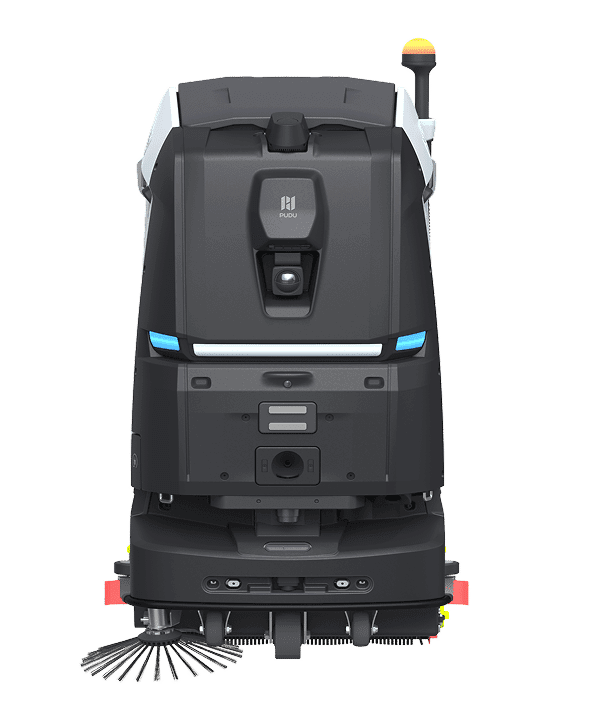
- PUDU CC1 Pro
The problem addressed
Unable to find empty tables, waiting at dirty tables, and long restaurant queues in food courts.
Draft mission flow
- 1Robot continuously circulates food court; monitors each table's occupancy/vacancy status and tray/waste amount on it.
- 2Instant location-based notification sent to cleaning crew when table vacated; average cleaning time tracked.
- 3Restaurant queue lengths measured by cameras and shown on digital signage in real-time; customers directed to short queues.
- 4Food court capacity optimized with peak hour predictions and table turnover rate reports.
Proposed hardware
- HD Camera
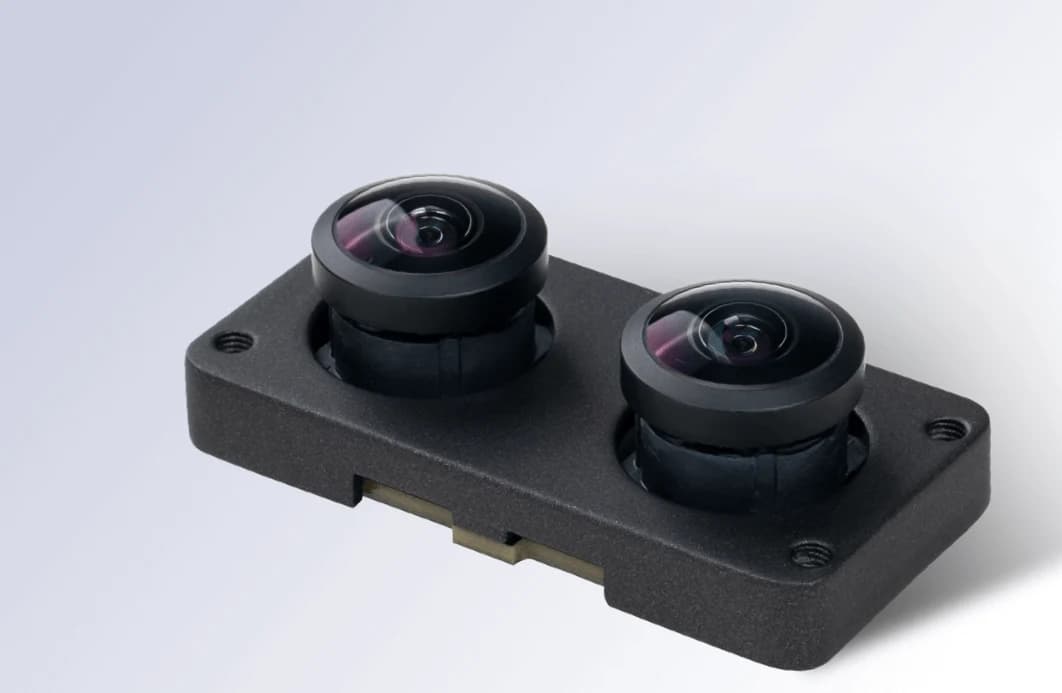
- Stereo Depth Camera
- Plate Detection Sensor
- LED Info Display
- Speaker
Proposed software
- Navigation
- Social navigation with narrow table-to-table passages in busy food court area
- Model
- Table Occupancy/Vacancy Detection, Tray/Waste Classification, and Queue Length Estimation
- Integration
- Mall Food Court Digital Signage System and Cleaning Crew Task Distribution API
The robot's real operating limits
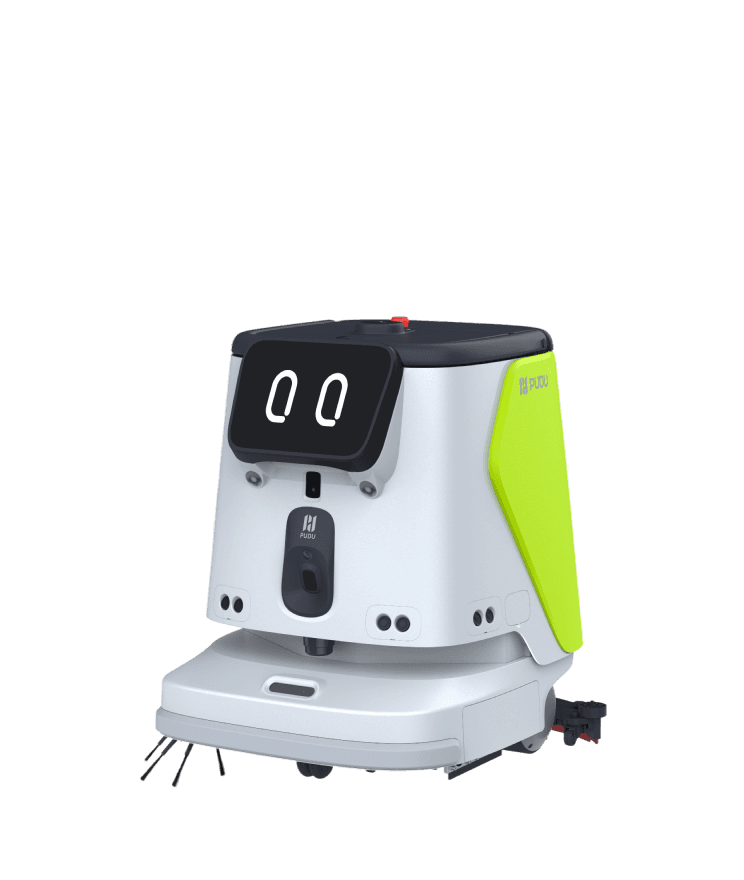
PUDU CC1 Pro
Otonom Temizlik Robotu
Product page- Runtime
- Washing: 5h, Sweeping: 5h, Carpet: 4h, Mop: 9h
- Payload
- 15L Clean / 15L Dirty Water Capacity
- Max speed
- 0.2 m/s ~ 1.2 m/s (Adjustable)
- Weight
- 75
Values are manufacturer data. Scenario fit is determined by comparing these limits with site conditions.
From scenario to installation
Feasibility is determined by the site survey: floor and route, network coverage, the charging point, intervention responsibilities and the conditions under which the robot must stop. The survey report defines the scope, the constraints and the commissioning steps.