


Lost Child Early Detection & Reunification System
Scenario record: it defines the environment, the mission flow and a proposed hardware and software configuration. The list below is a configuration proposal, not an installation inventory. Field projects lists deployed systems and their measurements.
- Environment
- Indoor, public area
- Operating mode
- Supervised autonomy
- Proposed robot
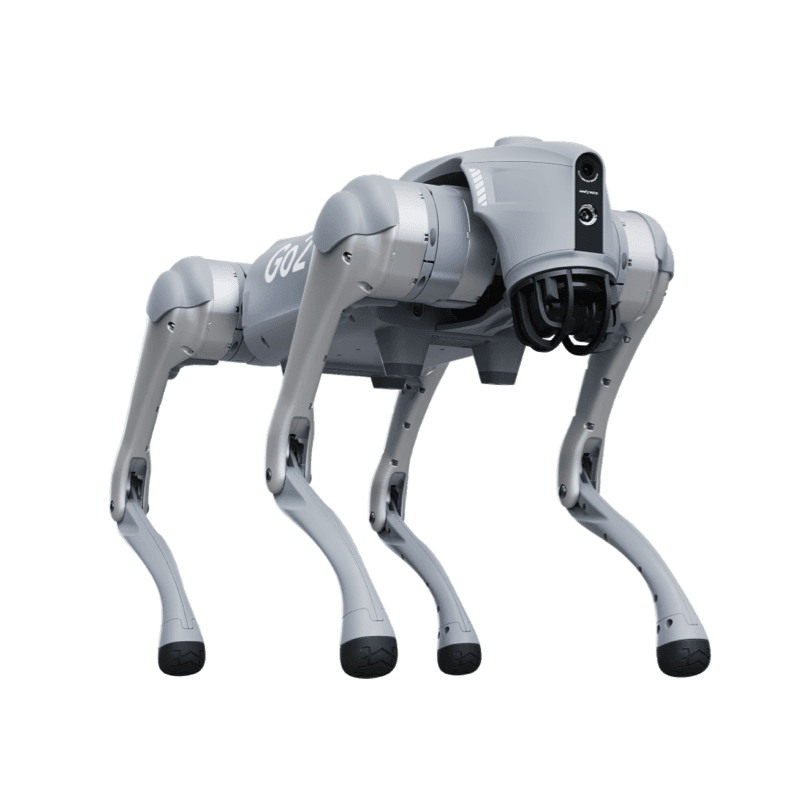
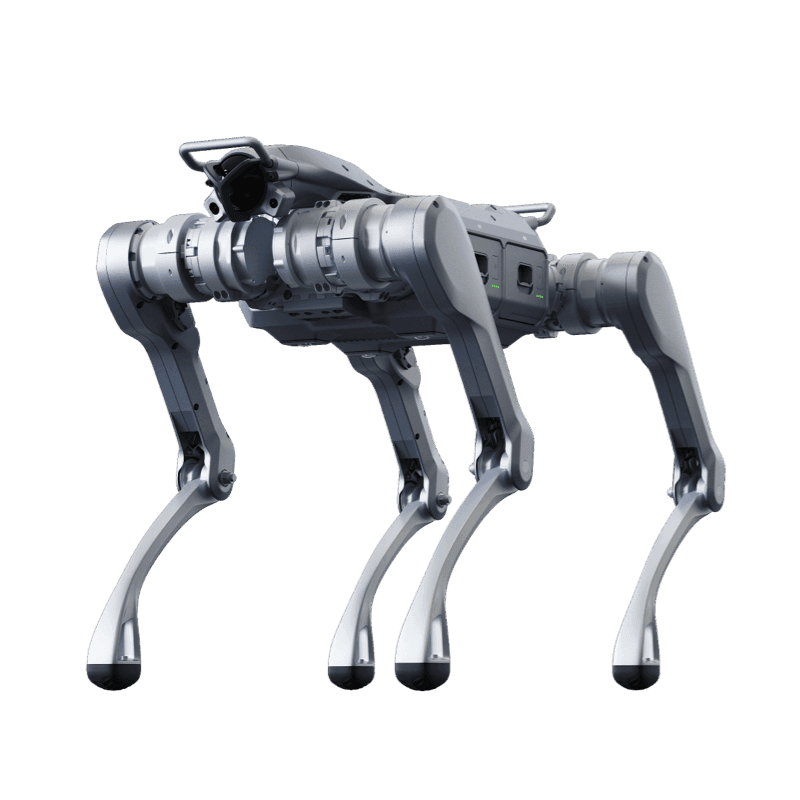
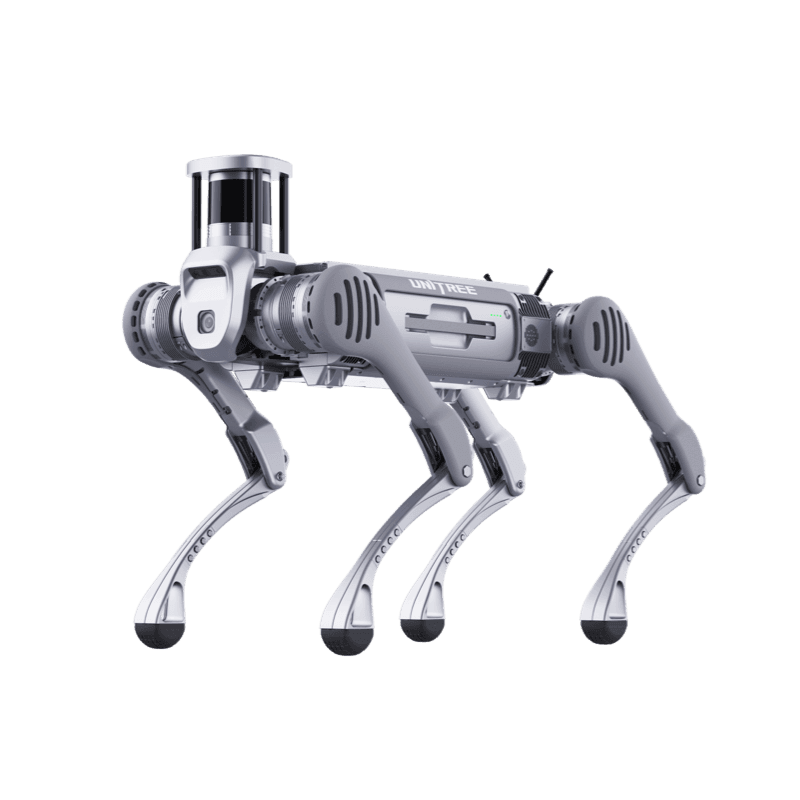
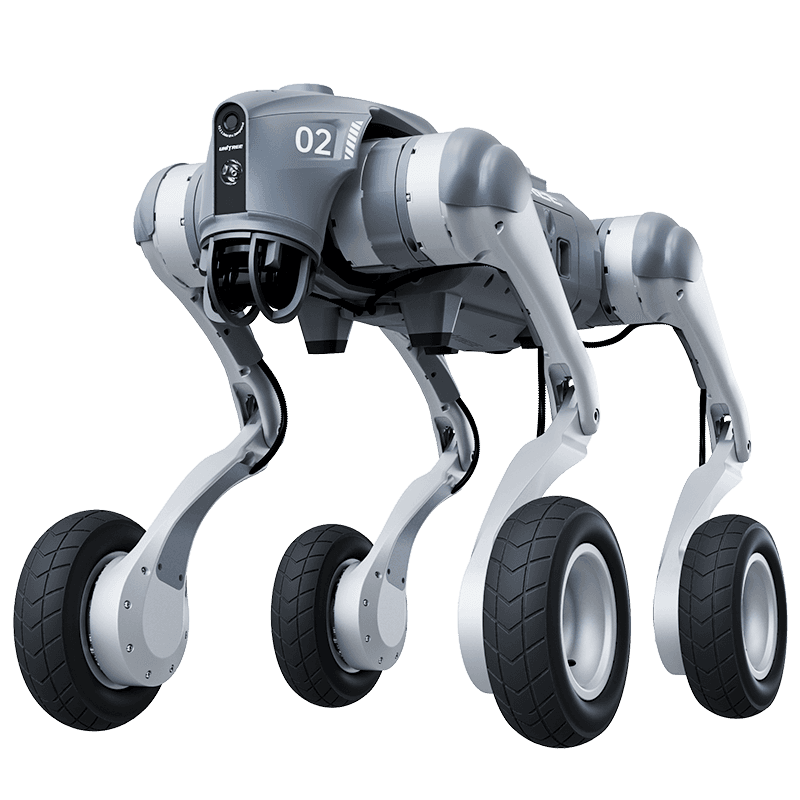
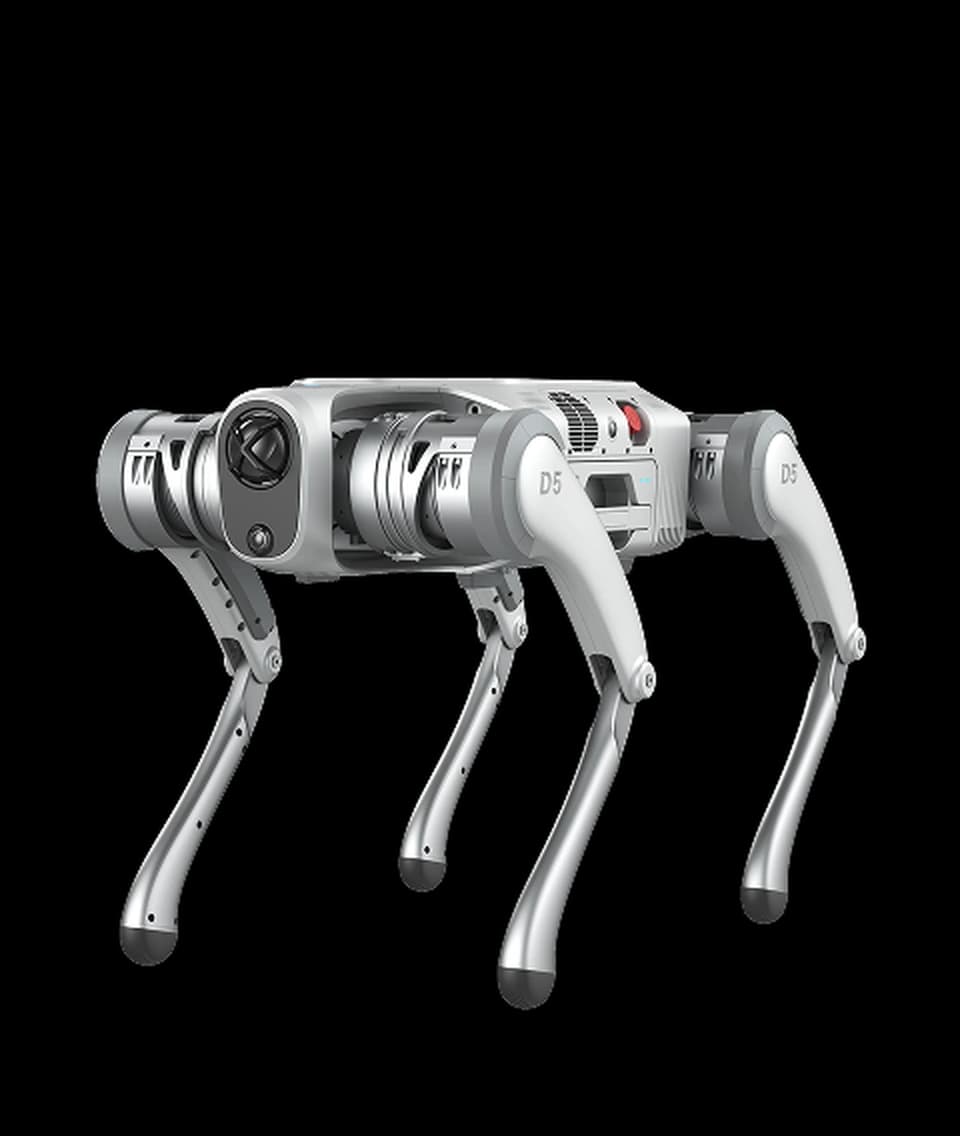
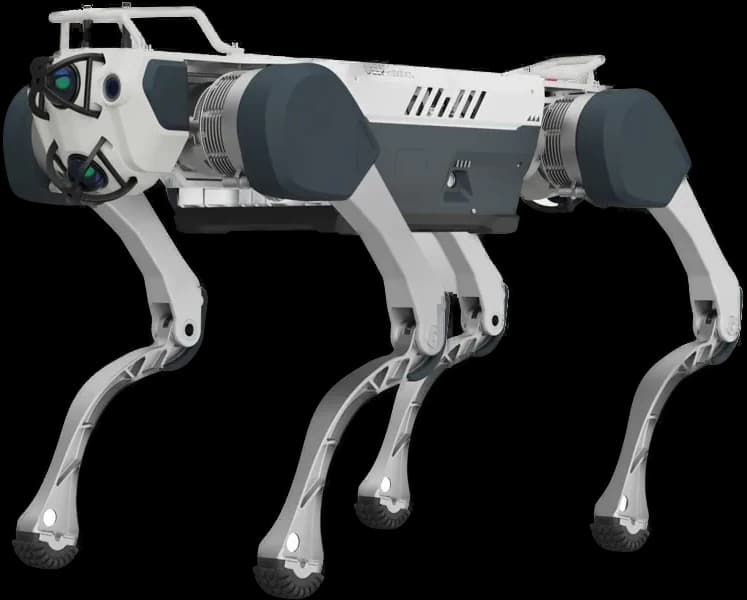
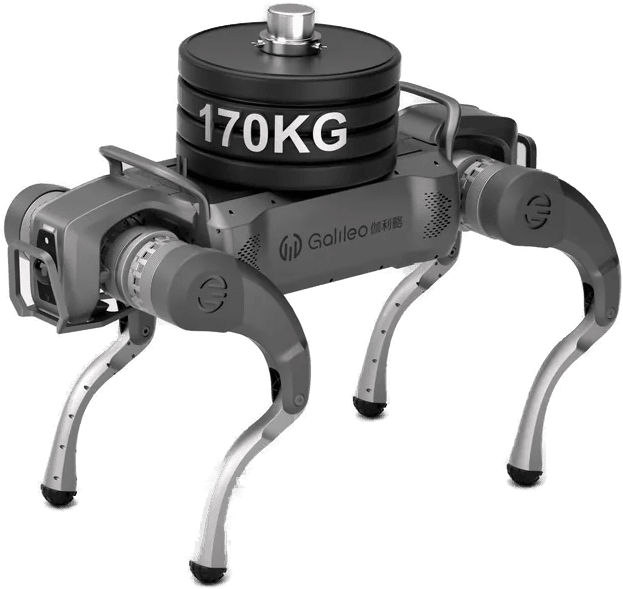
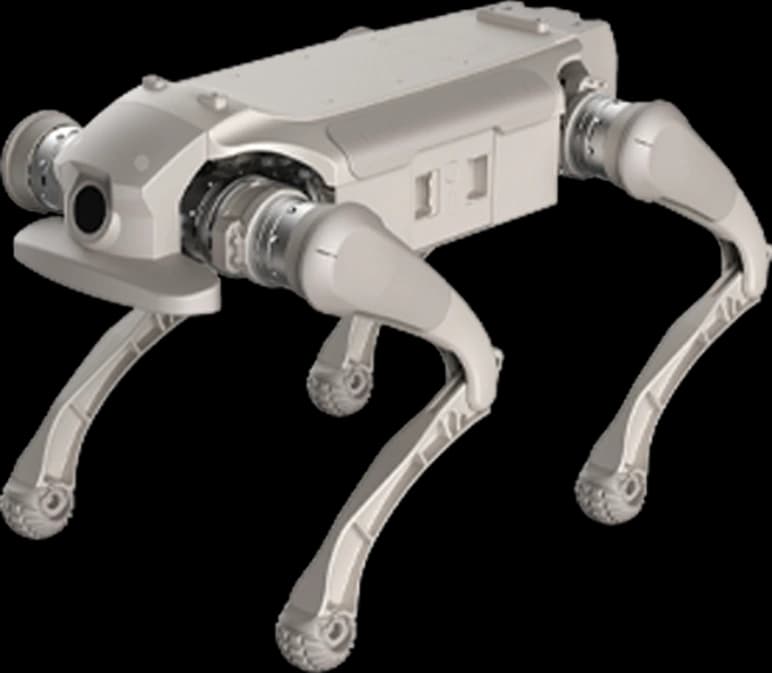
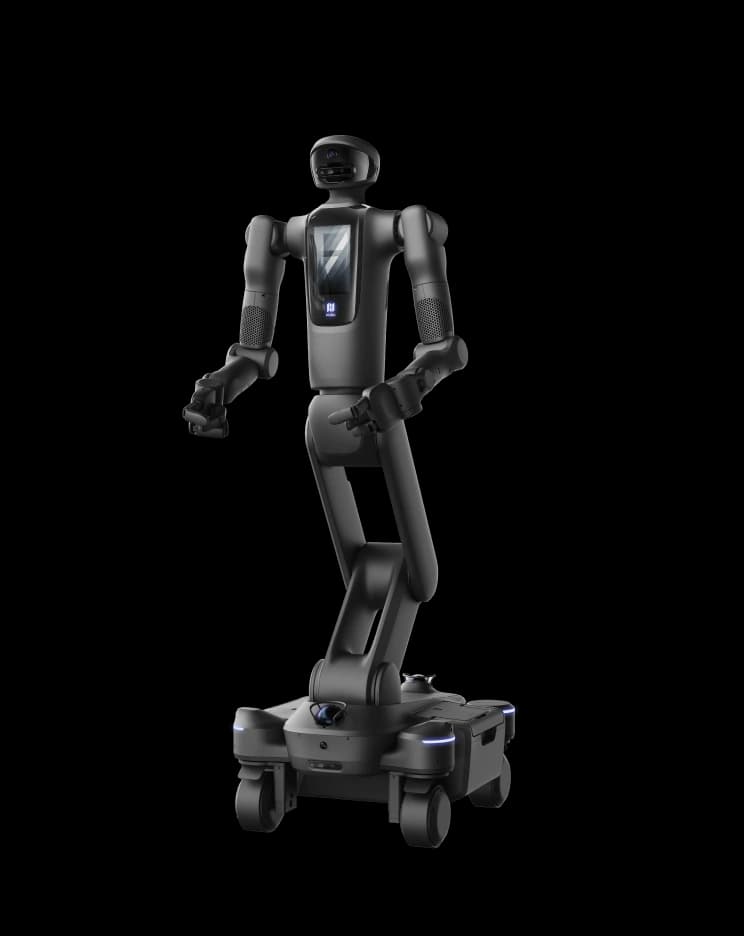
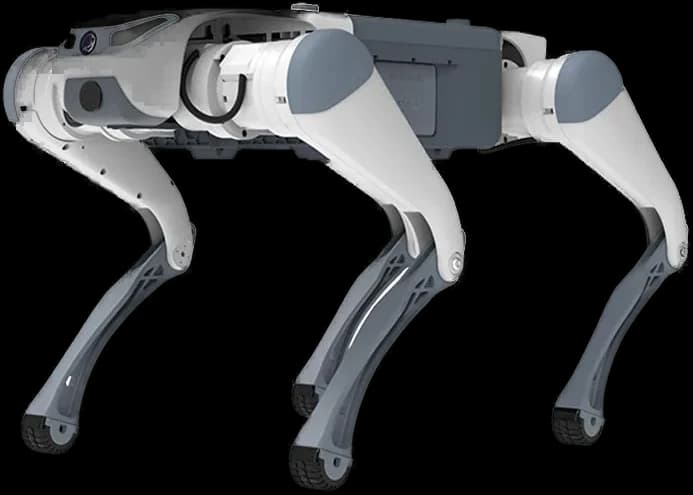
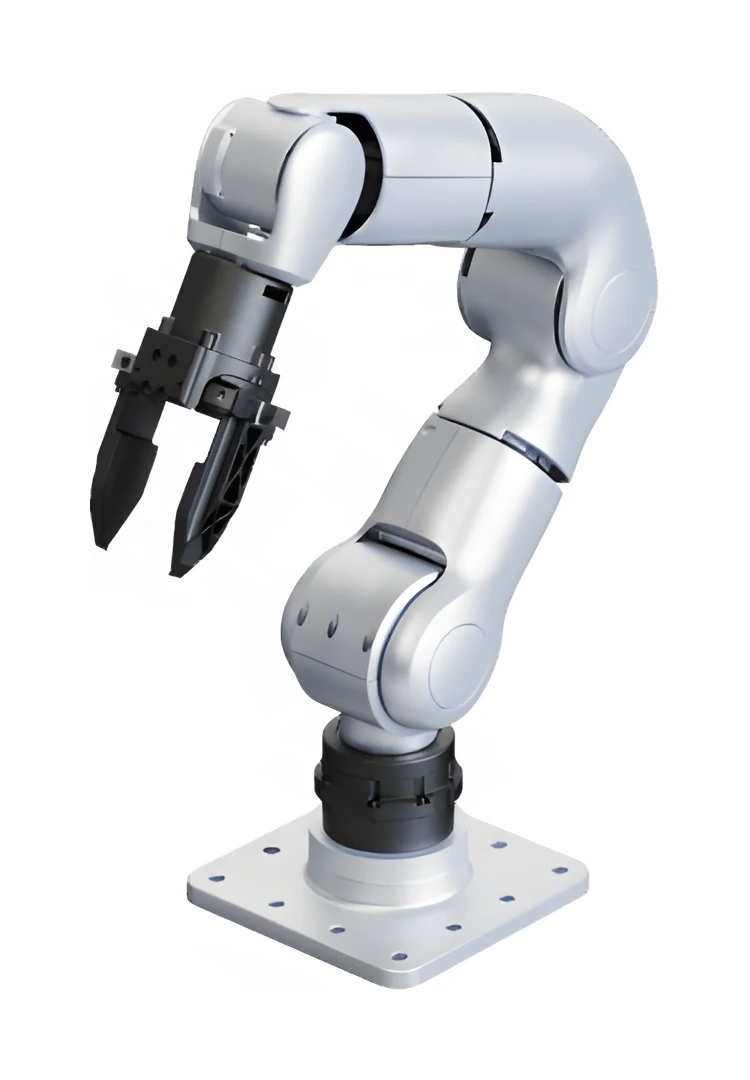
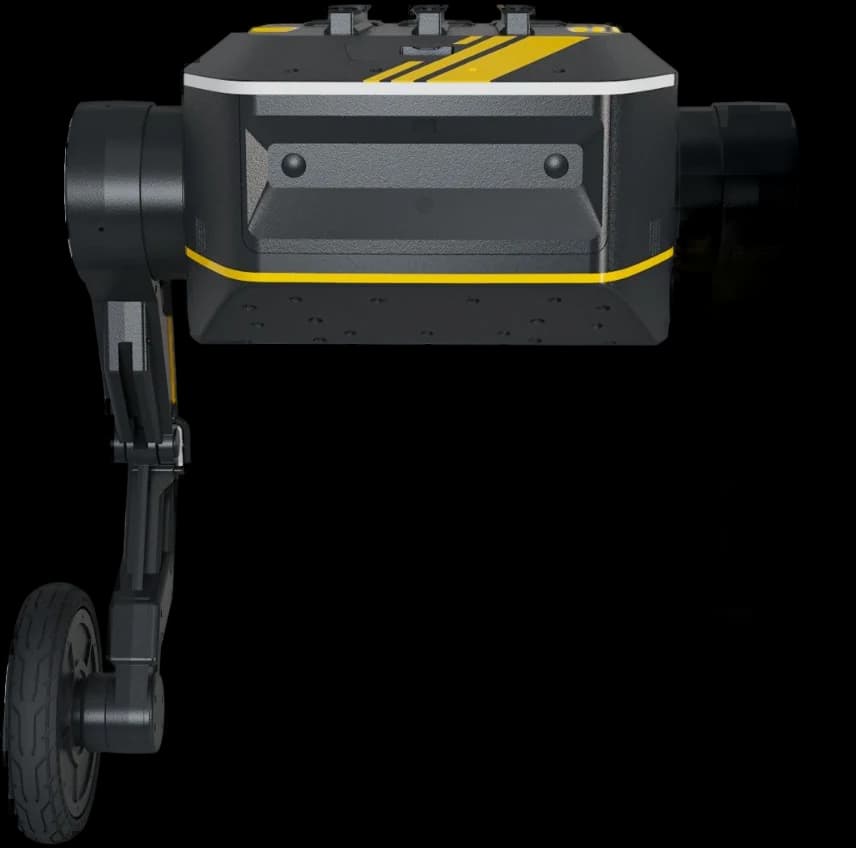
- Unitree AS2
The problem addressed
Panic from lost child incidents in malls, long finding times, and security inadequacy.
Draft mission flow
- 1When parent reports lost child, child's clothing and physical description sent to robot network.
- 2All active roaming robots switch to simultaneous search mode; child candidates identified via clothing color/pattern matching.
- 3When a crying or panicking child alone is detected, robot approaches; shows friendly animation on LED display and notifies security.
- 4Child's last known location and movement direction shown on map to security team in real-time; reunification facilitated.
Proposed hardware
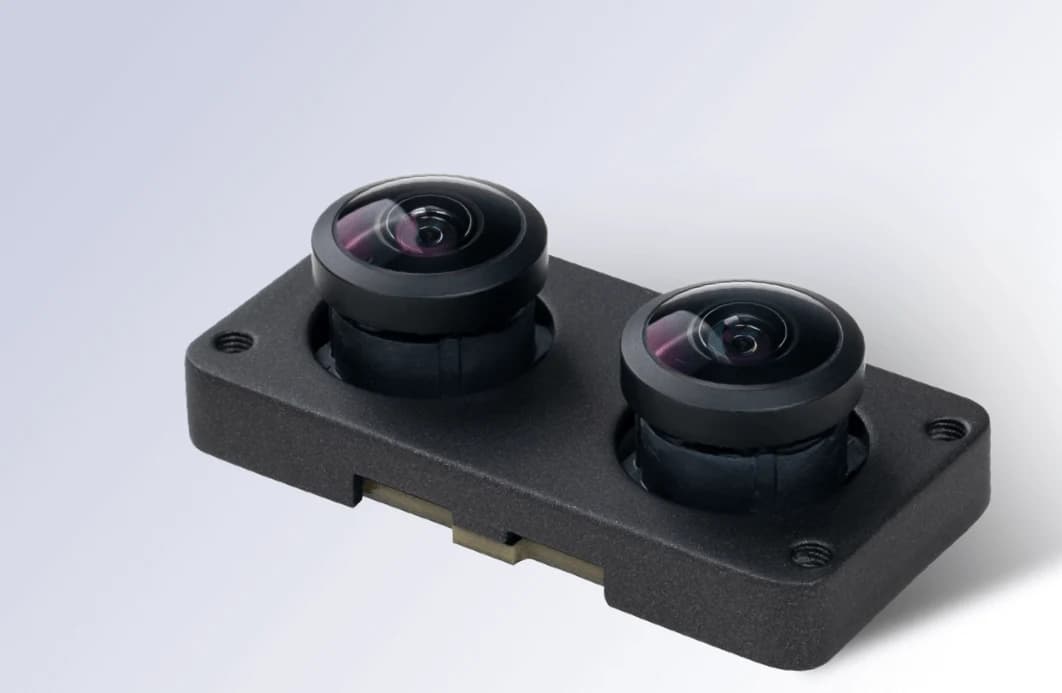
- HD Wide-Angle Camera
- Thermal Camera
- Speaker/Microphone
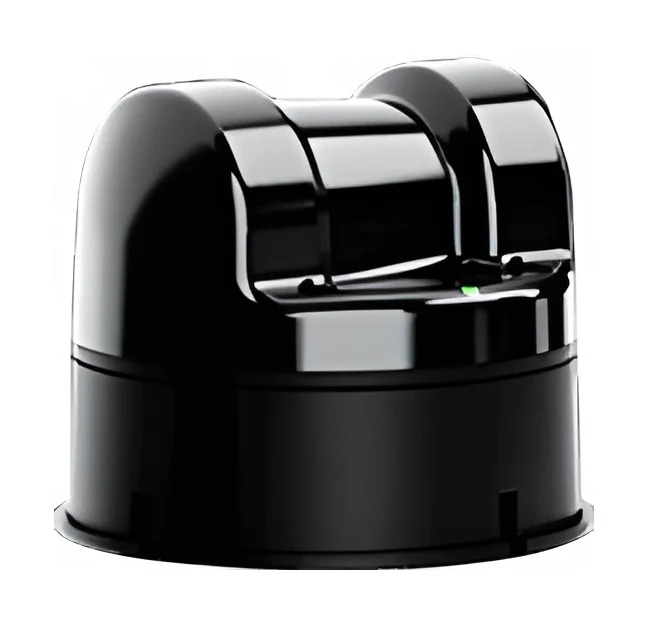
- LED Display
- Whistle/Sound Module
Proposed software
- Navigation
- Fast search pattern navigation across all mall floors (spiral/grid/zone scanning)
- Model
- Child-Parent Separation Detection, Clothing Color/Pattern Matching, and Age/Height Estimation
- Integration
- Mall Security Center and Lost Child Notification System
The robot's real operating limits
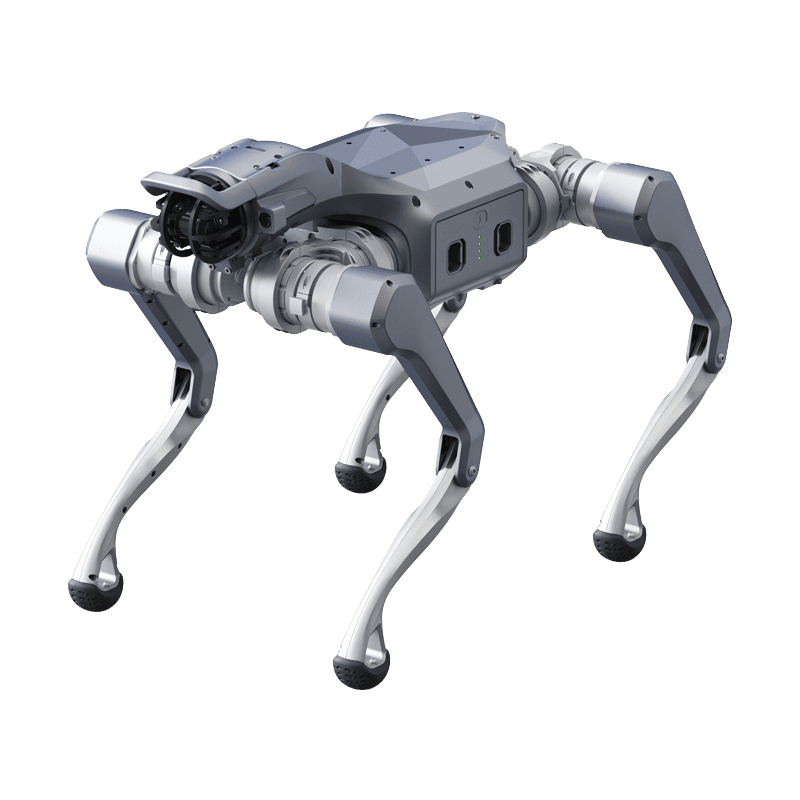
Unitree AS2
Industrial Capacity in a Compact Chassis
Product page- Ingress rating
- IP54
- Runtime
- >4 hours (No load)
- Operating temperature
- -20°C to 50°C
- Payload
- Up to 65 kg
- Max speed
- >5 m/s
- Climb
- 40°
Values are manufacturer data. Scenario fit is determined by comparing these limits with site conditions.
From scenario to installation
Feasibility is determined by the site survey: floor and route, network coverage, the charging point, intervention responsibilities and the conditions under which the robot must stop. The survey report defines the scope, the constraints and the commissioning steps.