


Unauthorized Power Usage & Energy Waste Detection
Scenario record: it defines the environment, the mission flow and a proposed hardware and software configuration. The list below is a configuration proposal, not an installation inventory. Field projects lists deployed systems and their measurements.
- Environment
- Indoor, public area
- Operating mode
- Teleoperation
- Proposed robot
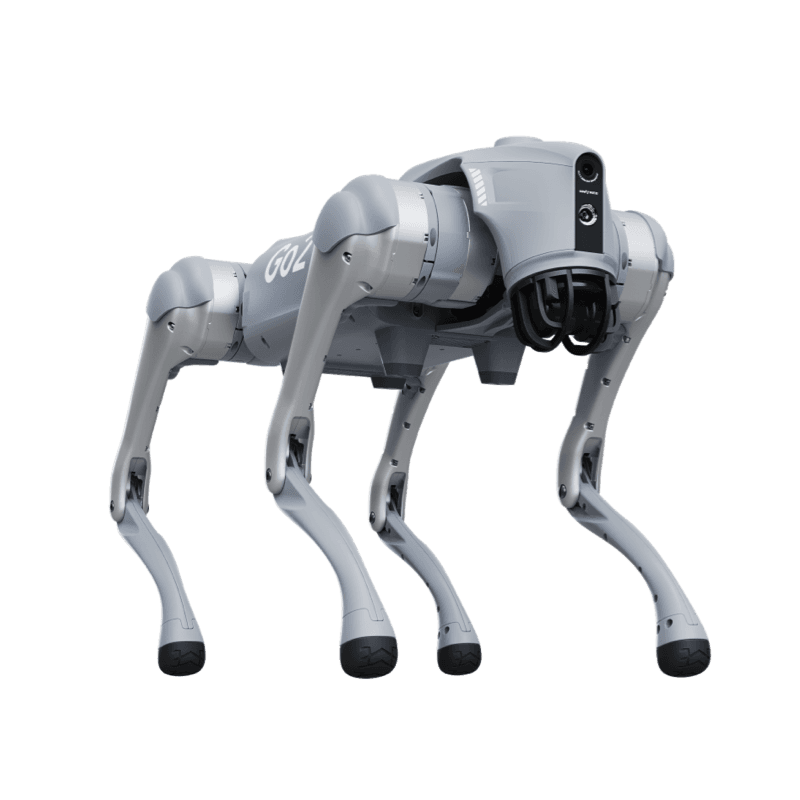
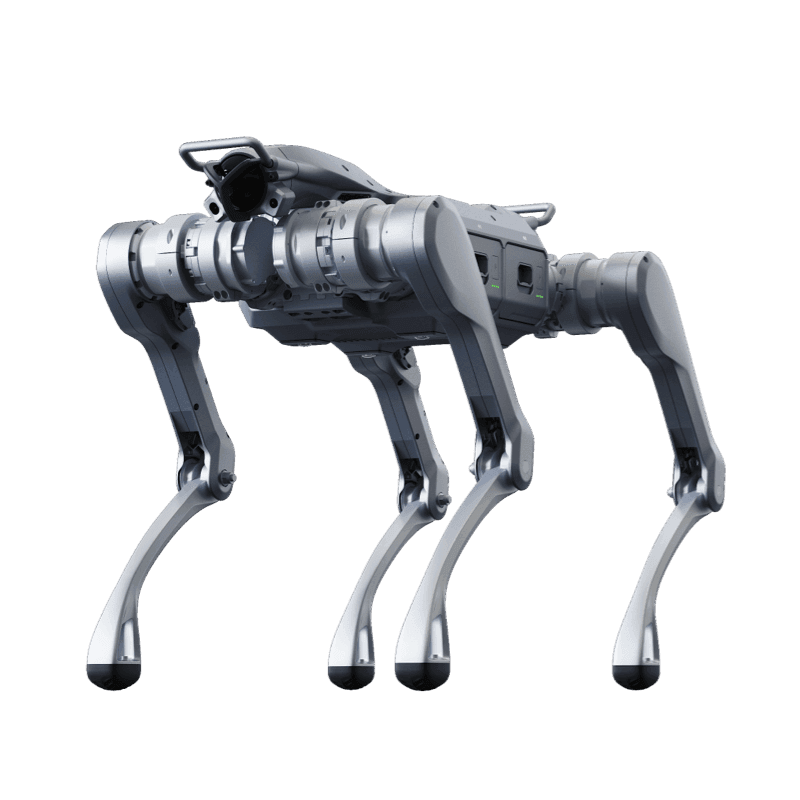
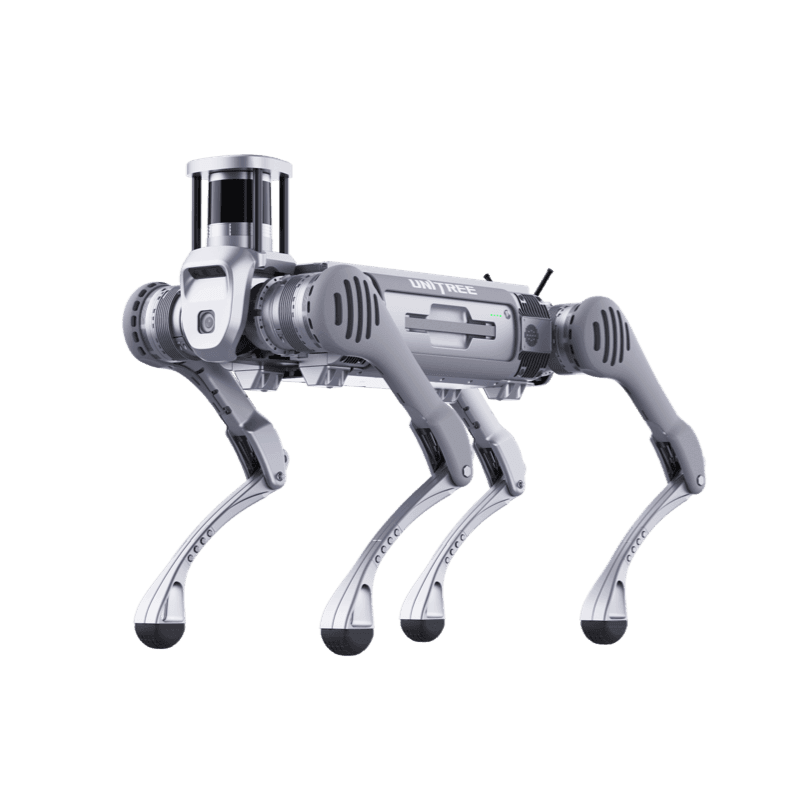
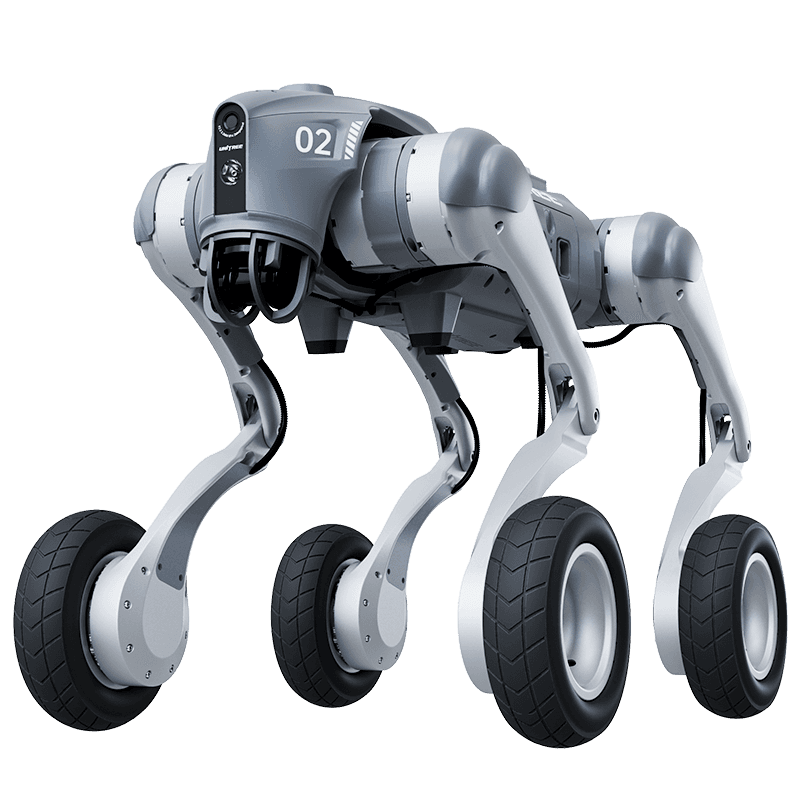
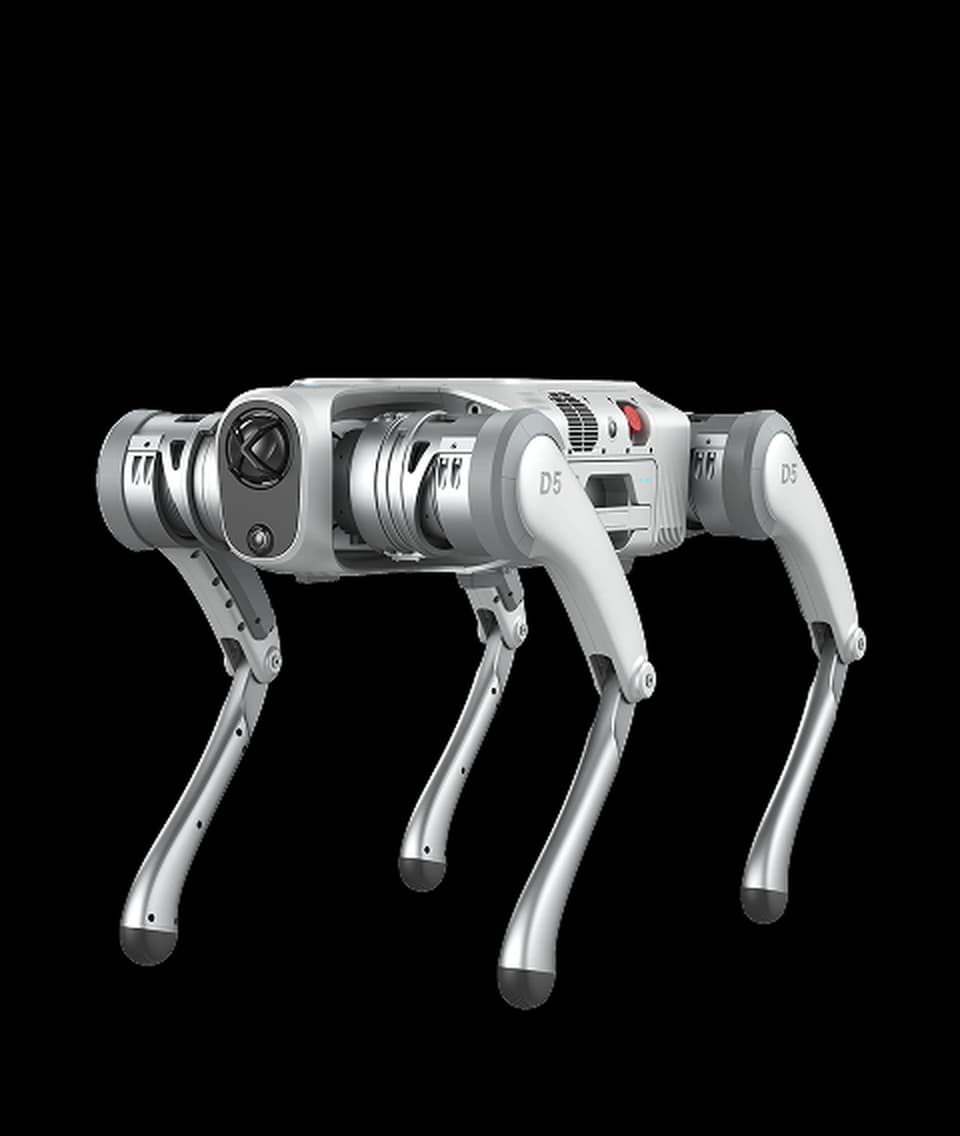
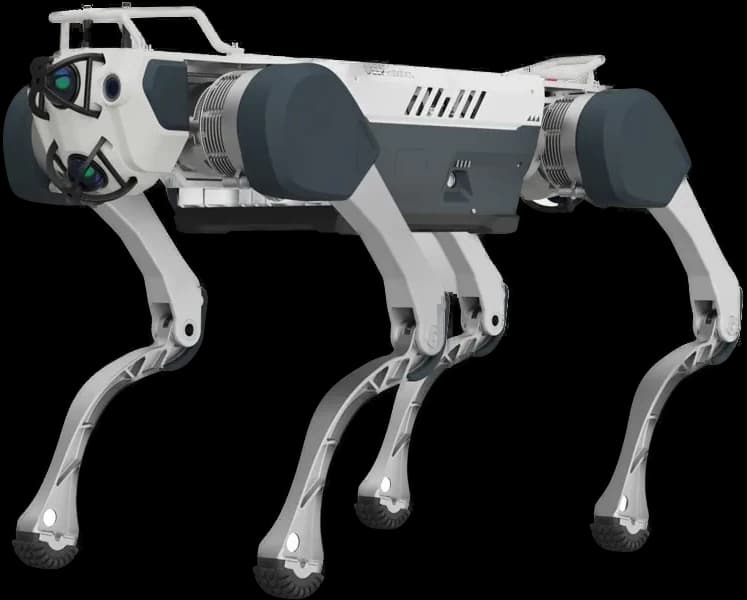
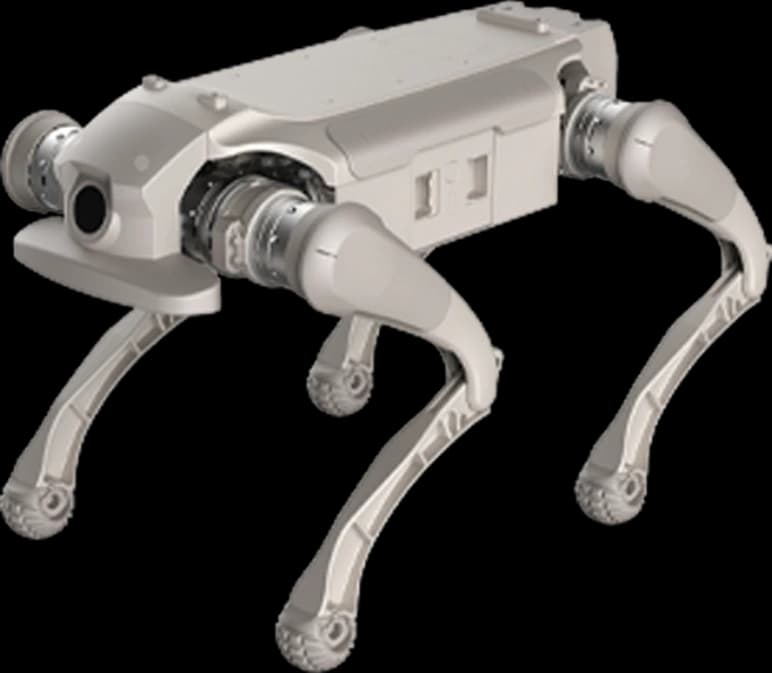
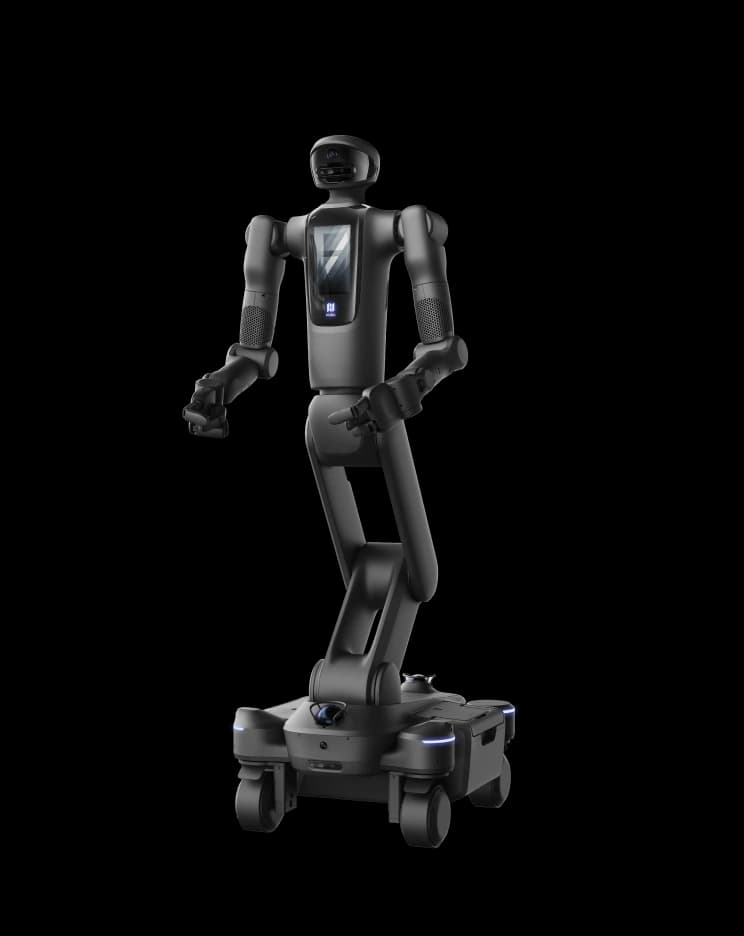
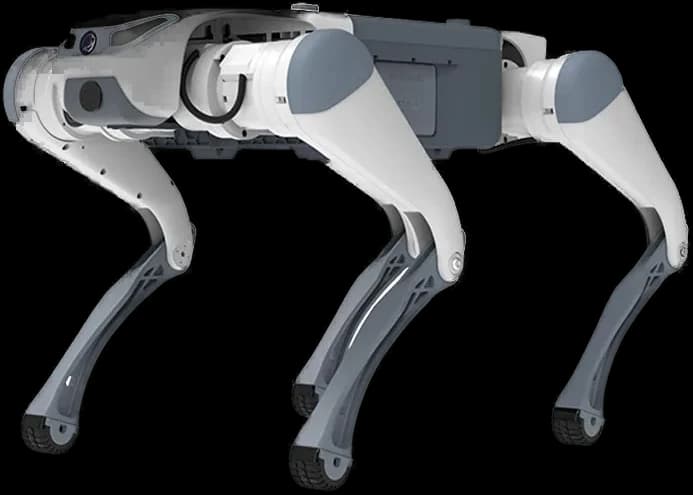
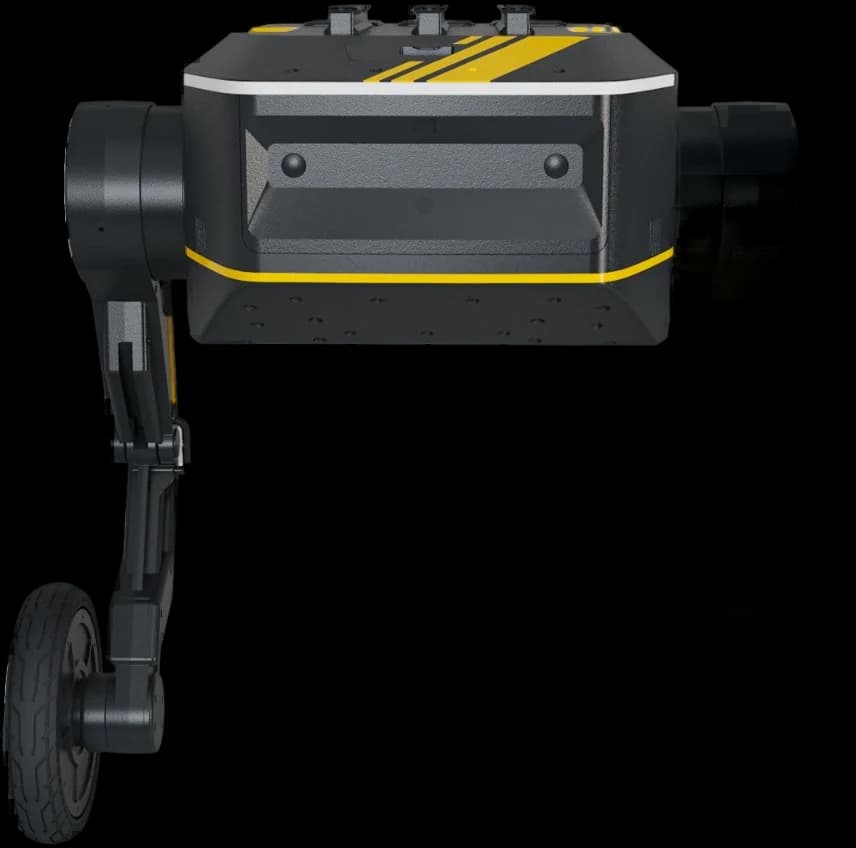
- Unitree AS2
The problem addressed
Store unauthorized electricity usage, cable fire risk, and excessive energy bill inflation.
Draft mission flow
- 1Robot scans electrical panels and distribution lines with thermal camera; overheating connections and cables detected.
- 2Stores drawing unauthorized power from common areas or using unpermitted high-power devices detected via EM sensor.
- 3Areas still consuming high power during closed hours reported as energy waste.
- 4Monthly energy consumption anomaly report and tenant-based energy scorecard presented to mall management.
Proposed hardware
- Thermal Camera
- Electromagnetic Field Sensor
- Current Clamp Meter
- HD Camera
- 3D LiDAR
Proposed software
- Navigation
- Technical service route with access to mall electrical panels and store back areas
- Model
- Overheating Point Detection, Abnormal Power Consumption Pattern, and Unauthorized Connection Indicator
- Integration
- Mall Energy Management System (EMS) and Electrical Maintenance Work Order Platform
The robot's real operating limits
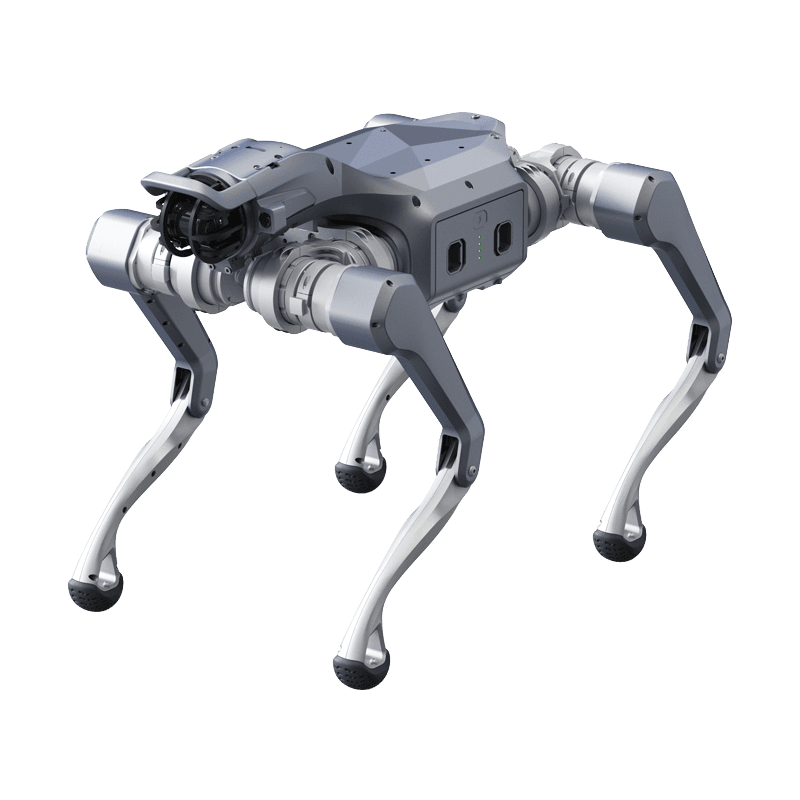
Unitree AS2
Industrial Capacity in a Compact Chassis
Product page- Ingress rating
- IP54
- Runtime
- >4 hours (No load)
- Operating temperature
- -20°C to 50°C
- Payload
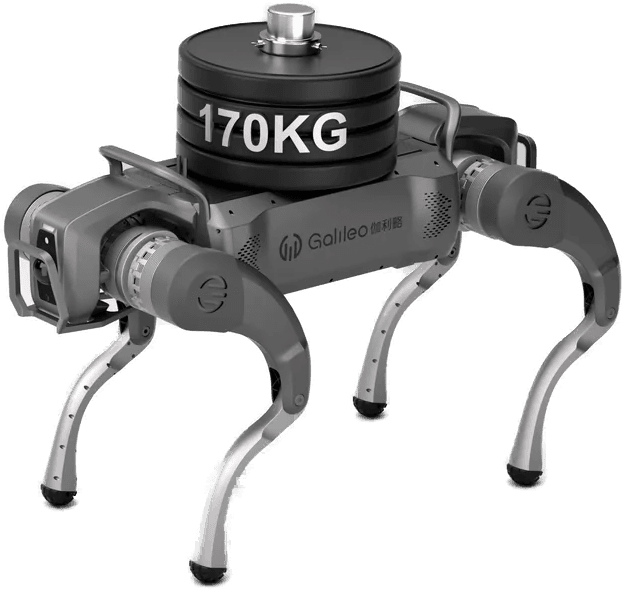
- Up to 65 kg
- Max speed
- >5 m/s
- Climb
- 40°
Values are manufacturer data. Scenario fit is determined by comparing these limits with site conditions.
From scenario to installation
Feasibility is determined by the site survey: floor and route, network coverage, the charging point, intervention responsibilities and the conditions under which the robot must stop. The survey report defines the scope, the constraints and the commissioning steps.