Thermal Life Tracking Under Earthquake Debris
Scenario record: it defines the environment, the mission flow and a proposed hardware and software configuration. The list below is a configuration proposal, not an installation inventory. Field projects lists deployed systems and their measurements.
- Environment
- Outdoor field
- Operating mode
- Teleoperation
- Proposed robot
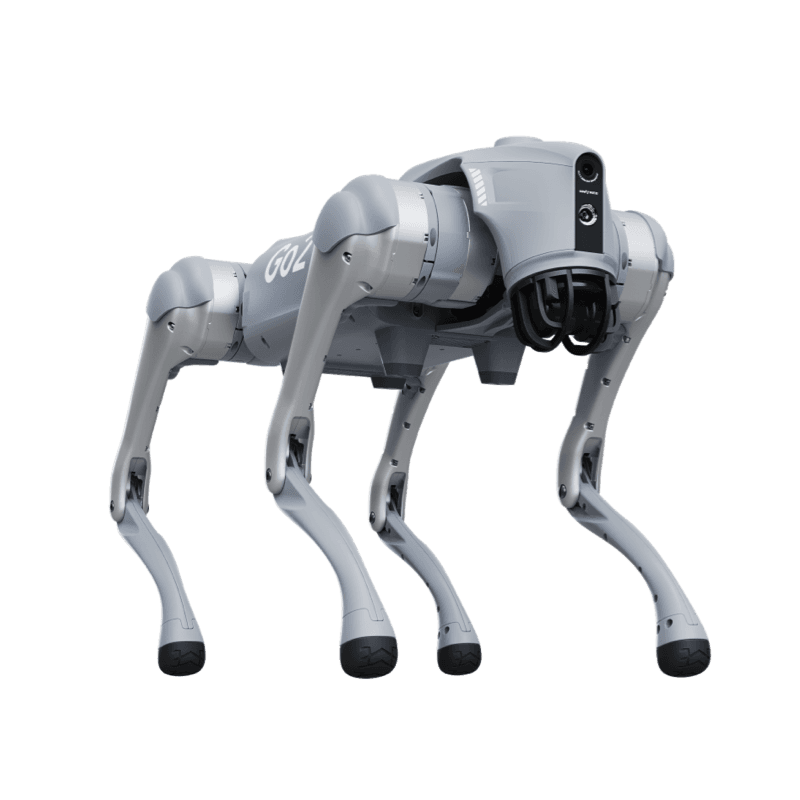
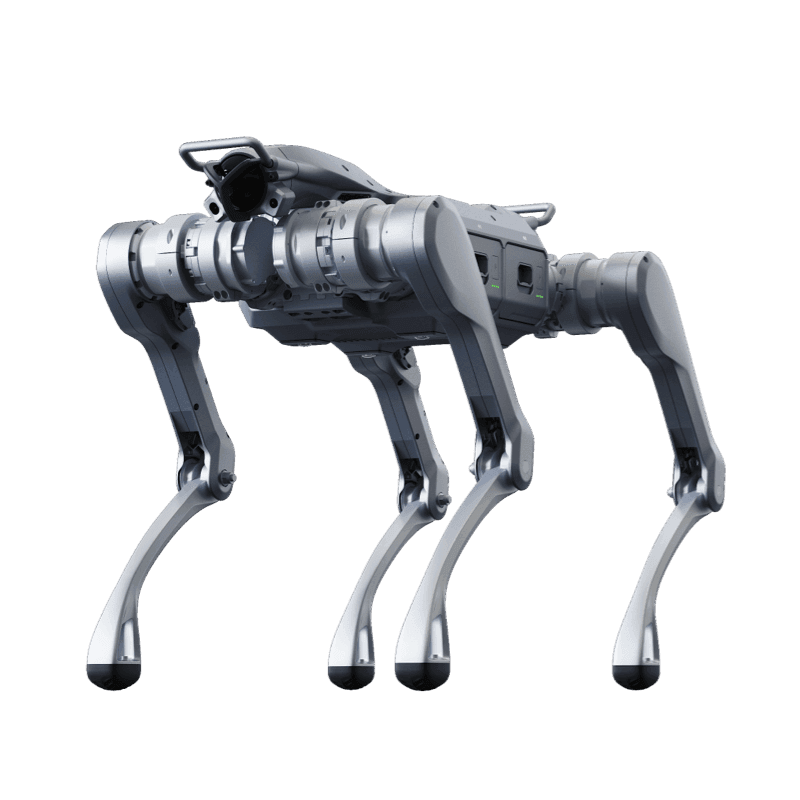
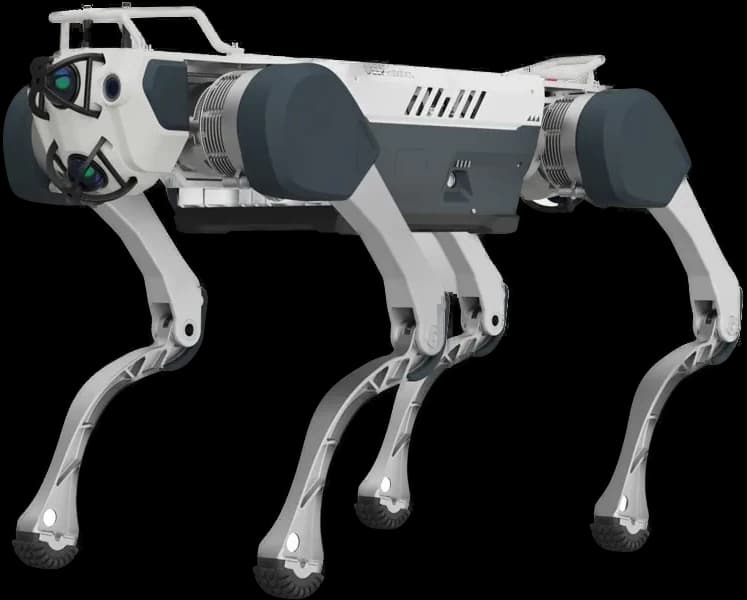
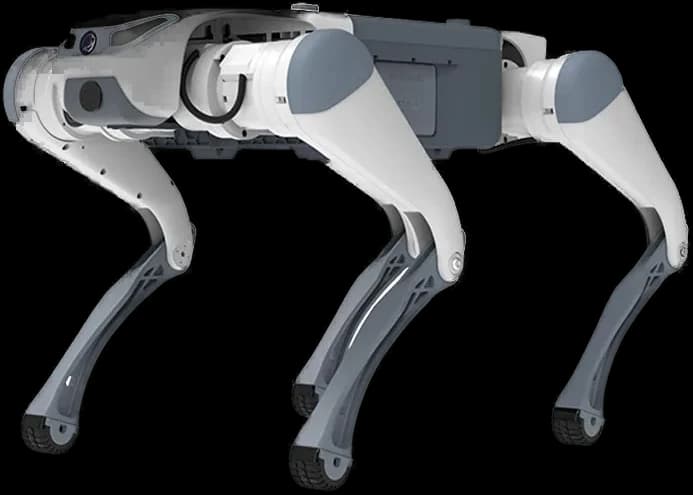
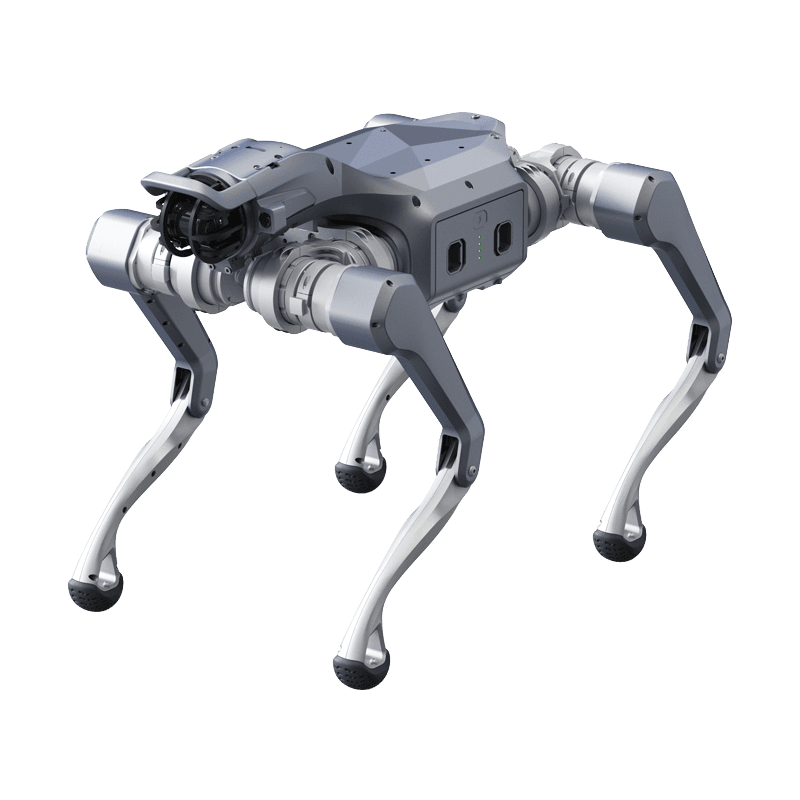
- Unitree B2
The problem addressed
Detection of human life within critical 72 hours after disaster, protection of rescue personnel from secondary collapse risk.
Draft mission flow
- 1Autonomously deployed to debris areas where human entry is risky.
- 2While moving over rubble piles, it processes data from seismic microphones and thermal cameras on offline Edge AI to look for signs of life.
- 3When life signs are found, GPS coordinates are transmitted to the rescue team.
Proposed hardware
- Radiometric IR Thermal Camera
- High Resolution Optical Zoom Camera
- Omni-directional Microphone Array
- Edge AI Module
Proposed software
- Navigation
- Autonomous Kinematic Adaptation on irregular debris surfaces and 3D LiDAR SLAM
- Model
- Micro Body Heat Deviation and Breath Rhythm Detection
- Integration
- AFAD/Emergency Management Center Offline Network
The robot's real operating limits
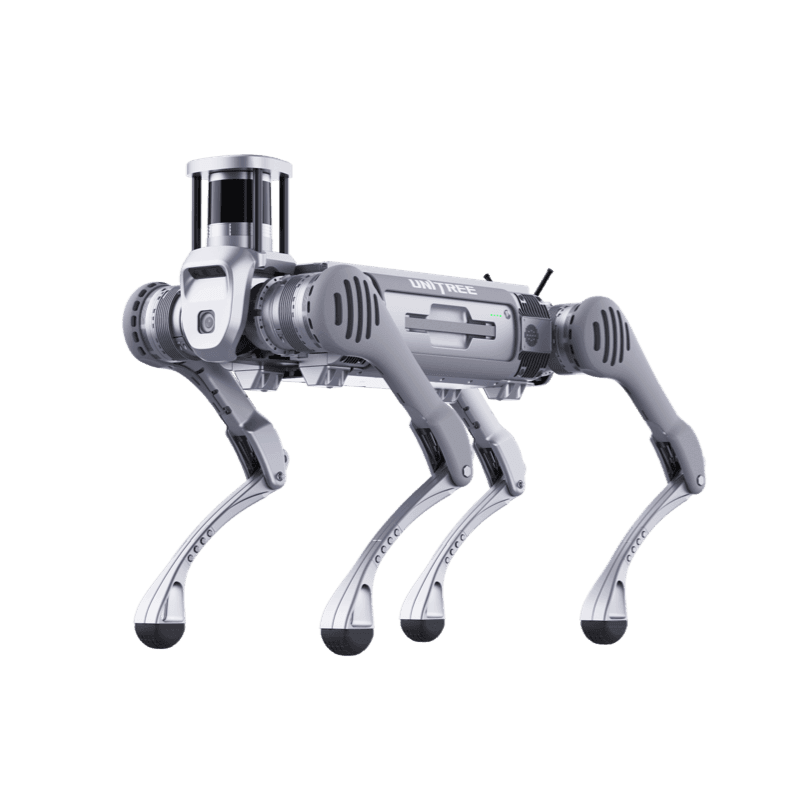
Unitree B2
Leading Industrial Application
Product page- Ingress rating
- IP67
- Runtime
- >5 hours (No load) / >4 hours (20kg Load)
- Operating temperature
- -20°C to 55°C
- Payload
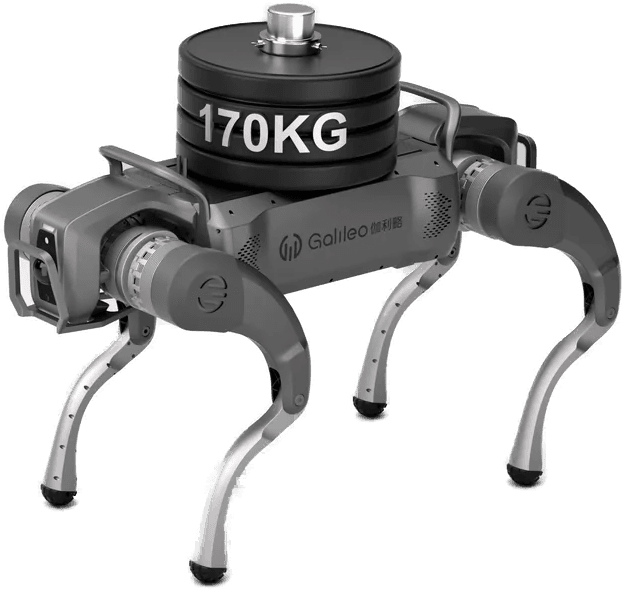
- 120 kg
- Max speed
- >6 m/s
- Climb
- 45°
Values are manufacturer data. Scenario fit is determined by comparing these limits with site conditions.
From scenario to installation
Feasibility is determined by the site survey: floor and route, network coverage, the charging point, intervention responsibilities and the conditions under which the robot must stop. The survey report defines the scope, the constraints and the commissioning steps.