

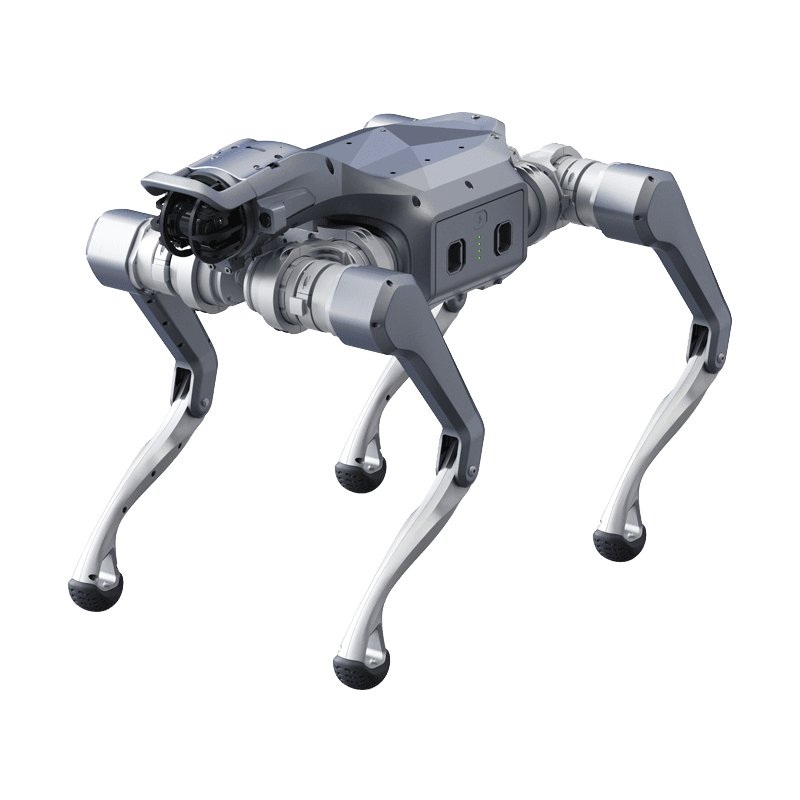
Quarantine Zone Autonomous Medicine Distribution
Scenario record: it defines the environment, the mission flow and a proposed hardware and software configuration. The list below is a configuration proposal, not an installation inventory. Field projects lists deployed systems and their measurements.
- Environment
- Outdoor field
- Operating mode
- Teleoperation
- Proposed robot
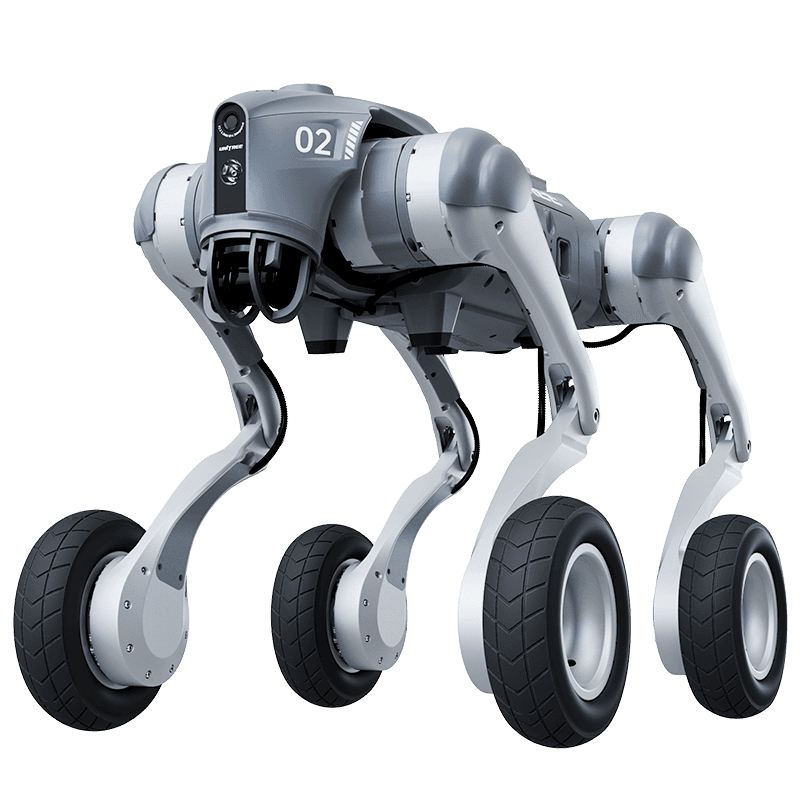
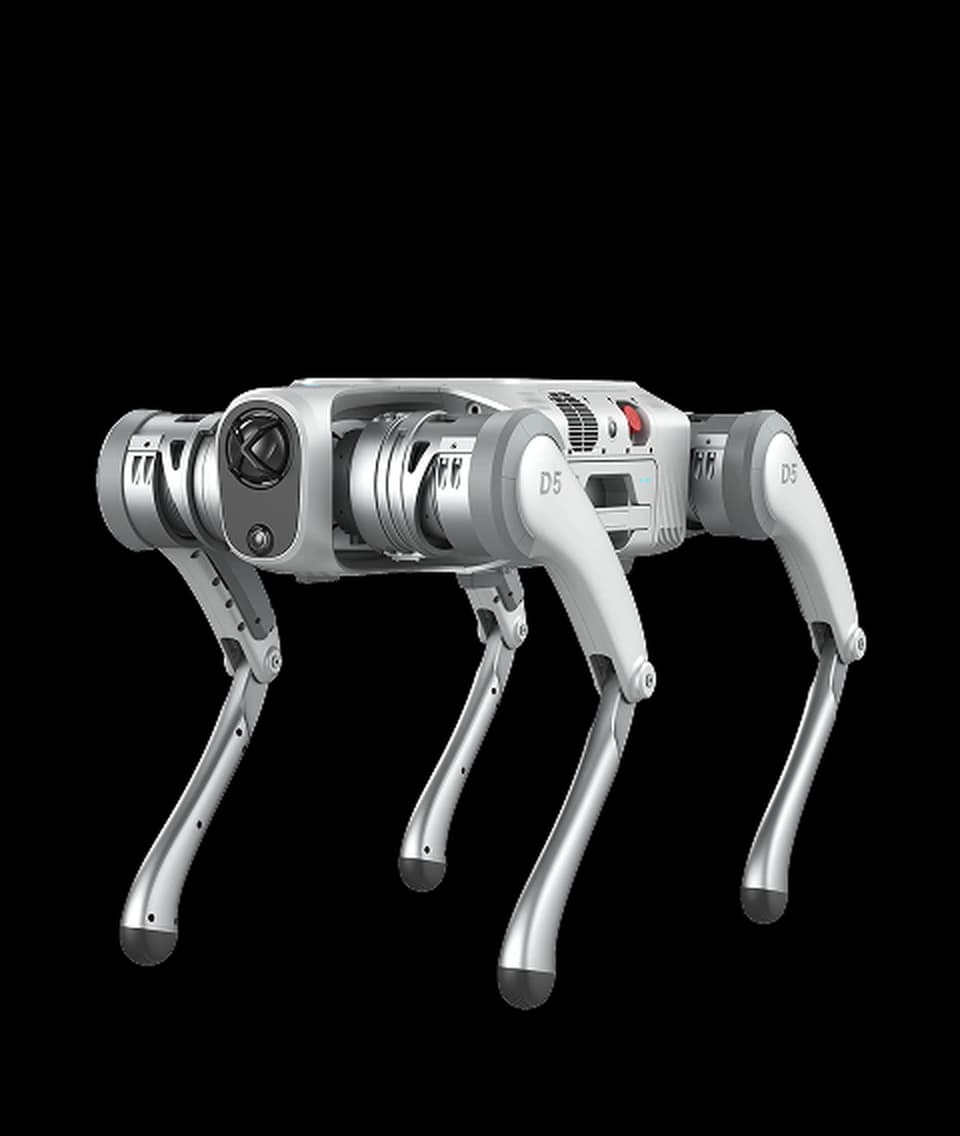
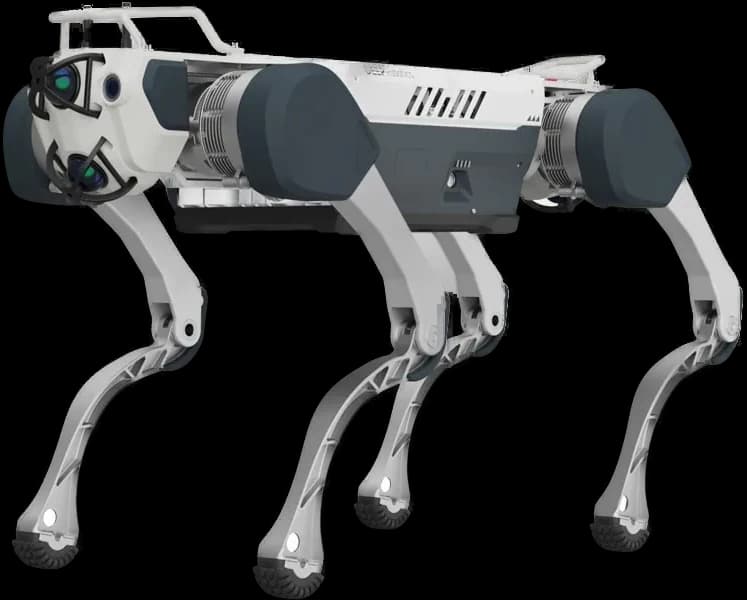
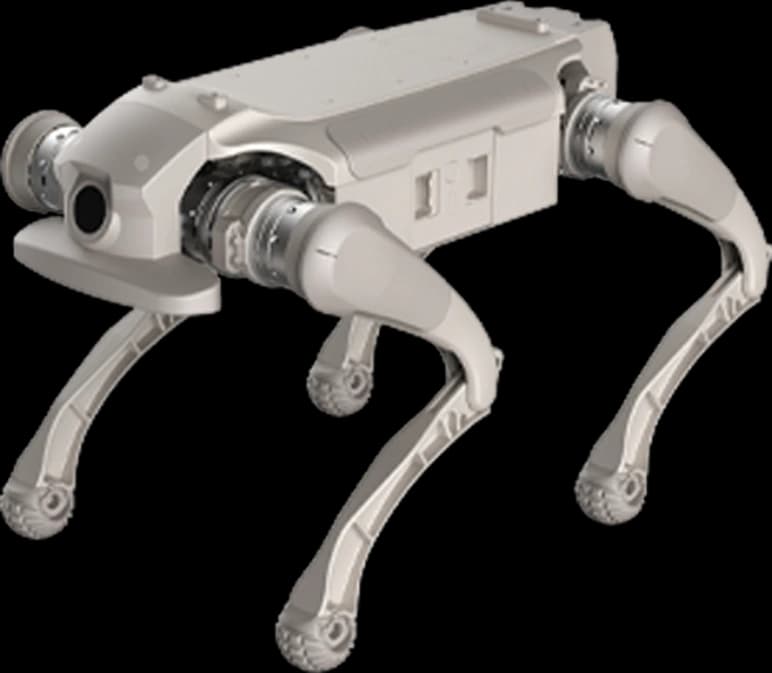
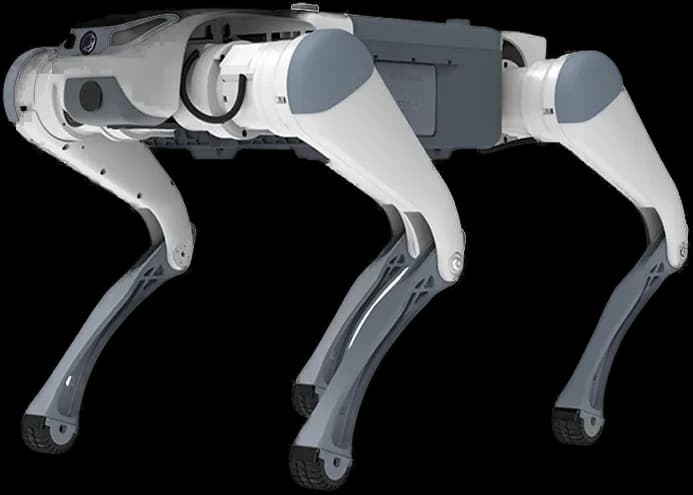
- Unitree B2-W
The problem addressed
Vital risks exposed to health personnel in epidemic or high radiation areas.
Draft mission flow
- 1Medicines loaded from the pharmacy warehouse are autonomously transported by the robot to high infection risk rooms.
- 2When the robot arrives in front of the patient room, it delivers the medicine to the nurse or patient with a password/QR code.
- 3At the end of the mission, it returns to the charging/UV disinfection station.
Proposed hardware
- Metal Delivery Crate
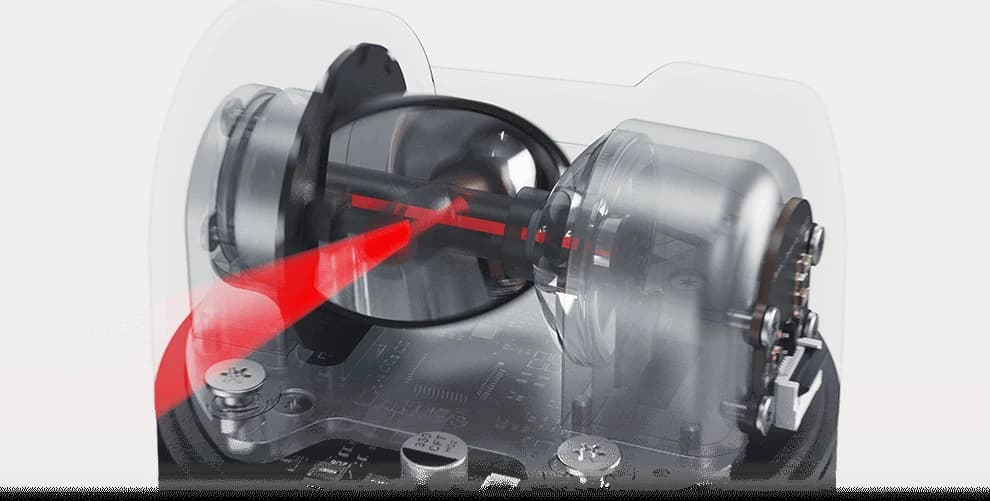
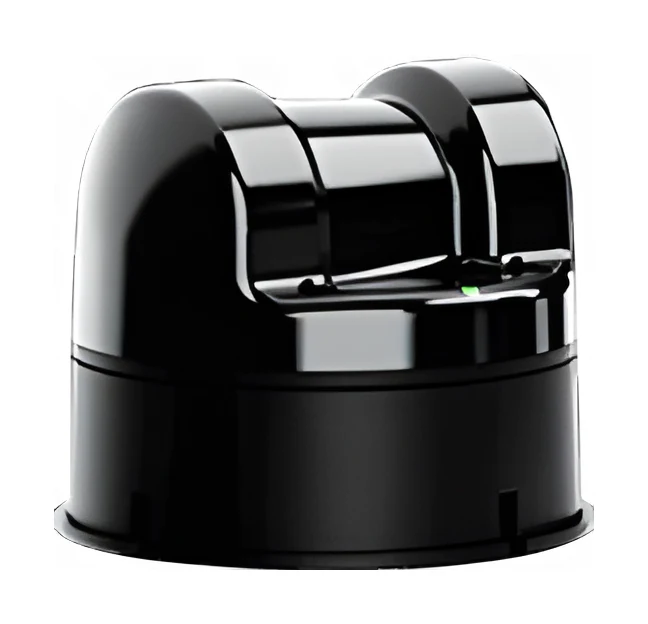
- Lidar L2
- UV Cleaning Module (Optional)
Proposed software
- Navigation
- Zero-contact navigation in hospitals or isolated areas avoiding humans
- Model
- Route Optimization and Dynamic Obstacle Avoidance
- Integration
- Hospital Information Management System (HBYS)
The robot's real operating limits
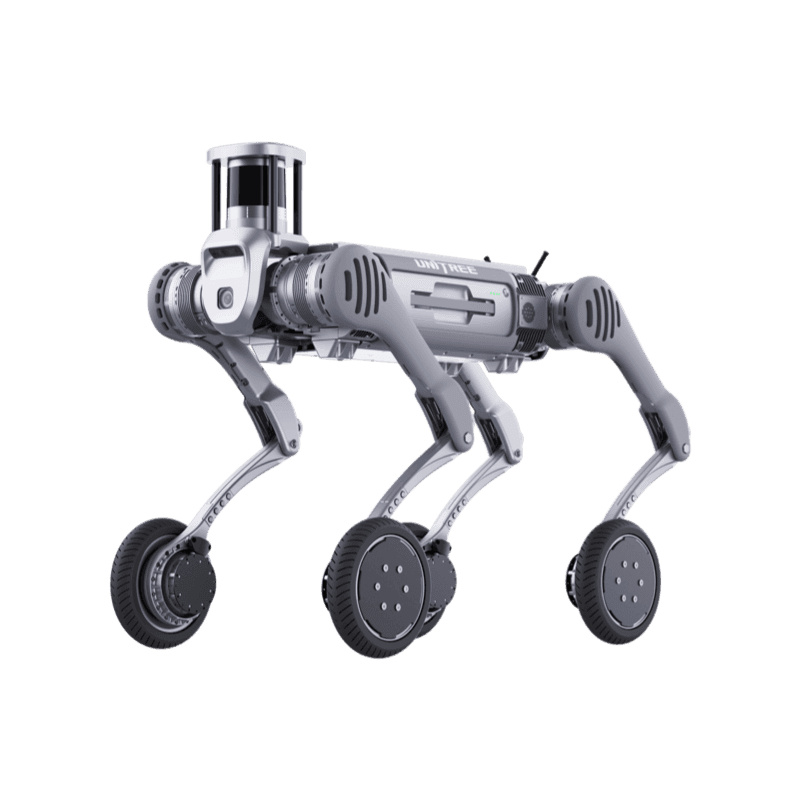
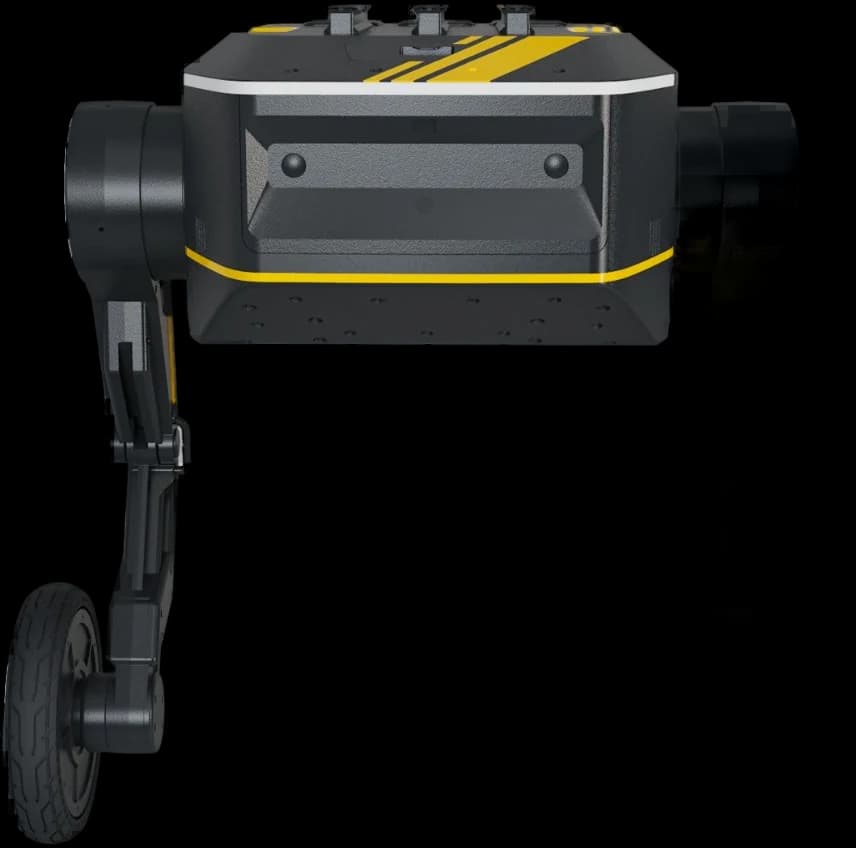
Unitree B2-W
Superior Endurance, High Logistics Efficiency
Product page- Ingress rating
- IP67
- Operating temperature
- -20°C to 55°C
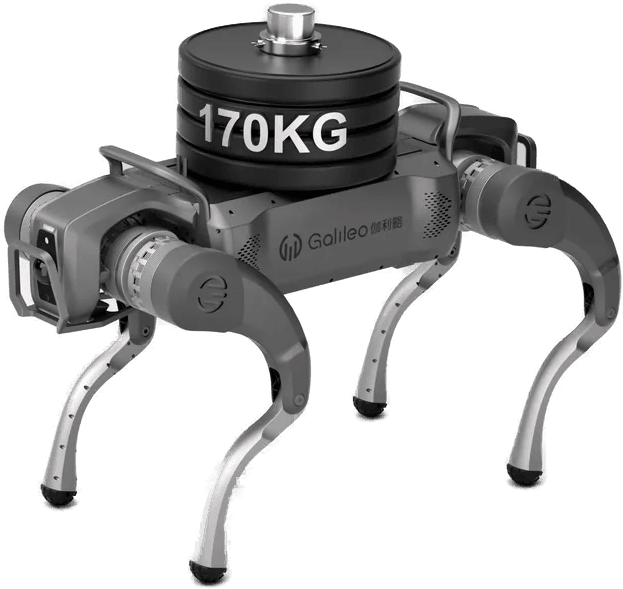
- Payload
- 120 kg
- Max speed
- 15
- Climb
- 45°
- Weight
- 85 kg
Values are manufacturer data. Scenario fit is determined by comparing these limits with site conditions.
From scenario to installation
Feasibility is determined by the site survey: floor and route, network coverage, the charging point, intervention responsibilities and the conditions under which the robot must stop. The survey report defines the scope, the constraints and the commissioning steps.