




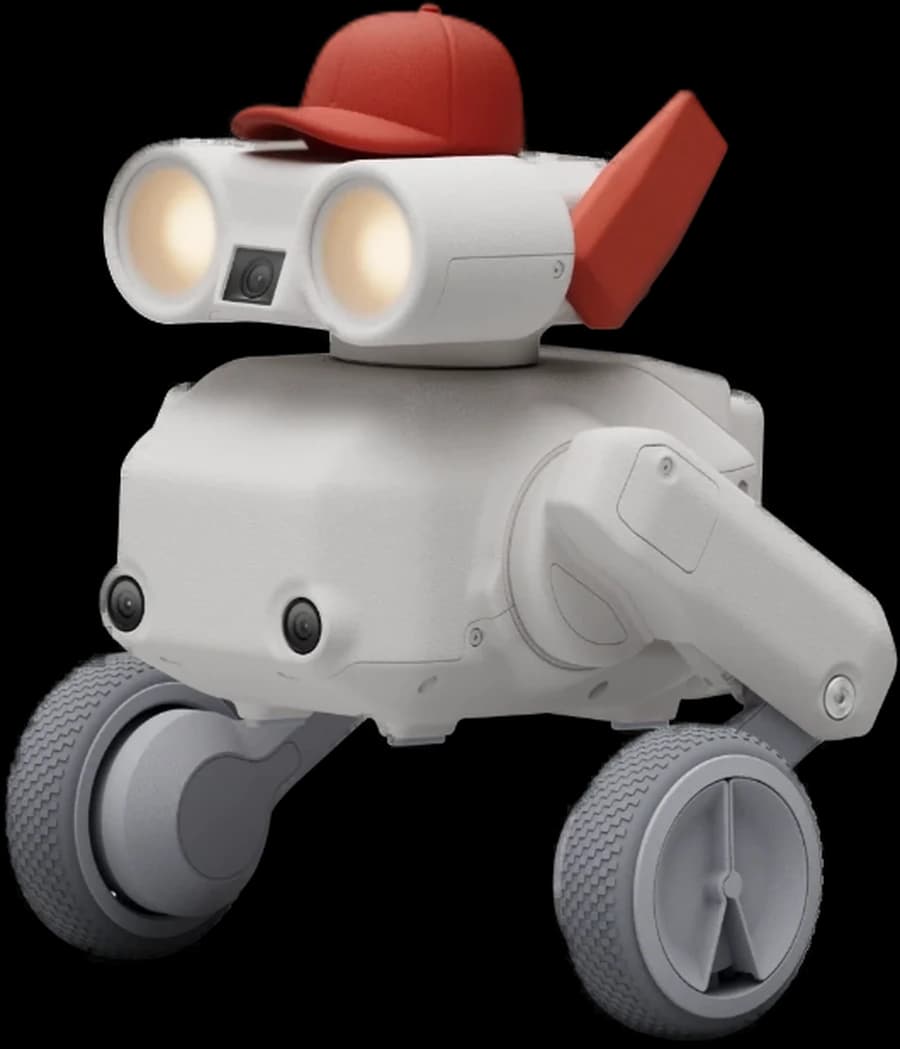
Airport Apron Foreign Object Debris (FOD) Detection
Scenario record: it defines the environment, the mission flow and a proposed hardware and software configuration. The list below is a configuration proposal, not an installation inventory. Field projects lists deployed systems and their measurements.
- Environment
- Indoor, public area
- Operating mode
- Supervised autonomy
- Proposed robot
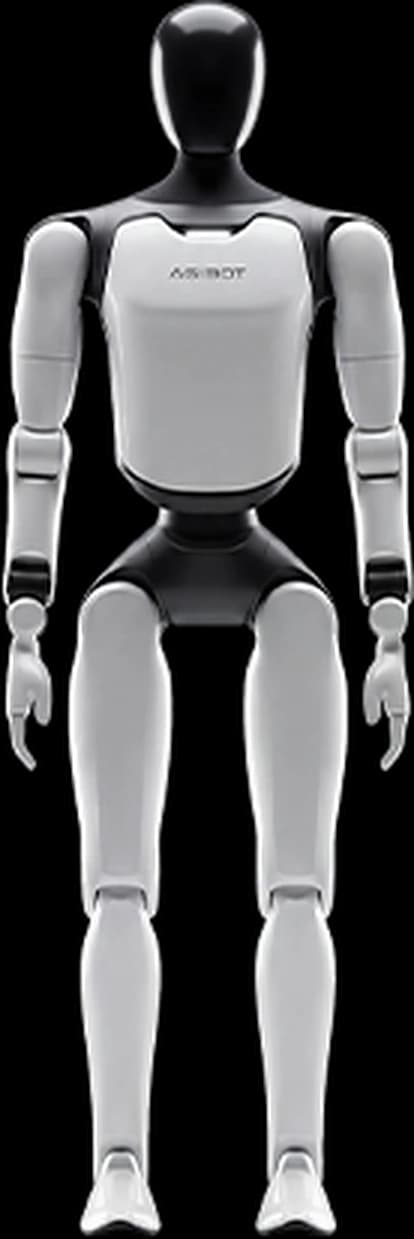
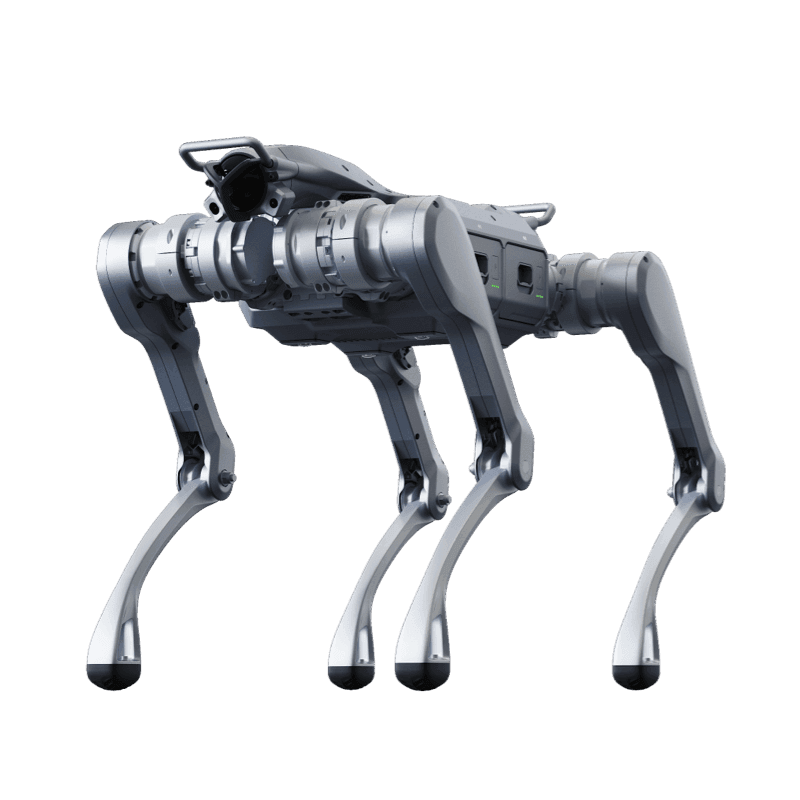
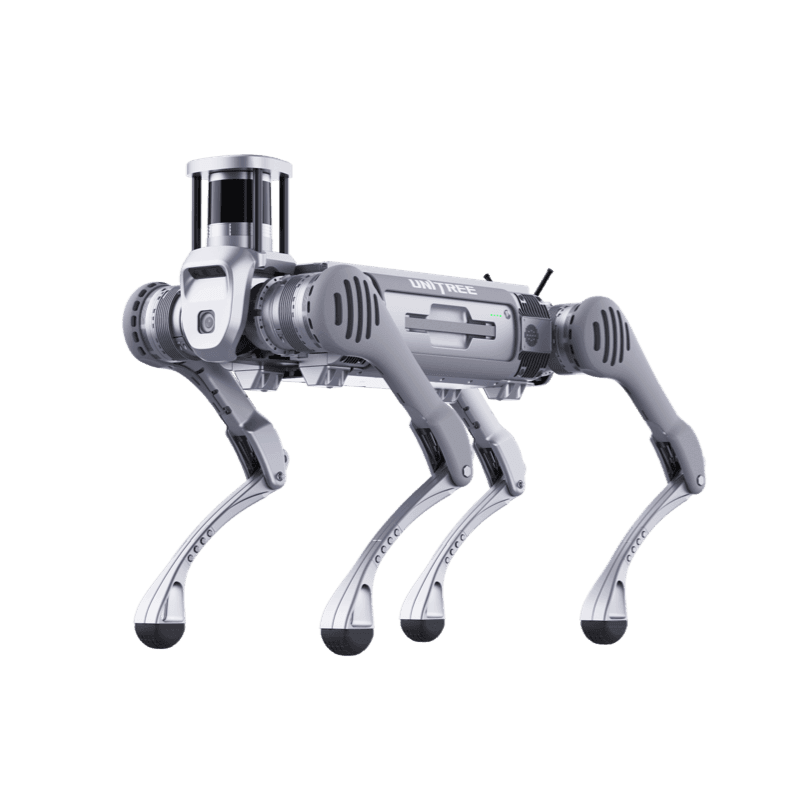
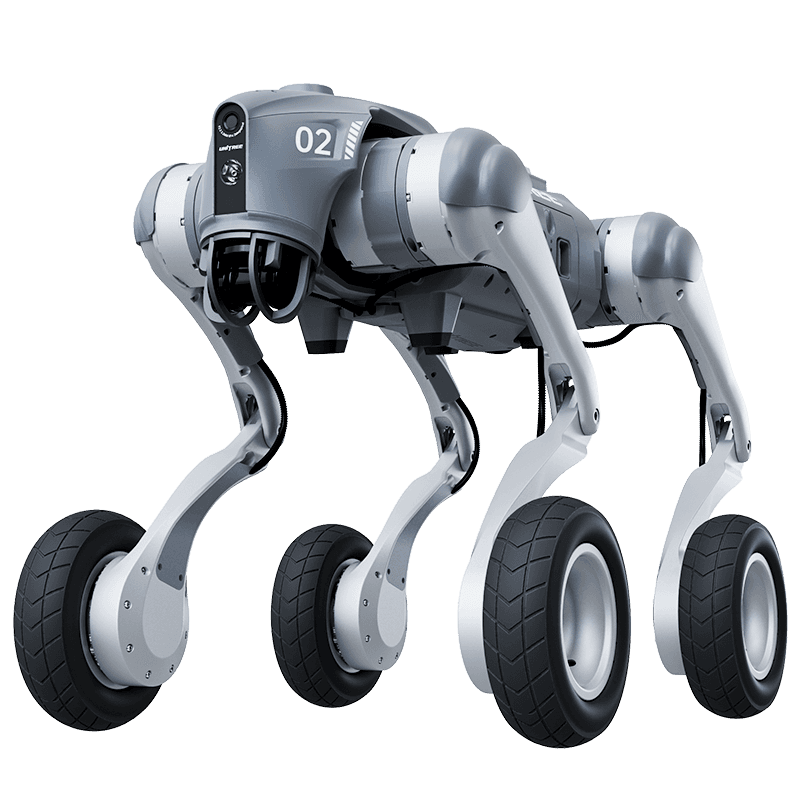
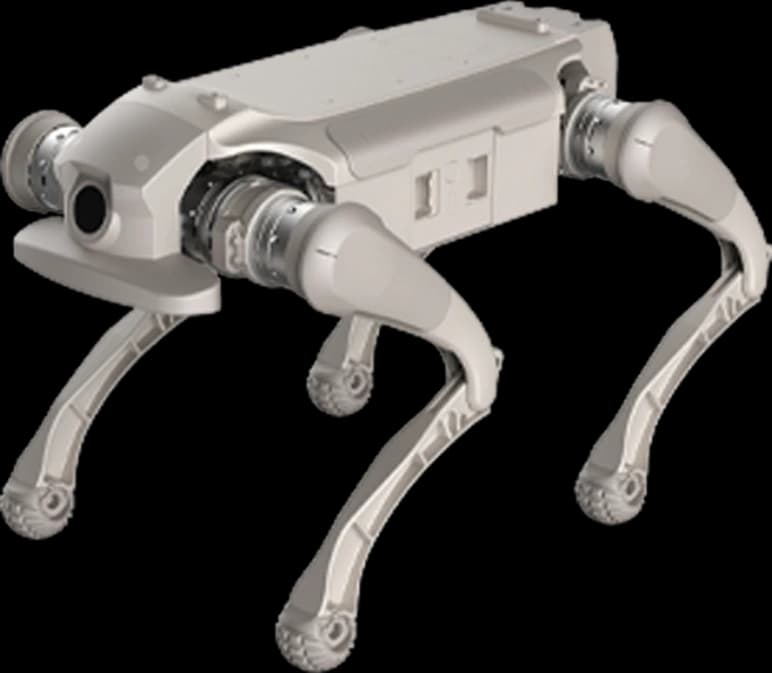
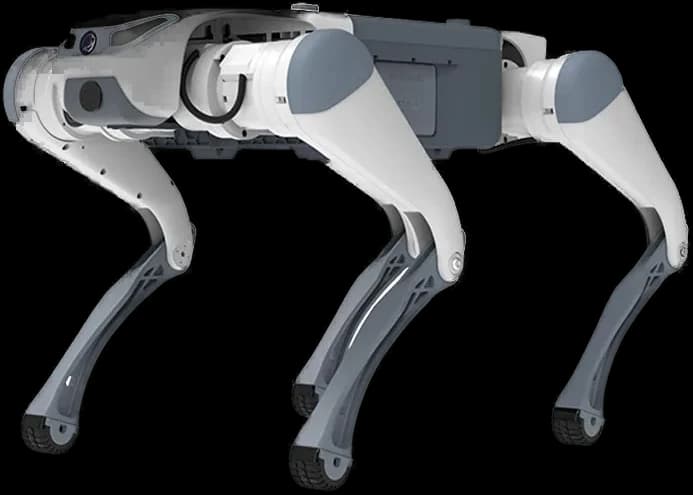
- Unitree AS2
The problem addressed
Inadequacy in finding foreign objects that could damage aircraft engines by human eyes.
Draft mission flow
- 1Cruises rapidly and autonomously on the runway during periods when there is no aircraft traffic.
- 2Detects metal, plastic, or rubber pieces larger than 2 cm on the asphalt with a vision model.
- 3Marks the location of the object with GPS and instantly sends a work order to cleaning crews.
Proposed hardware
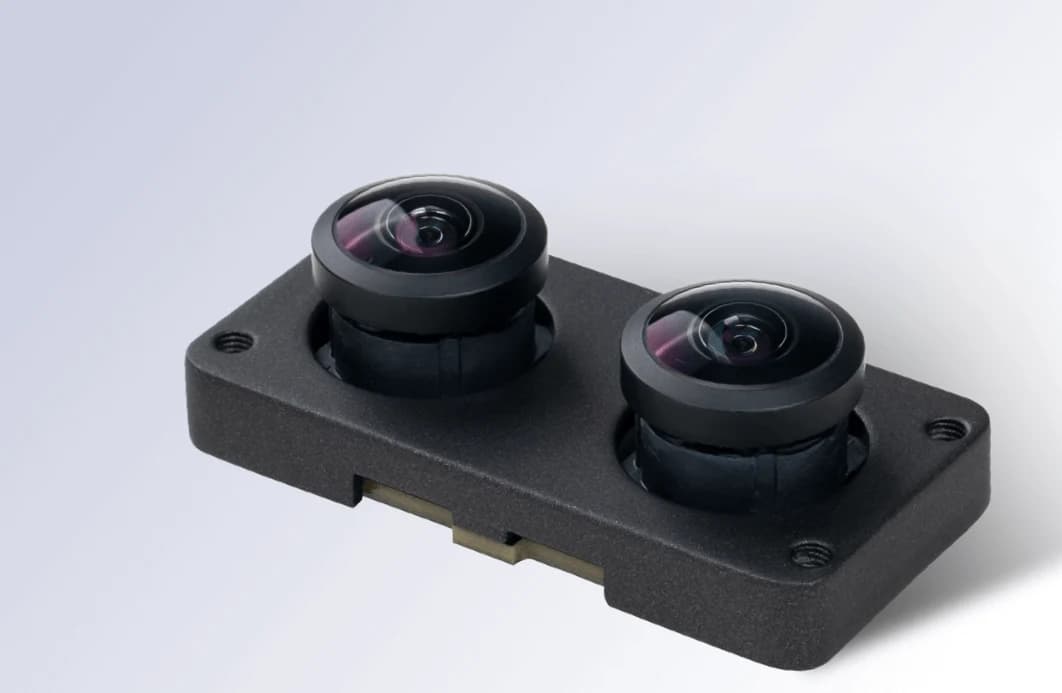
- High Resolution Ground Scanning Camera
- Millimetric LiDAR
- 5G Edge Transmitter
Proposed software
- Navigation
- High-speed precise scanning on open apron and runway in wheeled mode
- Model
- FOD (Foreign Object Debris) Classification Algorithm
- Integration
- Airport Operations Center (AOC)
The robot's real operating limits
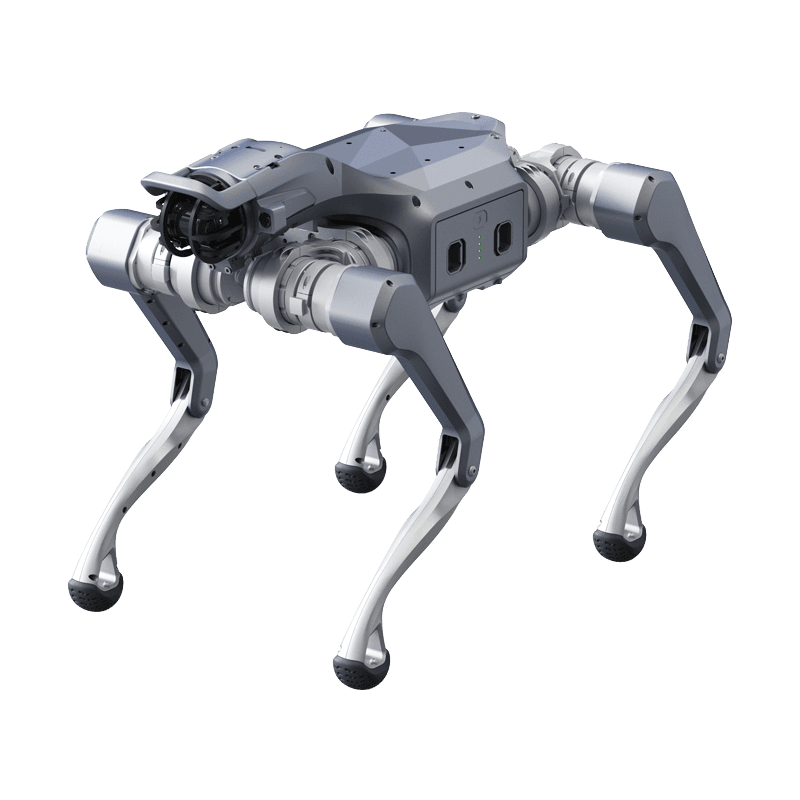
Unitree AS2
Industrial Capacity in a Compact Chassis
Product page- Ingress rating
- IP54
- Runtime
- >4 hours (No load)
- Operating temperature
- -20°C to 50°C
- Payload
- Up to 65 kg
- Max speed
- >5 m/s
- Climb
- 40°
Values are manufacturer data. Scenario fit is determined by comparing these limits with site conditions.
From scenario to installation
Feasibility is determined by the site survey: floor and route, network coverage, the charging point, intervention responsibilities and the conditions under which the robot must stop. The survey report defines the scope, the constraints and the commissioning steps.