Concept scenario
Port Container Number Tracking and Stock Verification
Scenario record: it defines the environment, the mission flow and a proposed hardware and software configuration. The list below is a configuration proposal, not an installation inventory. Field projects lists deployed systems and their measurements.
- Environment
- Outdoor field
- Operating mode
- Supervised autonomy
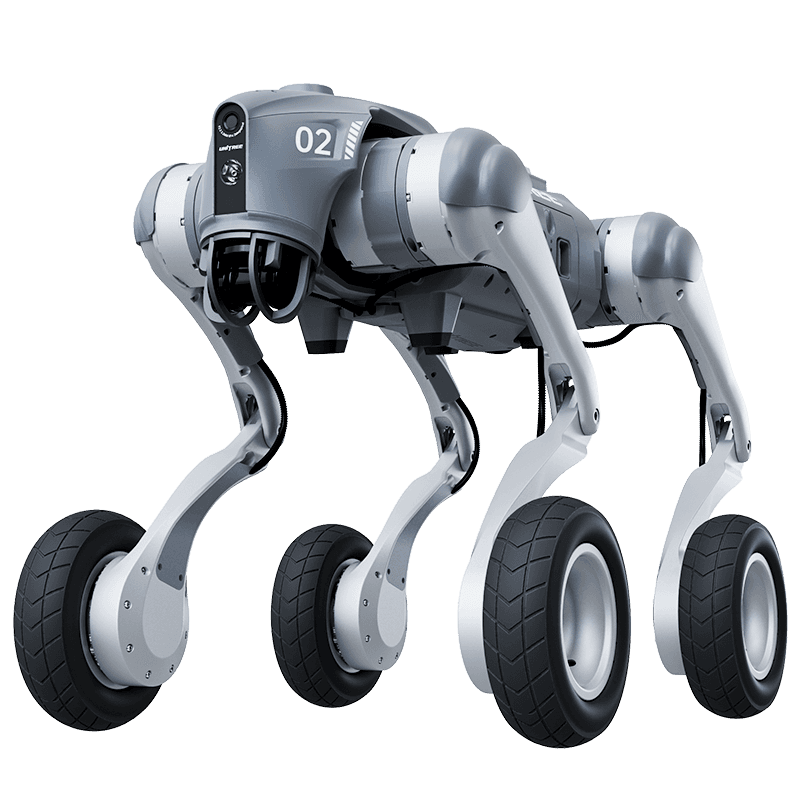
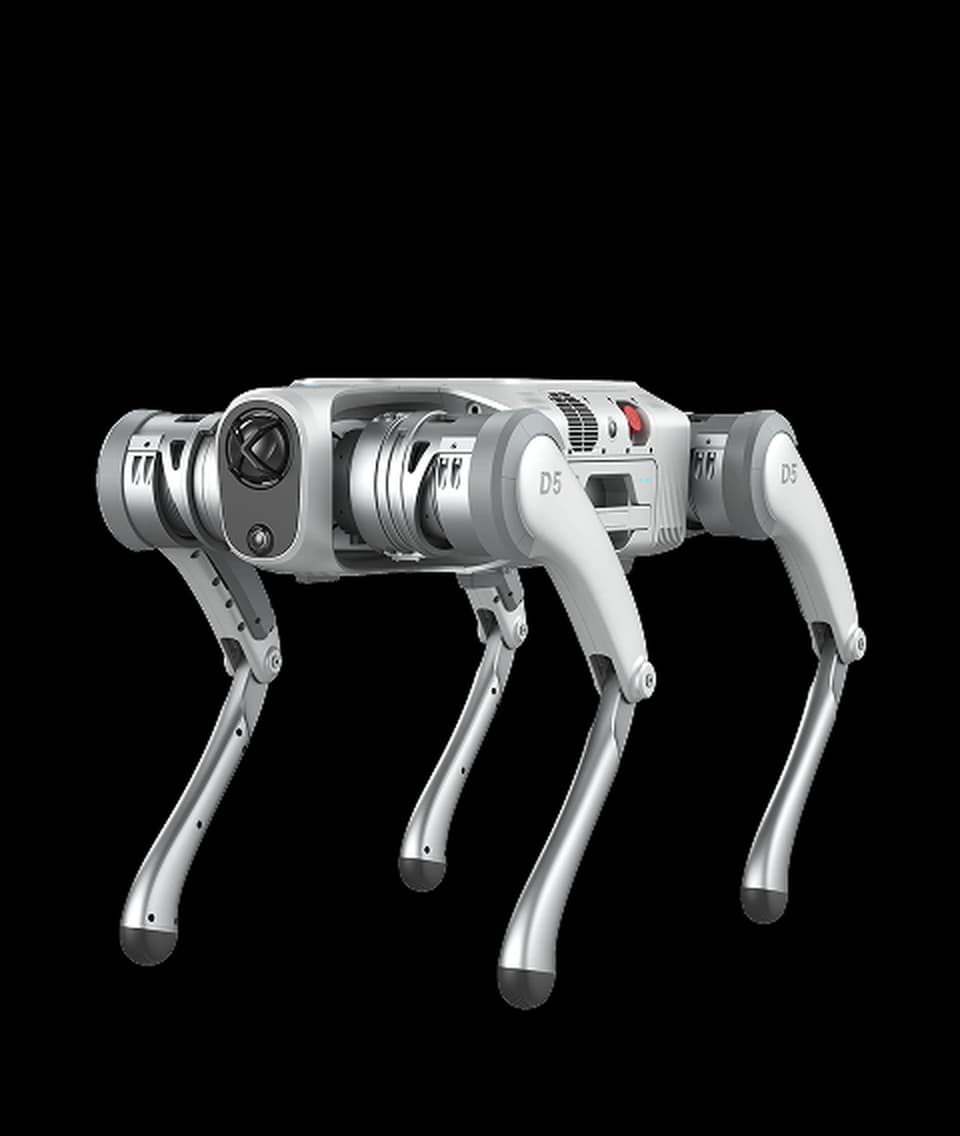
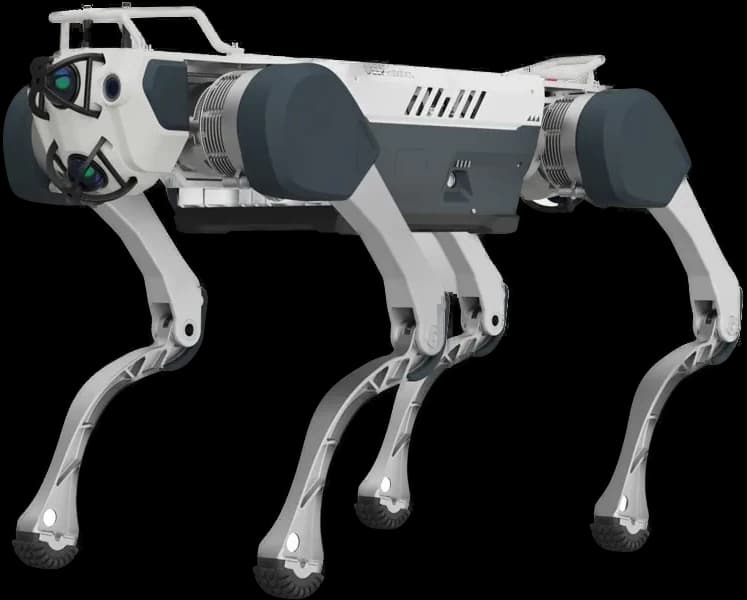
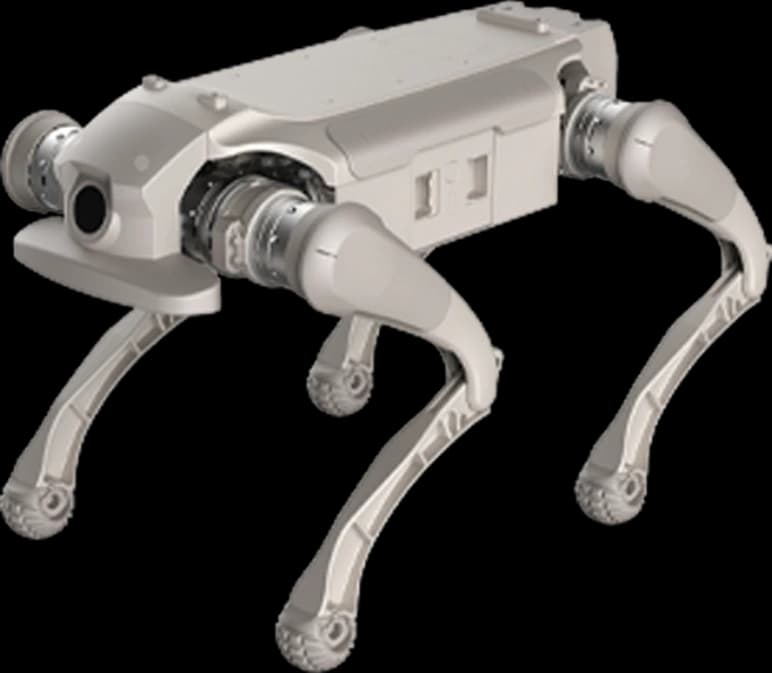
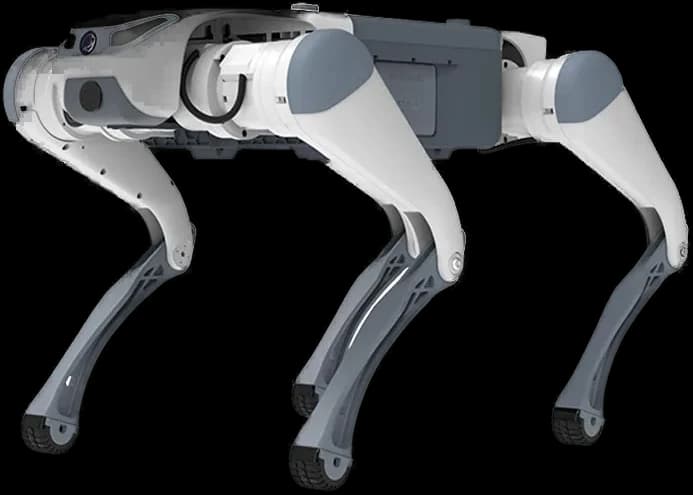
- Proposed robot
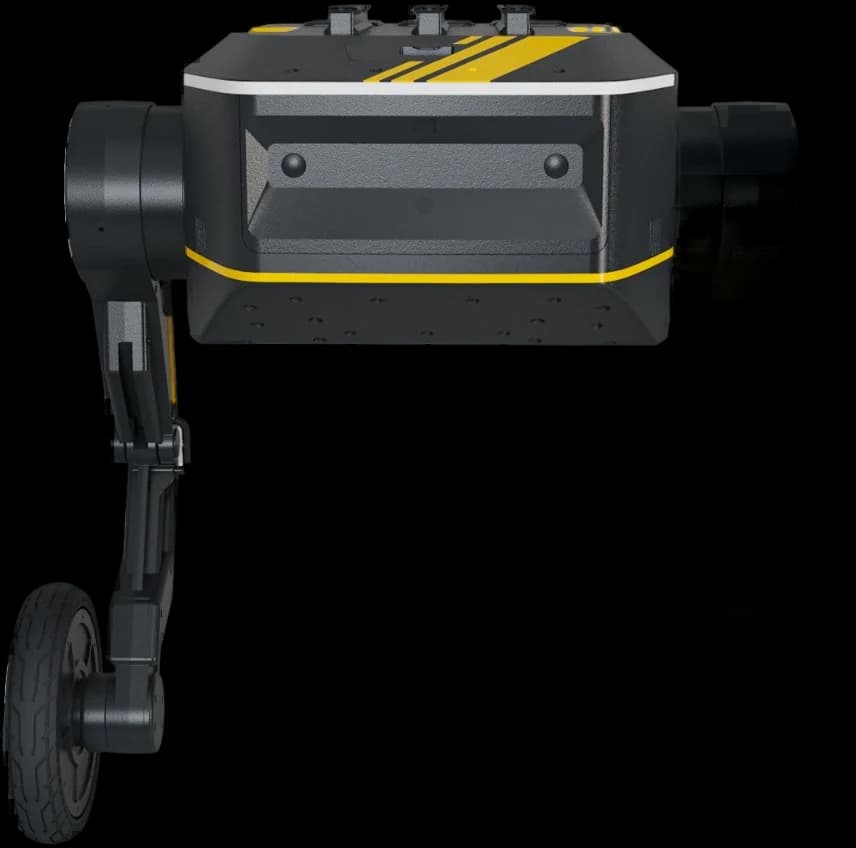
- Unitree B2-W
The problem addressed
Ship loading delays caused by incorrectly stacked containers.
Draft mission flow
- 1Scans container corridors in port stock areas day/night.
- 2Reads container ISO codes while passing and matches them instantly with the Port (TOS) system.
- 3Detects incorrectly stacked or damaged containers and reports them to crane operators.
Proposed hardware
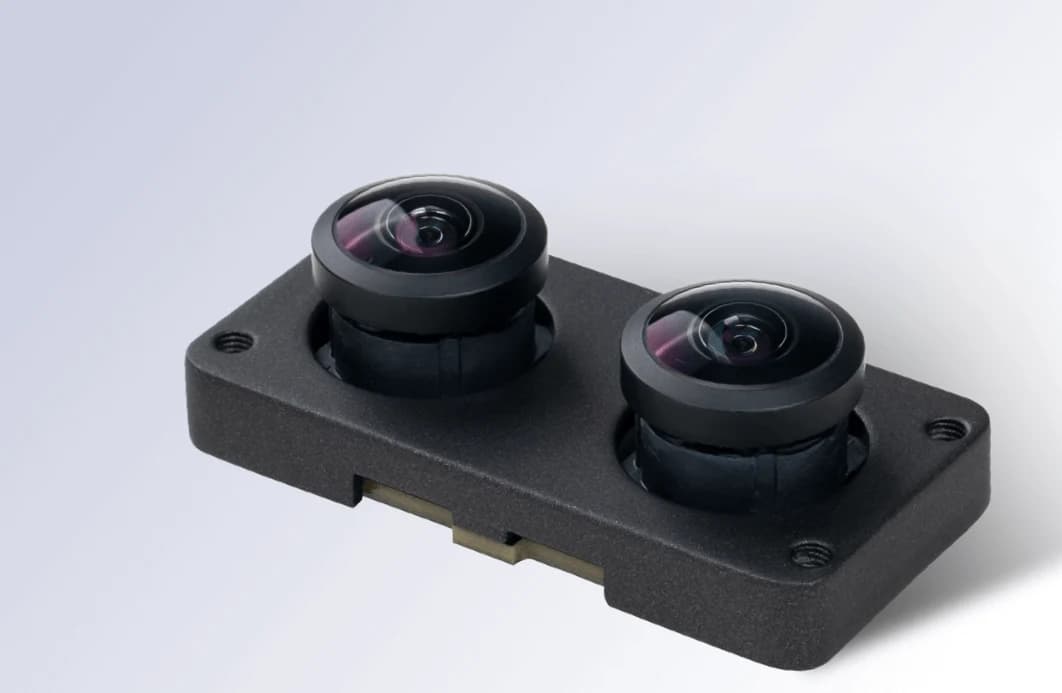
- OCR (Character Recognition) Camera
- Radar Anti-Collision
- High Capacity Battery
Proposed software
- Navigation
- Dynamic pathfinding between container blocks (Wheeled Fast Pass)
- Model
- Dynamic OCR and Container Damage Analysis
- Integration
- Terminal Operating System (TOS) Database
The robot's real operating limits
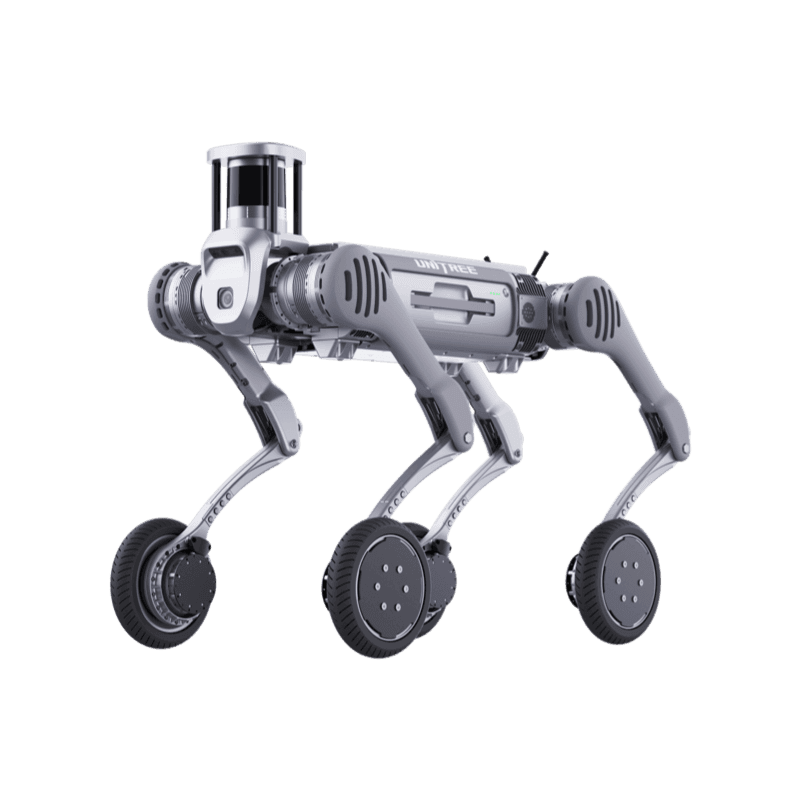
Unitree B2-W
Superior Endurance, High Logistics Efficiency
Product page- Ingress rating
- IP67
- Operating temperature
- -20°C to 55°C
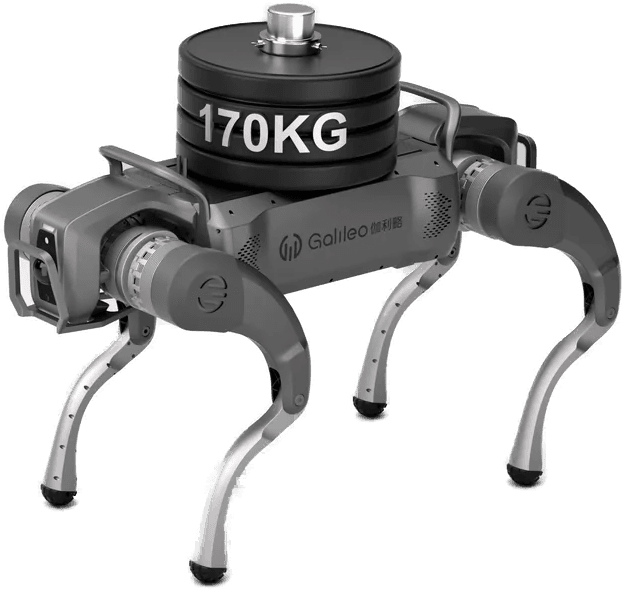
- Payload
- 120 kg
- Max speed
- 15
- Climb
- 45°
- Weight
- 85 kg
Values are manufacturer data. Scenario fit is determined by comparing these limits with site conditions.
From scenario to installation
Feasibility is determined by the site survey: floor and route, network coverage, the charging point, intervention responsibilities and the conditions under which the robot must stop. The survey report defines the scope, the constraints and the commissioning steps.